
Inspiration
We created GameVault because we saw that centralized game asset stores have a lot of problems. They charge too much, don't crypto payments, and aren't very transparent. We wanted to give gamers, game developers, and asset creators more power by creating a decentralized game asset store that's secure, transparent, and govern my the community.
What it does
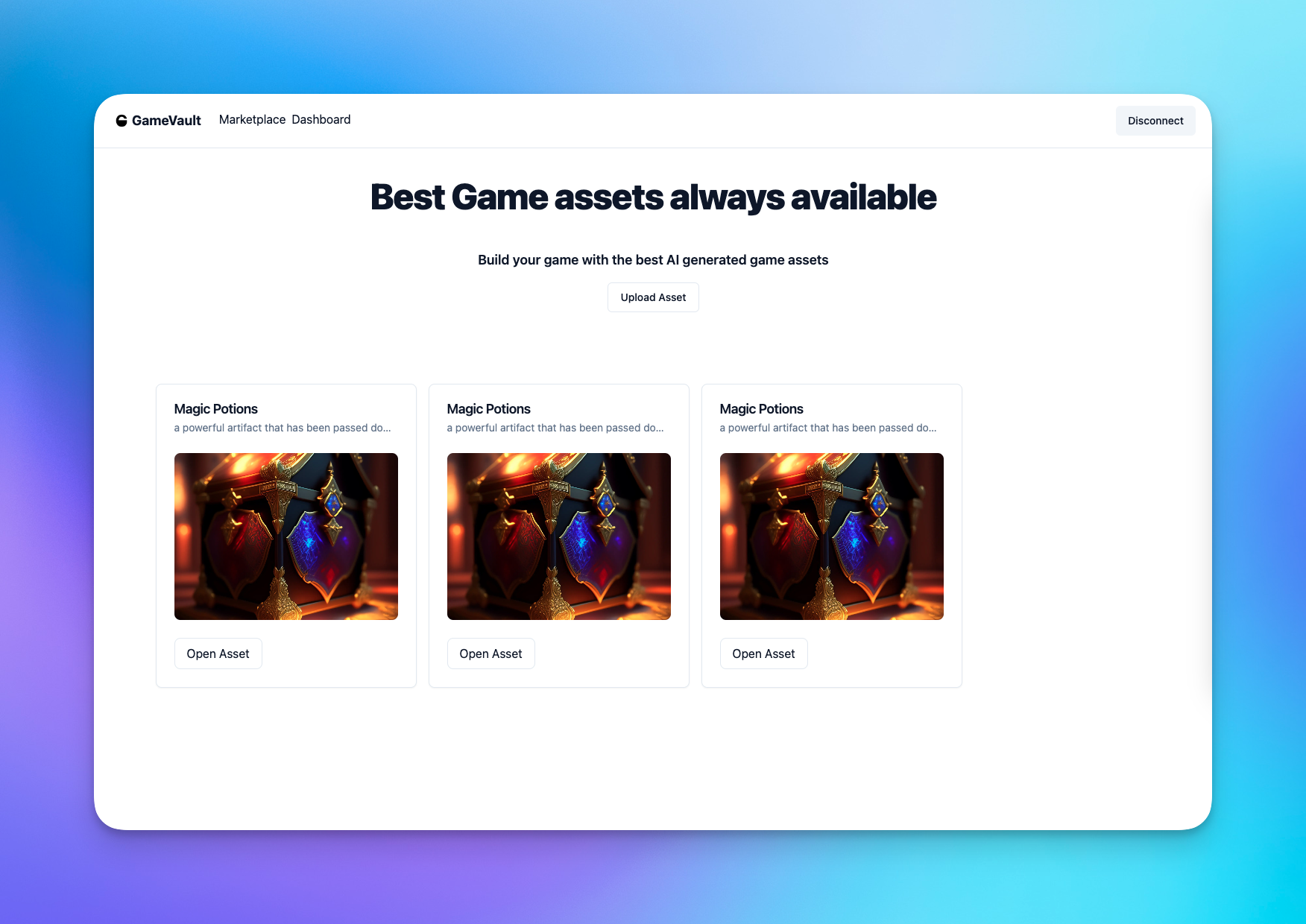
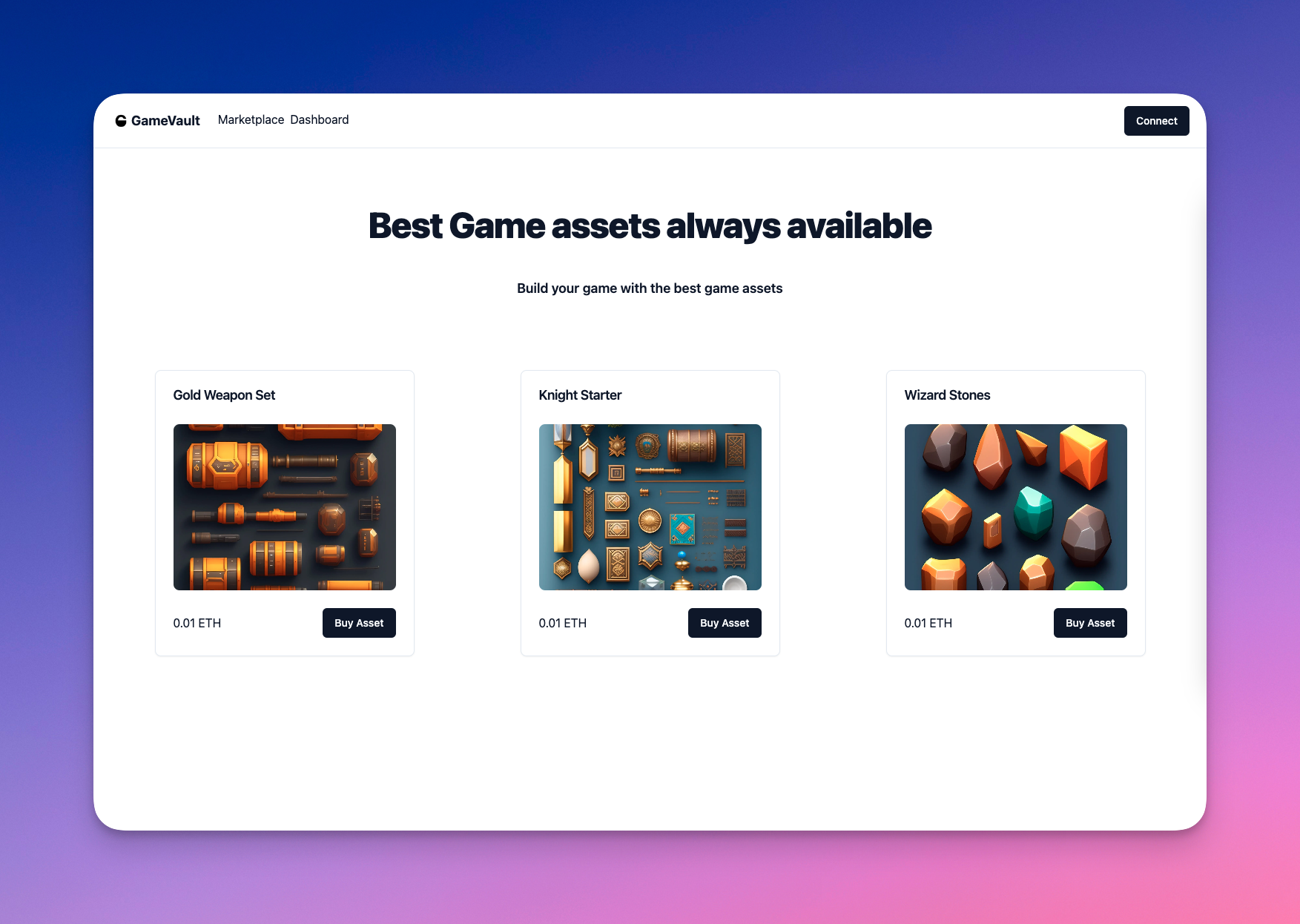
GameVault is a decentralized game asset store that leverages blockchain technology to provide secure and transparent transactions. Users can buy and sell game assets such as weapons, skins, and characters using cryptocurrency, without the need for intermediaries.
How we built it
We built it with Nextjs, Typescript, TailwindCSS for the frontend. Wagmi to connect wallet. Solidity smart contract deployed to Hyperspace Testnet to manage payments. Polybase to store game asset metadata and Spheron to store the frontend on IPFS and Spheron SDK upload assets.
Challenges we ran into
Run nextjs edge and serverless api on Spheron. Developing a smart contract that is secure. Had issues with Tellor contract on FVM.
Accomplishments that we're proud of
Functional prototype of the GameVault platform that demonstrates the core features of the platform Develop and deploy on FVM a smart contract to handle payments Creating an intuitive and user-friendly interface that simplifies the buying and selling of game assets
What we learned
Spheron products. At first it looks like a new complex tool, but soon discover it is very similar to Vercel and can be easily integrated into current workflow. With Smart contract for logics, static pages hosting and decentralized database we are now able to create full decentralized app and those tools are getting better.
What's next for GameVault
Better Assets Management Improve Privacy and Security AI Assets generation Customization and more options
Built With
- fvm
- nextjs
- polybase
- spheron
- tailwindcss
- typescript
- wagmi

Log in or sign up for Devpost to join the conversation.