Inspiration
While watching professional esports, we noticed that teams usually don’t lose because of mechanics alone. More often, games slip away when decisions fall apart under pressure — risky calls, poor timing, or strategies that collapse after one bad moment.
Most existing analytics tools focus on results or surface-level stats, but they rarely explain why a decision failed when it mattered most. We were inspired by the idea of bringing clarity to those moments. Instead of just showing what happened, we wanted to help coaches understand what went wrong and how to fix it.
What it Does
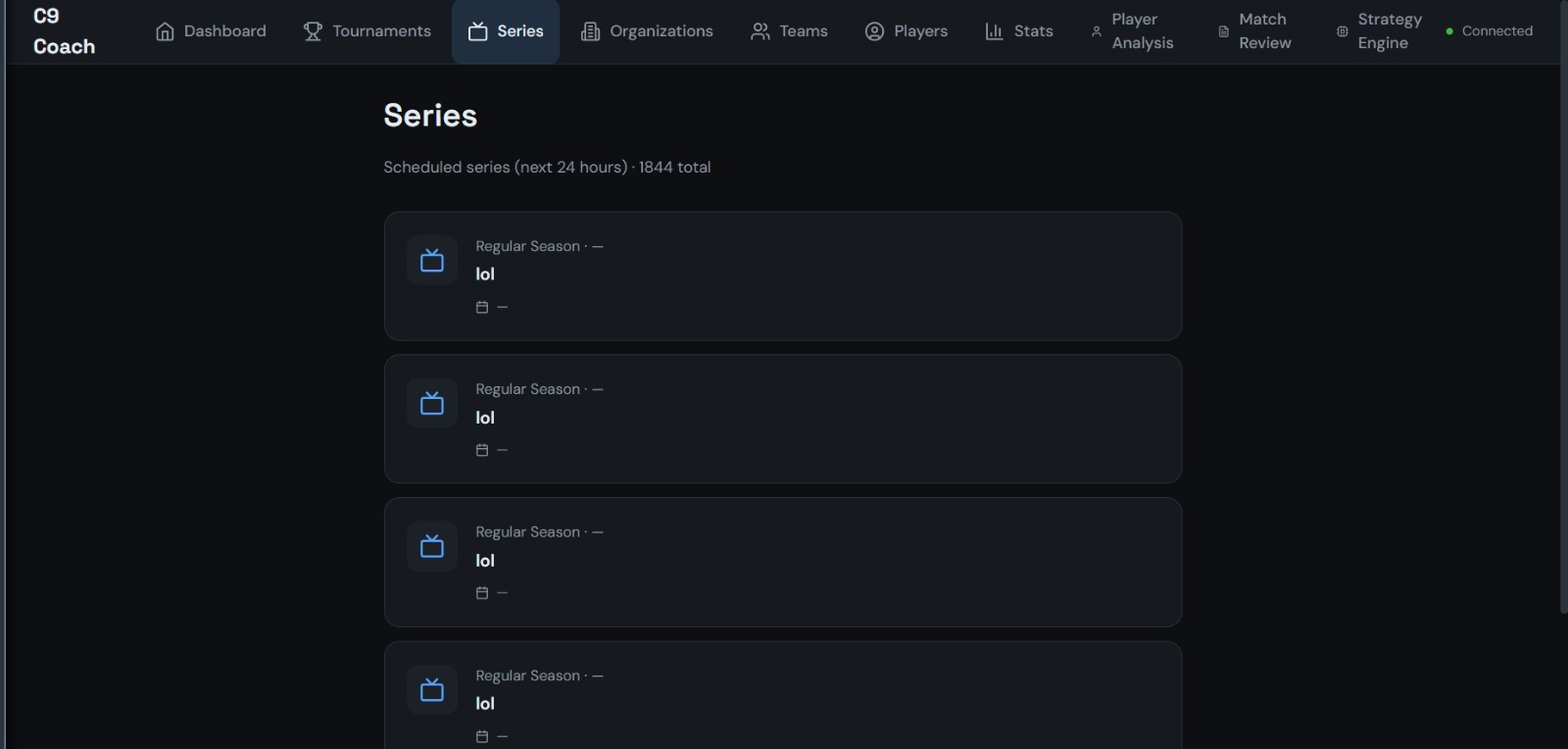
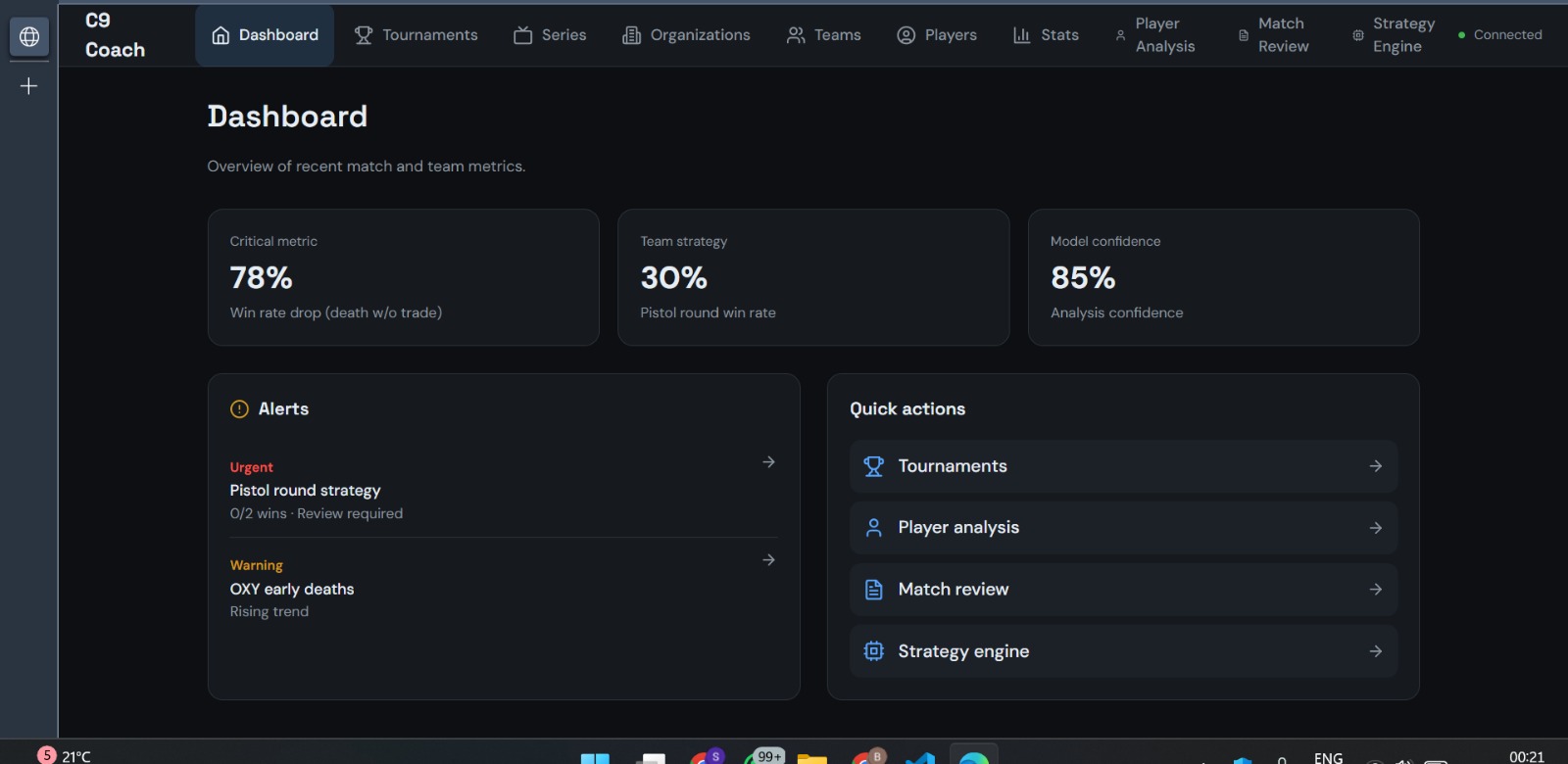
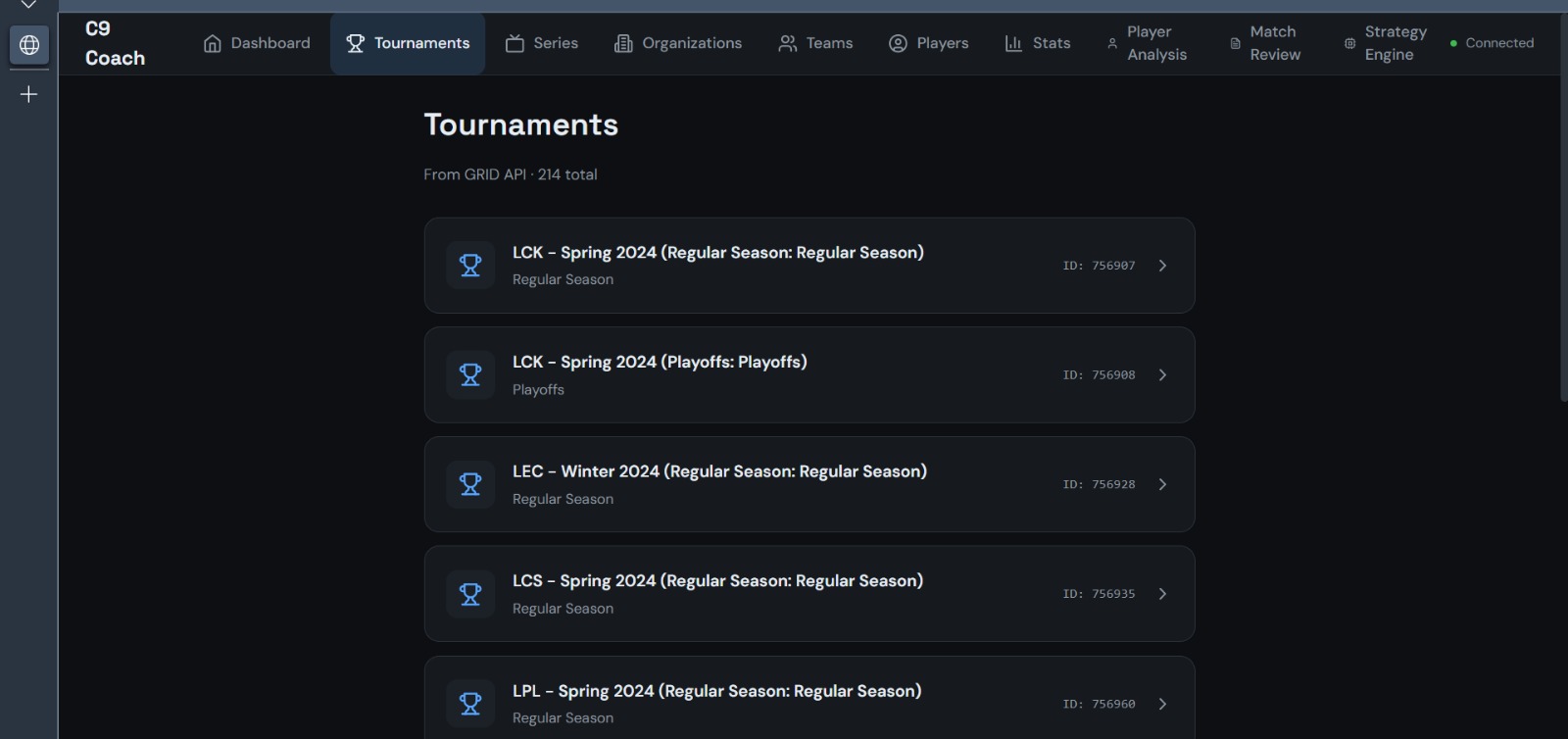
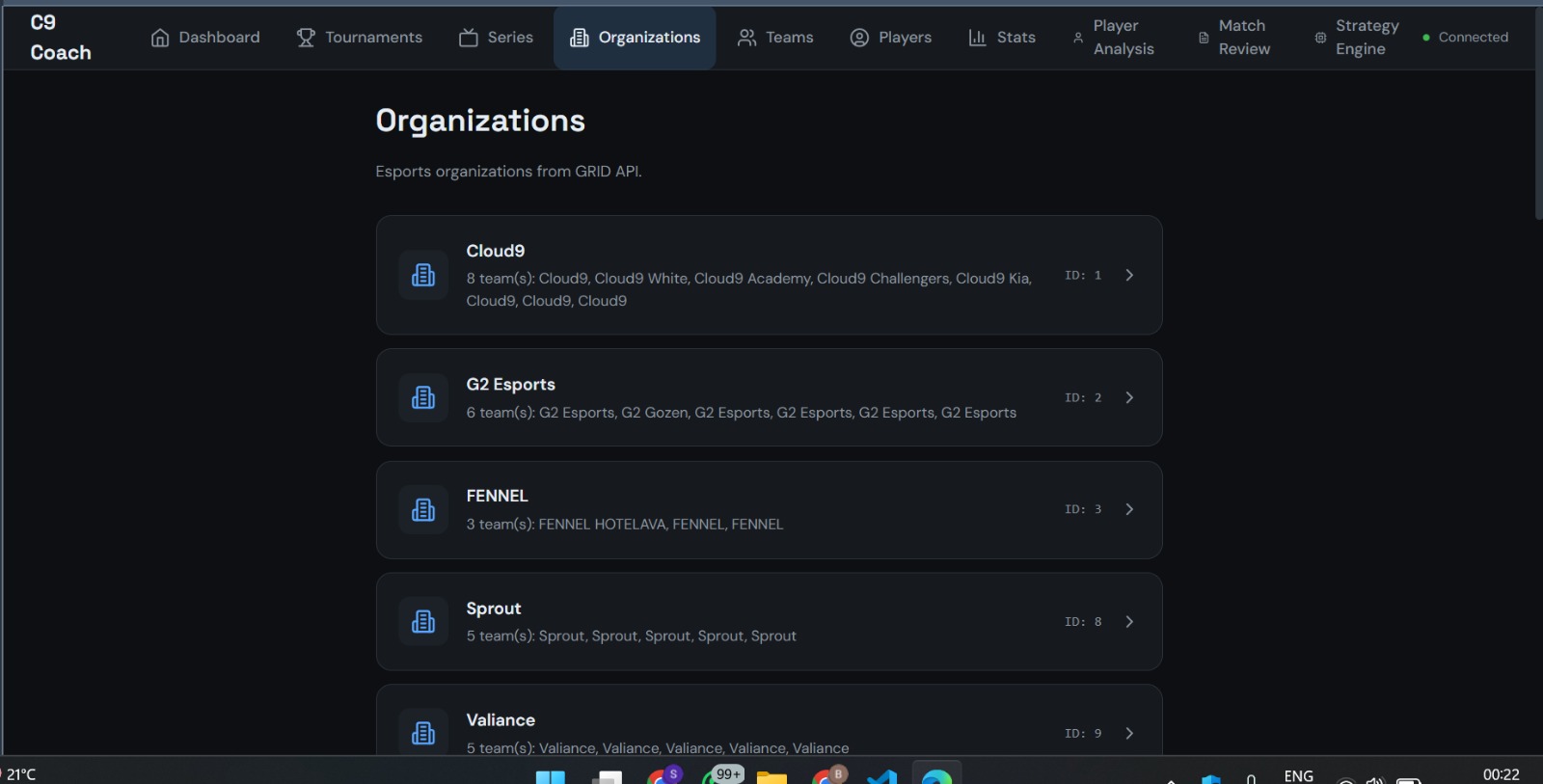
GameSense OS is an assistant coach that helps explain decision-making under pressure.
Rather than predicting wins or ranking players, it looks at real match situations and breaks down how risk, pressure, and strategy interacted in key moments. The system highlights where decision quality dropped and turns that analysis into clear, practical insights that coaches can actually use during review and preparation.
The goal isn’t to replace coaching intuition — it’s to support it with clarity.
How We Built It
We built GameSense OS using React and Vite for the frontend and Node.js with Express for the backend. All analysis runs on static and historical match data so the system is reliable and easy to reproduce.
At the core are simple, explainable metrics that evaluate decision quality. One example is the Decision Quality Index:
[ DQI = ExpectedValue - (Volatility \times Fragility \times Pressure) ]
Using deterministic logic allowed us to keep the system fast, transparent, and easy to reason about.
Challenges We Faced
One of the biggest challenges was avoiding black-box AI and overclaiming. We had to be careful with both the language we used and the insights we generated.
We also had to balance depth with clarity — too much data overwhelms users, but too little loses trust. Designing an interface that reveals insights step by step helped solve this.
What We Learned
We learned that explainability matters more than perfect accuracy. Coaches want to understand the reasoning behind an insight, not just see a score.
We also learned how important reliability and UX are, especially in a high-pressure environment like competitive esports.
What’s Next
Next, we want to expand GameSense OS into macro-level game reviews and deeper “what-if” analysis. The long-term vision is a decision-intelligence tool that supports coaches before, during, and after matches.


Log in or sign up for Devpost to join the conversation.