-
-
-
-
-
-
First step
Inspiration
The inspiration for Game Engine Kiro came from witnessing the transformative power of AI in software development. As game developers, we've always dreamed of building our own engine but were intimidated by the complexity and time investment required. When Kiro AI Agent became available, we saw an opportunity to revolutionize game engine development by combining human creativity with AI's analytical power and code generation capabilities.
We were inspired by the idea that AI could help us tackle the most challenging aspects of engine development - from complex physics systems to optimized rendering pipelines - while maintaining the creative vision and architectural decisions that make each engine unique.
What it does
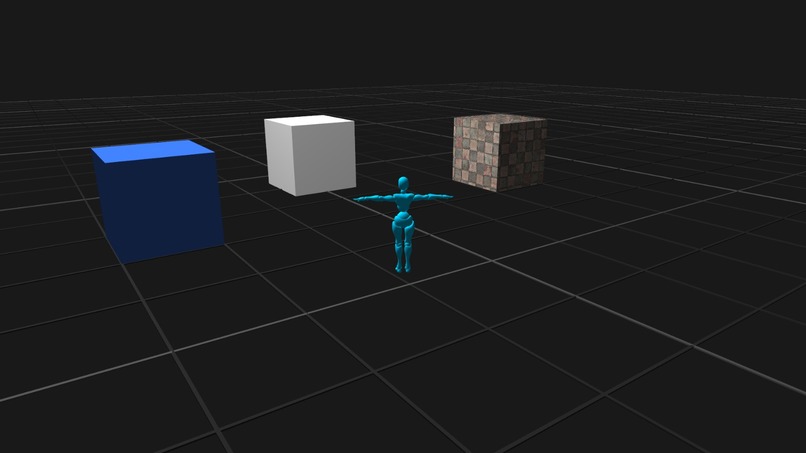
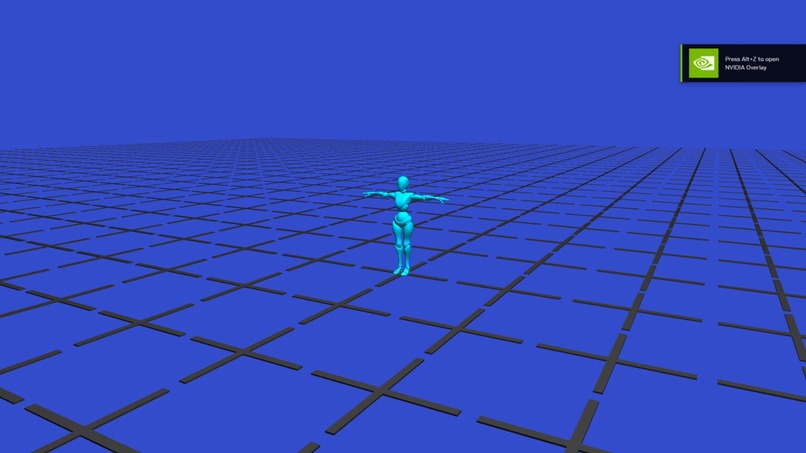
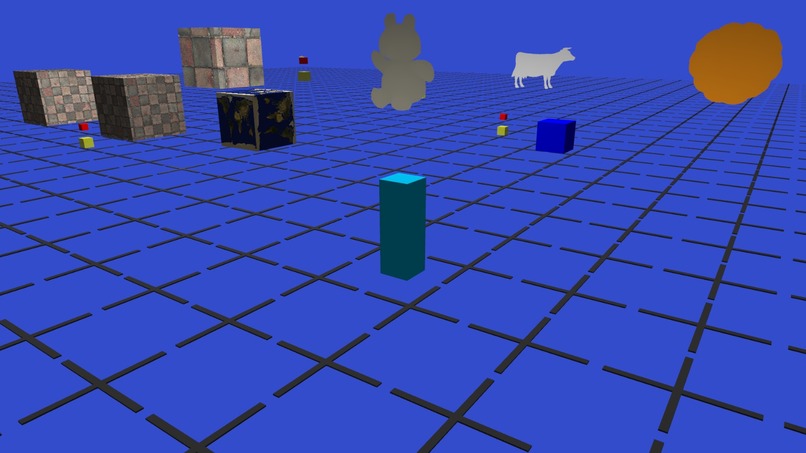
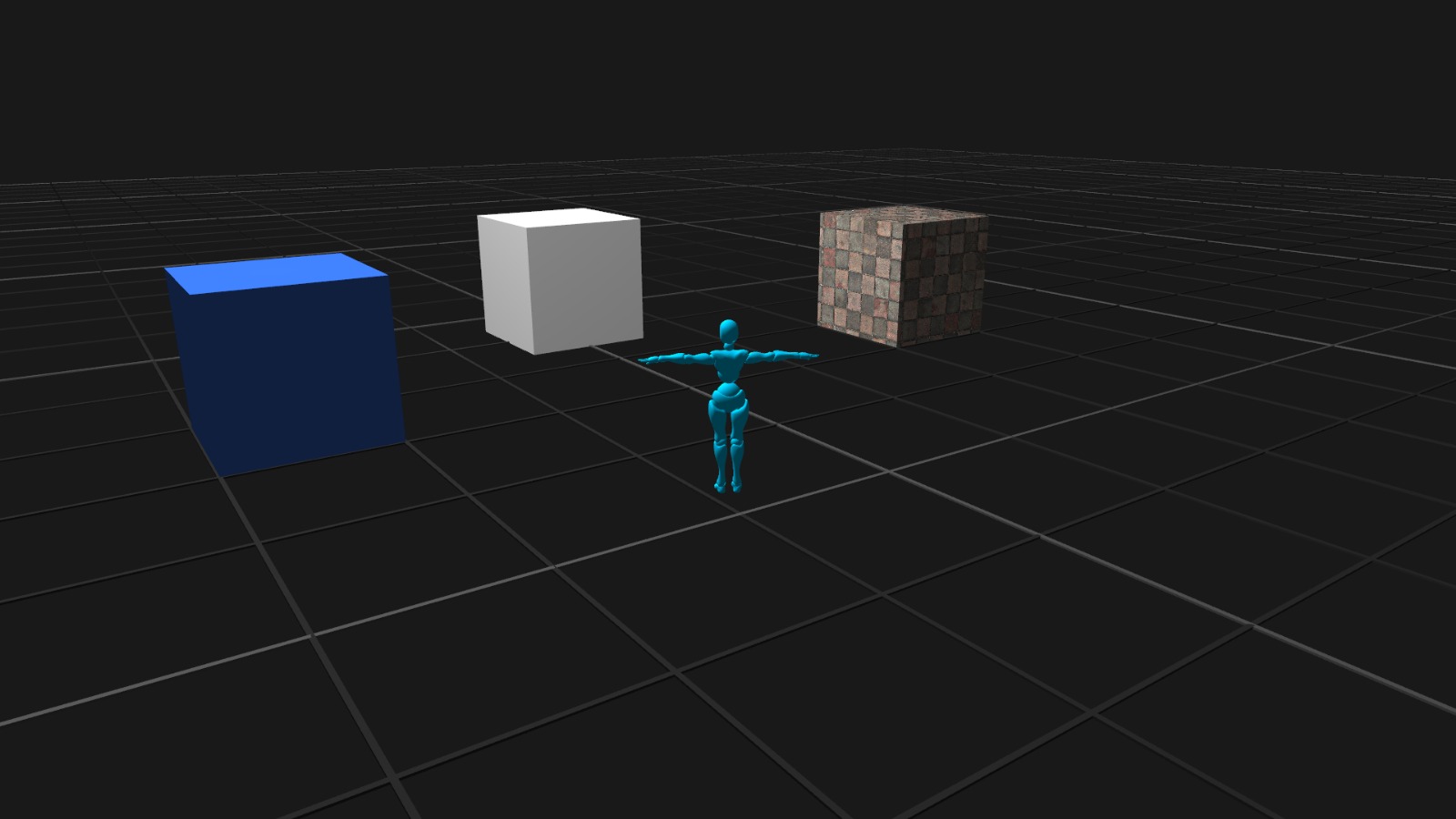
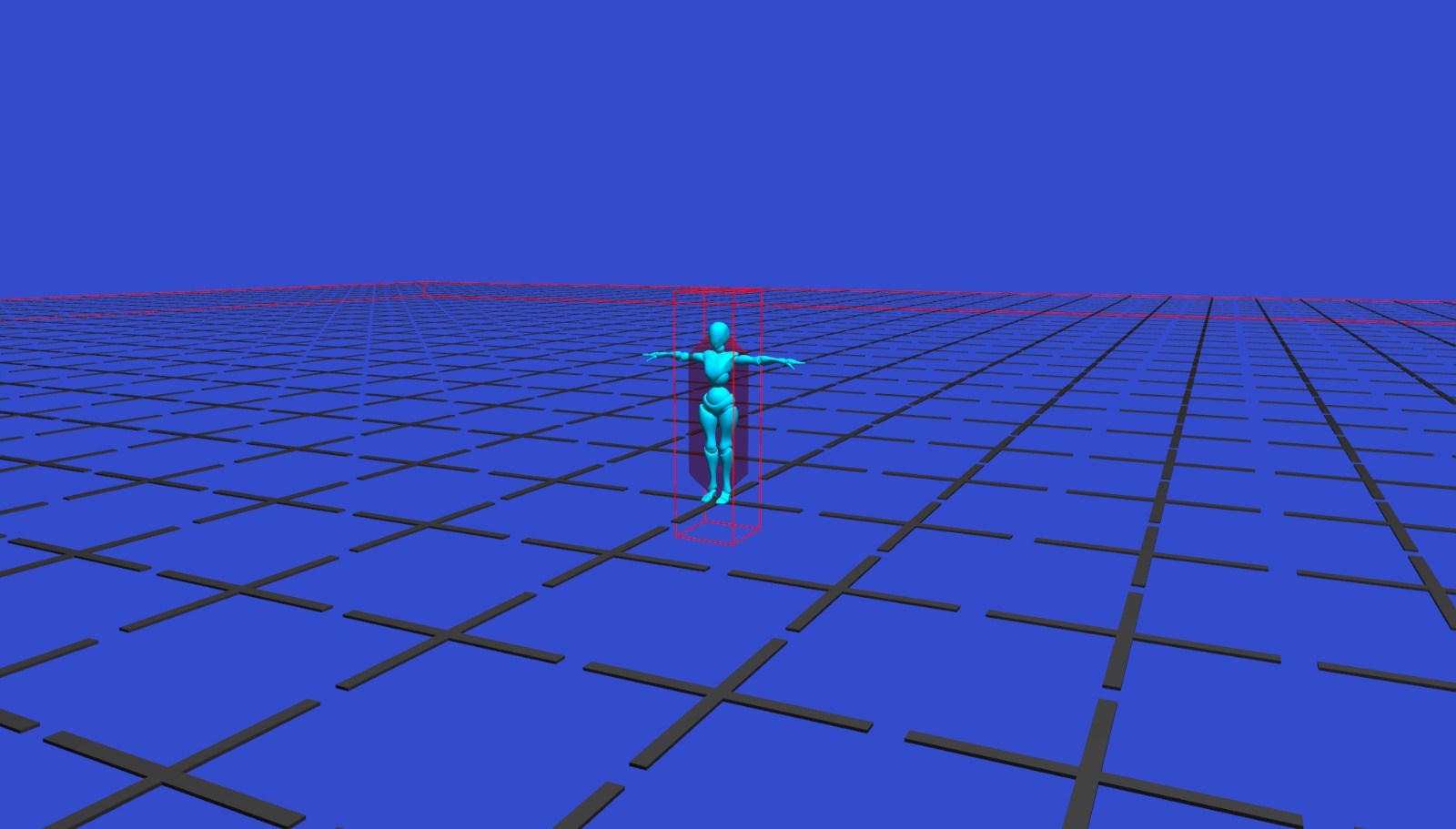
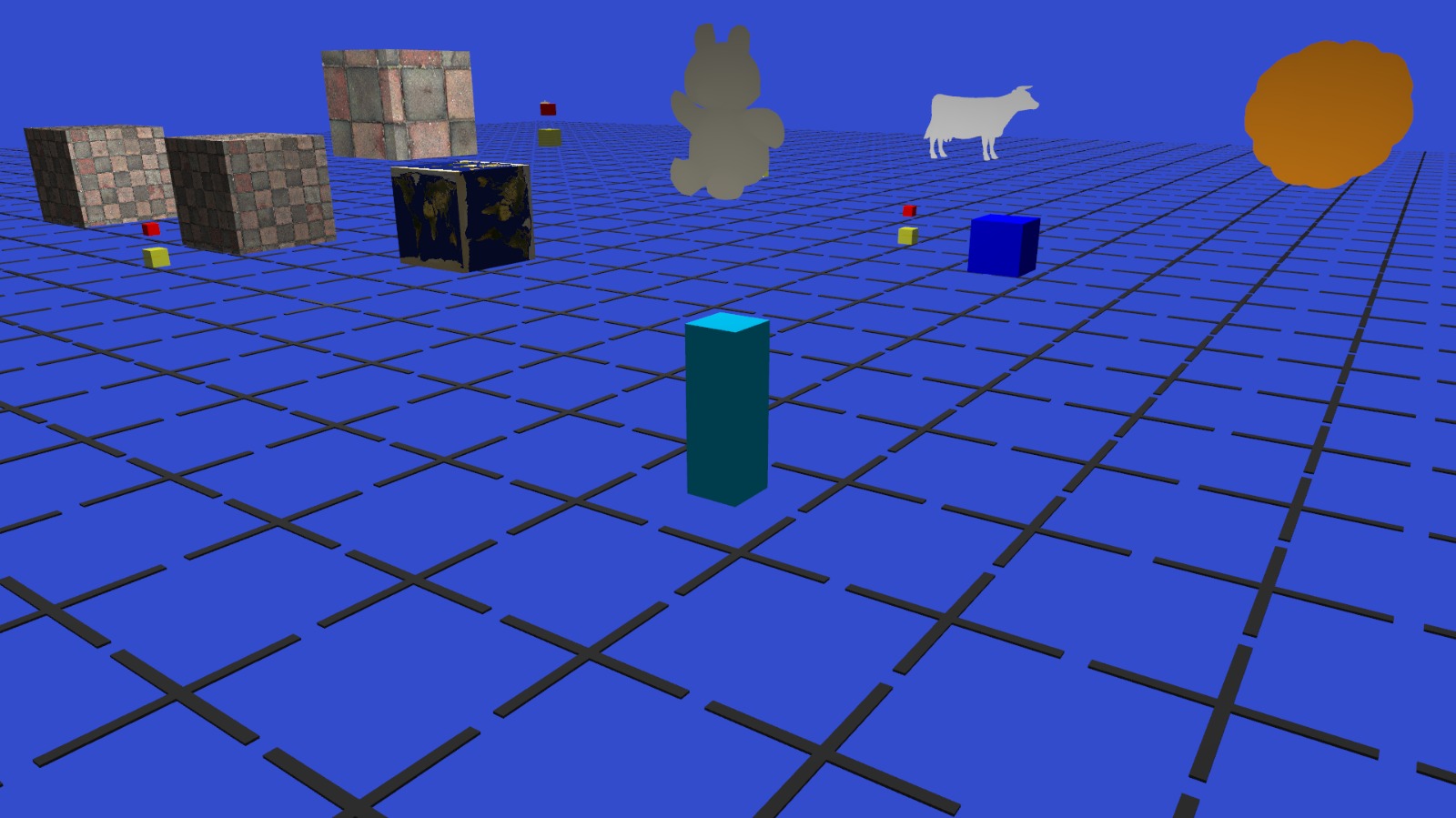
Game Engine Kiro is a modern 3D game engine specifically designed for third-person action games and open-world experiences. Built entirely with AI assistance, it demonstrates how human-AI collaboration can accelerate complex software development while maintaining professional quality standards.
Core Features:
- Modular Architecture: Clean, AI-designed separation of concerns with well-defined interfaces
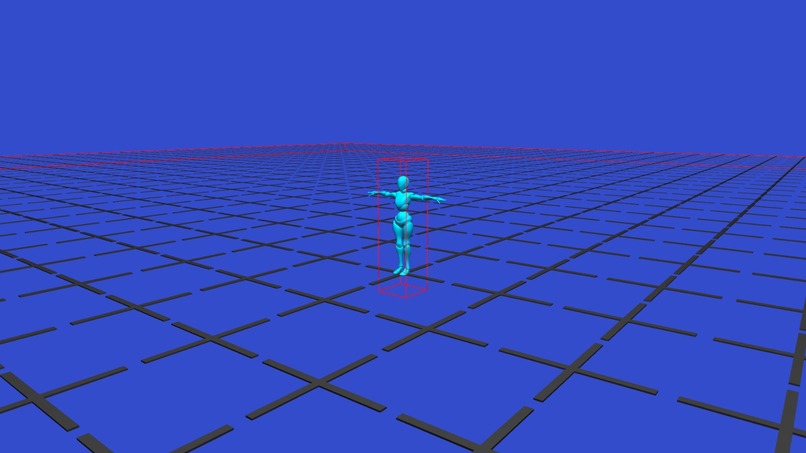
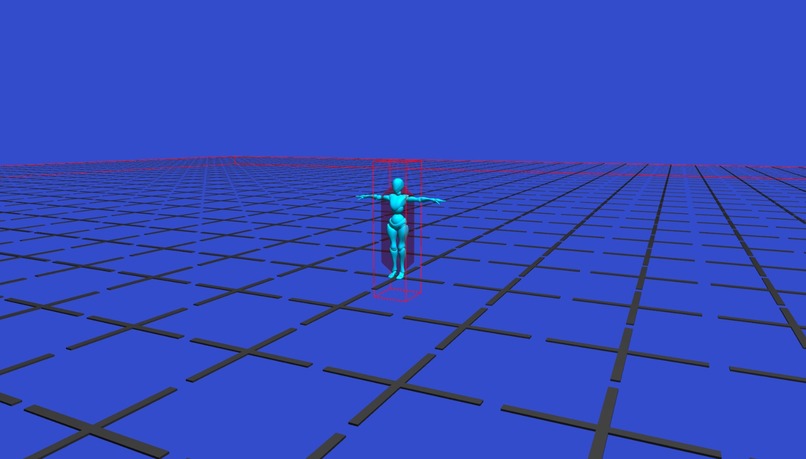
- Advanced Physics System: Revolutionary component-based movement system with 3 specialized movement types (CharacterMovement, PhysicsMovement, HybridMovement)
- Professional Camera System: Third-person camera with SpringArm component for smooth gameplay
- Modern Rendering: OpenGL 4.6+ pipeline with hot-reloadable shaders
- 3D Spatial Audio: OpenAL integration with positional audio
- Comprehensive Resource Management: Automatic loading, caching, and lifetime management
- Multi-Format Model Loading: Support for OBJ, FBX, and GLTF formats (in development)
What makes it special:
- AI-Driven Development: Every major system was designed and implemented with Kiro AI Agent assistance
- Intelligent Architecture: AI helped design a modular system that's both performant and maintainable
- Rapid Prototyping: Built-in primitives and tools for quick game development
- Industry-Standard Practices: Follows the same movement patterns as Unity, Unreal, and Godot
How we built it
This project showcases the power of AI-assisted development using multiple AI tools in harmony:
Primary AI Tools:
- Kiro AI Agent: Our main development partner for architecture design, code generation, and problem-solving
- Claude 4: Advanced reasoning for complex system design and optimization
Development Workflow:
- AI-Assisted Architecture Design: Used Kiro to design the modular architecture, ensuring clean separation of concerns
- Iterative Development: Each subsystem (Graphics, Physics, Audio, Input) was developed through AI-human collaboration
- Intelligent Code Generation: AI generated boilerplate code, complex algorithms, and optimization patterns
- AI-Powered Testing: Comprehensive test suites designed and implemented with AI assistance
- Documentation Generation: AI helped create extensive documentation and guides
Technical Stack:
- C++20: Modern language features for performance and safety
- CMake + vcpkg: AI-optimized build system and dependency management
- OpenGL 4.6+: Modern graphics pipeline
- Bullet Physics: Robust physics simulation
- OpenAL: 3D spatial audio system
AI-Driven Features:
- Spec-Driven Development: Used Kiro's spec system to plan and implement complex features like 3D model loading
- Automated Testing: AI generated comprehensive test suites for all major systems
- Performance Optimization: AI analyzed and optimized critical code paths
- Documentation: AI helped create detailed documentation and architectural guides
Challenges we ran into
Technical Challenges:
- Complex Physics Integration: Implementing industry-standard raycast movement required deep understanding of physics systems. Kiro AI helped us analyze how major engines handle character movement and guided us to implement a component-based system.
- Memory Management: C++ memory management in a game engine context is notoriously difficult. AI assisted in implementing RAII patterns and smart pointer usage throughout the codebase.
- Cross-Platform Compatibility: Ensuring the engine works across different Windows configurations required careful dependency management, which AI helped optimize.
AI Collaboration Challenges:
- Context Management: Managing large codebases with AI required careful context selection and incremental development approaches.
- Architecture Consistency: Ensuring AI-generated code followed consistent patterns across the entire engine required establishing clear coding standards and review processes.
- Performance Optimization: Balancing AI suggestions with performance requirements needed human oversight and domain expertise.
Solutions Through AI:
- Used Kiro's spec system to break down complex features into manageable tasks
- Leveraged AI's pattern recognition to maintain architectural consistency
- Applied AI-suggested optimization techniques while validating performance impacts
Accomplishments that we're proud of
Technical Achievements:
- Revolutionary Movement System: Created a component-based movement system that rivals commercial engines, with seamless switching between movement types at runtime
- Professional Camera System: Implemented a SpringArm-based third-person camera that provides smooth, responsive controls
- Modular Architecture: Built a clean, extensible architecture that makes adding new features straightforward
- Comprehensive Testing: Achieved extensive test coverage with AI-generated test suites
AI Collaboration Success:
- Rapid Development: Built a functional game engine in record time through AI assistance
- Code Quality: Maintained professional-grade code quality throughout the project
- Documentation Excellence: Created comprehensive documentation that rivals commercial engines
- Learning Acceleration: AI helped us understand complex game engine concepts and implement them correctly
Innovation Highlights:
- Dual Physics Strategy: Designed for both Bullet Physics and future NVIDIA PhysX integration
- Hot-Reloadable Shaders: Automatic shader compilation and reloading for rapid iteration
- Intelligent Resource Management: AI-designed caching and lifetime management system
What we learned
About AI-Assisted Development:
- AI as a Development Partner: AI works best as a collaborative partner, not a replacement for human creativity and decision-making
- Iterative Refinement: The best results come from iterative collaboration, where AI suggestions are refined through human feedback
- Context is King: Providing clear context and requirements to AI dramatically improves output quality
- Architectural Thinking: AI excels at implementing well-defined patterns but human insight is crucial for high-level architectural decisions
Technical Insights:
- Modern C++ Patterns: Learned advanced C++20 features and how to apply them effectively in game engine development
- Game Engine Architecture: Gained deep understanding of how professional game engines are structured and optimized
- Physics System Design: Understood the complexity of character movement systems and why component-based approaches are superior
- Performance Optimization: Learned how to balance feature richness with performance requirements
Project Management:
- Spec-Driven Development: Using Kiro's spec system for complex features dramatically improved development organization
- Documentation-First Approach: AI-assisted documentation creation made the project more maintainable and accessible
- Testing Strategy: AI-generated tests provided confidence in system reliability and caught edge cases we might have missed
What's next for GameEngineKiro
Immediate Roadmap (v1.1):
- NVIDIA PhysX Integration: Adding GPU-accelerated physics for enhanced performance
- Advanced Shader System: Implementing PBR materials and advanced lighting models
- 3D Model Loading: Completing FBX, GLTF, and enhanced OBJ support with AI assistance
- Animation System: Skeletal animation and state machines
- Particle Effects: GPU-accelerated particle systems
Future Vision (v1.5+):
- Vulkan Renderer: Modern graphics API for maximum performance
- AI-Powered Tools: Integrating AI directly into the engine for content generation
- Visual Editor: GUI-based development environment
- Cross-Platform Support: Expanding beyond Windows to Linux and macOS
- Networking: Multiplayer game support with deterministic physics
AI Integration Goals:
- AI-Assisted Game Development: Tools that help game developers create content faster
- Procedural Content Generation: AI-powered asset creation and world building
- Intelligent Optimization: Runtime AI that optimizes performance based on hardware and content
- Natural Language Scripting: AI-powered scripting system for non-programmers
Community and Ecosystem:
- Open Source Community: Building a community around AI-assisted game development
- Educational Resources: Creating tutorials and courses on AI-assisted engine development
- Plugin System: Extensible architecture for community-contributed features
- Industry Partnerships: Collaborating with game studios to validate and improve the engine
Game Engine Kiro represents the future of game development - where human creativity and AI capabilities combine to create powerful, accessible tools for building amazing games. This hackathon project demonstrates that with the right AI partnership, even the most complex software projects become achievable for individual developers and small teams.
Built With
- bullet
- cpp
- engine
- games
- nvidia
- phys
- shader


Log in or sign up for Devpost to join the conversation.