-
-
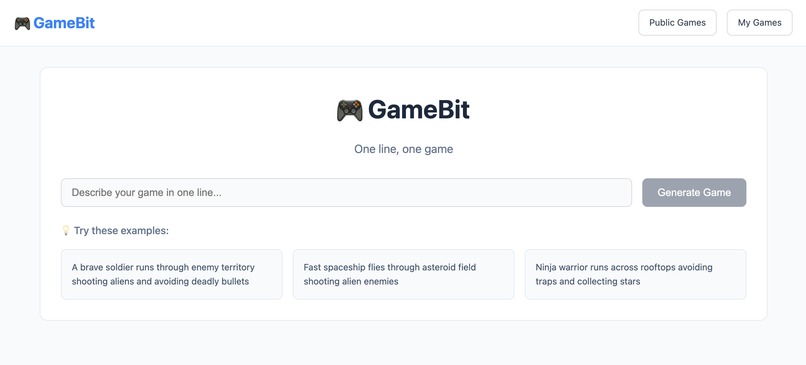
Main Page
-
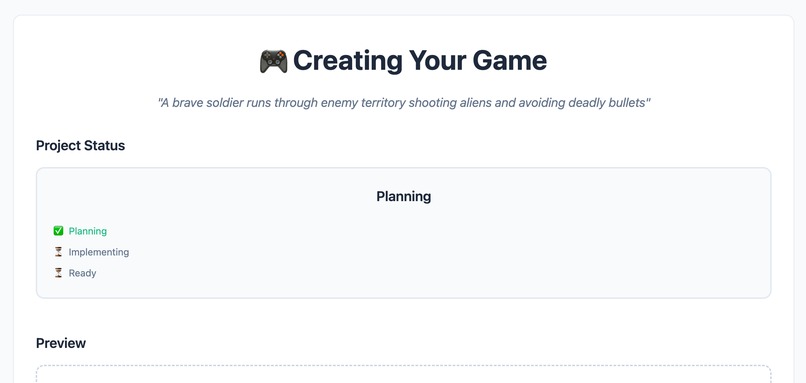
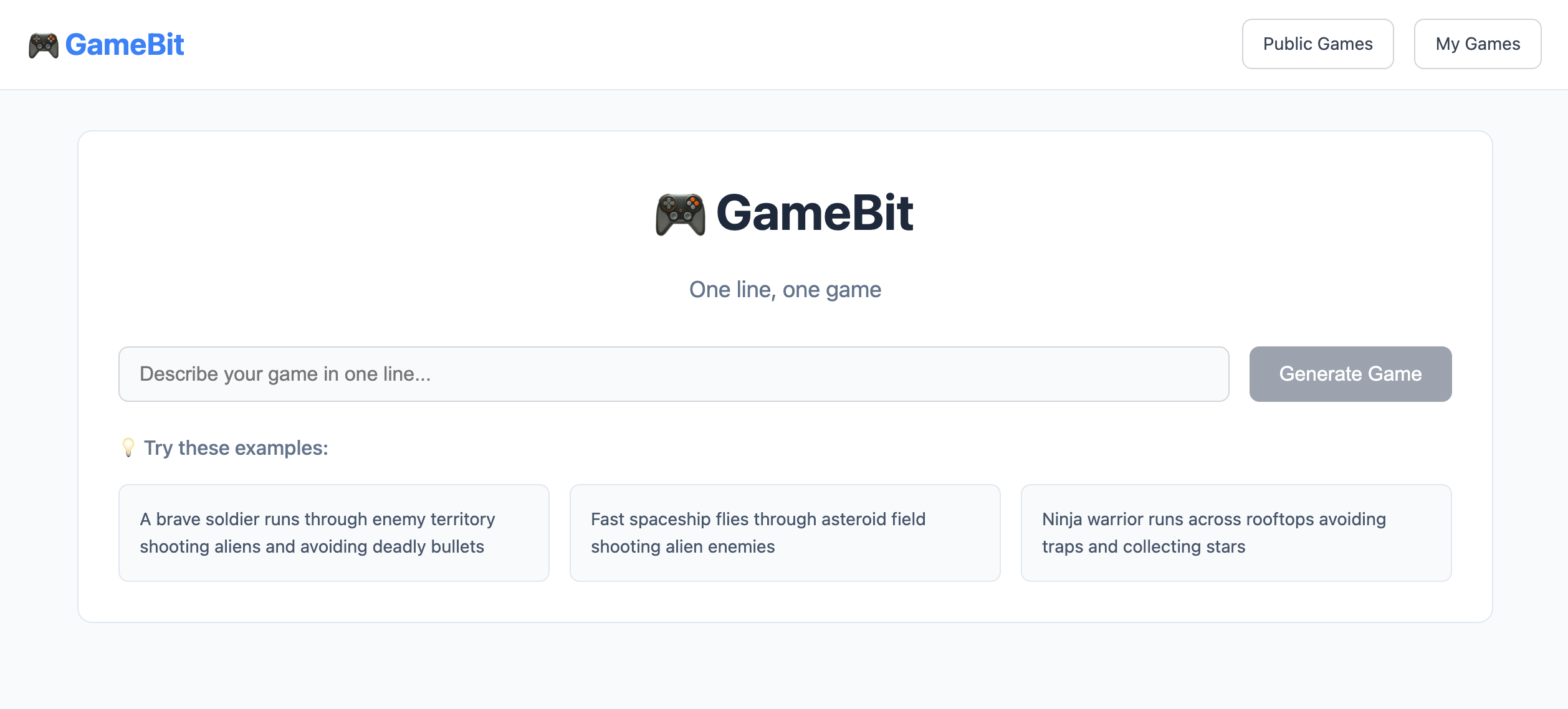
Game Creating Page
-
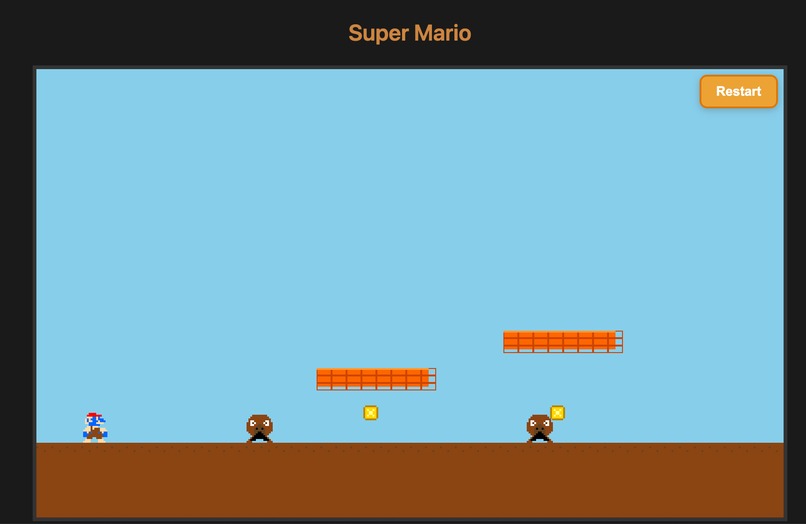
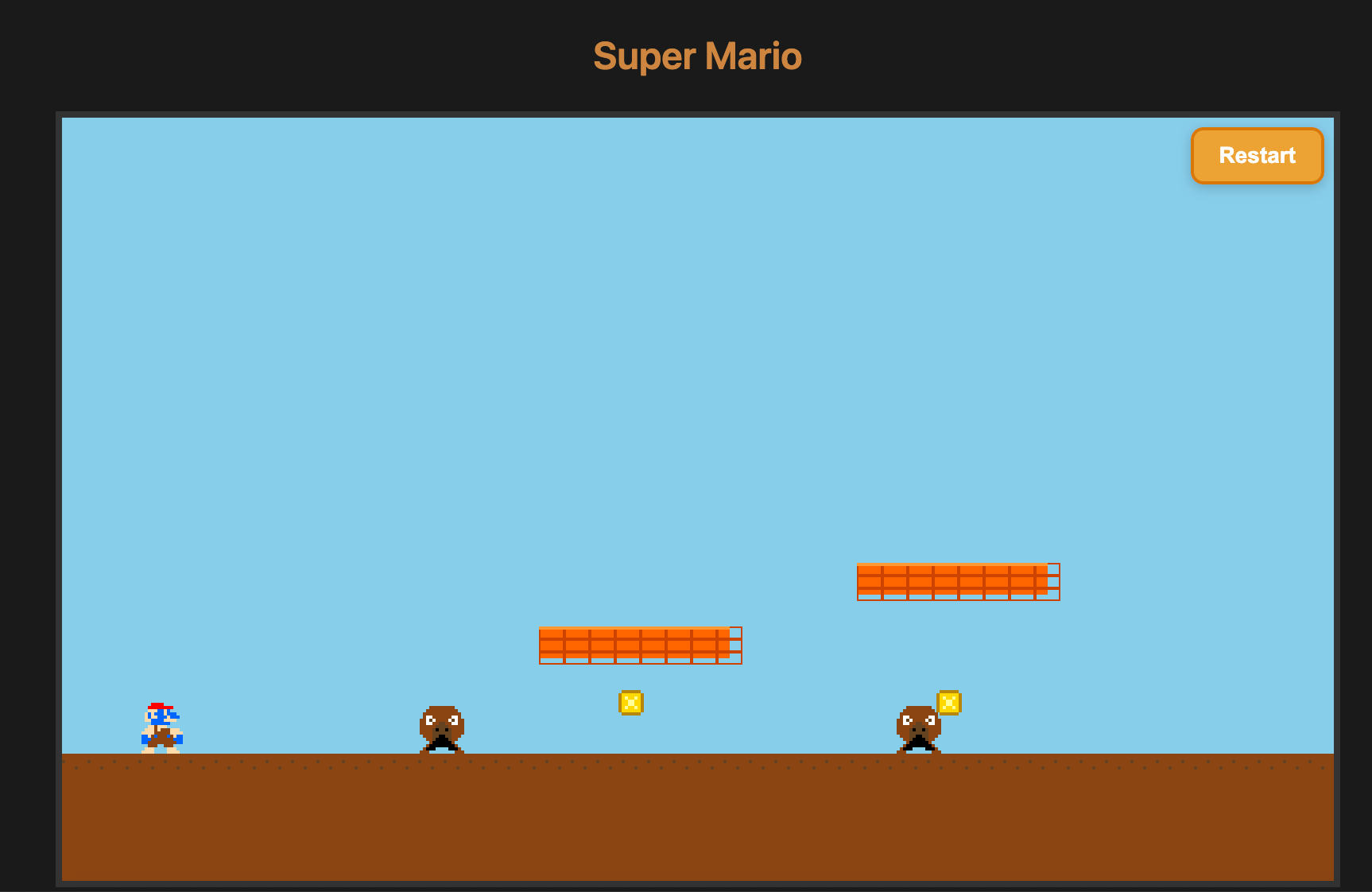
Super Mario
-
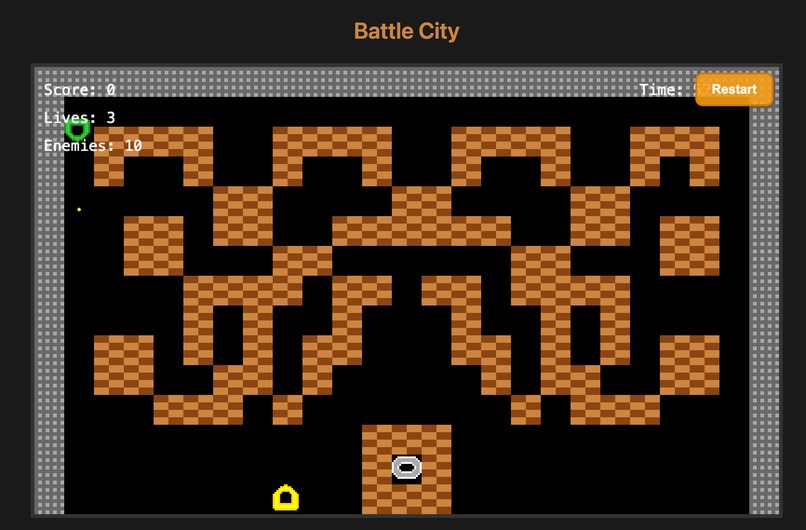
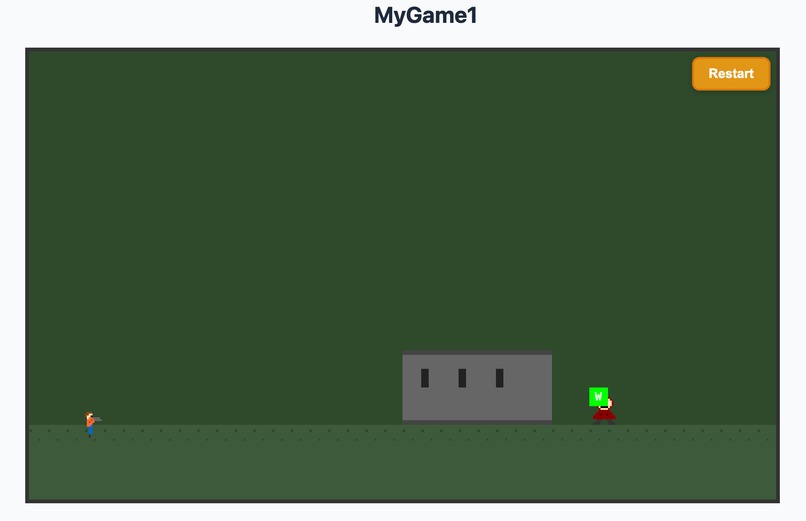
Battle City
-
New Game
Inspiration
GameBit was inspired by the idea that making a game should be as easy as describing it in one sentence. Instead of wrestling with engines, assets, and code, anyone can instantly bring a game idea to life through natural language.
What it does
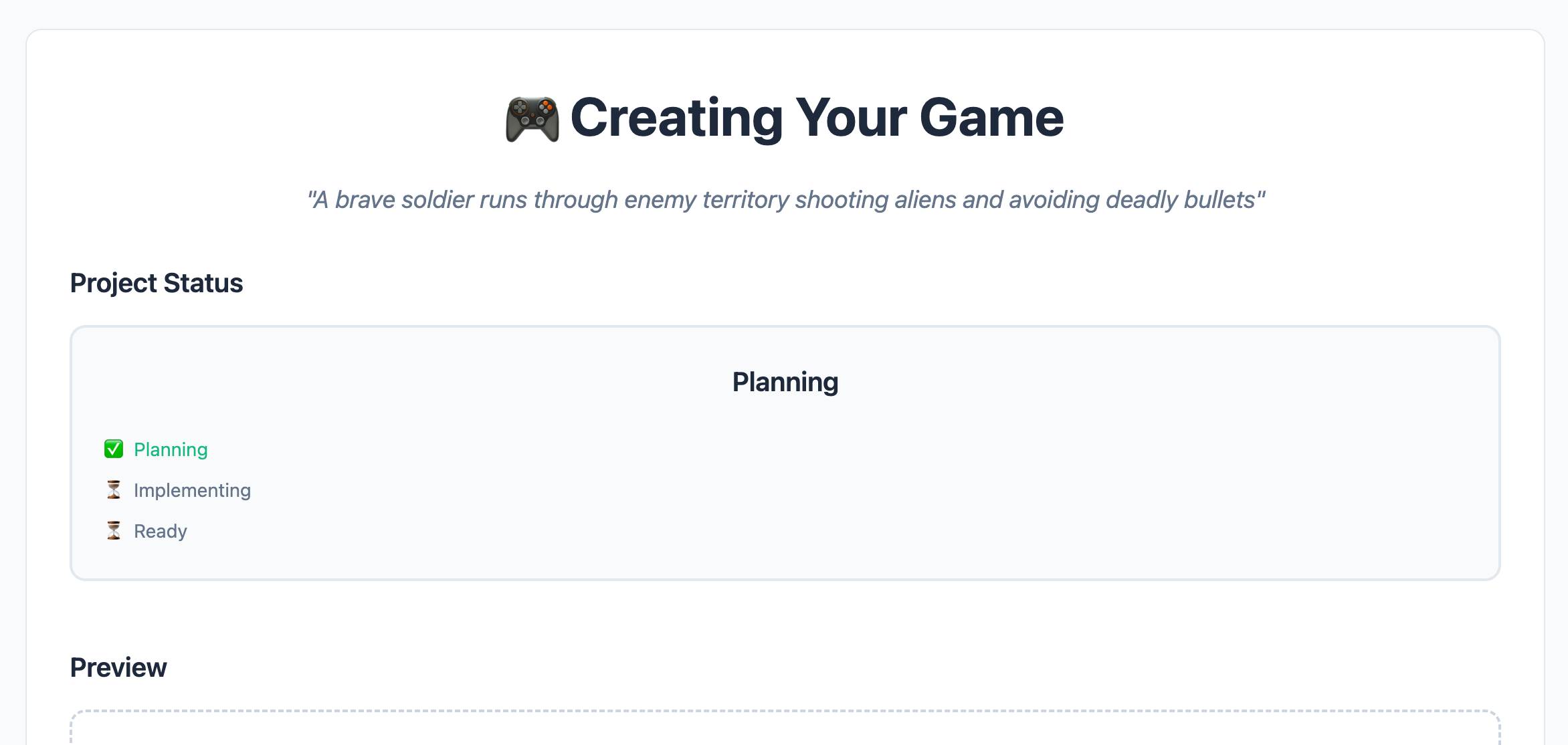
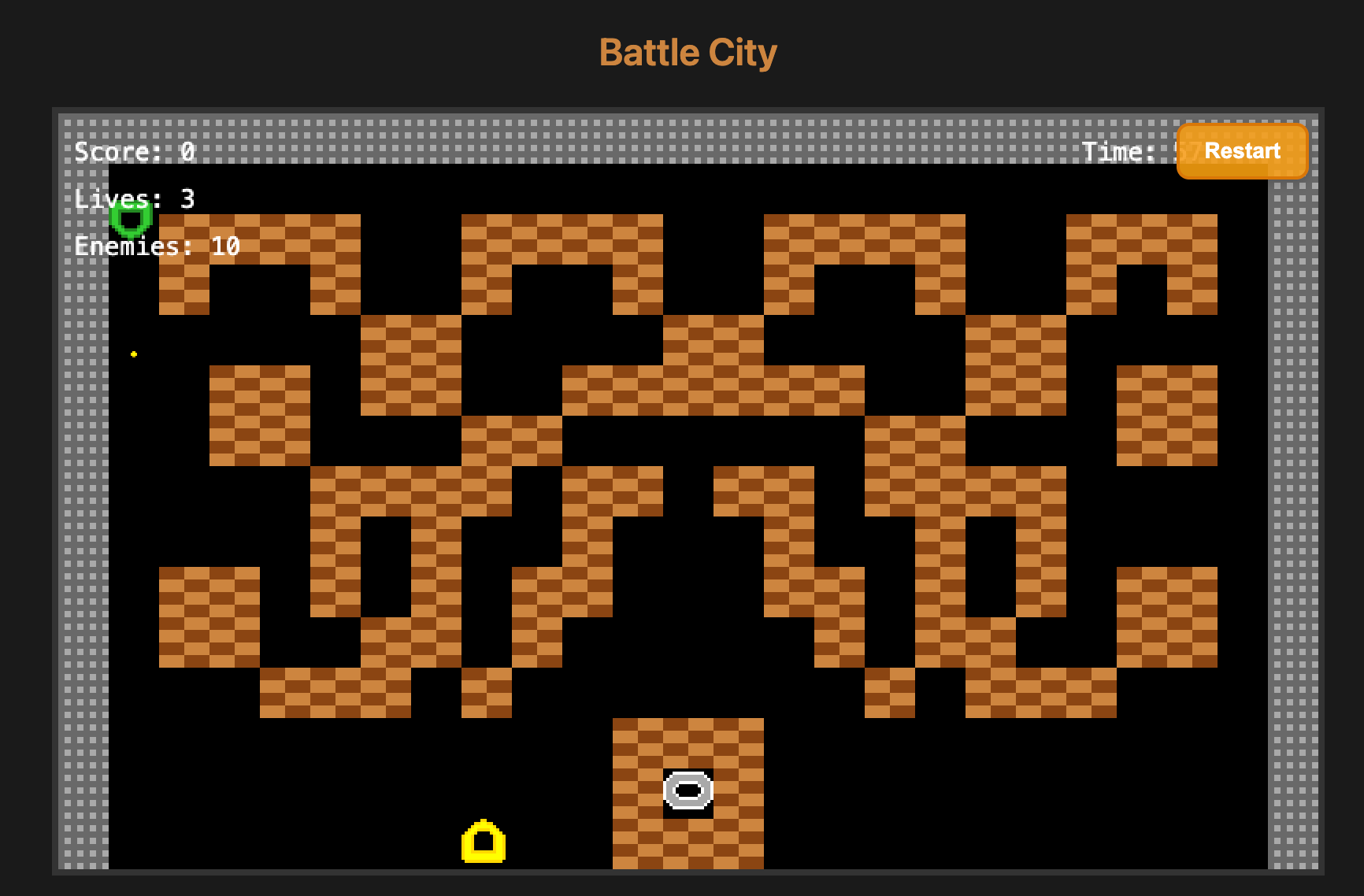
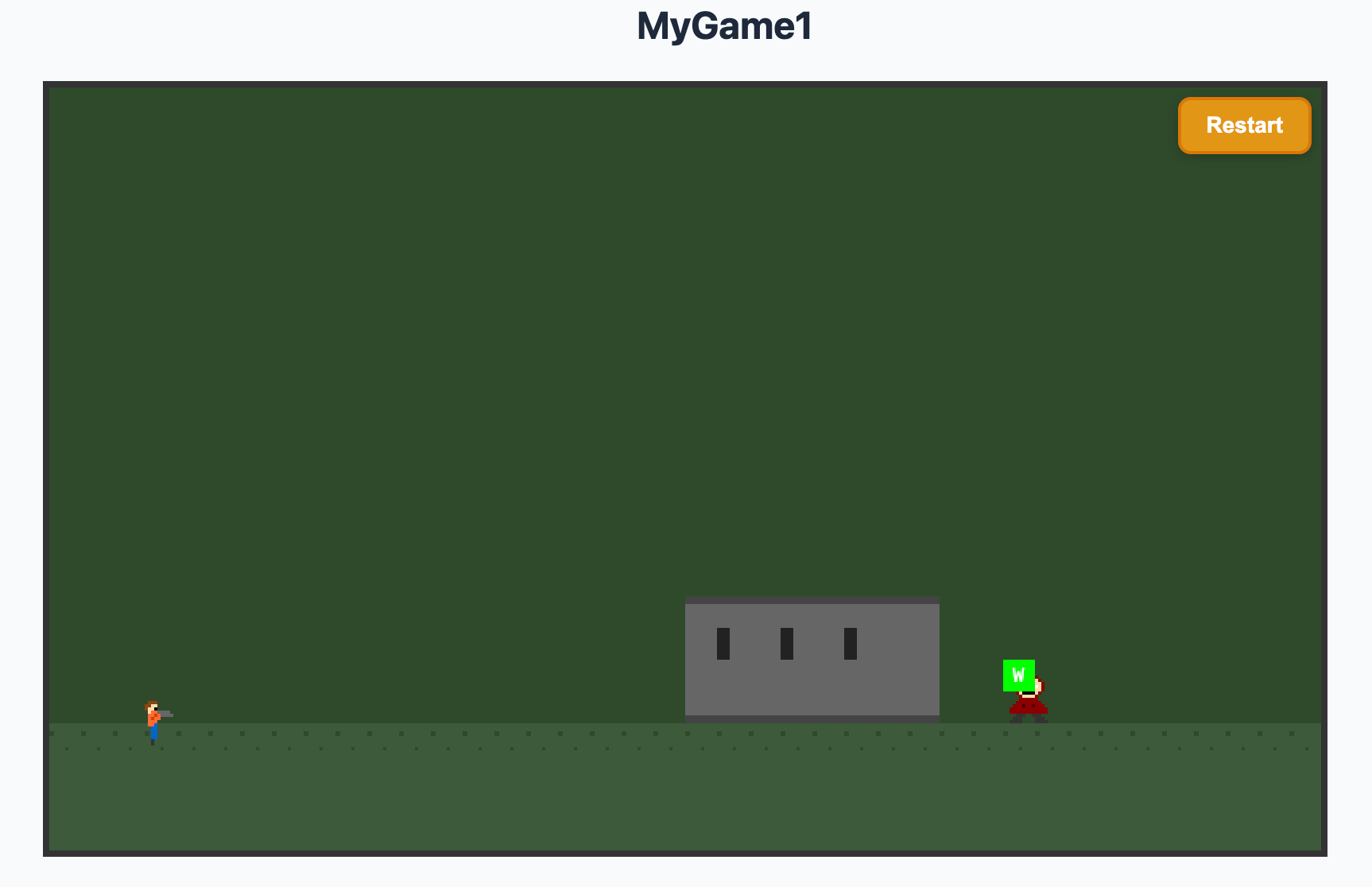
GameBit turns a sentence like “Make Snake” or “Design Tetris” into a playable browser game in seconds. The AI interprets the idea, assembles modular systems (movement, scoring, collisions), and renders it with Phaser.js for immediate play.
How we built it
- Frontend: Next.js + React + TypeScript with Phaser.js integration
- AI Engine: GPT-5 for natural language → structured game plans, modular MetaTemplates, and RuntimeOps
- Architecture: Engine-agnostic ECS-lite system combining reusable components into diverse genres
Challenges
- Consistent AI JSON output
- Generic engine design across very different genres
- Real-time keyboard input handling
- Balancing TypeScript type safety with dynamic AI content
Accomplishments
- Playable games from idea to screen in <10s
- Modular architecture for multiple genres
- AI-to-code bridge with structured parsing and validation
- Polished gameplay with scoring, physics, and feedback
What we learned
- Prompt engineering is key
- The right abstraction level matters
- User intent carries hidden rules and assumptions
- Robust validation is essential for reliability
What’s next
- More genres (platformers, racing, RPGs)
- AI-generated visuals, sounds, and physics
- Sharing, remixing, and exporting games
- Learning mode to teach dev concepts
- Multi-modal input (text, sketches, voice)
Built With
- mcp
- next.js
- openai
- postgresql
- vercel


Log in or sign up for Devpost to join the conversation.