-

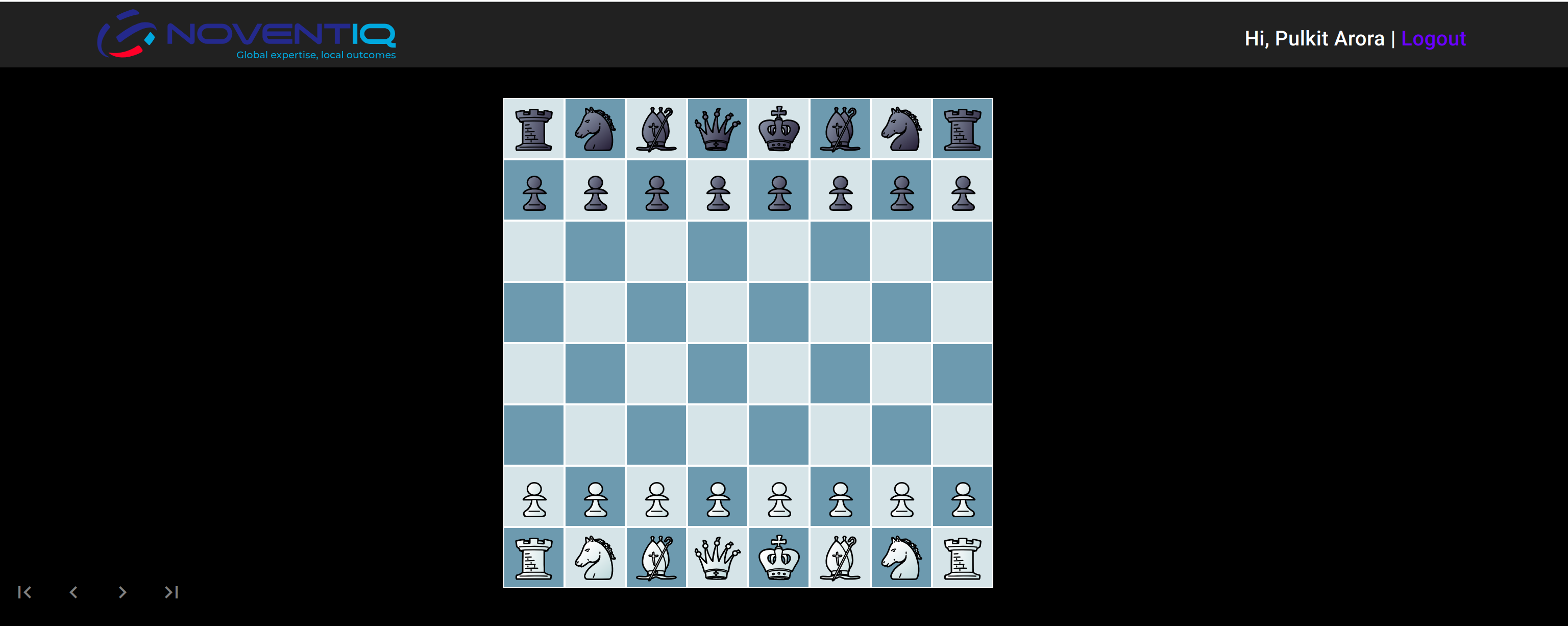
Login Page
-
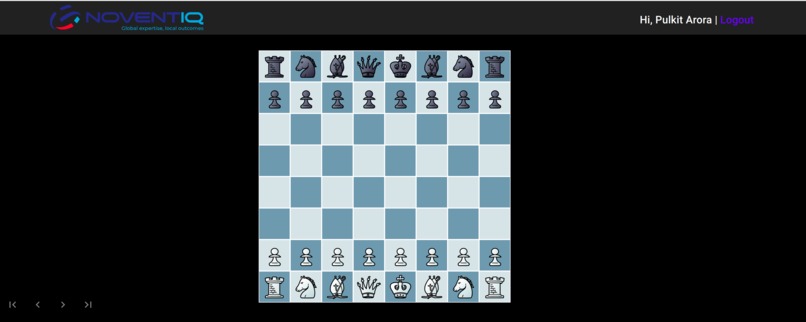
Chess Board
-
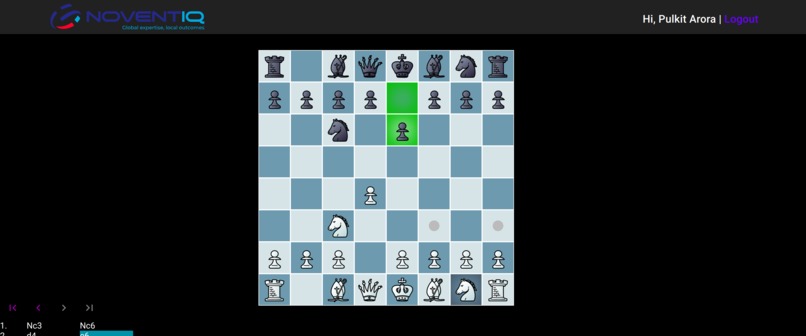
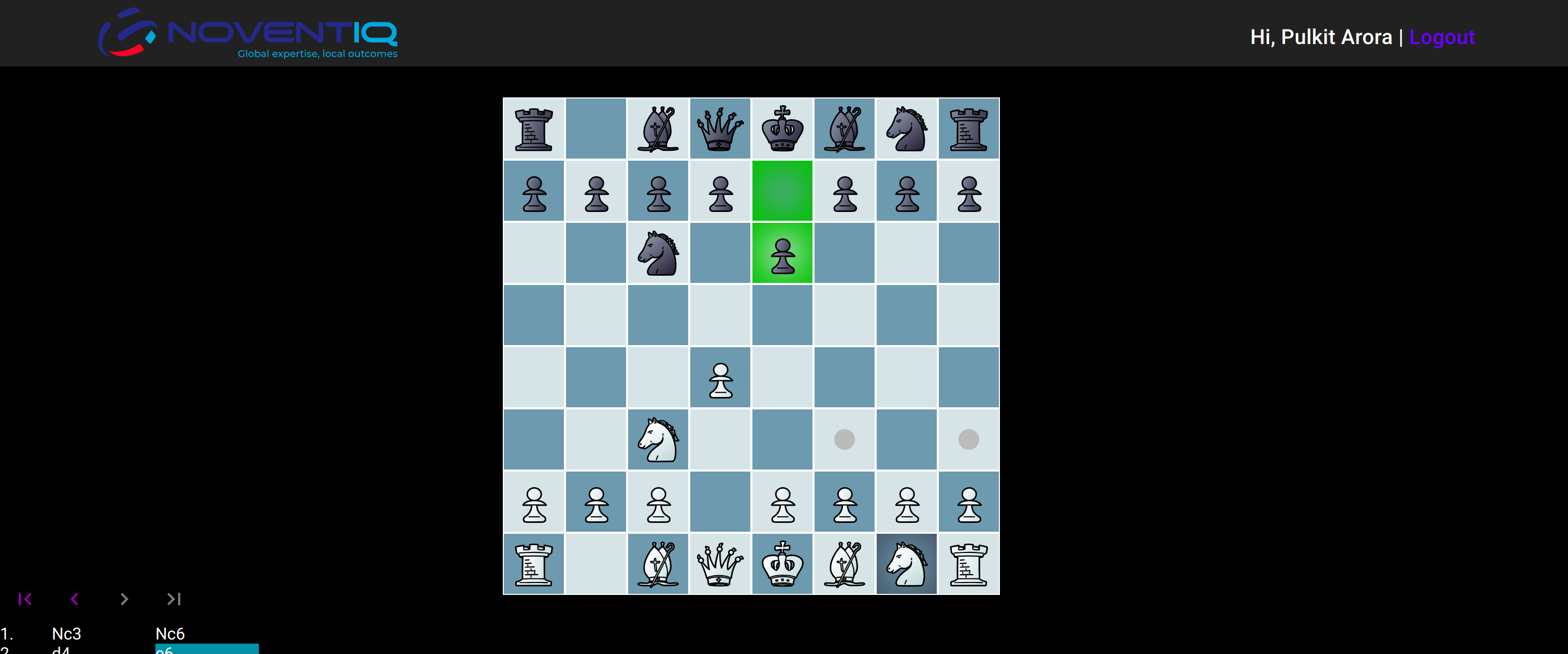
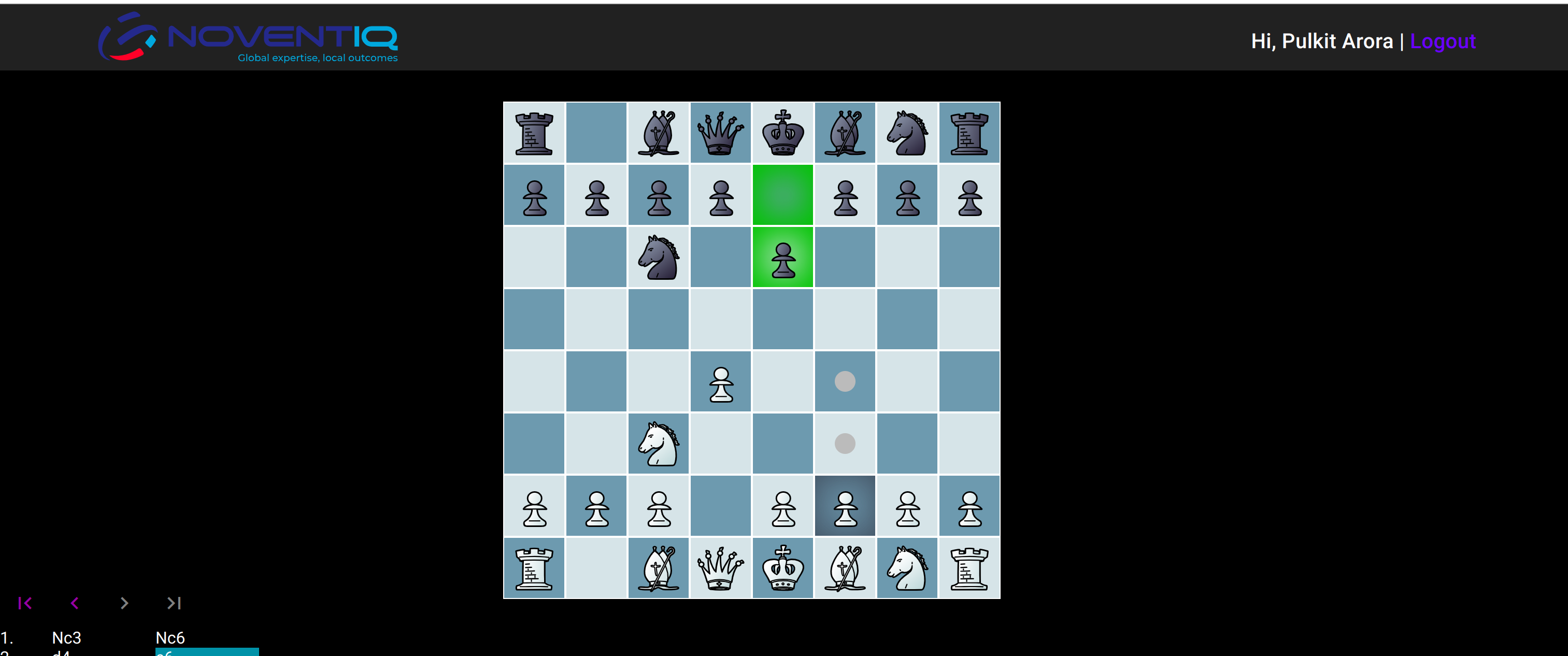
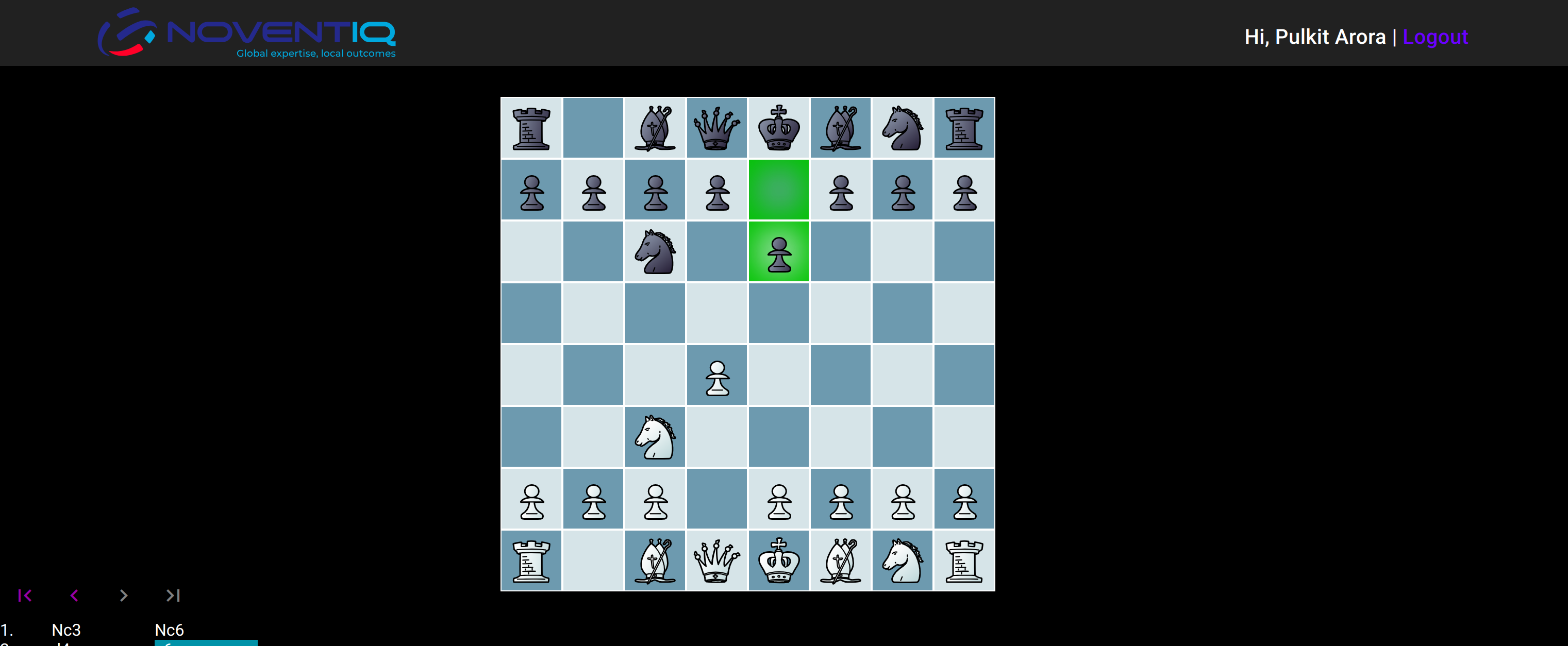
Chess Moves
-
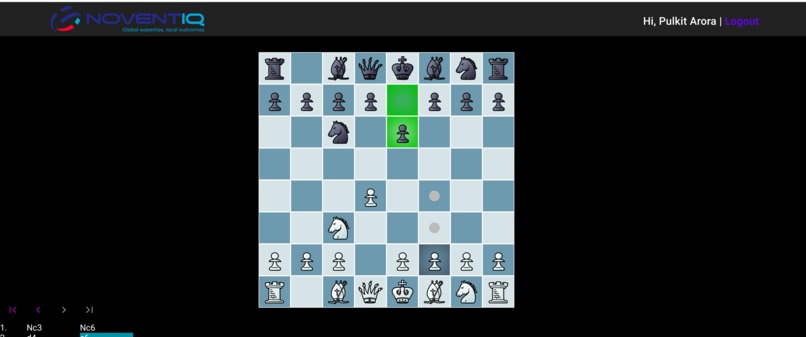
Chess Moves
-
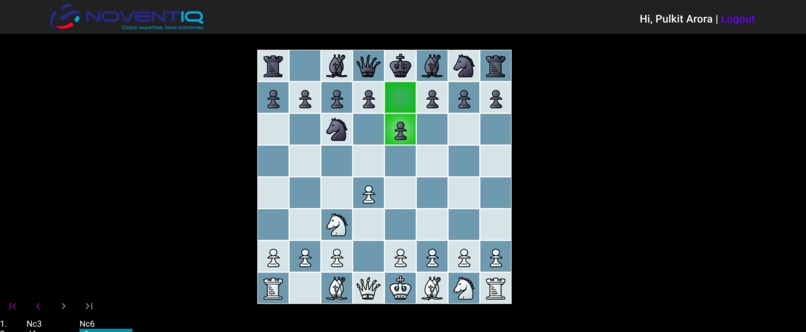
Chess Moves

Inspiration
Chess has long been a source of intellectual challenge and enjoyment for people worldwide. As AI and cloud technologies continue to evolve, we recognized an opportunity to bring a fresh, innovative approach to the game. Our aim was to create an engaging chess platform that blends the rich history of the game with modern tools like Claude 3.5 and Amazon Q Developer. By integrating these technologies, we wanted to offer a fast, intelligent, and accessible way for people to experience chess, with the flexibility to play against an AI-driven opponent that provides a variety of challenges, albeit with room for improvement in its decision-making.
What it does
This platform allows players to compete against an AI-powered chess opponent built using Claude 3.5 Sonnet, which generates real-time chess moves and strategies based on the game state. One of the core features of the system is its ability to interpret and use FEN (Forsyth-Edwards Notation), a standard way to describe a chessboard position. Claude 3.5 Sonnet processes the FEN to understand the current state of the game, including the placement of pieces, whose turn it is, castling rights, en passant opportunities, and the number of moves made.
Using this information, the AI can analyze the game position and generate intelligent moves based on the current state of the board. Although Claude 3.5 can effectively interpret FEN and make reasonable moves, it doesn't always make the best possible decisions, leaving room for errors and suboptimal plays, which adds an element of unpredictability and challenge for the player. The AI is designed to be competitive, but its understanding of FEN-based positions and strategies is continuously evolving.
How we built it
1) Frontend: Developed with Angular, the frontend provides a clean and intuitive interface for users, allowing easy interaction with the chessboard, AI moves, and game controls.
2) Backend: The backend relies on AWS Lambda and API Gateway to handle real-time game interactions. This serverless architecture ensures scalability, low-latency responses, and minimal maintenance overhead.
3) AI Integration: Claude 3.5 Sonnet v2 is used for generating natural language-based chess moves and understanding game contexts. While the AI is competent in many situations, it occasionally makes mistakes or doesn't always play perfectly, providing an imperfect but still challenging opponent.
4) Hosting: The app is deployed using AWS services, including S3 and CloudFront, for secure, reliable hosting with global accessibility.
5) Prompt Tuning: Custom prompts were developed for Claude 3.5 to improve its move analysis, but we acknowledged that some chess logic and edge cases still posed challenges.
Challenges we ran into
1) Prompt Tuning: Despite extensive customization, ensuring that Claude 3.5 consistently generates accurate and timely chess moves proved challenging. There were instances where the AI’s analysis didn’t align with expected strategies.
2) Chess Logic Validation: Complex game scenarios such as castling, en passant, and pawn promotion posed challenges in validating the AI's decisions, and occasional errors in handling these situations surfaced.
Accomplishments that we're proud of
Successfully integrating AI-driven gameplay with a user-friendly frontend that works seamlessly across devices. Achieving a serverless architecture that scales based on demand, providing reliability and performance for users. Creating a chess AI opponent that, while not perfect, offers a challenging experience with room for continuous improvement.
What we learned
1) Improvement through Iteration: AI-powered systems like Claude 3.5 are incredibly versatile, but they require continuous tuning and iteration to improve accuracy and reliability in specialized tasks like chess.
2) Backend Scalability: AWS Lambda and API Gateway were integral to ensuring the platform could scale with increasing user traffic, allowing us to focus more on refining the user experience and AI interactions.
3) Chess Logic Complexity: Chess is a deeply complex game, and while AI can handle many scenarios, there are nuanced rules and edge cases that require extra attention to detail.
4) Prompt Optimization: Customizing prompts for Claude 3.5 was an essential part of improving the quality of AI-generated moves, but we found that fine-tuning it for a competitive chess game required deep understanding of both the AI's capabilities and the game’s intricacies.
What's next for Chess
1) Enhanced AI Logic: We plan to refine the AI’s move generation and decision-making process, addressing the occasional errors and improving the overall experience for players.
2) Multiplayer Option: Adding the ability for users to play against other human players in real-time, creating a more competitive and social environment.
3) Mobile Version: Developing a mobile version of the platform to expand accessibility, allowing users to play on the go.
4) Skill Levels: Implementing different difficulty levels for the AI to cater to beginners, intermediate players, and advanced enthusiasts, ensuring a tailored challenge for everyone.
5) Analytics and Insights: Providing players with performance insights and chess-related statistics, including move accuracy, win rates, and areas for improvement.
Acknowledgments
We would like to extend our sincere thanks to Amazon Q Developer for its invaluable assistance in code completion, development, and vulnerability fixes throughout the project. The tool has greatly streamlined our development process, allowing us to focus more on creating a seamless user experience while ensuring the code is robust, secure, and scalable.
A special thank you also goes to Amazon Bedrock, which provided the foundation for integrating advanced AI models like Claude 3.5 Sonnet into our platform. The powerful capabilities of Amazon Bedrock allowed us to build a chess-playing AI that, while still evolving, offers an intelligent and engaging opponent for players. The smooth integration of AI into our system would not have been possible without Amazon Bedrock’s innovative platform and the AI models it supports.
Built With
- amazonq
- amazonqdeveloper
- angular.js
- apigateway
- awslambda
- bedrock
- cloudfront
- python
- s3


Log in or sign up for Devpost to join the conversation.