-
-
Play Win and Enjoy
Inspiration
The project was inspired by the rise of decentralized technologies and the popularity of interactive web applications. We aimed to create an educational simulation that explores the mechanics behind games of chance—like coin tosses and number guessing—while leveraging Bolt.new’s no-code/low-code platform. Our goal was to demonstrate how simple game logic, ethical design, and fast development workflows can come together in a demo environment meant for learning, experimentation, and responsible tech exploration.
What it does
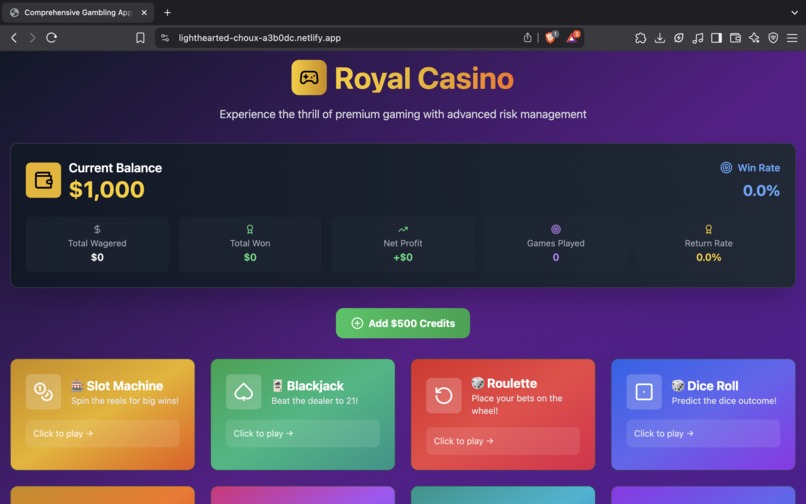
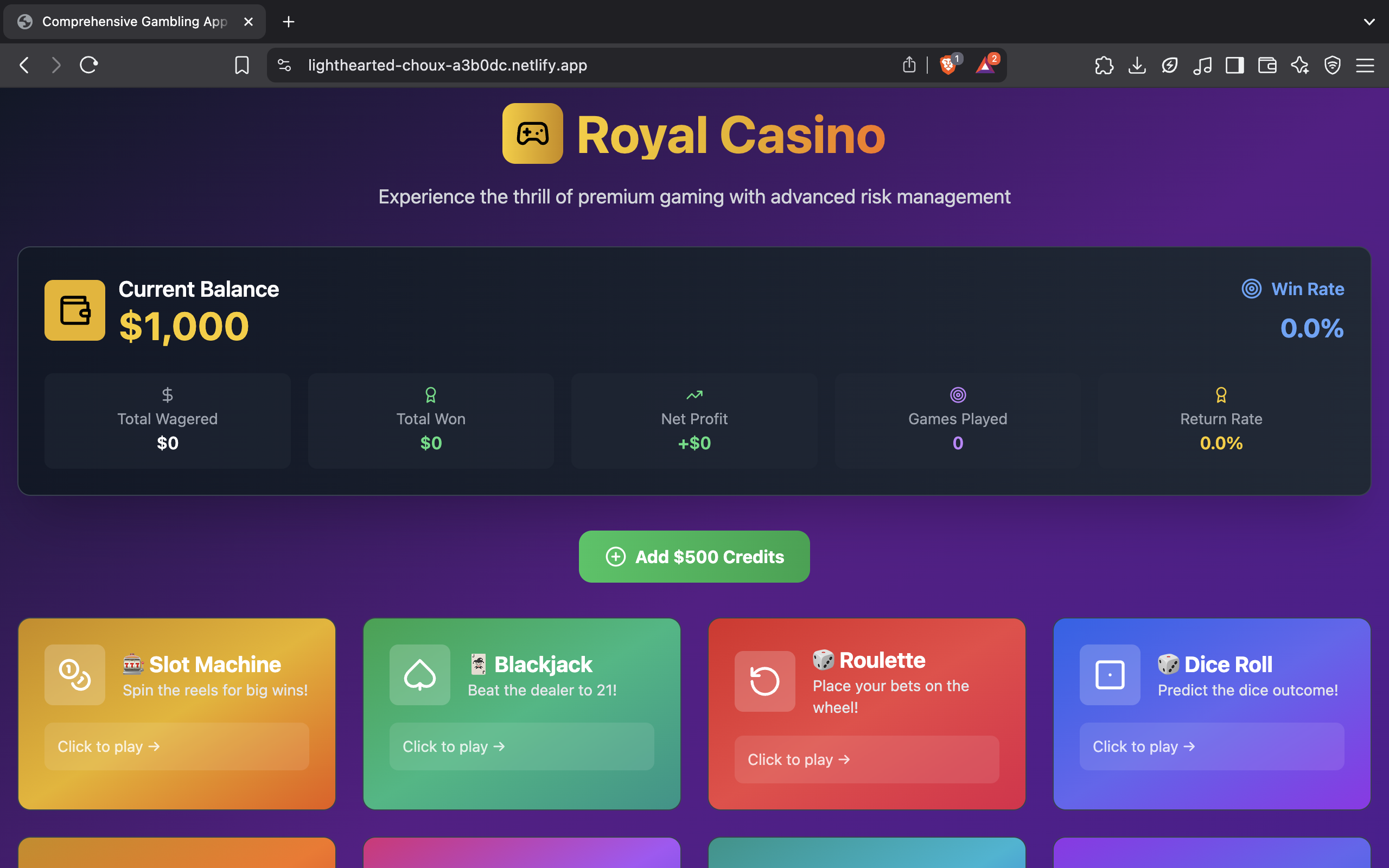
This educational tool simulates basic probability games such as coin flips and number-based betting: Users "wager" virtual coins and receive instant feedback on their outcomes. The app features a clean, responsive UI that reacts in real-time. Users can track simulated wins/losses and balance over multiple rounds. The environment is entirely risk-free, with no real money involved—designed purely for learning purposes.
How we built it
We used Bolt.new to quickly prototype and build the app interface, using its intuitive drag-and-drop tools and built-in logic handling. Core functionality, including game logic and win/loss calculations, was implemented using Bolt’s visual logic builder and custom variables. Random outcomes were simulated using Bolt’s formula components. The app was deployed via Netlify, allowing for fast and public access. HTML and JavaScript features within Bolt were used to enhance interactivity and UI styling.
Challenges we ran into
Bolt.new provides limited support for complex logic, which required creative problem-solving to implement more dynamic features. Ensuring true randomness and fairness with no-code tools involved approximations and simulations. Maintaining a consistent user experience across different screen sizes posed UI challenges. Because the project involved a gambling-style simulation, we had to clearly frame it as a demo intended for education, not real-world gambling or financial use.
Accomplishments that we're proud of
Developed a fully interactive and functional simulation in under 48 hours. Demonstrated how powerful no-code platforms like Bolt.new can be—even for game-based and logic-heavy projects. Successfully deployed and shared the app for educational feedback and peer interaction. Explored ethical considerations around game design and responsible tech use.
What we learned
How no-code tools can be used to teach and prototype fundamental programming and UX concepts. Ways to apply basic math, logic, and probability to real-world interfaces. The importance of responsible design, especially when simulating real-world behaviors like gambling. Best practices in rapid deployment, iteration, and public sharing using platforms like Netlify.
What's next for the Educational Game App
Leaderboard and Multiplayer Mode: Add features to teach real-time interaction, competition, and live updates. Web3 Simulation: Integrate test tokens to introduce students to blockchain logic and crypto simulations (on testnets only). Game Expansion: Add more probability-based games (e.g., dice, roulette, cards) to deepen understanding of statistics. User Data Persistence: Use tools like Firebase or Supabase to store session data and demonstrate backend connectivity. UI Enhancements: Refine visual appeal, improve mobile responsiveness, and introduce animations to elevate UX learning. Digital Responsibility Features: Include disclaimers and educational messages about the risks of gambling and the importance of ethical tech use.
Built With
- bolt.new
- javascript


Log in or sign up for Devpost to join the conversation.