

Inspiration
We all have hundreds of videos sitting in our phone galleries that we rarely watch again.
Usually, when we want to watch something, we have to open the gallery, scroll through thumbnails, remember what each video is, and choose one manually. But sometimes you don't actually know what you want to watch — you just want to see something interesting.
That idea inspired me to create Gallery Tok.
I wanted to turn the personal video gallery into something closer to the feeling of scrolling through Reels: open the app, start watching, swipe, and discover something you didn't know you wanted to see.
The most important part of the idea is the unpredictability. When videos are shuffled, you never know what the next video will be. It could be a funny moment, an old memory, or a video you completely forgot about.
What I Built
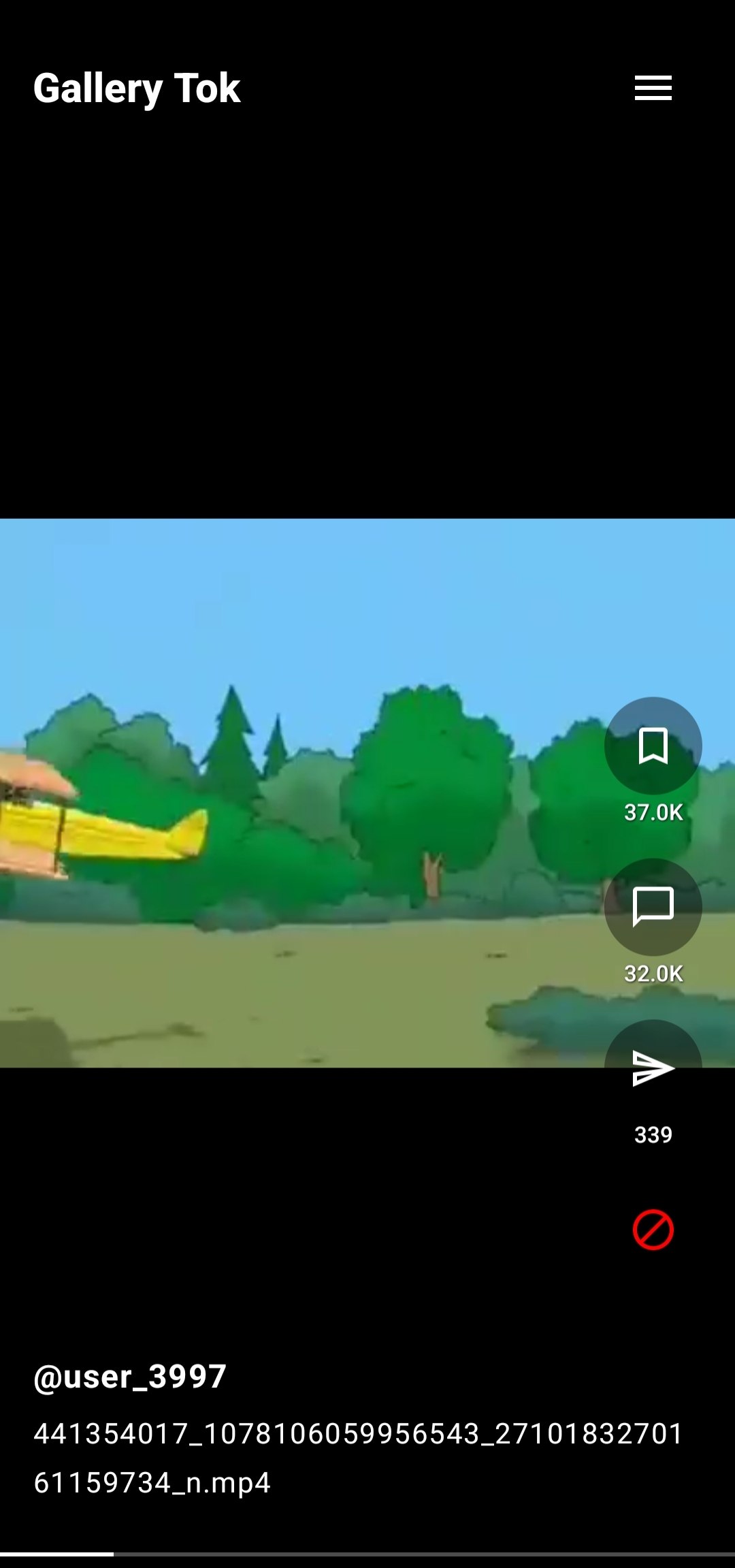
Gallery Tok turns the videos already stored on your phone into a vertical, Reels-style video feed.
Instead of searching for a specific video, you can simply start watching and swipe through your own collection.
The app includes:
- Reels-style vertical video browsing
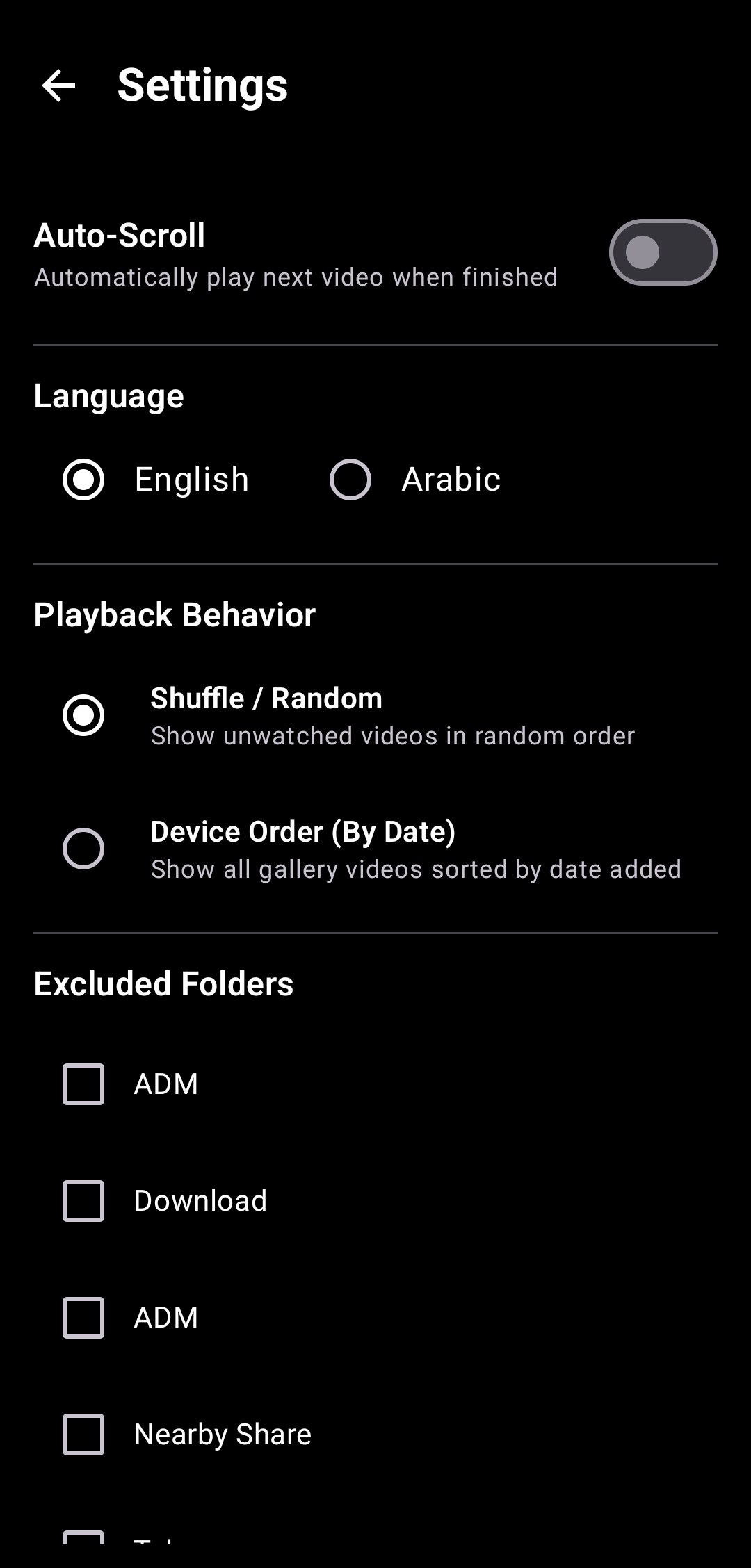
- Random / Shuffle playback
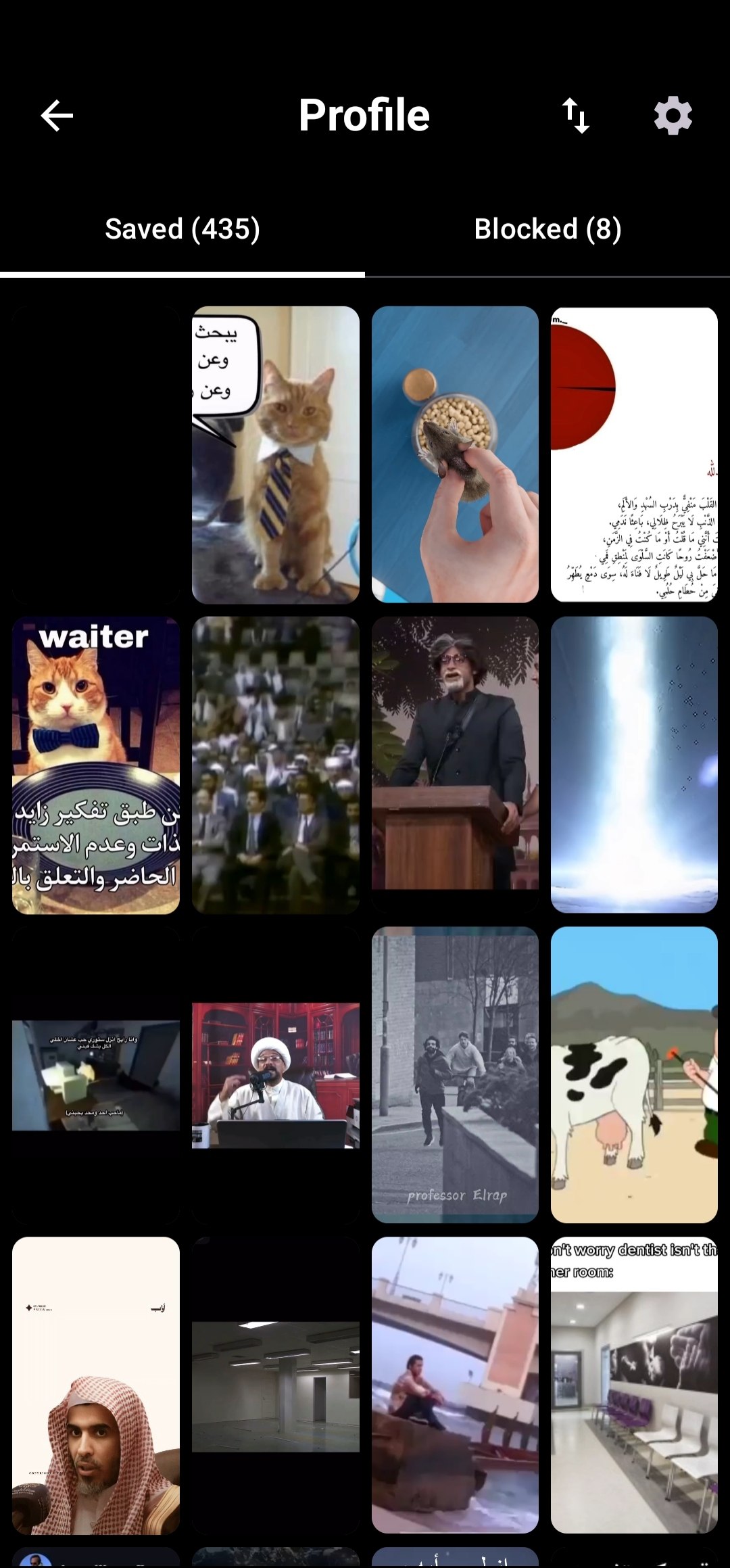
- Saving videos you want to revisit
- Blocking videos you don't want to see again
- Auto-scroll to the next video
- Folder exclusion
- Browsing videos by date
- Arabic and English support
The goal is not to create another social network.
It's to make your own gallery feel discoverable again.
How I Built It
I'm a UI/UX designer, not a traditional software developer.
I designed the product concept, user experience, interface, and interaction patterns first. I then used AI-assisted development to turn those designs and product decisions into a working Android application.
AI was heavily involved in the implementation, debugging, and development process. I continuously tested the application, refined the user experience, and made product and design decisions based on how the app actually felt to use.
The project was built for Android using Kotlin and Jetpack Compose, with libraries such as Media3/ExoPlayer for video playback and Room/DataStore for local application data and preferences.
What I Learned
The biggest thing I learned was that building a product is not only about implementing features.
As a designer, I already think a lot about interfaces and user flows, but building Gallery Tok made me think much more deeply about how those decisions behave in a real application.
I learned how to:
- Turn a simple product idea into a working application
- Use AI as a development tool to bridge the gap between design and implementation
- Think about application state, video playback, and user preferences
- Test interactions repeatedly and refine them based on real usage
- Balance simplicity with useful customization
Most importantly, I learned that a strong user experience can start with a very simple idea.
Challenges
One of the biggest challenges was making random video playback feel intentional rather than chaotic.
The whole concept depends on surprise, but the experience still needs to feel smooth and predictable from a UX perspective. The transition between videos, playback behavior, saving and blocking content, and the overall navigation all had to work together.
Another challenge was building an Android application without coming from a traditional programming background. AI-assisted development made that possible, but it also meant I had to learn enough about the underlying project and code to understand errors, test different approaches, and make sure the final product behaved the way I intended.
I also had to constantly switch between thinking like a designer and thinking like a product builder.
Why Gallery Tok?
Most gallery apps help you find a specific photo or video.
Gallery Tok is designed for the opposite.
You don't know what you want to watch.
You just want to discover something.
Instead of searching through your memories, Gallery Tok lets your memories surprise you.
Built With
- 3
- ai-assisted
- android
- coil
- compose
- coroutines
- datastore
- exoplayer
- jetpack
- kotlin
- material
- media3
- mvvm
- room
- stateflow
- verticalpager

Log in or sign up for Devpost to join the conversation.