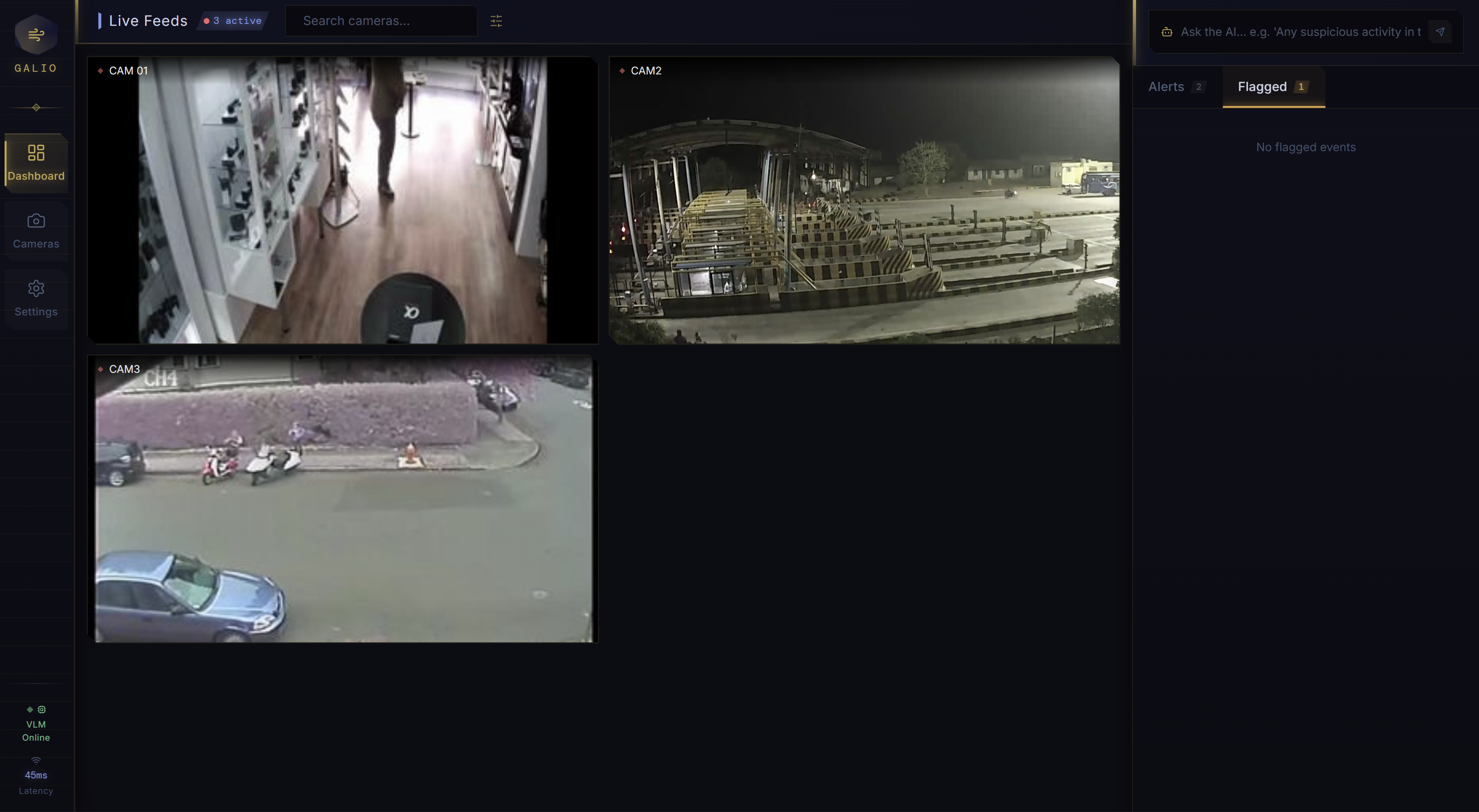
Privacy laws across many parts of the country, such as the BIPA or the CCPA, alongside things like the GDPR, bring forth strong privacy protections for individuals, which means that their data cannot be easily used with cloud AI tools. That being said, we noticed that surveillance systems can often be cumbersome to go through manually, with an overload of information that makes it impossible to see every event and anomaly that occurs. Thus, by utilizing AI, we can make the lives of people manning surveillance systems easier by giving them a tool that will help them notice any potential issues, alongside being something that would work with increasingly powerful privacy laws. Thus, by taking advantage of the ASUS GX10 Ascent’s powerful compute capabilities, particularly its 128GB Unified Memory, we could create a local, modernized surveillance system to conduct AI inference to detect anomalies where the data never leaves the surveillance system.
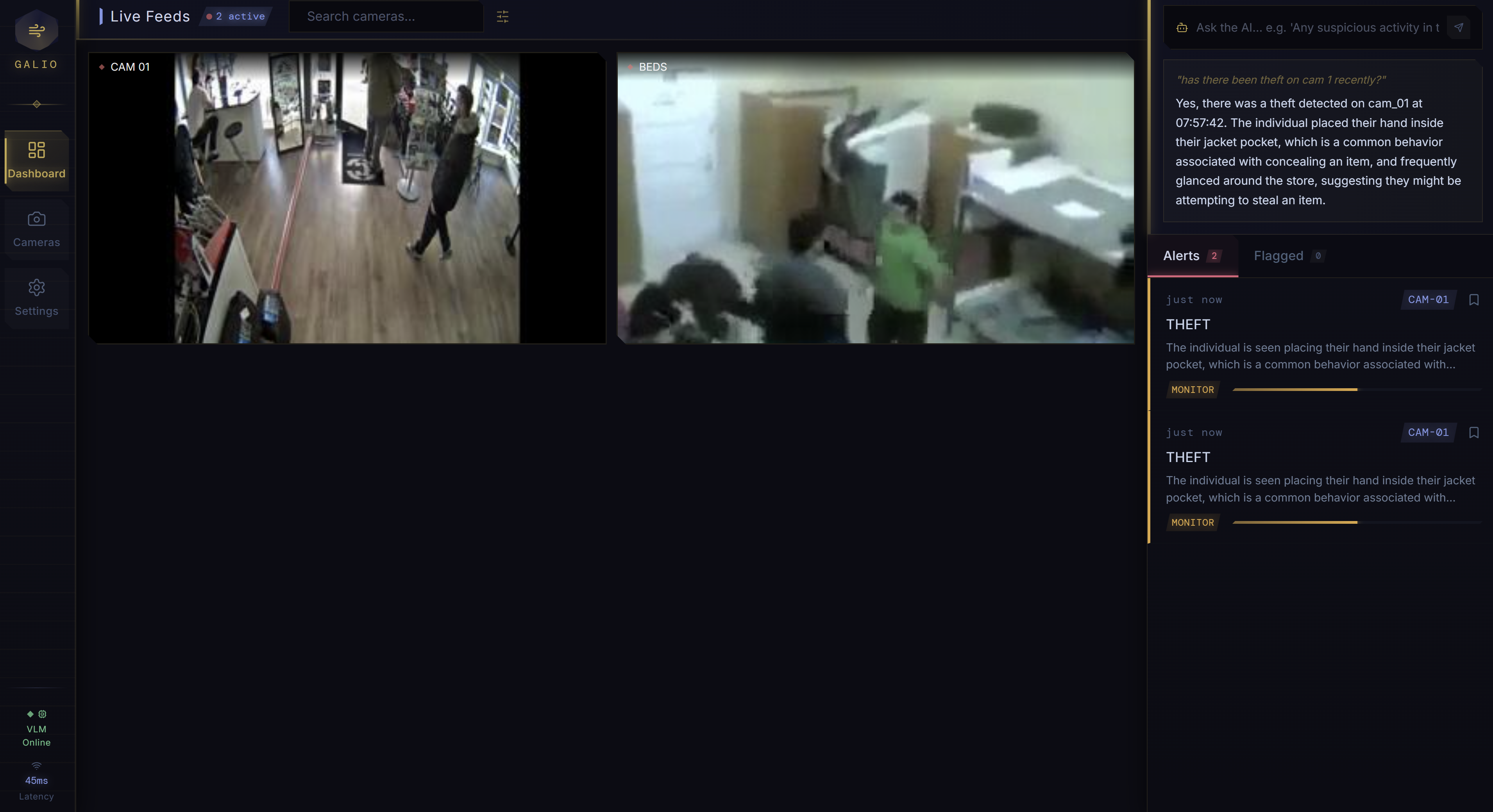
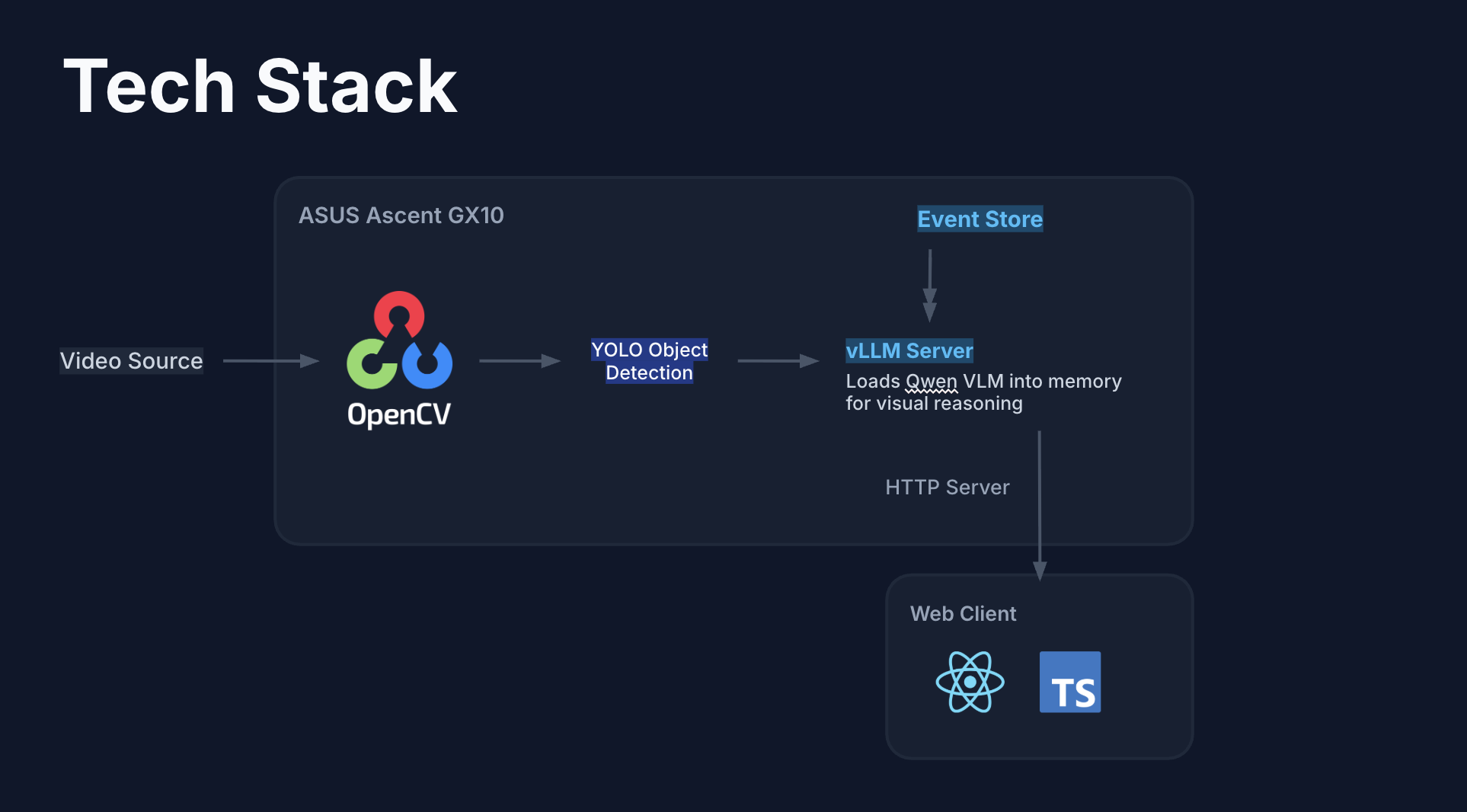
We decided to make an augmented dashboard the main feature, with automated sorting and flagging of anomalies. We accomplished this by first flagging features in the video feed with YOLO, then passing these features into Qwen (a VLM, or vision language model), which outputs a natural language understanding of the video. We keep an event store in parallel that the VLM repeatedly sends context to. Meanwhile, asynchronous API calls are sent to the backend of the dashboard, updating event logs and camera feed priority. During this processing, user faces are blurred meaning that no models ever see a key form of biometric data.
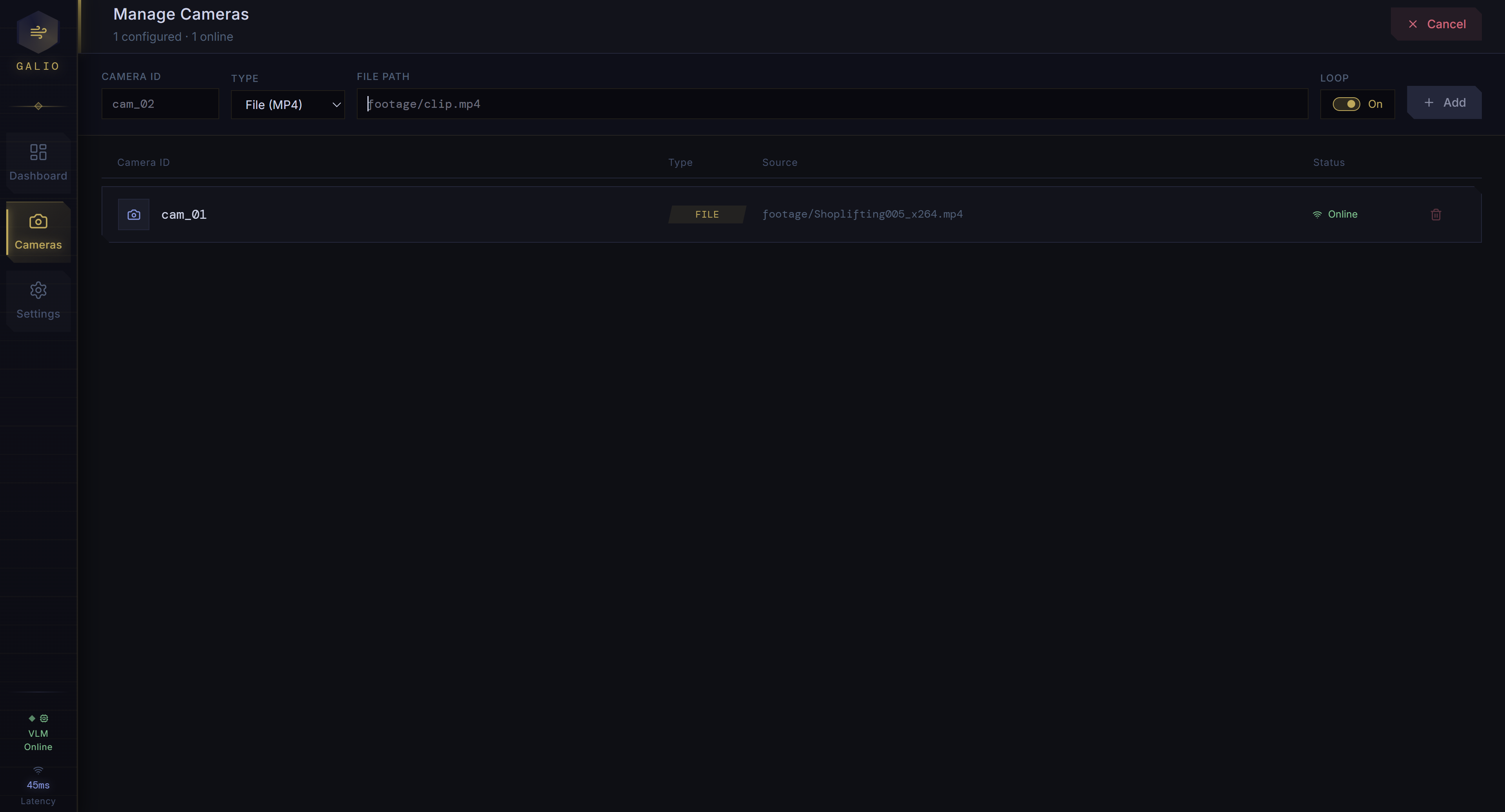
To also give the user control over the display, we also implemented a window management system similar to Zoom’s meeting controls, as well as a natural-language querying system that lets the user search for past incidents and pull up any relevant cameras.
Built With
- figma-make
- opencv
- python
- qwen
- react
- tailwindcss
- typescript
- yolo

Log in or sign up for Devpost to join the conversation.