Inspiration
We were inspired by Duolingo which makes learning languages fun! Physics is often a difficult subject for many students, so we wanted to revisit some concepts that would incorporate the physics curriculum in a fun way using simulation 🤓
What it does
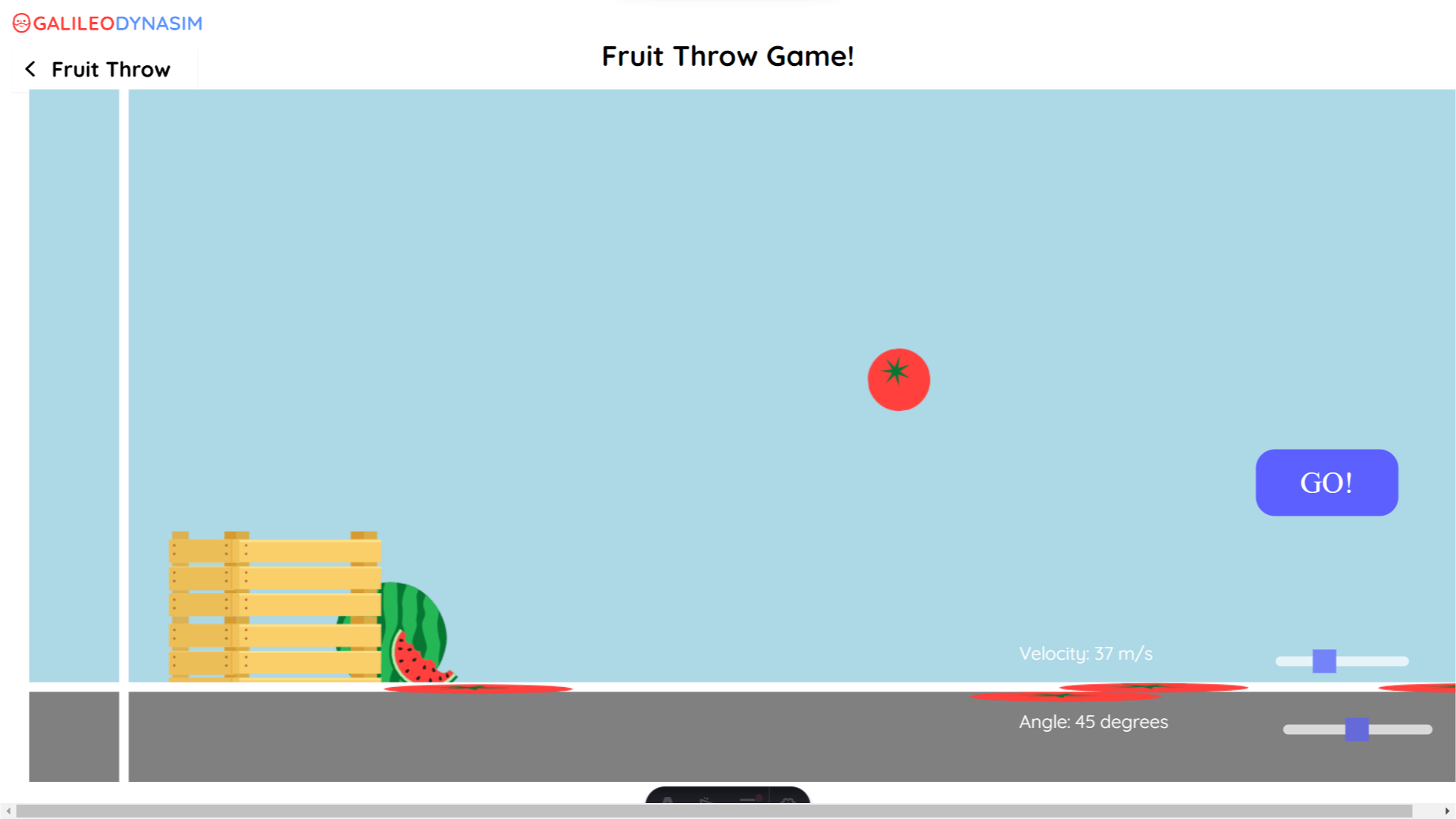
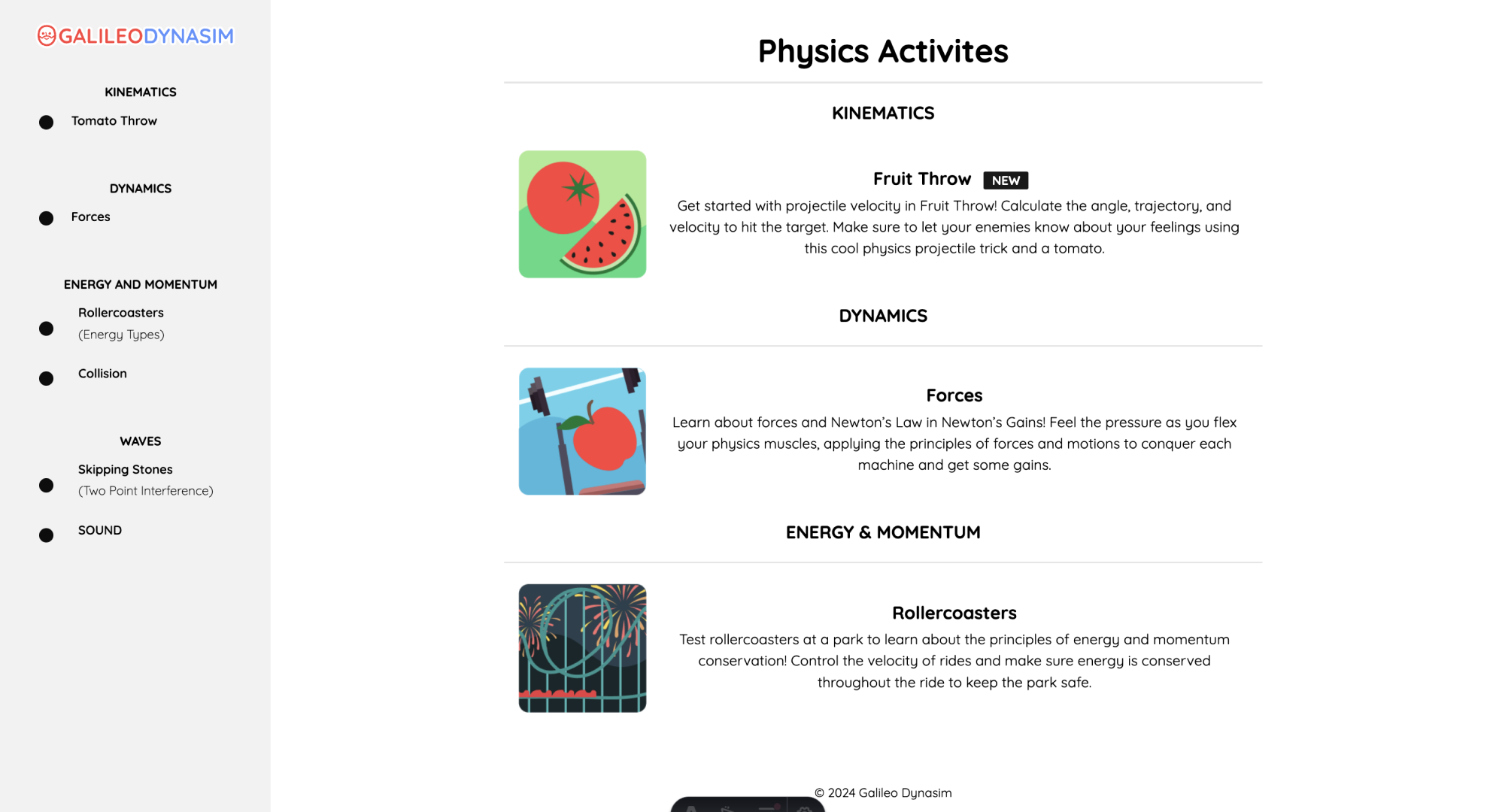
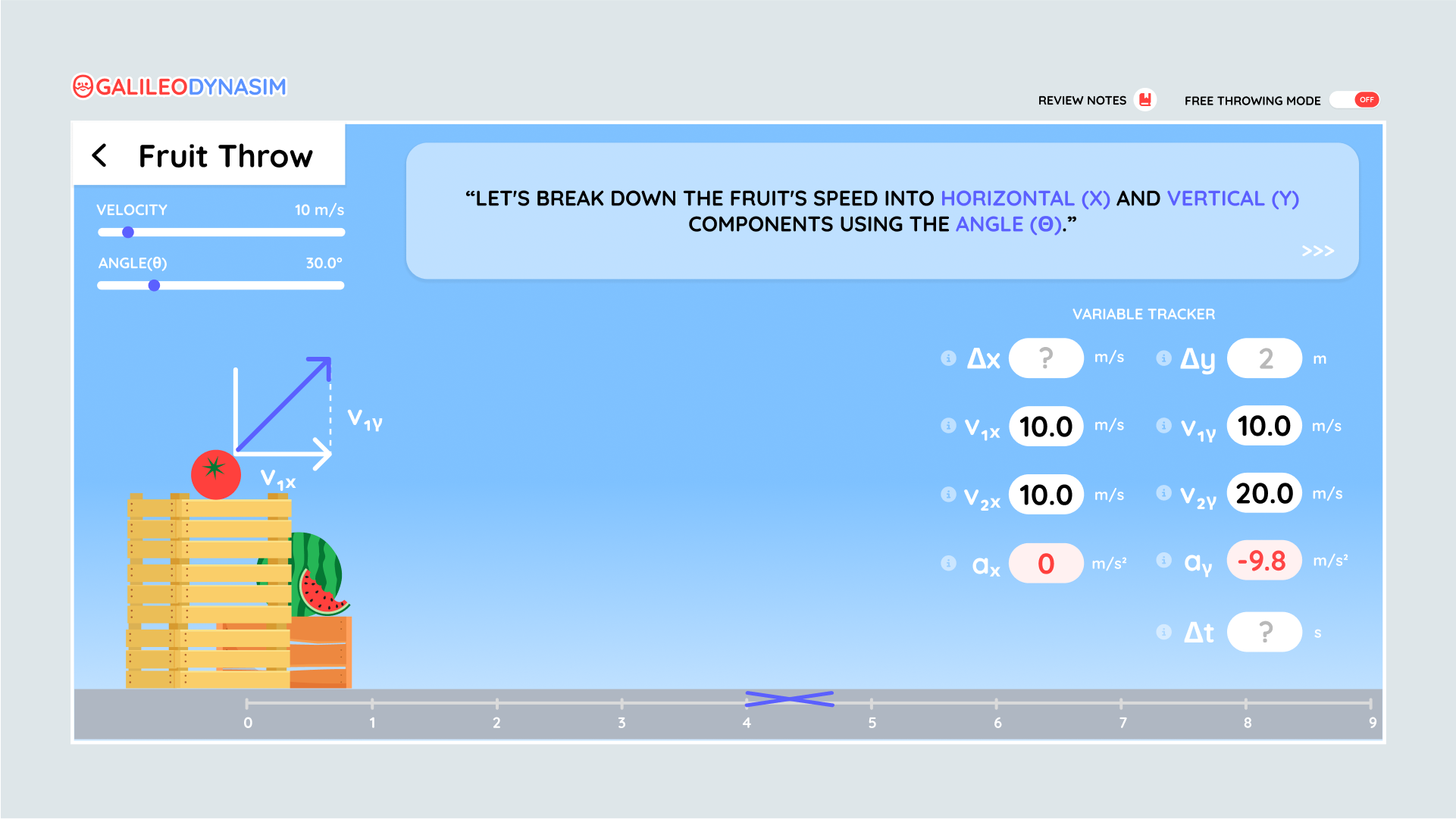
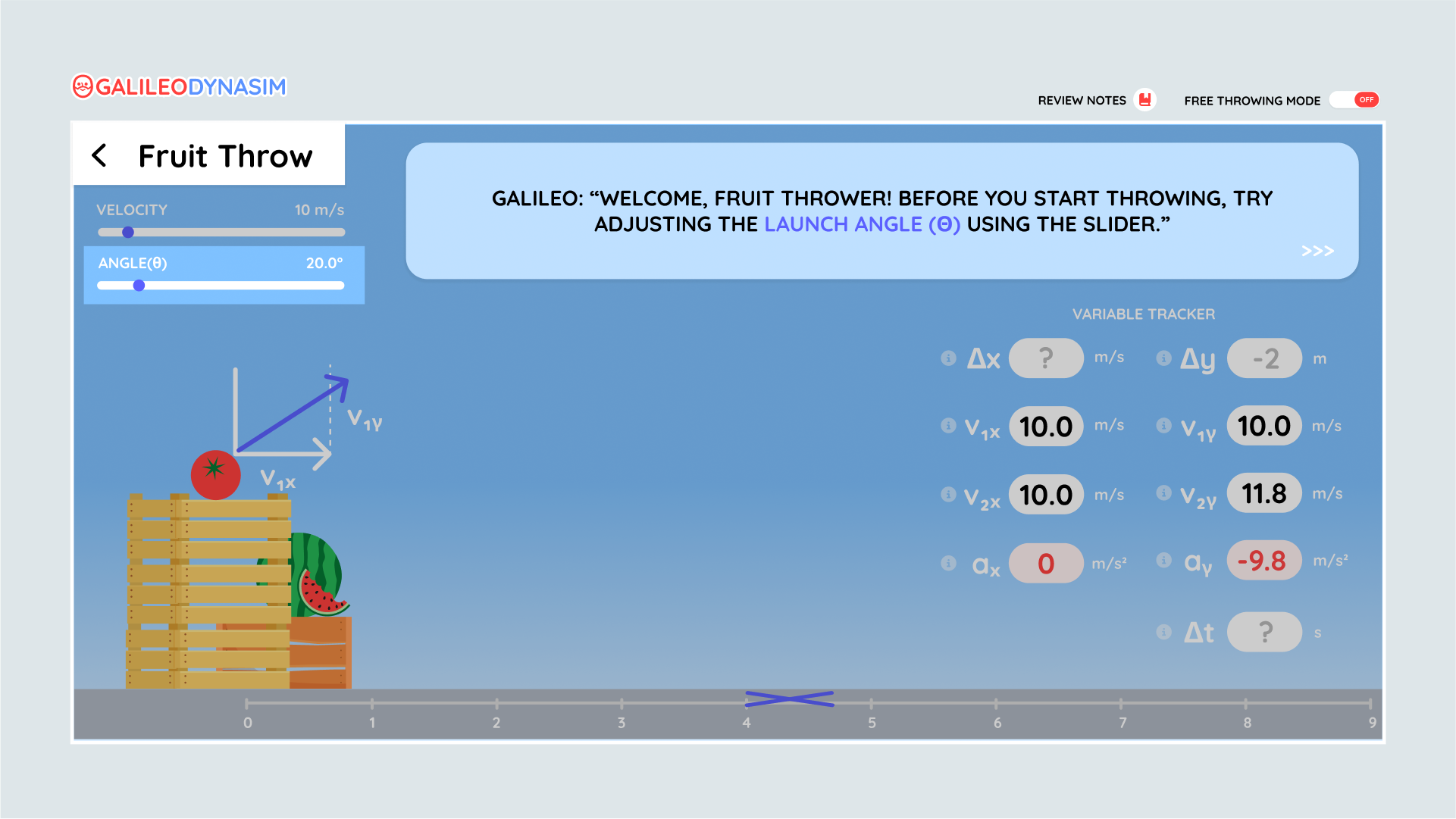
Our web app has a dashboard of user-interactive simulations that act as physics lessons. We wanted to make online physics simulations more interesting, so we implemented a working fruit-themed projectile motion game that allows you to change the angle and speed of a tomato which splatters when it falls.
How we built it
We built Galileo using Matter.js, a physics javascript library, HTML, CSS, frameworks such as Astro and Tailwind CSS. Figma was used for wireframing, planning, as well as prototyping. We used an Astro template to get our landing page started.
Challenges we ran into
Implementing Matter.js and figuring out how to make physics interesting to learn. We also struggled with combining logic and the Astro templates.
Accomplishments that we're proud of
Our newest member was a first year engineering student and a hackathon beginner 🤫 🧏♂️ 🧏♂️ We also all tried something outside of our comfort zones and learned a lot from eachother!
What we learned
SO proud of our tomatos 🍅 ❤️ Using Javascript libraries, physics rules and logic in coding
What's next for Galileo (Dynasim)
Potentially creating more games and trying more physics libraries. Adding a review feature.
Built With
- astro
- css3
- figma
- html5
- javascript
- matter.js
- vercel
- vscode


Log in or sign up for Devpost to join the conversation.