-
-
Splash screen
-
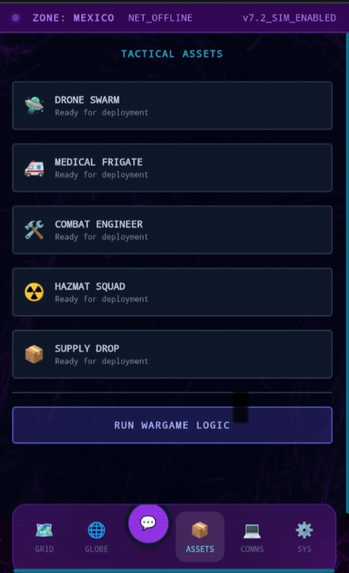
Assets deployment screen
-
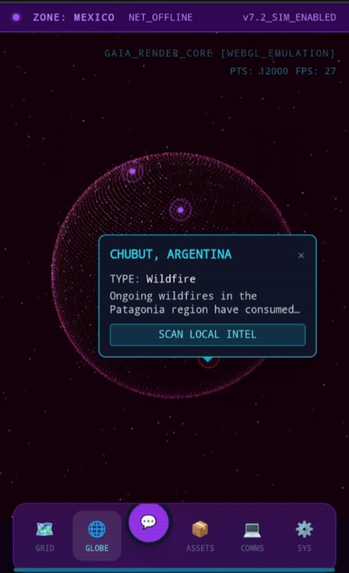
Interactive Globe screen
-
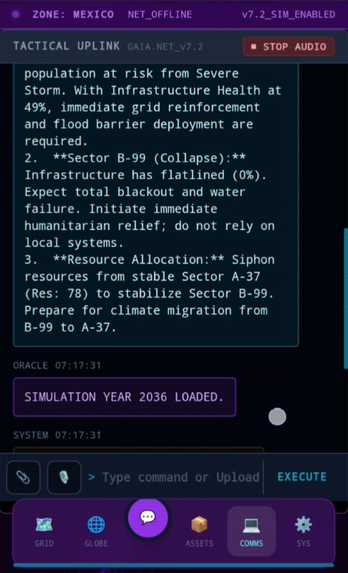
GAIA communications screen
-
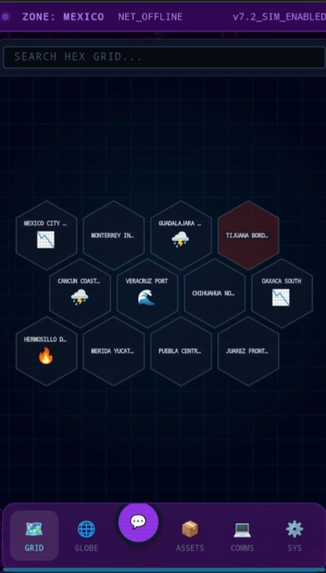
Grid screen
-
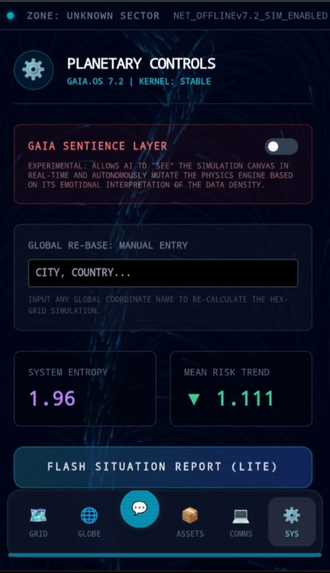
System settings screen
-
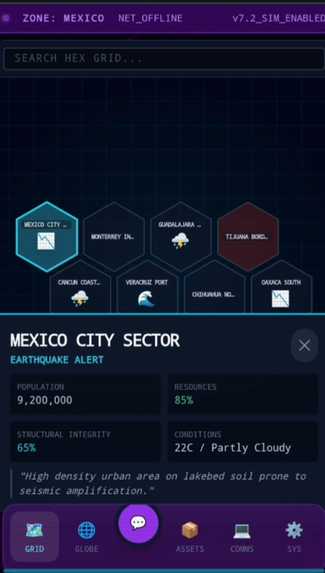
Grid detailed screen
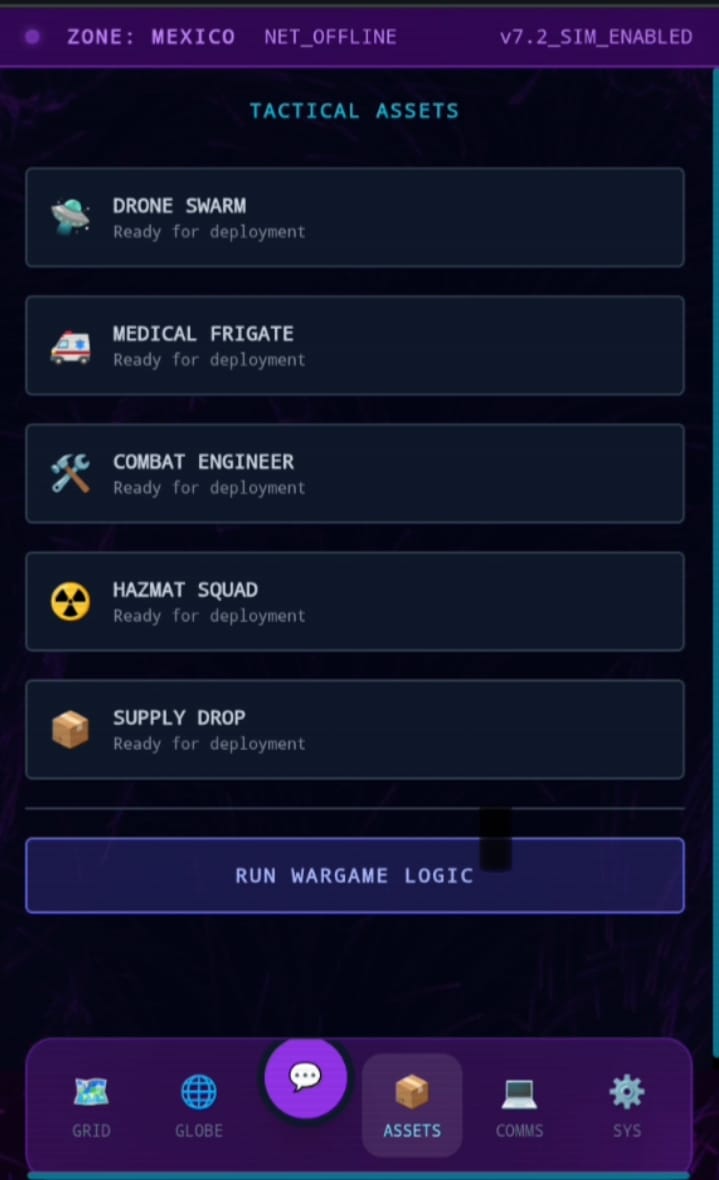
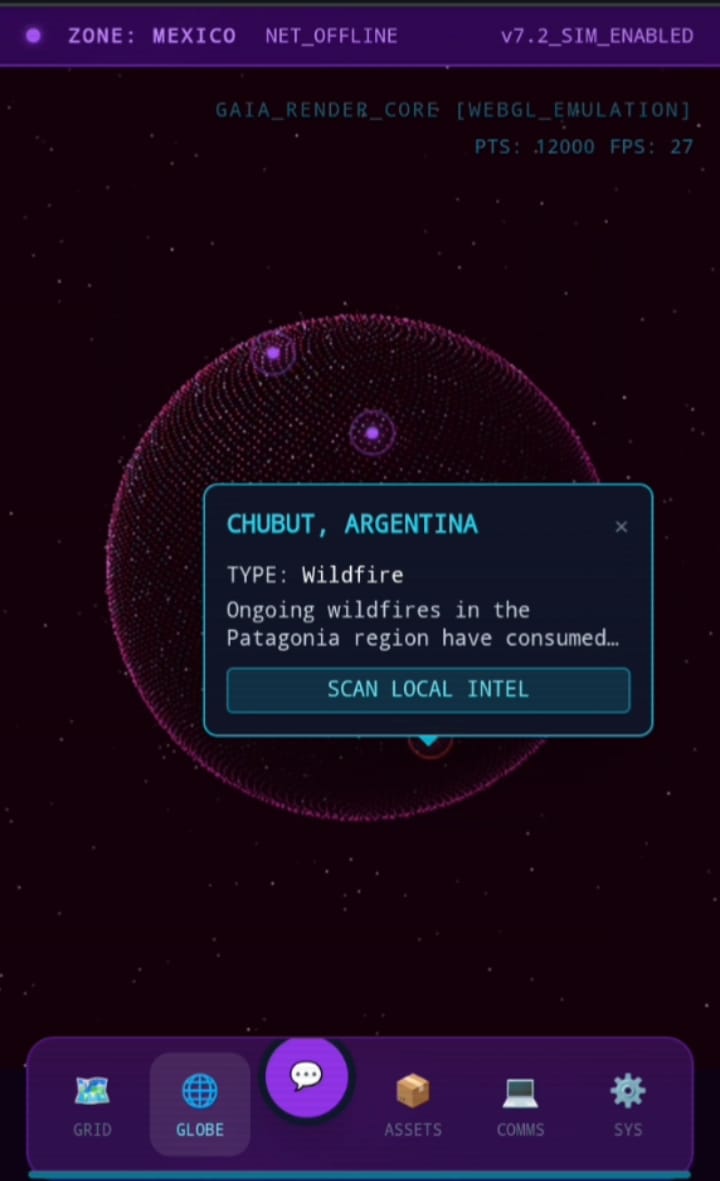
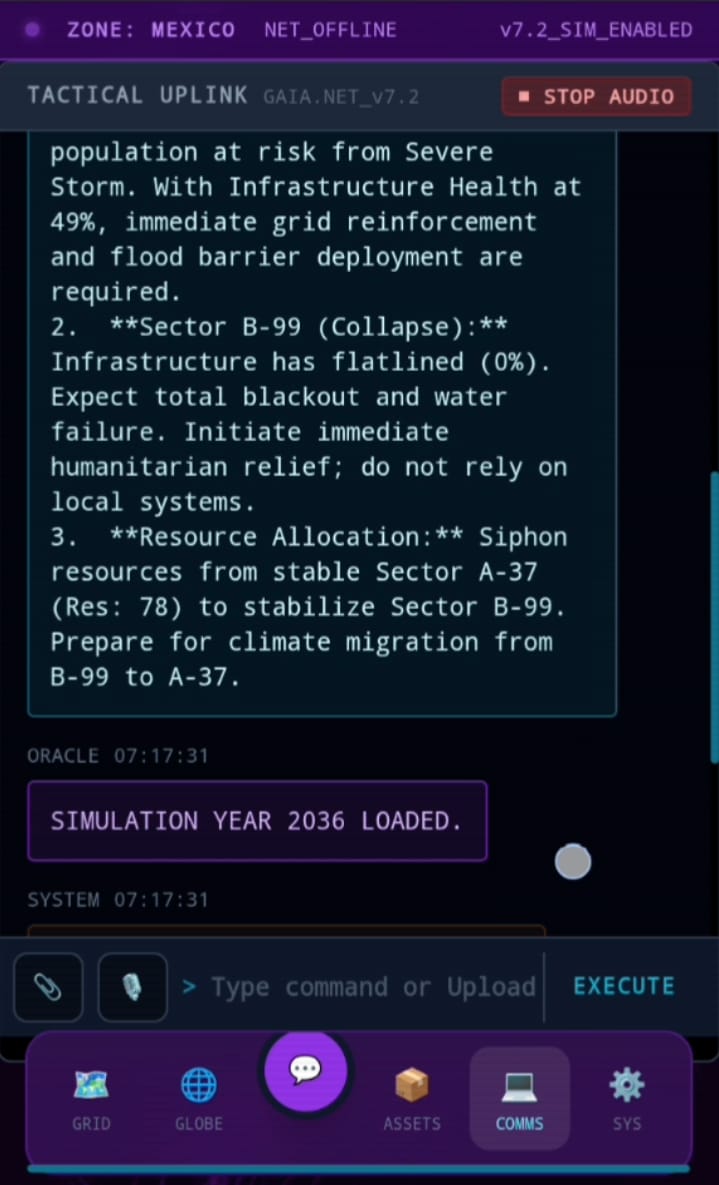
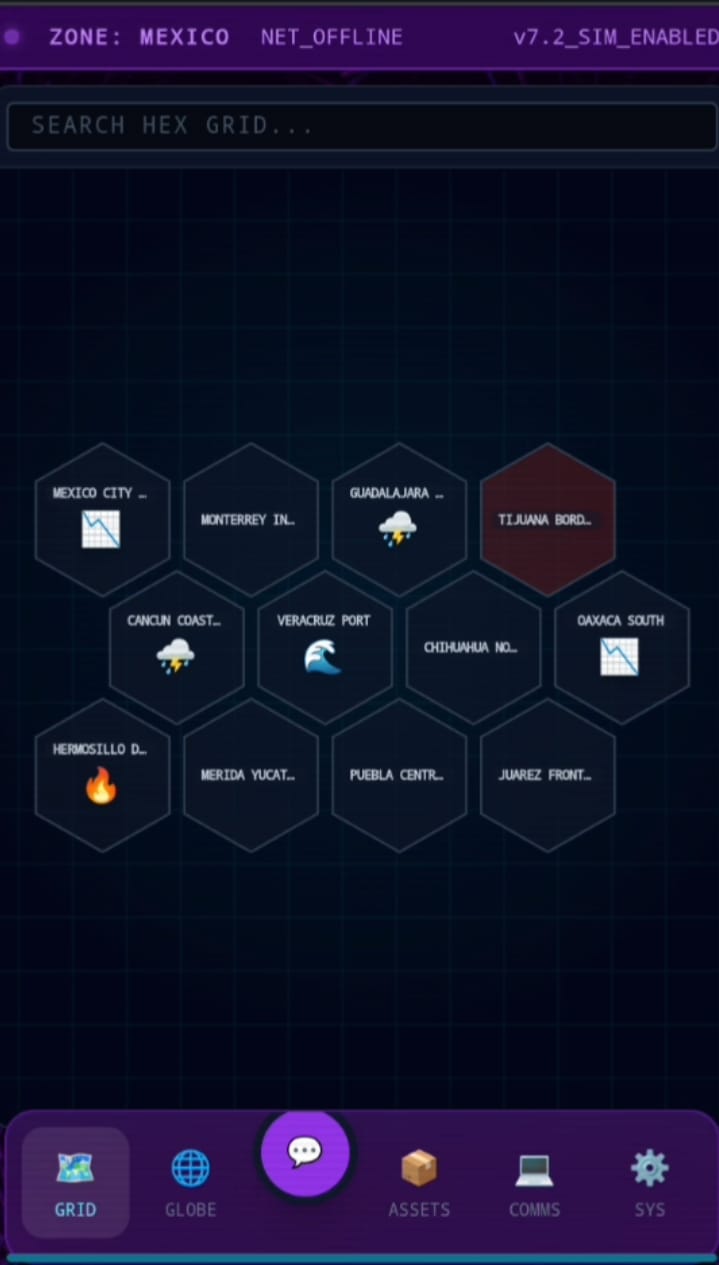
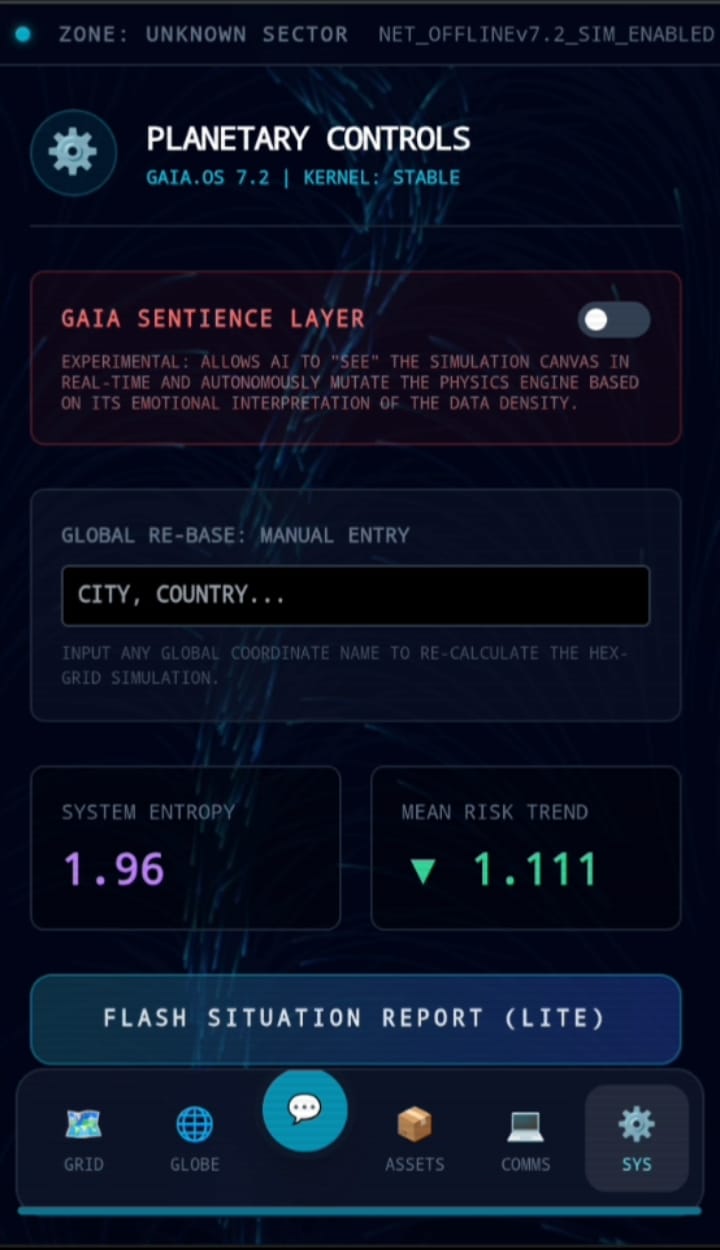
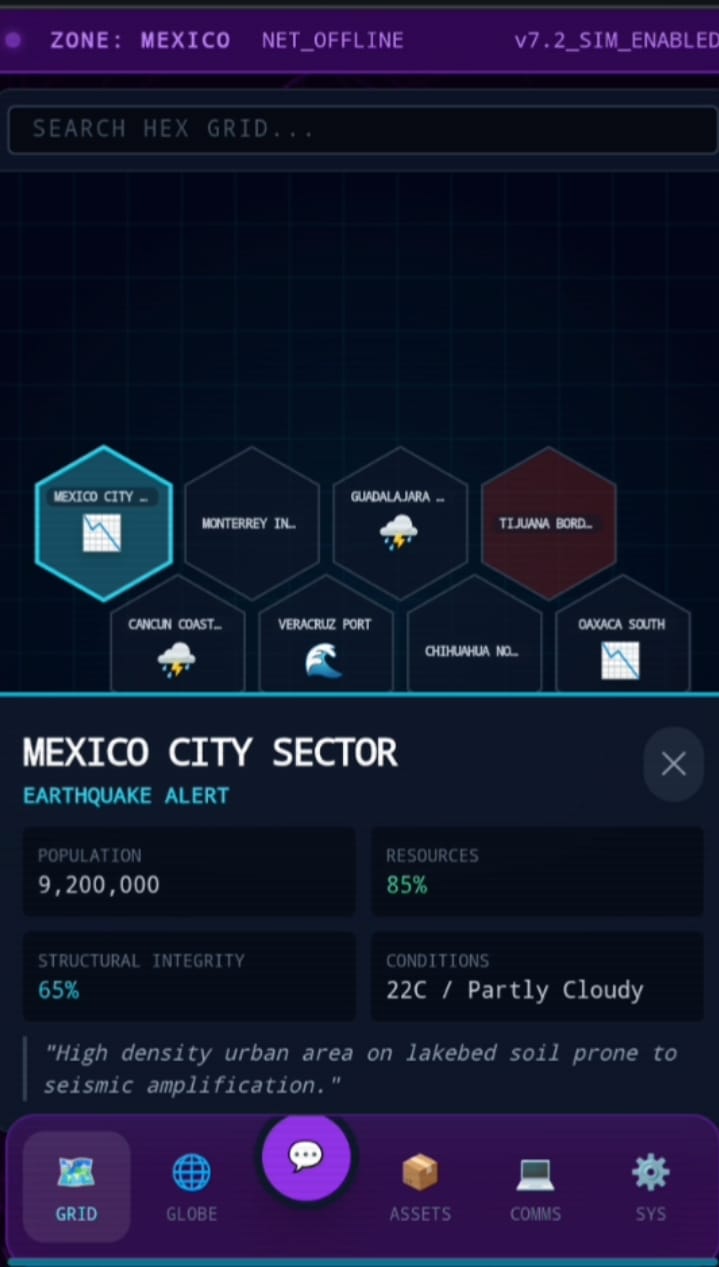
Driven by the urgency of climate resilience and a love for sci-fi interfaces, I built GaiaAI. I wanted to harness Gemini’s multimodal power to create a tool where AI logic amplifies human intuition, turning global chaos into calculated, life-saving strategy.
I engineered GaiaAI to bridge human intuition and AI logic. Using Gemini’s Live API, I oversee global disasters on a real-time 3D globe, generate tactical video simulations, and deploy assets via voice. It allows me to predict, visualize, and neutralize threats instantly through a resilient, offline-capable command interface.
I engineered GaiaAI using React and TypeScript, integrating the full Google GenAI ecosystem. I utilized Gemini 3 for strategic reasoning, Veo for video simulation, and the Live API for real-time voice control. I built a custom physics engine and procedural math algorithms to render the 3D globe via native Browser APIs, creating a resilient, offline-capable command center.
I engineered GaiaAI using React and the full Gemini suite. The core is a custom TypeScript physics engine rendering 45,000 particles on a 2D canvas to emulate 3D globes. Integrating Gemini 3 and Veo was powerful, but my biggest challenge was optimizing the Live API’s audio synchronization and implementing a robust "offline simulation" layer. This ensures the command center functions autonomously even when the satellite uplink fails.
I am proudest of engineering a custom 3D planetary engine using raw TypeScript math and Canvas API, achieving 60fps performance without heavy libraries. Integrating the Gemini Live API was a technical triumph, enabling real-time, bidirectional voice command with complex tool execution. Additionally, I successfully built a robust "offline-first" architecture. By combining local procedural generation with sophisticated fallback heuristics, I ensured the command center remains fully operational and strategic even when the satellite uplink is severed.
I learned that balancing raw AI power with human agency is critical. Integrating Gemini 3 taught me that 'thinking' latency isn't a blocker but a UX opportunity—visualizing the AI's reasoning builds trust. Physically modeling 45,000 particles in the browser pushed my understanding of optimization, proving web technologies can handle military-grade visualization. Most importantly, I realized that true resilience requires an "offline-first" architecture; by simulating the AI's logic locally when disconnected, I ensured the system empowers the user even in the absolute worst-case scenarios.
I plan to evolve GaiaAI from a standalone command console into a global, decentralized resilience mesh. The next phase involves integrating real-time IoT sensor arrays directly into the physics engine to provide ground-truth data for Gemini's strategic reasoning. I will also develop an AR field interface, allowing responders to see Gemini's tactical overlays superimposed on their physical environment. Finally, I aim to implement multi-agent orchestration, where specialized Gemini instances coordinate logistics, medical, and engineering assets simultaneously across continental scales, creating a truly self-healing planetary infrastructure.
Built With
- canvas-api-(2d-context
- cellular-automata
- client-side-spa-(single-page-application)
- css3
- file-api
- fractal-brownian-motion-(fbm)
- gemini-2.5-flash-image
- gemini-2.5-flash-native-audio-preview-12-2025
- gemini-2.5-flash-preview-tts
- gemini-3-flash-preview
- gemini-3-pro-image-preview
- gemini-3-pro-preview
- geolocation-api
- google-maps
- google/genai-(v1.34+
- html5
- kalman-filters
- linear-regression
- lru-cache
- mediadevices
- mediarecorder-api
- office-first-design
- pcm-audio-decoding/encoding
- pseudo-random-number-generators-(prng)
- quaternion-math
- react-19
- shannon-entropy
- tailwind-css
- typescript
- veo-3.1-fast-generate-preview
- web-audio-api


Log in or sign up for Devpost to join the conversation.