-
-
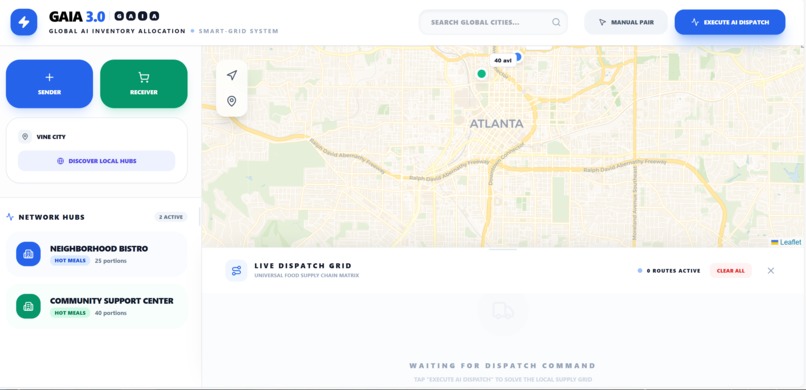
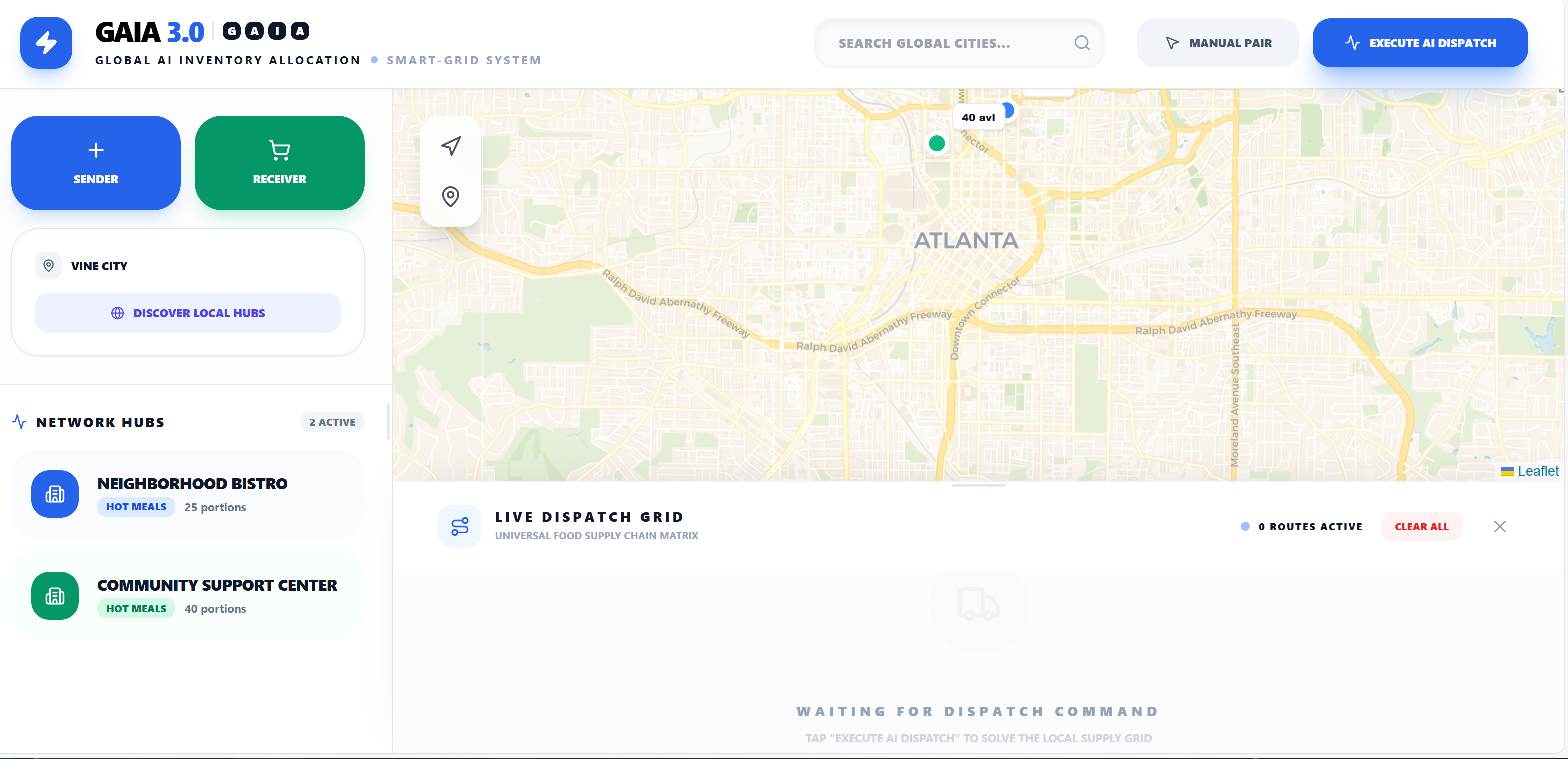
Home Page
-
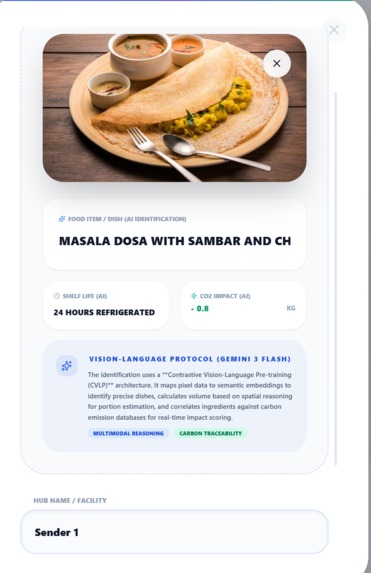
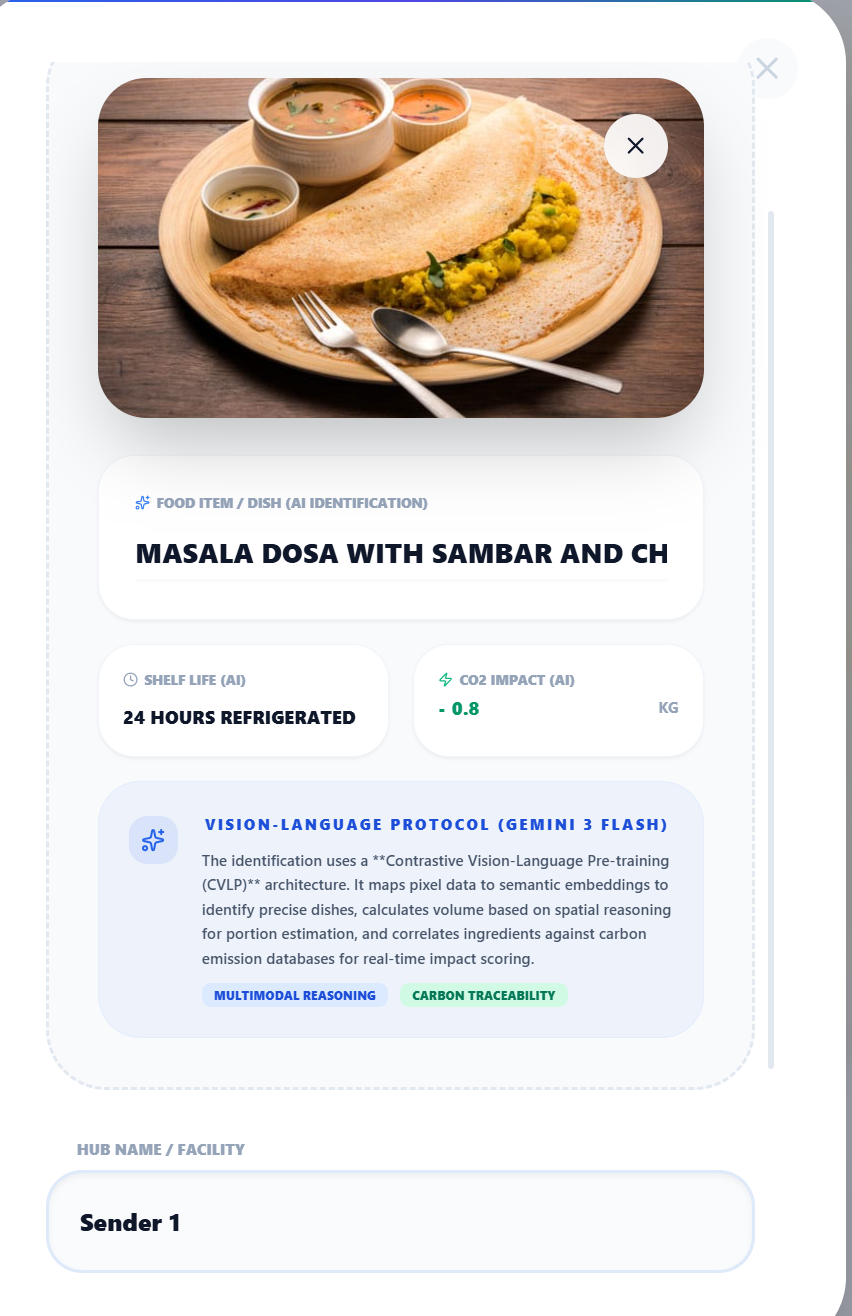
Addition of food from Suprplus Sender - AI detects the image
-
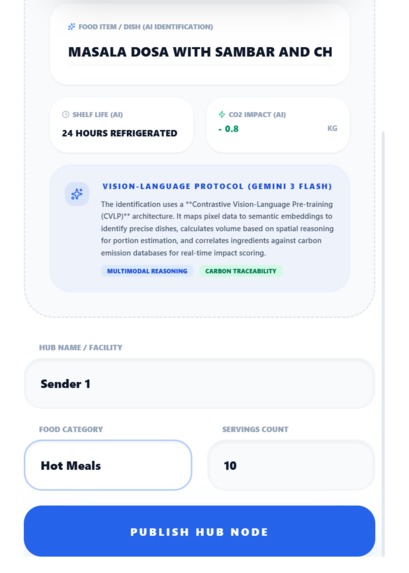
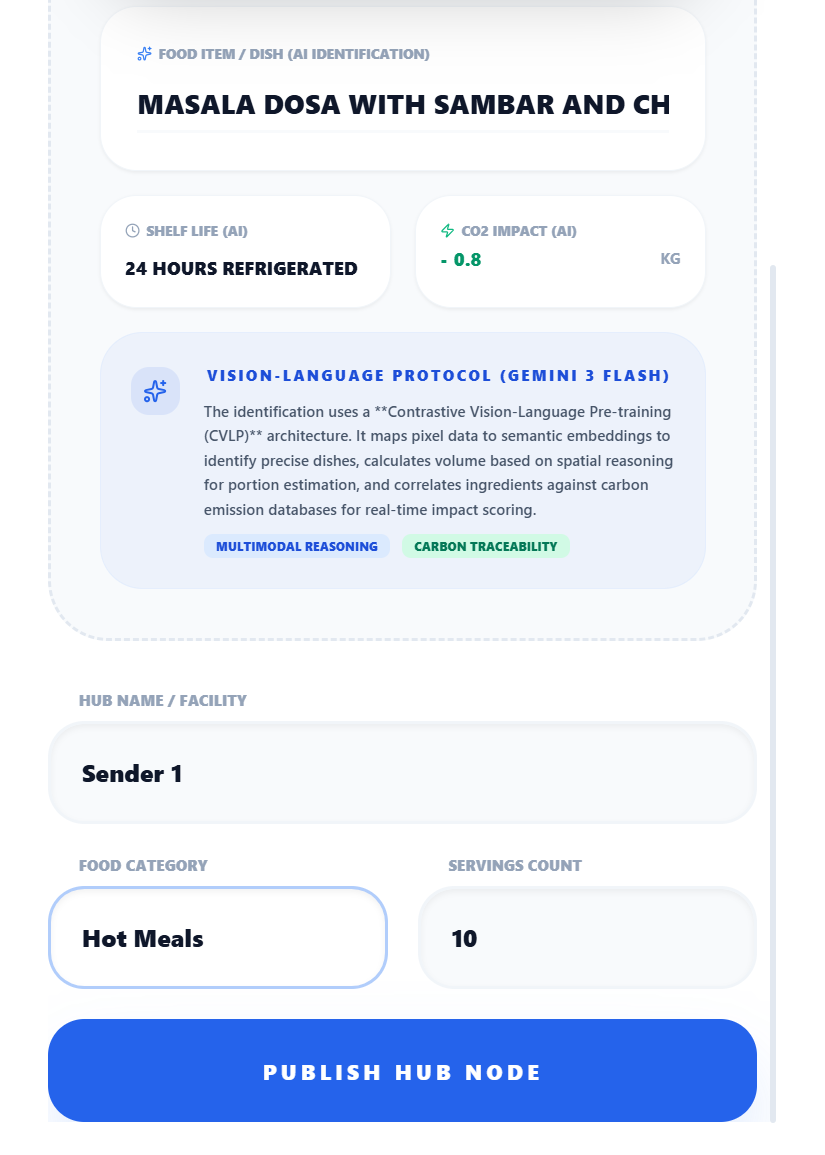
Addition of food from Suprplus Sender - AI adds description and gets meal count estimate
-
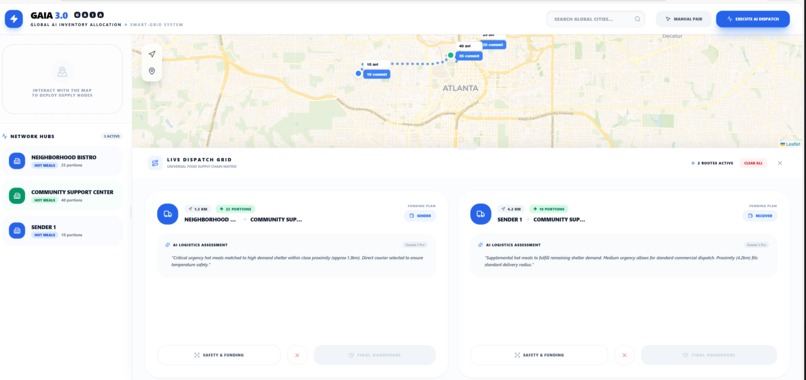
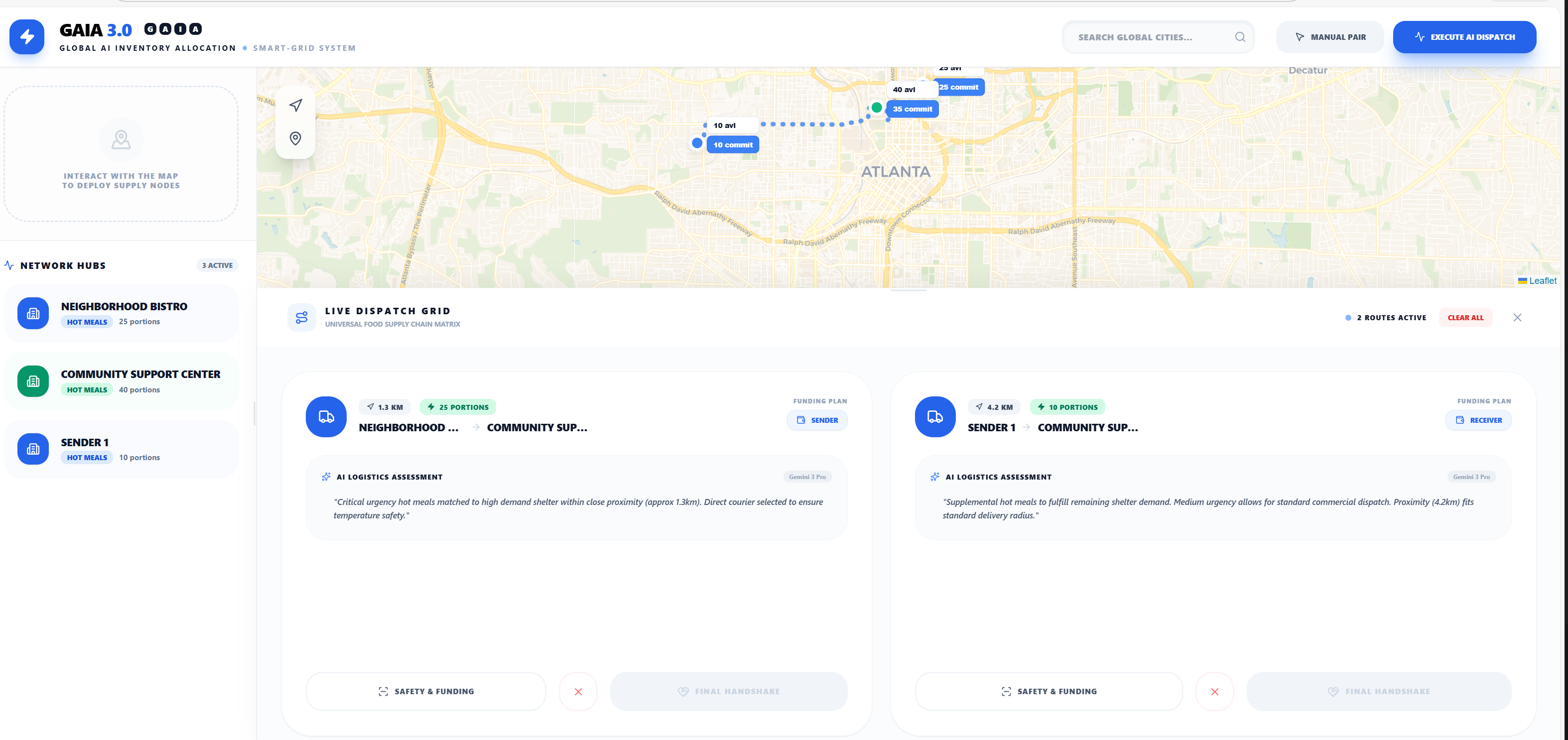
How AI does the dispatch routing options for the user
-
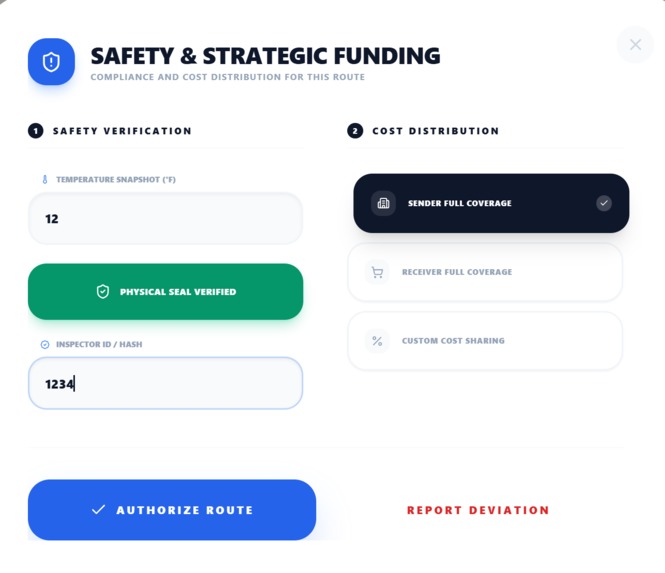
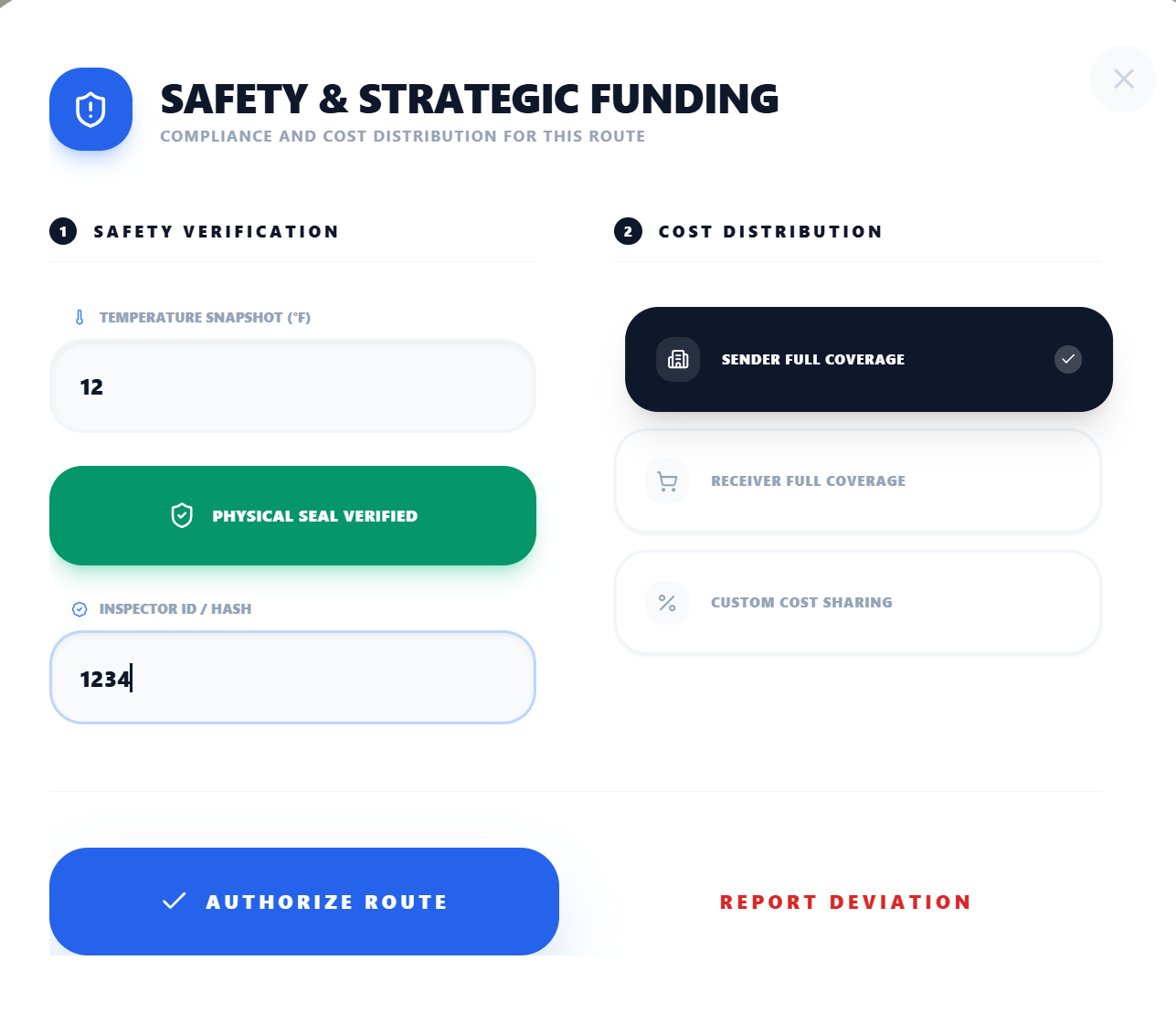
Safe standard required for final handshake and route confirmation
Inspiration
Gaia 3.0 started with a simple but powerful observation: in every community, there is a "Point A" with more food than it needs and a "Point B" that is always short. I have always believed that we don't have a food shortage problem; we have a connection problem. I’ve held on to a "small dream" of matching supply and demand to solve world hunger, starting at the local level and eventually expanding globally. With the advent of Gemini 3, I realized I could finally "connect the dots" and turn this dream into a scalable reality.
What it does
Gaia 3.0 is a decentralized AI Smart-Grid for food rescue. It treats surplus food as a high-value utility, routing it from restaurants and retailers to community hubs using advanced multimodal AI:
- Identifies Surplus: Users snap a photo; Gemini 3 Vision identifies the dish, quantity, and shelf-life.
- Matches Needs: It connects "Point A" (donors) with "Point B" (recipients) based on real-world grounding and urgency.
- Optimizes Logistics: It calculates the best delivery pairs and manages a unique altruistic cost-splitting model.
- Ensures Safety: It tracks temperature and sealing inspections to guarantee food safety.
How we built it
We built Gaia 3.0 as the intelligent "glue" between supply, demand, and logistics:
- The AI Brain: We leveraged the Gemini 3 Ecosystem, using Flash Vision for instant object recognition and Pro (Thinking Mode) for complex routing reasoning.
- Grounding: We used Google Maps Grounding to anchor our logistics in verified real-world NGO data.
- The Muscle: Our system is designed to integrate with delivery APIs like Uber Direct and DoorDash Drive.
- The Vault: A React frontend secured by a Node.js proxy on Google Cloud Run, ensuring API keys and user data are never exposed.
Challenges we ran into
Our biggest hurdle was the "Formal Envelope" requirement. Moving to production required us to strictly follow the nested Professional Content Schema (Roles/Parts) for the Gemini API. We also had to navigate regional model availability, which we solved by transitioning to a unified @google/genai implementation to maintain 100% reliability across "Flash" and "Pro" versions.
Accomplishments that we're proud of
We are incredibly proud of building a functional "Reasoning-Based Smart-Grid." It doesn't just pass data; it thinks about the humanitarian priority and perishability of the food. We also successfully implemented a Social Equity Model that allows donors to help fund the delivery, tapping into the power of community altruism.
What we learned
Building Gaia 3.0 taught us that the next generation of AI is about Agency. By using Gemini 3's multi-step reasoning, we found we could automate decisions that previously required human dispatchers. We also learned that Food Safety and Trust Scores are the most critical metrics for a successful rescue network.
What's next for GAIA 3.0: The AI Food Smart-Grid
Our next step is to expand the "Node Network" to more cities. We plan to integrate real-time traffic grounding to further optimize delivery times and implement a Carbon Offset Tracker so contributors can see the environmental impact of the food they rescued from landfills.
🛠️ Built with AI (Disclaimer)
This project was developed using "Vibe Coding" methodologies. All technical architecture, frontend components, and backend logic were crafted and refined using AI Studio and Antigravity. The AI served as a collaborative partner in every step, from the initial concept of the "Food Smart-Grid" to the final production-ready deployment.
Built With
- aistudio
- antigravity
- docker
- express.js
- gemini
- gemini-3-flash
- gemini-3-pro
- google-cloud-build
- google-cloud-run
- google-maps-grounding
- google/genai-sdk
- javascript
- leaflet.js
- node.js
- react
- typescript

Log in or sign up for Devpost to join the conversation.