
Inspiration
A funny drawing can start a conversation faster than a perfect one. Gahaku. turns that moment into a multiplayer game: a shared prompt, a few simple drawing tools, and wildly different interpretations. It is for friends and casual players who want to create something together without needing artistic confidence.
What it does
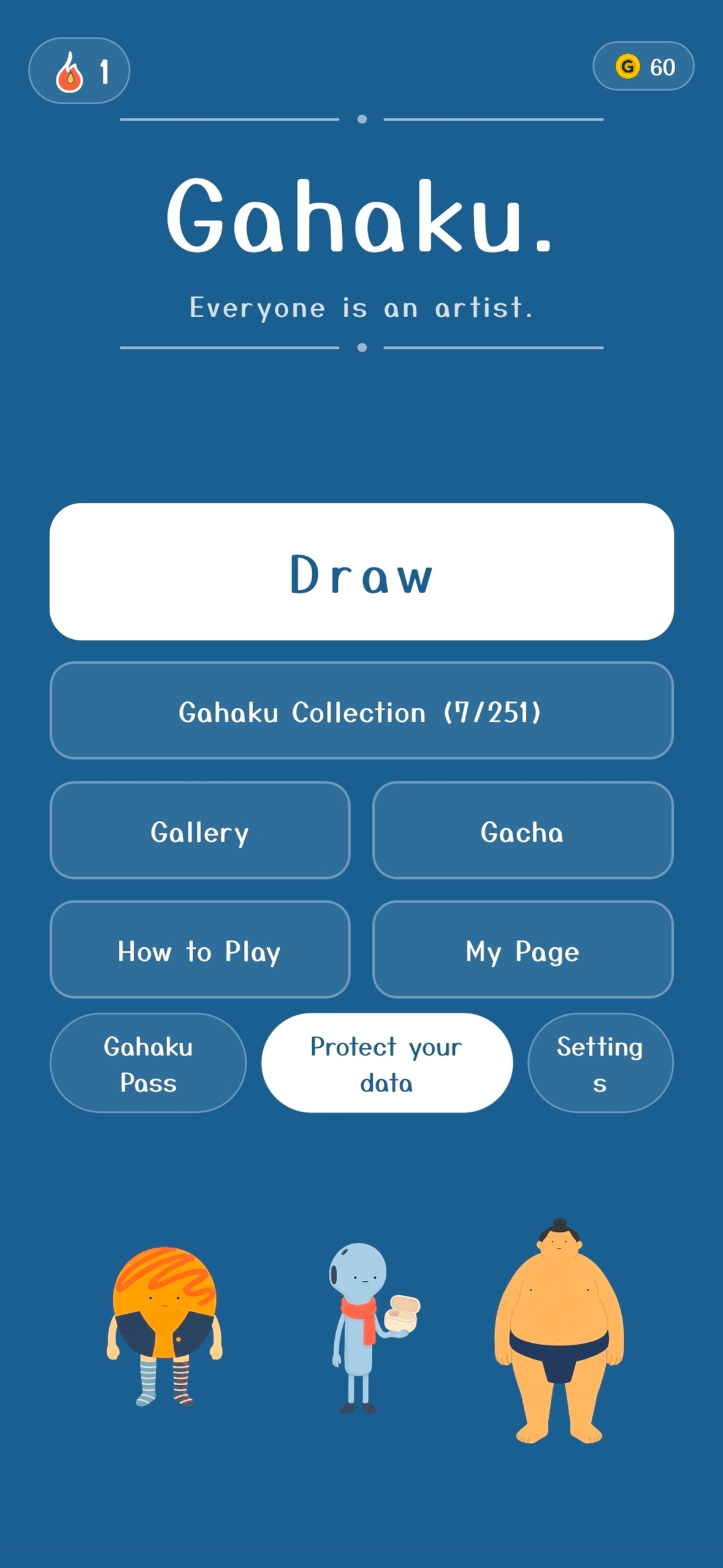
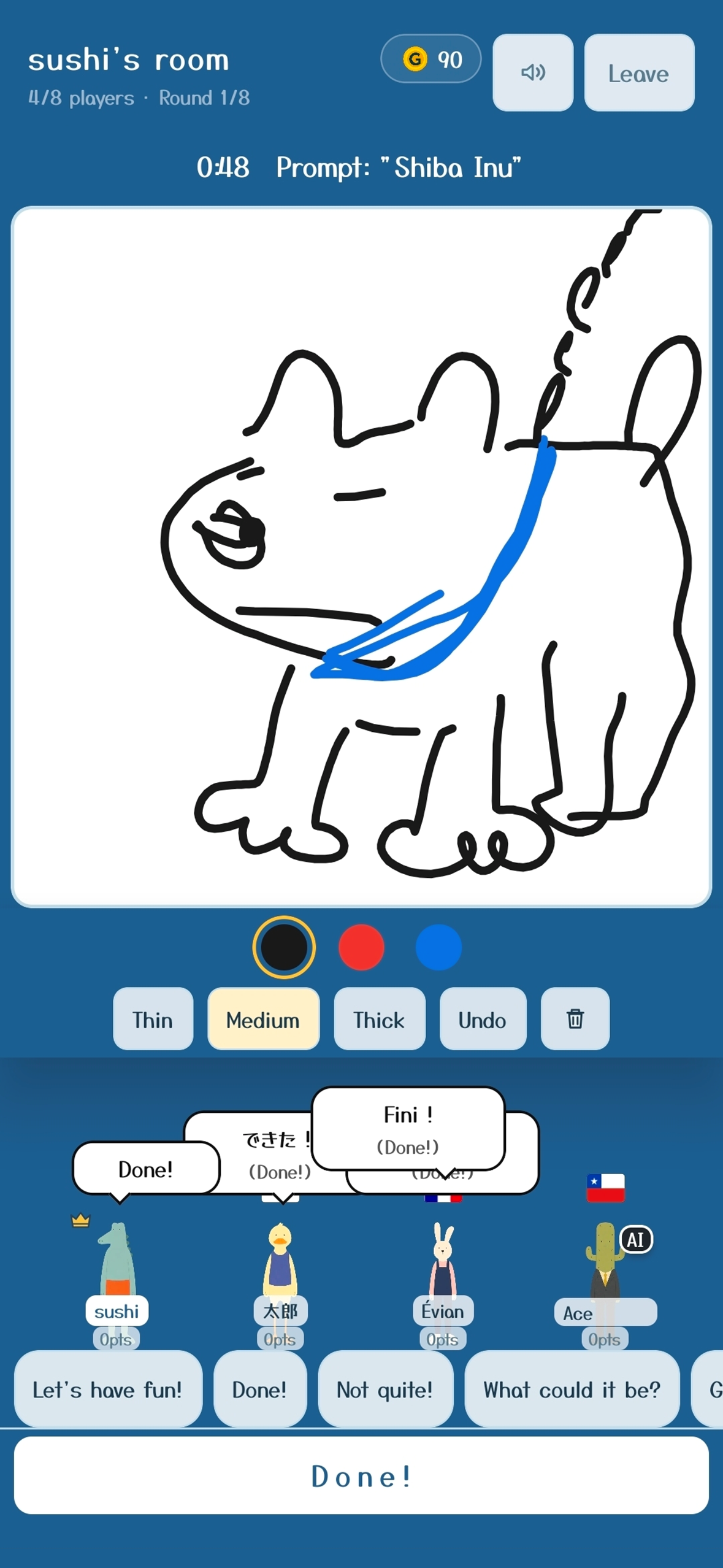
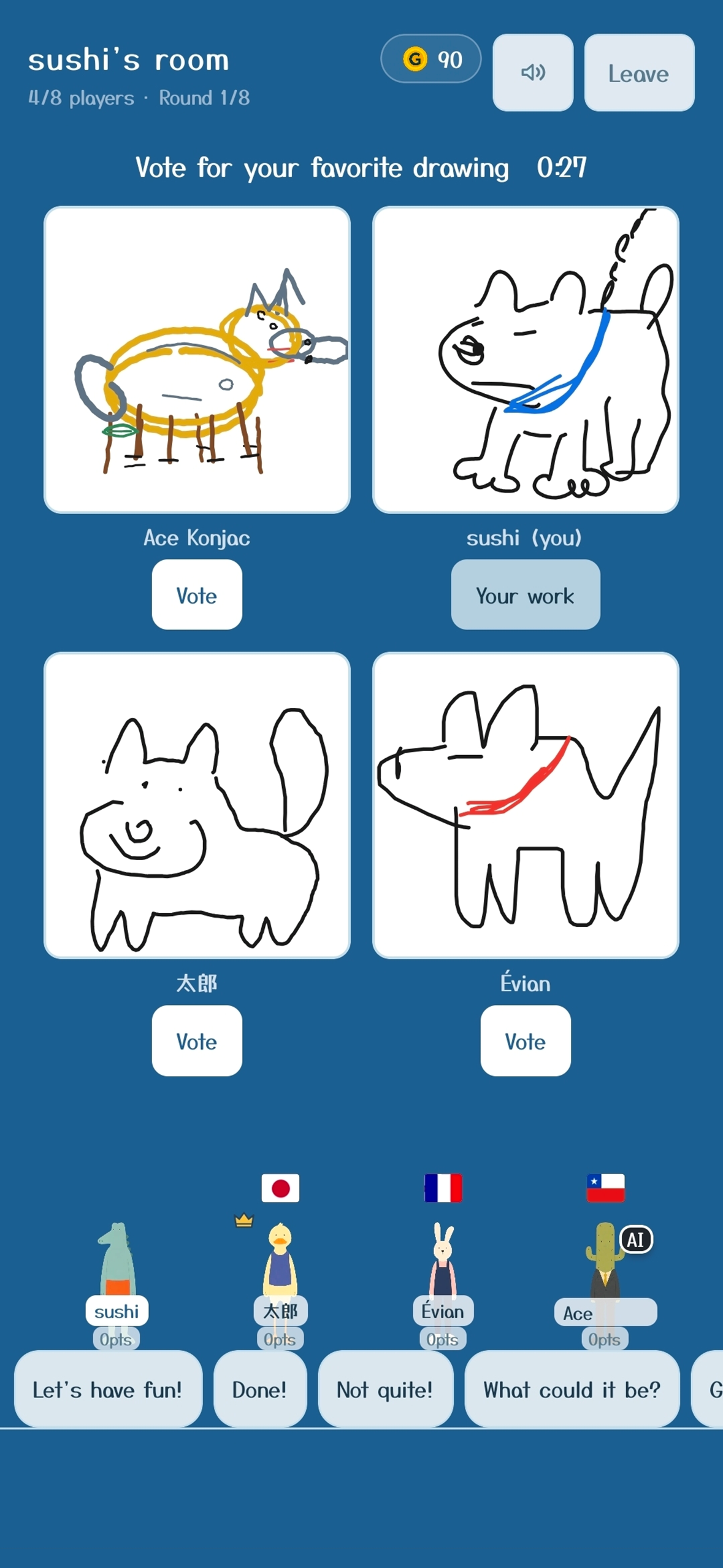
There are two ways to play. In Quiz, one player draws while the others guess. In Sense Battle, everyone draws the same prompt and votes for their favorite picture. The fun comes from seeing how differently people imagine the same thing.
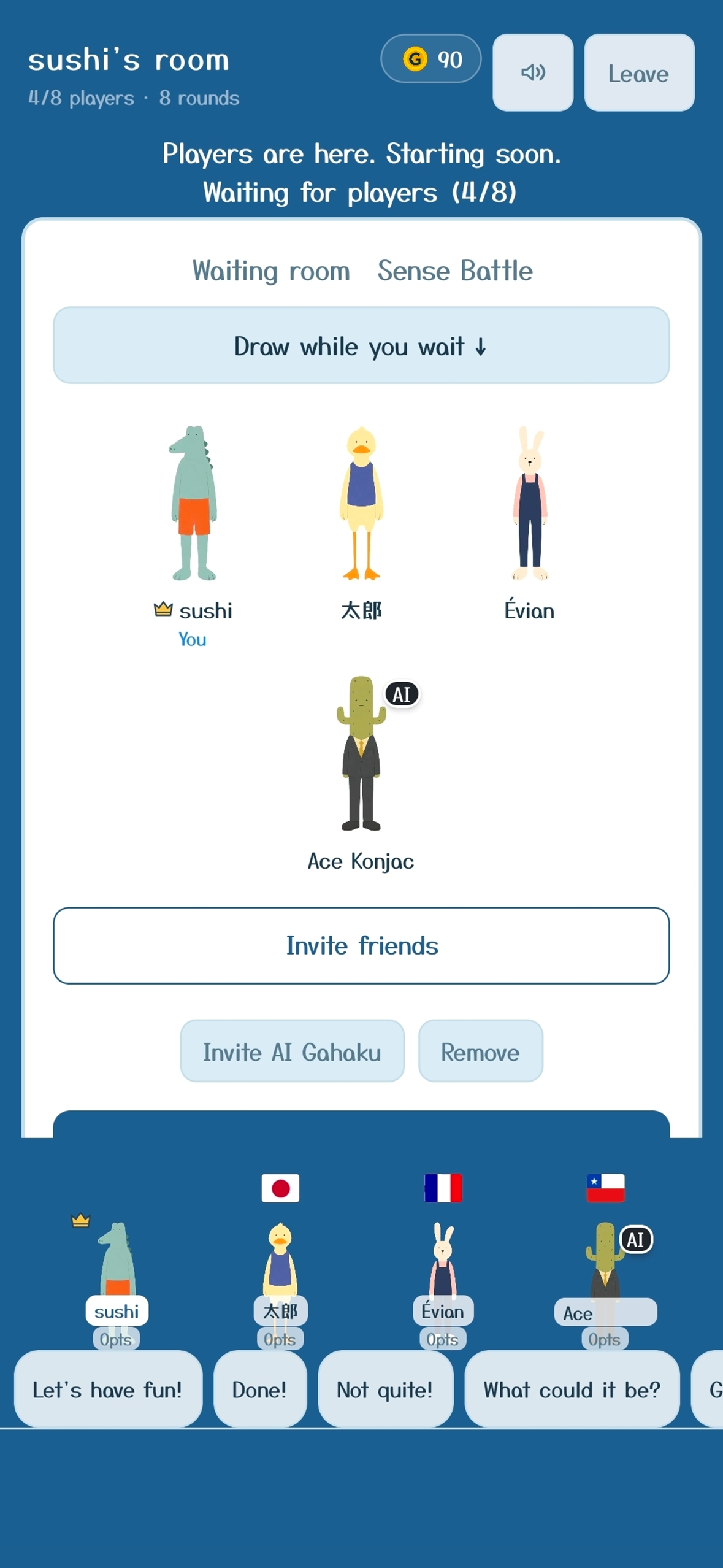
Players can start as guests, join public rooms, or play with friends using a passphrase. Built-in characters labeled AI Gahaku help fill games. They use developer-provided drawing data and preset behavior, rather than generating artwork through a live generative-AI service.
The lobby is part of the experience, too. Players can sketch while waiting, watch public games that allow spectators, and reserve a place in the next game when reservations are enabled. Reservations never insert a player into a round already in progress.
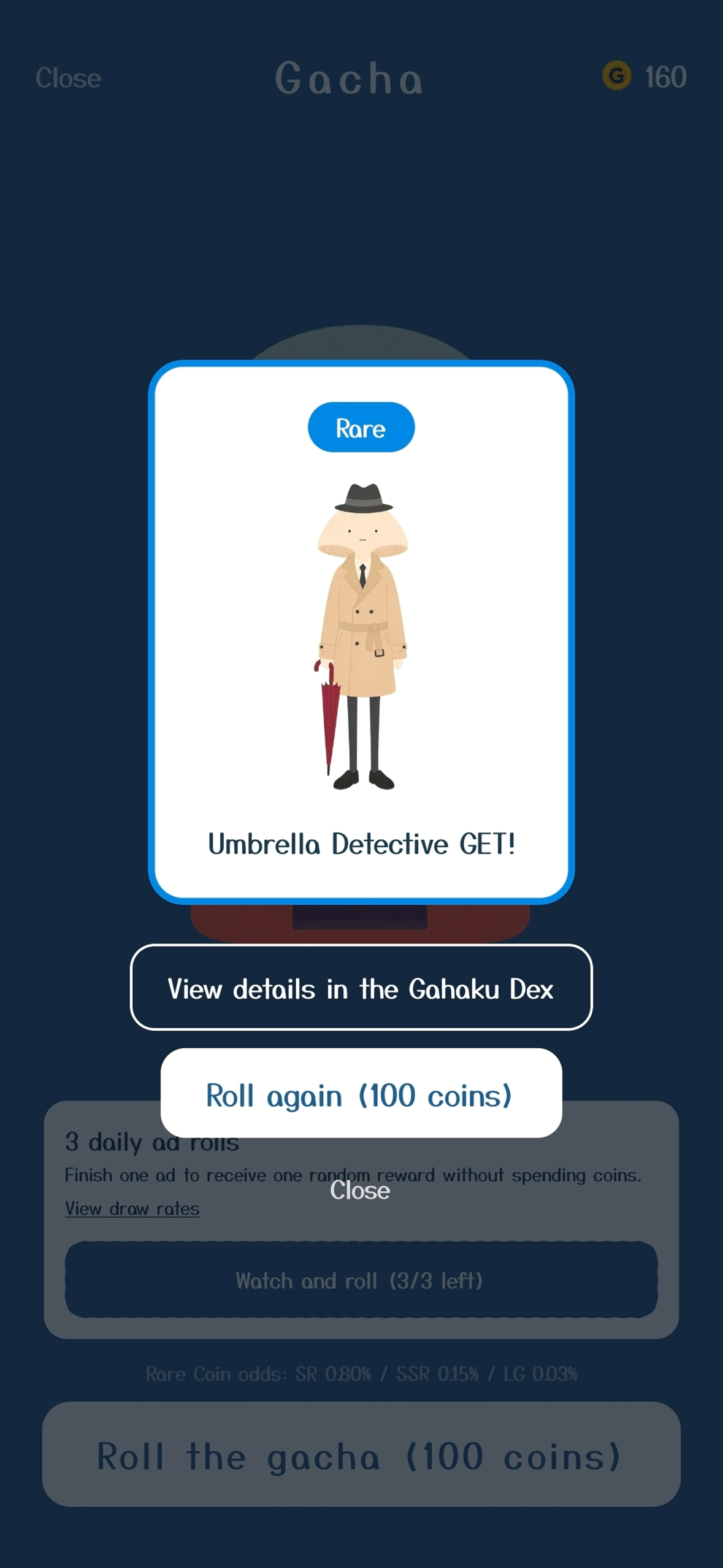
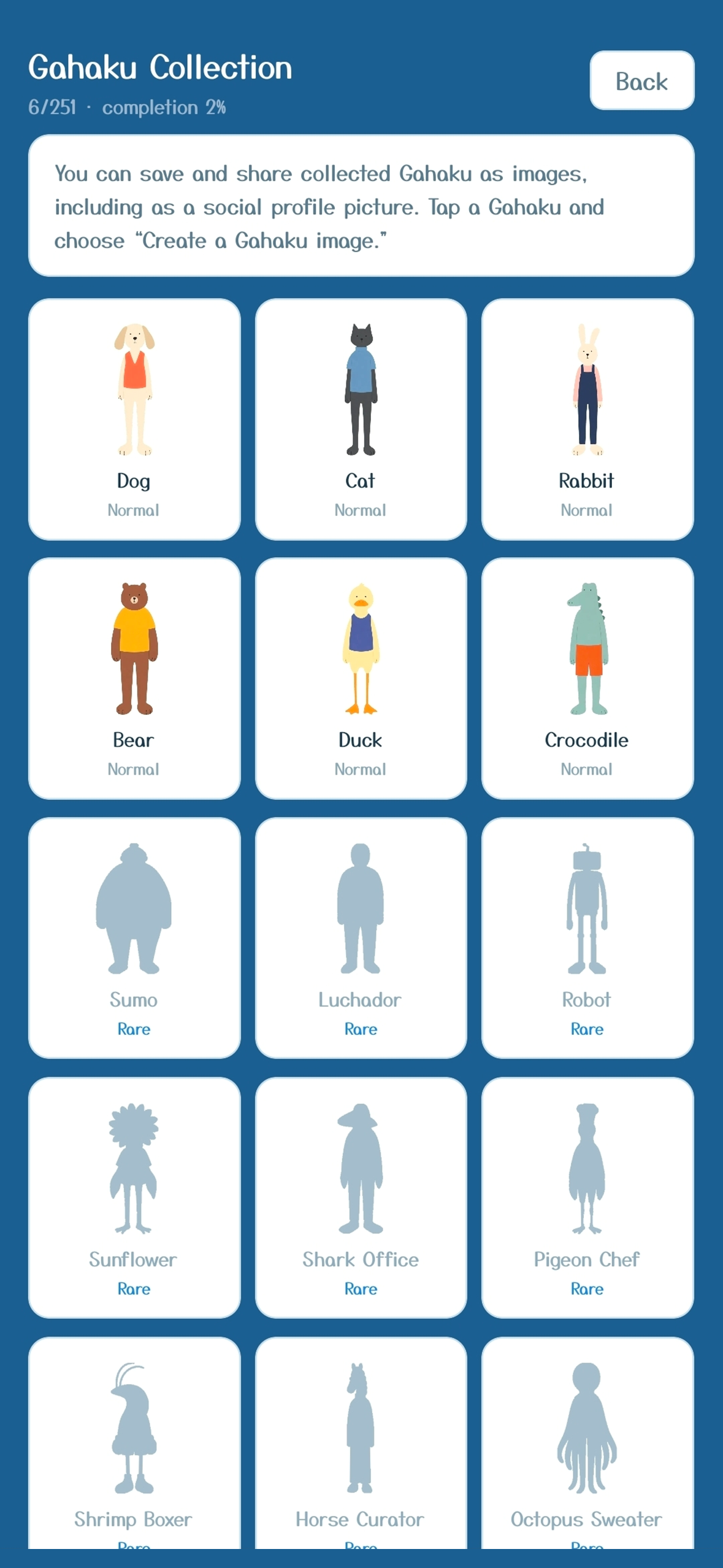
Collected Gahaku characters, paints, and stamps add personality. A gallery lets players keep their drawings. The app supports ten languages, including localized answers and preset messages, with report and block tools for human players.
How it was built
Gahaku. uses React Native, Expo, and TypeScript, with Supabase and Cloudflare Workers / Durable Objects supporting the online experience. RevenueCat manages the monthly GAHAKU PASS purchase flow, restoration, and entitlement state. AdMob serves the ads; it is separate from the RevenueCat subscription integration.
Monetization that fits the game
Core gameplay is free. The optional GAHAKU PASS removes ad requirements for replay transitions, the three daily ad-gacha pulls, and Gahaku image export. It does not improve scores, rewards, or gacha odds. Ads do not interrupt live gameplay or the waiting room, and rewarded ads are optional.
In the released iOS app, players can purchase and restore the pass as guests. Linking an Apple or Google account inside the game is optional and helps protect game data; it is separate from the App Store account used for a purchase.
Challenges and what I learned
An early multiplayer game faces a practical problem: players may arrive at different times. Version 1.1 improves room discovery, adds waiting-room drawing, and lets people watch and reserve the next game without disrupting the current round. Reconnection and game flow received attention alongside fixes for collected stamps and shared gallery images.
Another important iteration was removing mandatory game-account linking before a purchase or restoration. The released iOS flow keeps guest access straightforward while leaving account protection optional. These iterations reinforced the importance of separating game participation, account protection, and purchase access instead of treating them as one requirement.
Award categories
Best Game Award: a drawing-and-guessing party game built around playful interpretations, distinctive art direction, and optional monetization that does not change competitive outcomes.
RevenueCat Design Award: a restrained, hand-drawn character world with simple drawing tools, side-by-side artwork comparison, and collectible characters. The design aims to make imperfect drawings feel welcome.
What's next
The next focus is learning from real play sessions: where people hesitate, how quickly they find a game, and what makes them come back. Further improvements should make gathering a group easier while preserving the simple pleasure of drawing, guessing, and laughing together.
Built With
- admob
- expo.io
- react-native
- revenuecat
- supabase
- typescript

Log in or sign up for Devpost to join the conversation.