-
-
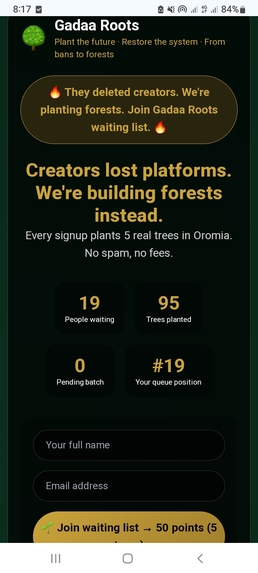
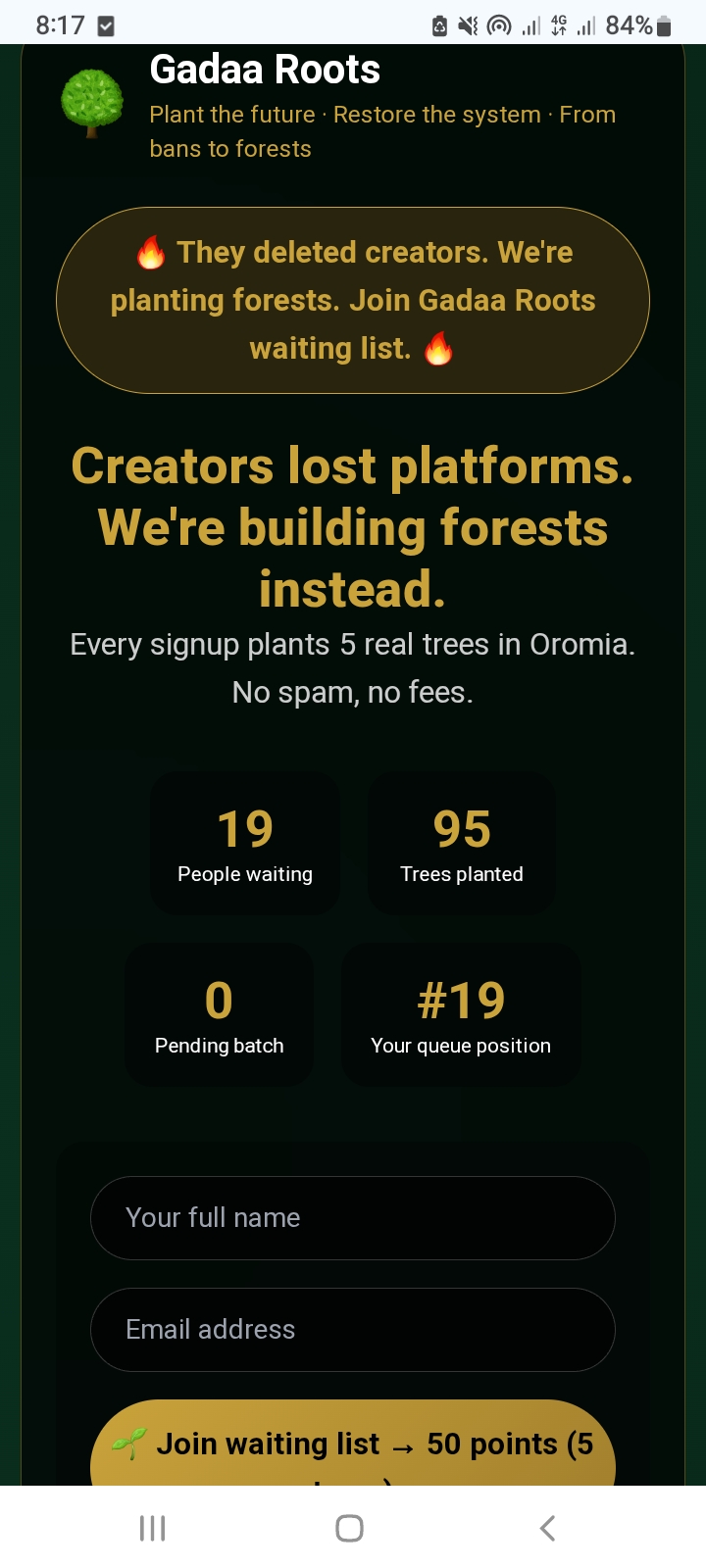
Screenshot of waiting list
-
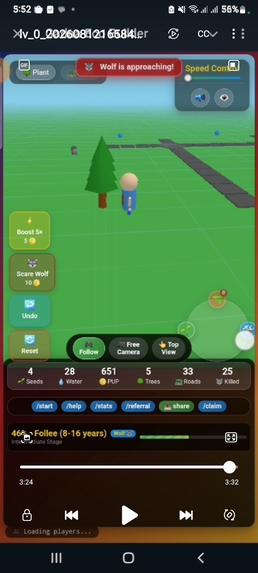
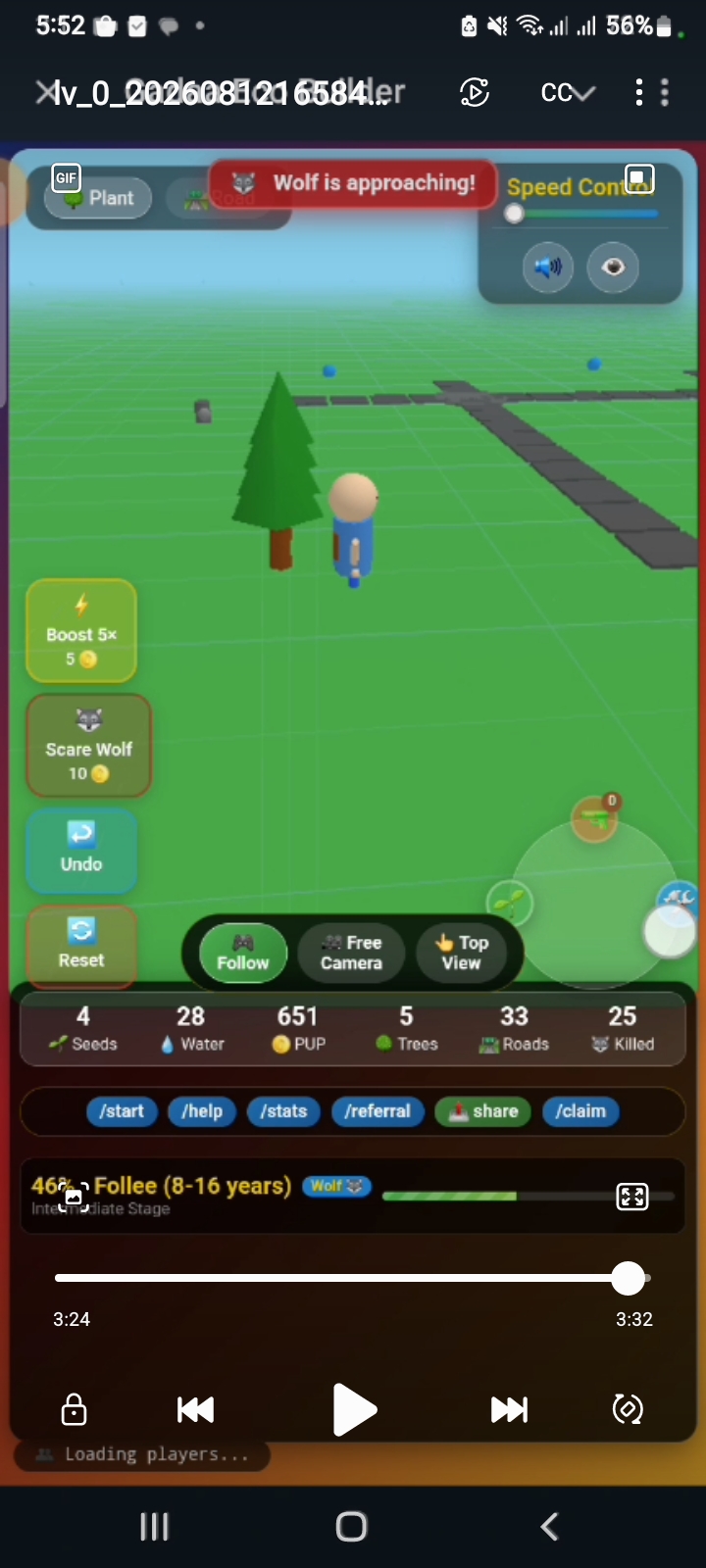
Screenshot of telegram game bot
-
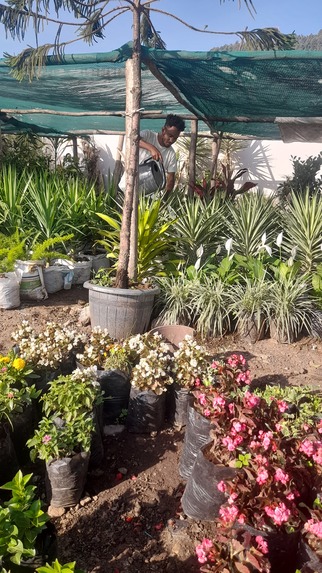
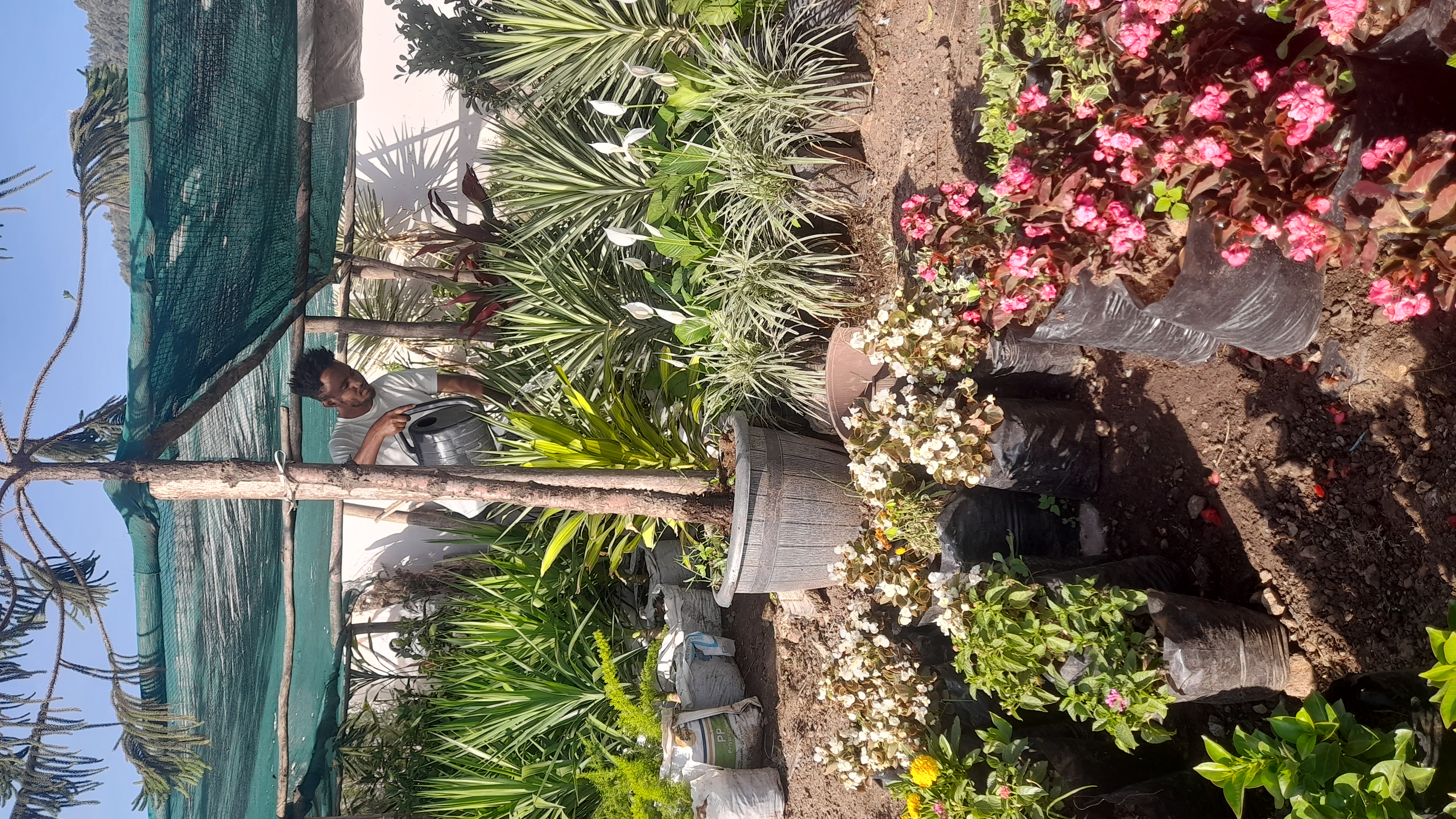
Watering seedlings image
-
-
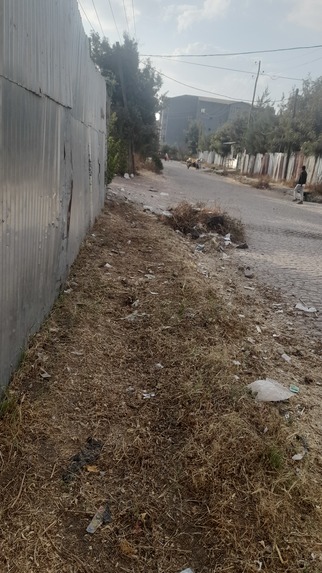
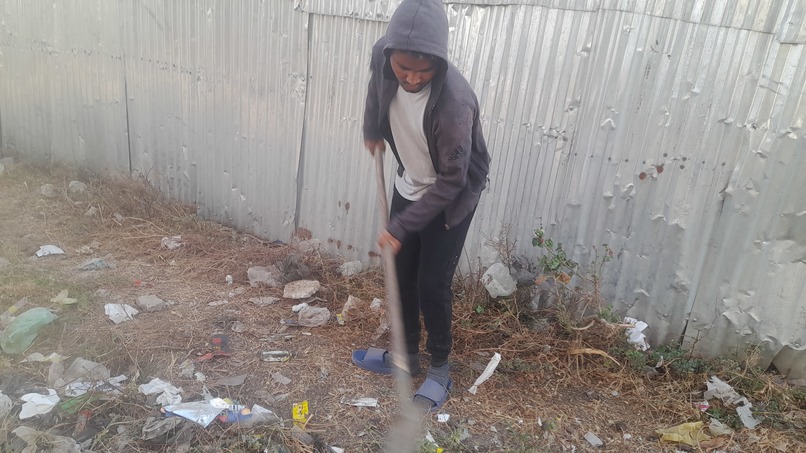
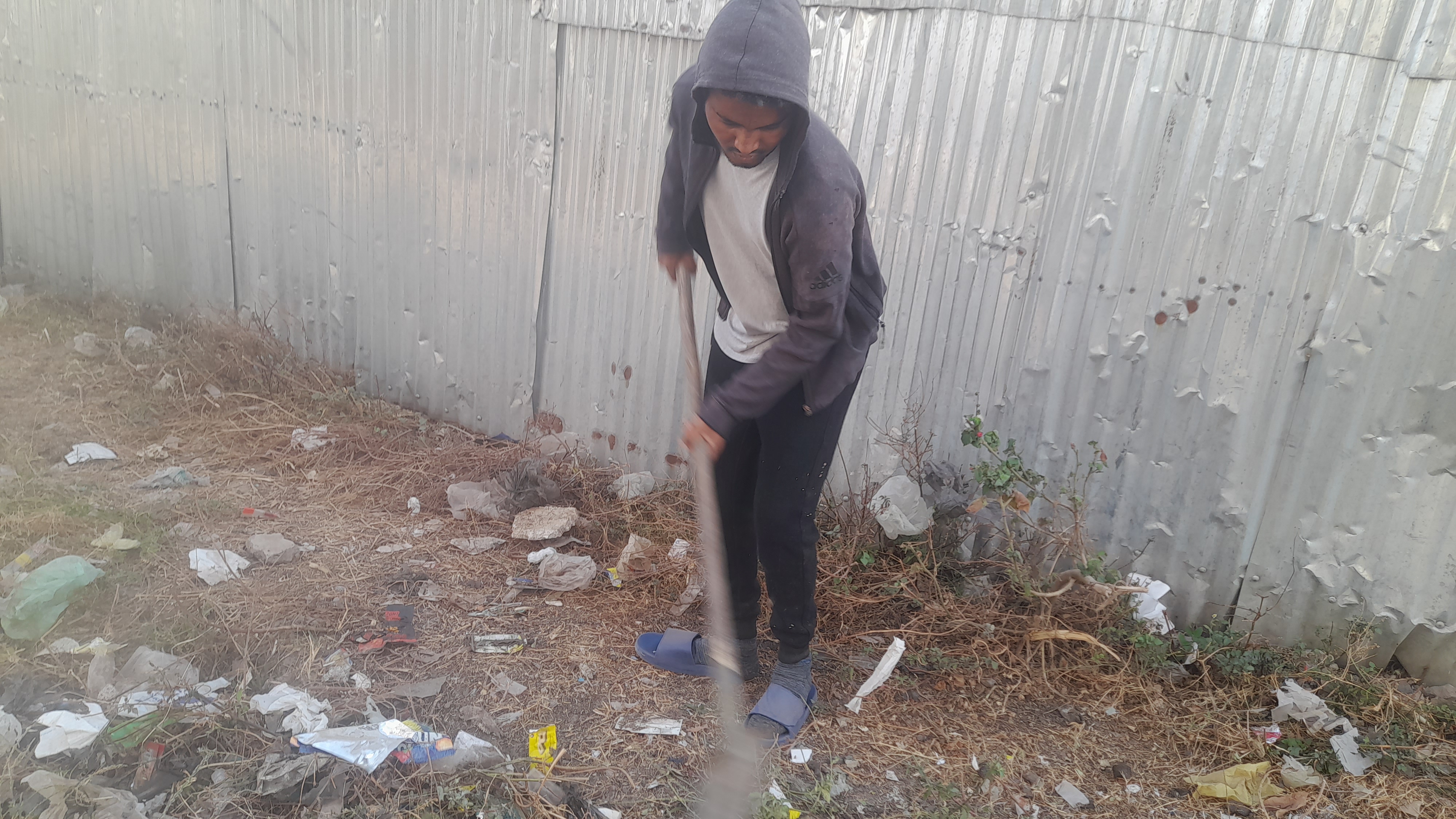
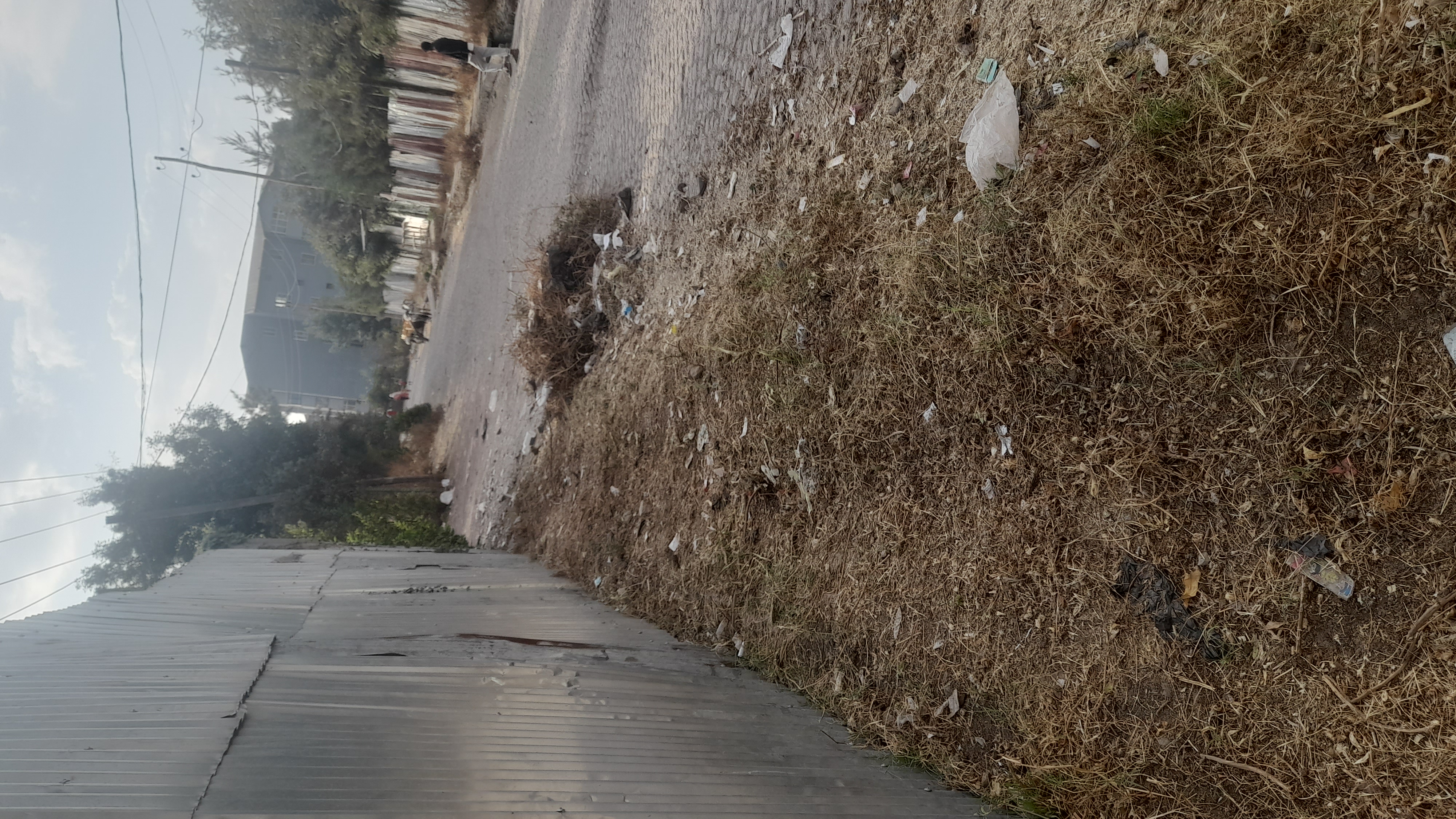
Clearing roadside image
Inspiration
My brother was killed, leaving his children orphaned. That loss became the foundation of my mission. I am building Gadaa Eco Builder to create a more secure future for them and for other vulnerable children in Ethiopia.
The Oromo Gadaa system is inscribed by UNESCO on the Representative List of the Intangible Cultural Heritage of Humanity. It is a living indigenous governance system associated with justice, conflict resolution, social cohesion, protection of women's rights, and knowledge transmission across generations.
At the same time, communities in Oromia face land degradation, environmental pressure, and climate-related risks. I saw an opportunity to connect cultural knowledge with practical environmental action.
I have already cleared approximately 1.5 km of roadside by hand and planted more than 1,500 native trees in the Amerti-Nashe valley. This physical work is the foundation behind the digital idea.
Gadaa Eco Builder connects these two challenges: using gamification to make Gadaa knowledge accessible to younger generations while creating pathways toward real-world restoration.
What it does
Gadaa Eco Builder is a gamified platform that teaches the UNESCO-recognised Oromo Gadaa system while funding real-world reforestation in Ethiopia.
For players:
A Telegram bot where users face climate challenges (wolves), collect resources, build roads, plant virtual trees, and progress through Gadaa stages (Dabballee → Yuuba).
A waiting list website where users enter their age to find their Gadaa stage, earn points, and join a growing community of over 1,200 people.
An AI-powered assistant built with WebMCP that helps users explore the Gadaa system, answer questions about reforestation, and connect to real-world restoration data.
For the real world:
Every 10 points earned in the game translates to 1 real tree planted in the Amerti-Nashe Valley, Oromia.
Native trees have already been planted, with over 10km of roadside cleared by hand.
Trees are geotagged and audited quarterly by a Gadaa elder.
The project has been documented by UNDRR PreventionWeb as a case study and published on IUCN PANORAMA.
For the AI/WebMCP integration:
The AI assistant uses WebMCP to retrieve information from the Gadaa Eco Builder waiting-list website, answer user questions, and connect users to real-world restoration activities.
It makes indigenous knowledge accessible through natural language interaction, bridging cultural learning, climate action, and digital engagement.
In short, Gadaa Eco Builder turns players into climate actors—every point plants a tree, every question deepens cultural understanding, and every interaction connects digital play to physical restoration.
How we built it
I built Gadaa Eco Builder as a Telegram-based game where players learn about Gadaa, respond to environmental challenges, plant virtual trees, and progress through Gadaa stages.
The game uses a points system where 10 points = 1 real tree. Players earn points through gameplay, referrals, and daily check-ins. Trees are planted in the Amerti-Nashe valley and geotagged for verification.
The waiting list website allows users to find their Gadaa stage based on age and join the community. people have signing up.
My work has been documented by UNDRR PreventionWeb as a case study and published on IUCN PANORAMA.
Challenges we ran into
Building with limited internet access and without project funding has been one of my biggest challenges. I have relied on borrowed phones, free tools, and self-taught technical skills.
The WebMCP documentation and AI integration were also new to me. I worked through it step by step, learning by building rather than waiting until I had ideal resources.
Accomplishments that we're proud of
I am proud that Gadaa Eco Builder has been recognized by the United Nations. My work is documented as a case study by UNDRR PreventionWeb and published on IUCN PANORAMA. This is third-party validation that a project built with borrowed phones and no funding can meet international standards.
I am proud that we have planted over 1,500 native trees in the Amerti-Nashe valley. I cleared 1.5 km of roadside by hand. These trees are geotagged and audited quarterly by a Gadaa elder.
I am proud that some people have joined the waiting list. They believe in this mission before the game is even fully built.
I am proud that the Haadha Siinqee—the traditional Oromo women's institution for peacebuilding and environmental stewardship—is at the heart of the game. This is not just a game about culture. It is a game that teaches women's authority and community governance.
I am proud that I built this while facing homelessness, loss, and rejection. I built it with no institutional backing and no funding. I built it because I believe indigenous knowledge can solve climate problems.
I am proud that I am here, submitting this project, still building, still going.
What we learned
I learned how to build a Telegram bot that teaches the Gadaa system through gameplay, how to integrate a points system that translates to real trees, and how to connect digital engagement to physical restoration.
I also learned that technology is most meaningful when it remains connected to the physical reality it is trying to improve. The game is not an end in itself; it is a tool for connecting cultural learning, participation, and restoration.
What's next for Gadaa Eco Builder
The next step is to turn the prototype into a more useful AI-powered layer of Gadaa Eco Builder. I want the AI assistant to become a bridge between indigenous knowledge, the Gadaa Eco Builder platform, and real-world restoration.
The long-term vision is an AI-powered Gadaa Eco Builder that helps people learn, participate, and contribute to restoration while keeping Oromo knowledge and community leadership at its center.
Built With
- ai
- api
- bot
- climate
- css
- firebase
- html
- indigenous
- javascript
- knowledge
- openai
- reforestation
- telegram
- webmcp

Log in or sign up for Devpost to join the conversation.