-
-
Project logo
-
-
-
-
Inspiration
This whole thing kicked off after a real conversation with a group of doctors. We reached out to professors at a medical college, looking for honest feedback, and their responses honestly caught us off guard. Doctors aren’t struggling because they don’t have enough research. The problem is they’re drowning in it. Especially in oncology, there’s always something new—another drug, another study, new guidelines. Every week, it’s more of the same. But here’s the thing: doctors barely have time to breathe, let alone sift through every paper or keep tabs on every new drug that hits the market. Staying updated and making sense of what’s actually important? It’s almost impossible. What really stuck with us was how much AI has changed diagnostics and imaging. But when it comes to helping doctors manage all this information, nothing’s changed—it’s still a slog. Updates are scattered everywhere. There’s a bit in a research article, something else hidden in a regulatory report, and maybe a random email from a pharmaceutical company. No one has time to chase it all down. That’s where this idea was born. What if doctors had a clinical intelligence assistant in their corner? Something that quietly tracked the latest developments, broke down complicated info, and served it up in a way that actually makes sense—quick summaries, audio updates, short videos. It’s not about replacing doctors or their expertise. It’s about making their lives a little easier, so they can focus on what matters: giving patients better care.
What it does
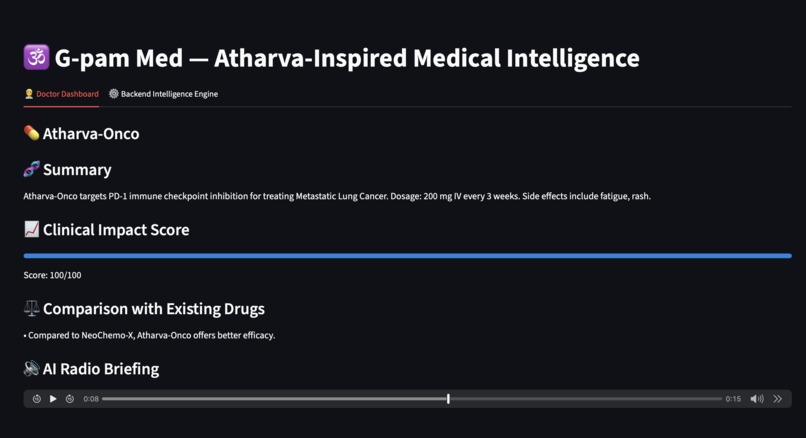
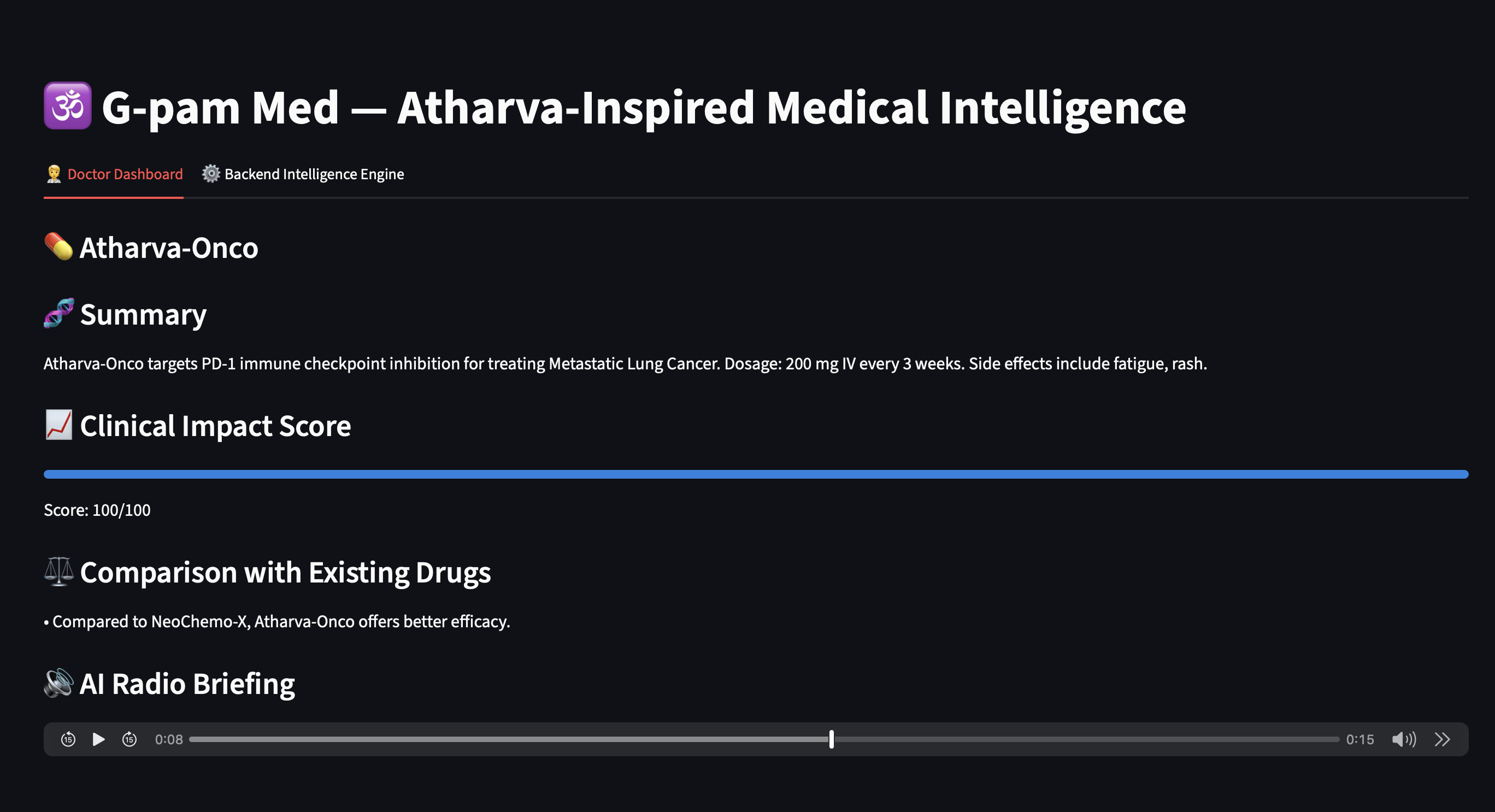
This project brings doctors an AI-powered platform that never sleeps. It keeps them in the loop on the latest medical research and new drug developments, even as the field changes by the hour. The system scans trusted medical and pharmaceutical sources all day, every day, picking up news about drug launches, clinical trials, and fresh research. It doesn’t just gather headlines, either. The platform digs into the details—how each drug works, how much to give, what side effects to watch for, the different ways it’s formulated, and what conditions it treats. For every medication, the platform assigns a Clinical Impact Score. This isn’t some generic rating. It looks at how well the drug works, how innovative it is, and how safe it seems compared to what doctors already use. Then, the system turns all that information into bite-sized summaries, quick audio briefings, and short explainer videos—so doctors can learn on the go, without having to dig through piles of articles. Doctors aren’t stuck with a generic feed, either. They can set their preferences by specialty, disease area, and even the kind of content they want to see.
How we built it-
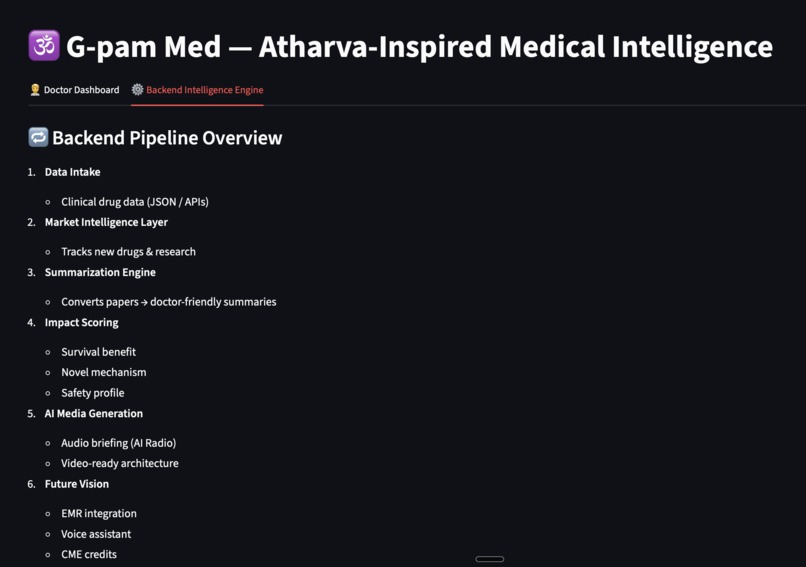
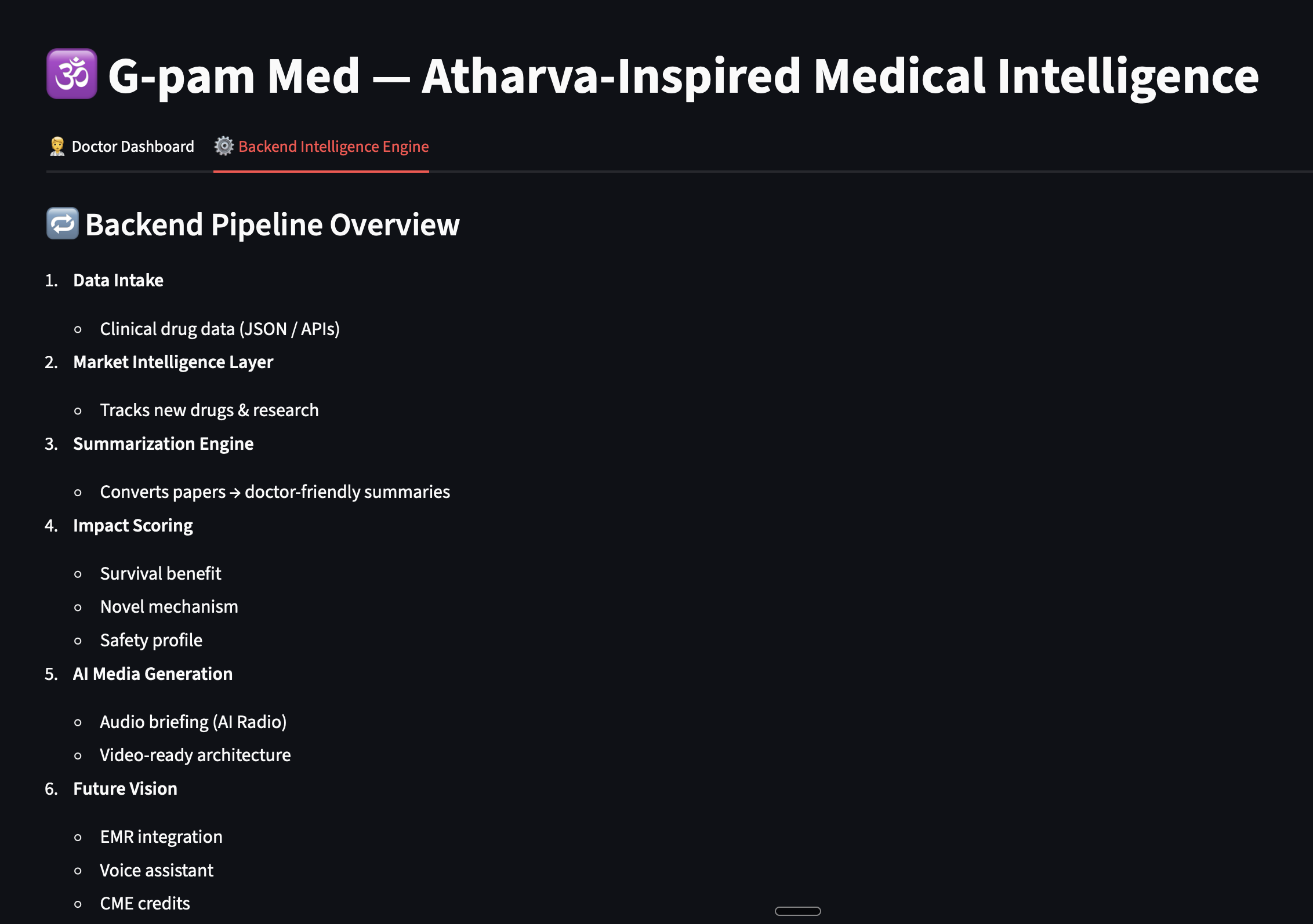
This system runs as a modular AI pipeline built with Python 3.11 and Streamlit. In the background, it’s always pulling in fresh data from medical research, pharmaceutical updates, and selected datasets. All this info gets sorted into a well-structured drug knowledge base. It uses natural language processing to pick out the important clinical details—things like indications, dosages, side effects, and how each drug works. Next, the system jumps in with a scoring tool. This tool combines rule-based logic and AI to rate each medication, assigning a Clinical Impact Score and instantly comparing it to current standard treatments. Then, large language models pull everything together—writing up crisp, clinically focused summaries aimed right at doctors. But it doesn’t stop there. To make the information even more accessible, the system turns those summaries into audio briefings using AI, and creates short explainer videos with text-to-speech and automated video production. Everything runs through a Streamlit interface with separate spaces for the clinical dashboard and the backend intelligence pipeline, making it easy to follow and present.
Challenges we ran into-
One of the toughest parts was just wrangling all the different types of medical data. You’ve got research papers, drug info, clinical records—all showing up in their own formats, with varying levels of detail. Trying to pull together that mess into something organized and consistent? Not easy. We had to figure out how to summarize all of it without losing important clinical details, which meant spending a lot of time crafting the right prompts and double-checking our results. Building an impact scoring system brought its own headaches. We wanted a score that actually means something, but we didn’t have access to big, proprietary clinical datasets. So, we mixed some straightforward rule-based logic with AI-driven reasoning. That combo let us estimate a study’s clinical importance in a way that felt solid. Then there was the whole multimodal output thing. Turning dense medical info into audio and video that people can actually understand—without losing what matters—was a puzzle. We had to keep tweaking scripts and visuals to get it right. And since this all had to work live during a hackathon, we spent a lot of time making sure the system ran smoothly and the architecture stayed flexible. Honestly, juggling all these technical pieces while making sure the prototype wouldn’t crash on demo day was a constant balancing act. We needed something that looked great and could actually hold up in front of a crowd.
Accomplishments that we're proud of-
We built a working prototype from scratch, fast, and tackled a real clinical problem that doctors actually care about. Instead of just picking one piece to focus on, we pulled together a bunch of tough elements—continuous data tracking, clinical summaries, impact scoring, and content generation across different formats—and got them all running smoothly together. One thing we’re really excited about is the Clinical Impact Score. It takes complicated research and turns it into a straightforward, digestible score for doctors. We didn’t stop there. We added automated checks against standard therapies, so doctors get real, useful support when making decisions. Updates come in text, audio, and video—plus personalized feeds—which makes it a lot easier and more engaging to use. We also made sure the platform is transparent. There’s a backend feature that actually explains how the AI reads and interprets the data. So not only is the system smart, but you can trust what it’s doing. That blend of innovation and responsibility really matters to us.
What we learned-
This project really showed us that building good AI isn’t just about the code or the tech—it’s about actually understanding what problem you’re solving and how you design the whole thing. Working with healthcare professionals made it clear how much accuracy, transparency, and ethics matter when you’re handling clinical data. We got our hands dirty developing modular AI systems and pulled together things like natural language processing, multimodal content generation, and real-time user interfaces. Keeping everything reliable and effective was tough, especially with the clock ticking at a hackathon. When we built features like the backend transparency display and the impact scoring system, it hit home how important it is for people to trust the AI they’re using. But honestly, the tech wasn’t the only thing that mattered. Figuring out how to work as a real team, splitting up tasks, and pushing forward bit by bit made a huge difference. In the end, we realized that AI’s biggest impact isn’t about replacing experts—it’s about giving people better tools to make smart decisions, especially in something as important as healthcare.
What's next for G-pam Med -
Next up for G-pam Med: moving past the prototype stage and turning into a real, clinically integrated intelligence platform. We’re jumping right into collecting info straight from regulators, clinical trial databases, and new research—basically, making sure our insights never get stale. One of our big goals is to boost the Clinical Impact Score. We do that by digging into long-term outcomes data and sticking to the latest guidelines. We’re also making things way more personal. Doctors will get updates tailored to their specialty, their patients, and the treatment protocols they actually use. By connecting with hospital EMR systems and setting up secure authentication, we’re making it simple to fit G-pam Med into daily routines. Plus, we’re working on a voice-activated assistant, so doctors can get hands-free updates during breaks or while driving between clinics. We’re rolling out some accessibility upgrades too—think medical summaries in more languages (starting with Hindi), and tracking for CME-compliant content. At the end of the day, we want G-pam Med to be a tool doctors can always count on. It keeps them informed, confident, and focused on what matters: patient care.

Log in or sign up for Devpost to join the conversation.