-
-
-
-
-
-
sos
-
new sos page
-
🌍 Inspiration
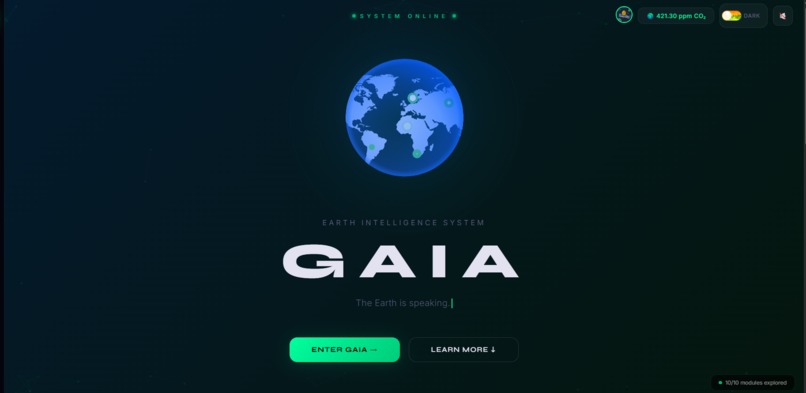
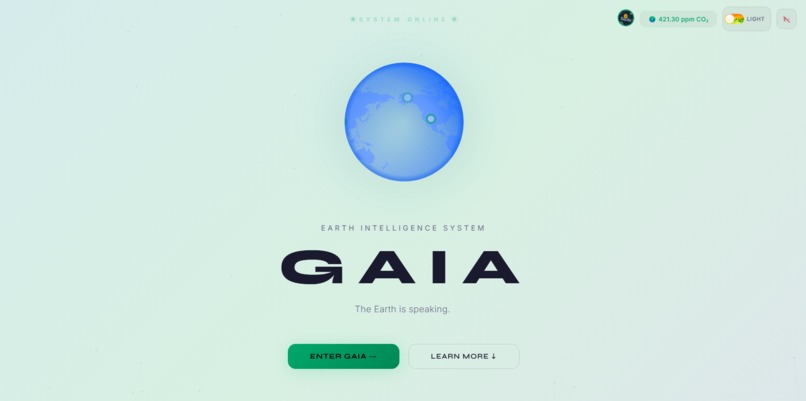
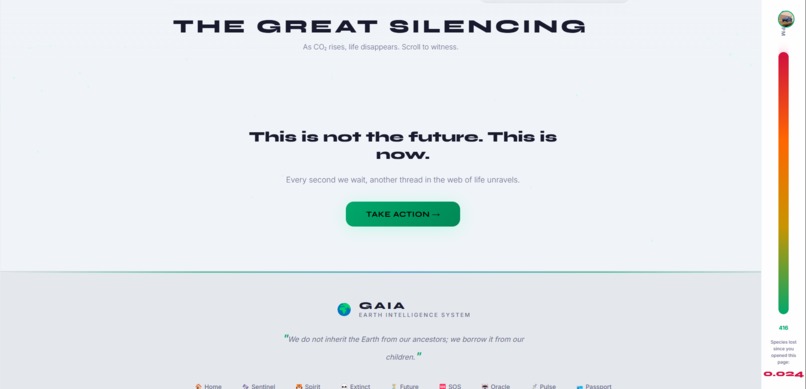
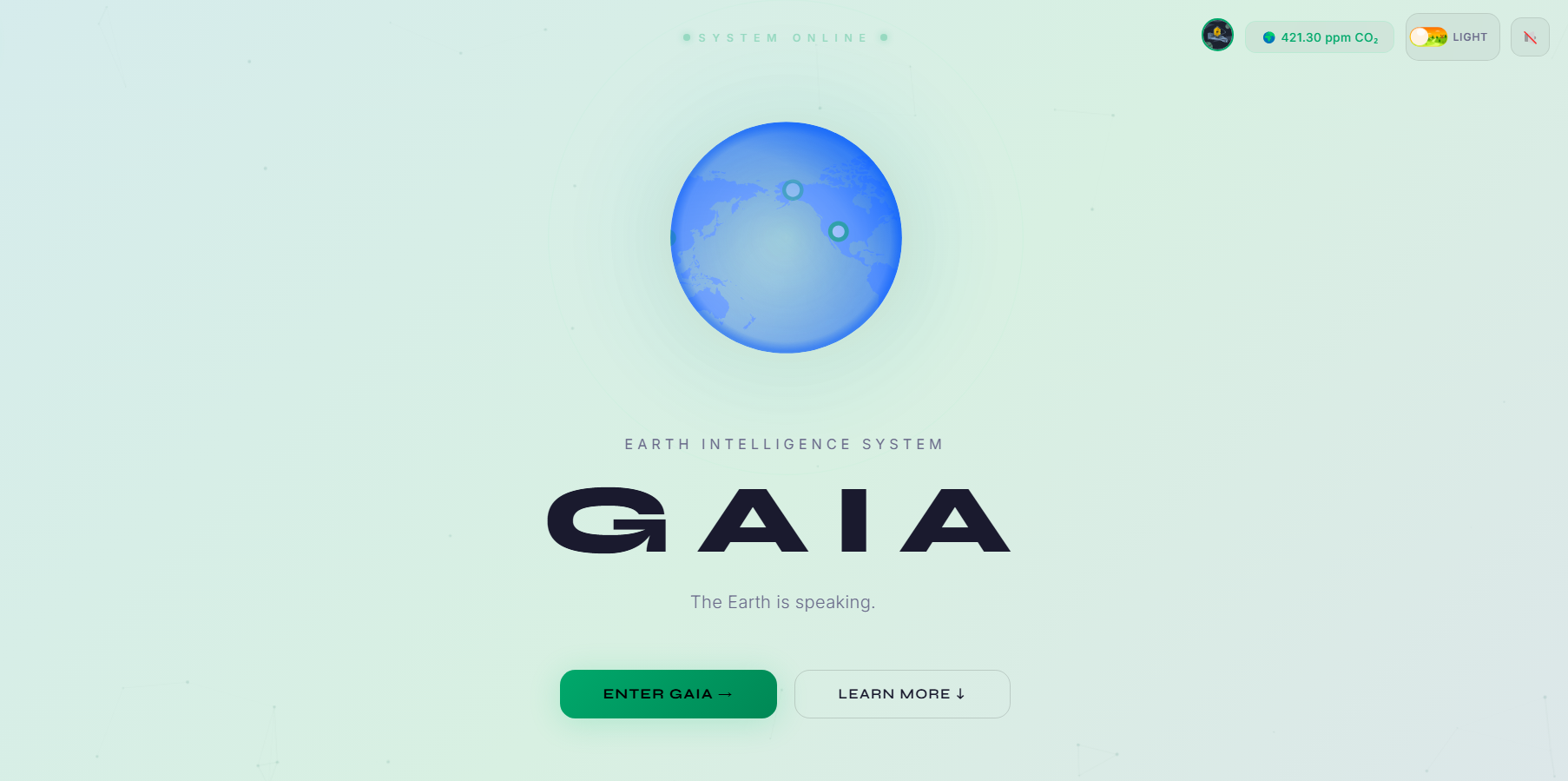
The inspiration for GAIA stems from the growing disconnect between cold scientific climate data and human emotional resonance. While we are surrounded by sensors, satellites, and statistics, the "language" of the Earth often feels abstract and overwhelming. We wanted to create an interface that gives the planet a voice 🗣️, turning complex data into a living narrative that anyone can understand and interact with.
🛠️ What it does
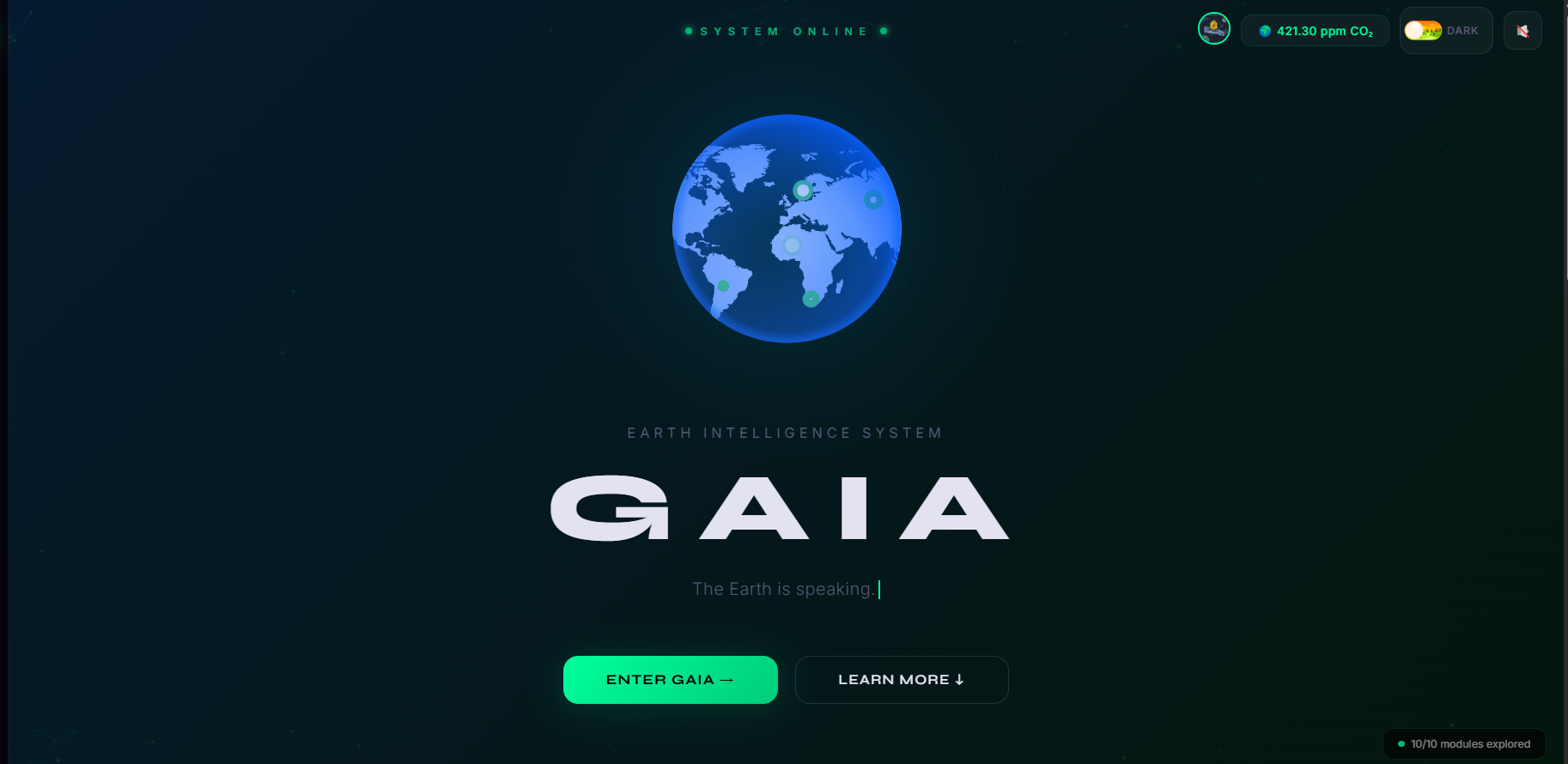
GAIA is an Earth Intelligence System designed to monitor, educate, and empower. It utilizes a suite of specialized modules:
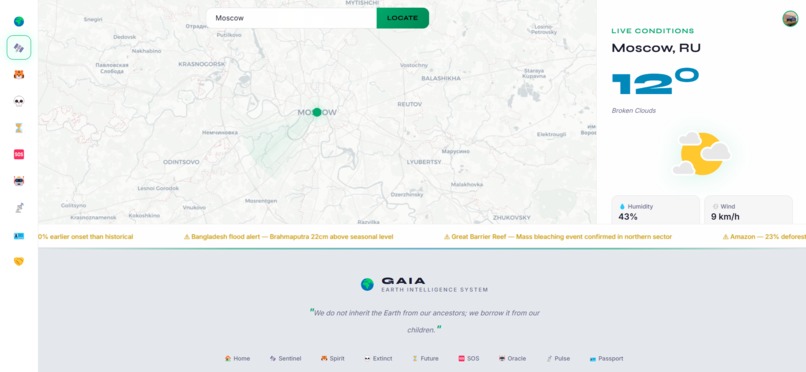
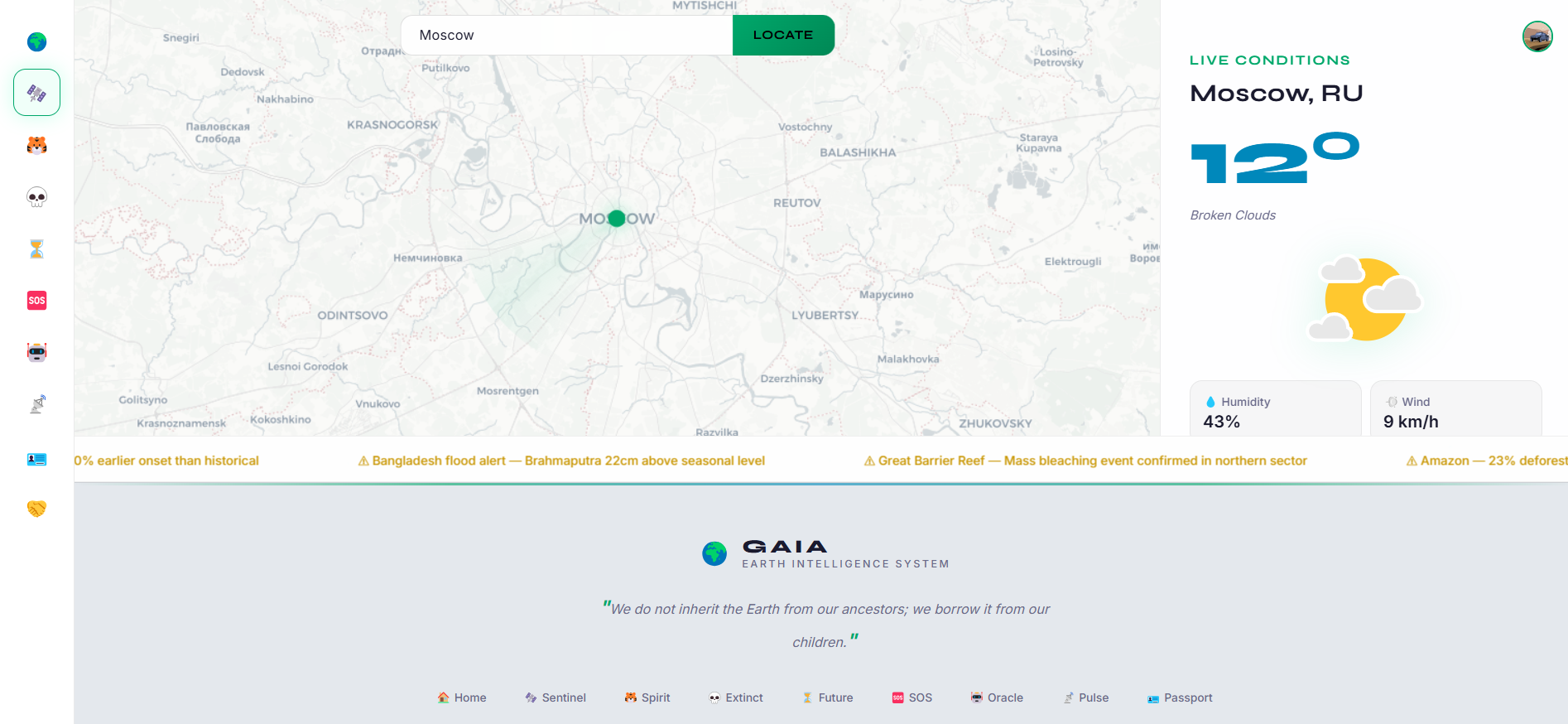
- 🛰️ The Sentinel: Provides real-time weather and AQI analysis for any city on Earth.
- 🤖 Climate Oracle: An AI-powered chatbot trained on climate science to answer your toughest questions.
- ⏳ Future Machine: A predictive visualizer showing how your city will look in 2050, 2075, and 2100.
- 🐯 Spirit Animal: A gamified carbon footprint tracker where your guardian species reacts to your real-world choices.
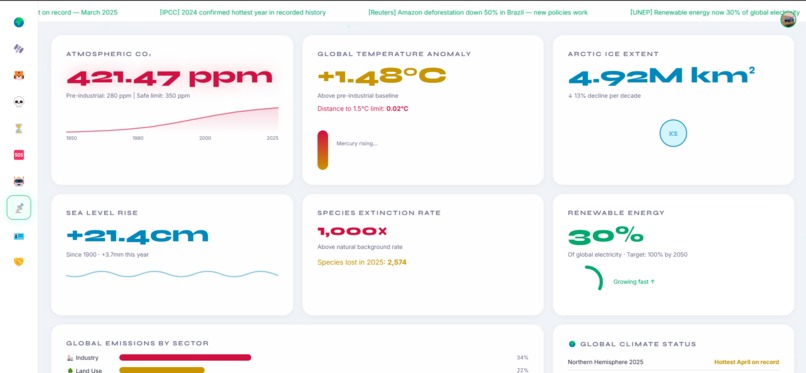
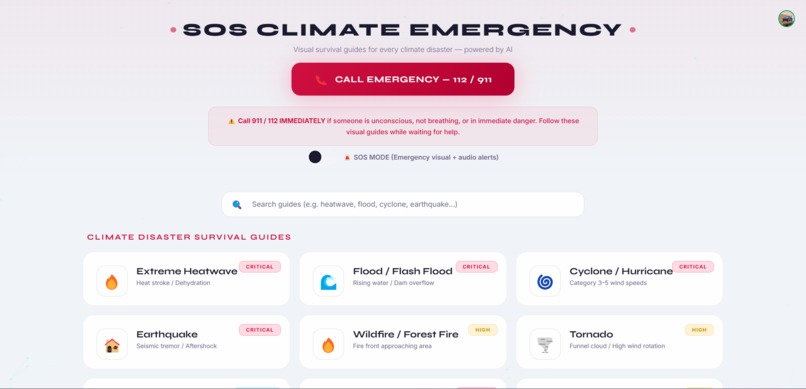
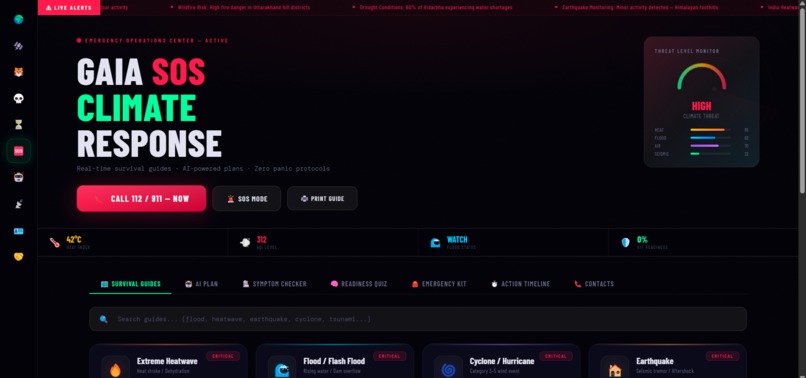
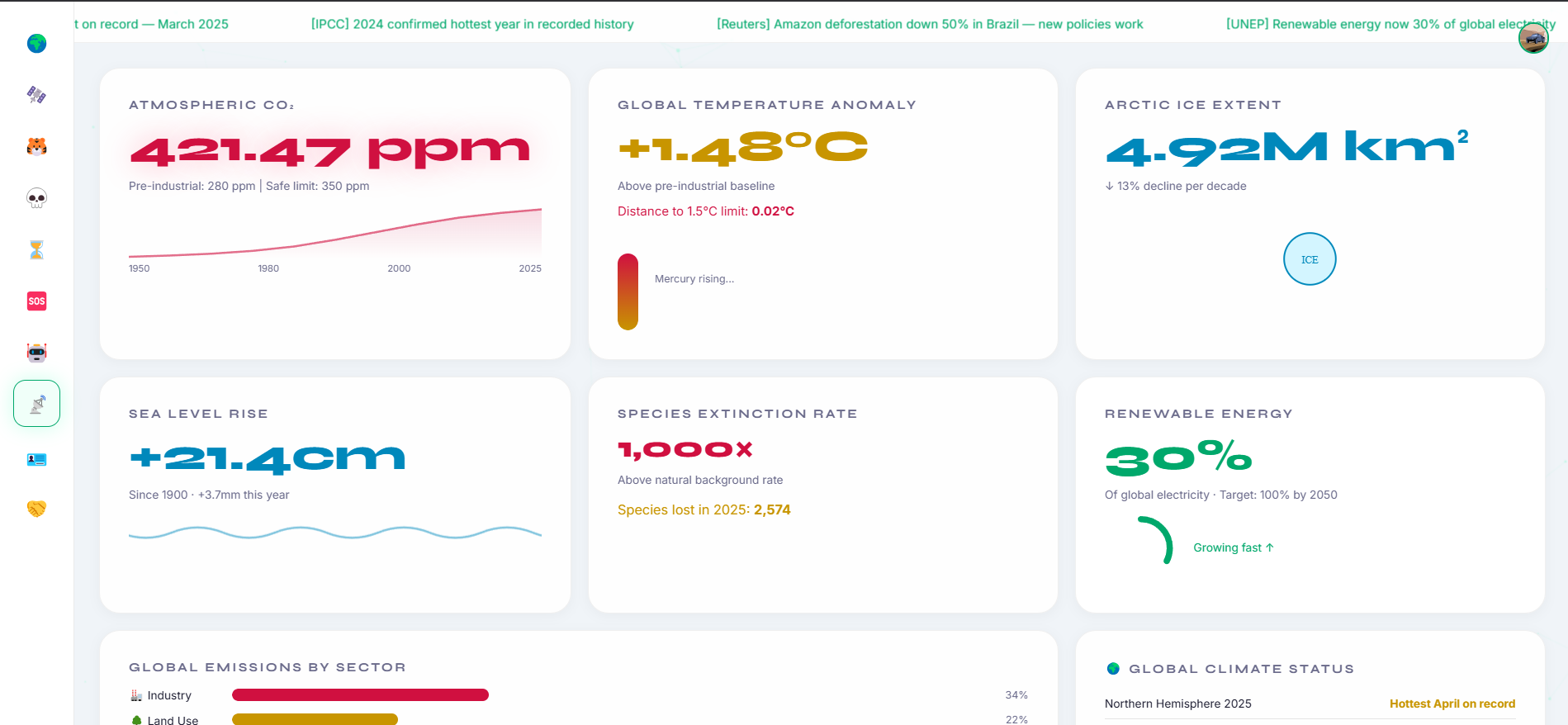
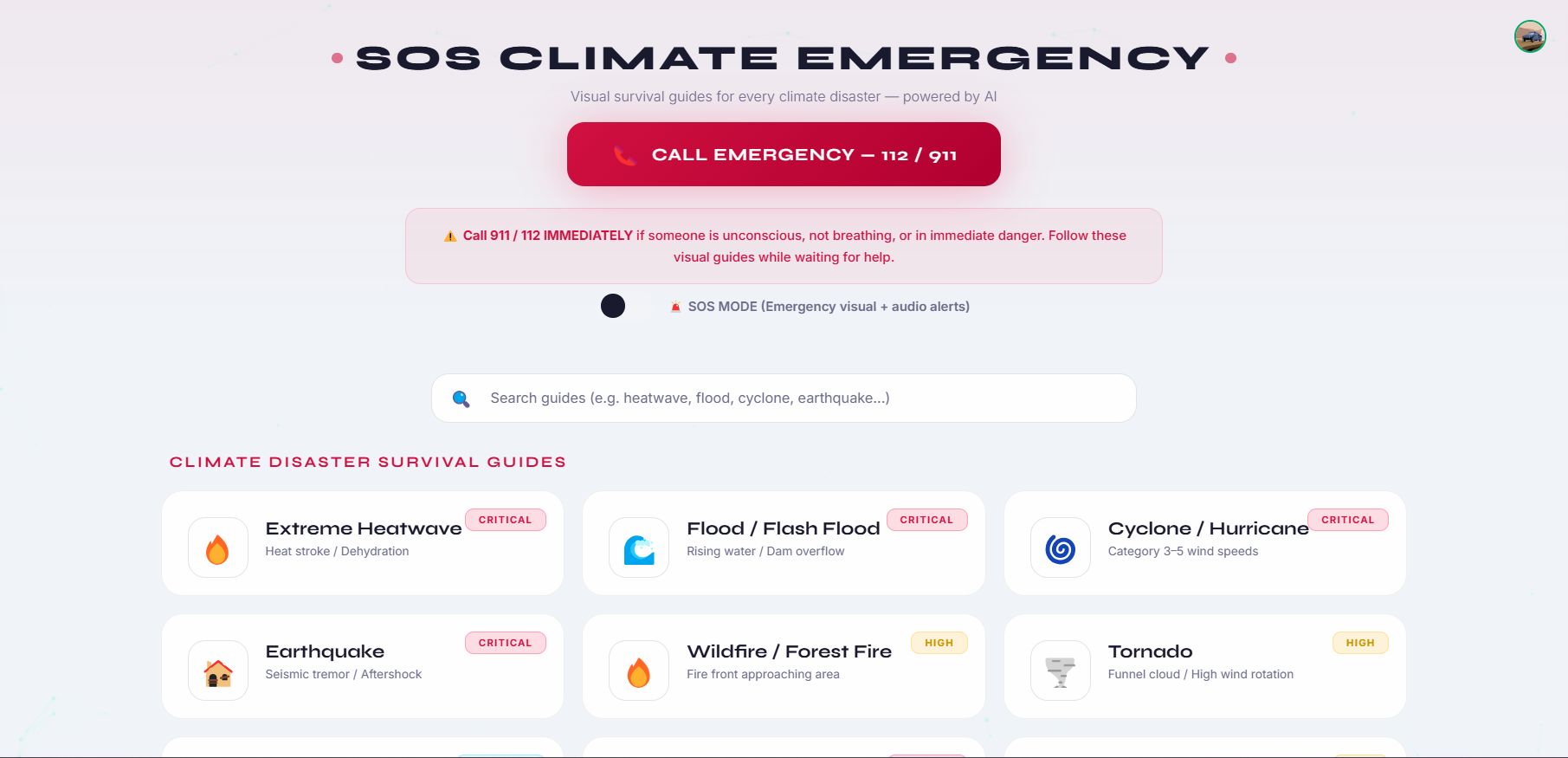
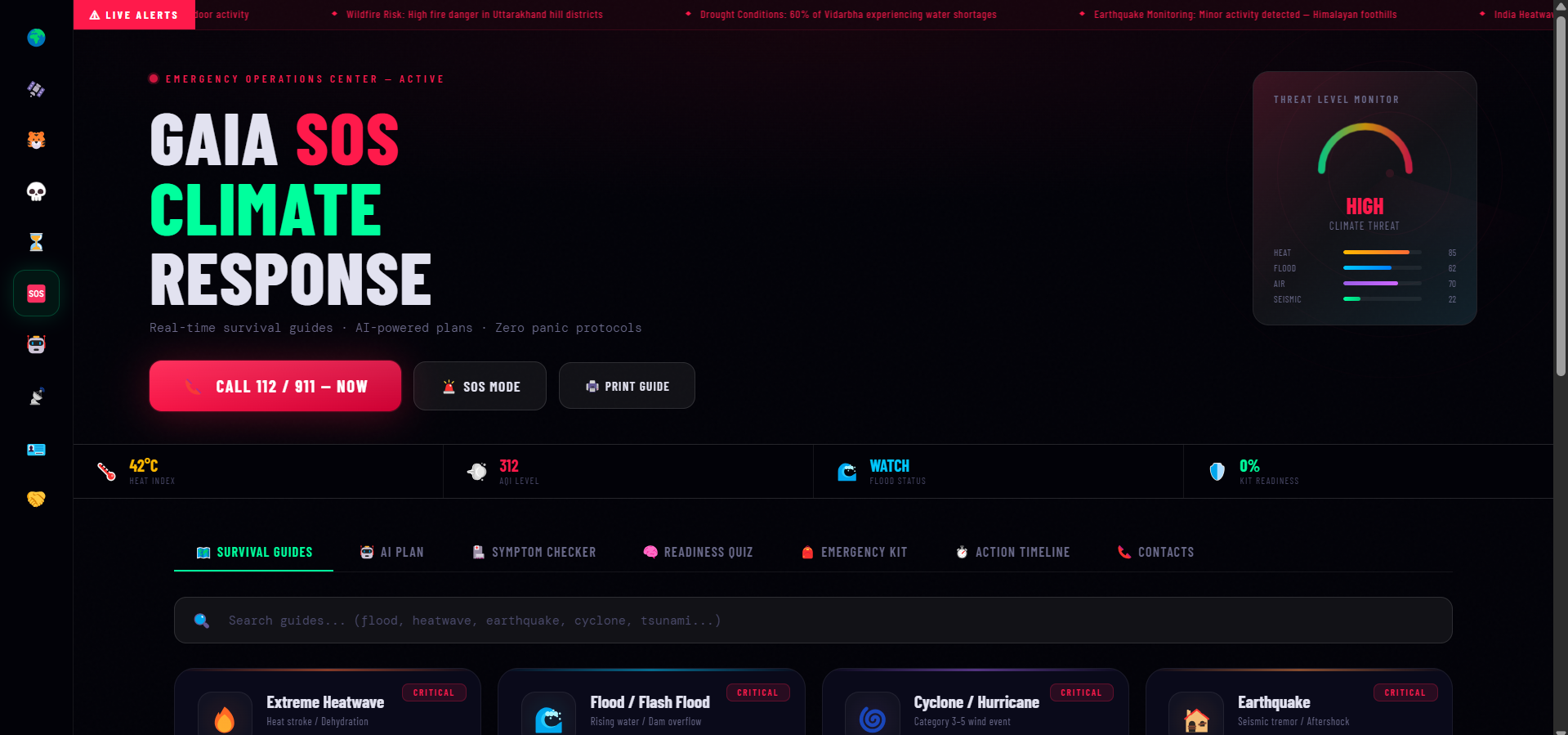
- 🚨 SOS Center & 💓 Global Pulse: Tools for disaster survival guides and a live dashboard of global climate statistics.
💻 How we built it
We developed GAIA using a modern web stack focused on responsiveness and sleek data visualization. The frontend uses a clean, minimal design to reduce cognitive load while displaying high-density information. We integrated several APIs to fetch real-time environmental data, including weather, AQI, and carbon statistics. For the Climate Oracle, we utilized a fine-tuned model trained specifically on environmental science papers to ensure every answer is backed by data. 📈
🚧 Challenges we ran into
One of our biggest hurdles was Data Harmonization 🧩. We were pulling from disparate sources—satellite feeds, government sensors, and climate models—each with its own format. Another significant challenge was designing the Future Machine. Creating visual representations of future climate scenarios that were both scientifically plausible and visually impactful required a delicate balance between complex modeling and accessible UX design. 🎨
🏆 Accomplishments that we're proud of
We are particularly proud of the Spirit Animal module! 🐯 Creating a feedback loop that feels personal—where your choices directly affect a visual "guardian"—turned out to be a powerful motivator for users. We also succeeded in creating a platform that feels truly "human" 🤝 despite being a high-tech intelligence system, which was our core mission from day one.
📚 What we learned
Throughout the development of GAIA, we learned that people don't just need more information; they need a way to contextualize it. We discovered that by personifying the Earth, users were much more likely to engage with data they would otherwise find intimidating. Technically, we deepened our expertise in real-time API integration and the nuances of training AI for specialized scientific dialogue. 🧠
🚀 What's Next for GAIA We are just getting started. Our roadmap focuses on deepening the "Intelligence" of the system by integrating advanced satellite data and community-driven features:
🛰️ High-Resolution NASA GIBS Integration: We plan to integrate the Global Imagery Browse Services to provide full-resolution, daily-updated satellite imagery. This will allow users to visually "see" wildfires, dust storms, and ice melt as they happen in near real-time.
🌡️ Historical Climate Benchmarking (NASA POWER): By leveraging the POWER API, GAIA will soon allow users to compare current local weather against 40 years of NASA meteorological data, making the long-term reality of climate change undeniable.
🏘️ Socioeconomic Risk Assessment (SEDAC): We aim to integrate Socioeconomic Data and Applications Center layers to show how environmental changes—like rising sea levels or poor air quality—specifically impact vulnerable populations in different regions.
📣 Community SOS Network: Transforming the SOS Center from a guide into a live, community-driven alert system where users can report local environmental hazards or request aid during climate-related events.
💎 Verified Carbon Offsets: Connecting the Spirit Animal module to blockchain-verified carbon credits, allowing users to move from "digital impact" to "real-world reforestation" through their actions in the app.
Built With
- auth
- css3
- firebase
- google-cloud
- html5
- javascript
- json
- lottie
- netlify
- node.js
- npm
- openwheater
- python
- react
- tailwind


Log in or sign up for Devpost to join the conversation.