-
-
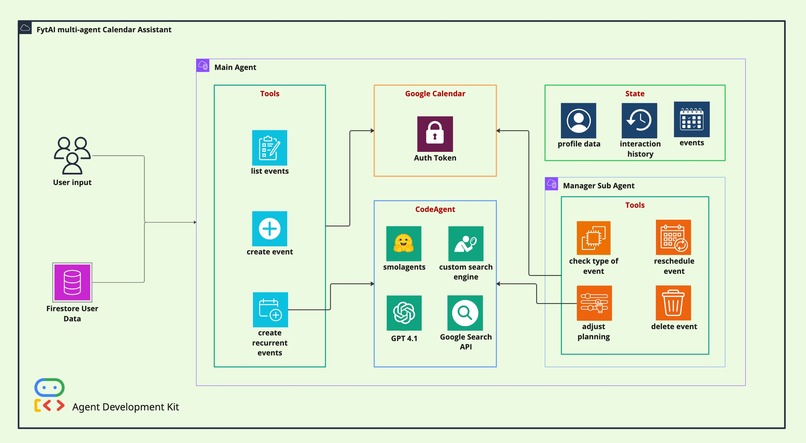
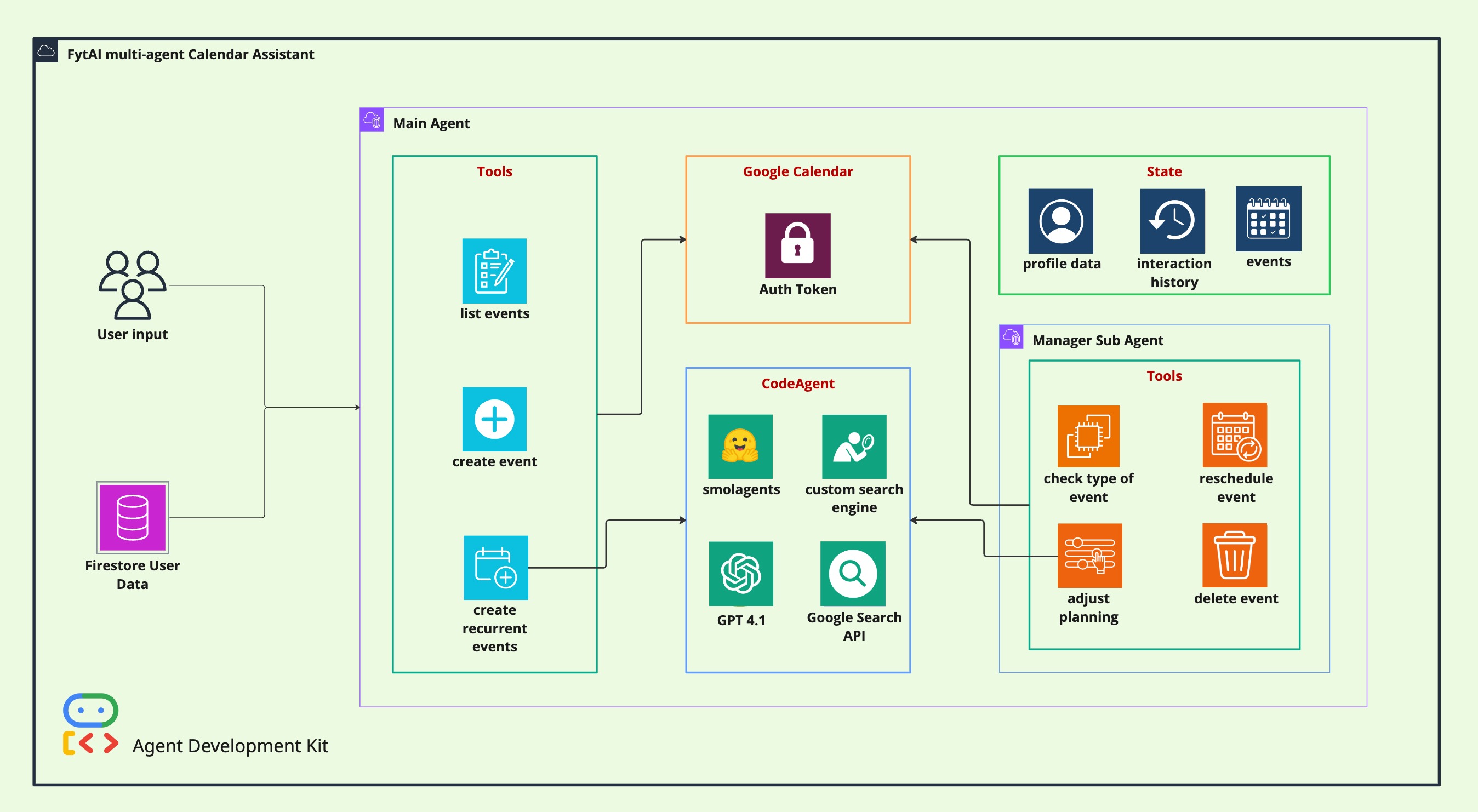
Multi-agent architecture diagram
-
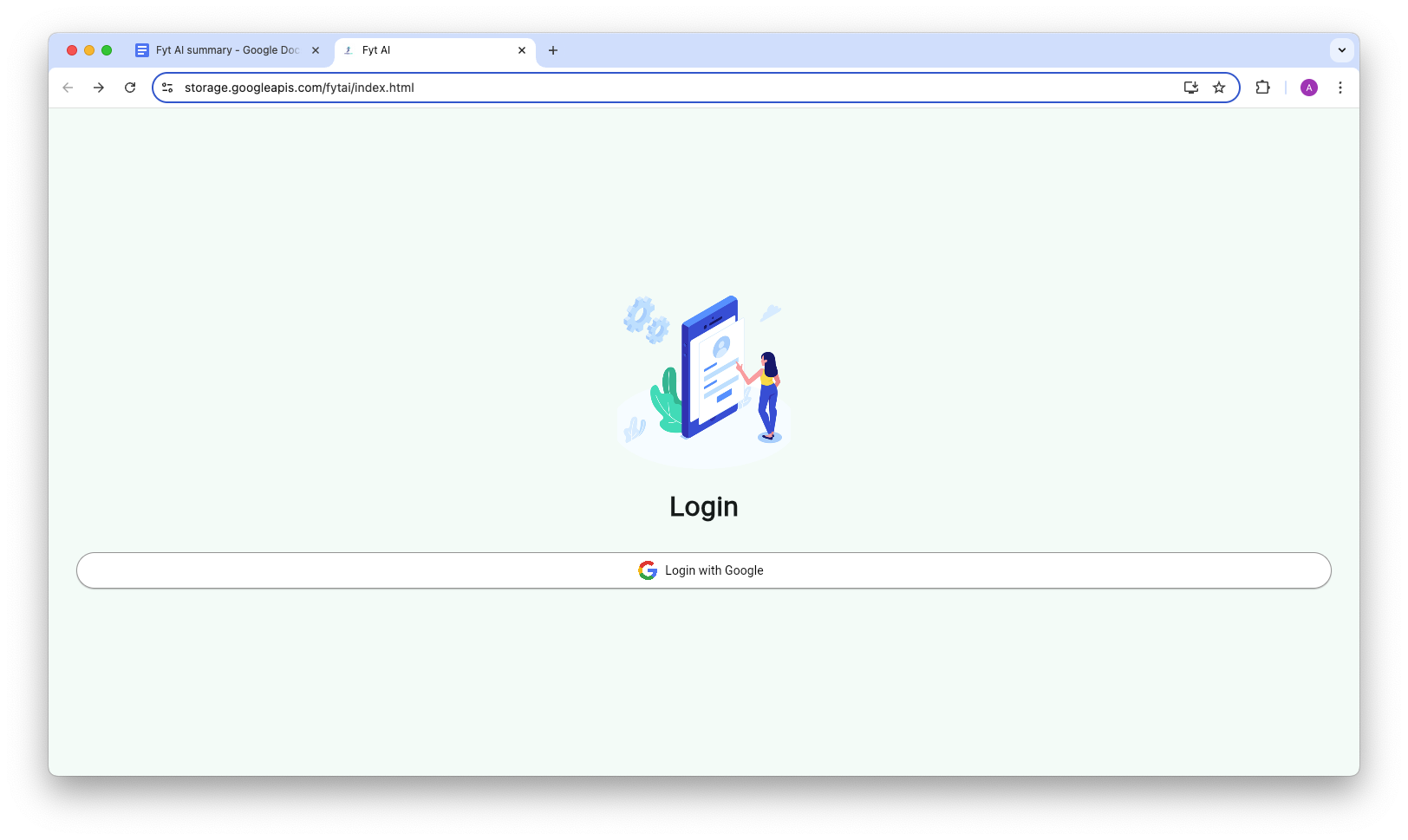
Google authentication
-
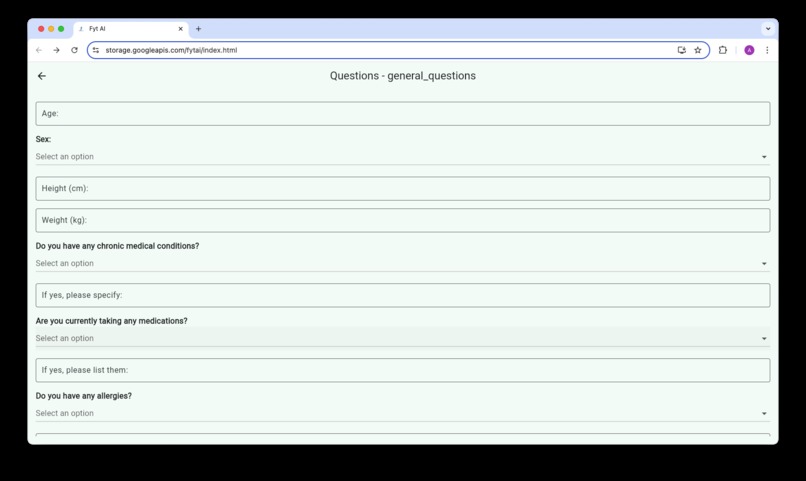
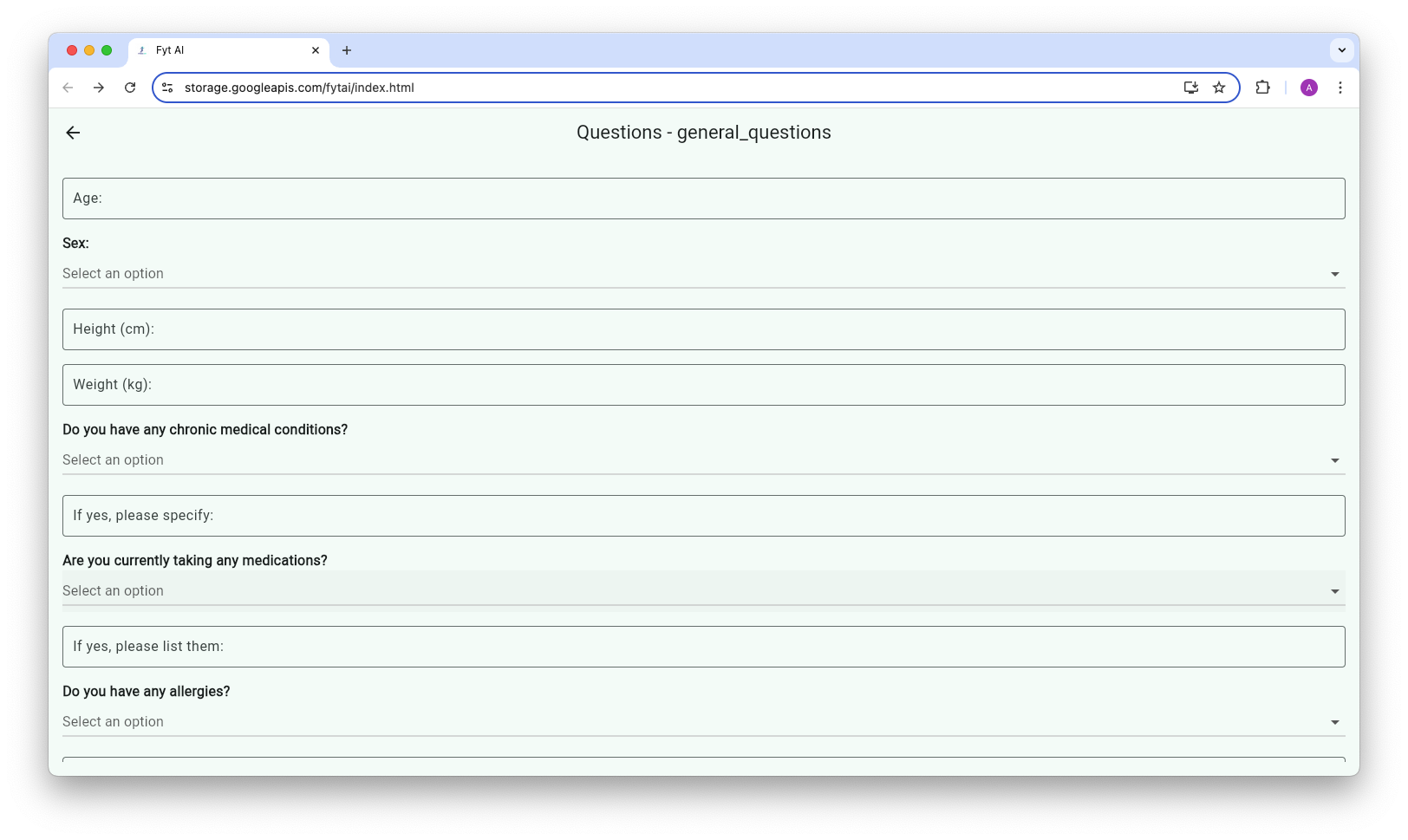
User Profile
-
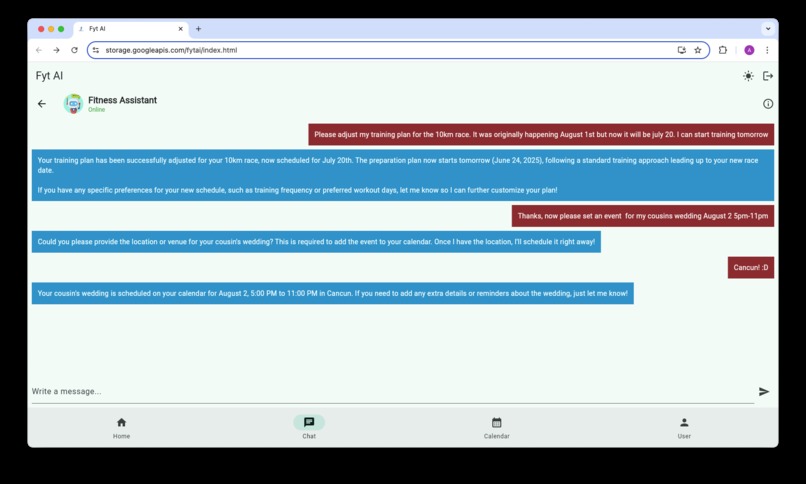
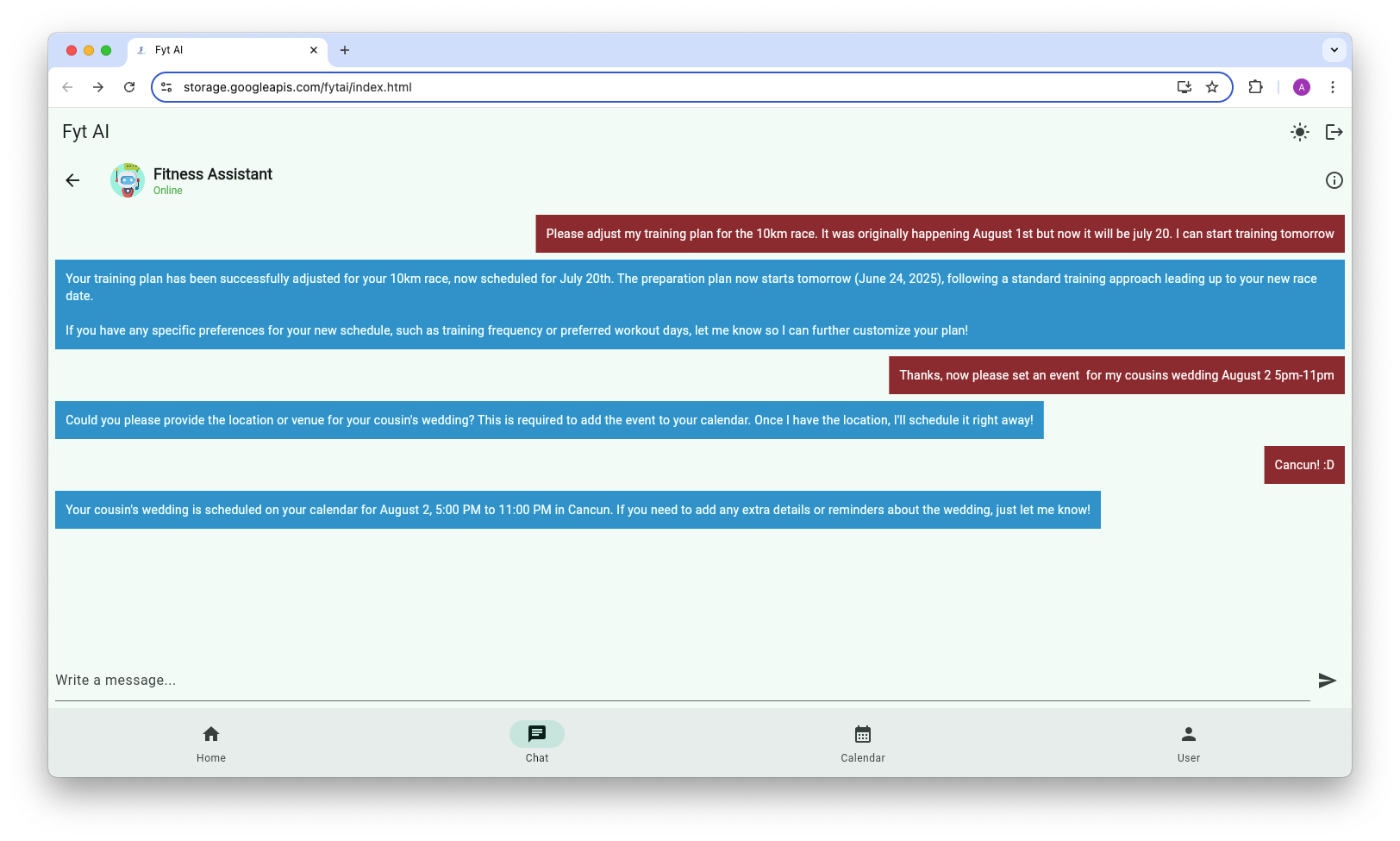
FytAI serves both as a calendar manager and a fitness guide
Inspiration
Planning a fitness routine or staying consistent with personal goals is often disrupted by poor time management or scattered calendars. Our team wanted to solve this by merging two common tools—calendar apps and fitness planning—into a single, intelligent assistant. We were inspired by the idea of creating a system that could not only understand user needs, but also create and adapt personalized schedules, including full training plans, using natural language.
What it does
Fyt AI is a fitness and calendar assistant that integrates directly with Google Calendar. Through a chatbot interface, users can create, adjust, and delete events—whether manually added or AI-generated. It can handle personal schedules or elaborate multi-week training plans (e.g., for a 5K race), and keeps everything synchronized within the user’s calendar.
How we built it
The system is built as a multi-agent framework using the Agent Development Kit (ADK). This allows the chatbot to interpret user input, maintain conversation state, and decide which tools to call based on the user profile.
The planning logic relies on Smolagents, using its CodeAgent to research and generate personalized training plans. LangChain powers tool integration and parsing, allowing the agent to convert natural language outputs into structured calendar events.
Firebase is used for authentication and to store user profile data, chat history, and event logs. The frontend was built using Flutter for a multi-platform experience. The backend was implemented in Python, containerized with Docker, and deployed on Google Cloud Run, ensuring scalability. We also used Google APIs for Calendar, Custom Search, Firestore, and Artifact Registry.
Challenges we ran into
One of our biggest challenges was working with ADK, as it’s a new framework. We had to understand its architecture to manage context and memory effectively between agents. We also faced deployment challenges. Integrating Firebase with both frontend and backend, configuring permissions, and deciding which Google Cloud services to use involved trial and error. We eventually deployed the frontend as a static website on Google Cloud Buckets and the backend on Cloud Run.
What we learned
We learned to orchestrate a multi-agent system using mainly ADK, enabling intelligent decision-making based on dynamic user input. We also gained experience with Firebase’s real-time database and authentication, and became familiar with deploying containerized apps using Docker and Google Cloud services.
What's next for FytAI
We would love to expand its capabilities beyond:
- Smarter Training Plans: Improve how training plans are generated by incorporating real-time user feedback, injury tracking, and recovery recommendations to make each plan more adaptive and realistic.
- Progress Tracking: design a visual dashboard to let users track completed workouts and upcoming sessions directly from the app.
- Expanded Language Support: To make Fyt AI accessible globally, adding a multilingual support for both the interface and the chatbot.
- Team Support: Enable users to connect with their sports team to schedule shared training sessions or match days. Each member would receive a personalized calendar based on their profile, role, and availability—ensuring coordinated and role-aware planning.
Built With
- cloudrun
- dart
- docker
- firebase
- flutter
- google-adk
- google-calendar
- google-cloud
- google-custom-search
- google-oauth
- google-programmable-search-engine
- gpt
- langchain
- python
- smolagents


Log in or sign up for Devpost to join the conversation.