
Future Fixers
Inspiration
We live online, but most children are dangerously underprepared for the threats that come with it. Phishing attacks, AI-generated misinformation, password breaches, and manipulative content are everyday realities, yet digital literacy is rarely taught in an engaging way.
By December 2025, 62% of students from middle school through college were using AI for homework. The problem isn't that kids are using AI — it's that they're using AI first, without ever learning how to evaluate, question, and navigate it safely. The stakes of understanding how these systems work have never been higher, especially for the next generation.
We wanted to meet kids where they already are: inside a game. Roblox has hundreds of millions of players, many of them young, and we saw it as the perfect platform to make digital literacy feel less like a lecture and more like an adventure.
What it does
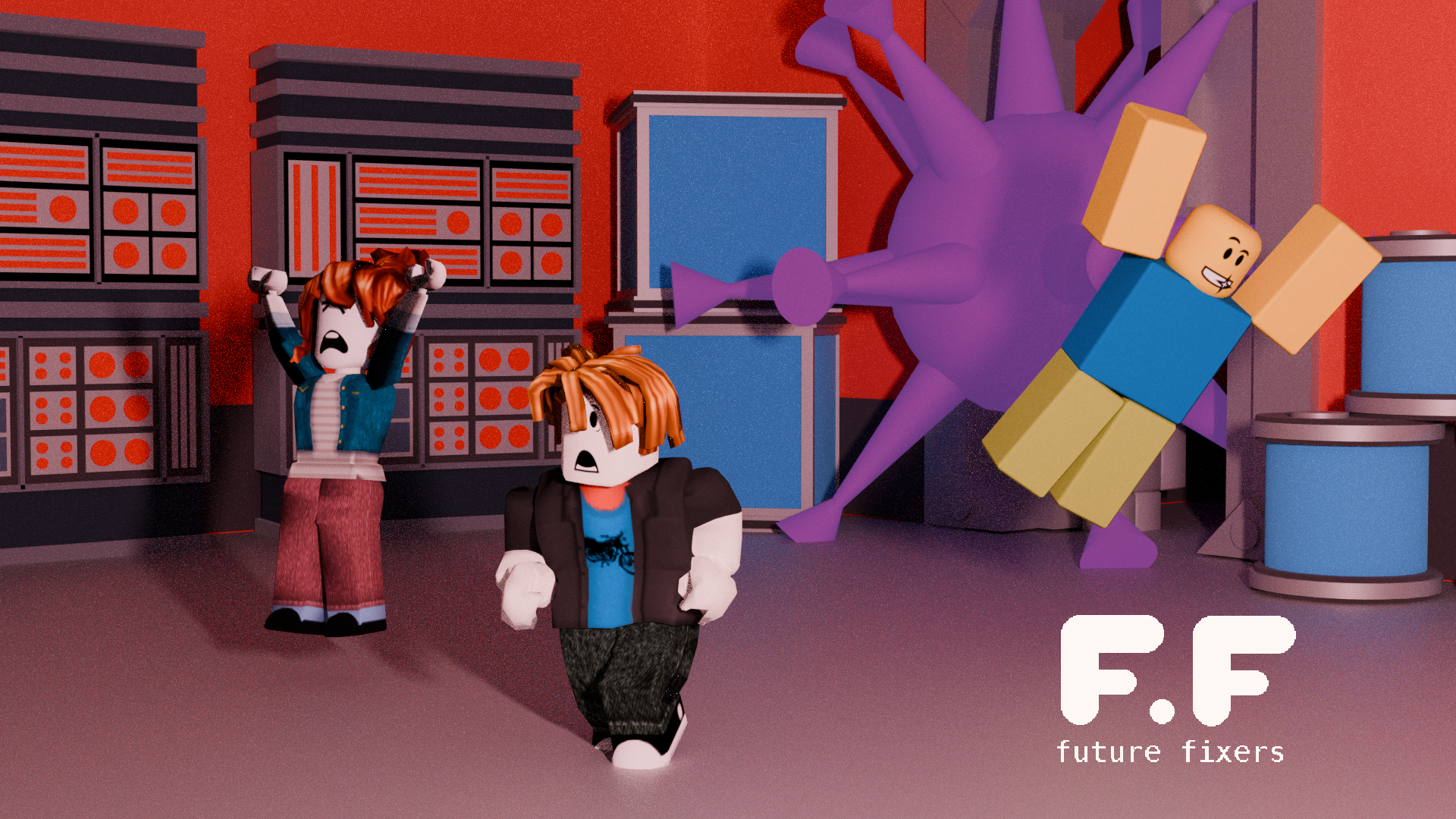
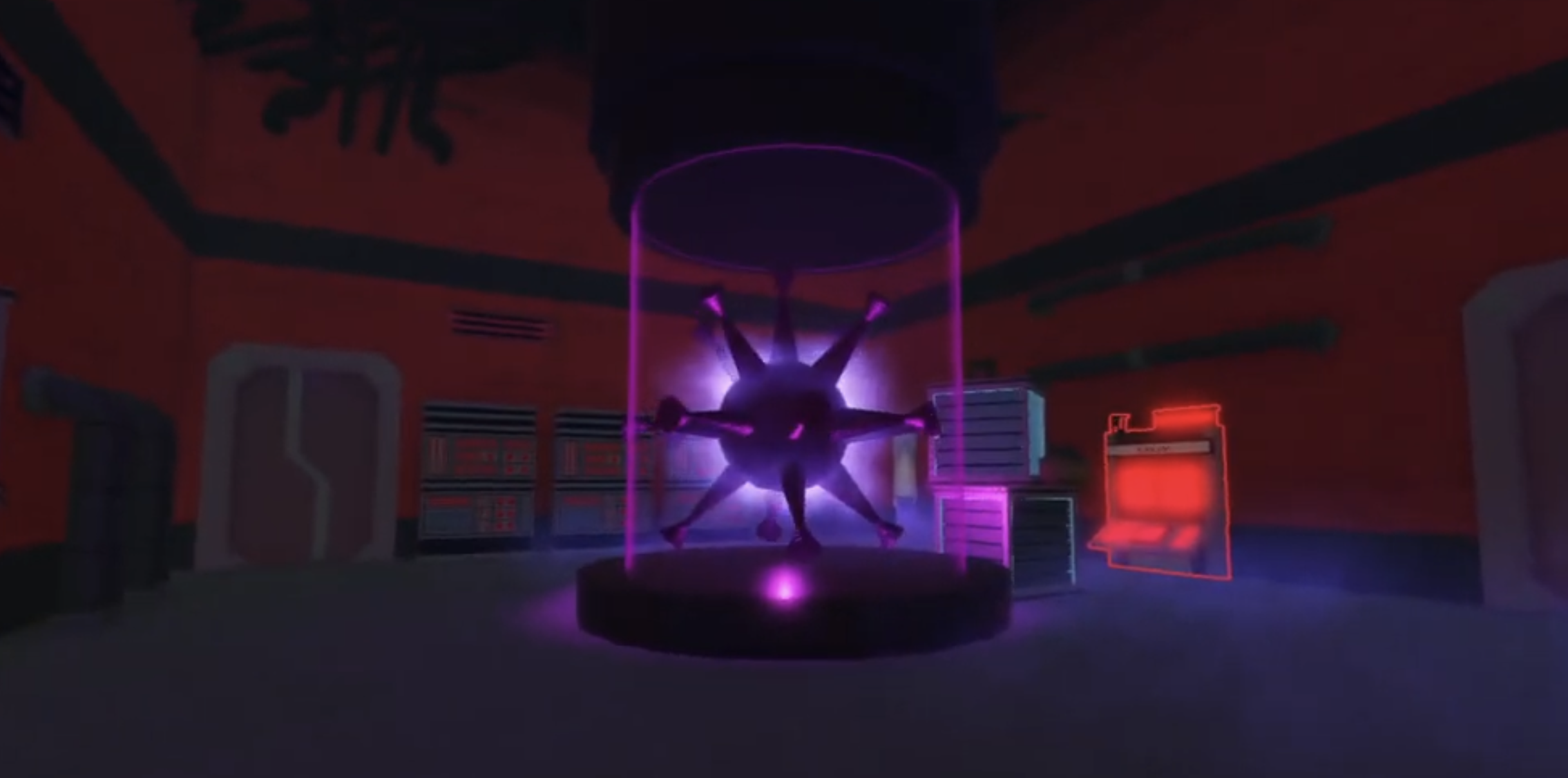
Future Fixers is a cooperative Roblox survival game where players team up to restore a corrupted digital world and recontain the Virus — a manifestation of digital ignorance and misinformation loose in the system. The only weapon is knowledge.
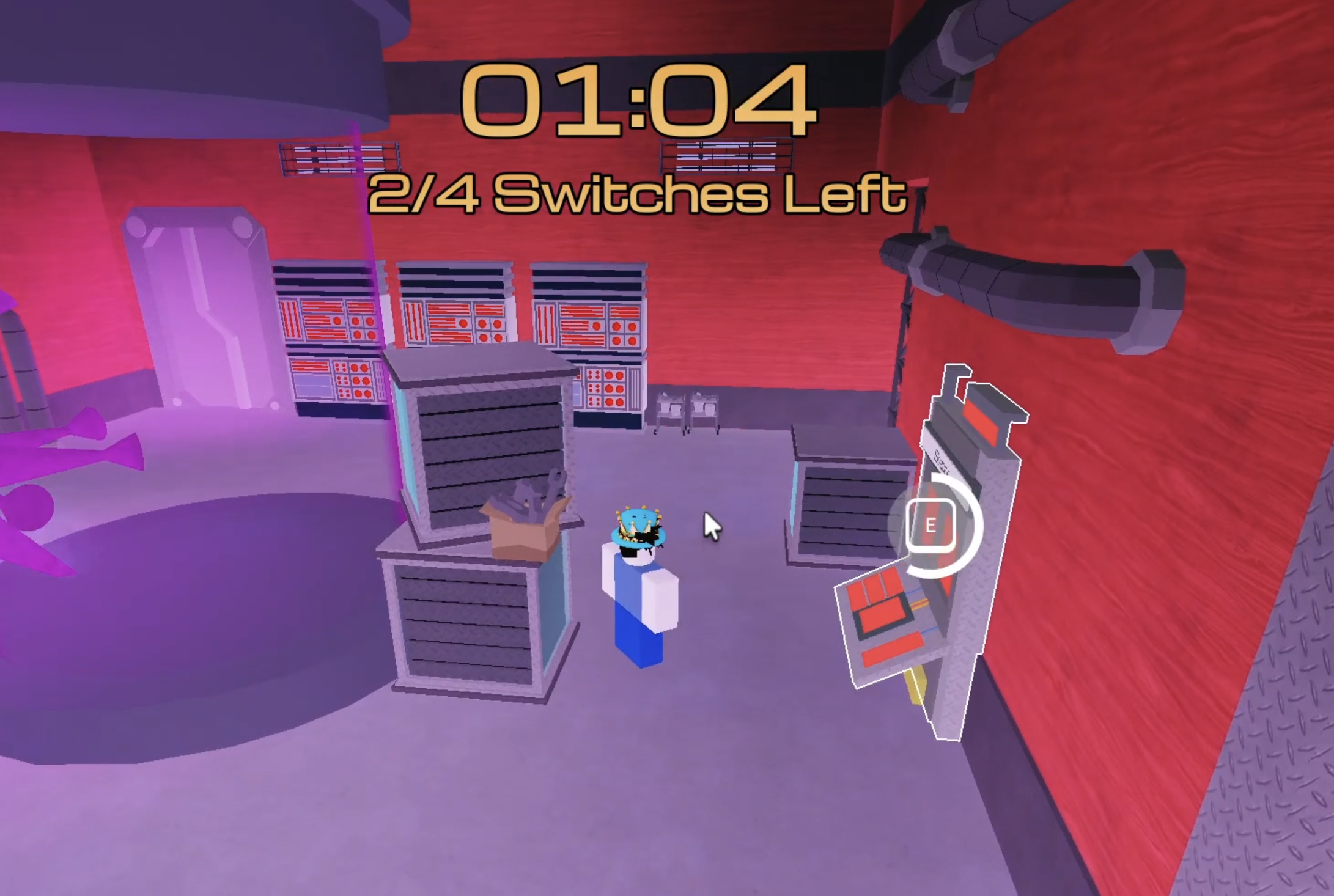
Players spawn into a corrupted lab and must purify the environment by activating switches scattered across the level. Each round, teams race to clear 4 objectives before the clock runs out, each requiring 3 correctly answered minigames (12 questions total per round). Questions span five real-world digital literacy categories: Phishing & Scams, Media Literacy, AI Fluency, Digital Privacy, and Password Hygiene. Survive the Virus, answer correctly, earn IQ points, and contain the threat — or get infected and lose.
- 15s intermission → round start → Virus released at 20s → 120s round timer
- +10 IQ per correct minigame, +50 IQ per completed objective
- The Virus can freeze players, preventing them from completing the objective
- Buuuut players can unfreeze other players! #teamwork
- Two minigame formats: multiple-choice and true/false binning
- Fast-paced, scenario-based challenges put players in real digital situations: Is this email a scam? Which AI output is biased?
- An in-game guidebook in the bottom-left corner teaches relevant content for each category, so players who don't know an answer can learn instead of just guessing
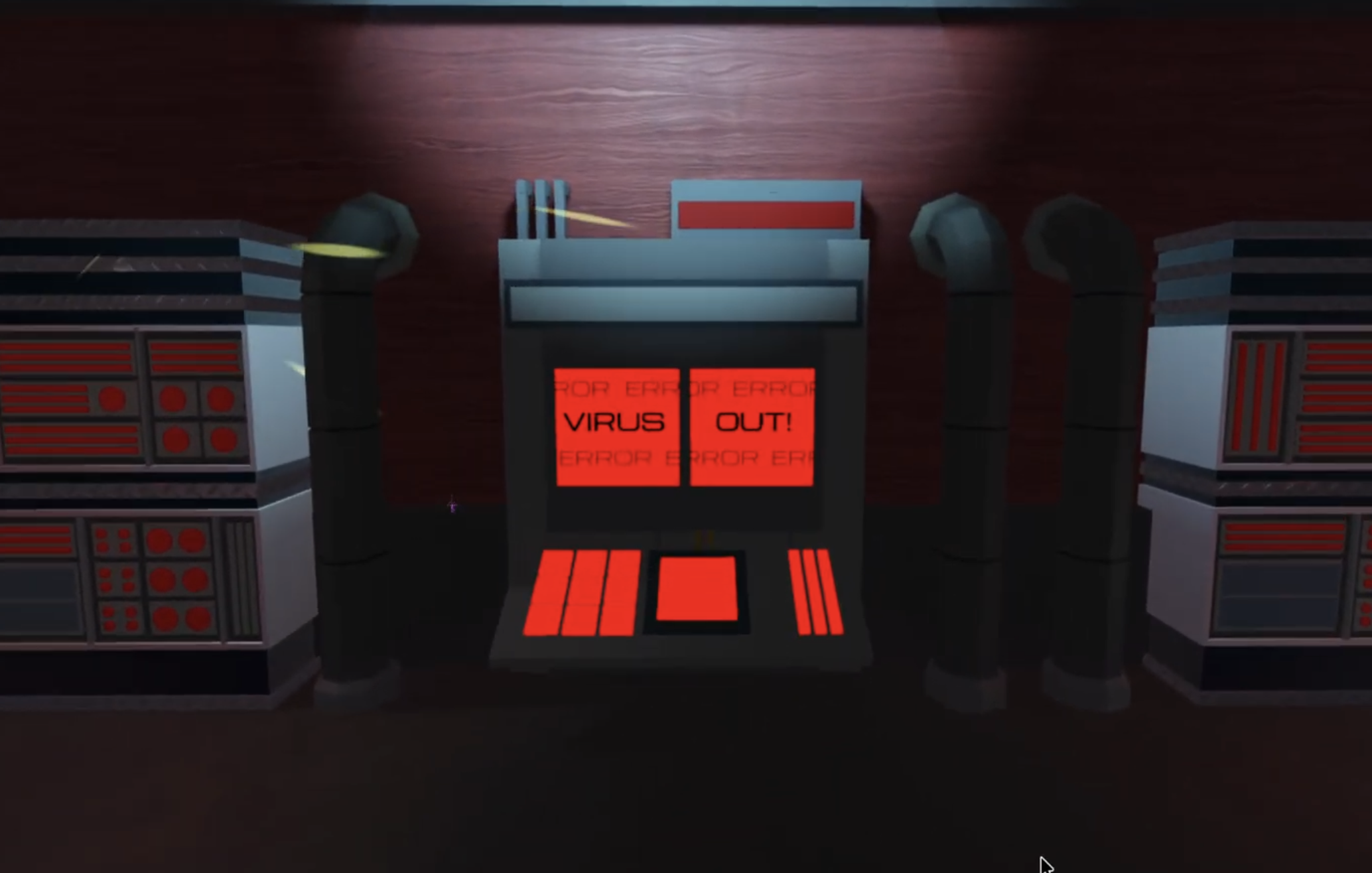
- Every problem solved changes the world: corrupted zones restore, lights come back on, and the Virus visibly weakens with every correct answer — players see their learning making a real difference
- Every server gets a fresh set of AI-generated questions via Google's Gemma model, so players can't memorize their way through — they have to actually understand the concepts
Built for collaboration
Future Fixers is designed for families, friends, and classmates to strategize together. Some players watch for threats, some split off to solve questions and distract the Virus, and some huddle together to crack hard questions. Players can collaborate however they want — but the best performances always come from good teamwork.
How we built it
- Luau — all gameplay logic, running natively on Roblox
- Selene — Luau linter to keep our code clean under hackathon pressure
- Google Gemma API (
gemma-4-31b-it) — on server startup,MinigameGeneratorcalls Gemma for each category and parses the JSON response into the same format as our hand-authored question bank; every server gets unique questions while the fallback set ensures the game always runs without an API key - Roblox client-server architecture — structured across
ServerScriptService,ReplicatedStorage,StarterGui, andWorkspacefollowing Roblox best practices- HttpService for communicating with and parsing Gemma responses
- TweenService for visual effects and UI polish
- CollectionService for global tagging and organization of objects
- Future lighting + spatial sound engine for an immersive atmosphere as the environment heals through active learning and co-play
- Animation Editor with Motor6D rigging for the Virus
- Config files written as Luau tables for easy tuning
- Figma Make — UI design, prototyping, and brainstorming
- Blender — rendering, cutscene animations, camera work, and model rigging
The Virus AI uses proximity detection, freeze/unfreeze logic, pulsing light tied to its state, and distance-driven heartbeat audio that ramps in intensity as it closes in on players.
Challenges we ran into
- Integrating an external API inside Roblox — Roblox's sandboxed server environment makes HTTP requests non-trivial, and getting Gemma API responses parsed reliably into our minigame format required careful prompt engineering and robust JSON handling
- Designing for graceful degradation — we needed the game to work even without an API key, so we built and maintained a full hand-authored question bank as a fallback, which meant double the content work
- Balancing education and fun — purely quiz-based gameplay gets old fast; layering in the Virus as a real threat, a ticking clock, and cooperative mechanics was an ongoing design challenge to make sure the learning never felt like homework
- Hackathon time pressure — shipping a polished, multi-system Roblox game with AI integration, custom UI, and a full question bank in a weekend required aggressive scoping and prioritization
Accomplishments that we're proud of
- A fully playable cooperative Roblox game that genuinely encourages collaborative co-play and teaches digital literacy through gameplay, not just trivia pop-ups
- A living world that visibly responds to player progress — corrupted zones restoring, lights returning, the Virus weakening — turning learning into a tangible feedback loop
- Seamless Gemma-powered question generation that makes every server unique — players have to understand the material, not memorize it
- A Virus AI with real tension: proximity freezing, pulsing visual cues, and escalating audio that make it feel like an actual threat
- Polished UI including typewriter dialogue, green/red vignette feedback, per-objective progress bars, an IQ counter, an in-game guidebook, and an animated end-screen — all under hackathon conditions
- A clean, version-controlled Luau codebase using professional tooling (Selene + VSCode) that goes well beyond the typical hackathon prototype
What we learned
- How to make external API calls from within Roblox's server environment and handle JSON parsing in Luau
- Prompt engineering for structured output — getting Gemma to reliably return well-formed question data required iteration on the system prompt and output format
- That educational games live or die on their feedback loops — the IQ counter, vignette flashes, environmental healing, and objective bars weren't cosmetic; they were essential to making correct answers feel rewarding
- How to architect a Roblox project for collaborative development using Git, which made multi-person contribution far smoother than working directly in Studio
What's next for Future Fixers
The strength of Future Fixers is its replayability through a round-based system, and we want to expand on that vision:
- More question categories — social media safety, deepfakes, digital civility, and data ethics
- More maps and zones — cybersecurity corridors, AI safety vaults, civility plazas, and more themed environments
- Persistent leaderboards and progression — spending IQ scores and unlocking cosmetics as players level up their digital literacy
- Teacher/classroom mode — a dashboard for educators to see which categories their students are struggling with, turning Future Fixers into a real classroom tool
- Harder difficulty tiers — longer questions, more answer choices, new learning minigames, faster Virus speeds, varied monster behavior, and time-pressure mechanics that scale with player skill
- Publishing to Roblox — getting Future Fixers live on the platform and in front of the massive audience it was built for
Attributions
Schwartz, H. L., & Diliberti, M. K. (2026). More students use AI for homework, and more believe it harms critical thinking: Selected findings from the American Youth Panel (Report No. RR-A4742-1). RAND Corporation. https://doi.org/10.7249/RRA4742-1
Built With
- figma
- gemini
- gemma
- roblox


Log in or sign up for Devpost to join the conversation.