Inspiration
Buying furniture involves a lot of guesswork. A sofa might look perfect online but overwhelm your living room. A table might fit your measurements but leave too little space to move around it.
We built Fit Check AR to help people answer a simple question before buying or moving furniture: “How will this actually fit in my space?”
What it does
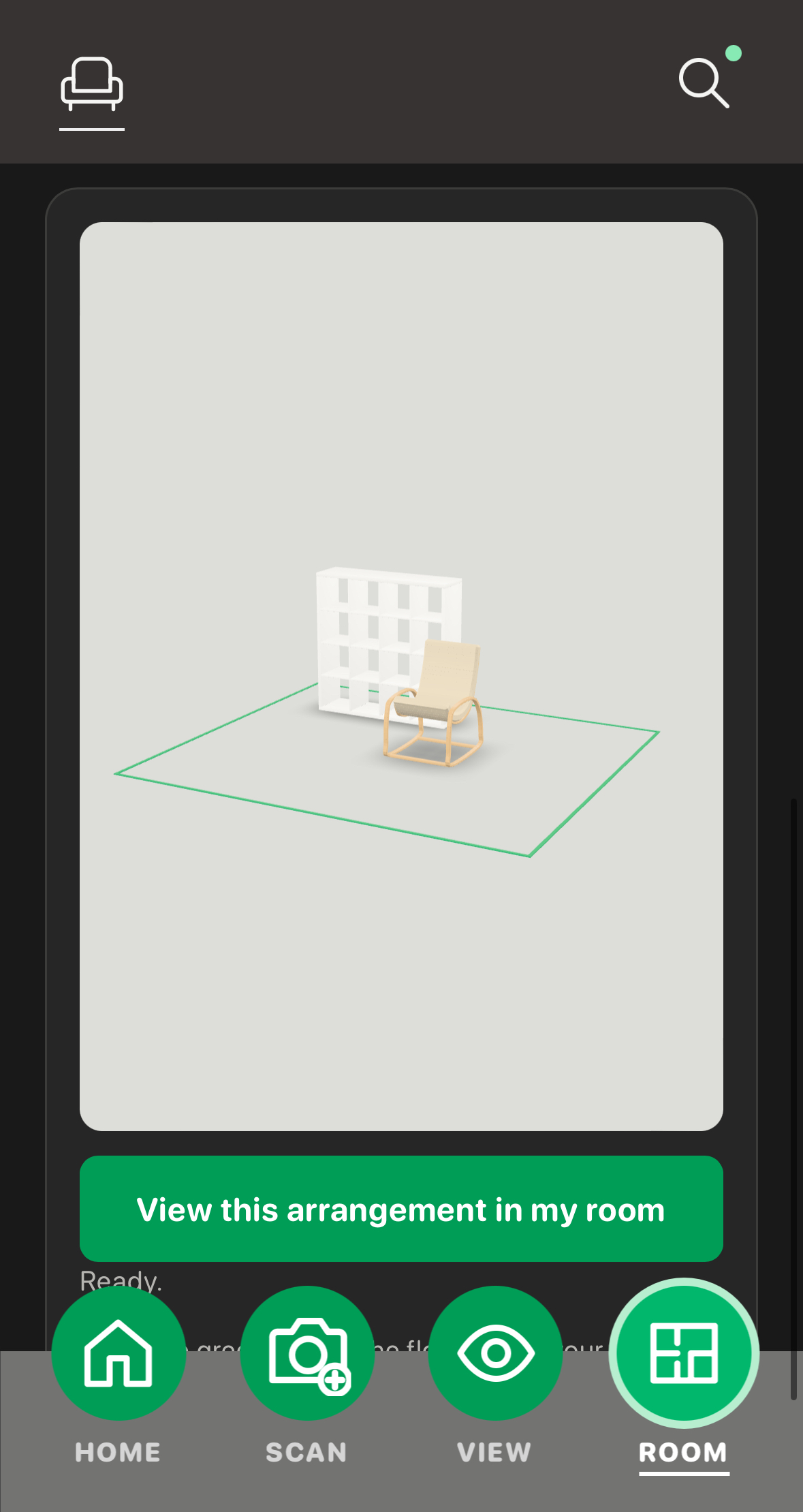
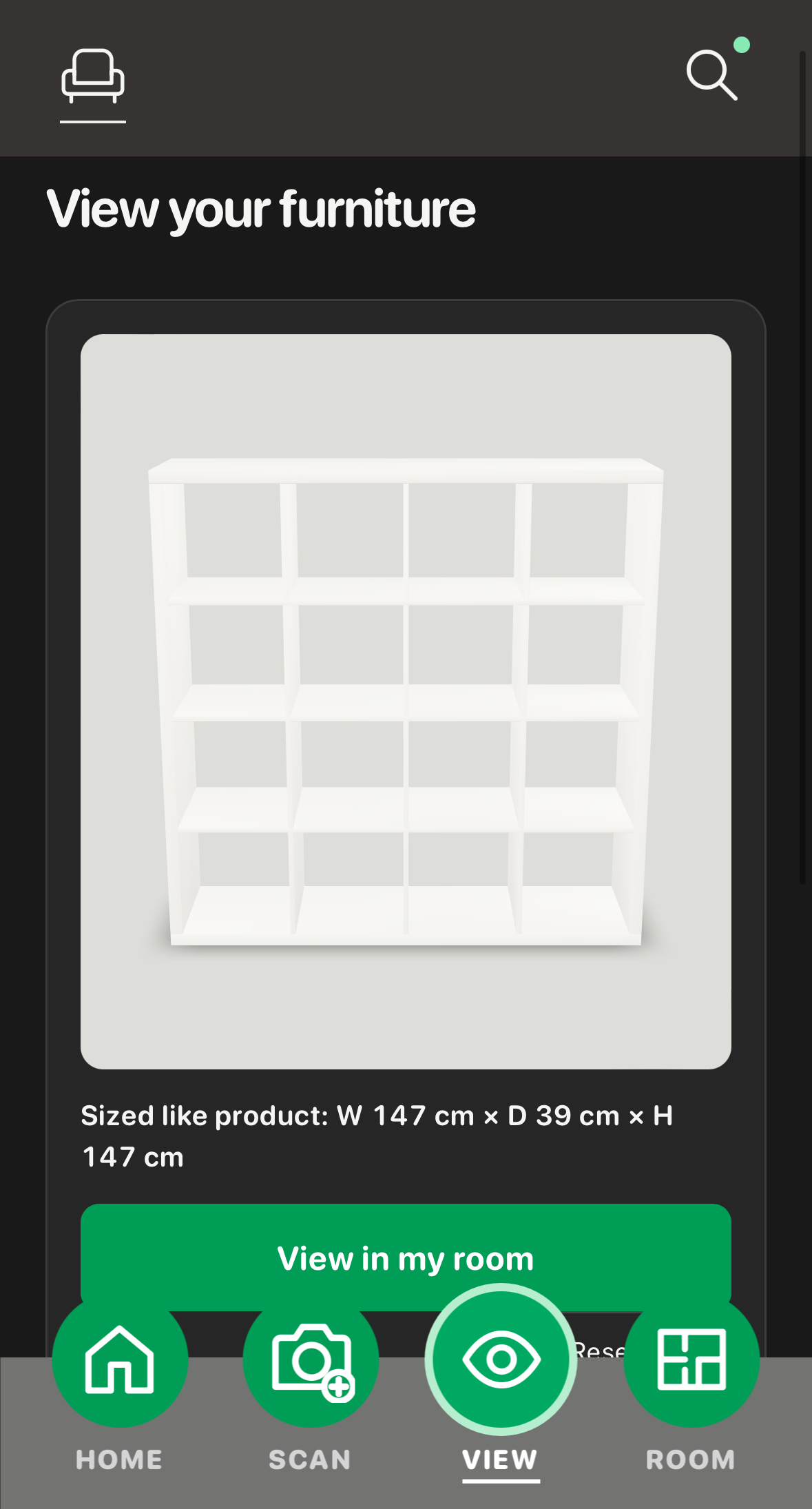
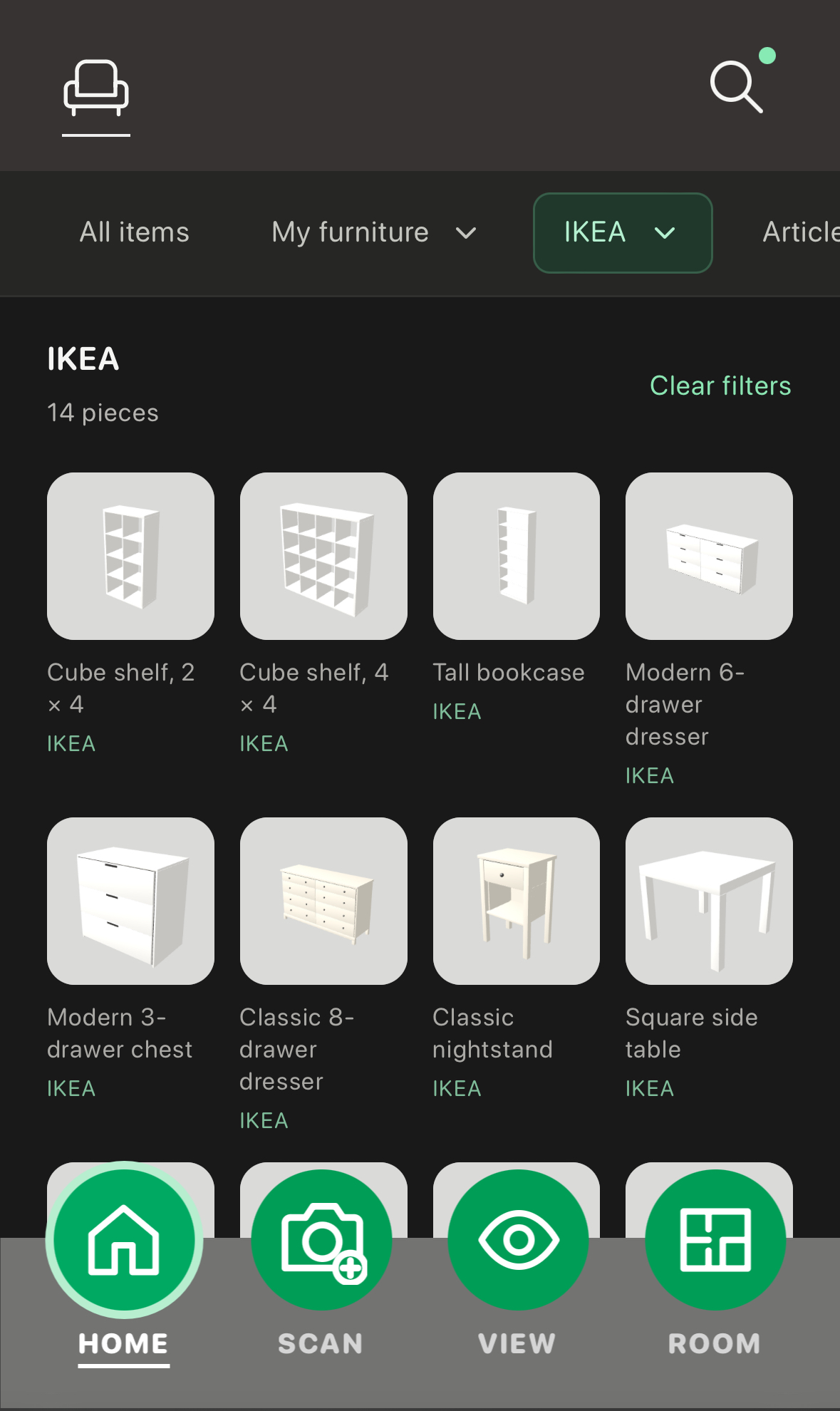
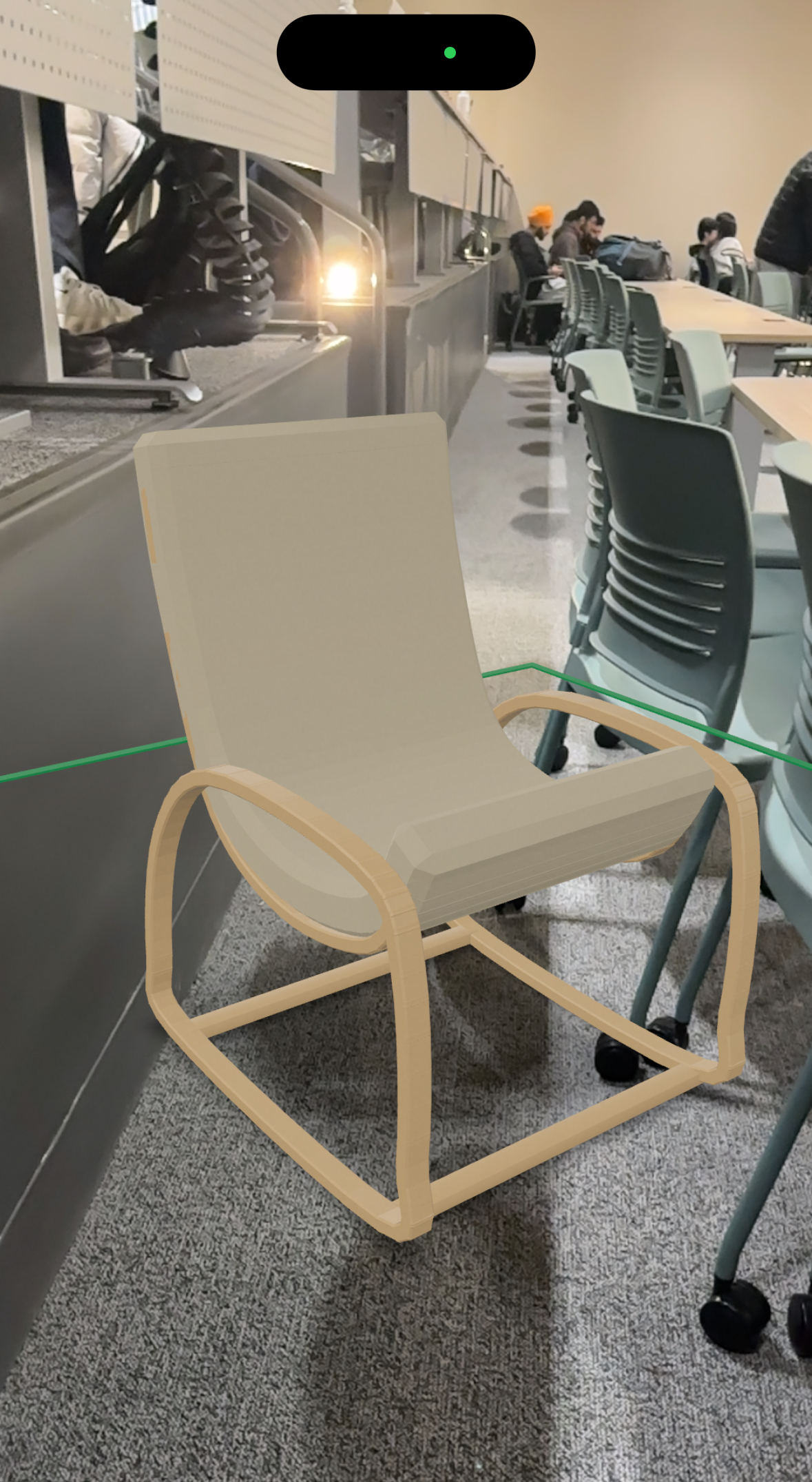
Fit Check AR lets users explore furniture in 3D, check dimensions against a measured gap, arrange pieces in a room planner, and place models in their surroundings using augmented reality on an iPhone.
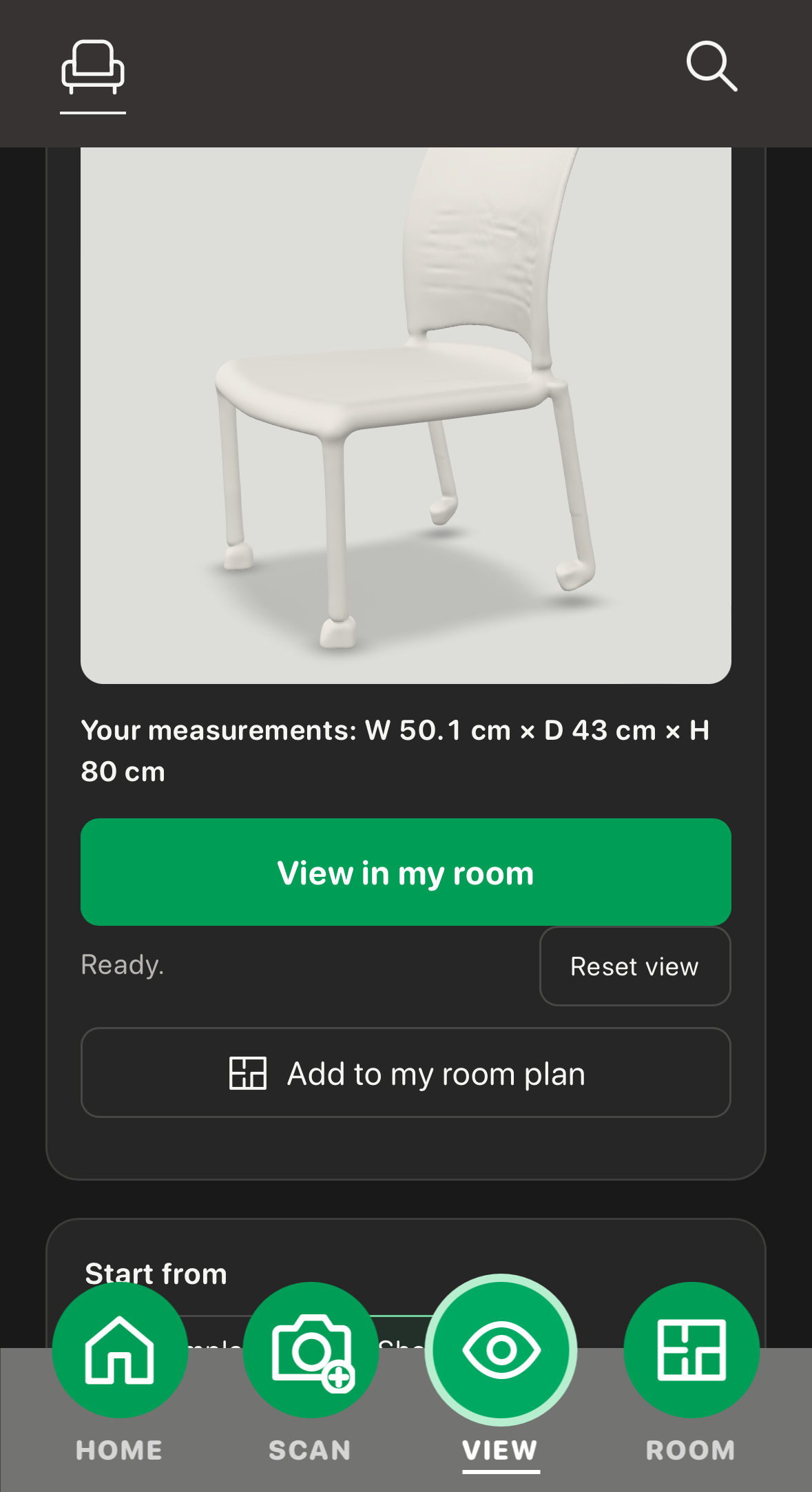
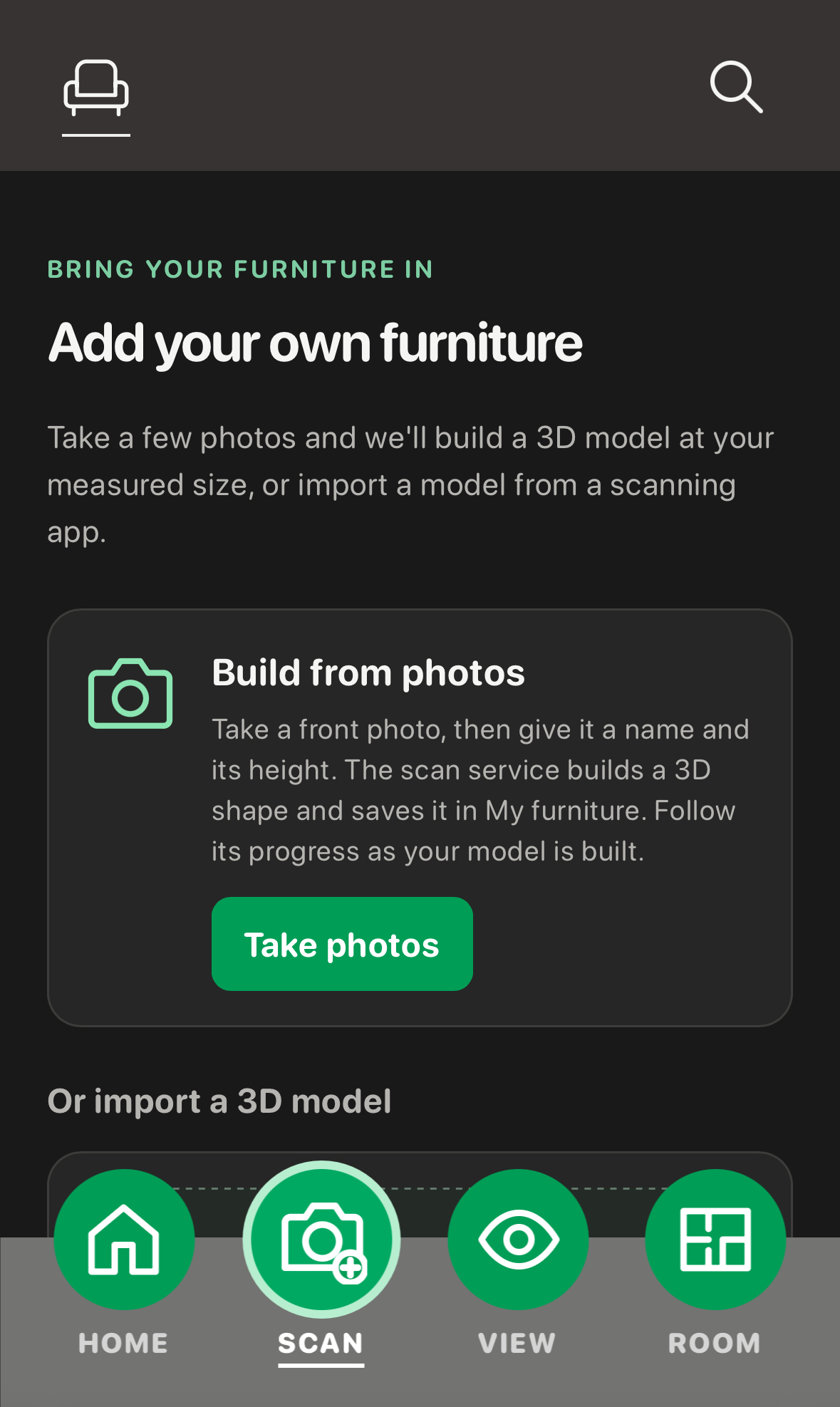
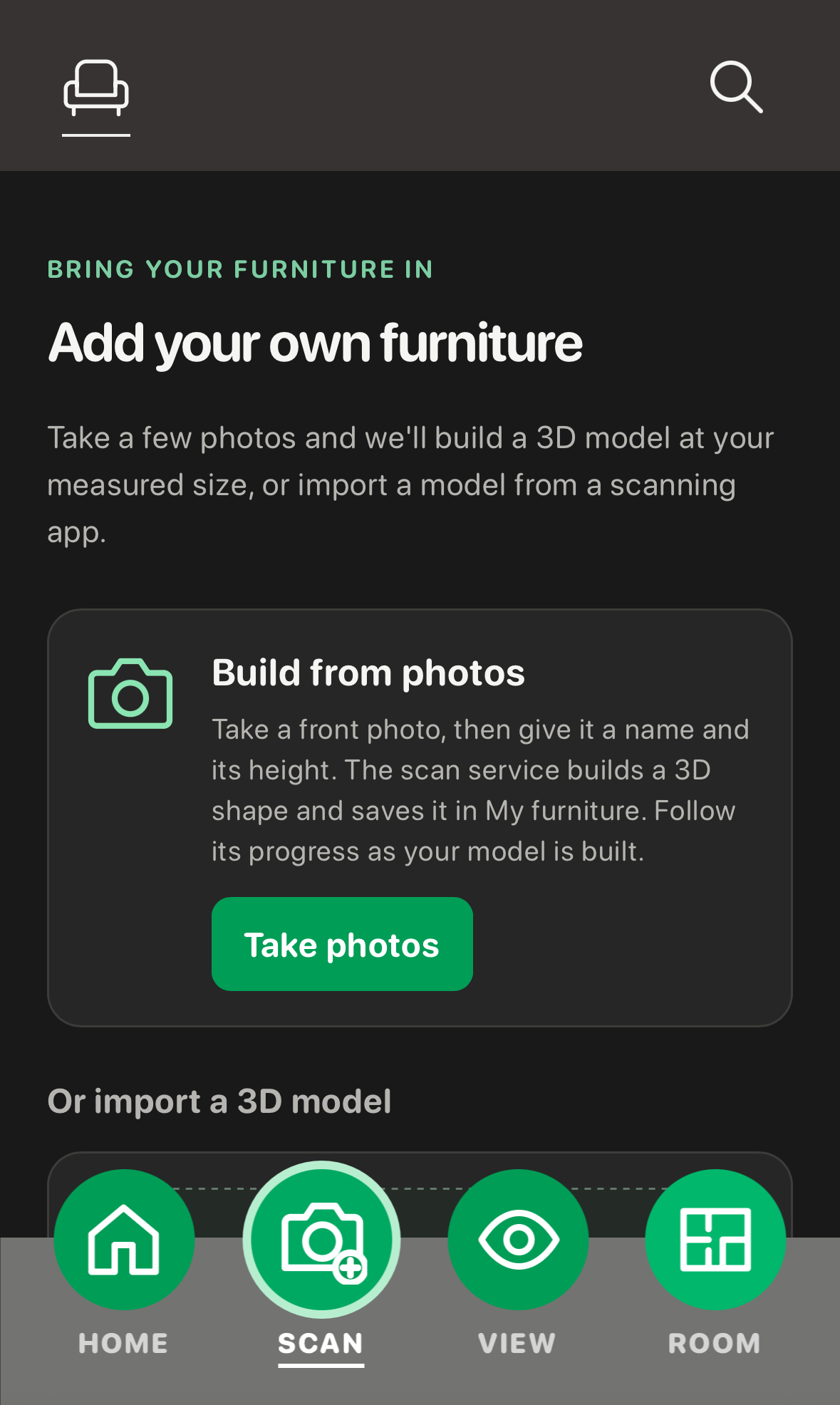
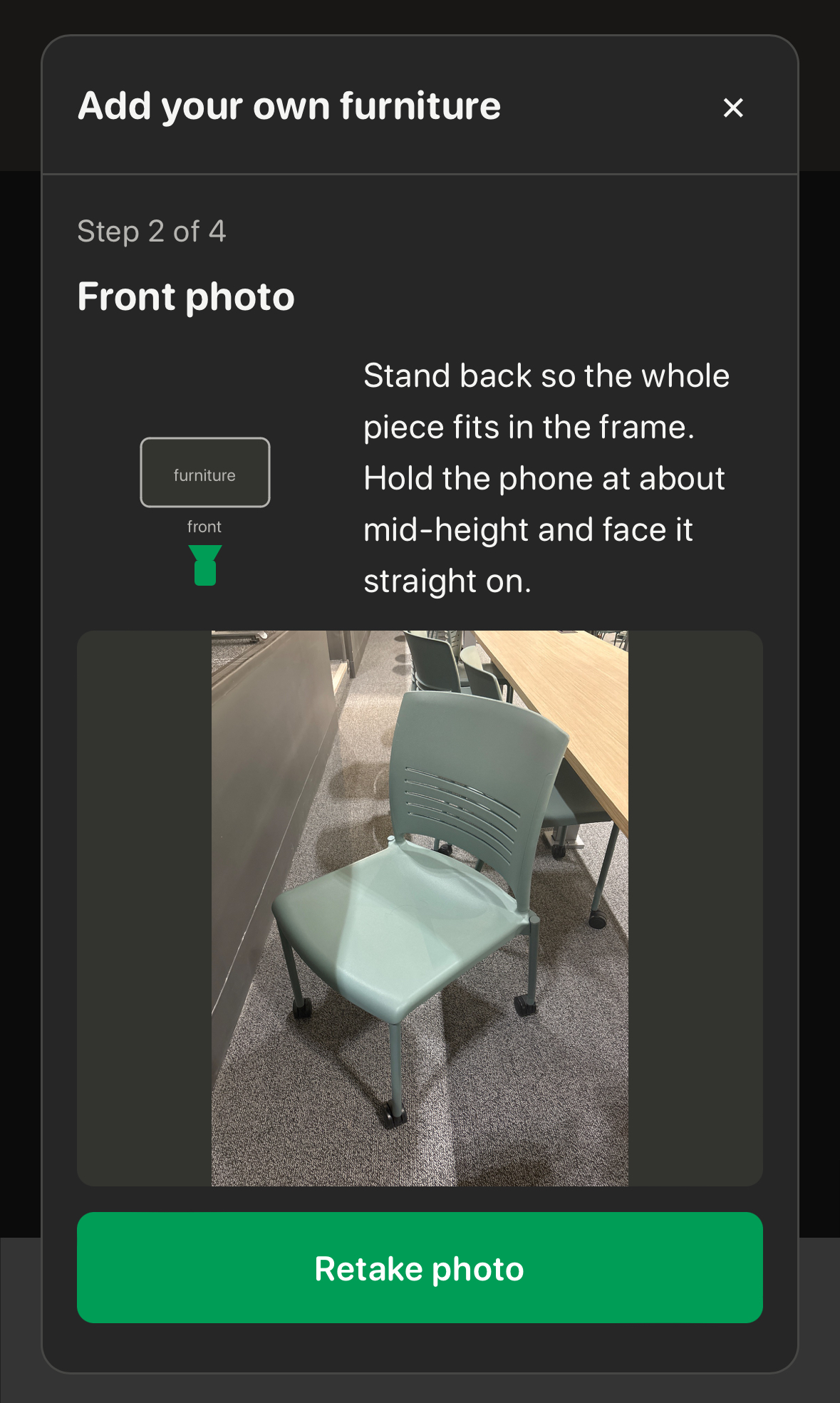
Users can also upload a furniture photo and enter its height to generate a custom 3D model. The model is saved in My furniture, where they can change its colour, reuse it in layouts, or download it as an STL.
How we built it
We built the web app with TypeScript and Vite, using Three.js for furniture geometry and room previews. <model-viewer> and iOS AR Quick Look bring the models into the user’s space.
An Express server manages photo uploads, queues scans, and saves generated models. A local Python worker running Hunyuan3D removes the photo’s background, generates a furniture mesh on our laptop’s GPU, and scales it to the height entered by the user.
Models are exported as GLB files for viewing and STL files for download. After setup, photo-to-model generation runs locally without Internet access.
Challenges we faced
Our biggest challenge was running 3D generation on a laptop with 8 GB of VRAM and 16 GB of RAM. Loading the model conventionally overwhelmed system memory. We used a streaming half-precision loader, a smaller background-removal model, and one scan at a time to reduce memory pressure.
We also had to keep dimensions and coordinate systems consistent across the app, room planner, generated models, and exports.
Some photos produced incomplete shapes or no usable surface. We added progress reporting, clearer errors, and retries for temporary resource failures. Single-image reconstruction still estimates hidden geometry, so scans are approximate shapes scaled to a measured height.
What we learned
We learned that building an AI feature means much more than running inference. Upload preparation, memory management, progress feedback, saved results, and failure handling all shape whether people can use it confidently.
We also learned the distinction between a model that looks convincing and one that is useful for checking fit. Accurate units and clear limits matter just as much as visual detail.
What’s next
We want to improve reconstruction from everyday phone photos, detect unusable outputs earlier, and make room planning easier.
Our goal is to help people move from “I think it fits” to “I can see how it fits.”
Built With
- ar-quick-look
- blender
- chatgpt
- claude
- css
- cuda
- entire
- express.js
- gltf
- html
- hugging-face
- hunyuan3d
- javascript
- model-viewer
- node.js
- onnx-runtime
- python
- pytorch
- rembg
- three.js
- trimesh
- typescript
- vite
- vitest
- webgl
