-
-
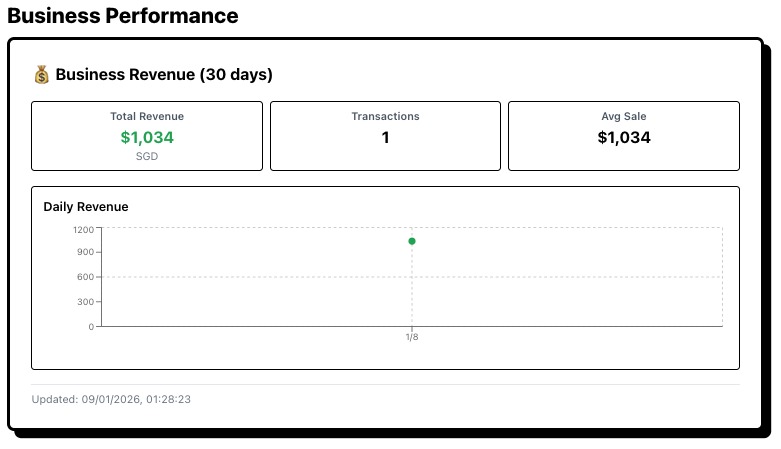
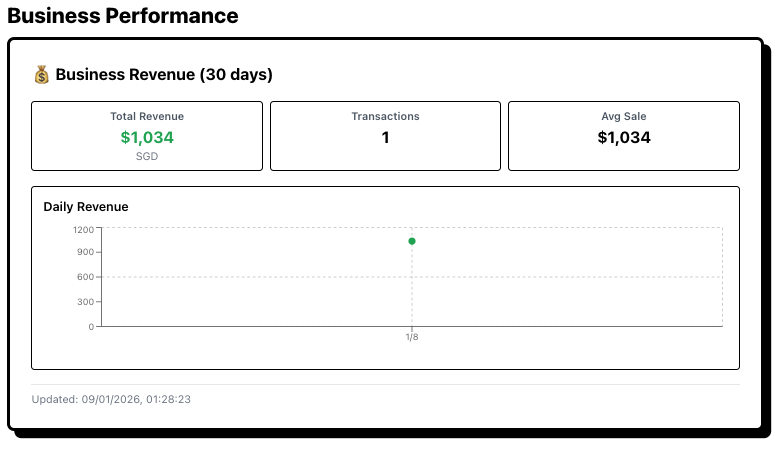
Stripe integration
-
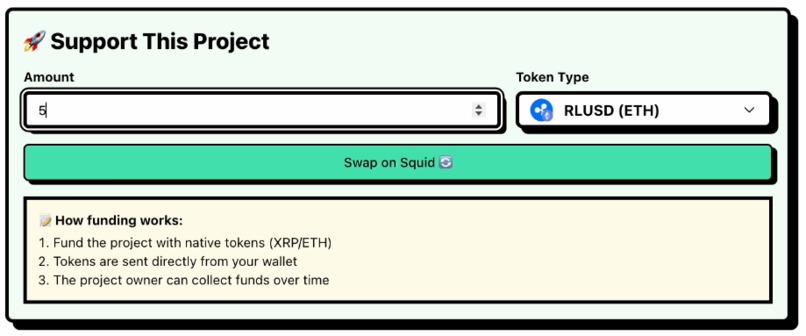
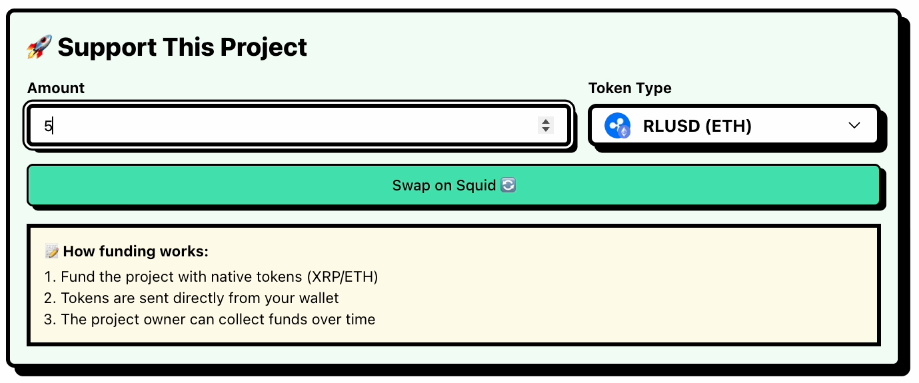
Multichain deposits
-
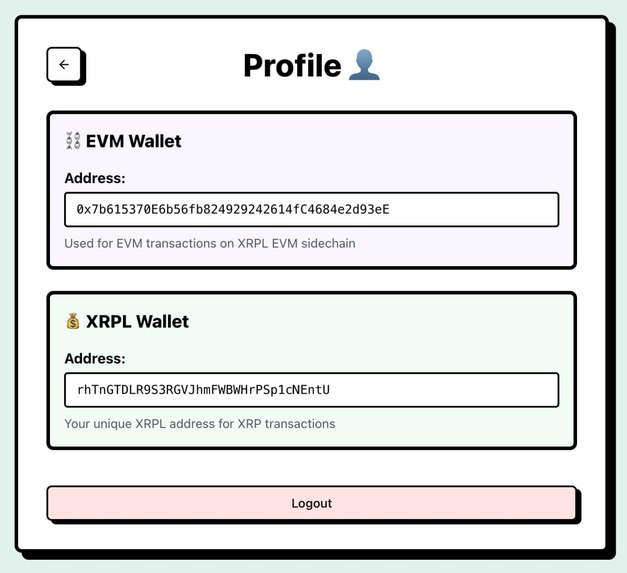
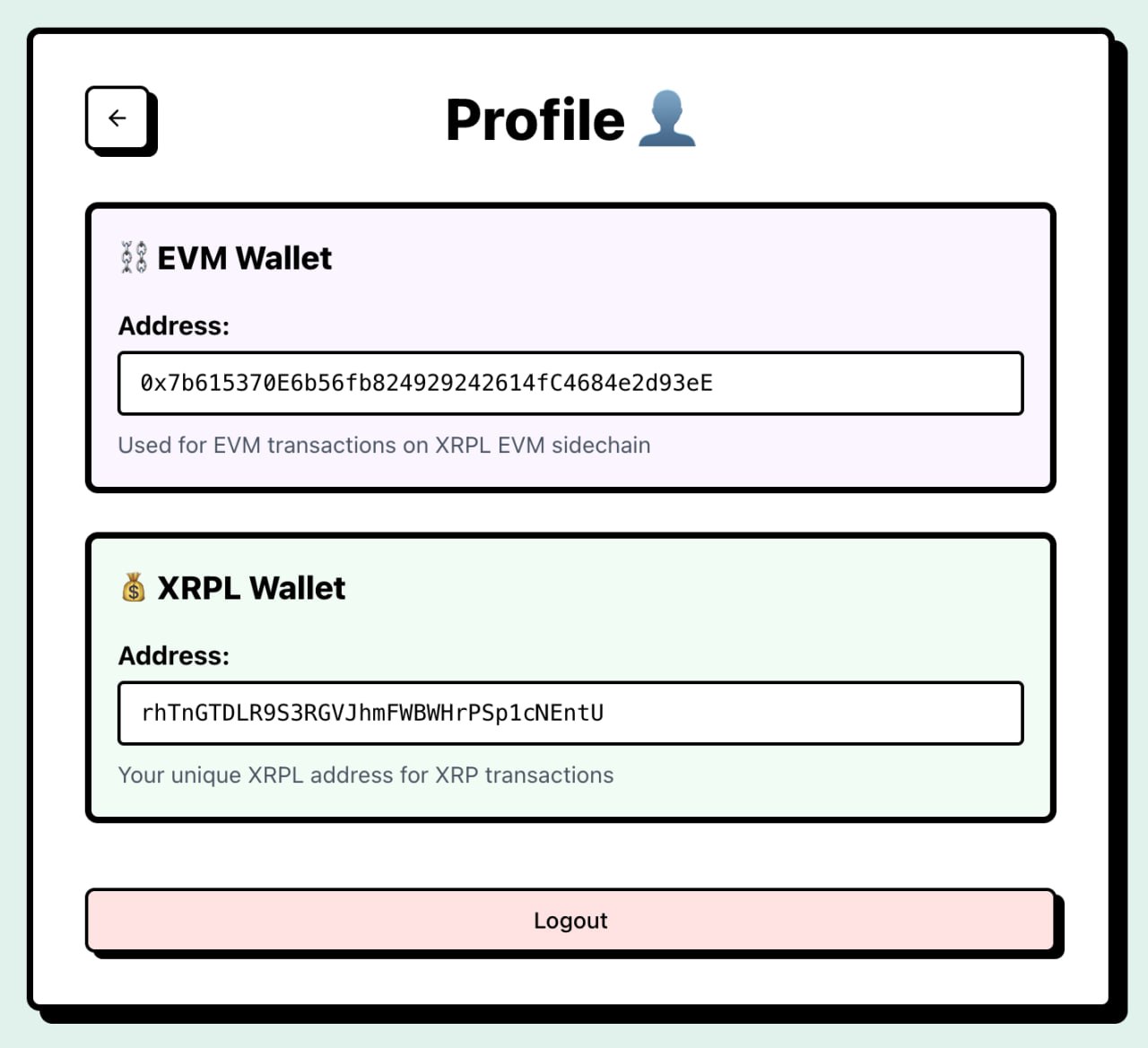
Privy + XRPL wallet creation (onboarding)
-
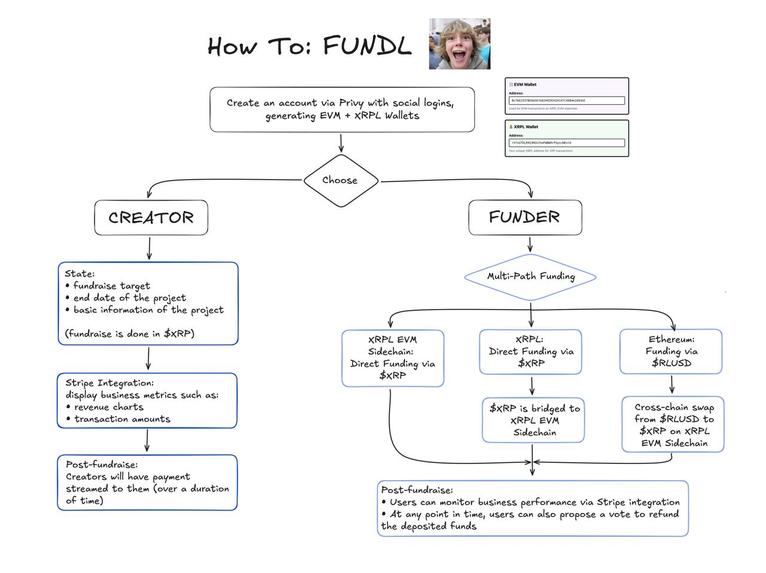
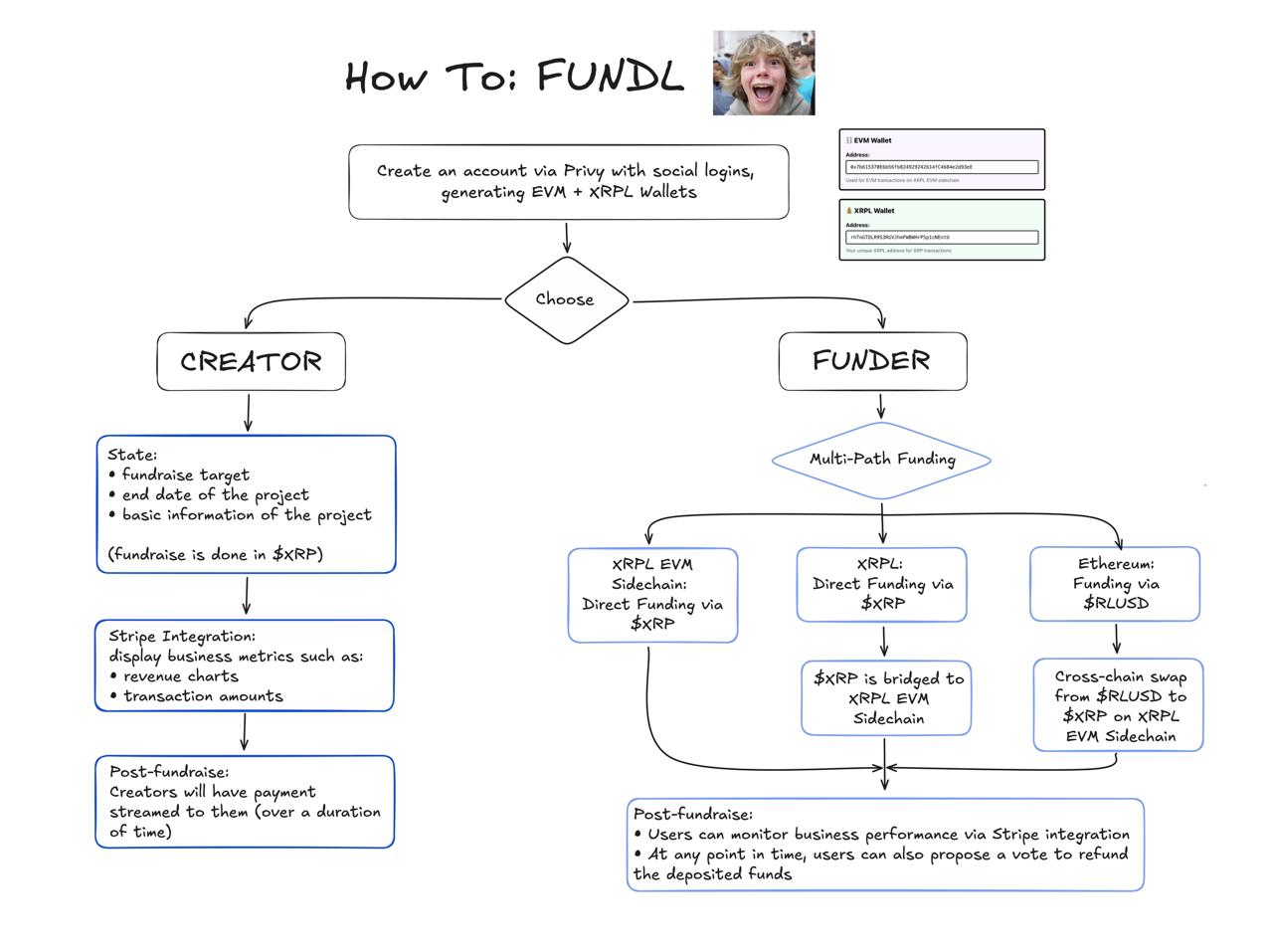
Diagram
Inspiration
The inspiration for Fundl stems from the persistent "trust gap" in global crowdfunding. Traditional platforms often leave backers in the dark once a project is funded, leading to misappropriation of funds or failed deliveries. We wanted to build a solution where "trust" isn't just a promise, but a line of code.
What it does
Fundl is a decentralized fundraising platform that ensures the verifiable use of funds. Unlike legacy platforms that disburse funds in a single risky lump sum, Fundl uses smart contracts to hold capital in escrow. Funds are released to creators incrementally.
• Institutional Stability: It utilizes RLUSD (Ripple USD) to ensure that project budgets remain stable and are not subject to the volatility of standard crypto assets.
• Democratic Safeguards: Backers hold voting rights to stop a project and trigger automatic refunds of remaining funds.
• Seamless Entry: It allows non-crypto users to join via email/social logins and fund projects with one-click cross-chain transactions.
How we built it
We built Fundl on the XRPL EVM Sidechain to combine the efficiency of Ripple’s ecosystem with the flexibility of Solidity smart contracts.
• Core Logic: Developed in Solidity, our contracts manage project vaults and streaming.
• Onboarding: Integrated Privy to abstract away seed phrase management, instantly generating XRPL wallets for new users.
• Fintech Identity: Integrated Stripe so creators can link their business accounts, allowing backers to view verified business metrics (volume, sales) directly on our dashboard.
• Cross-Chain Bridge: Implemented a "one-signature" flow where users can fund with RLUSD on Ethereum, which settles as XRP on the EVM Sidechain via a decentralized bridge.
Challenges we ran into
We encountered several challenges while integrating the cross-chain bridge, primarily due to the lack of clarity around the exact parameters required for bridging. While the bridge protocol itself was available, limitations in existing documentation meant that correct configuration was not immediately accessible.
Separately, we carefully considered the security implications of generating XRPL addresses using Privy. This included evaluating key management, wallet ownership, and ensuring that private keys were never exposed during address generation, in order to maintain a secure and user-safe onboarding flow.
Accomplishments that we're proud of
We are proud to integrated Stripe into our product. Its cool to see how existing Web2 tech staple can be integrated with crypto product. Similarly, we are also proud to develop a smooth onboarding experience with Privy to create an EVM + XRPL wallet for users simultaneously.
What we learned
Building this project highlighted the critical role of stablecoins like RLUSD in Real-World Asset (RWA) tokenization and crowdfunding. We learned that for decentralized finance to go mainstream, the technology must be invisible. Tools like Privy and Stripe are essential for onboarding the next billion users into the crypto world. We also gained deep experience in cross-chain interoperability between the XRPL mainnet and its EVM-compatible sidechain.
What's next for Fundl
Our immediate roadmap focuses on further pushing our DID-integrated identity and verifiable use of funds narrative:
• Chainlink Oracle Integration: We plan to bridge off-chain logistics data (e.g., FedEx/UPS tracking) directly to the XRPL via Chainlink Functions.
• Automated Gated Creator System: We will transition from manual vetting to a scalable, DID-based onboarding system where a creator's on-chain reputation and off-chain credentials automatically determine their eligibility to launch a project.


Log in or sign up for Devpost to join the conversation.