
Inspiration
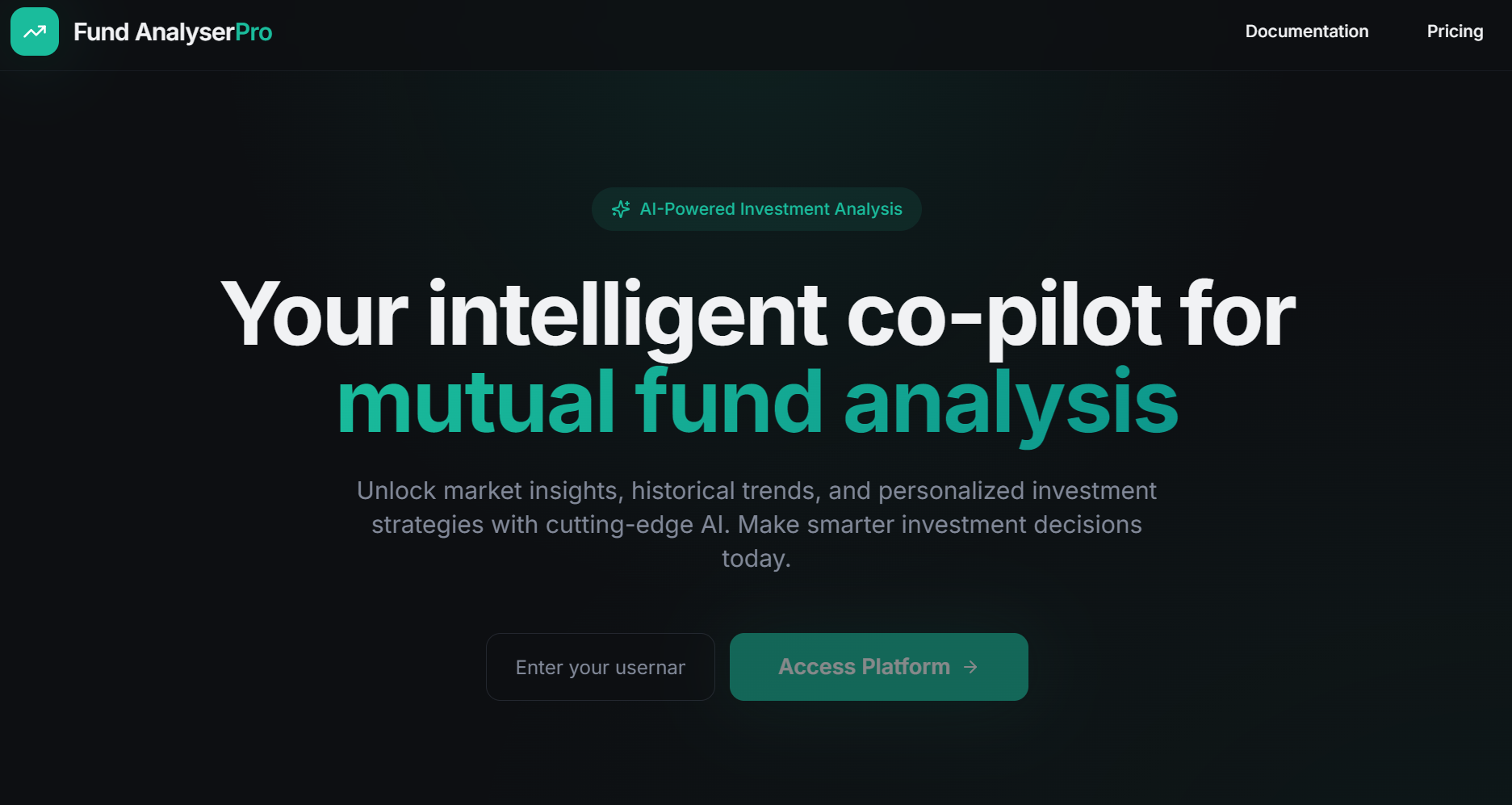
Most young investors struggle to interpret mutual fund data because performance metrics, risk ratios, and historical trends are spread across multiple sources. We wanted to build a system that brings clarity and accessibility to mutual fund analysis through structured analytics and explainable AI.
What it does
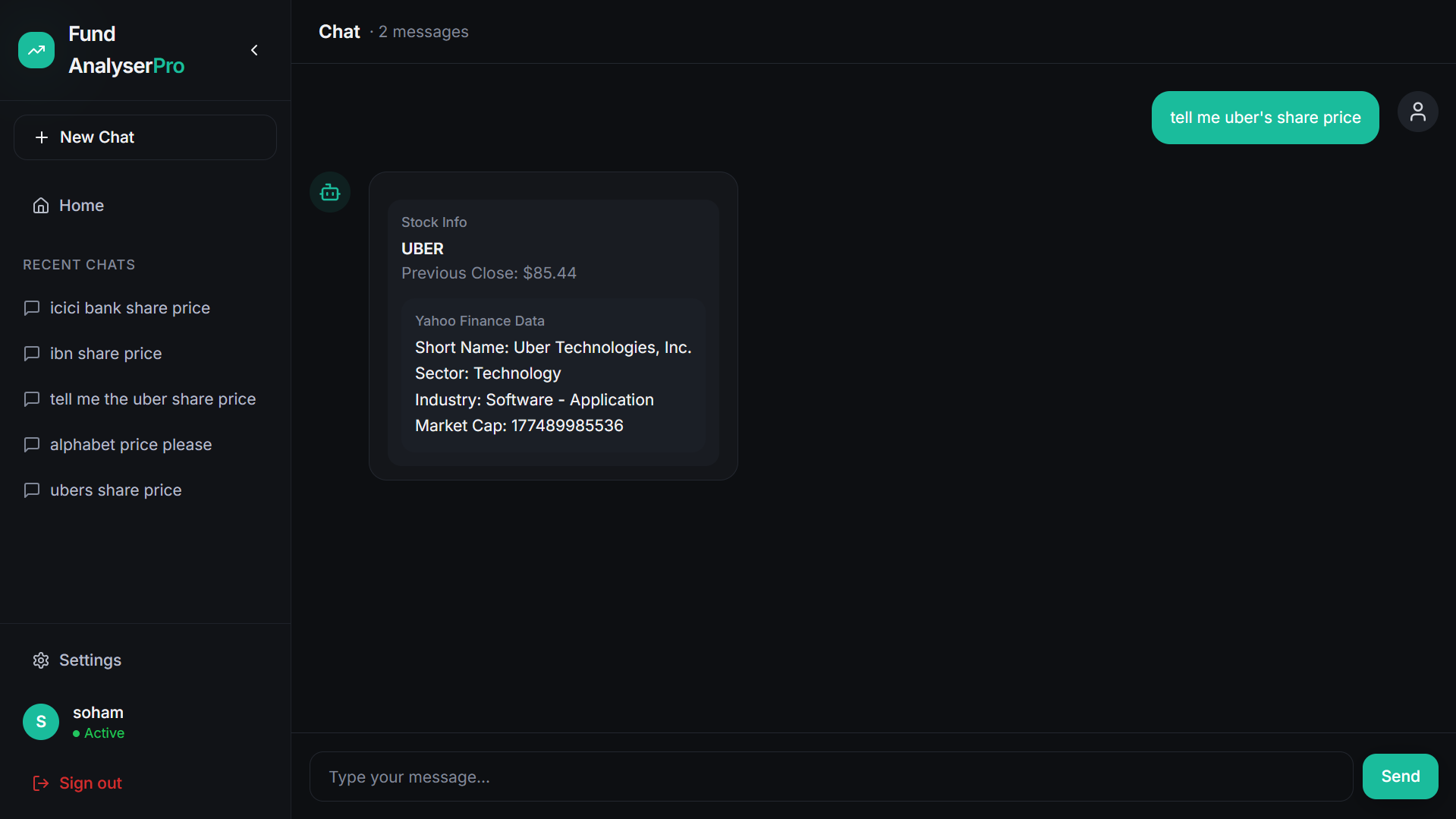
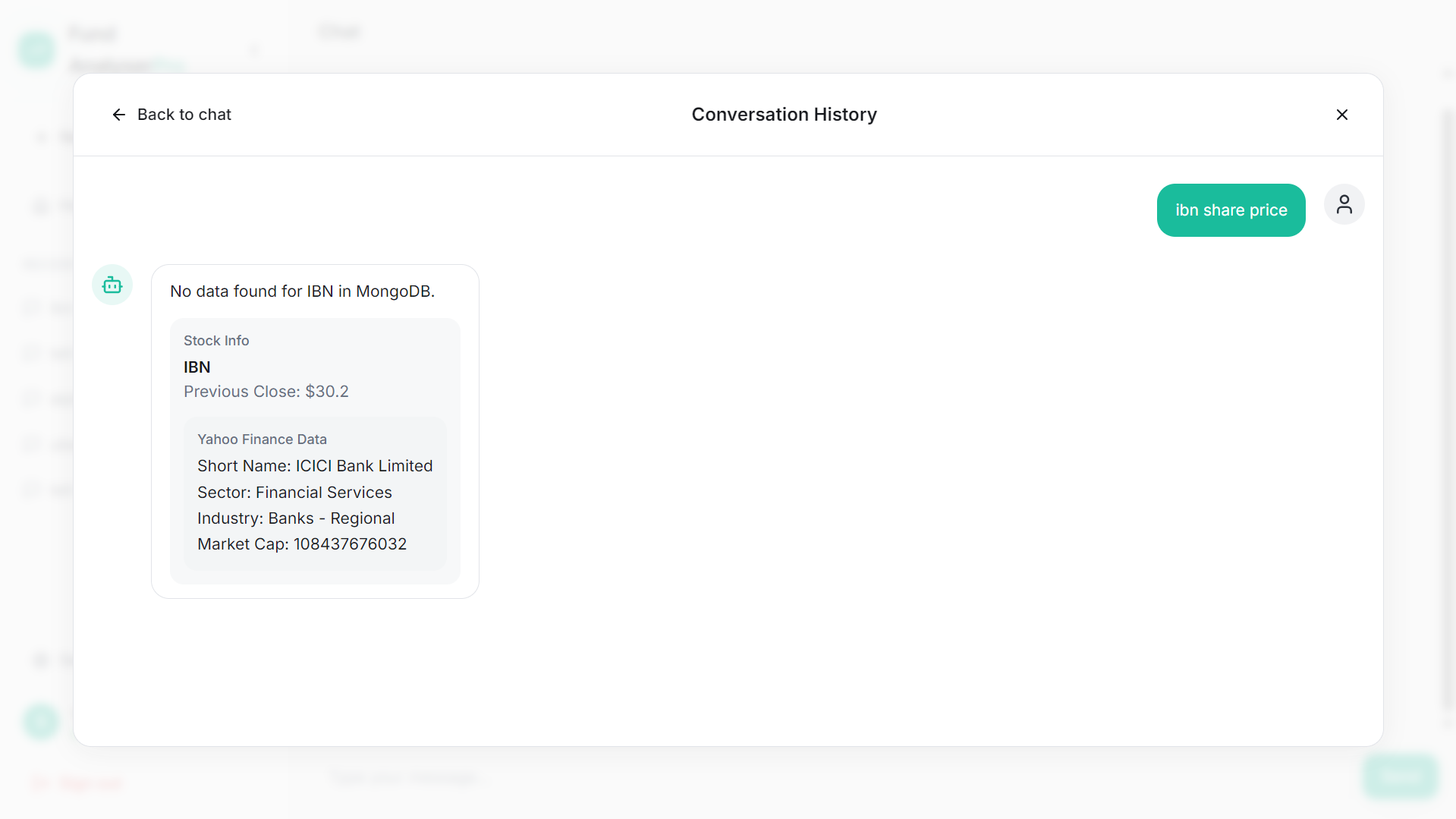
The platform processes mutual fund data from real datasets, computes essential performance metrics, and generates clear natural-language insights using Groq’s Llama-3 model. Users can search, compare, and understand funds through a modern web interface supported by a complete backend pipeline.
How we built it
We developed a React frontend for user interaction and visualisation, supported by a FastAPI backend written in Python. Mutual fund datasets from Kaggle were cleaned, transformed, and stored in MongoDB. The backend integrates Groq’s Llama-3 model to generate concise explanations and comparisons. All components communicate through structured REST APIs.
Challenges we ran into
Preprocessing large and inconsistent mutual fund datasets required careful data cleaning. Integrating Groq’s Llama-3 with FastAPI while ensuring prompt reliability and response consistency was another major challenge. Achieving smooth end-to-end communication between React, FastAPI, and MongoDB while keeping latency low also demanded attention.
Accomplishments that we're proud of
We successfully built a complete AI-assisted analytical system that delivers accurate metrics and clear explanations. The integration of Groq Llama-3 allowed us to create reliable, understandable insights that make mutual fund analysis accessible to younger investors.
What we learned
We learned how to build and optimise a full-stack AI application, design clean REST APIs, and integrate LLMs specifically for interpretability rather than predictive tasks. Working with Groq’s Llama-3 gave us a deeper understanding of prompt engineering and scalable AI inference.
What's next for fund-analysis
Next steps include expanding dataset coverage, adding deeper risk-modelling modules, incorporating portfolio-level recommendations, and deploying the system into a cloud environment. Features such as user authentication, personalised insight history, and mobile accessibility are also planned for future iterations.


Log in or sign up for Devpost to join the conversation.