-
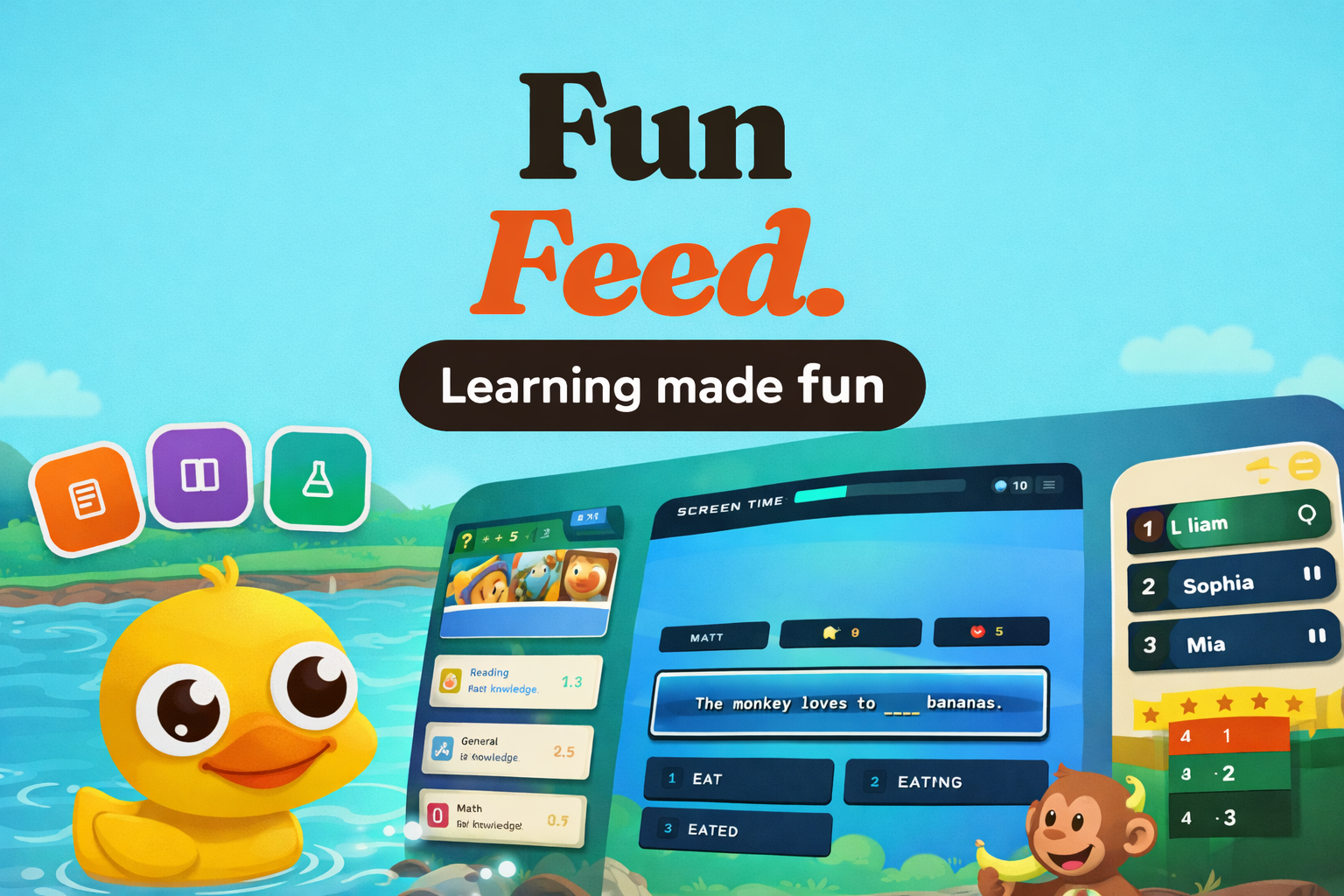
Thumbnail
-
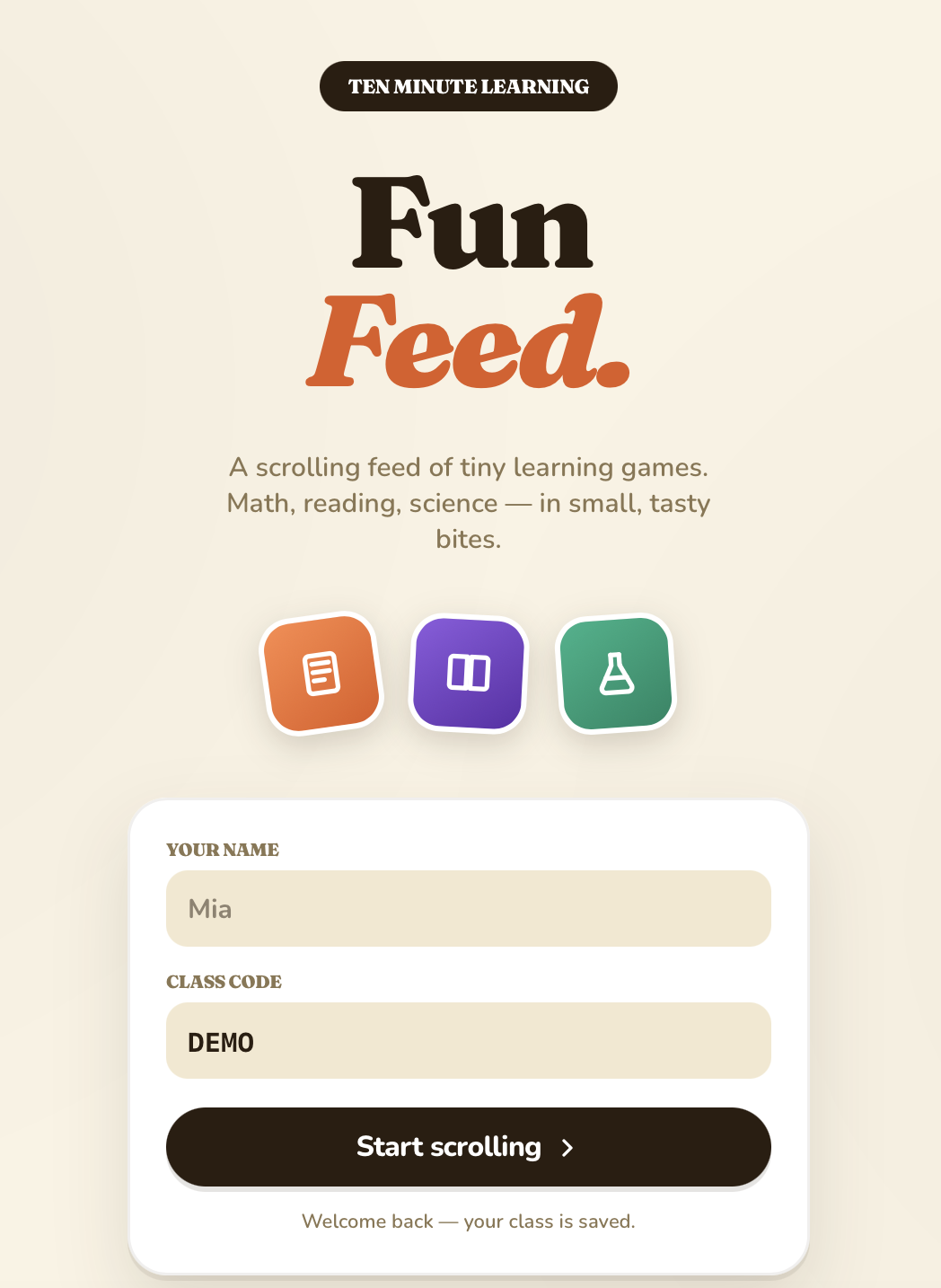
Home Page
-
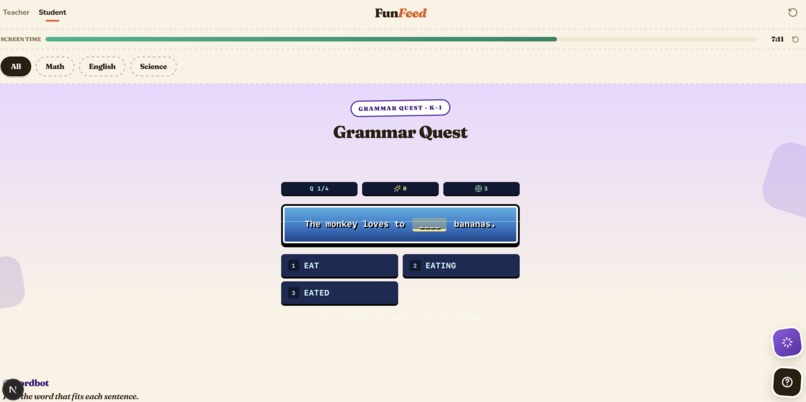
Game Example #1
-
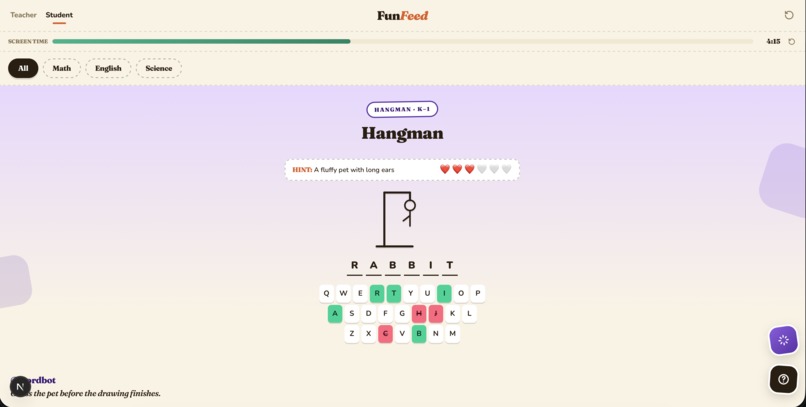
Game Example #2
-
Game Example #3
-
Game Example #4
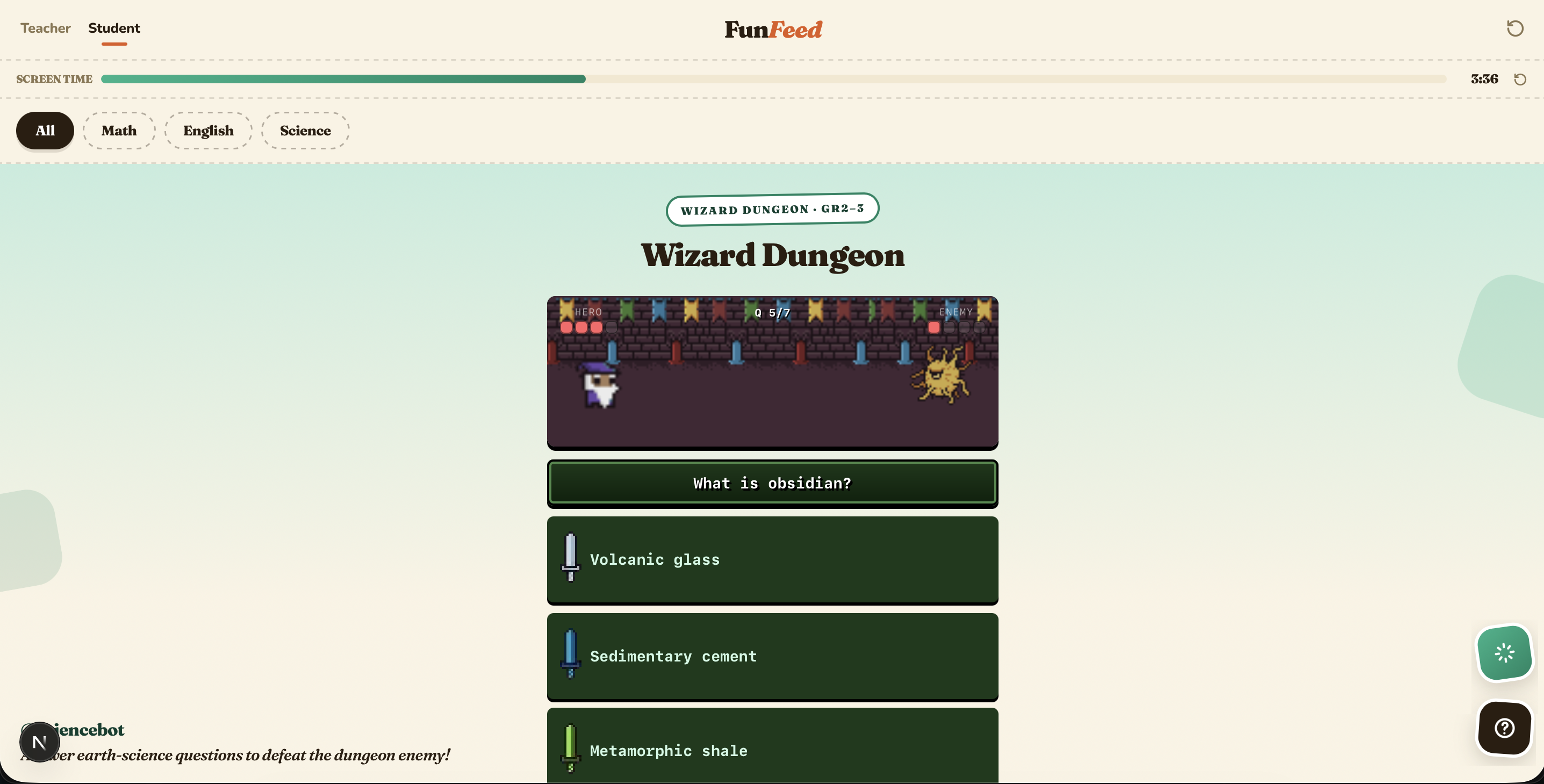
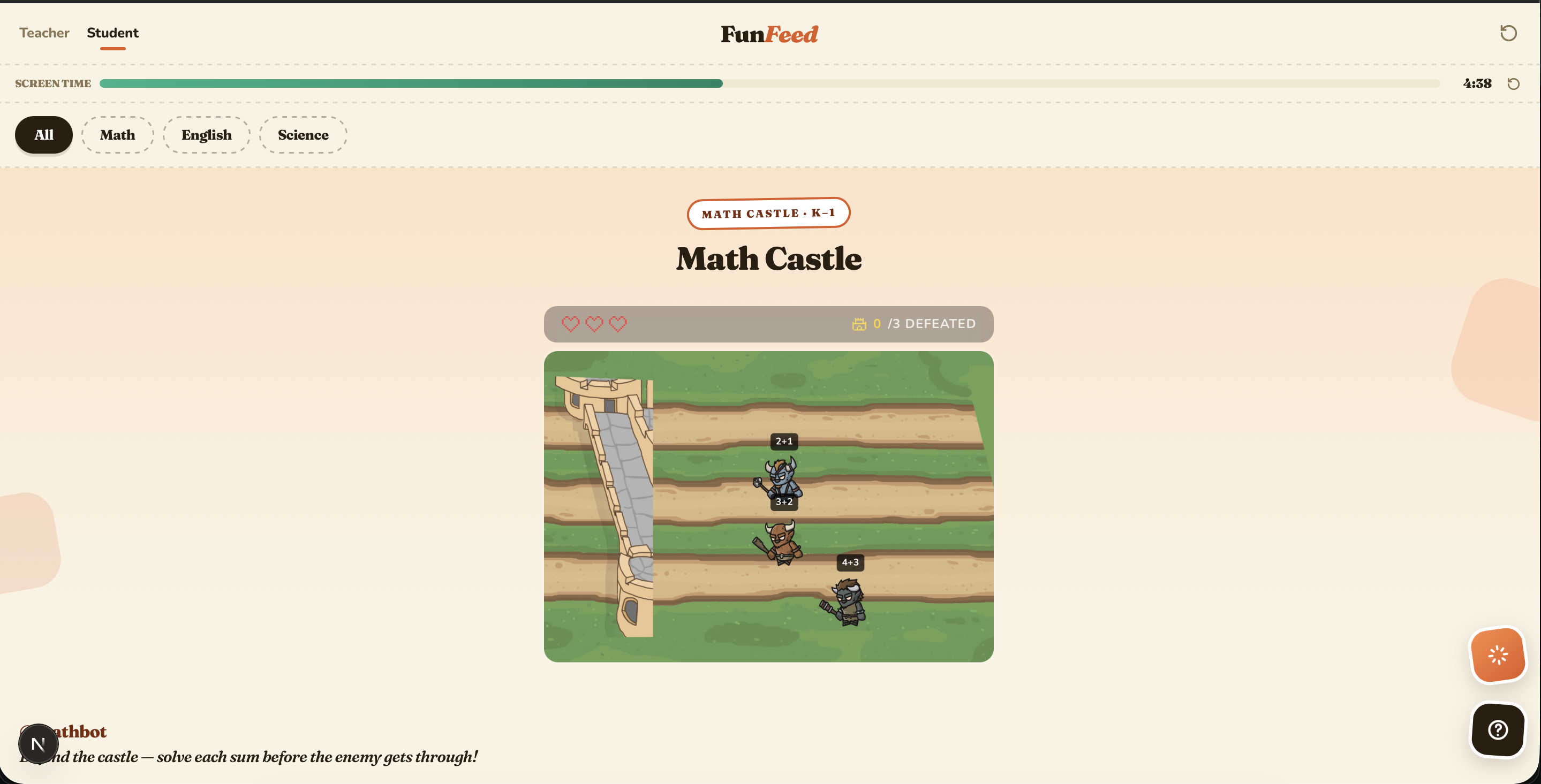
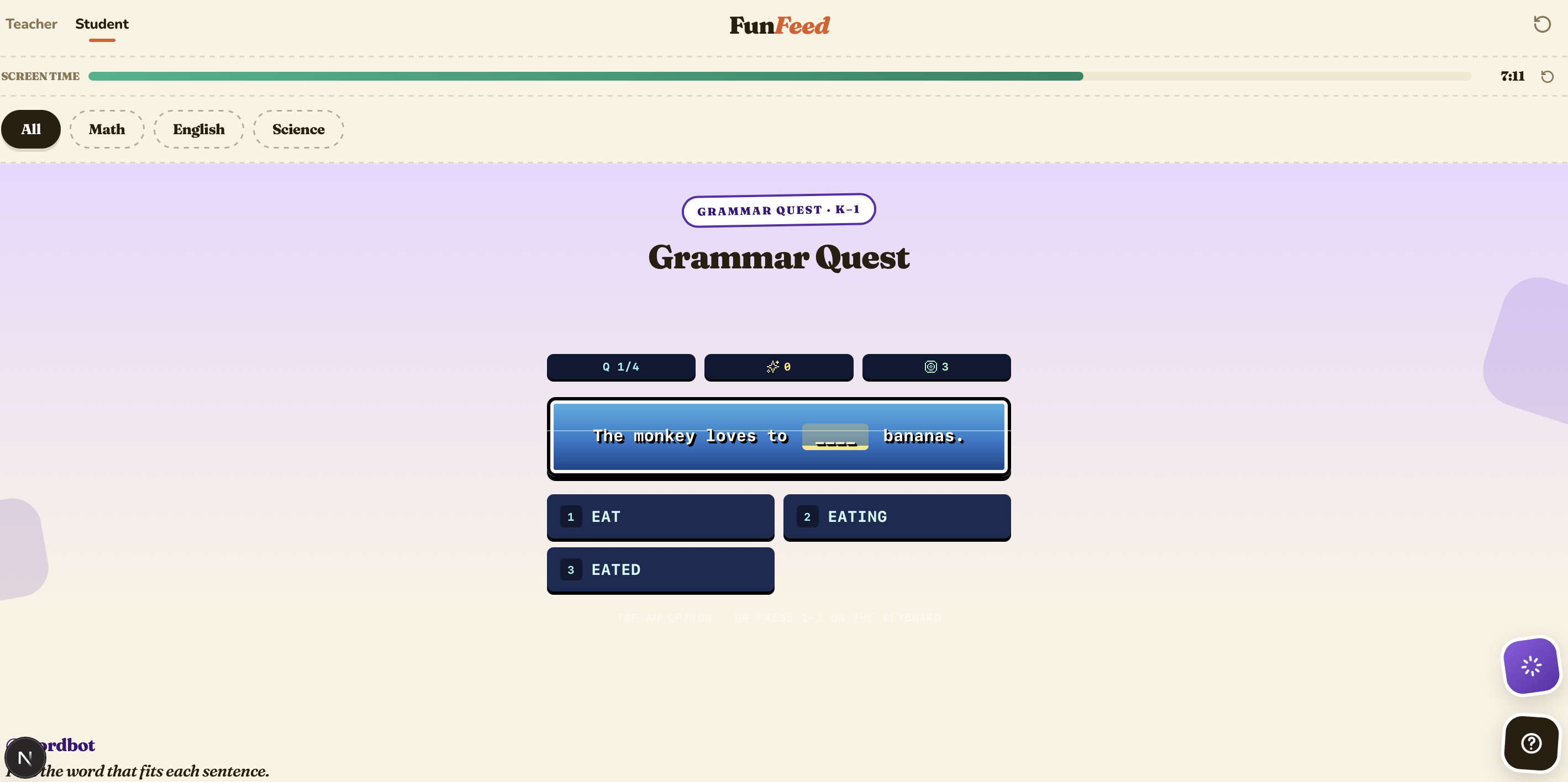
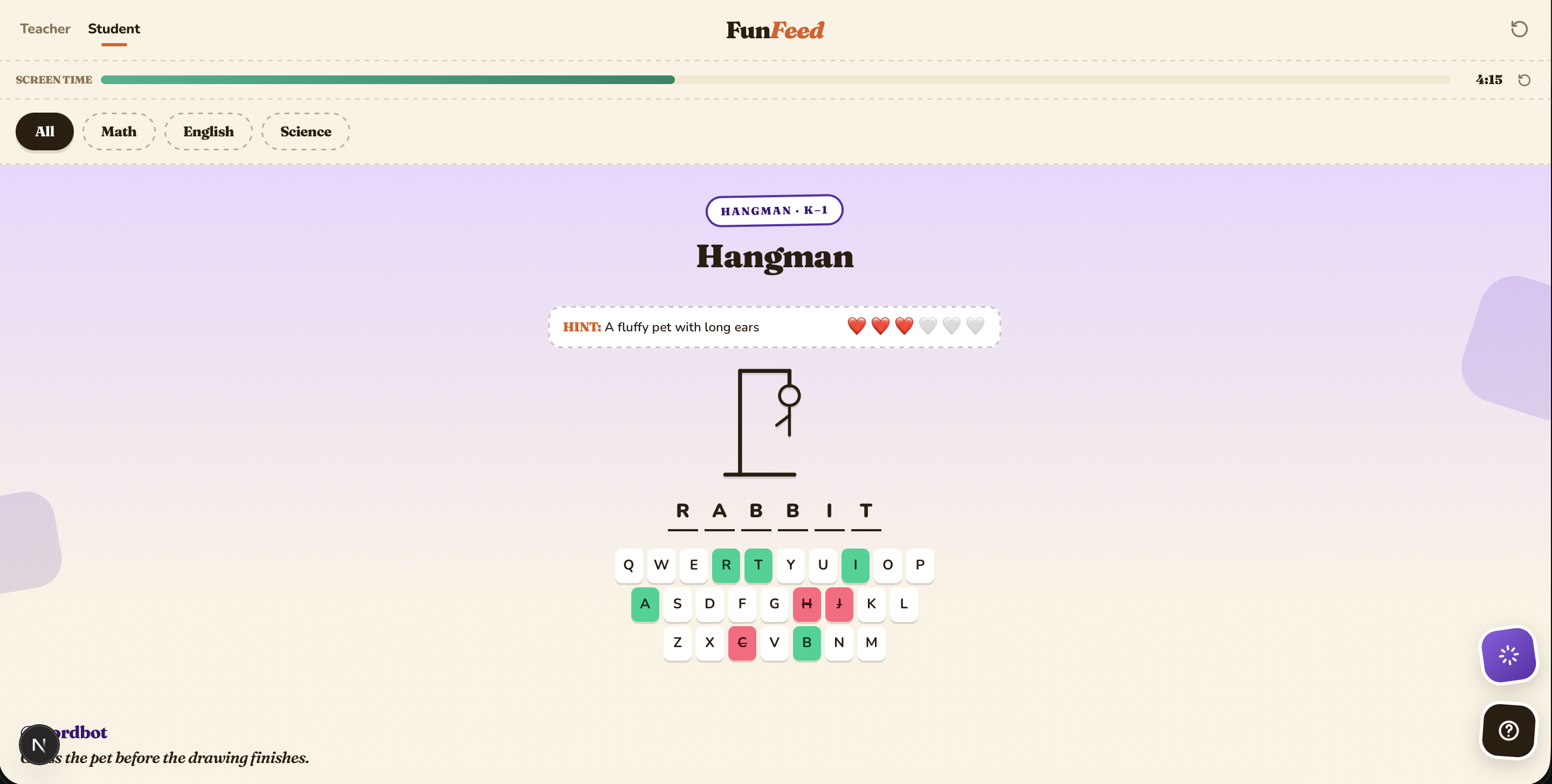
Inspiration
While brainstorming for problems to solve, a conversation I had with a close friend who is now a primary school teacher came to mind. She was venting about how difficult it’s become to keep her students genuinely engaged during lessons. Attention spans are shorter, traditional teaching methods don’t hold interest the way they used to, and she found herself having to record videos or come up with increasingly creative and time-consuming ways just to maintain focus in the classroom. What stood out to us wasn’t just the challenge itself, but how widespread and relatable it felt. Education is competing with highly stimulating digital content, yet most classrooms don’t have tools that match that level of interactivity.
That concern is backed by national data. A 2024 Education Week report found that student lack of focus is the top barrier to learning in public schools, with 75% of school leaders saying it has at least a moderate negative impact on student learning. The report also highlights how ongoing challenges like the lasting effects of the pandemic have made it even harder for students to stay engaged, reinforcing how widespread and urgent this issue has become.
What it does
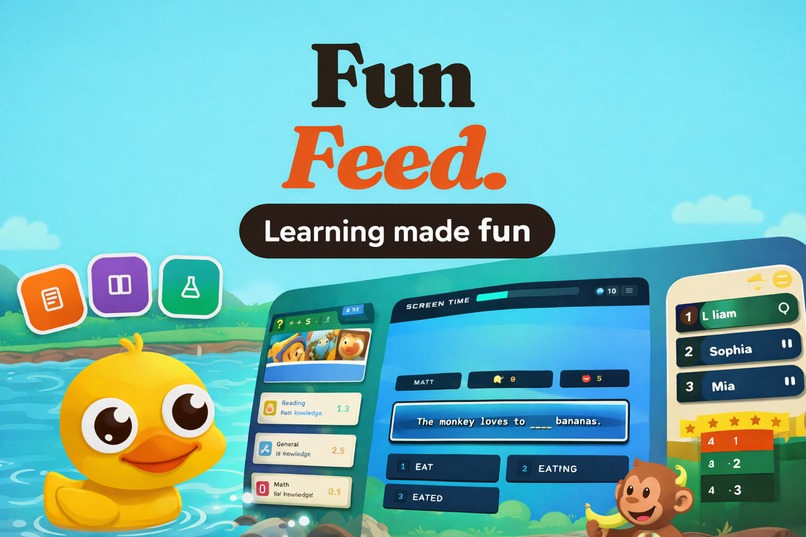
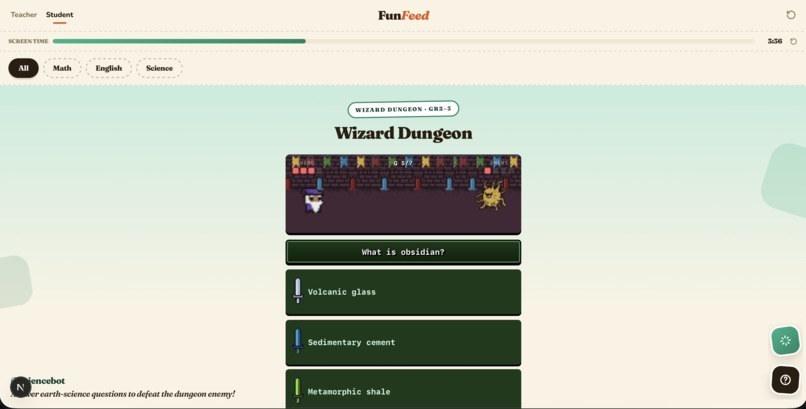
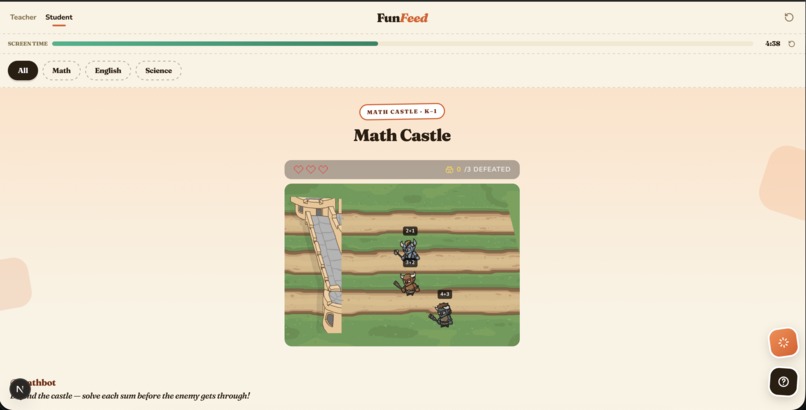
Fun Feed is a classroom supplement that helps teachers reinforce what they’ve already taught through short, interactive games. At the end of a lesson, teachers can have students play through content-based activities that keep them engaged while reviewing key concepts.
On the backend, teachers have a dashboard where they can see which questions students are struggling with or excelling at, helping them understand what to revisit in future lessons. A built-in leaderboard also lets teachers track progress and keep students motivated.
To promote healthy usage, Fun Feed includes a built-in screen time limit (10 minutes by default, adjustable by the teacher), ensuring it enhances learning without encouraging excessive screen time.
How we built it
We built it using ClaudeCode, Next.js and TypeScript as a full-stack app, with both the frontend and backend in the same codebase. The frontend uses React and Tailwind for styling, and we used Zustand to manage state and save user progress in localStorage so it persists between visits.
On the backend, we used Next.js API routes to handle things like generating games, tracking class progress, and registering students. We defined all game structures using Zod schemas so everything stays consistent, especially when working with AI-generated content.
When a teacher uploads class material, we send it to Claude to generate new questions based on what students are learning. If no material is uploaded, we fall back to a set of pre-made games.
Challenges we ran into
It was challenging to create high-quality games that were visually engaging enough to retain user attention while still staying focused on the main goal of learning. We also struggled with generating and finding open-source or free assets such as images, videos, and sounds that were both appropriate for our games and kid-friendly.
Accomplishments that we're proud of
Having a clear problem, goal and solution, iterating our ideas through judges and applying their feedback if possible. Also confidently sticking with the idea from start to finish because it's very common to pivot during hackathons.
What we learned
We've learned a lot about new tools that were recently created to speed up workflows and aid the hackathon/startup process of creating an MVP in such little time. To name a few, we leveraged tools like Claude to dynamically generate structured educational content from teacher-provided material, along with newer AI-assisted development tools like ClaudeMap and Kiki to help plan features, structure our system, and speed up iteration. We also used Zustand for lightweight state management to persist user progress across sessions. These tools allowed us to move extremely quickly from idea to a working prototype, especially when building and refining game logic on the fly.
What's next for Fun Feed
We hope to continue building on this idea, adding more games, catering to larger audiences, currently its targeted towards elementary school level kids however we believe that anyone should be able to learn from our platform. Currently our main audience is Teachers as they have their own dashboard to control what content the class is seeing however we plan to implement a self-service aspect where a user can upload a file or prompt/topic that they would like to learn about and the games would be generated.
Sources
Education Week - https://www.edweek.org/leadership/students-lack-of-focus-is-the-top-barrier-to-learning-school-leaders-say/2024/07
Built With
- claude
- nextjs
- tailwind
- typescript
- zustand


Log in or sign up for Devpost to join the conversation.