Inspiration
As cyber threats grow more sophisticated, traditional security systems struggle to keep up. Organizations face data breaches, ransomware, and critical infrastructure attacks, threatening economic stability, innovation, and governance. Fukuro was built to bridge the cybersecurity gap, integrating AI-powered detection and automated response to strengthen digital resilience.
The name Fukuro (meaning "owl" in Japanese) represents wisdom, vigilance, and clarity—just as owls detect movement in darkness, Fukuro uncovers hidden cyber threats in vast security data.
What It Does
Fukuro is an AI-driven cybersecurity platform that provides:
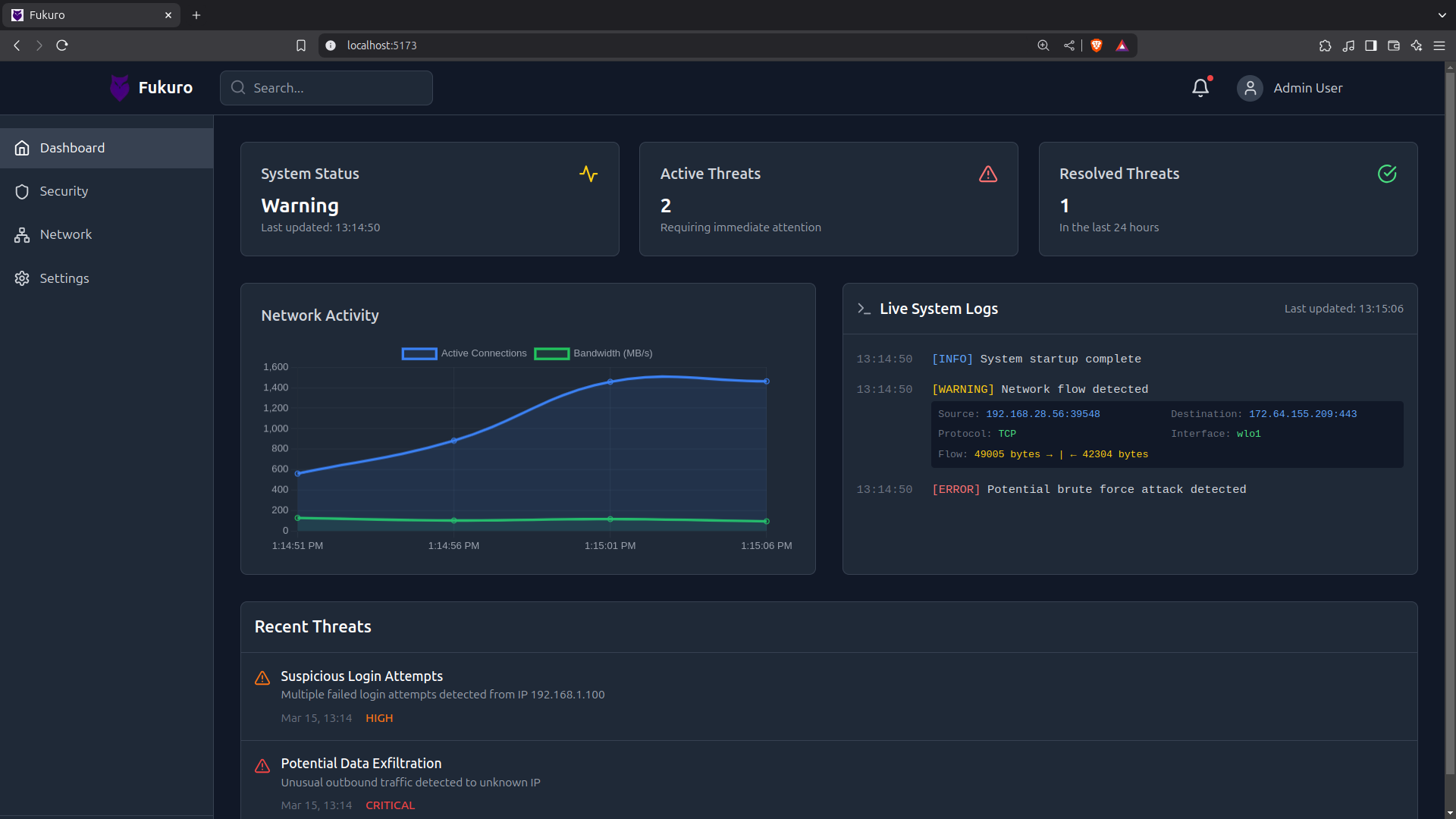
- Real-time log analysis using NLP models (GPT-4, Mistral-7B) to classify security events.
- Anomaly detection with machine learning models to identify suspicious activity.
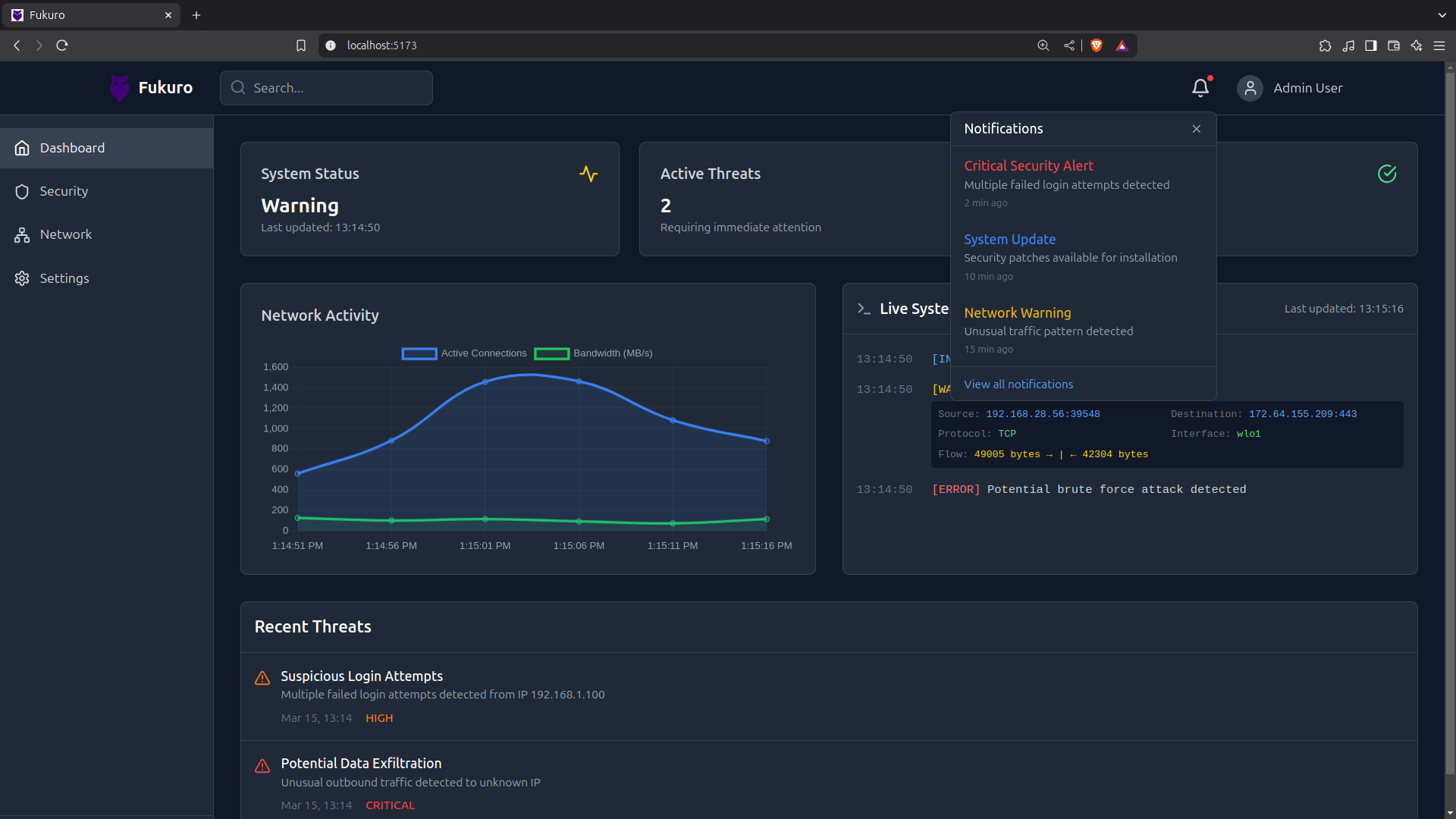
- Automated threat response, mitigating risks by blocking malicious IPs, isolating compromised devices, and alerting security teams.
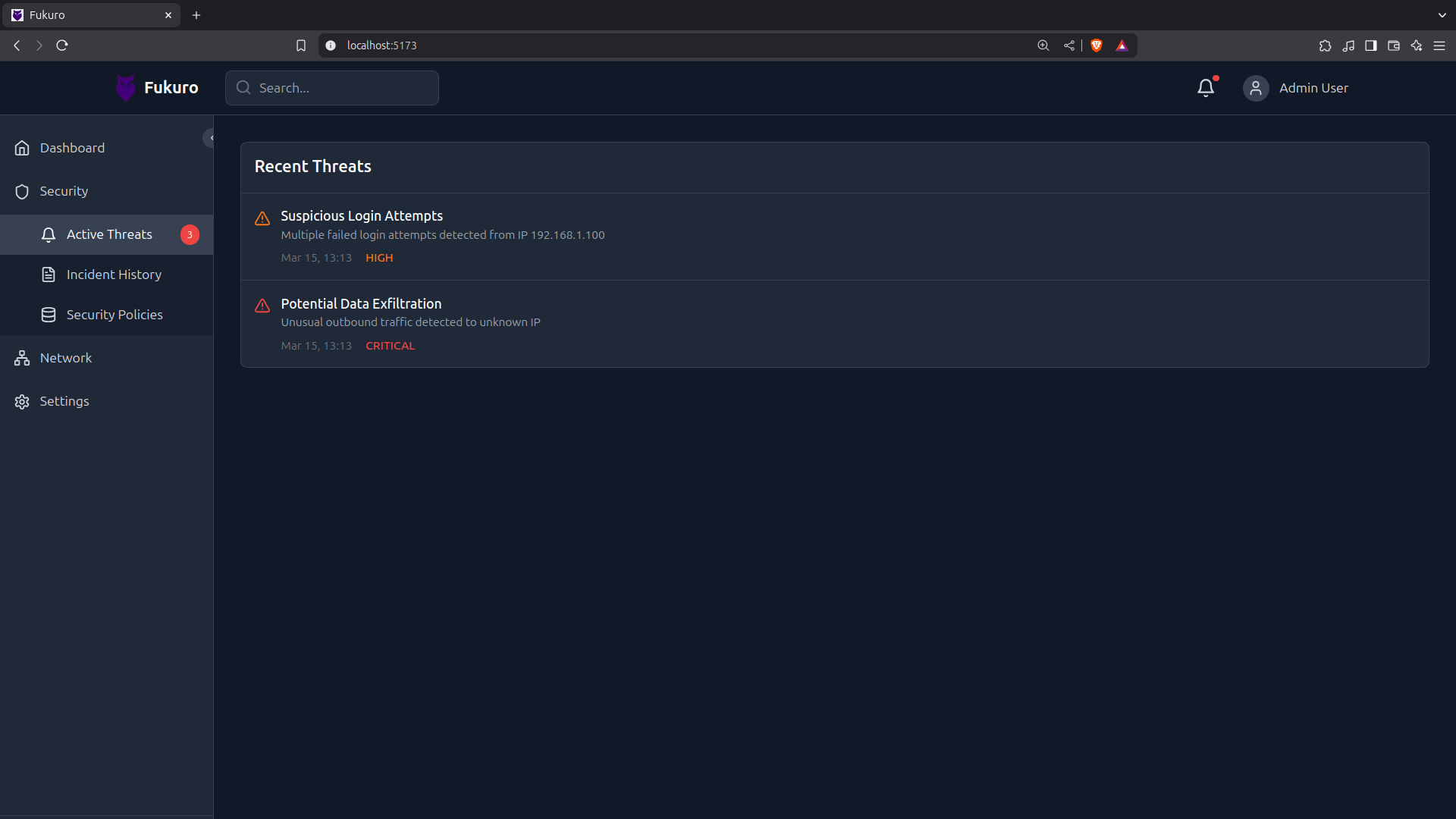
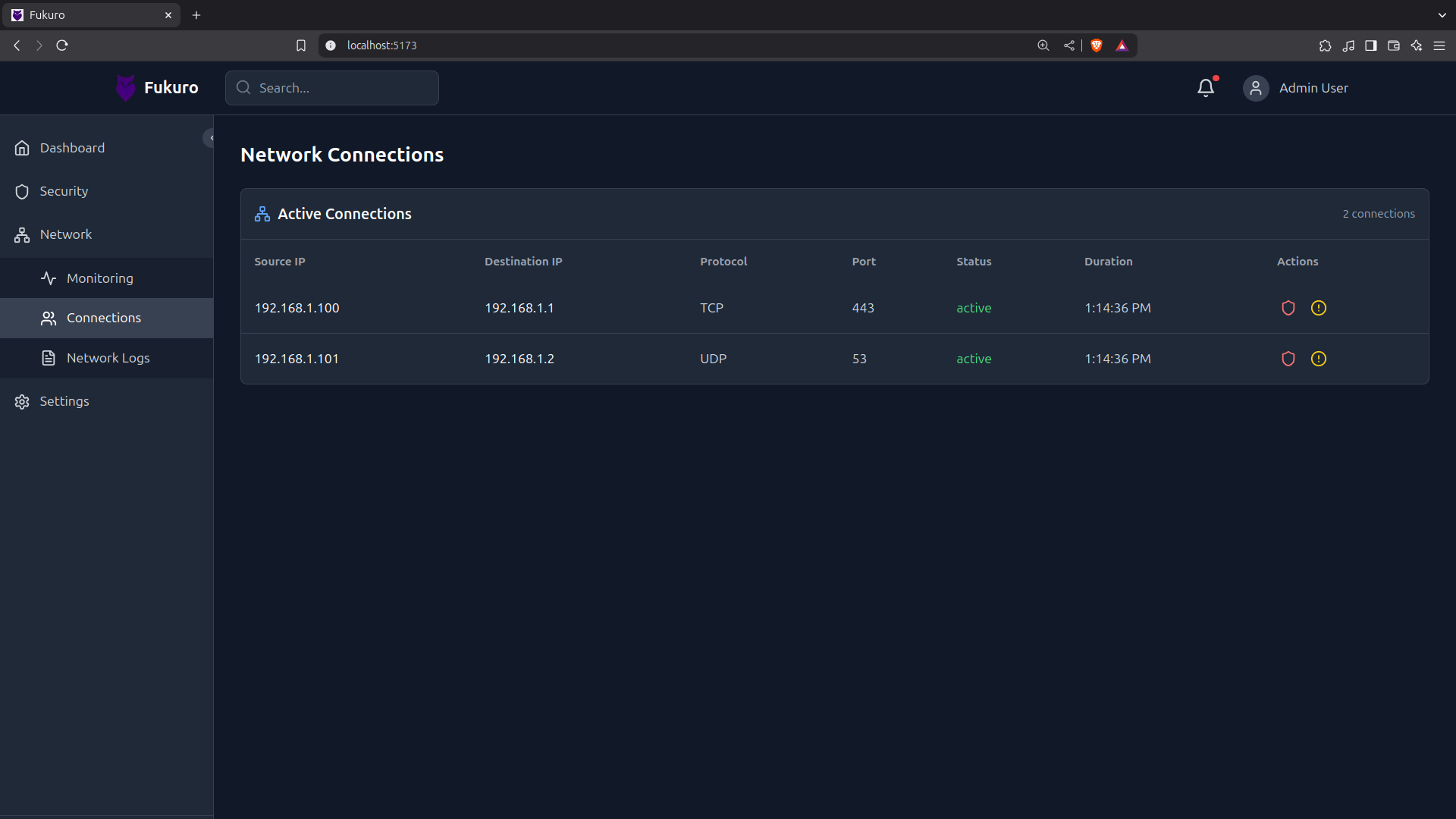
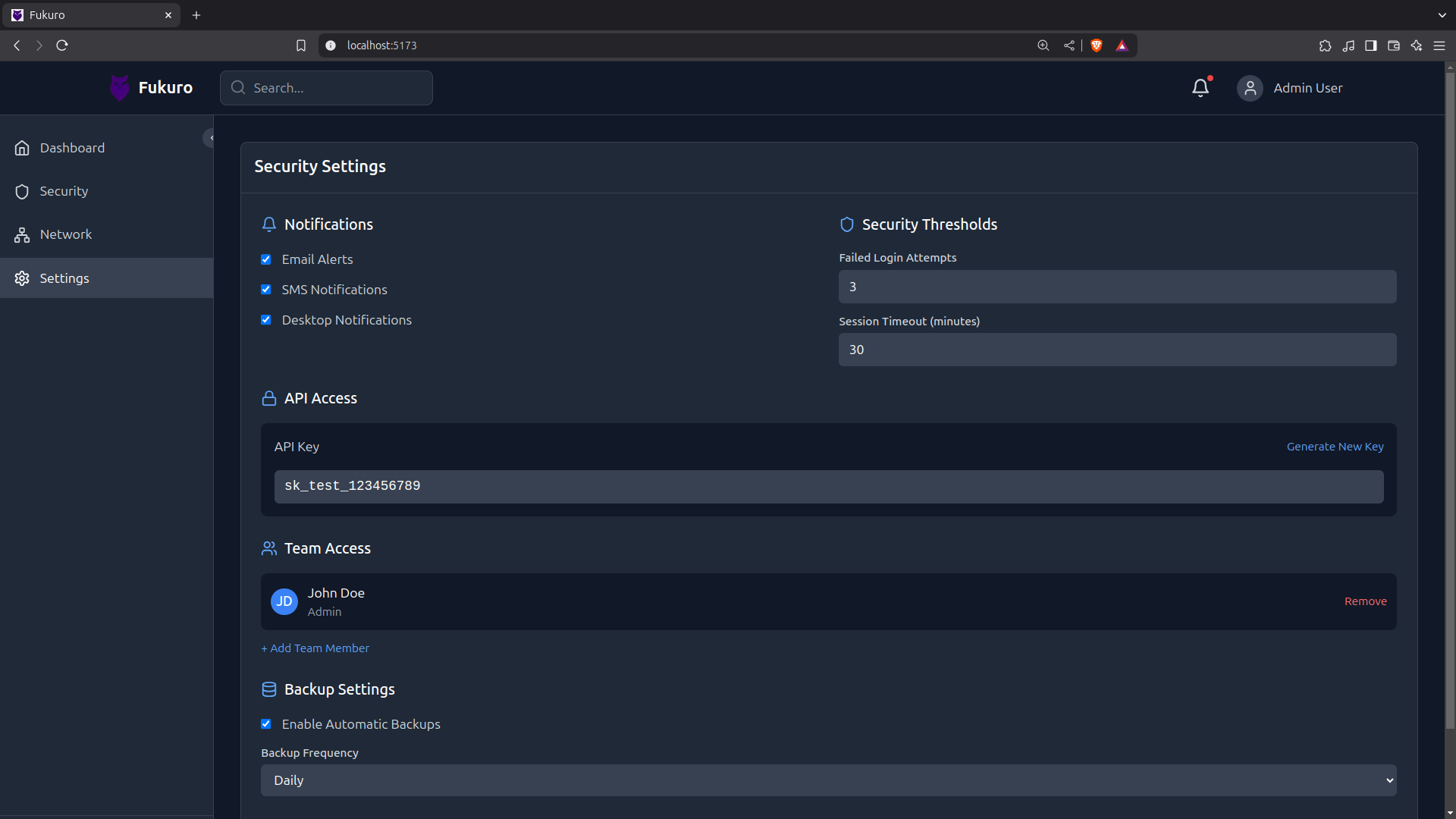
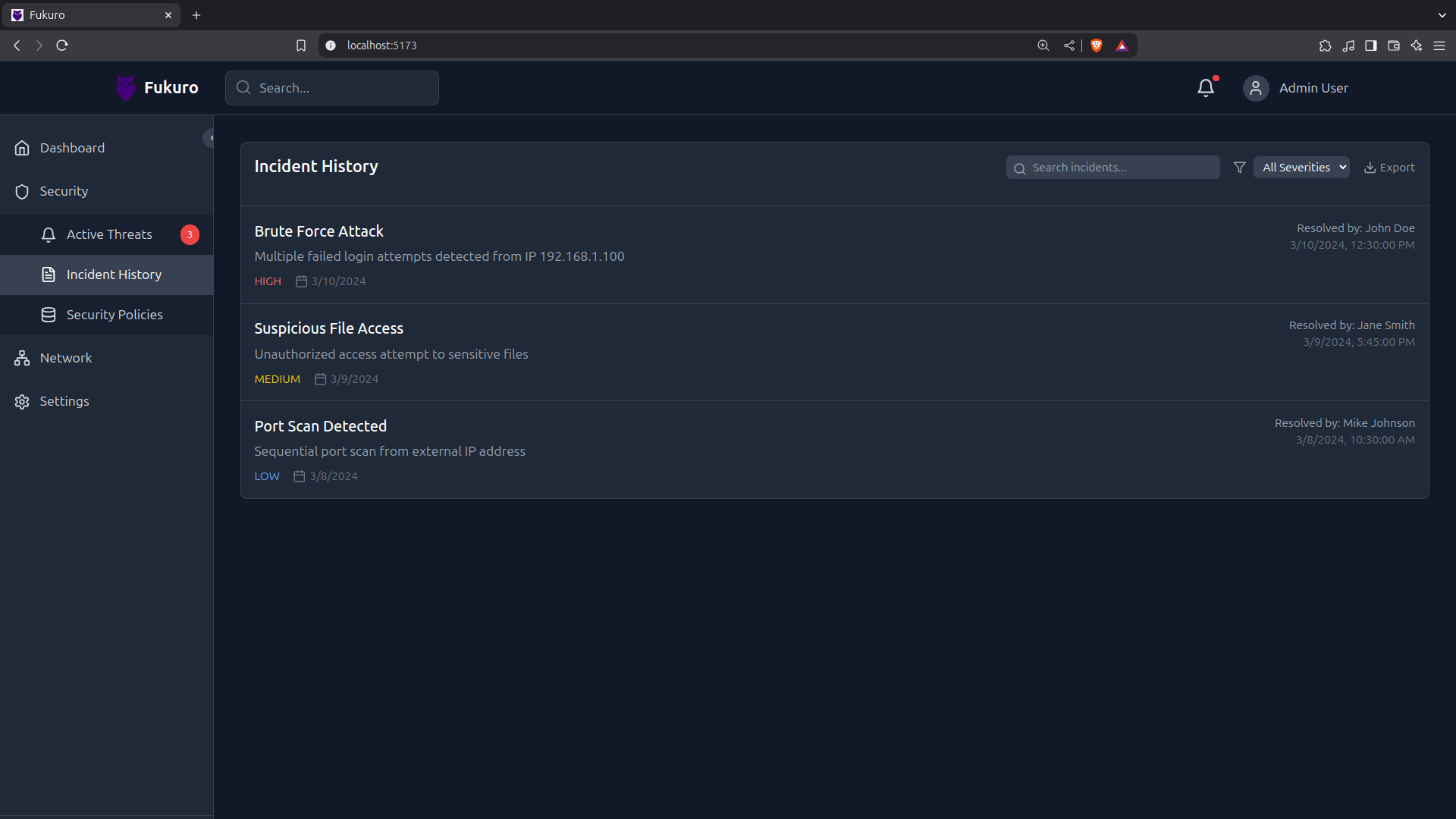
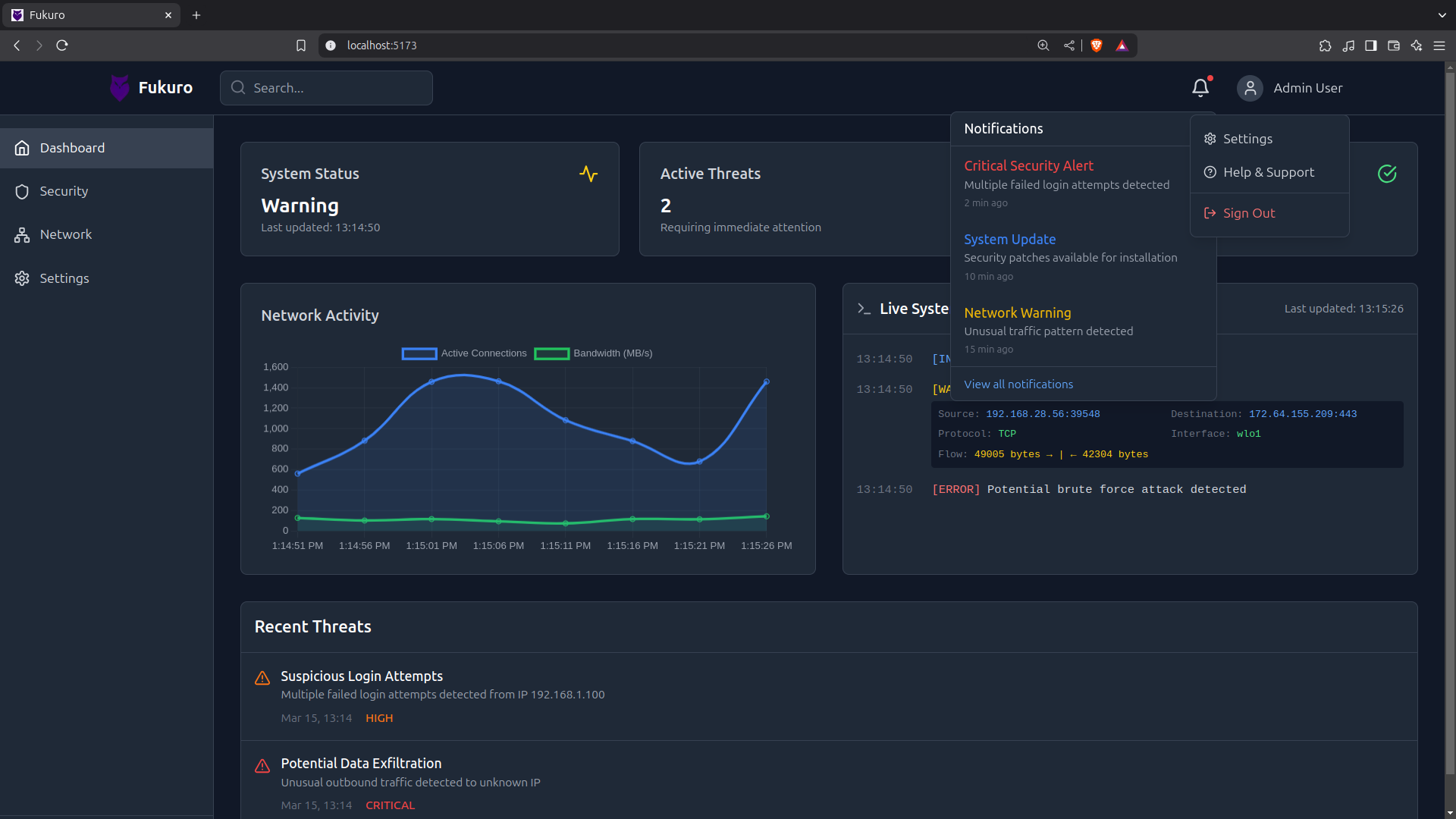
- A security dashboard for visualizing threats, ensuring faster and more informed decision-making.
How It Aligns with UN SDGs
Fukuro contributes to a safer, more resilient digital world, aligning with key Sustainable Development Goals (SDGs):
- SDG 8 (Decent Work & Economic Growth): Protects businesses from cyber threats, ensuring secure digital economies.
- SDG 9 (Industry, Innovation & Infrastructure): Enhances cybersecurity in critical infrastructure, supporting innovation.
- SDG 16 (Peace, Justice & Strong Institutions): Strengthens governance by preventing cybercrime and securing sensitive data.
How We Built It
Fukuro is designed with modularity and scalability in mind:
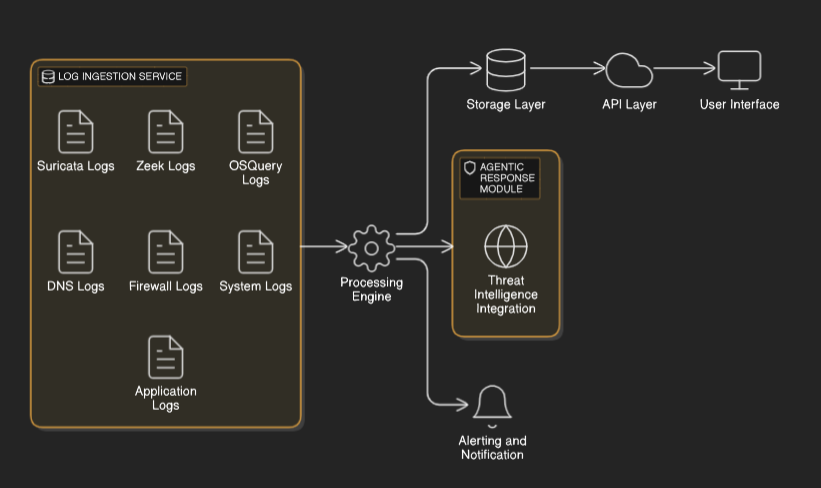
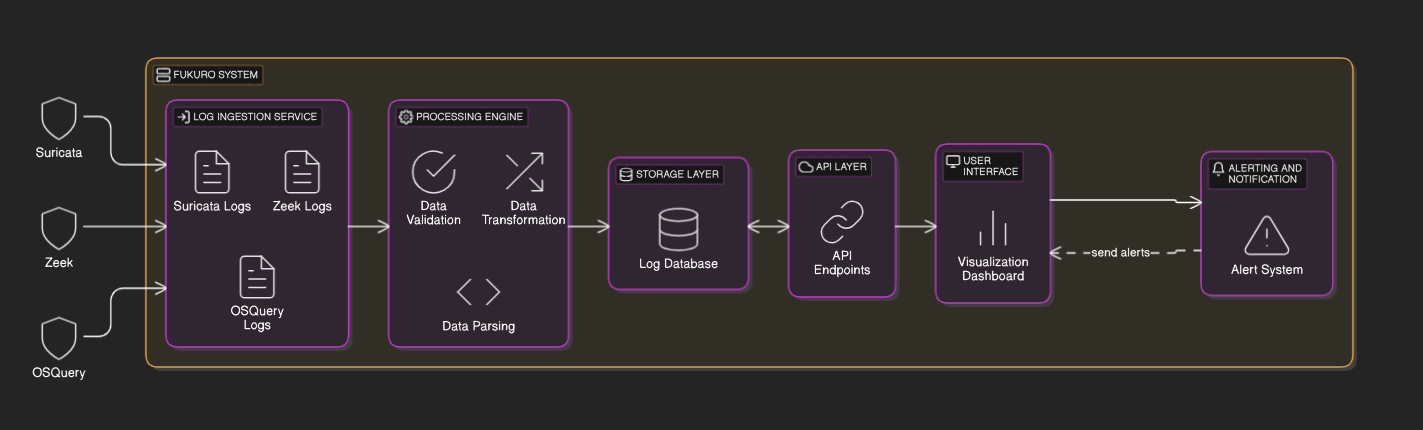
- Backend: FastAPI for handling security log ingestion and processing.
- AI Models: GPT-4/Mistral-7B for NLP-based log analysis and an Isolation Forest model for anomaly detection.
- Security Integrations: Zeek (network monitoring), Suricata (intrusion detection), OSQuery (endpoint visibility).
- Database: PostgreSQL for structured security event storage.
- Frontend: React-based dashboard for intuitive threat visualization.
- Deployment: Docker + Kubernetes for cloud-ready, scalable deployment.
Challenges We Ran Into
- Balancing speed and accuracy: AI models must be optimized for real-time threat detection.
- Handling diverse security logs: Standardizing different log formats (Zeek, Suricata, OSQuery) was crucial.
- Reducing false positives: Fine-tuning models to improve accuracy and minimize unnecessary alerts.
Accomplishments That We're Proud Of
- Successfully built an AI-powered cybersecurity assistant that enhances threat detection and response.
- Developed a real-time security dashboard with clear, AI-generated insights.
- Automated key security workflows, reducing manual effort for security teams.
What We Learned
- AI-powered cybersecurity must combine NLP and structured anomaly detection for accuracy.
- Standardizing security logs is critical for effective AI analysis.
- Automation is key—AI can enhance, not replace human security expertise.
What's Next for Fukuro
- Expanded AI capabilities: Integrating cybersecurity-focused AI models (e.g., Microsoft CyberThreat-Detector).
- Advanced automation: Deeper integrations with SOAR (Security Orchestration, Automation, and Response) tools.
- Cloud optimization: Deploying on AWS, Google Cloud, and Azure for scalability.
- Open-source collaboration: Engaging cybersecurity researchers to enhance Fukuro’s threat detection capabilities.
Fukuro is a next-generation AI-powered cybersecurity assistant, designed to empower organizations, enhance cyber resilience, and secure the digital world.

Log in or sign up for Devpost to join the conversation.