-
-
dashboard
-
Interaction
-
-
System
-
-
-
-
-
-
-
-




Inspiration
Cybersecurity threats are becoming more sophisticated, and traditional security systems often struggle to detect emerging attack patterns in real time. Security teams are overwhelmed with thousands of alerts daily, many of which are false positives, leading to fatigue and delayed responses. Fukuro was built to address these challenges by integrating AI into the cybersecurity workflow, allowing for more efficient detection, analysis, and response to threats.
The name Fukuro, which means "owl" in Japanese, represents the core principles of this project—wisdom, vigilance, and the ability to see what others miss. Just as an owl can detect movements in the dark, Fukuro is designed to detect threats hidden within vast amounts of security data.
What It Does
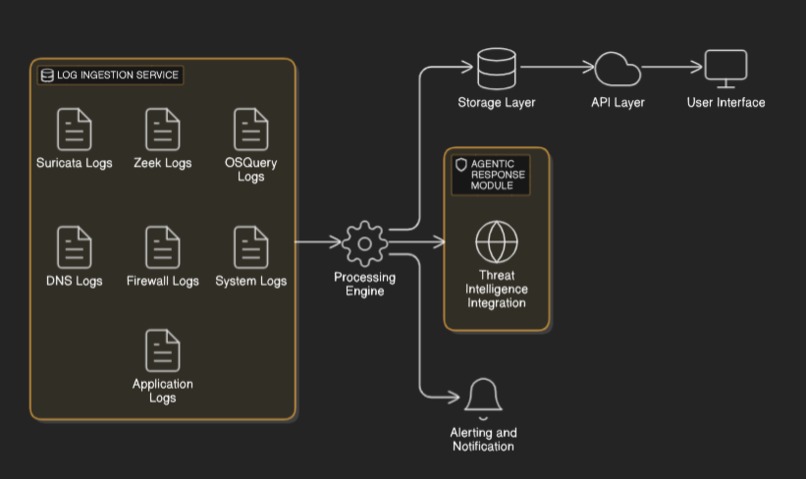
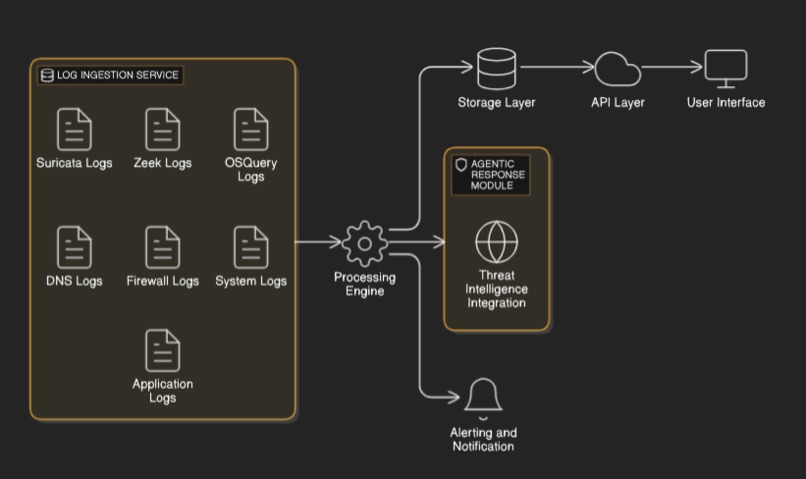
Fukuro is an AI-driven cybersecurity platform designed to monitor, analyze, and respond to security threats in real time. The system integrates with widely used security tools such as Zeek, Suricata, and OSQuery to collect logs and network activity data. These logs are then processed using a hybrid AI approach that combines natural language processing (NLP) with anomaly detection.
Fukuro provides:
- Real-time log ingestion from multiple security monitoring tools.
- AI-driven log analysis using pre-trained large language models (GPT-4/Mistral) to classify events and detect potential threats.
- Anomaly detection using a pre-trained Isolation Forest model to identify unusual behaviors that could indicate a cyberattack.
- Automated security response to mitigate threats by taking actions such as quarantining compromised machines, blocking malicious IP addresses, and alerting administrators.
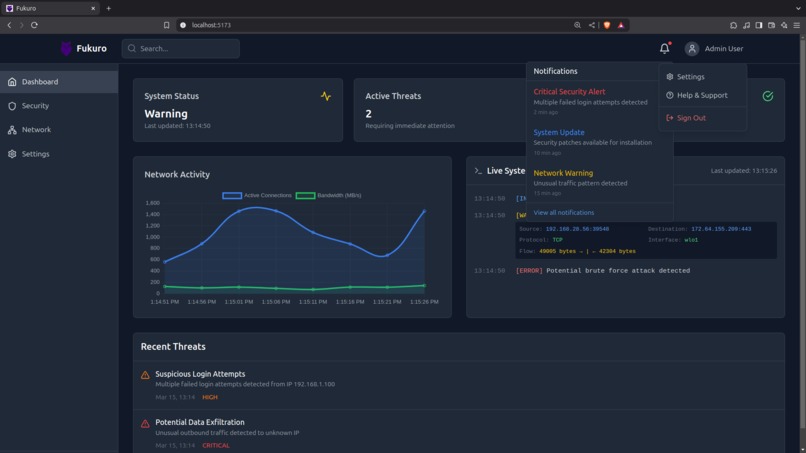
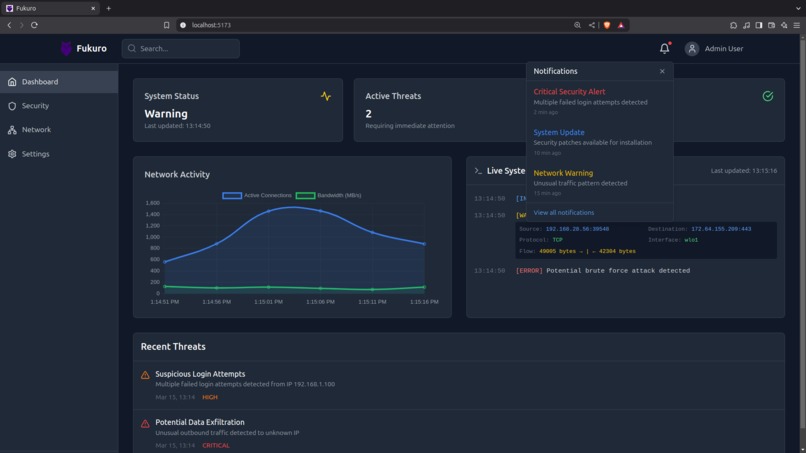
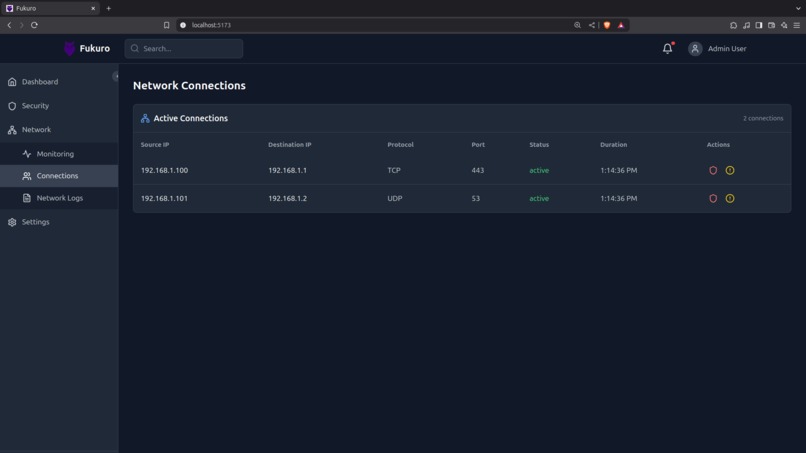
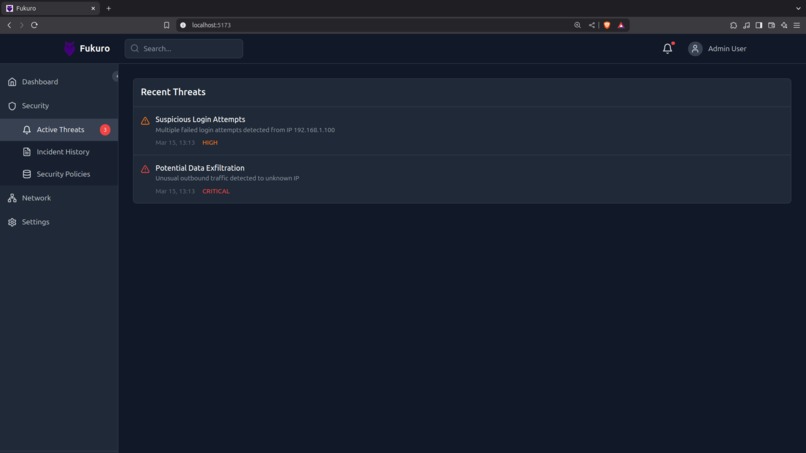
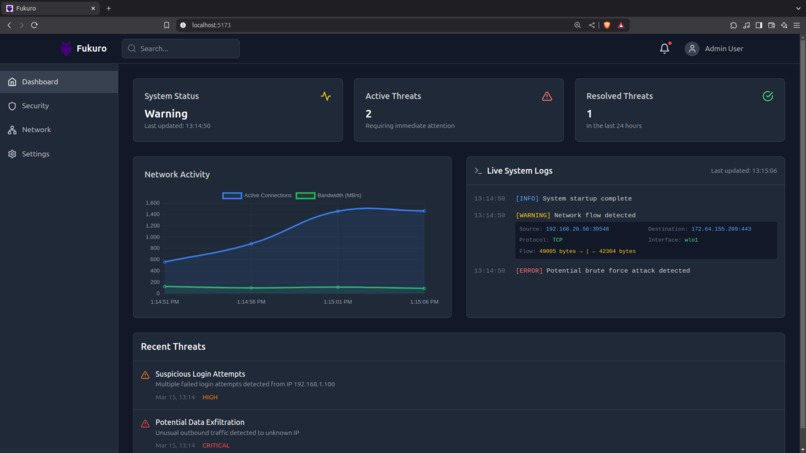
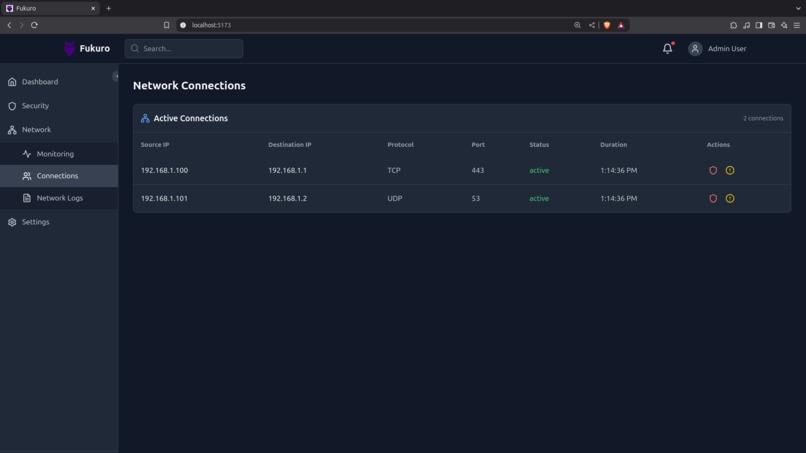
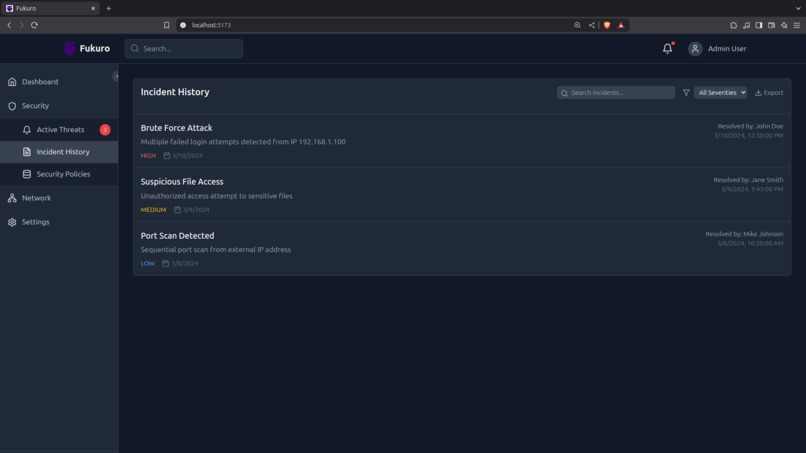
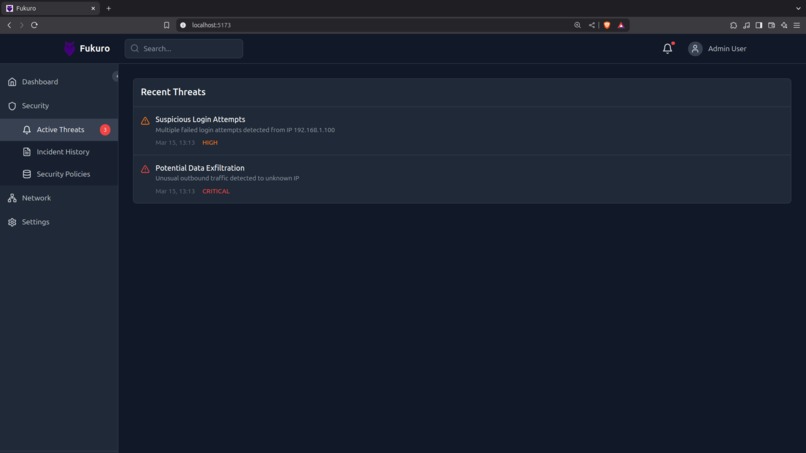
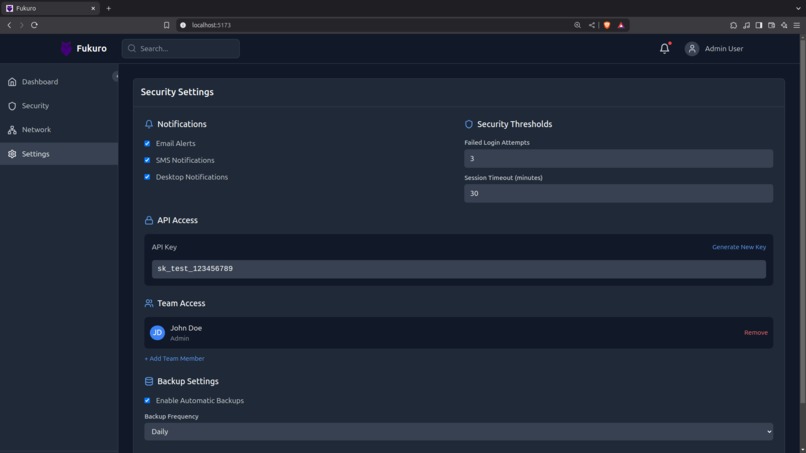
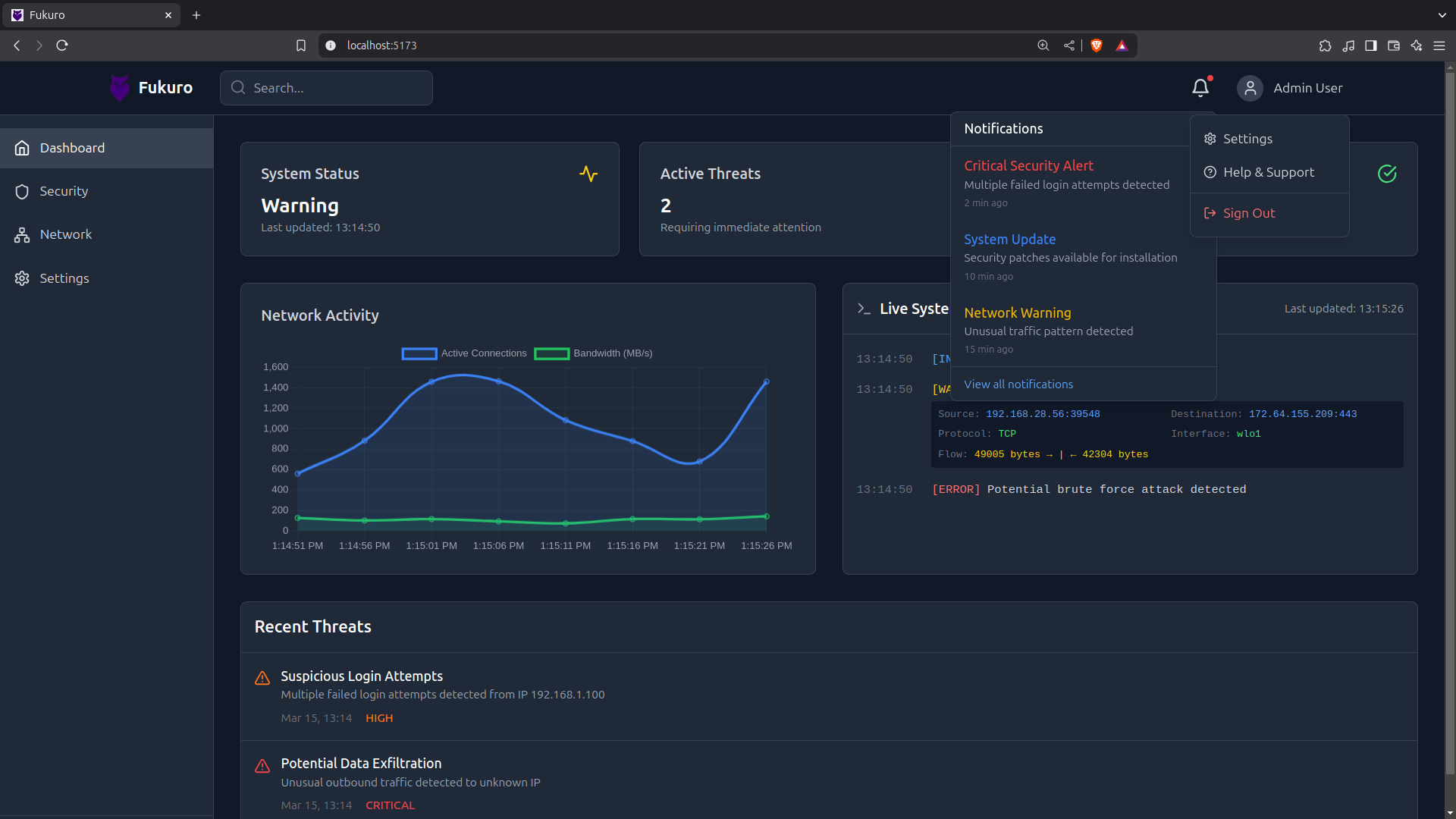
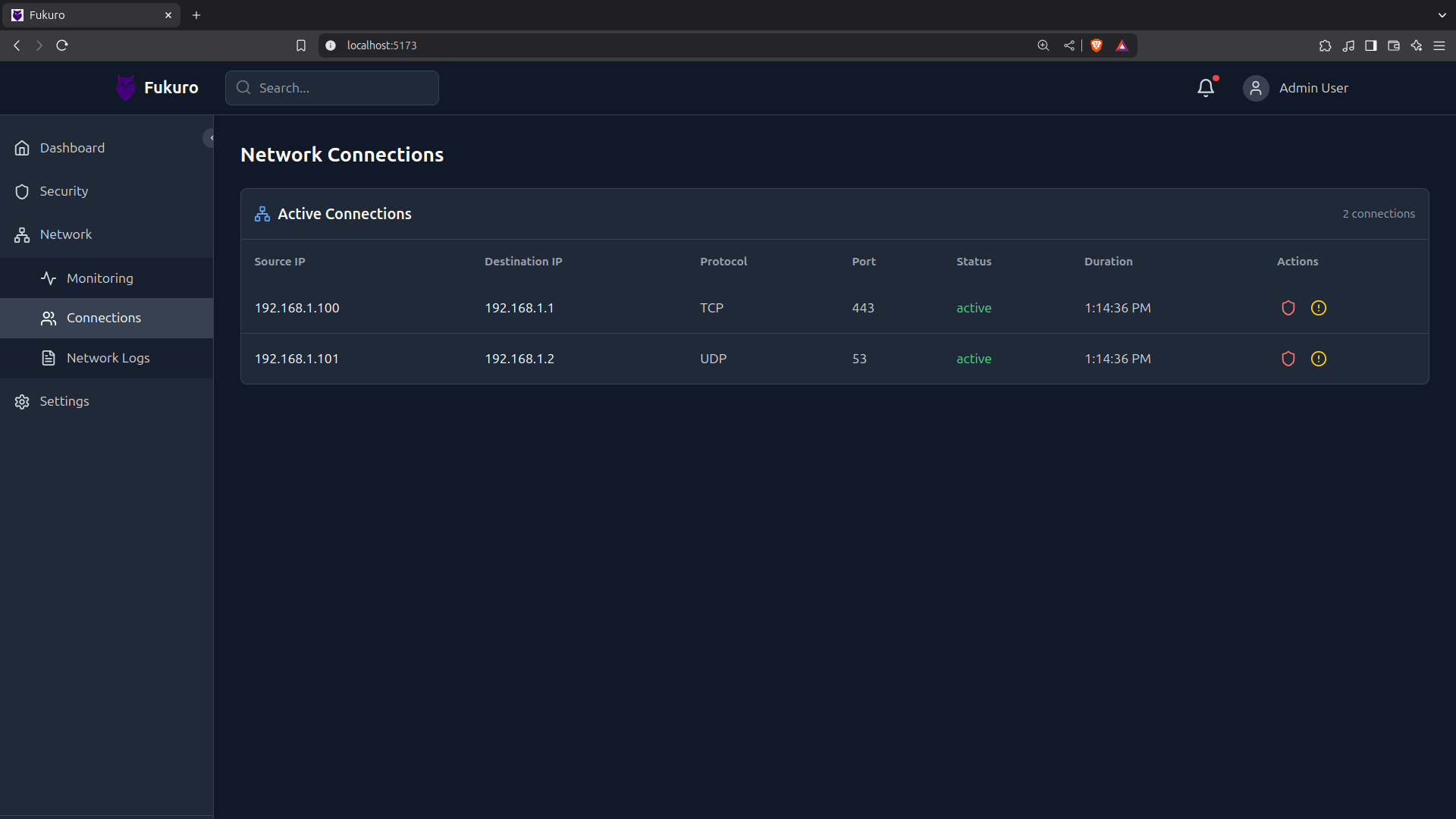
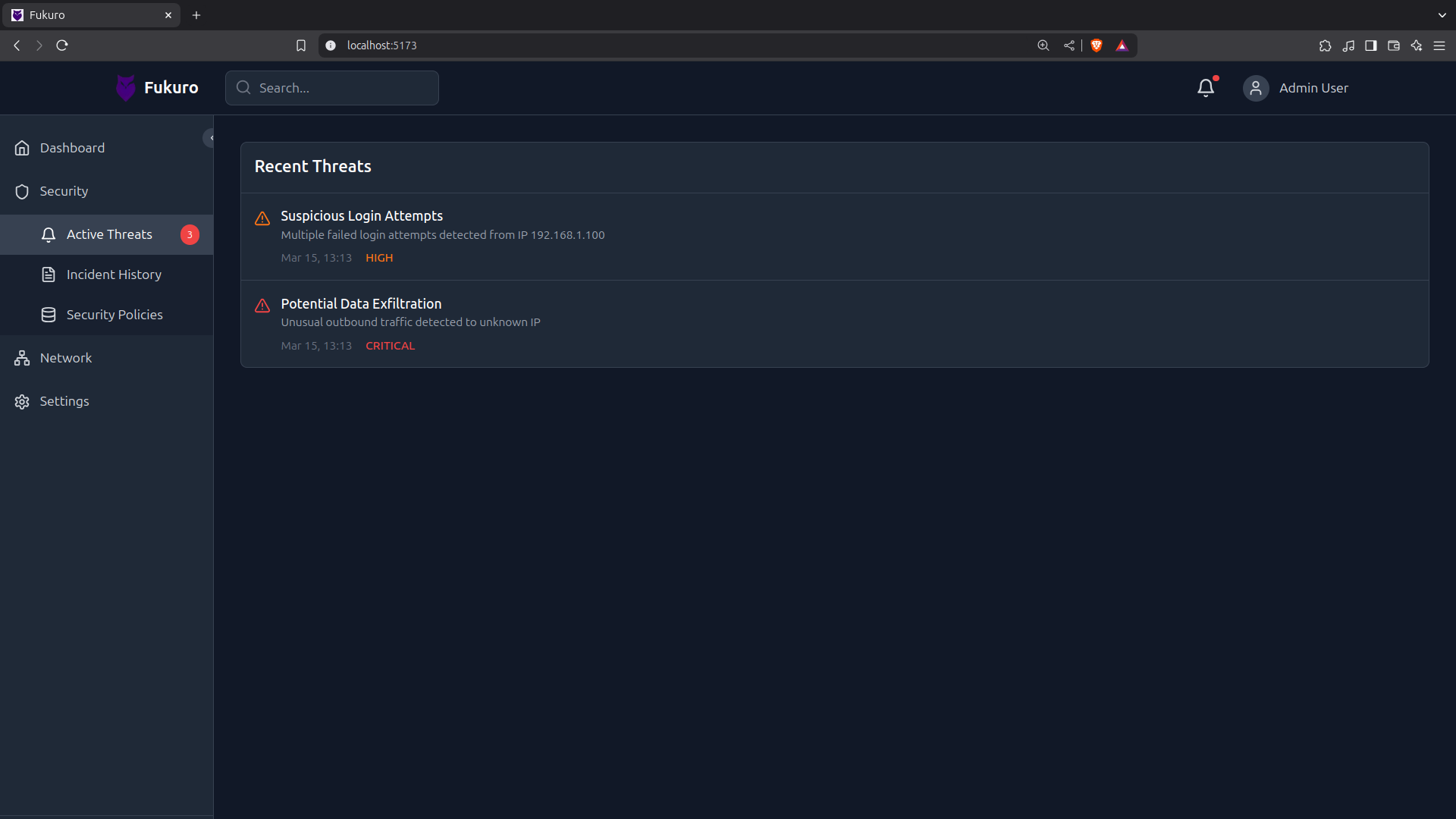
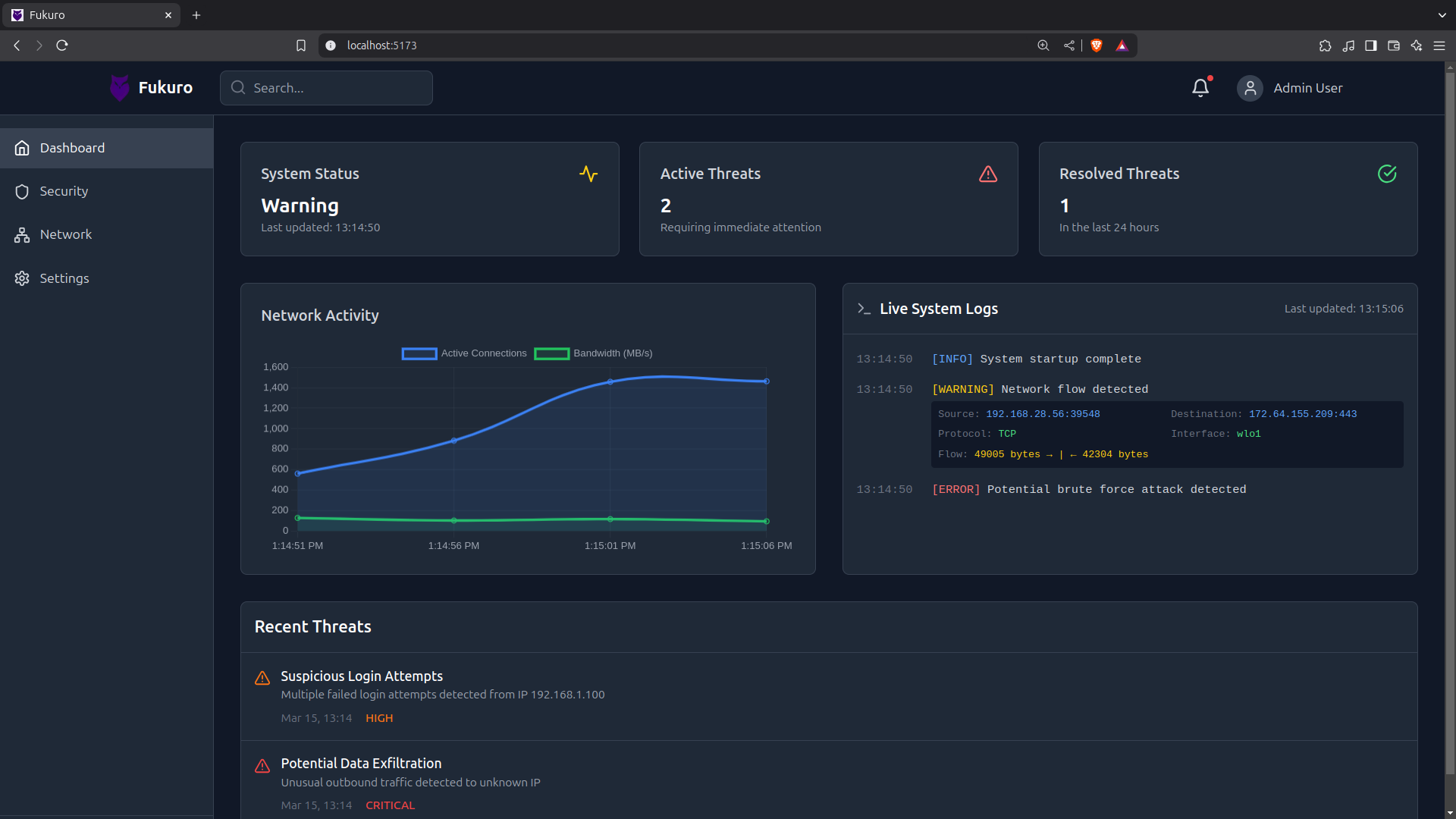
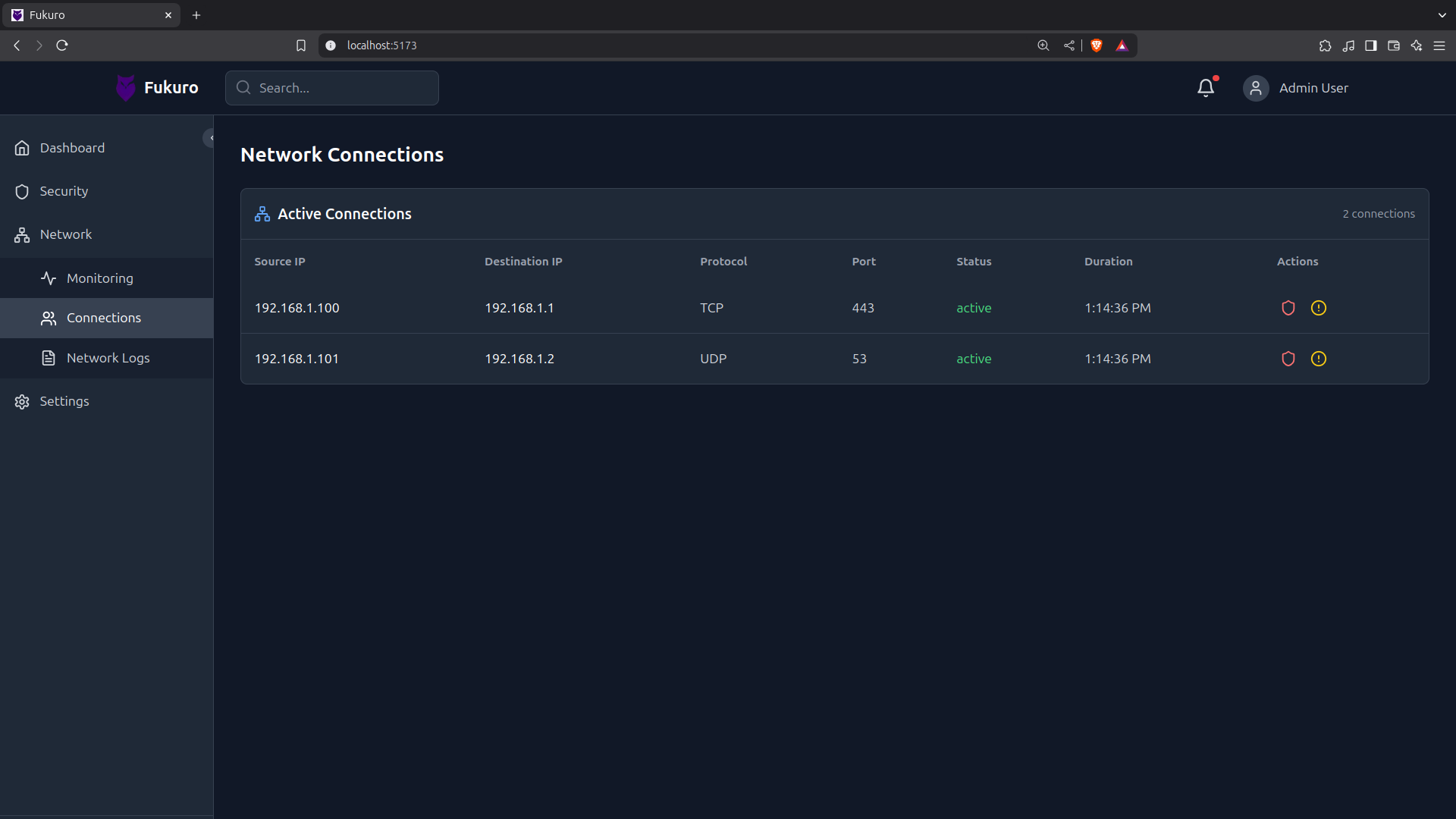
- A security dashboard that provides a clear and interactive visualization of threats, allowing security teams to investigate incidents efficiently.
How We Built It
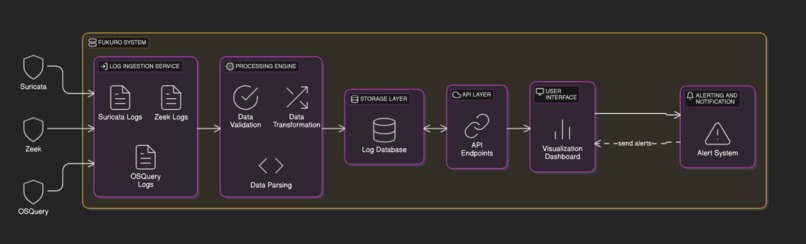
Fukuro is built using a modular and scalable architecture to ensure high performance and adaptability. The core components include:
- Backend: FastAPI for handling API requests, log ingestion, and processing. The backend serves as the central hub where security data is received, analyzed, and acted upon.
- AI Models: OpenAI’s GPT-4 and Mistral-7B are used for log analysis, extracting critical insights from security logs. For structured anomaly detection, a pre-trained Isolation Forest model is used to detect statistical deviations in network traffic and system behavior.
- Security Tool Integrations: Fukuro is designed to work with existing security frameworks, specifically Zeek for network monitoring, Suricata for intrusion detection, and OSQuery for endpoint visibility. These tools provide real-time log data, which is fed into the AI models for analysis.
- Database: PostgreSQL stores logs, security events, and analysis results, allowing for historical investigation and trend analysis.
- Frontend: A React-based web interface that displays threat intelligence in an intuitive manner. The dashboard allows security teams to review AI-generated insights, visualize anomalies, and trigger manual responses when necessary.
- Deployment: The system is containerized using Docker and designed to be deployable in cloud environments using Kubernetes, ensuring scalability and reliability.
Challenges We Ran Into
One of the biggest challenges was balancing speed and accuracy when analyzing logs. Large language models like GPT-4 are excellent at extracting meaningful insights from unstructured text, but they can be computationally expensive. We had to optimize how logs are processed to maintain real-time performance without overloading system resources.
Another challenge was dealing with high volumes of security logs from different sources. Each tool (Zeek, Suricata, OSQuery) generates logs in different formats, and standardizing them for AI analysis required custom parsers and pre-processing techniques.
Ensuring low false positive rates was another key issue. AI-based detection systems must be fine-tuned to avoid overwhelming security teams with unnecessary alerts while still catching real threats. We refined our anomaly detection model by testing it against real-world cybersecurity datasets.
Finally, we had to streamline the automation of incident response. While taking immediate action (such as blocking a suspicious IP) is useful, we also needed to ensure that Fukuro provided enough context and reasoning for human security teams to validate AI-generated recommendations before taking action.
Accomplishments That We're Proud Of
We successfully built a fully operational AI-powered cybersecurity backend within a short timeframe. The integration of both NLP-based log analysis and anomaly detection allows Fukuro to detect a wider range of threats compared to traditional rule-based security systems.
Another major accomplishment is the real-time security dashboard, which presents AI-generated insights in a way that is easy to understand and act upon. Security professionals can see anomalies as they happen, get AI-driven explanations, and trigger immediate responses.
We’re also proud of how Fukuro automates the cybersecurity workflow, reducing the manual effort required to investigate and mitigate threats. By integrating with existing security tools, it enhances—not replaces—current security infrastructures, making it a practical solution for real-world deployment.
What We Learned
Building Fukuro gave us a deeper understanding of the challenges in AI-powered cybersecurity. We learned that while AI models like GPT-4 and Mistral are powerful at understanding log data, they must be combined with structured anomaly detection techniques to provide robust threat detection.
We also gained experience in optimizing AI pipelines to handle real-time security data efficiently. Working with security logs from Zeek, Suricata, and OSQuery showed us how log formats vary and why standardization is crucial for effective AI analysis.
Another key takeaway was the importance of automation in cybersecurity. Threats evolve too quickly for manual security operations to keep up, so automating response mechanisms—while still allowing human oversight—is critical for modern security strategies.
What's Next for Fukuro
While Fukuro is already a powerful cybersecurity tool, we have several improvements in mind:
- Expanding AI Model Capabilities: We plan to integrate more specialized cybersecurity AI models, such as Microsoft’s CyberThreat-Detector and IBM Watson’s security intelligence models.
- Enhanced Incident Response Actions: Future updates will include deeper integrations with security orchestration tools (SOAR) to allow more complex automated responses.
- Scalability and Cloud Optimization: We aim to optimize Fukuro for cloud-native environments, making it deployable on AWS, Google Cloud, and Azure with auto-scaling capabilities.
- Community Collaboration and Open Source Contributions: We plan to open-source Fukuro, allowing cybersecurity researchers and developers to contribute and improve its threat detection capabilities.
Fukuro is designed to be a next-generation AI-powered cybersecurity assistant, helping organizations stay ahead of evolving threats with smarter, faster, and more efficient security automation. Our goal is to continue refining and expanding the platform so that it becomes a trusted tool for security teams worldwide.
Built With
- alembic
- docker
- fastapi
- npm
- osquery
- postgresql
- python
- react
- suricata
- zeek


Log in or sign up for Devpost to join the conversation.