Inspiration
We wanted to explore how computer vision can help with the alignment challenges faced in Free-Space Optical Communication (FSOC).
What it does
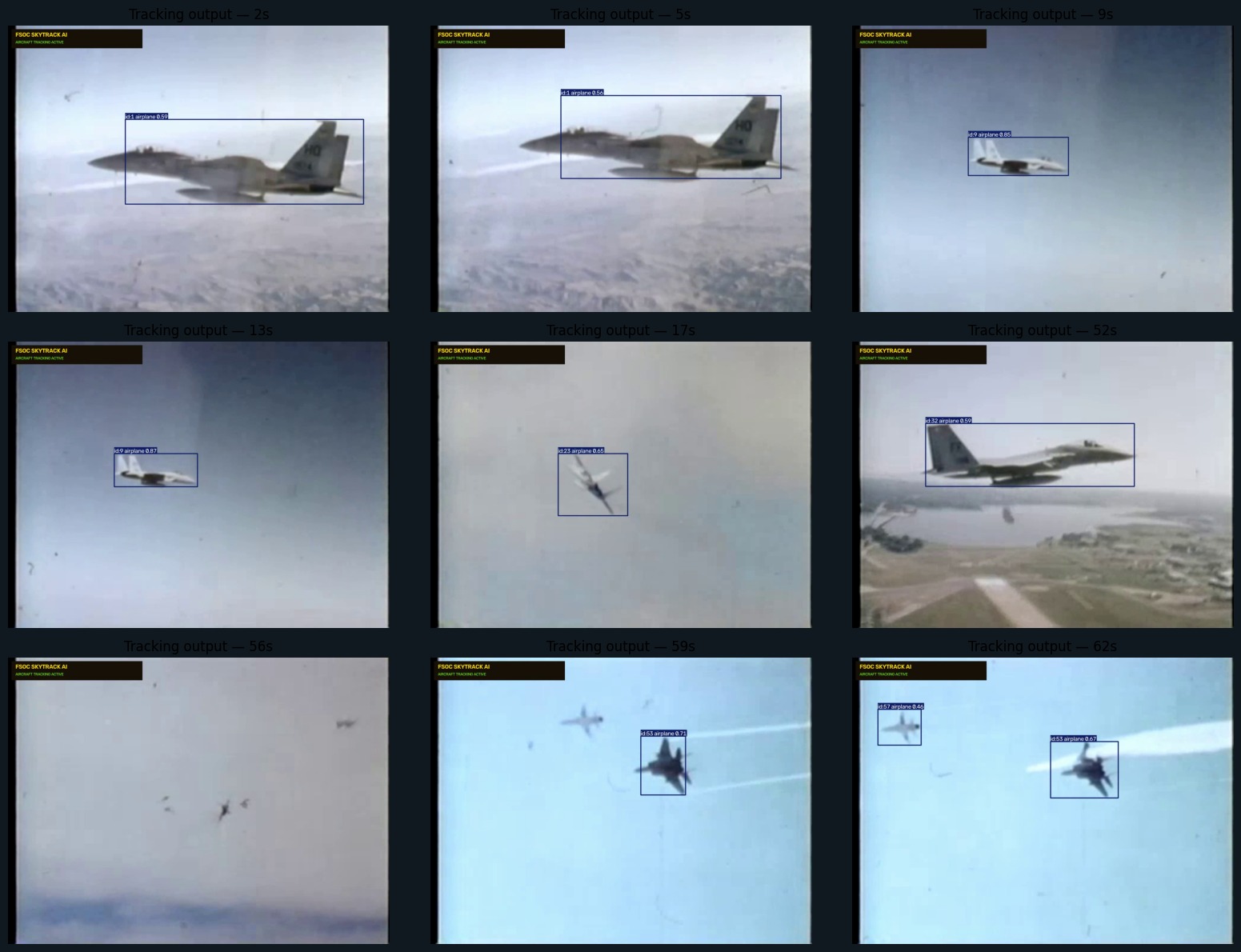
- Provides a virtual environment to explore camera tracking and coarse alignment for FSOC terminals.
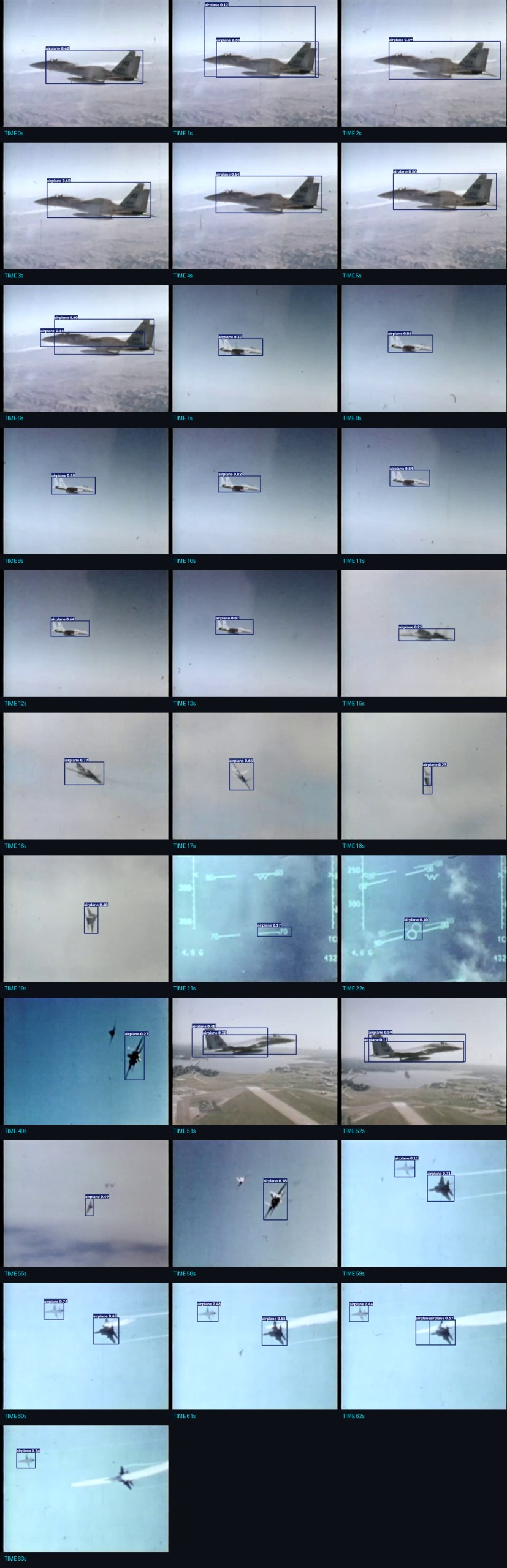
- Uses computer vision concepts to detect and track targets.
- Displays trajectory graphs and tracking performance metrics.
- Checks experimental data for errors and unusual results using an evidence auditor. -Includes an AI Copilot powered by an NVIDIA AI model to help analyze project results and answer technical questions.
- Provides a dashboard to view mission information and system architecture.
How we built it
- Built the frontend using React and Vite and the backend using Python and FastAPI.
- Added trajectory graphs, performance analysis, an evidence auditor, and an AI Copilot.
Challenges we ran into
- Finding inconsistencies in experimental results.
- Presenting tracking performance clearly and accurately.
- Preparing the application for deployment and AI integration.
Accomplishments that we're proud of
-We built a working web application for our FSOC tracking project. -We created a dashboard to view tracking results and trajectory graphs. -We added an evidence auditor to check experimental data for errors or unusual results. -We also developed an AI Copilot to help understand the project results.
What we learned
-We learned how computer vision can be used for target tracking. -We gained experience working with React, Python, and FastAPI. -We understood how to analyze tracking results and identify errors in experimental data. -We learned how to connect different components to build a complete application.
What's next for FSOC SKYTRACK AI
- We plan to deploy the application so others can try it.
- We want to integrate and test the live AI model using Nebius.
- We plan to improve tracking analysis and target reacquisition.
- We also want to test the system with more trajectories and experimental data.


