-
-
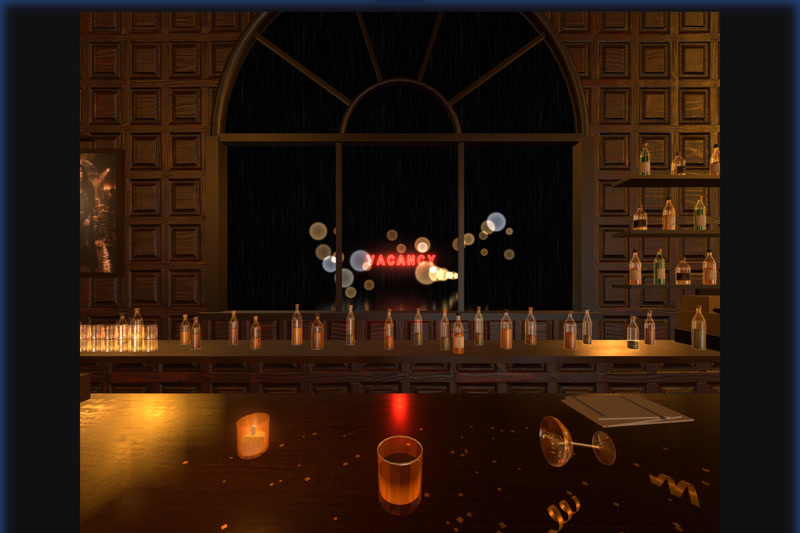
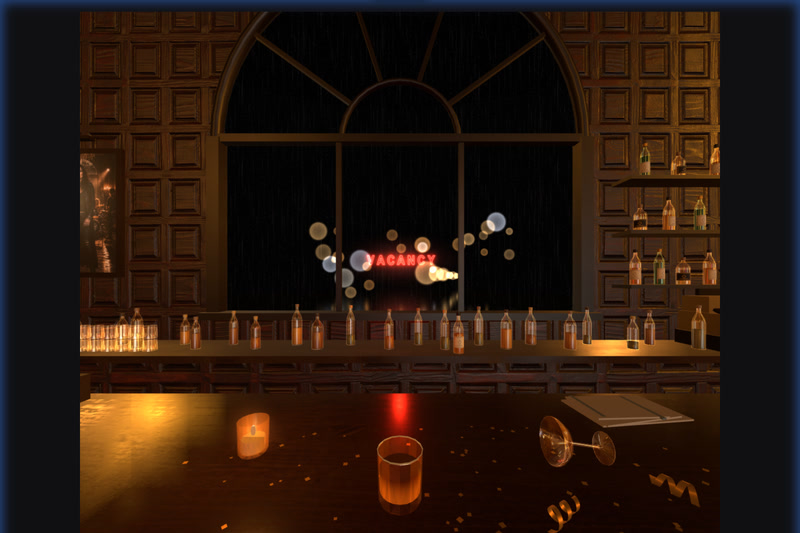
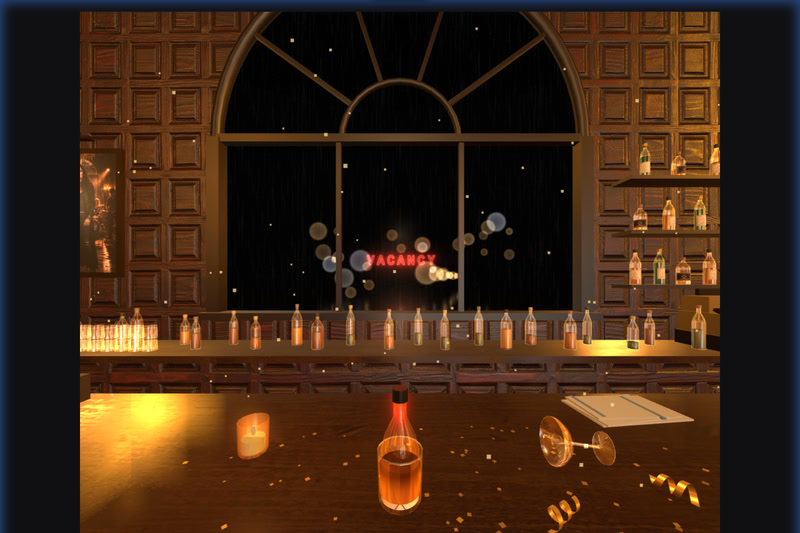
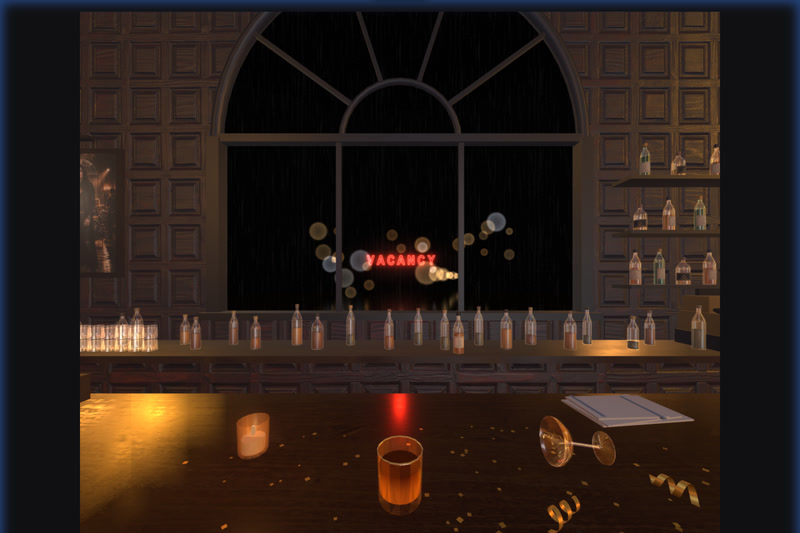
Closing time. Rain on the arched window, a VACANCY sign across the street, and a glass of bourbon waiting on the bar.
-
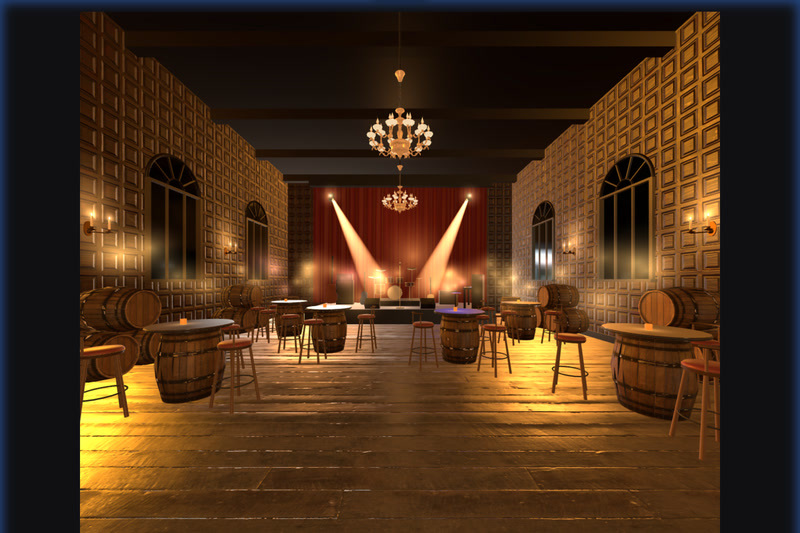
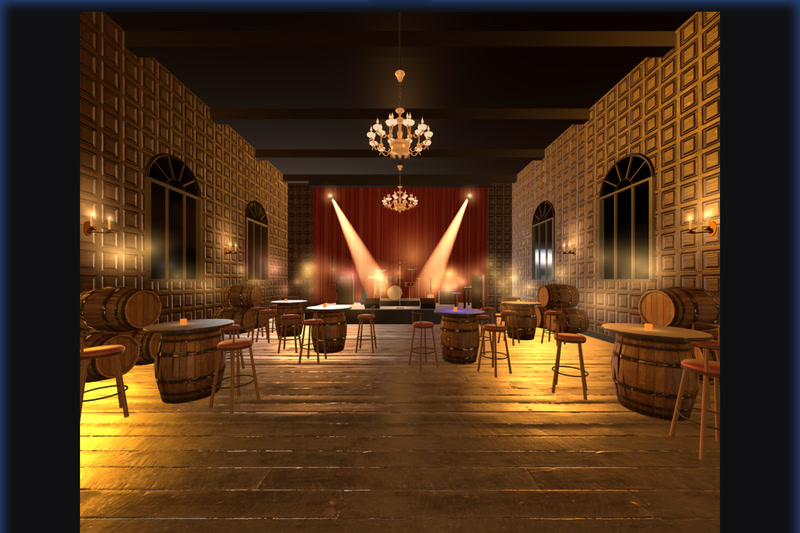
The first line. The chandeliers come on and the hall behind you fills with gold.
-
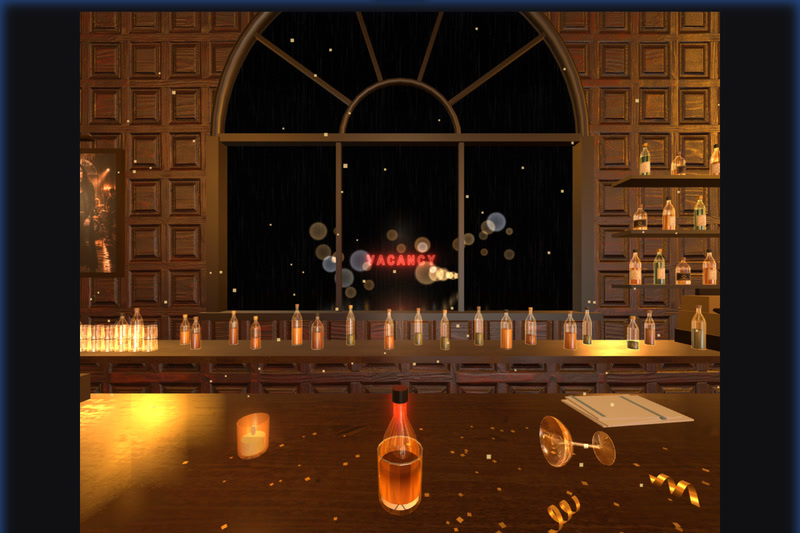
“I’ve been poured for the good news.” A bottle lifts off the back bar and pours into your glass.
-
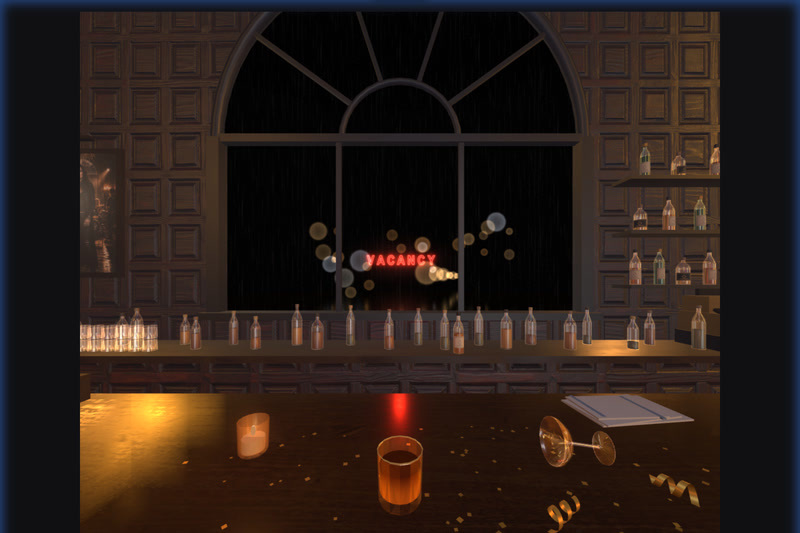
The second verse. The room goes cold and quiet, and the phone on the bar buzzes face-down.
-
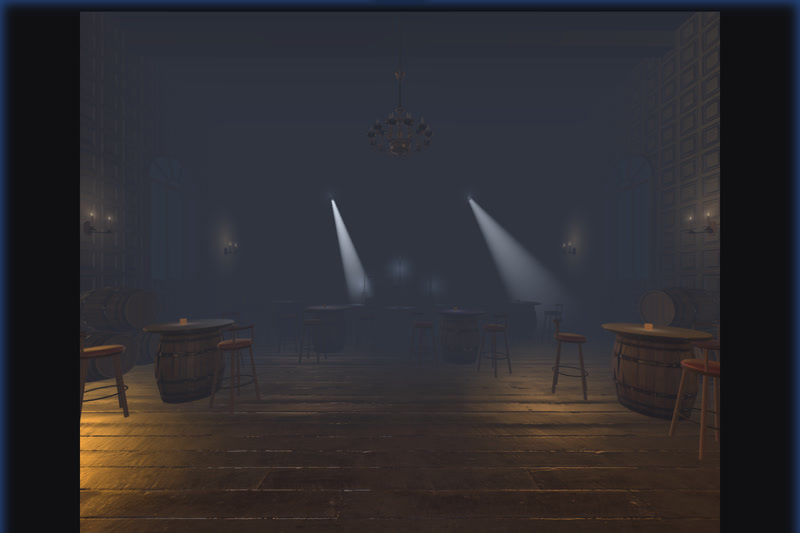
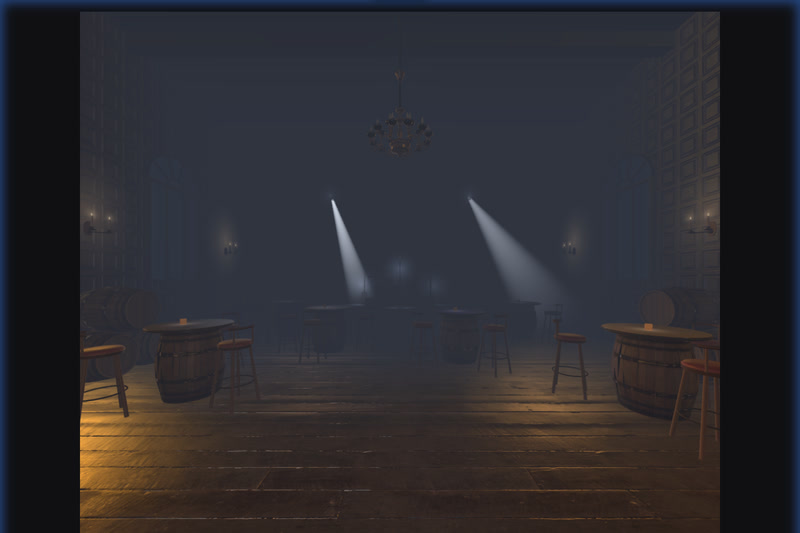
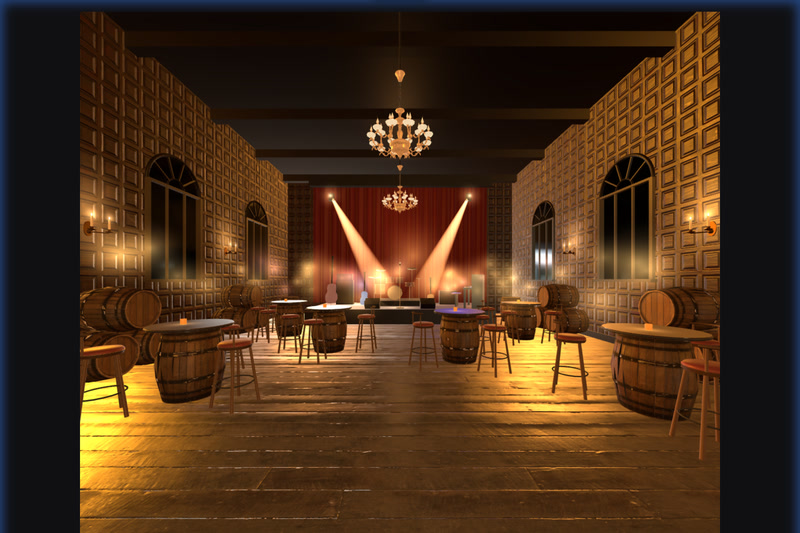
The lonely hall. Fog closes in, and the stage spots wander over empty tables.
-
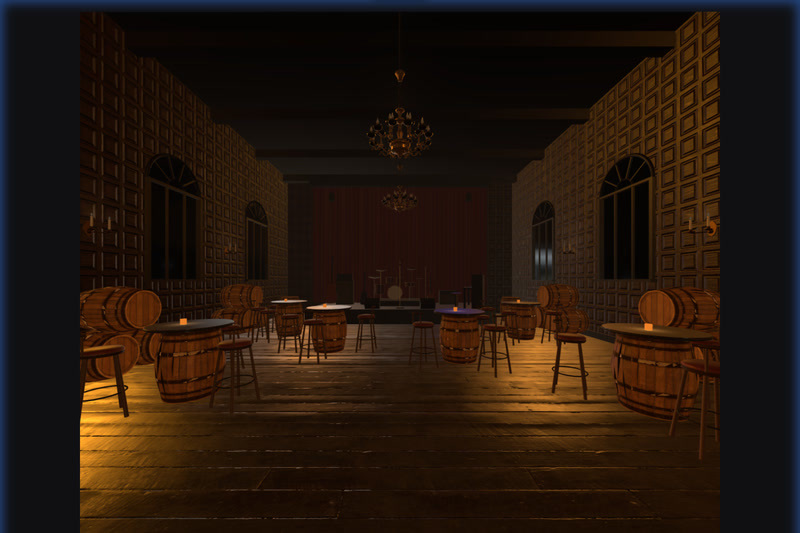
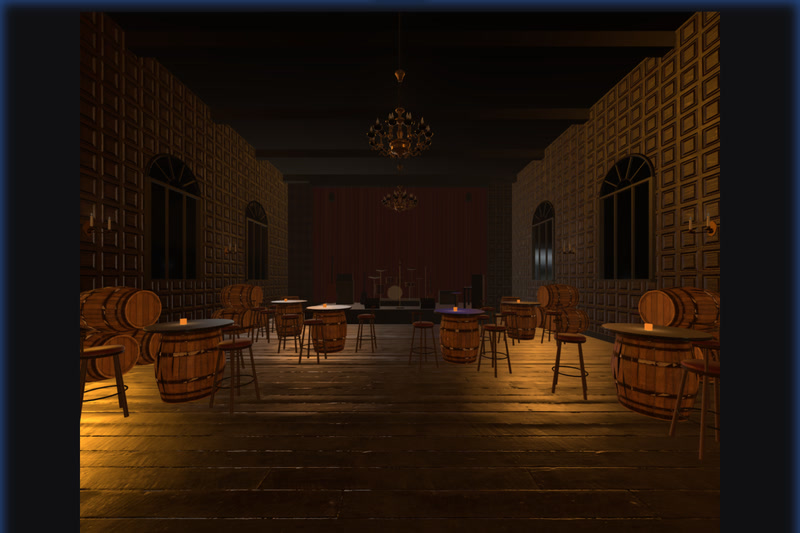
“Patience in the dark.” The lights go out and the barrels along the walls glow from within.
-
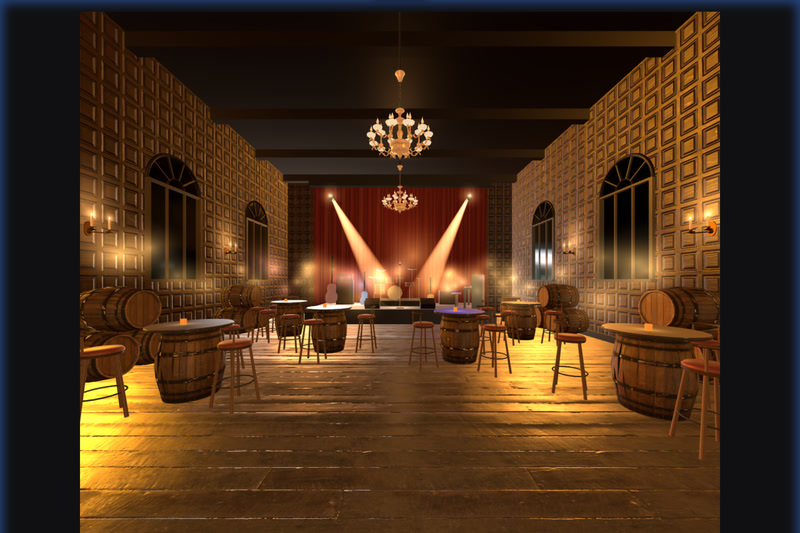
The final chorus. Nobody is on stage, but every instrument lights up when its part plays.
Inspiration
From Where I Was is an album where every song is told by an object that has watched people live their lives: a glass of bourbon, a neon sign, a worn ring, a house, a pair of headlights. I wrote the lyrics from each object's point of view, and I kept wishing a listener could sit where the object sits and see what it saw. VR is the only place that can happen.
What it does
You sit at an old bar at closing time, under a tall arched window with rain on the glass. A glass of bourbon is in front of you. Pick it up and track one, "Between the Toast and the Fall", begins.
The room follows the song. The chandeliers flare on with the first line. The first chorus slowly dims a full, golden room into a cold and empty one; the second brings it back. For the quiet lines about "patience in the dark", the lights go out and the barrels along the walls glow from within.
In the choruses the glass decides. Raise it and you get the toast. Hold it low and you get the fall.
Nobody else is in the room, but it acts as if they were. Each instrument on the empty stage lights up while its own part is playing. On "I've been poured for the good news", a bottle lifts off the back bar and pours into your glass. On the bar top sit small things from the album's other songs, waiting to be picked up.
Hands first
Everything is done with bare hands, seated. You pinch the glass to pick it up, lift or lower it to change the room, and let go to set it down; it finds its own way back to the bar. Once you are seated there are no menus, no controllers and no walking.
How I built it
It is built with Meta's Immersive Web SDK and runs in the headset's browser. Most of the room is made in code. The wood, the floor, the chandelier and the barrels are free scanned assets from Poly Haven.
The song drives everything. I exported the stems from my track: the vocals-only stem gave the exact second each line is sung, and the instrument stems became loudness curves that light the stage.
How it was made, honestly
The lyrics and the concept are mine. The vocal is my own voice, cloned. The music was generated with Suno from a style guide I wrote. The artwork is mine, made by iterating with AI tools. The experience was built with an AI coding assistant, with me directing every decision about what the room should be.
Challenges
I had never used VR before this, and I built track one without a headset, in the browser emulator.
Timing was the hardest part. Guessing where each line fell from the full mix was wrong again and again, until the vocal stem fixed it.
Light kept making shapes I didn't intend. Two crossed stage beams looked like a Baphomet. A ring of light bars meant to feel like the inside of a barrel felt like a prison. The lonely verse was simply pitch black. Each had to be seen, named and redone.
What I learned
You can fill a room with people without showing one. Light, timing and a bottle that pours itself did more than a character would have.
What's next
Seven more songs, each with its own object and its own place in the same town: a motel, a pawn shop, a childhood home, an interstate, a storm cellar, a diner. And, in time, room at the bar for other people to sit down beside you.
Built With
- claude
- hand-tracking
- immersive-web-sdk
- meta-quest
- python
- suno
- three.js
- typescript
- vite
- webxr

Log in or sign up for Devpost to join the conversation.