



Inspiration
We wanted to combine the light-slinging hide-and-seek gameplay of Luigi's Mansion with the competitive, asymmetrical party game style of Crawl.
What it does
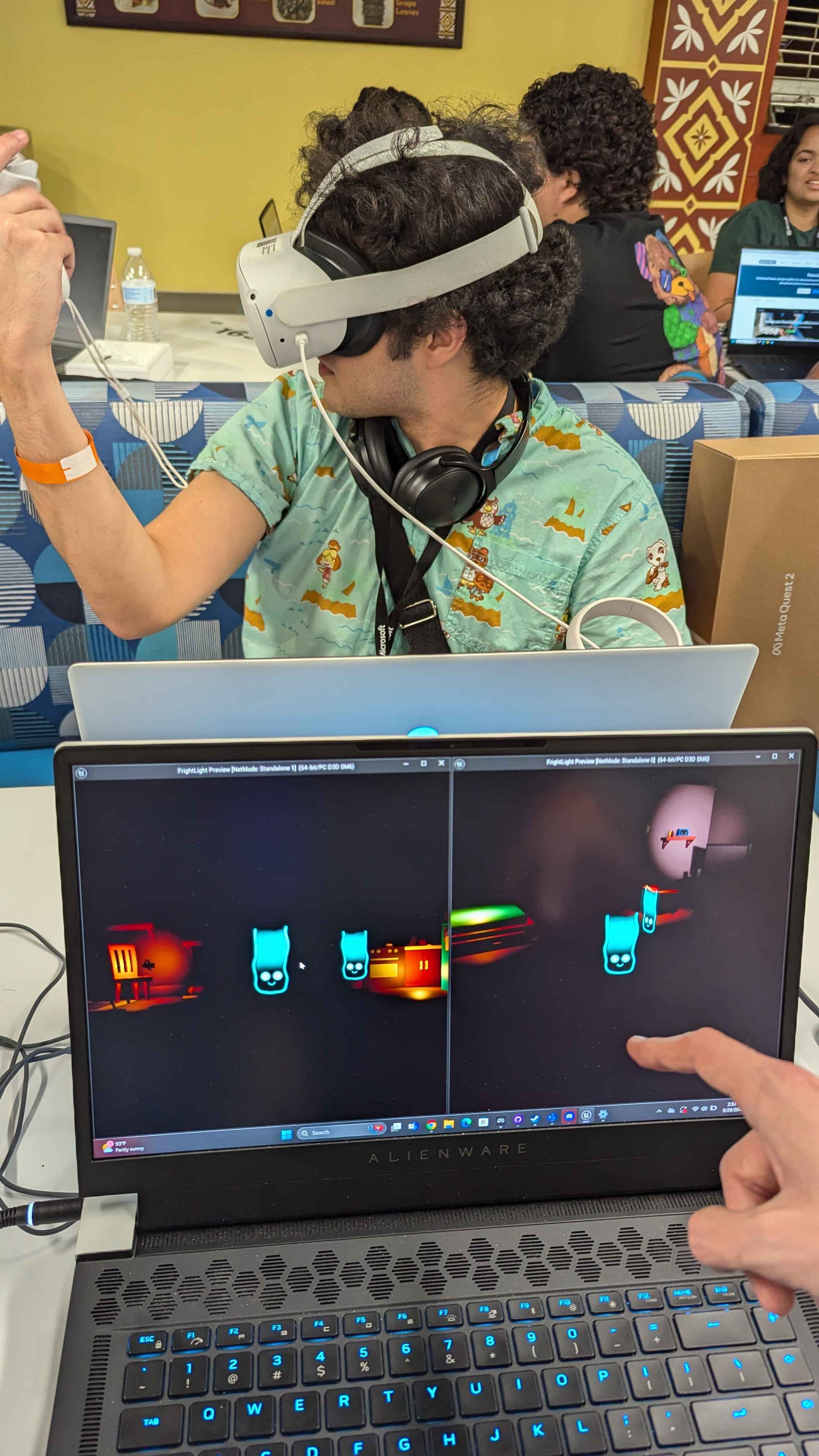
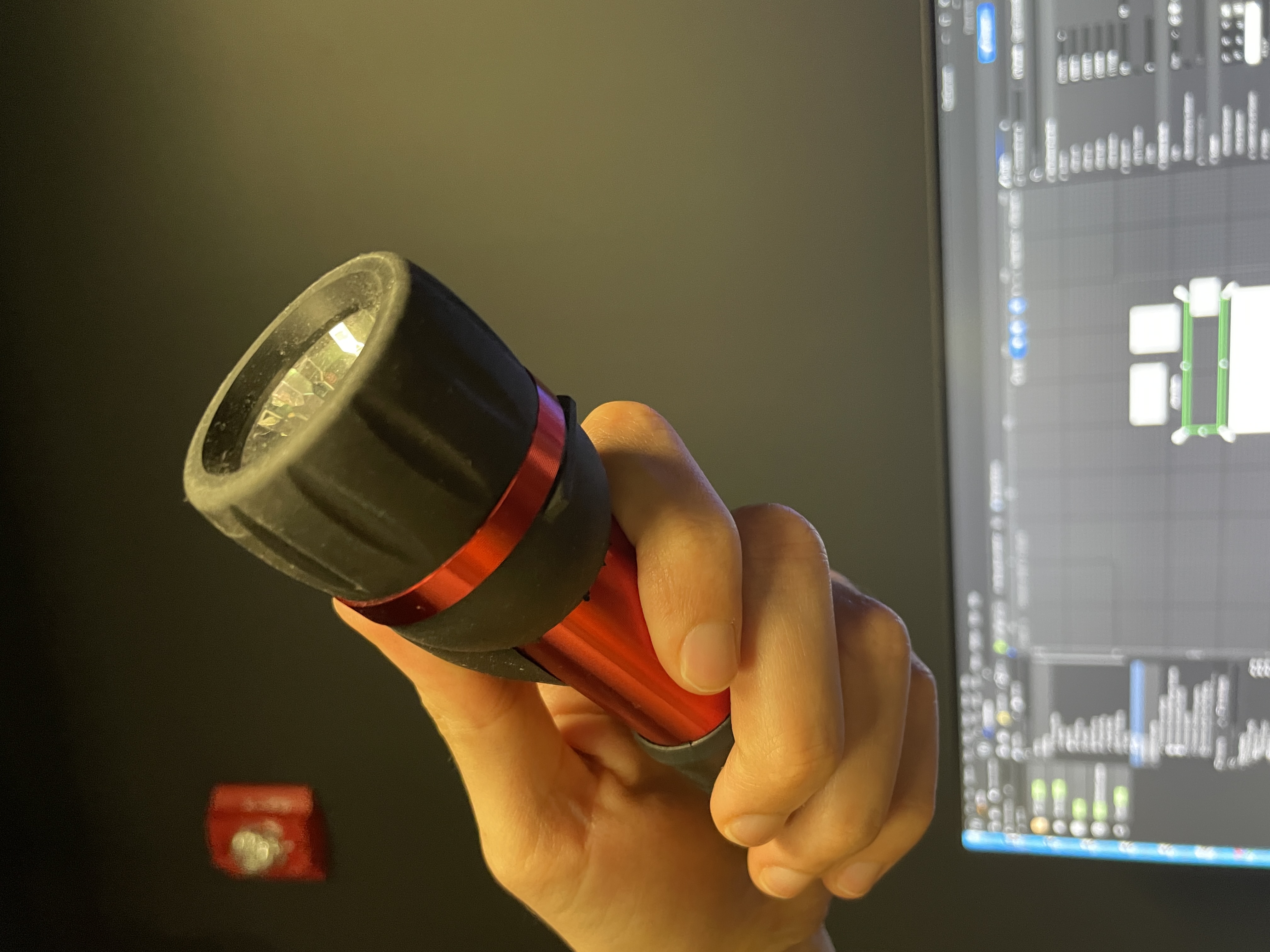
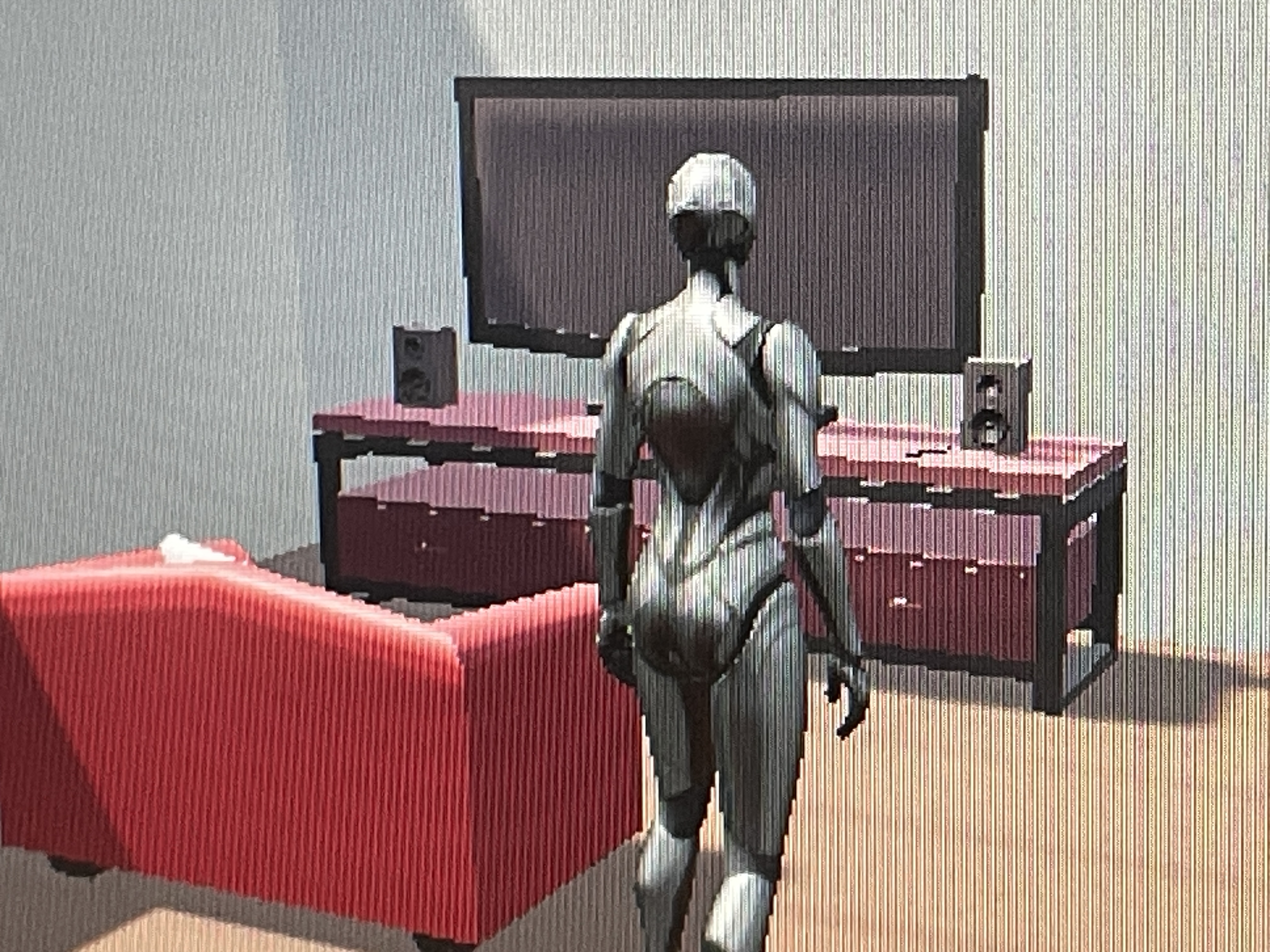
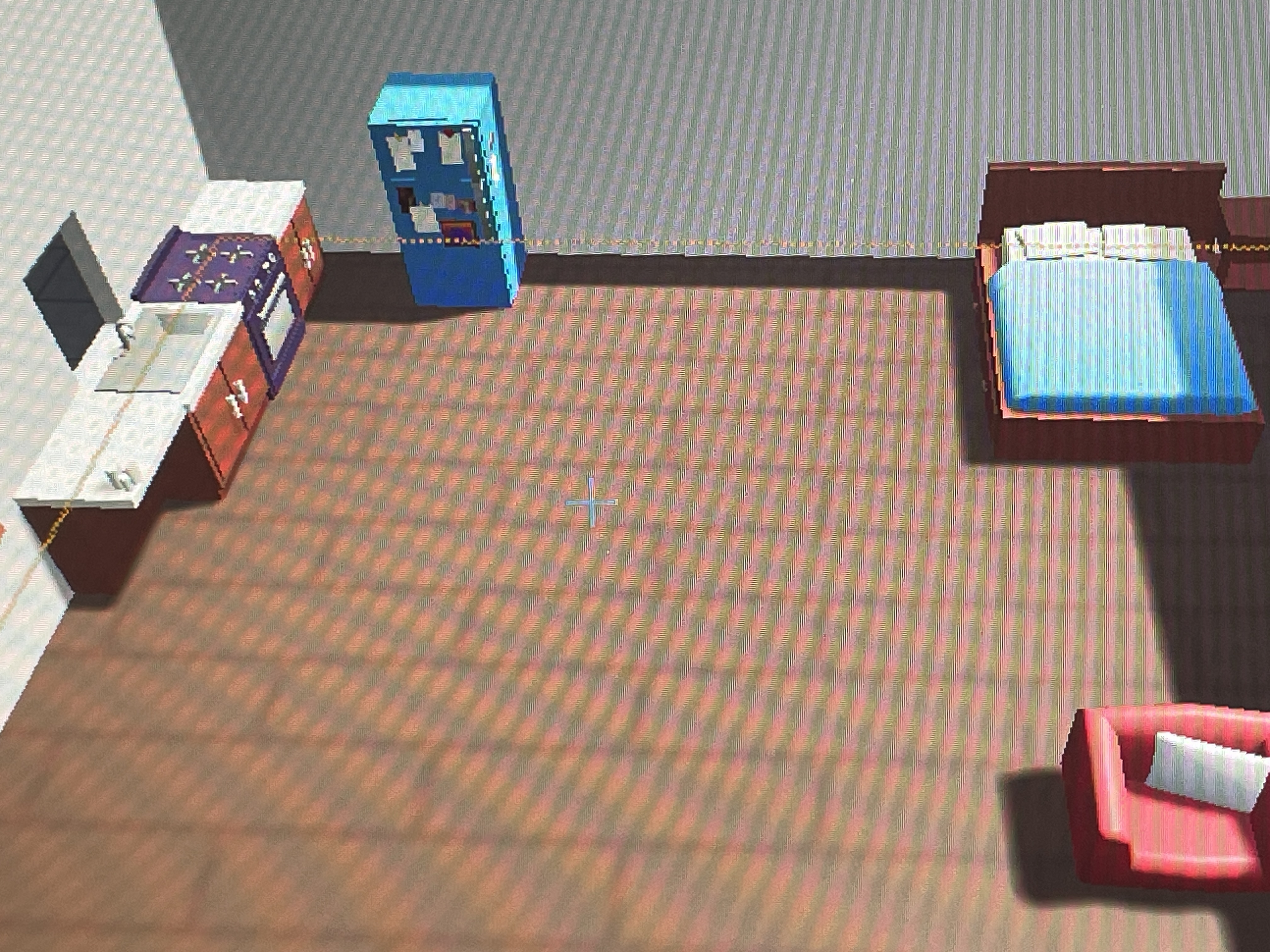
Fright Light is a party video game that blends a VR experience with a traditional mouse and keyboard experience. One player takes the role of the ghost hunter. They use the VR headset to survey all 360 degrees of their dark room and point the VR controller around the room looking to interrupt other players before they snuff out all the candles in the room. Other players pilot cute ghost characters using the mouse and keyboard and must avoid the flashlight's beam while putting out the candles.
How we built it
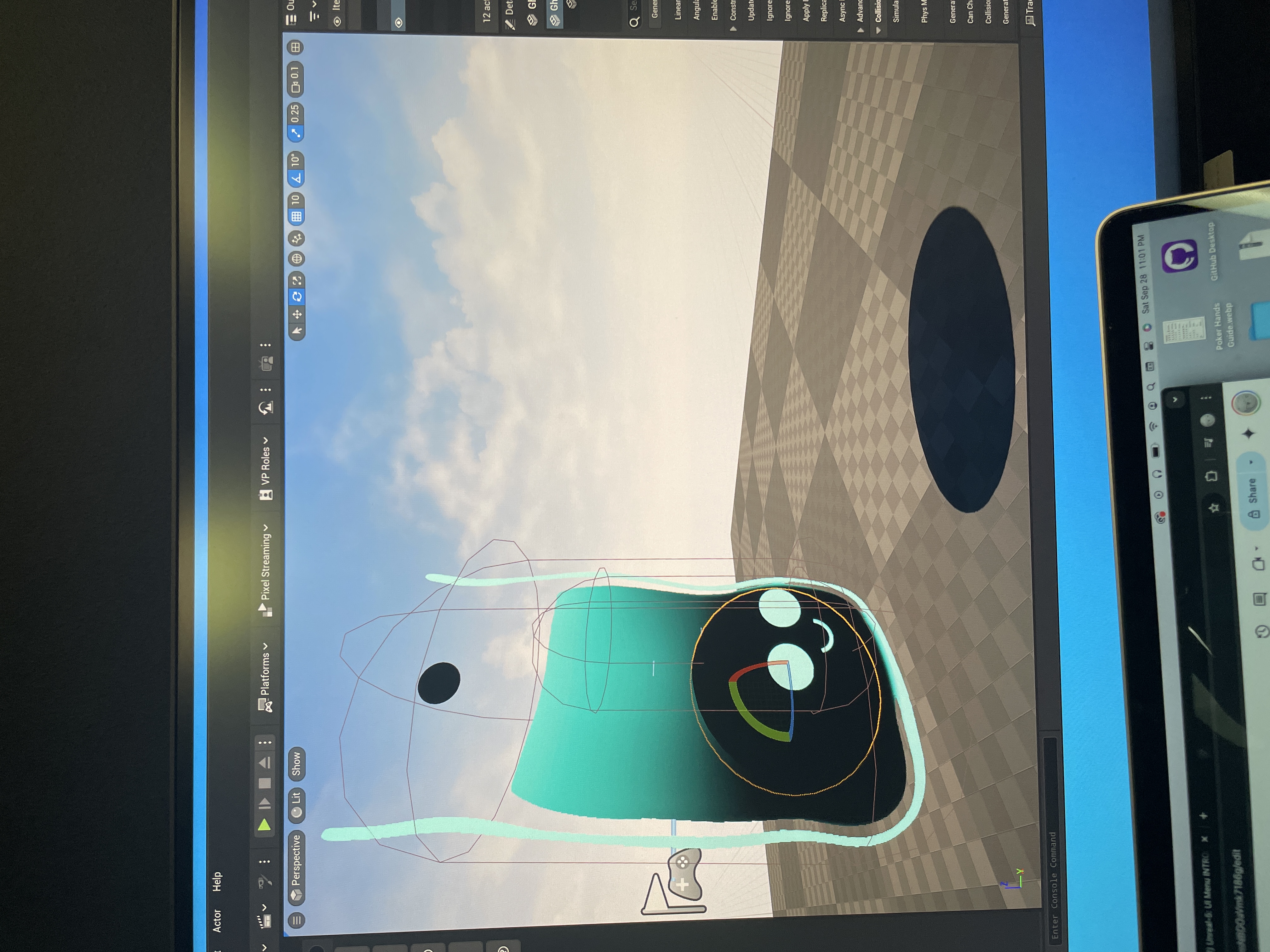
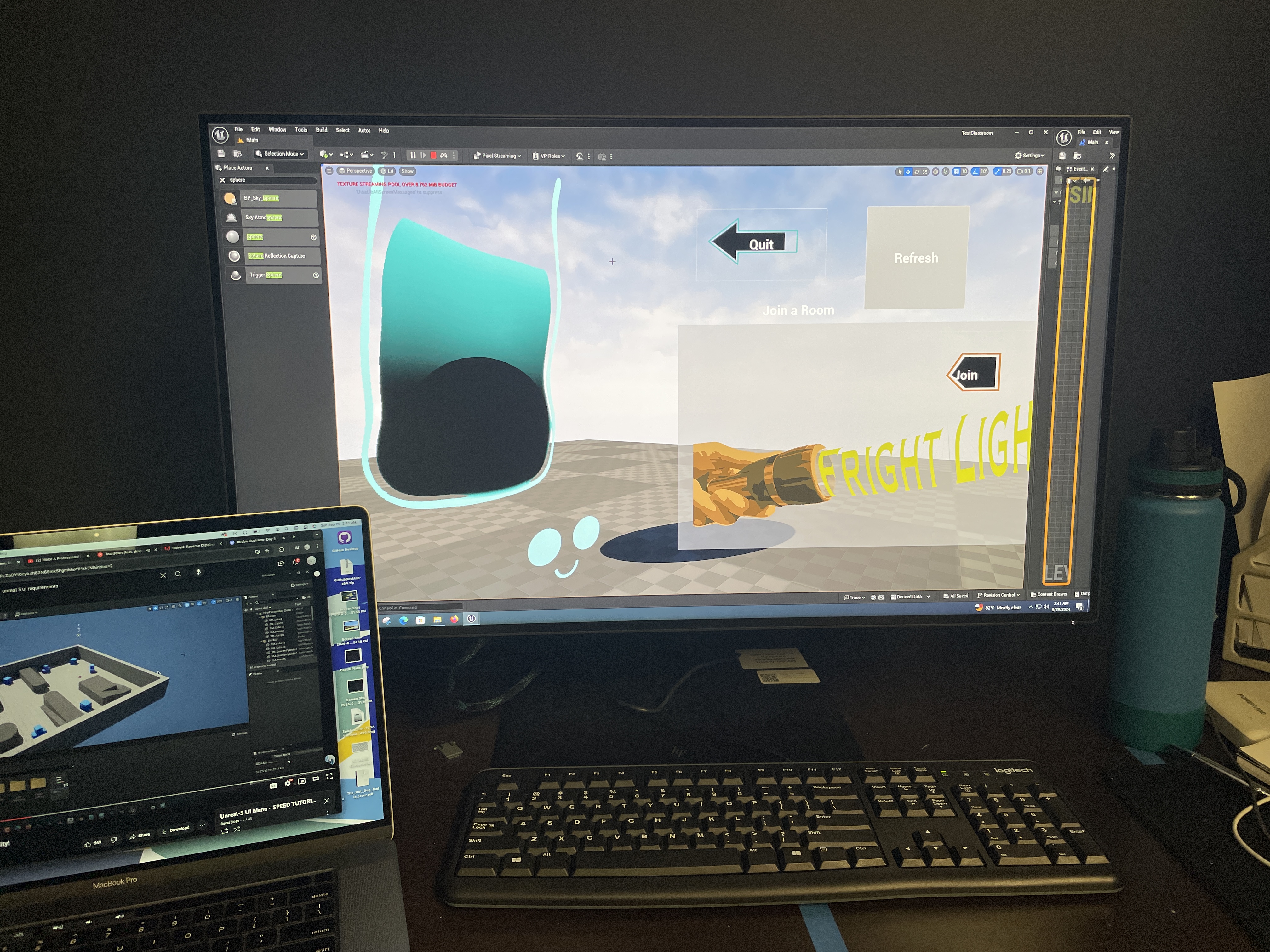
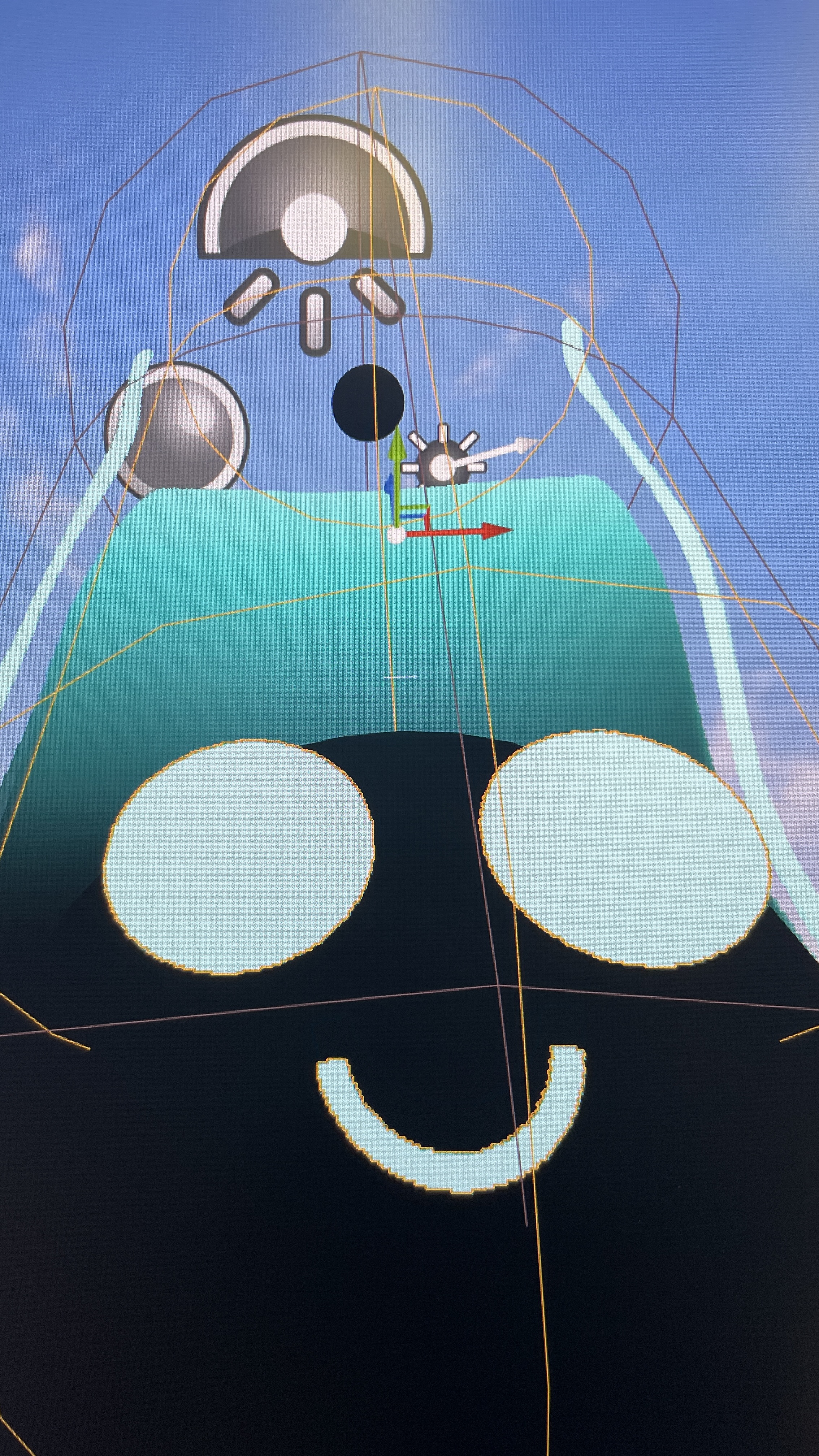
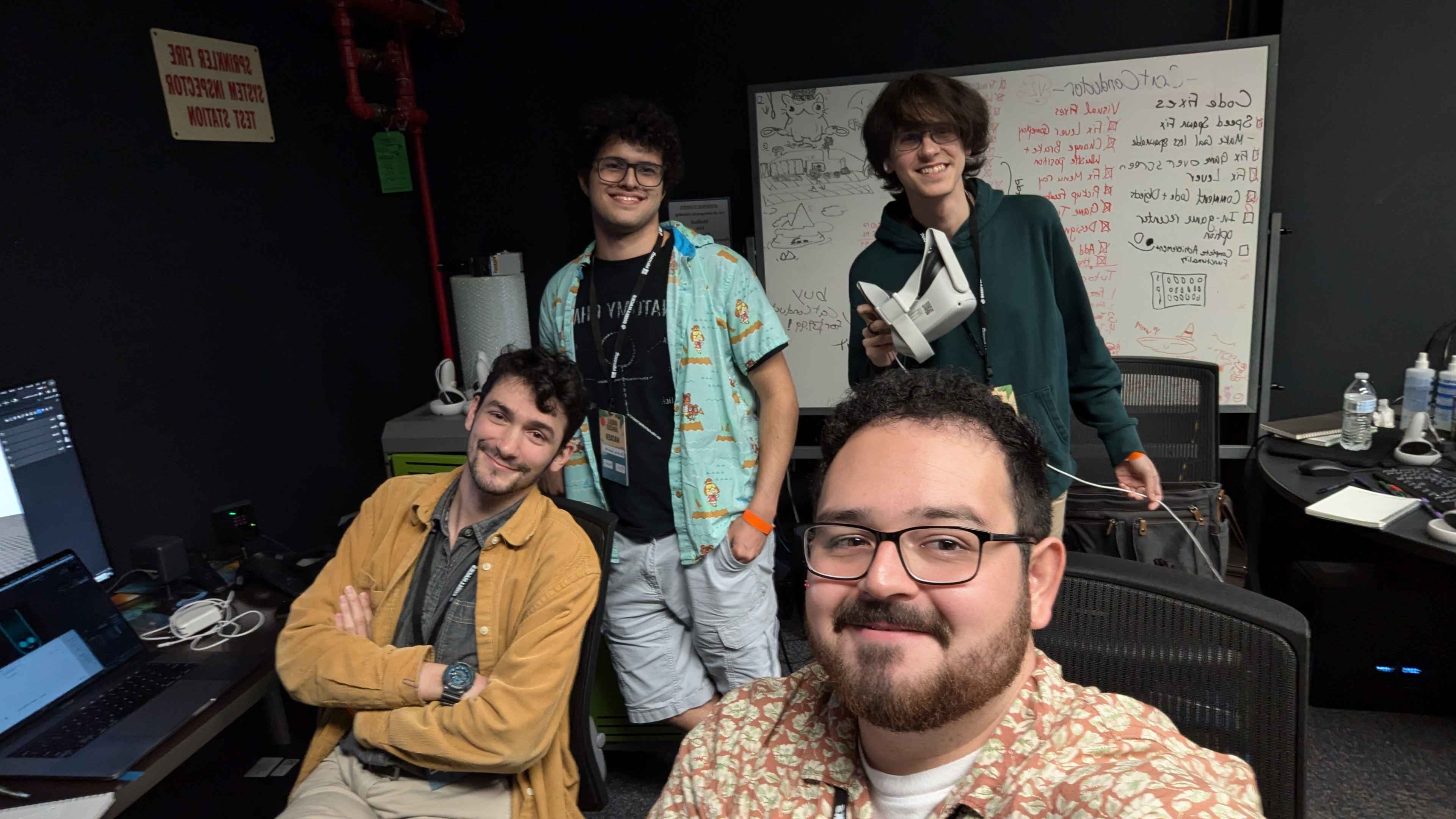
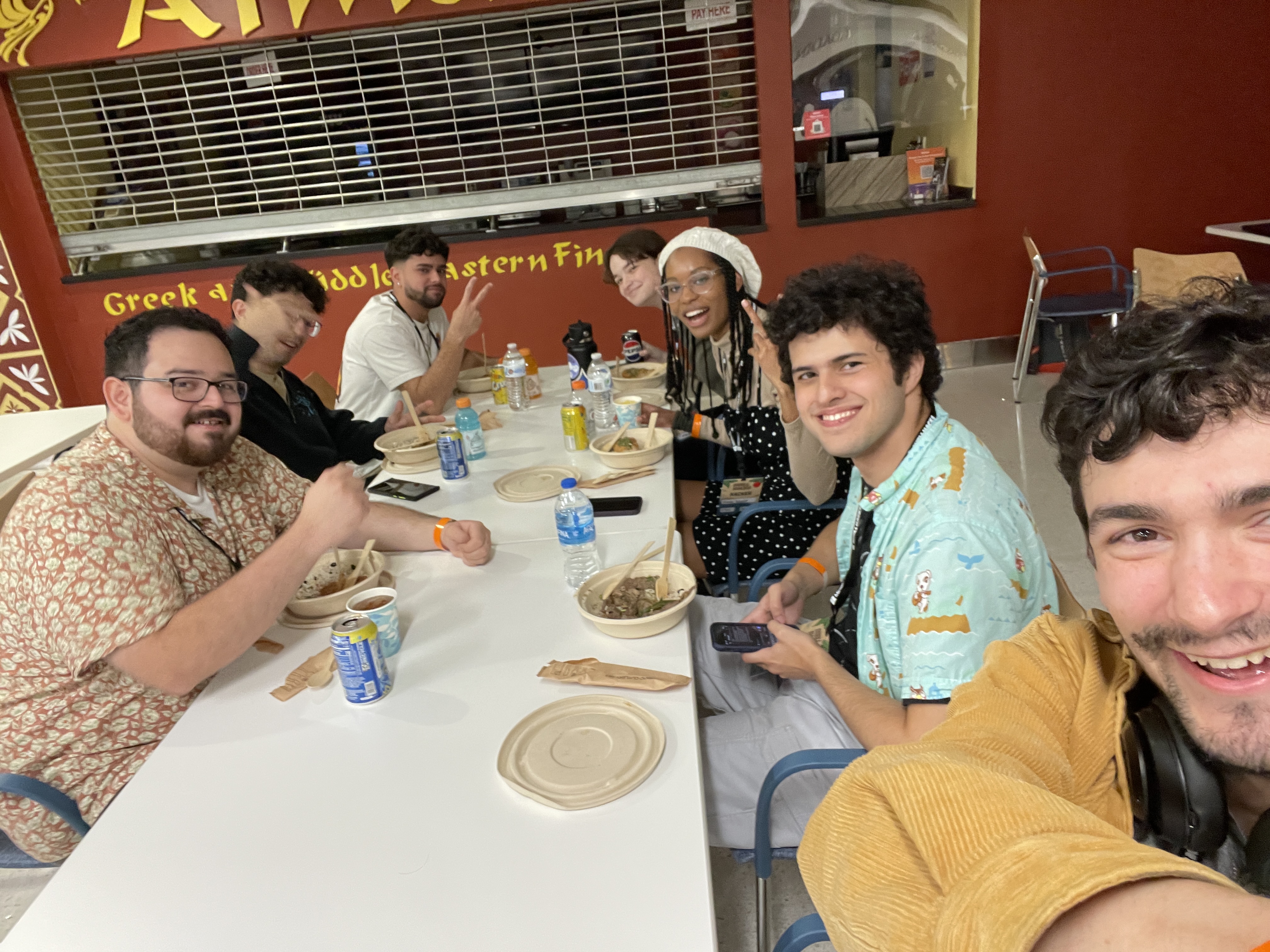
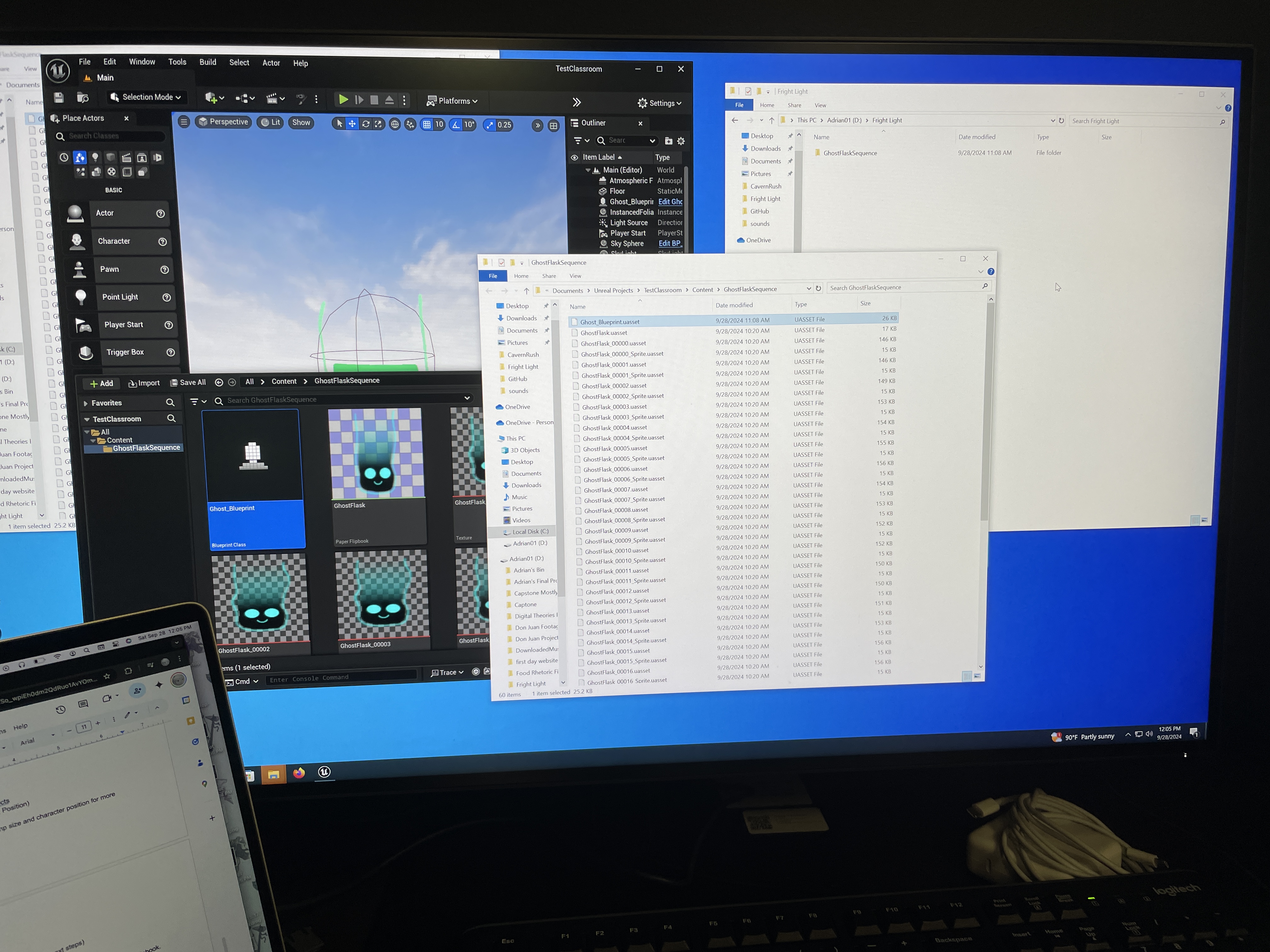
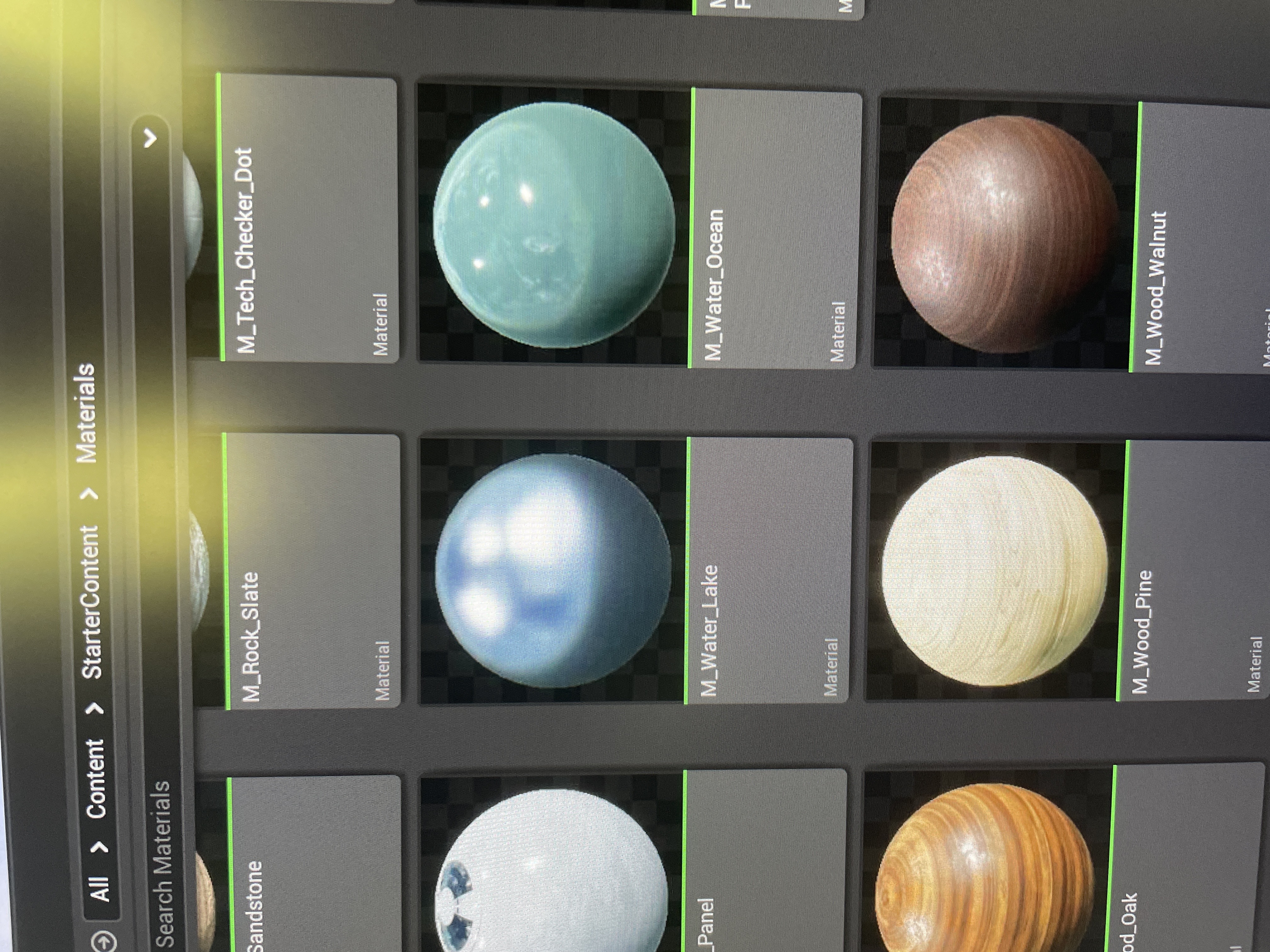
We used Unreal 5 to program our levels. Jose and Chris did the backend work for the networking and gameplay while Felix and Adrian built the environments and assets. We used a mix of free marketplace assets and custom built assets. Unfortunately, we did not implement all the gameplay features by the end of the hackathon.
Challenges we ran into
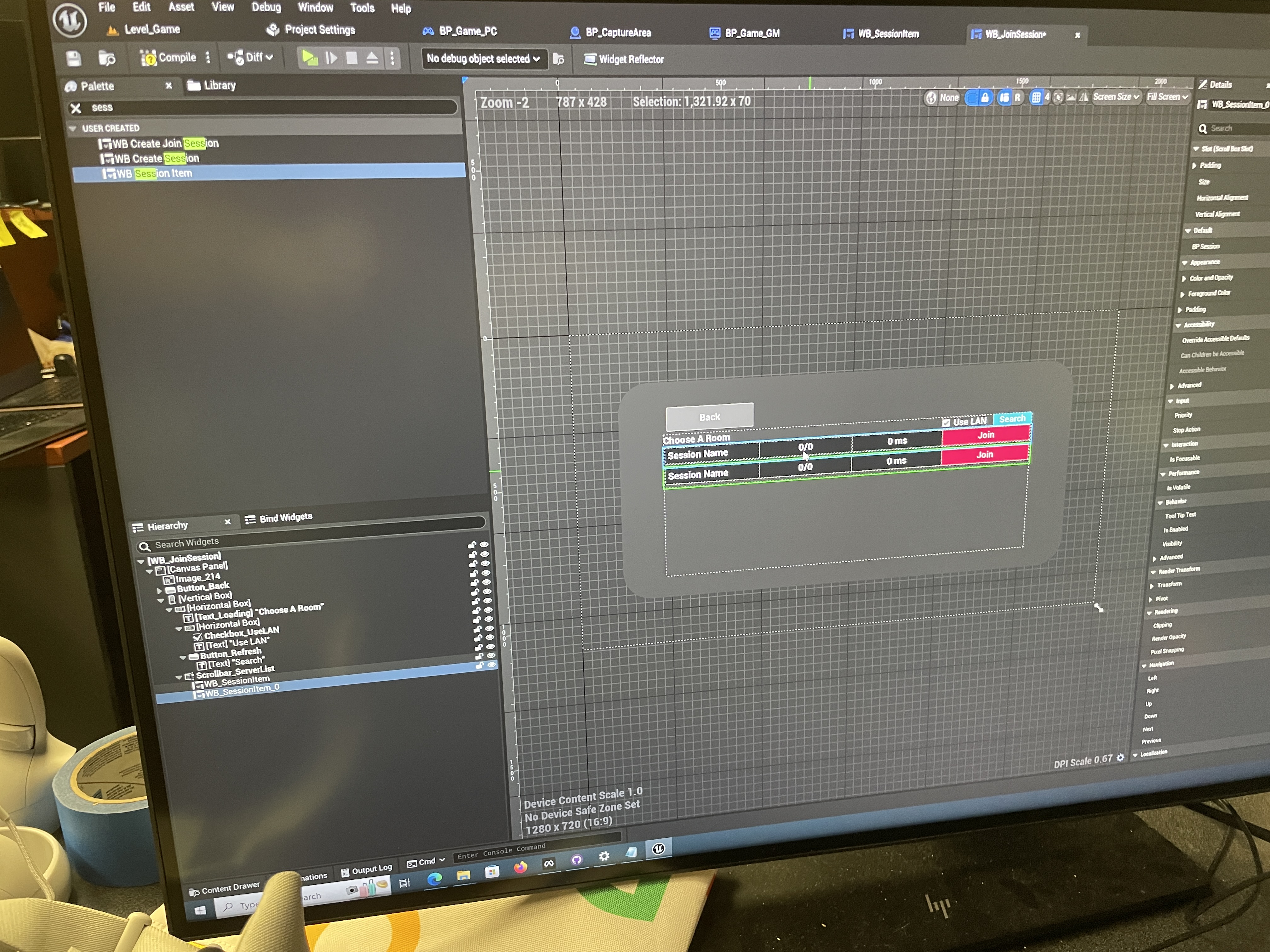
We spent most of our development time trying to stabilize a working networking system for the VR player and the computer monitor players. There was a huge amount of knowledge we had to learn to adapt all of our workflows to Unreal 5.
Accomplishments that we're proud of
This was our first time developing with the Unreal engine and the Oculus Quest 2. It's remarkable that we have a functional project in such a short time!
What we learned
If we had a chance to do this again, we would rig the VR server first to avoid wasting time trying to build gameplay that wouldn't end up working for a networked experience. That way we'd have time later to implement our gameplay features!
What's next for Fright Light
We want to build out this project more after the hackathon! This project is very interesting because it solves a lot of common problems that VR games have.
- It only requires one headset to play, making it more accessible.
- Others can participate as the ghost characters instead of being forced to only view the VR player.
- A stationary VR player character avoids much of the awkwardness of "teleporting" or other motion sickness workarounds.
Built With
- adobe-aftereffects
- adobe-illustrator
- android-studios
- github-desktop
- oculus-quest-2
- unreal-5


Log in or sign up for Devpost to join the conversation.