-
-
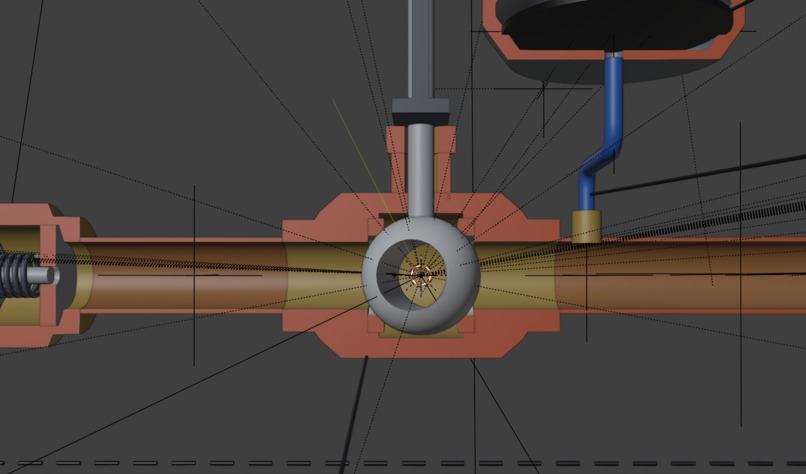
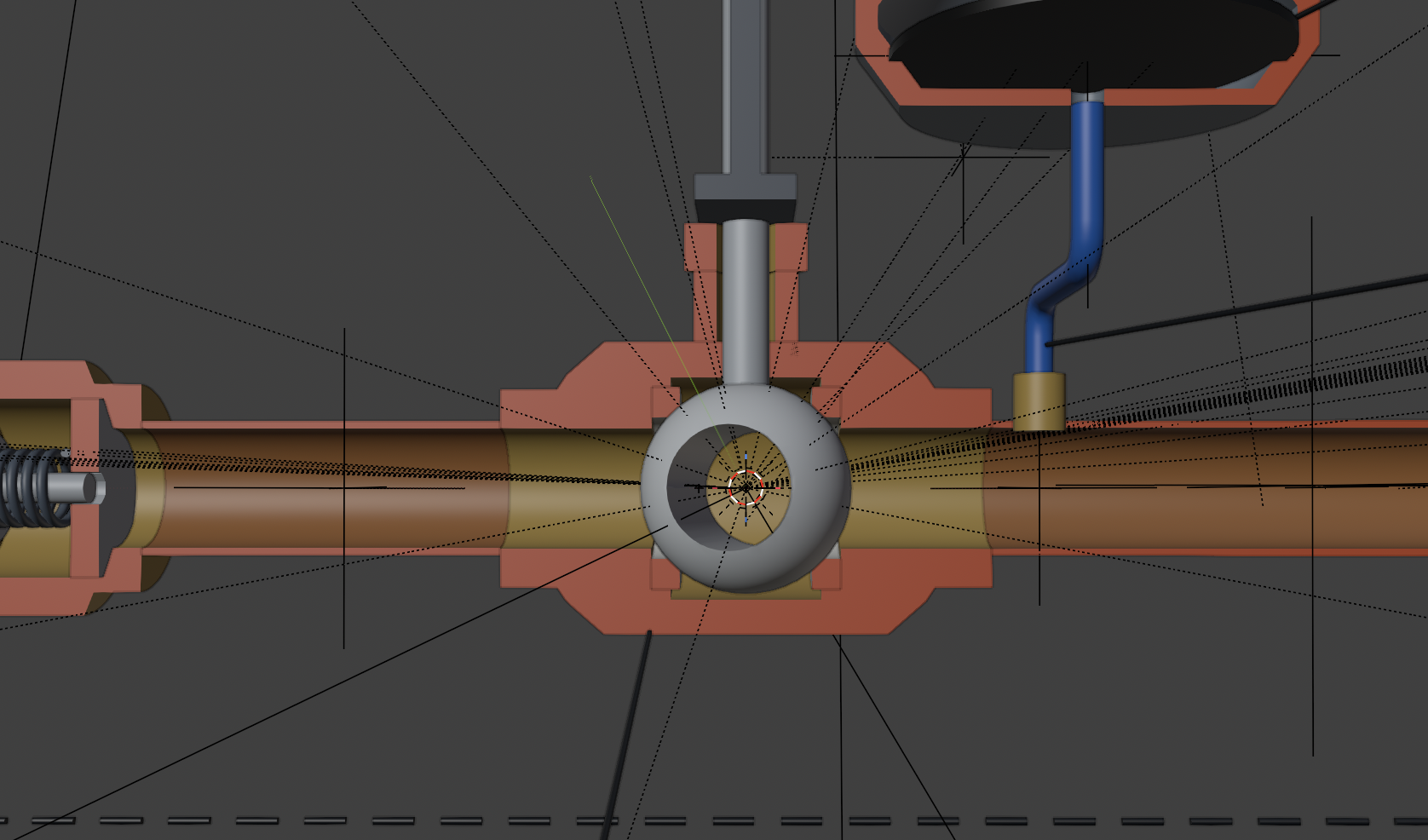
ball valve controlling backflow + preventing contamination
-
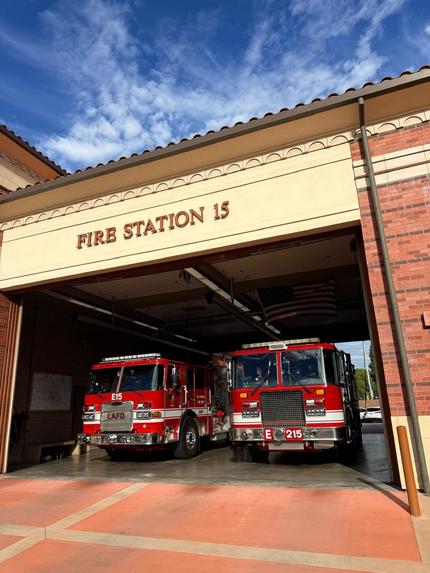
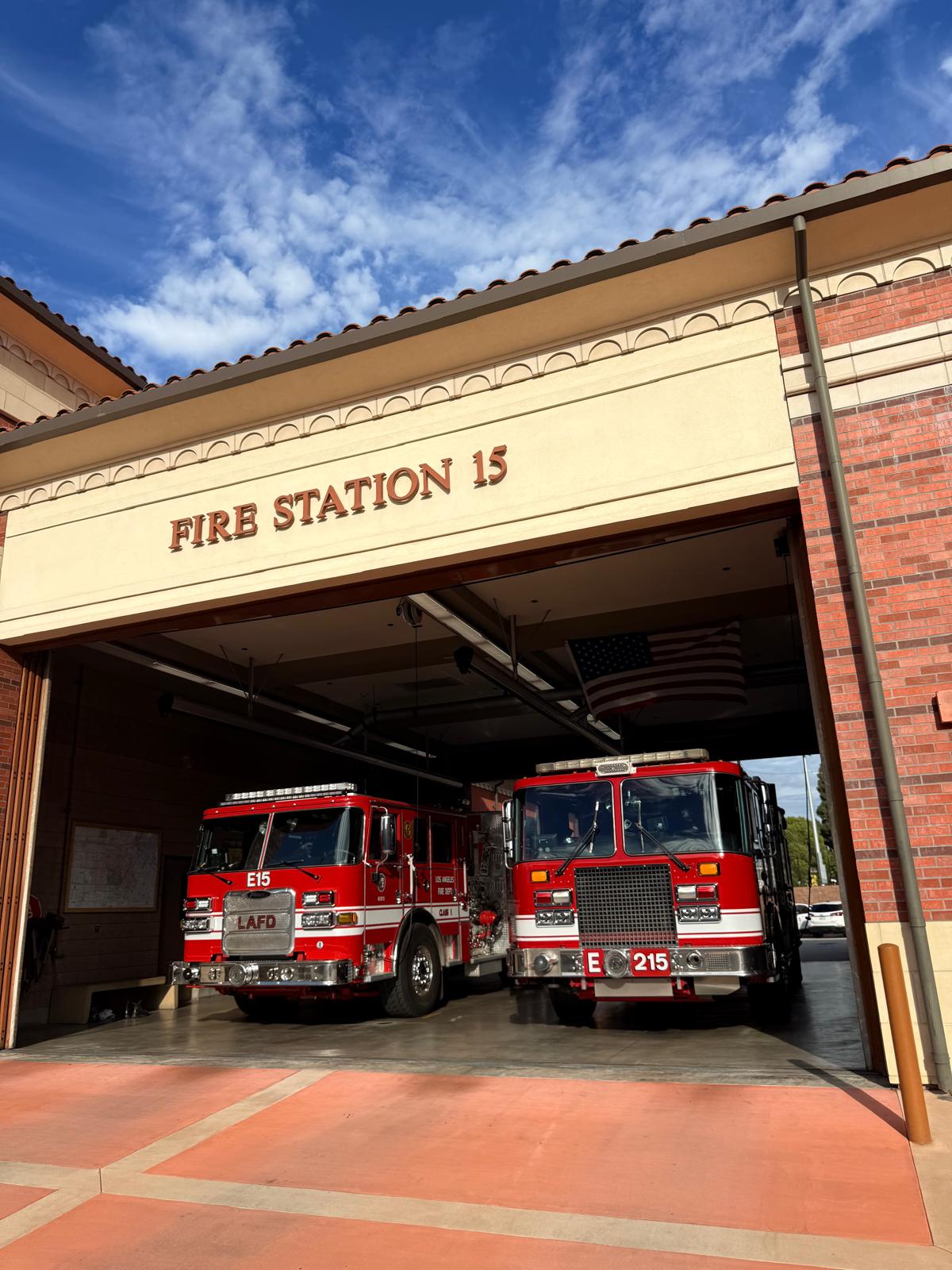
Interview with firefighters - 09/27/2026
Inspiration
The Palisades Fire hit all of us in LA. We kept hearing that hydrants ran dry, about 1 in 5 lost pressure, and learned one hidden cause: burned homes' melted pipes pour water out of the system and let toxic chemicals get sucked back in. As climate change makes wildfires worse, we wanted to protect LA's public water system before the next fire, not after.
What it does
A heat-triggered valve at each home's water meter automatically seals off a burning house's water system. There's no power, cell signal, or crew needed. • Stops wasted water: When fire bursts a 200°F glass bulb near the house, pressure in a small water-filled pipe drops and a spring shuts the valve in about 2 seconds. Each burned home's leak drops from about 13 gallons per minute to 0.14, so more water stays available for first responders. • Stops backflow: Three one-way barriers (a 47-lb spring that a vacuum can't pull open, a backflow preventer, and a double check valve) keep contamination from being sucked into city pipes. If pressure falls below 15 psi, every valve closes, then reopens automatically when pressure recovers. • Keeps sprinklers on: Fire sprinklers run on a separate line that the valve can only be manually shut.
How We Developed It
We studied six fires (Santa Rosa, Paradise, Marshall, Lahaina, Palisades, and Altadena) and built an Excel cost model with every figure sourced and labeled as reported or estimated. We designed the valve with proven, certified parts (sprinkler bulbs, brass valve bodies, and backflow preventers) and checked every force and flow rate with engineering math. Then we interviewed Palisades residents and firefighters.
Problems that we faced
Skepticism: most people remembered the dry hydrants but didn't know burned homes were part of the cause. Many costs were never published, so we had to estimate them carefully and correct our own numbers along the way. Designing the valve so it could never cause backflow or cut off sprinklers took several revisions.
Accomplishments that we are proud of
Palisades residents, firefighters, and utility staff all agreed with us: public agencies already pay to rebuild contaminated water system infrastructure and fund fire departments, so they should pay to prevent this damage from happening. We documented $382–$442M in water system damage across the six fires, and our design matches what LADWP specifically asked manufacturers to build, for about $460–$950 in parts per home.
What we learned
Lost water pressure is what lets contamination into the pipes. In the Marshall Fire, the town that lost pressure had high contamination, while its neighbor that kept pressure had very little. We also learned that much of a disaster's real cost hides in lost revenue, bottled water, and years of repairs.
What we plan to do
These are what we think of the next steps for Friendly Neighborhood: • Physically build and heat-test a prototype • Pitch the design to LADWP • Pursue drinking-water, backflow, and fire safety certification • Pilot it in Palisades and Altadena rebuilds while trenches are still open

Log in or sign up for Devpost to join the conversation.