Inspiration
Students are increasingly outsourcing their thinking to AI. As assignments and workflows adapt to AI-generated outputs, the risk is intellectual passivity rather than growth.
Friction was inspired by the idea that learning requires productive resistance. Just as constraints in real life force intentional decision-making, we wanted to design an AI interface that does not remove effort — it structures it.
Instead of asking “Can AI help us learn?”, we reframed the problem: • What can AI help us learn? • How should AI help us learn? • Why should AI help us learn?
Friction is designed to make users feel more capable over time, not dependent.
Who is this for
Our primary users are students, engineers, and researchers — people who use AI daily but are increasingly aware it's costing them their ability to think independently. More broadly, we're targeting the emerging segment of "intentional AI users" — anyone who wants AI as a thinking partner, not a thinking replacement.
What it does
Friction is an AI-powered learning interface that introduces structured cognitive resistance into AI interaction to improve critical thinking and digital well-being.
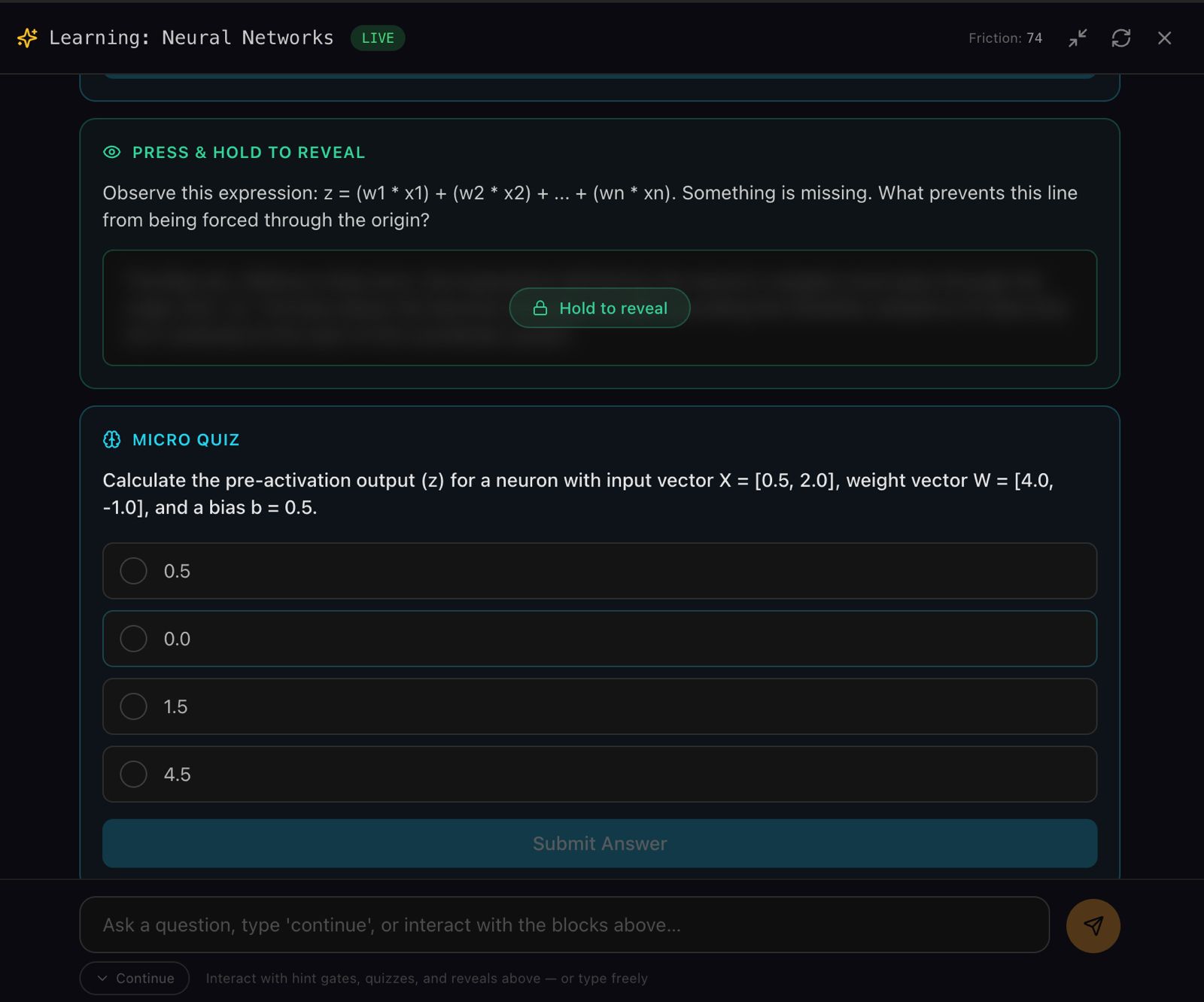
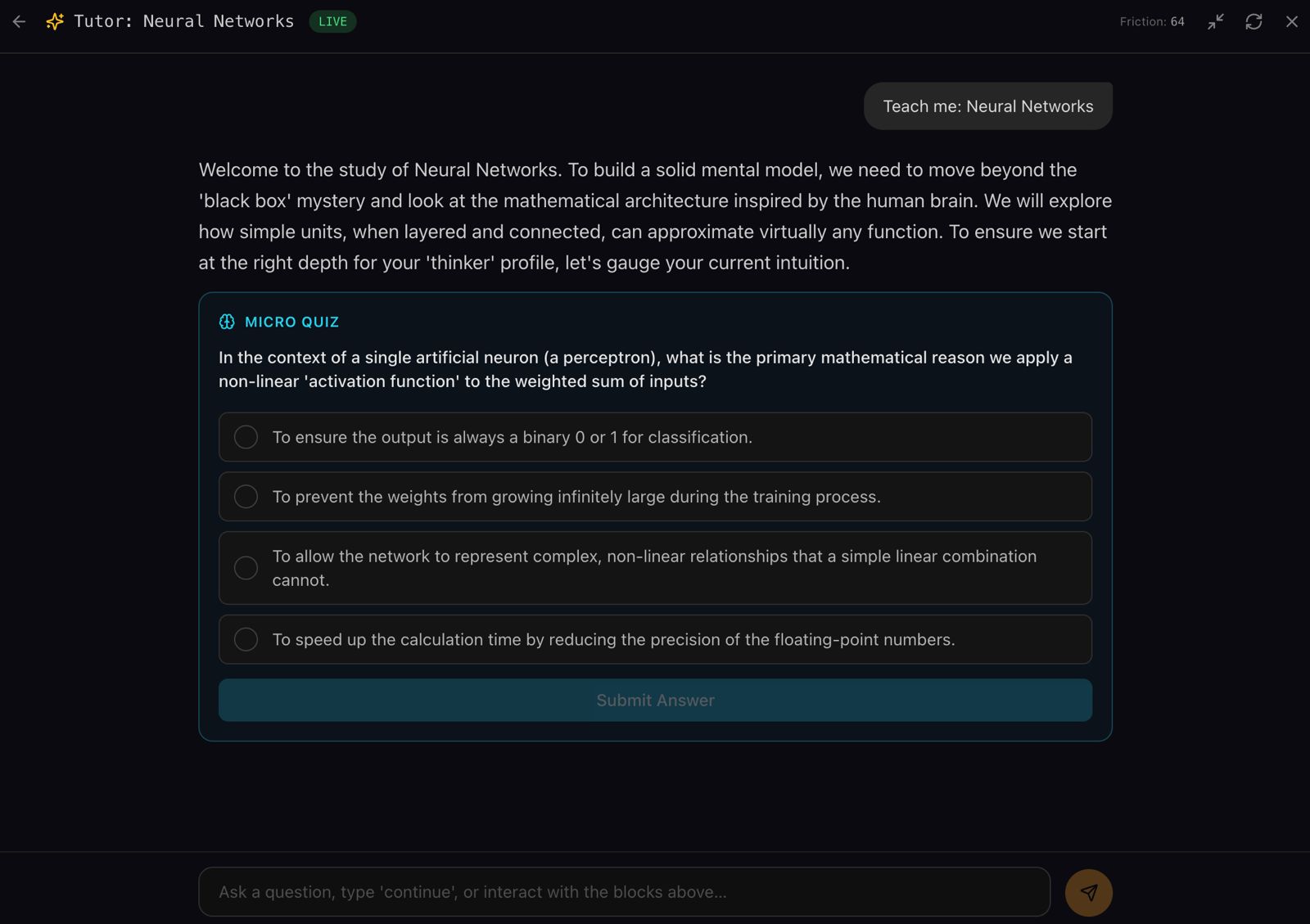
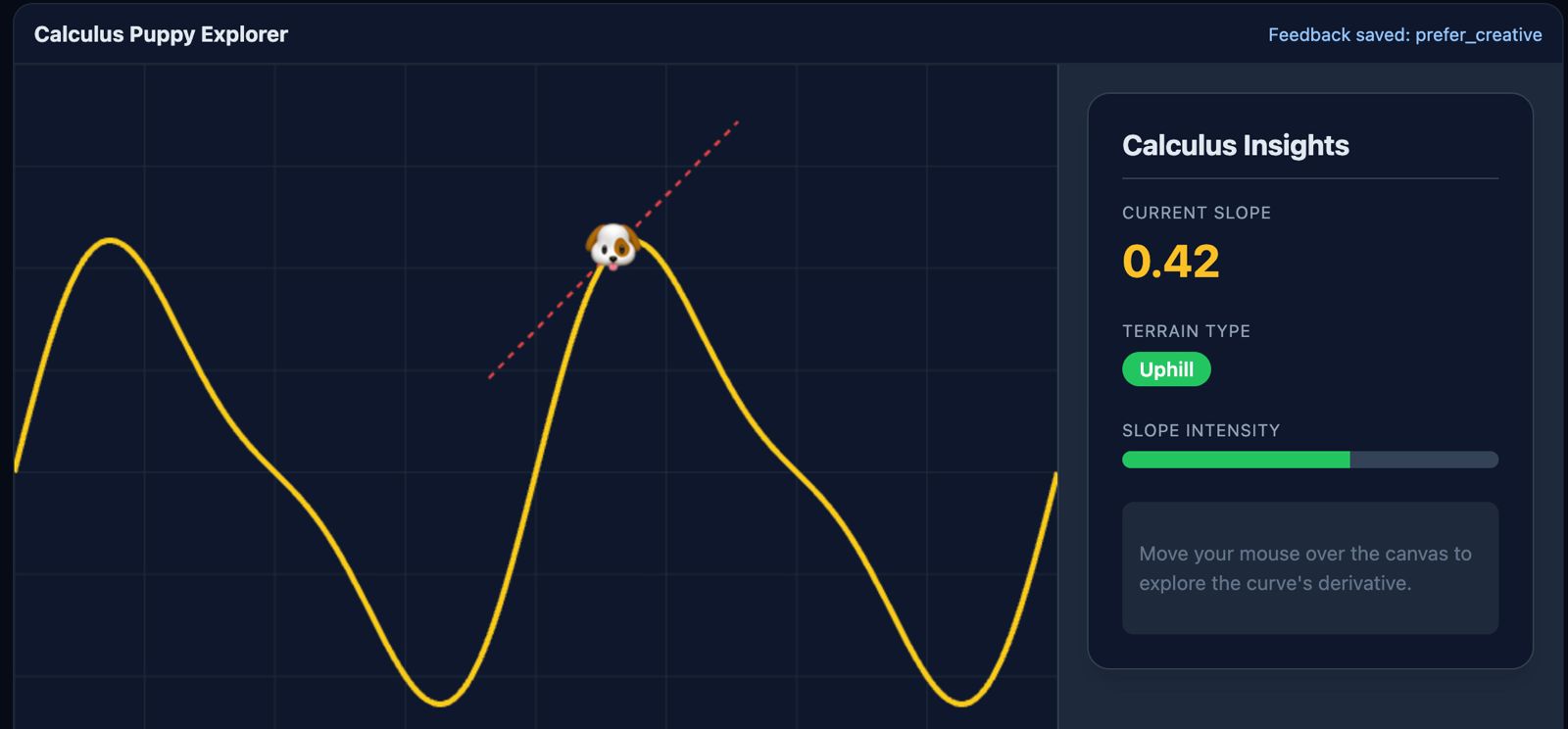
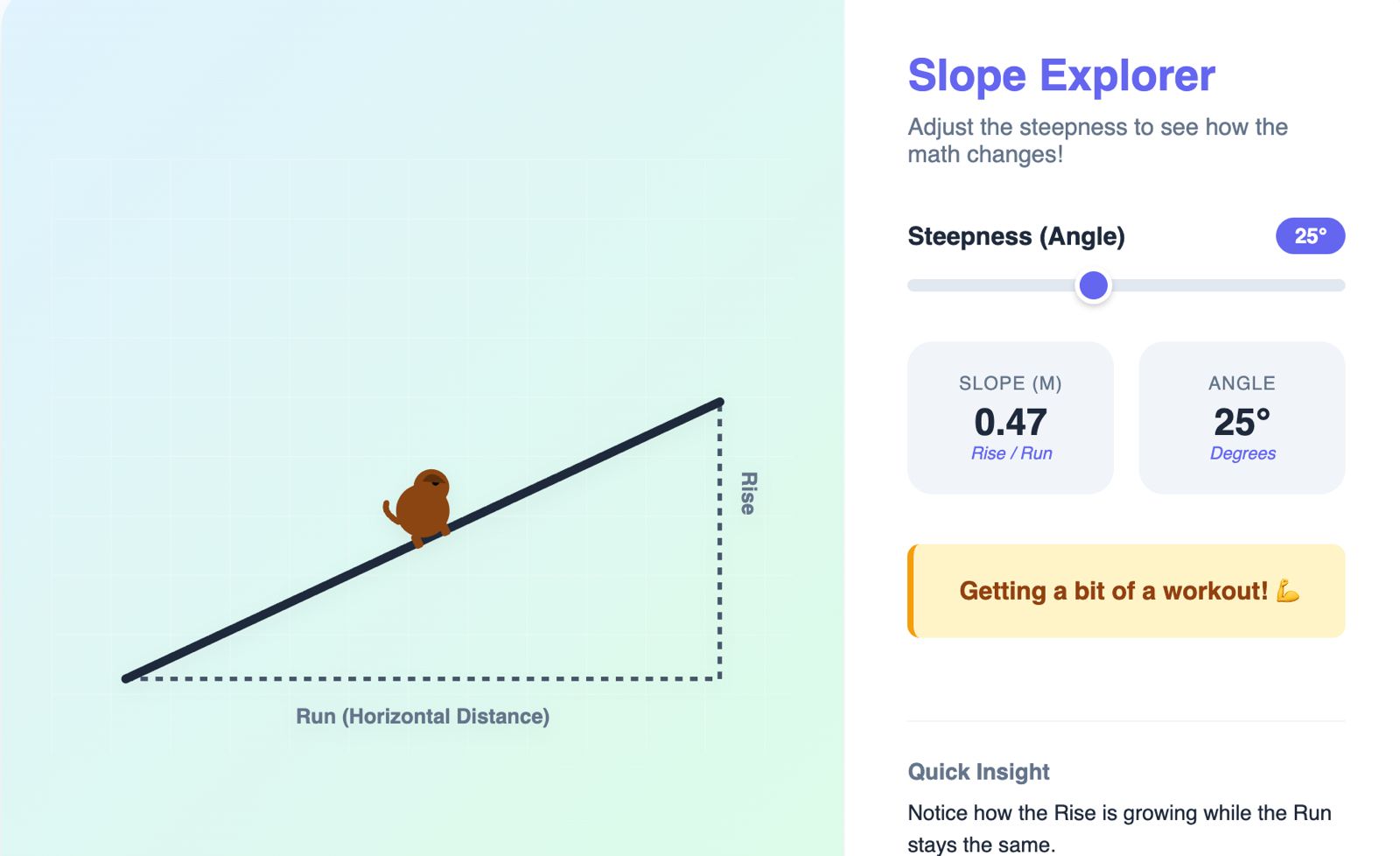
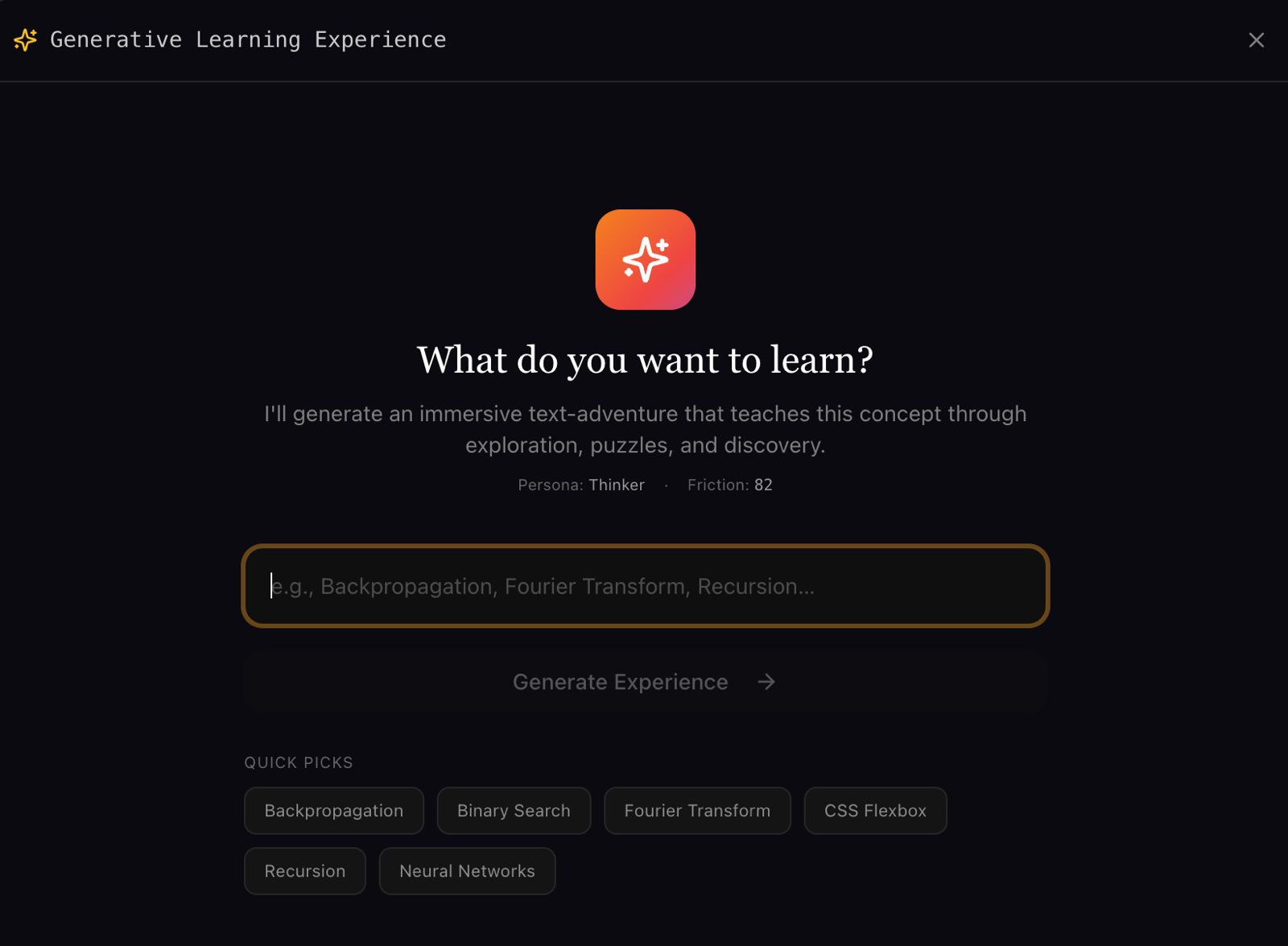
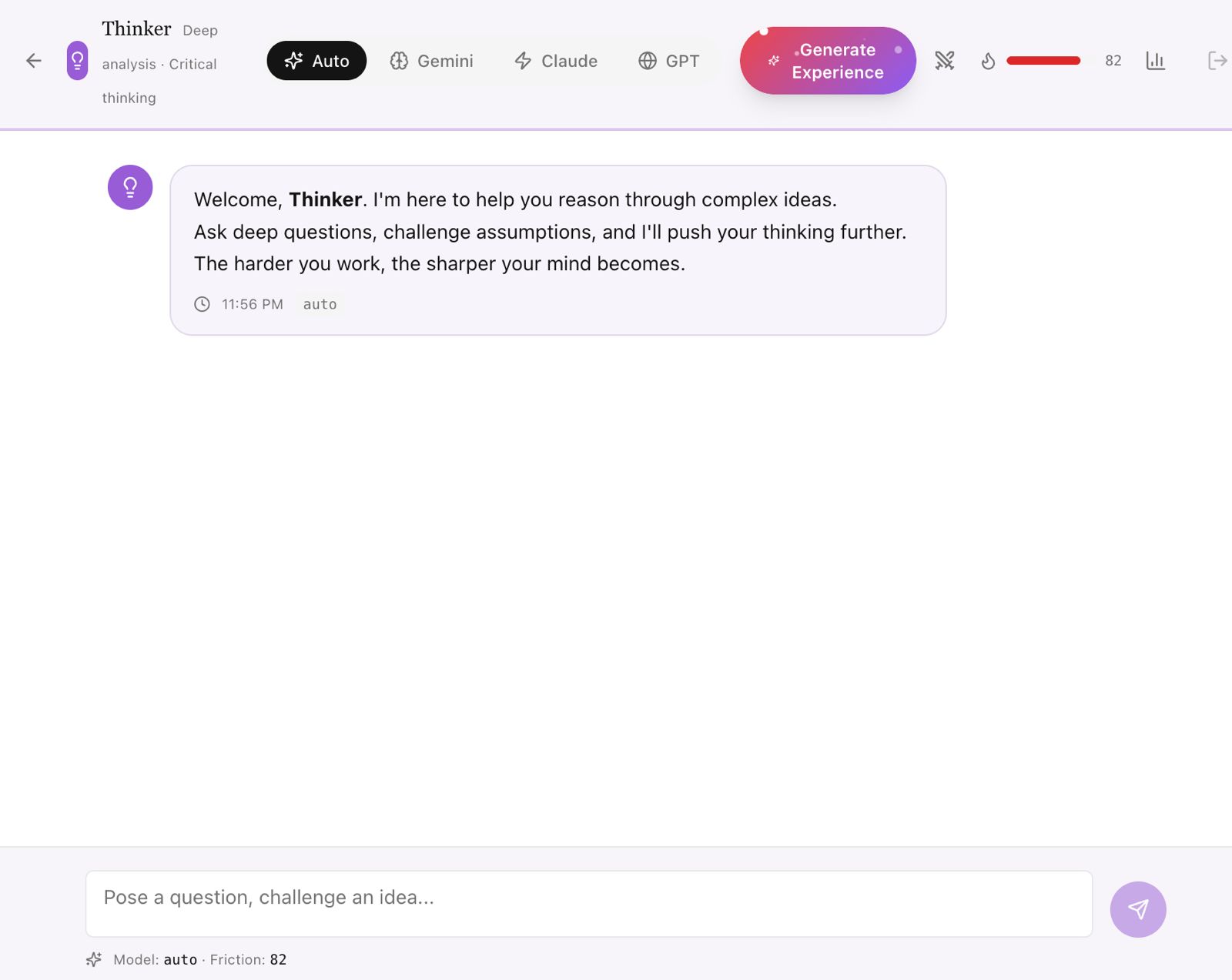
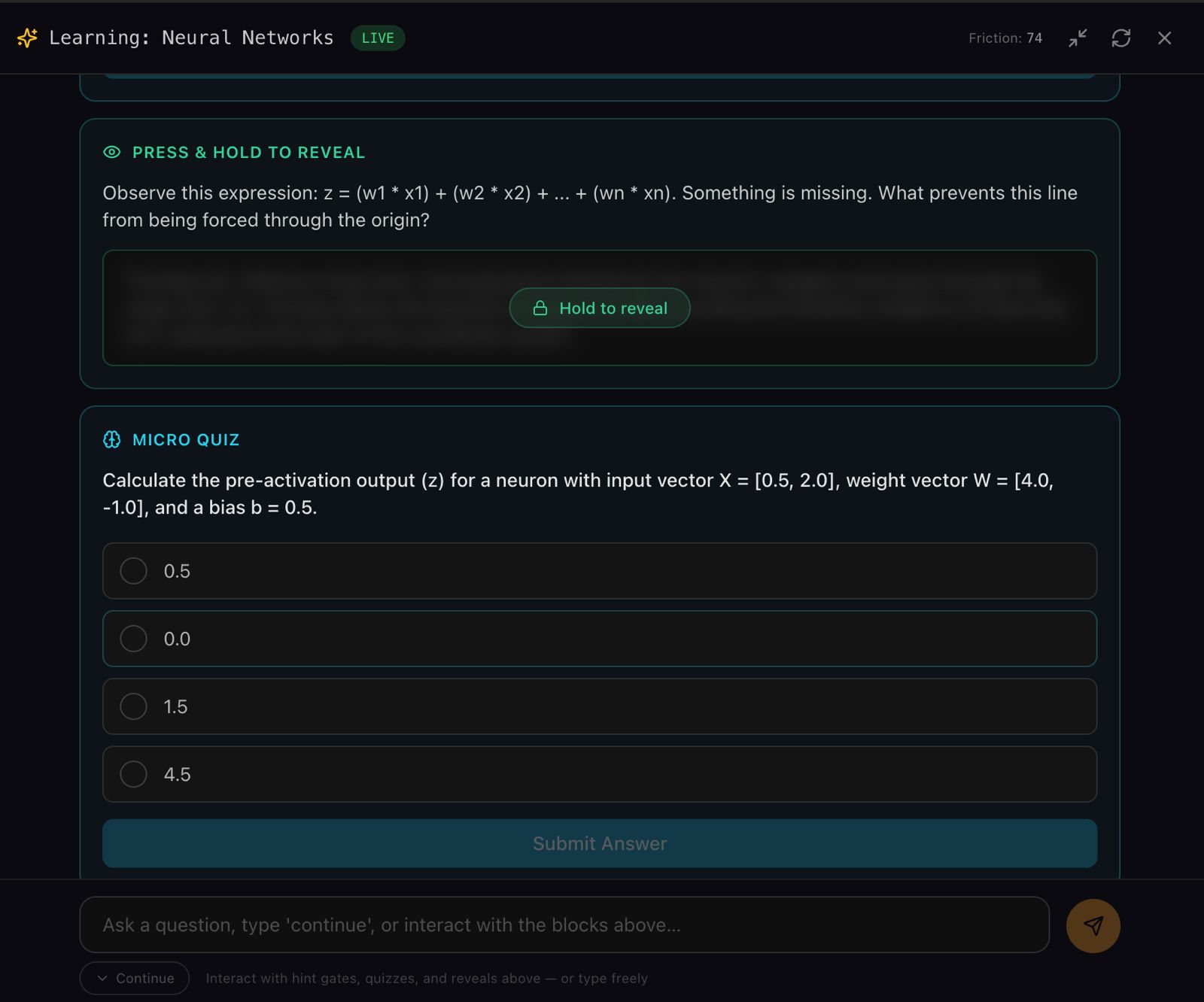
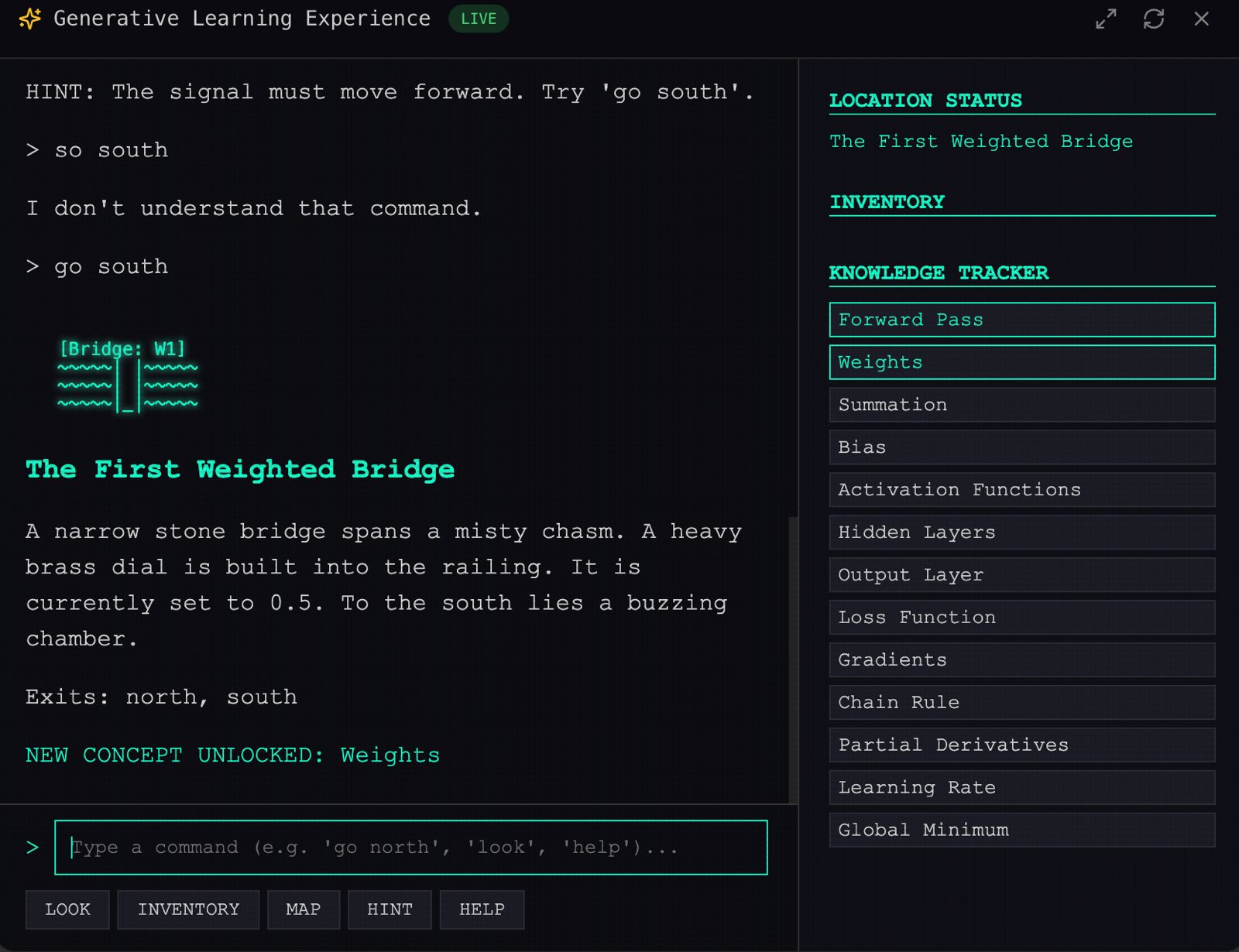
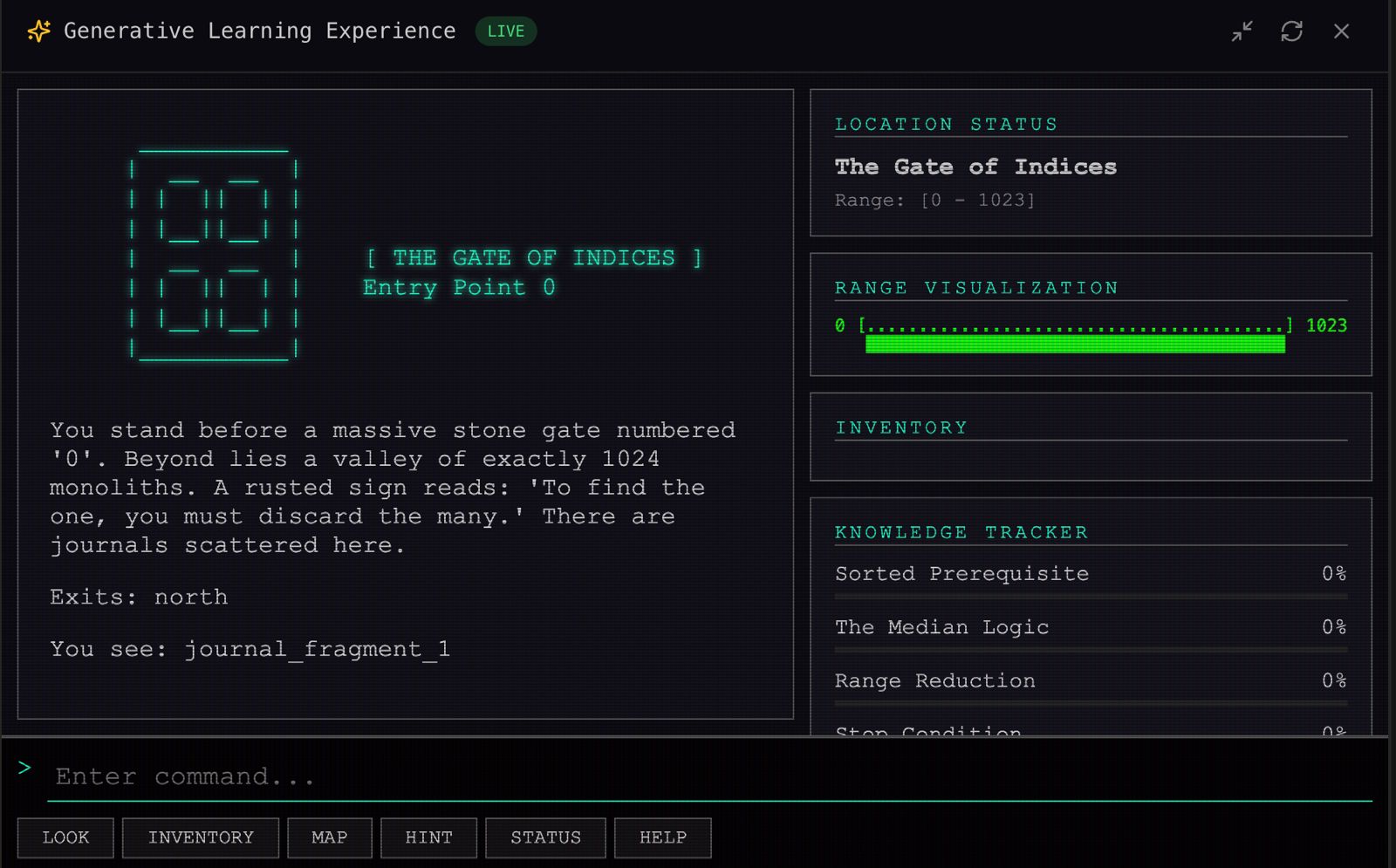
Core capabilities: • Onboarding questionnaire to understand knowledge level, intent, and learning goals. • Avatar-based learning modes (Learner, Thinker, Creator/Builder), each with different UI and prompting styles. • Friction toggle that adjusts how much cognitive effort the AI requires before responding. • Devil’s Advocate mode that challenges user viewpoints. • Milestone tracking and gamification tied to intellectual progress. • Sensitive-topic redirection to encourage human connection when necessary. • Learning curve analytics to measure growth over time.
This is not a tutoring app. It is a thinking companion.
How we built it
Architecture: • Frontend: Adaptive UI based on avatar selection and friction level. • Backend: • LLM query processing • Prompt orchestration with multiple structured prompt layers • Response post-processing • Database: • Stores user profiles and settings • Tracks milestones and friction interactions • LLM Layer: • Dynamically modifies prompts based on: • User profile • Selected friction level • Learning objective
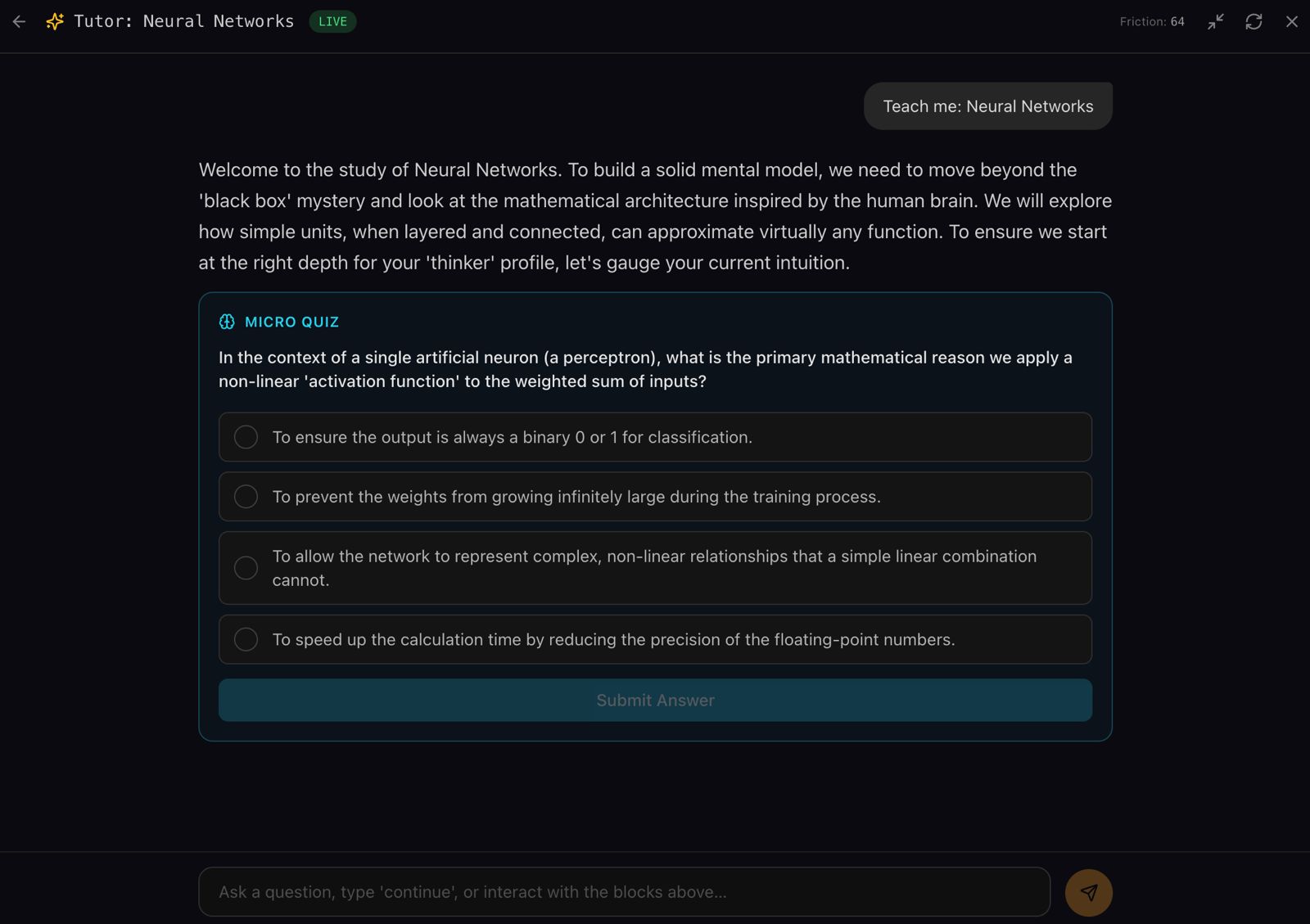
The friction mechanism works by: • Delaying direct answers when appropriate • Asking counter-questions • Breaking problems into guided steps • Requiring reasoning before revealing conclusions
Challenges we ran into
- Quantifying friction
Measuring productive resistance required defining signals such as:
• Time spent per concept
• Revision frequency
• Engagement depth
• Follow-up reasoning quality
- Balancing resistance vs frustration Too much friction reduces usability. Too little makes it indistinguishable from standard AI chat.
- Prompt engineering complexity Designing layered prompts for different cognitive modes without reducing clarity or increasing latency.
- Defining scope clearly Ensuring the product is positioned as a cognitive enhancement tool, not just another AI tutor. ## Accomplishments that we're proud of • Built a structured Friction Framework instead of superficial gamification. • Designed distinct cognitive modes with meaningful behavioral differences. • Implemented a functional Devil’s Advocate system that challenges assumptions. • Framed the product around capability-building and retention, not engagement addiction. • Grounded the product in digital well-being rather than productivity maximization. ## What we learned • AI is most powerful when it augments thinking, not replaces it. • Users want the feeling of getting better, not just faster answers. • Resistance, when structured correctly, increases comprehension and engagement. • The right question is not whether AI should be used, but how it should be designed to preserve agency. ## What's next for Untitled
- Develop a measurable Friction Index to track cognitive growth.
- Expand learning analytics to model intellectual progression.
- Integrate curated long-form content sources for deeper exploration.
- Improve milestone design to strengthen retention.
- Test the product with creators, students, and knowledge workers concerned about intellectual dependency on AI.
Built With
- claude
- gemini
- lovable

Log in or sign up for Devpost to join the conversation.