-
-
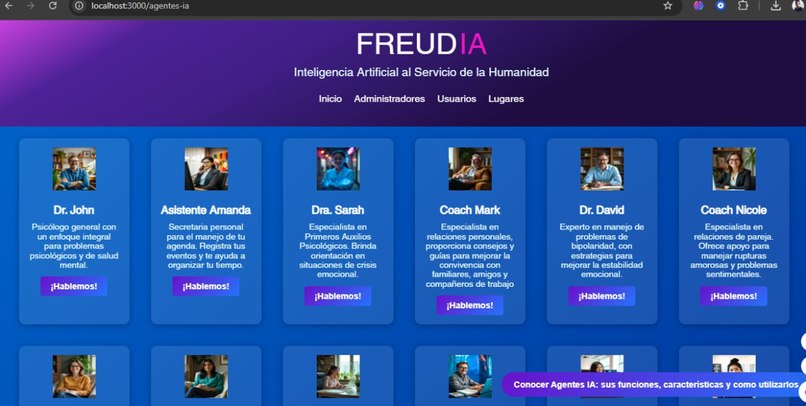
Specialized AI models
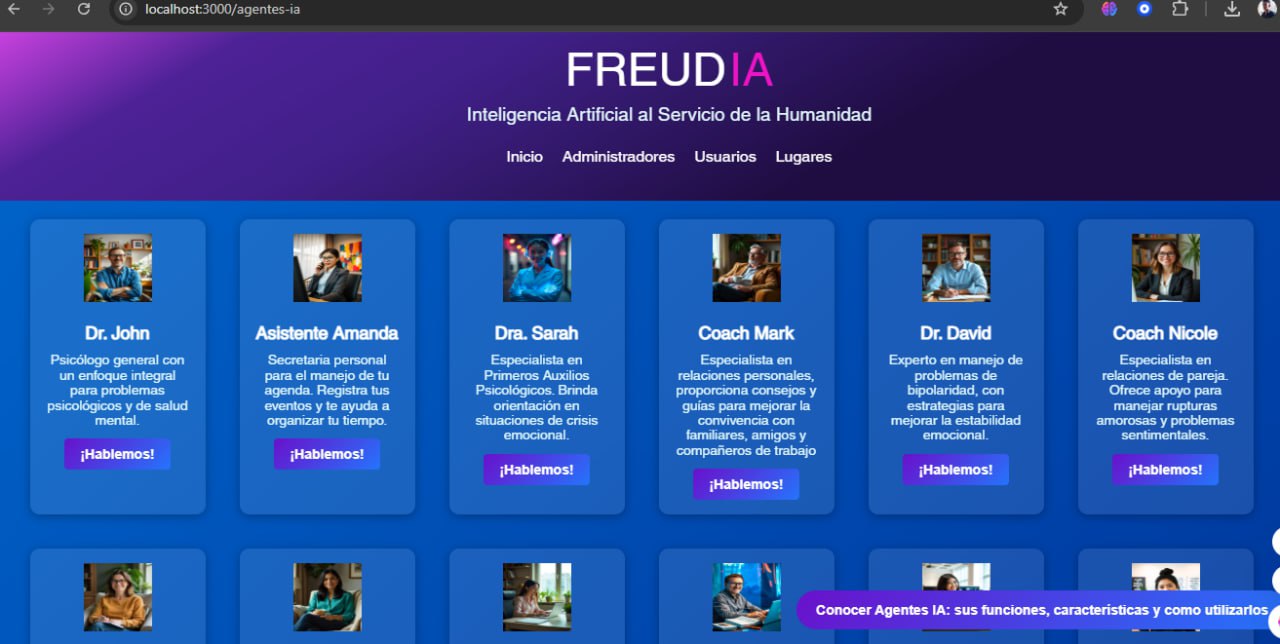
Inspiration
The inspiration behind Freud AI stems from a deep concern for the widespread lack of accessible and affordable mental healthcare. We observed a significant global gap between the growing need for psychological support and the traditional models of delivery, which are often costly, time-consuming, and geographically limited. In Romania, specifically, while strides have been made in mental health legislation and services, significant challenges remain in ensuring widespread, timely access to care for all individuals, particularly in rural areas or for those facing financial constraints. We envisioned a world where mental health is not a luxury but an inherent right, available to everyone, everywhere, at an affordable price. We were particularly inspired by the potential of cutting-edge AI and machine learning to bridge this critical gap, offering personalized and empathetic support without the traditional barriers.
What it does
Freud AI is an innovative online psychological platform designed to democratize mental health support. At its core, it provides AI-driven therapeutic interactions, functioning as a virtual psychologist. Users can engage with our intelligent system to address a wide spectrum of psychological problems, including depression, anxiety disorders, and even the preliminary stages of personality disorders.
Beyond the AI-powered support, Freud AI offers a seamless pathway to certified human psychologists and psychiatrists. These professionals can access secure, patient records generated by the AI's interactions. This allows for a truly integrated and collaborative care model, ensuring that users receive comprehensive and personalized support, from initial AI guidance to nuanced human intervention and expert diagnostics or treatment plans. Psychologists can create and update these digital, maintaining a detailed, confidential history of the patient's journey, making care more coordinated and effective.
How we built it
Freud AI is built upon a robust foundation of machine learning algorithms. We developed and trained our AI models using extensive, carefully curated datasets to enable them to understand nuanced human emotions, language patterns, and psychological distress signals. The core AI system leverages natural language processing (NLP) to interpret user input and generate empathetic, psychologically informed responses.
Our development process involved:
Data Collection & Annotation: Sourcing and meticulously annotating a diverse range of psychological conversational data, clinical insights, and therapeutic frameworks to train the AI.
Machine Learning Model Development: Implementing and refining various machine learning models (deep learning networks, transformer models) for dialogue generation, sentiment analysis, and pattern recognition related to psychological states.
User Interface Design: Creating an intuitive and private online interface that makes engaging with the AI feel natural and secure.
Integration with Professional Oversight: Developing secure channels and protocols for certified psychologists and psychiatrists.
Challenges we ran into
Building Freud AI presented several significant challenges:
Ethical Considerations and Bias: Ensuring the AI's responses are consistently empathetic, unbiased, and culturally sensitive was paramount. We faced the challenge of mitigating algorithmic bias from training data to prevent misinterpretations or inappropriate guidance, especially given the sensitive nature of mental health.
Maintaining Human Connection: While AI provides scale and affordability, replicating the nuanced empathy and relational aspects of human therapy is complex. The challenge was to make the AI feel supportive without dehumanizing the therapeutic process, hence the hybrid model with human oversight.
Data Privacy and Security: Handling highly sensitive personal health information required implementing stringent security measures and adhering to strict data protection regulations from the outset. Ensuring user trust in the confidentiality of their interactions was a continuous challenge.
Regulatory Compliance: Navigating the evolving regulatory landscape for AI in healthcare and online mental health services, particularly in different geographical contexts, proved intricate.
Complexity of Psychological States: Mental health is highly complex and individualized. Training an AI to understand the subtle variations in human psychological states and provide genuinely helpful responses required continuous iteration and refinement of our algorithms.
Accomplishments that we're proud of
We are immensely proud of several key accomplishments with Freud AI:
Developing a Compassionate AI Core: We successfully created an AI that genuinely provides empathetic and relevant psychological support, validated through early user feedback. This was a monumental task requiring sophisticated algorithm development.
Seamless Professional Integration: Implementing the secure "expedientes" system and the seamless handover/consultation feature with certified human professionals is a significant achievement, addressing concerns about AI limitations and ensuring holistic care.
Achieving Affordability and Accessibility: Breaking down traditional barriers to mental health care by offering a high-quality, AI-driven solution at an affordable price point is something we are particularly proud of.
Robust Data Security Framework: Building a strong, privacy-centric infrastructure that protects sensitive user data is a foundational accomplishment that underpins user trust.
What we learned
Our journey with Freud AI has been a profound learning experience:
Human-AI Collaboration is Key: We learned that the most effective mental health solution involves a synergistic blend of AI efficiency and human expertise. AI excels at scalability and pattern recognition, while human professionals bring invaluable empathy, nuanced judgment, and the ability to handle complex crises.
Ethical Design is Non-Negotiable: Integrating ethical considerations into every stage of development, from data sourcing to algorithm deployment, is absolutely crucial for any AI in sensitive domains like mental health.
User Feedback is Gold: Continuous user feedback, even in early stages, proved invaluable in refining the AI's conversational abilities and ensuring its usefulness and perceived empathy.
The Market Demand is Enormous: The overwhelming positive response to the concept reinforces the critical need for innovative solutions in mental health.
What's next for Freud IA
The future for Freud AI is incredibly exciting:
Expanded Language Support: We plan to rapidly expand Freud AI's capabilities to support multiple languages, reaching a broader global audience.
Advanced Personalization: Further enhancing our machine learning algorithms to offer even deeper, more personalized therapeutic pathways and interventions based on long-term user engagement.
Integration with Wearables & Biometrics: Exploring integration with wearable devices and biometric data (with user consent) to provide more holistic insights into a user's well-being and offer proactive support.
Partnerships with Healthcare Providers: Forging strategic partnerships with clinics, hospitals, and insurance providers to integrate Freud AI into existing healthcare ecosystems, expanding its reach and impact.
Specialized Modules: Developing specialized AI modules for specific conditions or demographics, such as anxiety management for students, grief counseling, or support for specific age groups.
Community Building Features: Introducing optional community features (moderated) to allow users to connect and support each other, further enhancing the platform's value.
Built With
- django
- postgresql
- python
- react
- tensorflow

Log in or sign up for Devpost to join the conversation.