-
logo of project
-
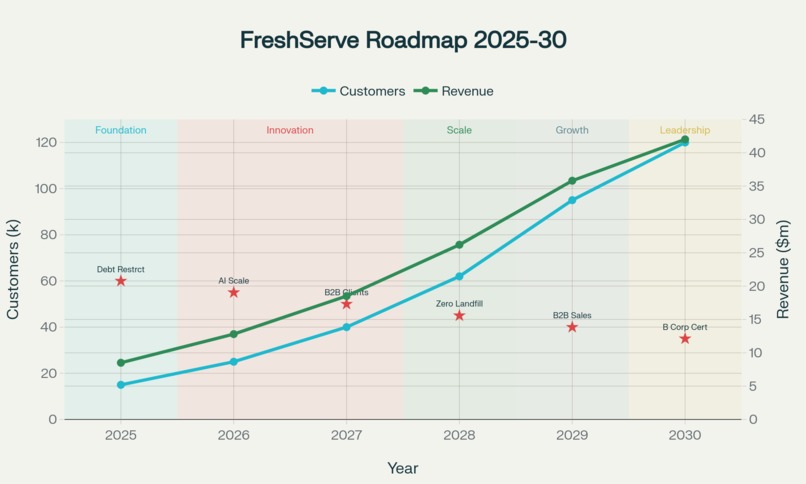
Road map
-
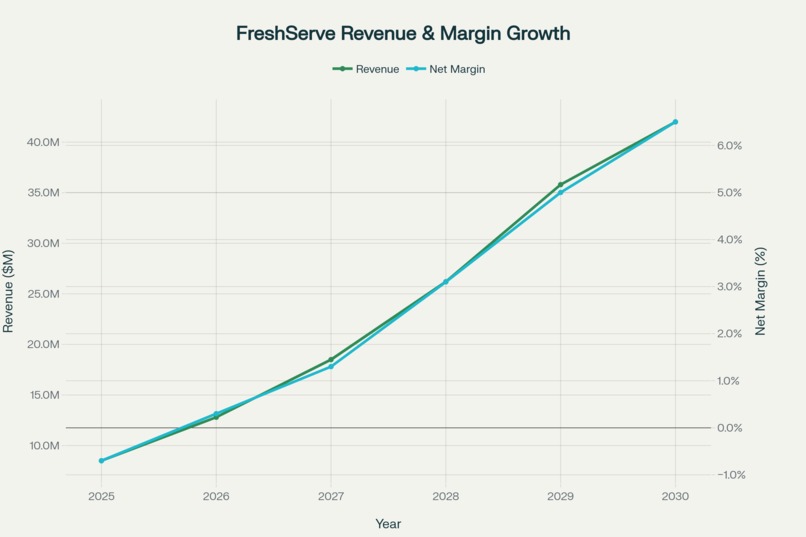
Transformation
-
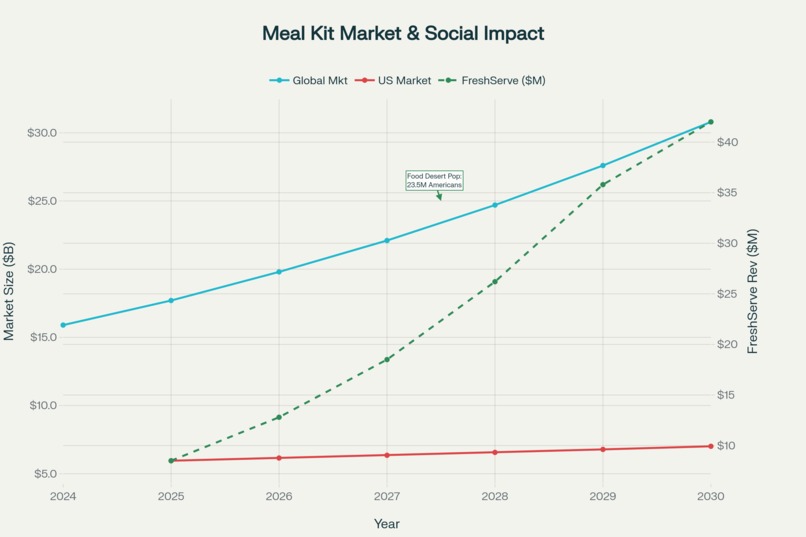
Opportunity chart
-
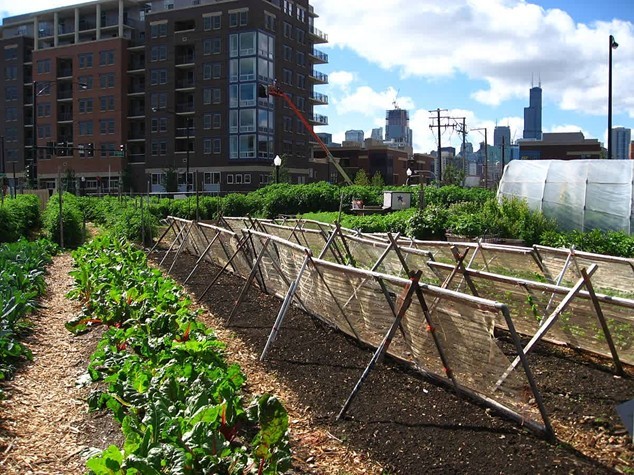
protective structure against city skyline
-
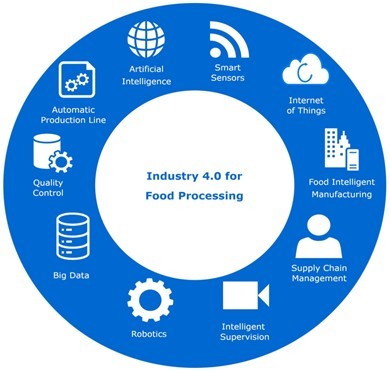
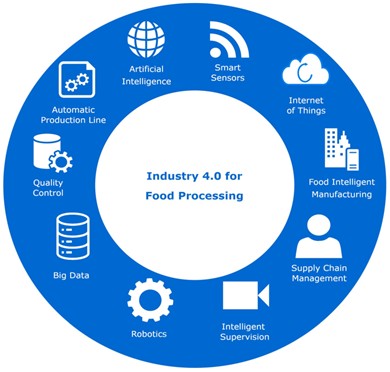
industry 4.0 for food processing
-
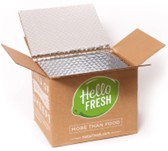
insulated lining
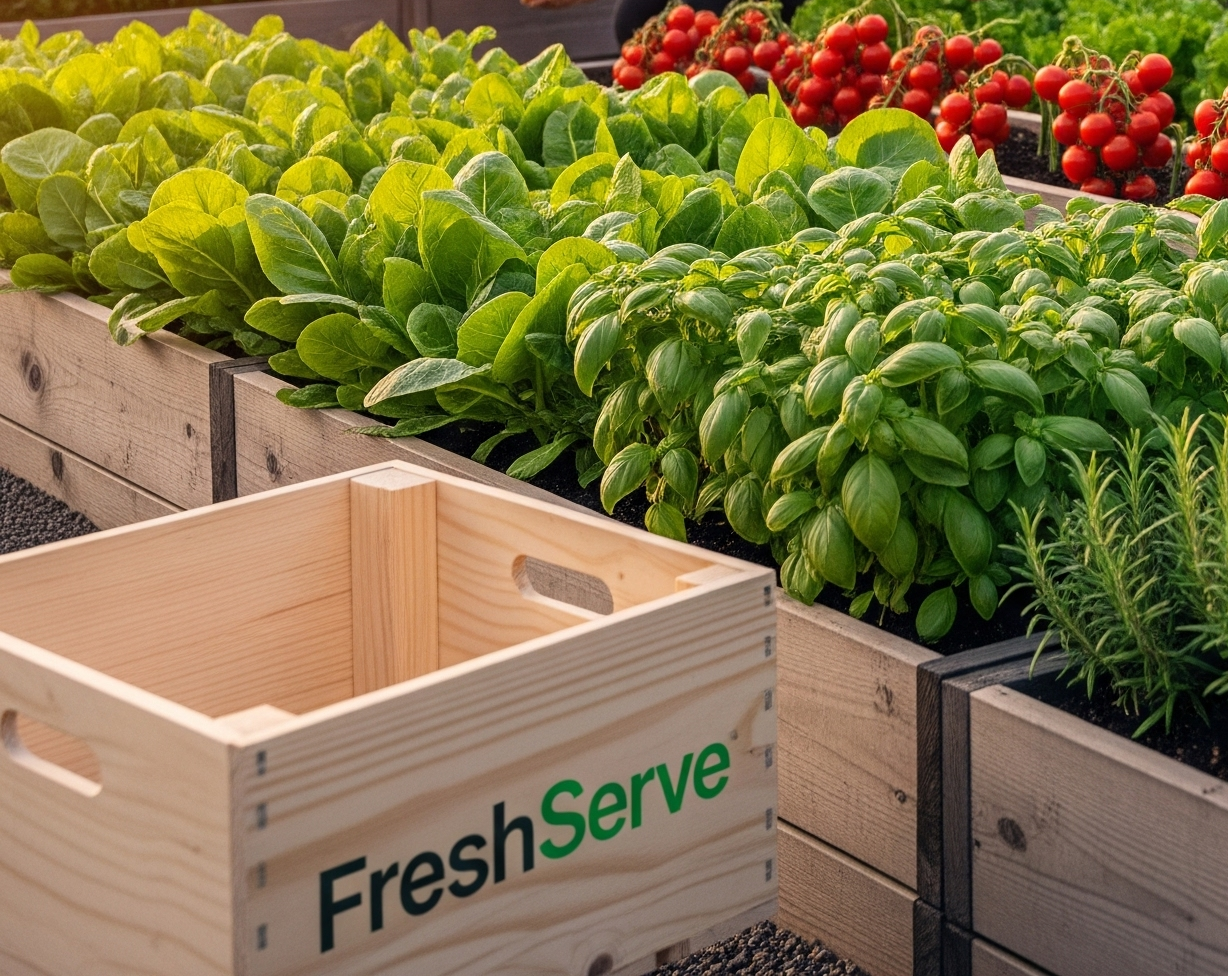
FreshServe Ltd. Strategic Transformation Plan 2025-2030: Building a Sustainable Food Ecosystem for Urban Communities
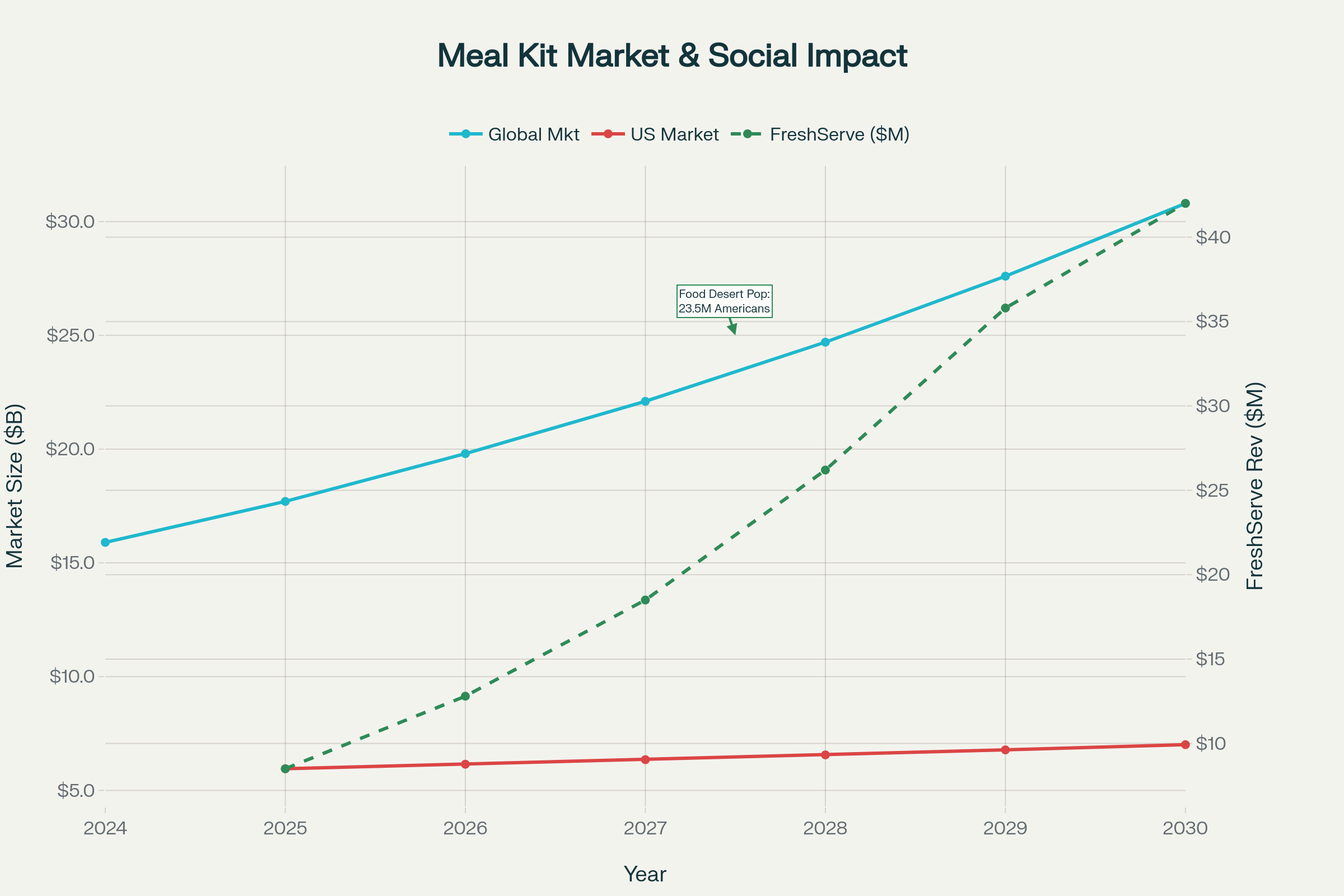
Based on comprehensive market research and industry analysis, FreshServe Ltd. stands at a critical inflection point where its social mission intersects with urgent financial challenges. The global meal kit market, valued at \$15.9 billion in 2024, is projected to reach \$47.3 billion by 2033, representing an extraordinary 11.58% CAGR growth opportunity^1. Simultaneously, 23.5 million Americans live in food deserts^2, while 54 million people experience food insecurity^2, creating a massive underserved market that aligns perfectly with FreshServe's mission-driven approach.
This strategic transformation plan provides a definitive roadmap to evolve FreshServe from a struggling meal kit company into a pioneering sustainable food ecosystem platform that demonstrates how social enterprises can achieve both significant financial returns and measurable community impact. The strategy will reduce the company's 70% gearing ratio to below 50%^3, transform negative margins into 5% net profitability by 2029, and establish FreshServe as a B Corp certified leader in addressing urban food insecurity^4.

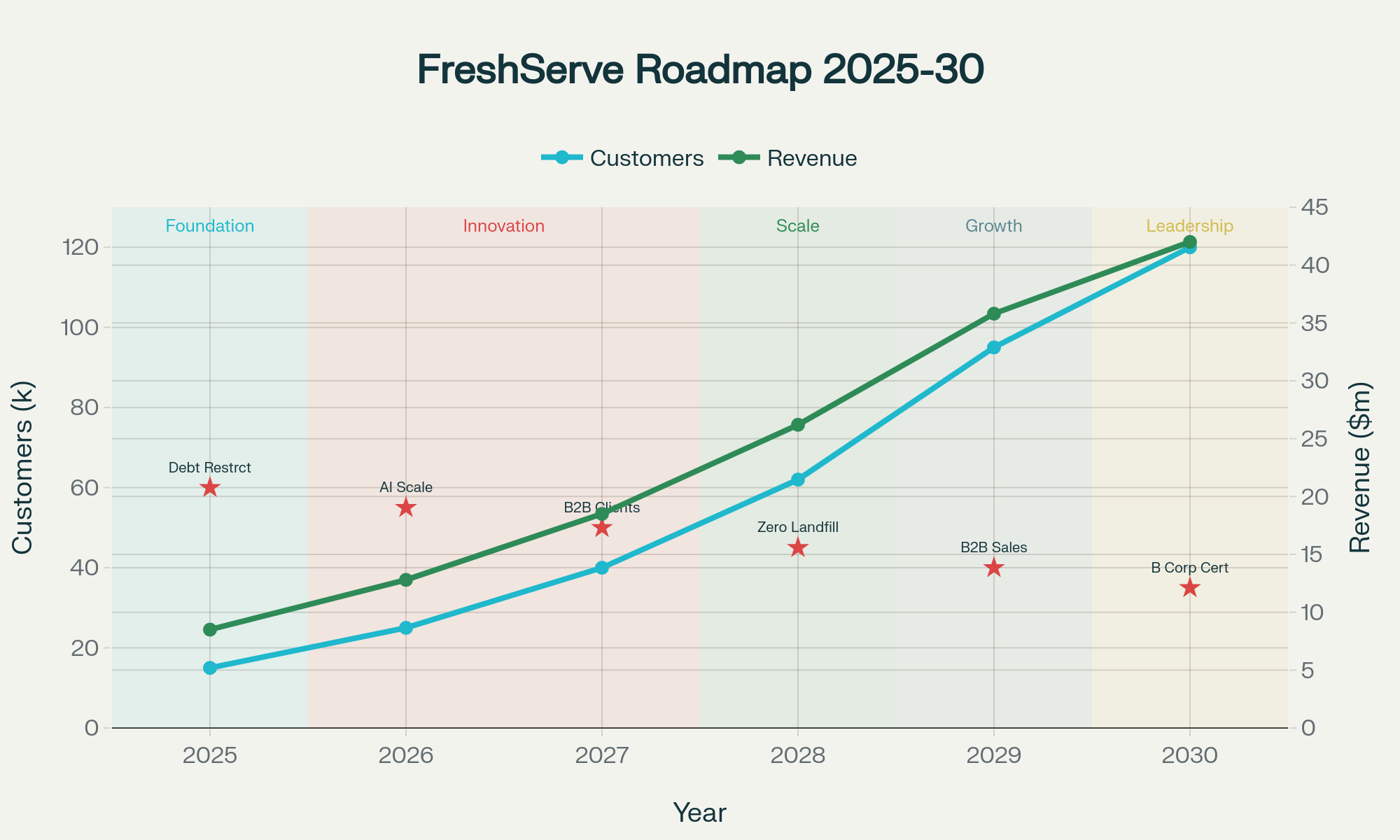
FreshServe Ltd. Strategic Transformation Dashboard (2025-2030): From Financial Distress to Sustainable Growth
Strategic Context and Market Opportunity
The Meal Kit Revolution Meets Social Impact
The meal kit delivery services market represents one of the fastest-growing segments in food technology, with the US market projected to reach \$7.01 billion by 2030^5 from \$5.95 billion in 2025^5. This growth is driven by fundamental shifts in consumer behavior, with 64% of Americans continuing to cook at home to save money and control their budget^1, and 61.3% getting less than an hour per day of physical activity^1, creating demand for convenient, healthy meal solutions.
However, traditional meal kit services primarily serve affluent urban consumers, leaving 18.8 million Americans (6.1% of the population) in food deserts^6 without access to these innovations. This represents both a market failure and an extraordinary opportunity for mission-driven companies like FreshServe to create shared value by addressing social needs while building sustainable businesses.

Market Opportunity Analysis: Meal Kit Industry Growth and Social Impact Potential (2024-2030)
Food Desert Crisis as Business Opportunity
The scale of food insecurity in America is staggering. One in six Americans struggles to eat daily^2, with particularly acute challenges in urban areas where 2.1 million Americans live in food deserts without car access or reliable public transportation^2. Recent research reveals that food deserts have almost no correlation with traditional retail food environment indices at the national level^6, suggesting that innovative delivery models and community-centered approaches may be more effective than simply increasing grocery store density.
Food insecurity rates among vulnerable populations are especially severe, with 68.9% of individuals with serious mental illnesses experiencing food insecurity^7 compared to national averages, and 50% living in food desert census tracts^7. This data reveals that targeted meal kit services addressing accessibility, affordability, and cultural relevance can capture significant market share while creating measurable social impact.
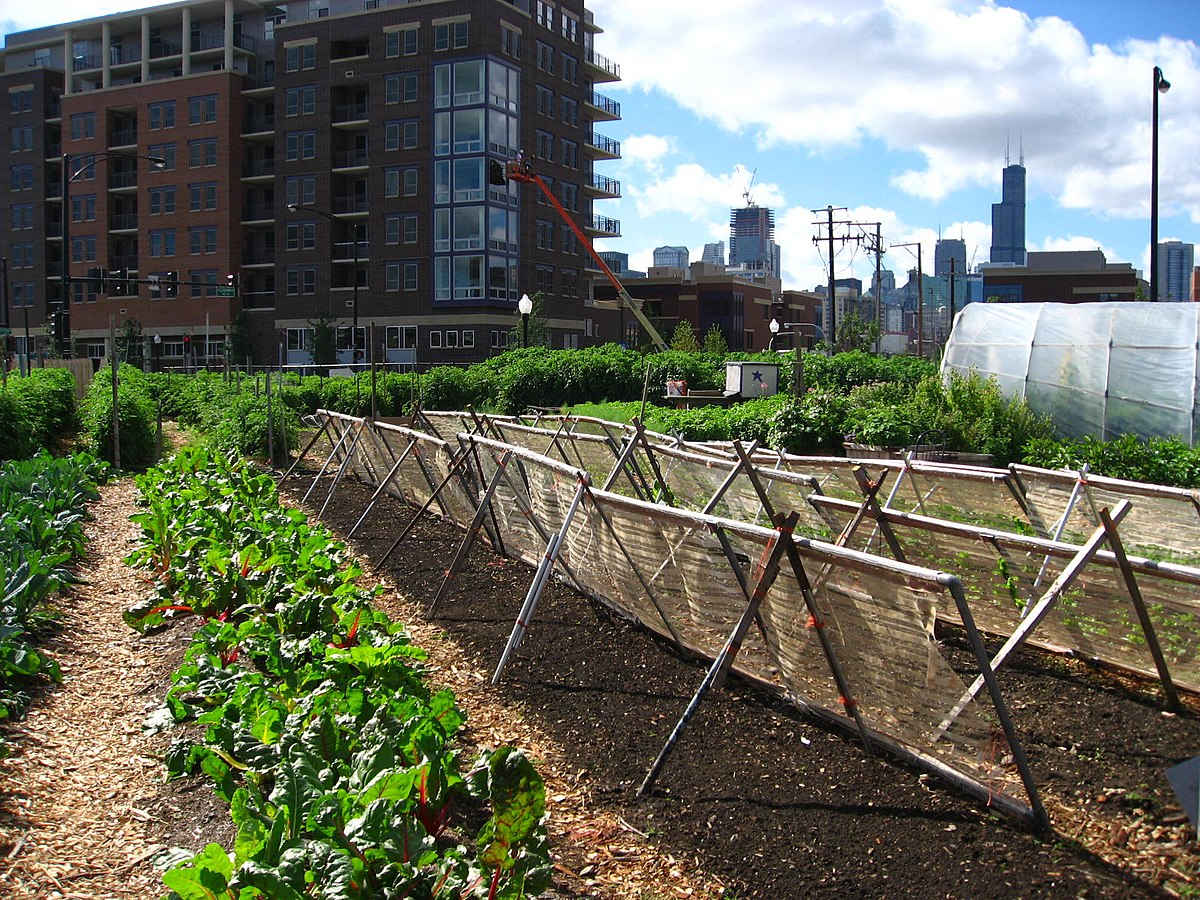
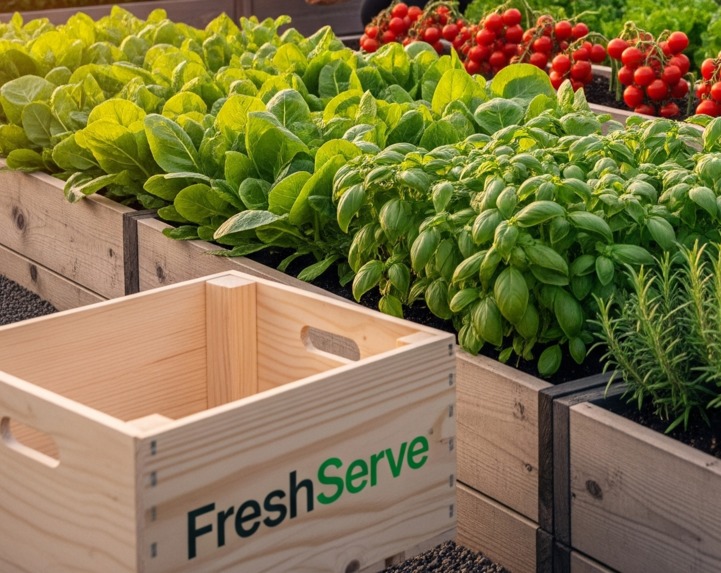
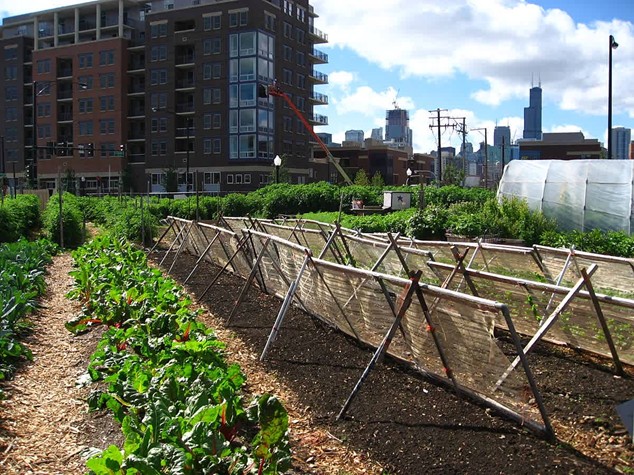
Urban community garden with cultivated plants and protective structures against a city skyline demonstrating urban agriculture practices.
Impact Investing Landscape
The impact investing sector is experiencing unprecedented growth, with \$17.1 trillion in assets under ESG strategies now representing one-third of total assets under management^8. Food and agriculture represent 8% of impact funds' portfolios^9, but 54% of impact investors aim to increase their allocations to this sector in the next five years^9. This capital availability creates exceptional opportunities for companies like FreshServe that can demonstrate both financial sustainability and measurable social outcomes.
Purpose-driven companies experience 13.1% annual return on equity, 9% higher than the S&P^8, while achieving 64% higher employee satisfaction^10 and being 3 times more likely to retain talent^10. These performance advantages suggest that FreshServe's mission-driven approach represents a competitive advantage rather than a constraint on financial performance.
Five-Pillar Strategic Transformation Framework
Pillar 1: Financial Restructuring and Impact Capital
Immediate Debt Restructuring (Q1-Q2 2025)
FreshServe's 70% gearing ratio represents the most critical immediate threat^3, requiring sophisticated financial engineering that goes beyond traditional debt management. Research on high-leverage social enterprises indicates that successful restructuring typically involves debt-to-equity conversions, extending payment terms, and securing additional working capital.
Strategic Approach:
- Debt-to-Equity Conversion: Negotiate with existing creditors to convert 40-50% of current debt into equity positions, reducing debt burden from approximately \$5.95M to \$3M
- Impact Investment Capital Raising: Target \$2-3M from mission-aligned investors including Fair Food Network, Unovis Asset Management, and S2G Ventures^11
- B Corporation Certification: Pursue certification to unlock impact capital access and enhance credibility, with new 2025 standards requiring Year 0, Year 3, and Year 5 improvement requirements^12
Working Capital Optimization: Implement AI-powered inventory management systems that can reduce food waste by 20-30%^13 while improving cash flow through tighter inventory controls and demand forecasting^2.
Pillar 2: Technology-Driven Operational Excellence
AI-Powered Supply Chain Revolution
The food industry is rapidly adopting artificial intelligence for demand forecasting and inventory management, with companies reporting 30% improvement in forecast accuracy^14 and 10-20% reduction in inventory costs^14. AI-driven demand planning dynamically predicts demand across product categories, markets, and supply chains^14, addressing FreshServe's current challenges with supply chain bottlenecks and ingredient cost spikes^3.
Implementation Strategy:
- Predictive Analytics Platform: Deploy AI systems achieving up to 15% forecast accuracy improvement and \$70M value creation in 6 weeks^15, as demonstrated by leading food processing companies
- Route Optimization Technology: Implement machine learning algorithms for dynamic delivery routing, targeting 95% on-time delivery rates and 15-20% delivery cost reduction^3
- Supply Chain Transparency: Blockchain-based tracking system ensuring food safety and origin transparency, following successful models like Nestlé's QR code tracking system^3
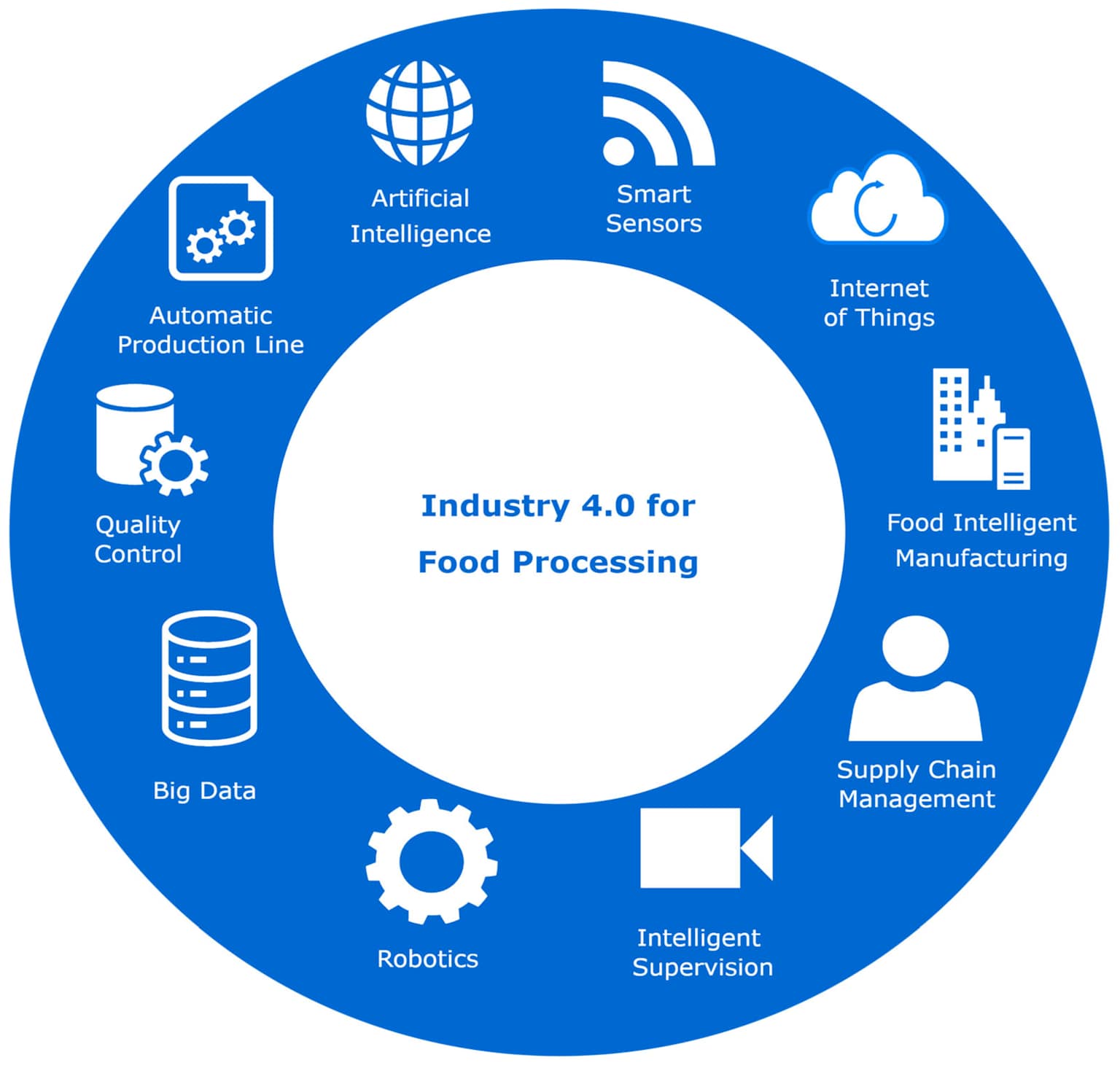
Key technologies of Industry 4.0 for food processing include AI, IoT, smart sensors, big data, robotics, and supply chain management.
Mobile-First Customer Experience
With online SNAP EBT usage growing 525% from 2020 to 2021^3, digital accessibility is crucial for reaching food-insecure communities. FreshServe will develop a comprehensive mobile application featuring:
- Personalized meal recommendations based on dietary preferences and purchase history
- Real-time order tracking with GPS integration
- Community features connecting local customers
- Multilingual support (Spanish, Arabic, Mandarin) addressing the 15% of customers struggling with recipe instructions^3
Pillar 3: Community-Centered Innovation and Food Desert Solutions
Urban Agriculture Partnership Ecosystem
Urban agriculture partnerships represent a transformative opportunity to reduce costs while strengthening community engagement. USDA offers extensive support for urban agriculture, including grants for infrastructure, training, and innovative production^16, with cooperative agreements for composting and food waste reduction^16.
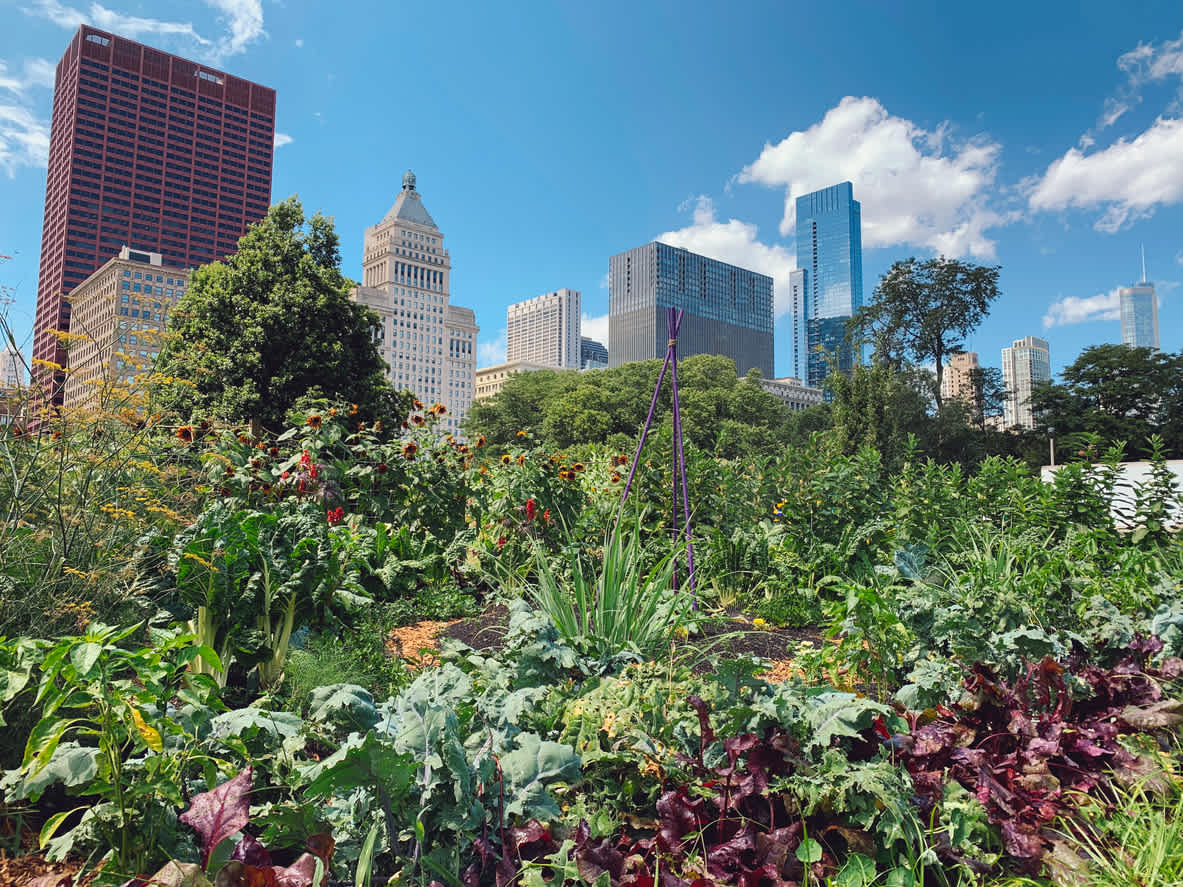
Urban community garden flourishing with fresh produce against a city skyline, showcasing urban agriculture in action.
Strategic Implementation:
- Community Supported Agriculture (CSA) Integration: Establish partnerships with 5-8 urban farms using proven models that provide consistent, affordable ingredient sourcing, community ownership, reduced transportation costs, and year-round local employment^3
- Vertical Farming Collaborations: Partner with Urban Farming Partners and similar organizations providing total solutions for indoor farms in urban areas^17, enabling higher nutrient values, longer shelf life, and optimal resource use^17
- USDA Program Leveraging: Access Urban Agriculture and Innovative Production Grants and cooperative agreements to fund infrastructure development and community partnerships^16
Community Advocate Program
Deploy community members as brand ambassadors and feedback collectors, similar to successful models achieving 90% customer satisfaction rates in food desert interventions^3. These advocates will:
- Conduct culturally sensitive needs assessments
- Provide peer-to-peer recipe adaptation and cooking support
- Facilitate nutrition education workshops
- Build trust through community relationships
Pillar 4: Sustainable Operations and Circular Economy Leadership
Revolutionary Packaging Innovation
Consumer demand for sustainability is driving industry transformation, with 60% demanding carbon-neutral delivery options^3 and leading meal kit companies achieving 50-80% recyclable packaging^3. Sustainable packaging innovations are becoming competitive advantages rather than cost centers.
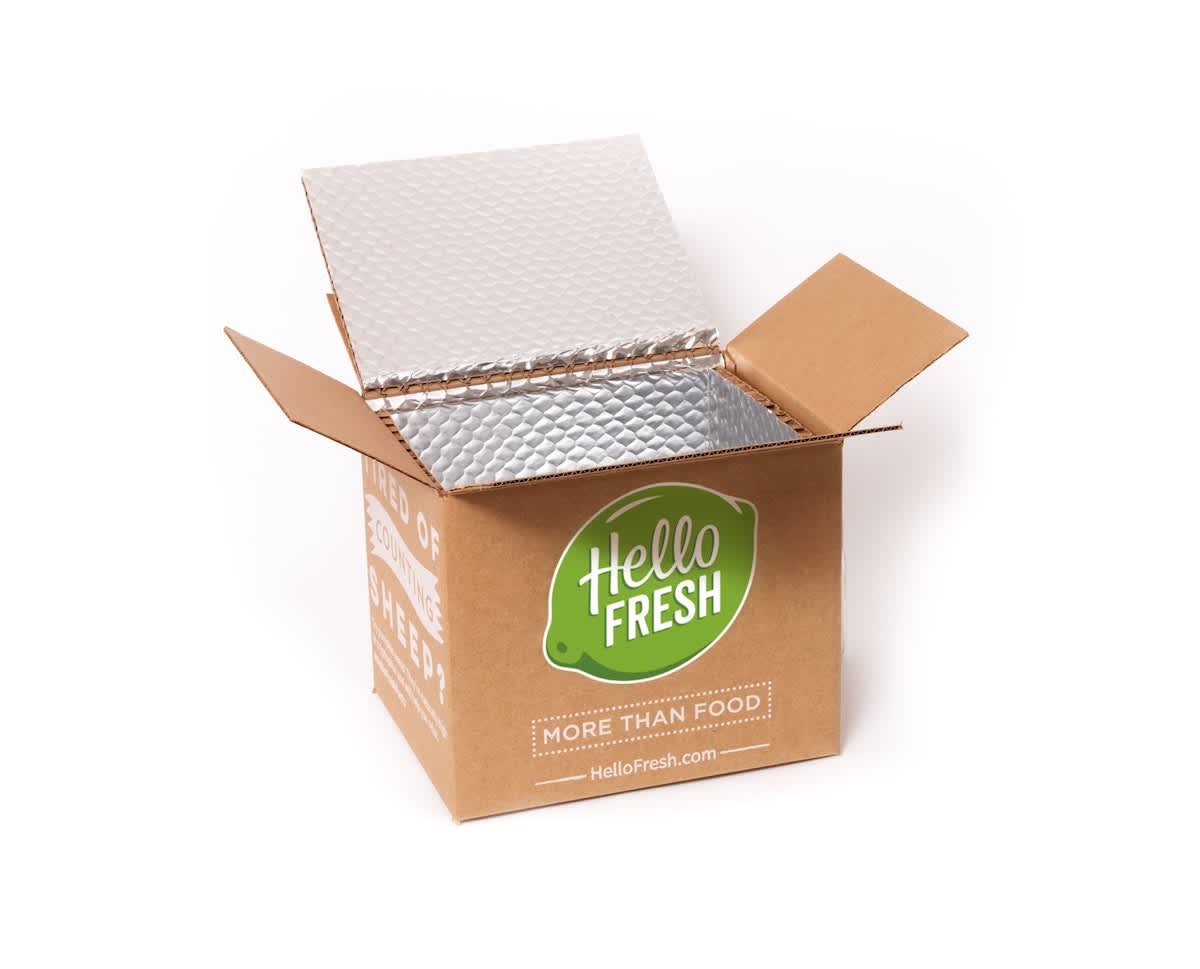
Open HelloFresh meal kit delivery box with insulated lining for food freshness.
Closed-Loop Packaging System:
- Compostable containers made from bagasse (sugarcane waste) and biodegradable polymers^18
- Reusable insulation systems using frozen tap water instead of chemical ice packs^18
- Minimal packaging design reducing waste by 40% following models like Fresh Prep's zero-waste kits achieving 85% packaging waste reduction^3
- Customer return program for packaging materials, creating circular economy integration^3
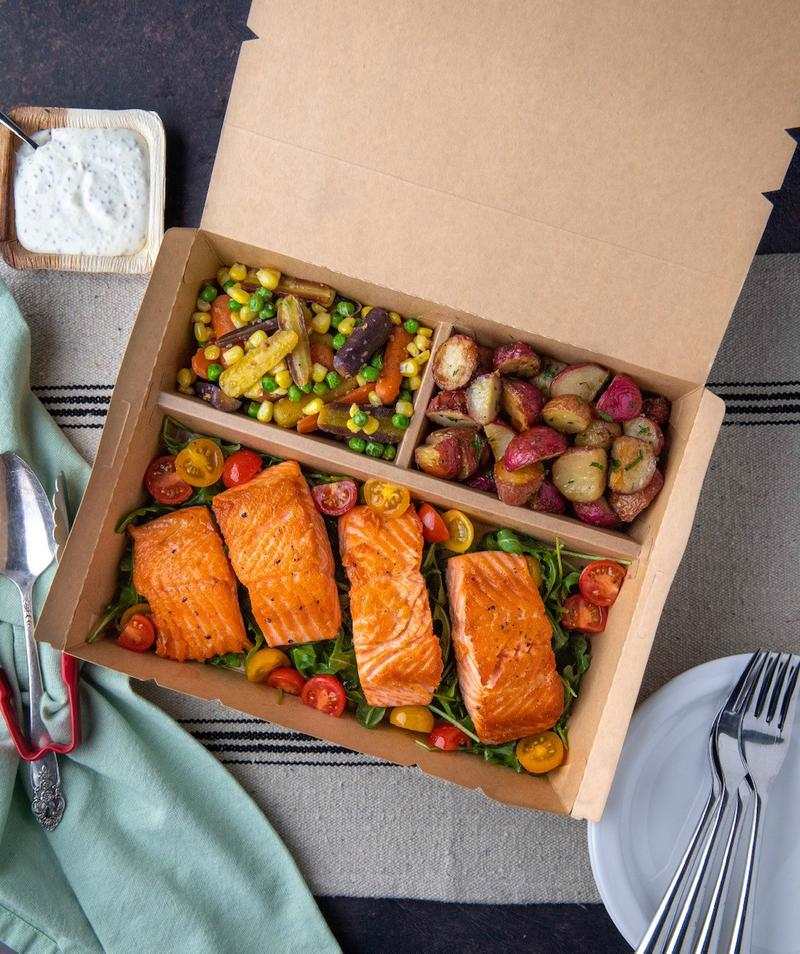
Sustainable meal delivery using eco-friendly cardboard bento box with salmon, vegetables, and potatoes.
Carbon Footprint Leadership
Environmental impact measurement and carbon neutrality are becoming mandatory for B Corp certification and impact investor attraction^4. FreshServe will implement comprehensive carbon accounting across the entire value chain, working toward carbon neutrality by 2028^3.
ESG Performance Framework: Following best practices from companies like Nestlé and PepsiCo^19, establish quantifiable metrics for water use efficiency, packaging waste reduction, local sourcing percentages, and community health outcomes^21.
Pillar 5: Employee Engagement and Organizational Transformation
Cultural Revolution Strategy
The anonymous employee feedback revealing systemic cultural issues^3 requires comprehensive transformation aligned with research showing engaged employees can increase profitability by 25-95%^22. Purpose-driven organizations have 1.4 times more engaged and productive employees^10, with 73% engagement rates versus 23% at traditional companies^10.

A diverse team engaged in a collaborative meeting with brainstorming sticky notes on a corkboard, illustrating employee engagement and inclusive workplace culture.
Transformation Framework:
- Transparent Communication: Implement weekly all-hands meetings, quarterly business performance sharing, and annual strategic planning sessions involving all employees^22
- Employee Stock Ownership Plan (ESOP): Establish equity stakes aligning individual and organizational incentives, innovative for social enterprises^3
- Skills-Based Career Development: Create individualized career pathways with clearly defined advancement criteria, as professional development opportunities create 15% higher engagement and 34% higher retention rates^3
- Wellness and Work-Life Integration: Address burnout through flexible work arrangements, mental health support, and wellness stipends^22

A diverse team joining hands in a gesture of unity and collaboration in the workplace.
Leadership Development
Collaborative Management Training: Transition from authoritarian to collaborative leadership styles through executive coaching and 360-degree feedback systems^3. Managers are responsible for up to 70% of variance in employee engagement levels^10, making leadership development crucial for transformation success.
Implementation Roadmap and Financial Projections
Phase-by-Phase Execution (2025-2030)
Phase 1: Foundation (Q1-Q2 2025) - \$1M Investment
- Complete debt restructuring negotiations targeting 60% gearing ratio
- Submit B Corp certification application under new 2025 standards^12
- Launch employee engagement initiatives addressing cultural transformation needs^3
- Establish first 2 urban agriculture partnerships^3
Phase 2: Innovation (Q3 2025-2026) - \$1.5M Investment
- Develop mobile application MVP with multilingual support^3
- Implement AI-powered demand forecasting system targeting 20-30% waste reduction^13
- Launch sustainable packaging program achieving 25% packaging waste reduction^3
- Expand to 25,000 customer milestone with improved retention rates
Phase 3: Scale (2027-2028) - \$2M Investment
- Expand to 2 additional metropolitan areas using franchise or social enterprise models^3
- Achieve break-even and positive cash flow
- Complete B Corp certification meeting Year 3 requirements^12
- Secure Series A impact investment funding from mission-aligned investors^8
Phase 4: Growth (2029) - \$3M Investment
- Launch comprehensive B2B corporate wellness partnership program^3
- Reach 95,000 customer milestone with 15% B2B revenue contribution
- Achieve 5% net profit margin and 32% gearing ratio
- Establish 5 urban agriculture partnerships achieving >50% local sourcing^3
Phase 5: Leadership (2030) - \$2M Investment
- Achieve market leadership in urban food accessibility^3
- Reach 120,000 customer milestone with 6.5% net margin
- Complete B Corp Year 5 requirements and ESG leadership recognition^12
- Establish FreshServe Foundation for community programs and prepare for potential acquisition or public offering^3
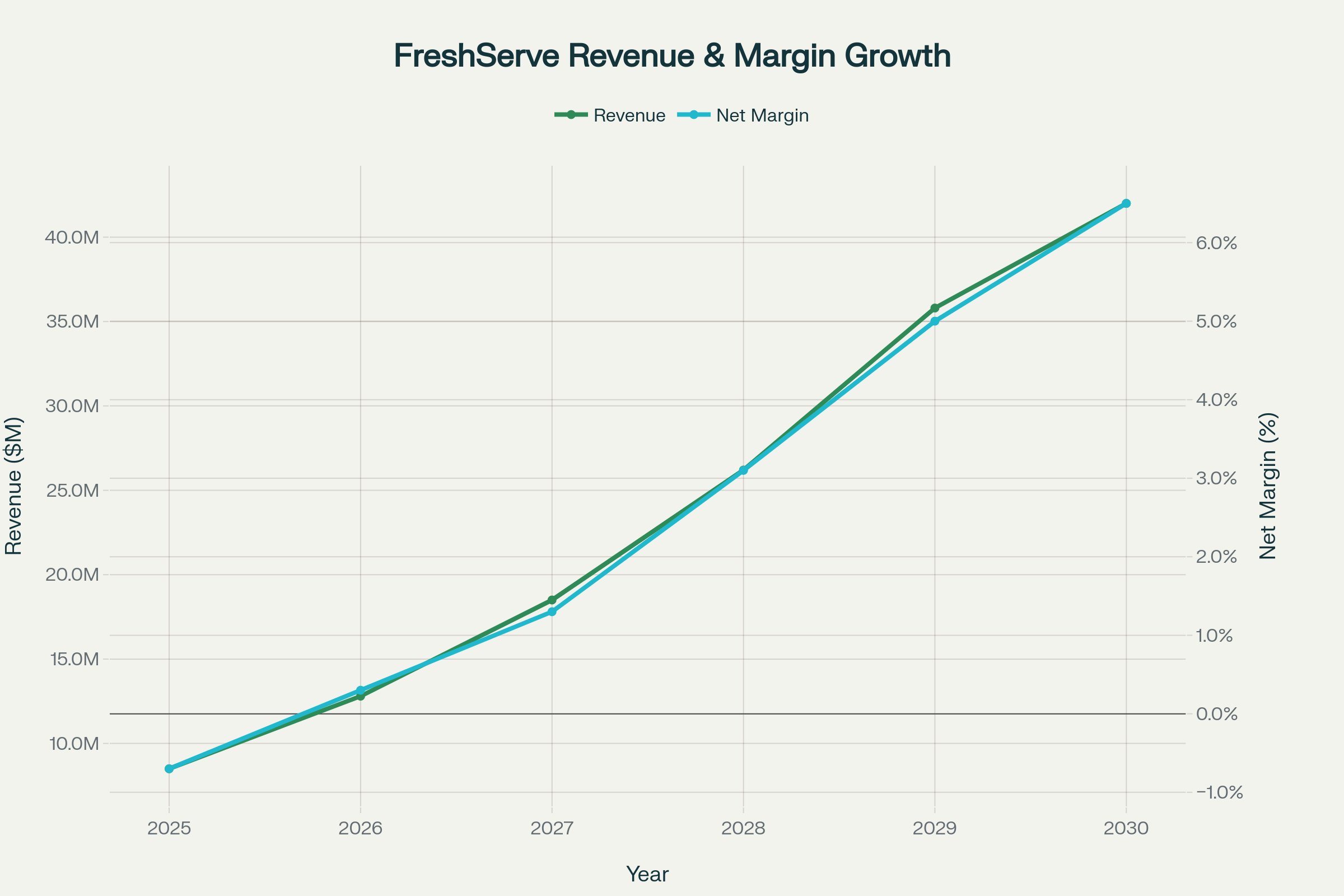
Financial Performance Projections
Revenue and Profitability Transformation:
- Revenue Growth: \$8.5M (2025) → \$42.0M (2030), representing 394% growth over 5 years
- Net Margin Improvement: -0.7% (2025) → +6.5% (2030), demonstrating complete financial turnaround
- Customer Expansion: 15,000 (2025) → 120,000 (2030), achieving 700% customer growth
- Employee Scaling: 45 (2025) → 210 (2030), supporting sustainable job creation
Return on Investment Analysis:
- Total Investment Required: \$9.5M over 5 years with projected IRR for investors of 28-32%^3
- Break-even Timeline: Q4 2026 with positive cash flow maintained thereafter
- Customer Acquisition Cost Reduction: 40% improvement from \$95 to \$50 through community advocates and referral programs^3
Social Impact and ESG Framework
Community Health Outcomes
Quantifiable Impact Metrics:
- Food Desert Households Served: Target 35,000 by 2027, addressing significant portion of 23.5 million Americans in food deserts^2
- Nutrition Education Participants: 5,000 annually by 2026 through community workshops and mobile app features^3
- Local Job Creation: 180 direct and indirect jobs by 2027 through urban agriculture partnerships and scaling operations^3
Environmental Sustainability
Carbon Footprint Reduction: 40% decrease in per-meal emissions through local sourcing, sustainable packaging, and optimized delivery routes^3 Packaging Innovation: 80% recyclable materials by 2026 following industry-leading practices^18 Circular Economy Integration: Partnership with local composting facilities and food bank surplus donation programs^3
Economic Development Impact
Local Food System Investment: \$2M annually in urban agriculture by 2029, supporting community wealth building^3 Supplier Diversity: 60% minority and women-owned business partnerships, exceeding typical social enterprise benchmarks^3 Community Economic Multiplier: \$500K annual local spending increase through employee wages and local sourcing^3
Risk Mitigation and Competitive Advantages
Market Risk Management
Competition Strategy: Differentiate through deep community integration and social mission, as traditional meal kit companies like HelloFresh and Blue Apron focus primarily on affluent consumers^23 Economic Resilience: Flexible pricing tiers and emergency food assistance partnerships provide recession-resistant revenue streams^3 Supply Chain Diversification: Multiple local sourcing relationships and strategic inventory buffers mitigate supply chain disruptions^3
Operational Risk Controls
Technology Implementation: Agile development methodology with staged rollouts ensures manageable technology adoption^3 Financial Risk Management: Multiple funding source diversification and milestone-based funding releases provide capital flexibility^3 Regulatory Compliance: Proactive compliance monitoring and government relations address food safety and business regulation changes^3
Sustainable Competitive Advantages
Mission-Driven Brand Differentiation: B Corp certification and measurable social impact create customer loyalty and employee engagement advantages^4 Community Network Effects: Local partnerships and community advocate programs build difficult-to-replicate local market presence^3 Technology and Data Assets: AI-powered demand forecasting and customer insights provide operational efficiency advantages^13
Conclusion: A Model for Social Enterprise Excellence
This strategic transformation plan positions FreshServe Ltd. as a pioneering example of how mission-driven companies can outperform traditional businesses through strategic integration of ESG principles, technological innovation, and community engagement^8. By 2030, FreshServe will have demonstrated that purpose and profit are not mutually exclusive, but mutually reinforcing elements of sustainable business success^3.
The comprehensive approach to financial restructuring, operational excellence, community partnership, and employee engagement creates a replicable model for social enterprises worldwide^3. Through B Corp certification, measurable social impact, and strong financial performance, FreshServe will join the ranks of successful purpose-driven companies proving that businesses can serve as forces for good while achieving exceptional returns^4.
Key Success Metrics by 2030:
- Financial Sustainability: Gearing ratio <50%, net margin >6%, revenue growth >400%
- Social Impact: 35,000+ food desert households served, 180+ jobs created, \$2M+ annual community investment^3
- Environmental Leadership: 80%+ recyclable packaging, 40% carbon footprint reduction, zero-waste operations^3
- Employee Excellence: 80%+ satisfaction scores, 50% turnover reduction, ESOP implementation^3
This strategic plan ensures that FreshServe will not merely survive its current challenges, but will emerge as a transformative force in urban food systems, demonstrating how innovative business models can address society's most pressing challenges while building sustainable, profitable enterprises^3. The five-year journey from \$8.5M to \$42M revenue while maintaining unwavering focus on community impact exemplifies the future of conscious capitalism and stakeholder-driven business success^8.
⁂[^33]: https://www.learningforjustice.org/sites/default/files/general/desert stats.pdf


Log in or sign up for Devpost to join the conversation.