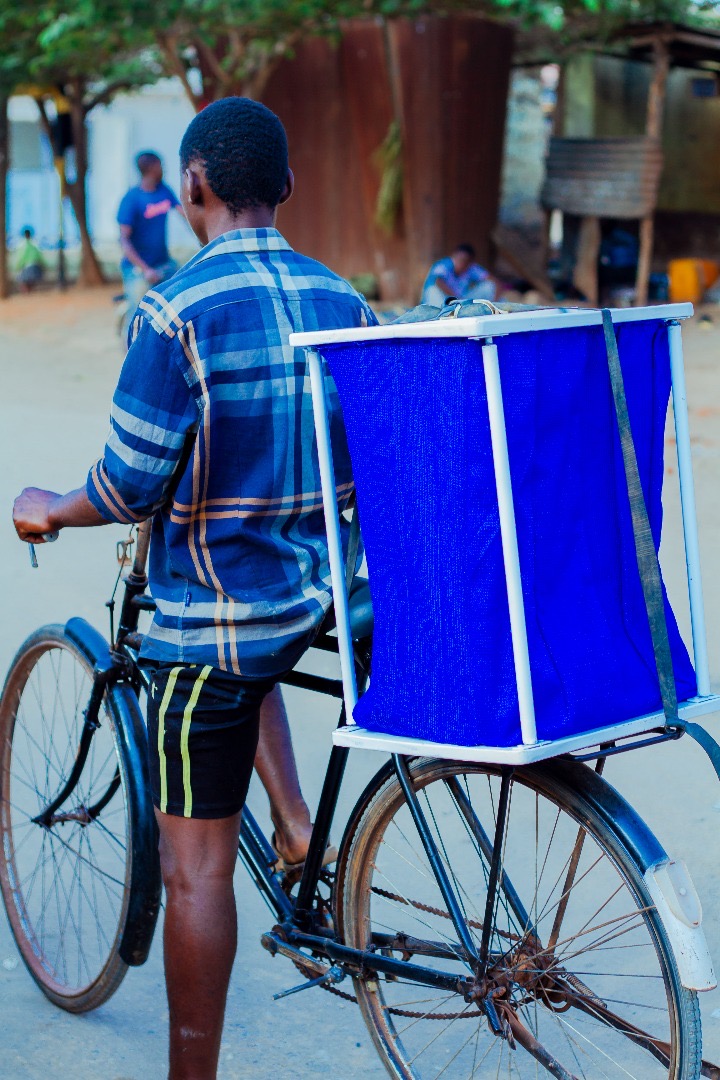
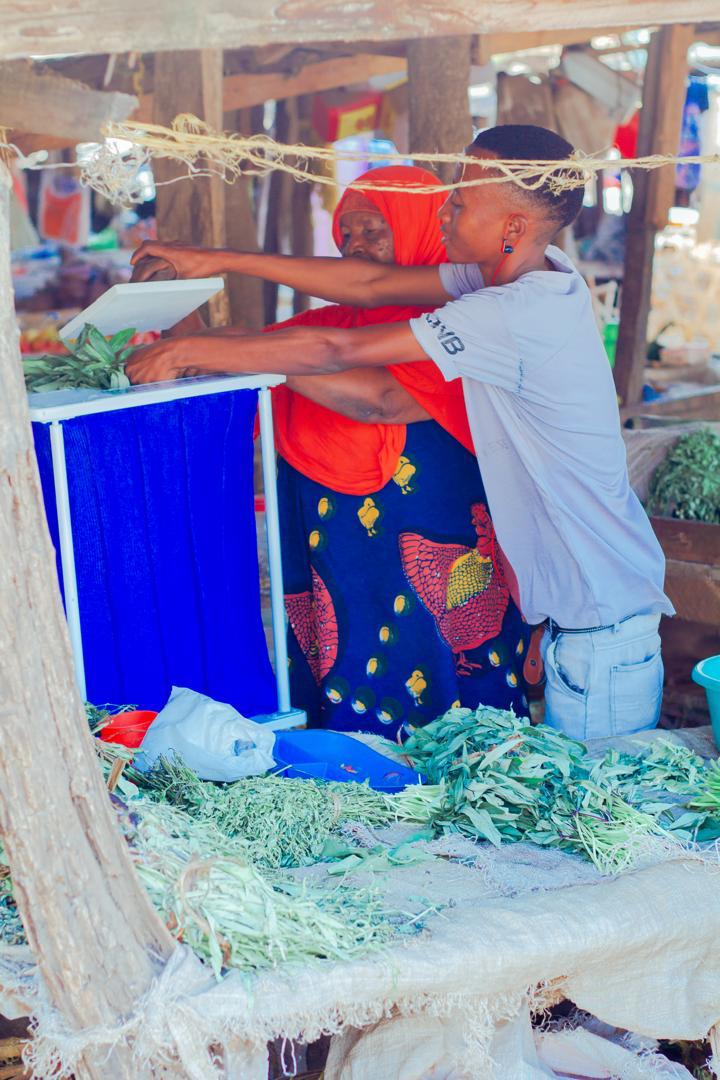
At Freshpack Technologies, we were inspired by the everyday struggles of women vegetable vendors in Tanzania many of whom lose up to 40% of their stock due to spoilage caused by lack of proper storage. As a team working closely with rural markets, we saw firsthand how post-harvest loss isn’t just a technical issue it's a financial and social crisis, especially for low-income families depending on this income.
Our idea started with a simple question: “What if vegetables could stay fresh longer, even without access to electricity?” This led us on a journey to co-design a solution with the very people facing this problem. That’s how Freshpack was born a low-energy, solar-powered smart box designed to preserve vegetables in hot, off-grid environments.
How We Built It We combined locally available materials with biomimicry, mimicking the human body's cooling process (evaporative cooling) in a fabric-based insulation layer. For this prototype, we used:
Smart breathable fabric to regulate internal temperature Solar panel integration for passive energy support A modular box structure tailored to vendor needs IoT components (in later prototypes) for future data tracking We designed everything with resource constraints in mind—limited power, no internet, harsh temperatures.
What We Learned Designing under constraints forces radical creativity we had to rethink materials, structure, and user needs from scratch. Field testing revealed that vendors cared more about durability and ease of use than fancy tech. Collaboration with local technicians and vendors created a stronger, more grounded solution than what we could have built in isolation.
Challenges Faced Material sourcing: Finding the right balance between affordability, durability, and cooling capacity. User training: Ensuring adoption required multiple redesigns for intuitive use. Scaling production: Our early models were handmade. Moving to scalable, low-cost manufacturing is still an ongoing journey. Technical limitations: Incorporating solar and cooling efficiently without inflating costs was a constant trade-off.

Log in or sign up for Devpost to join the conversation.