-
-
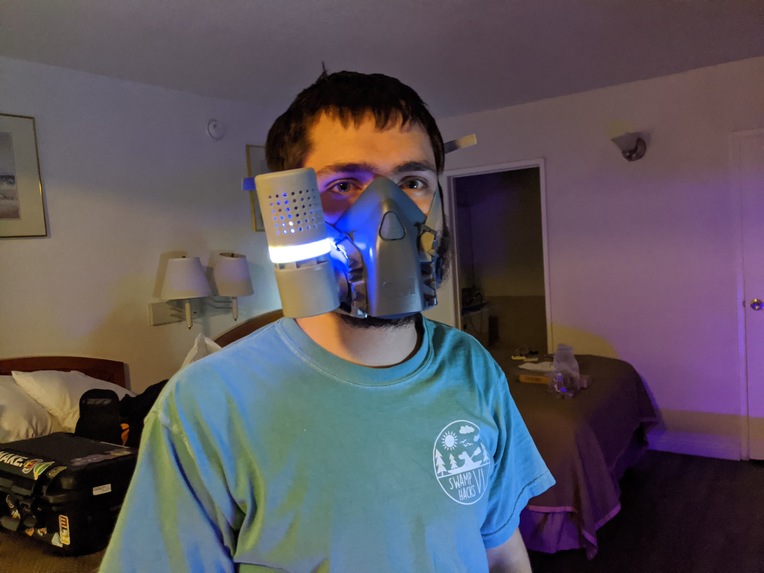
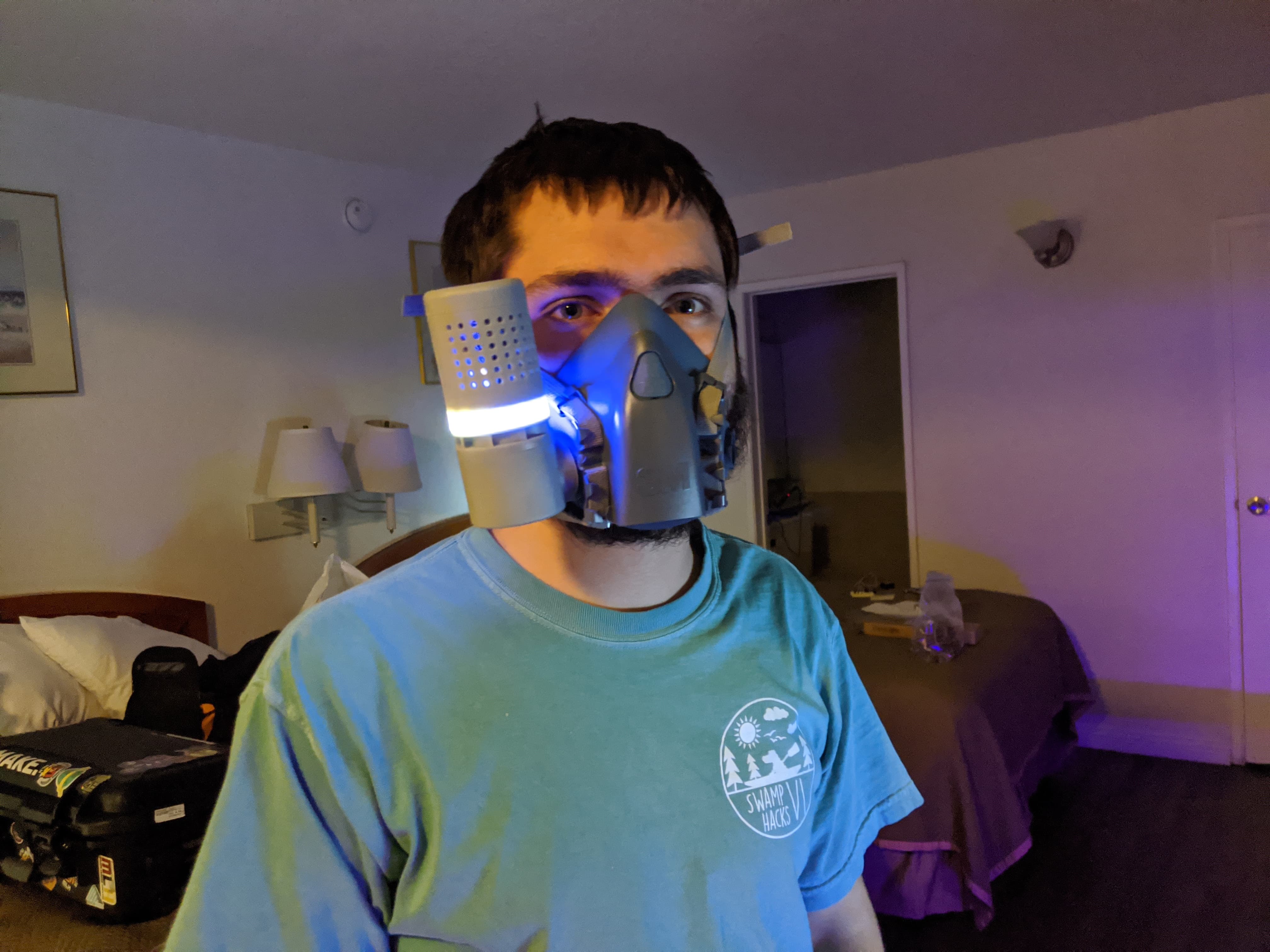
Brandon Wolfram wearing the Mask
-
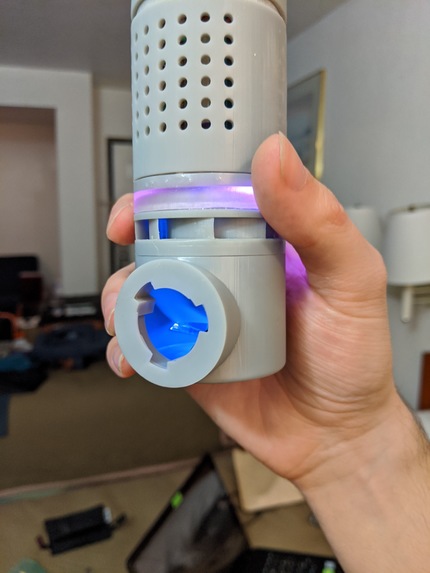
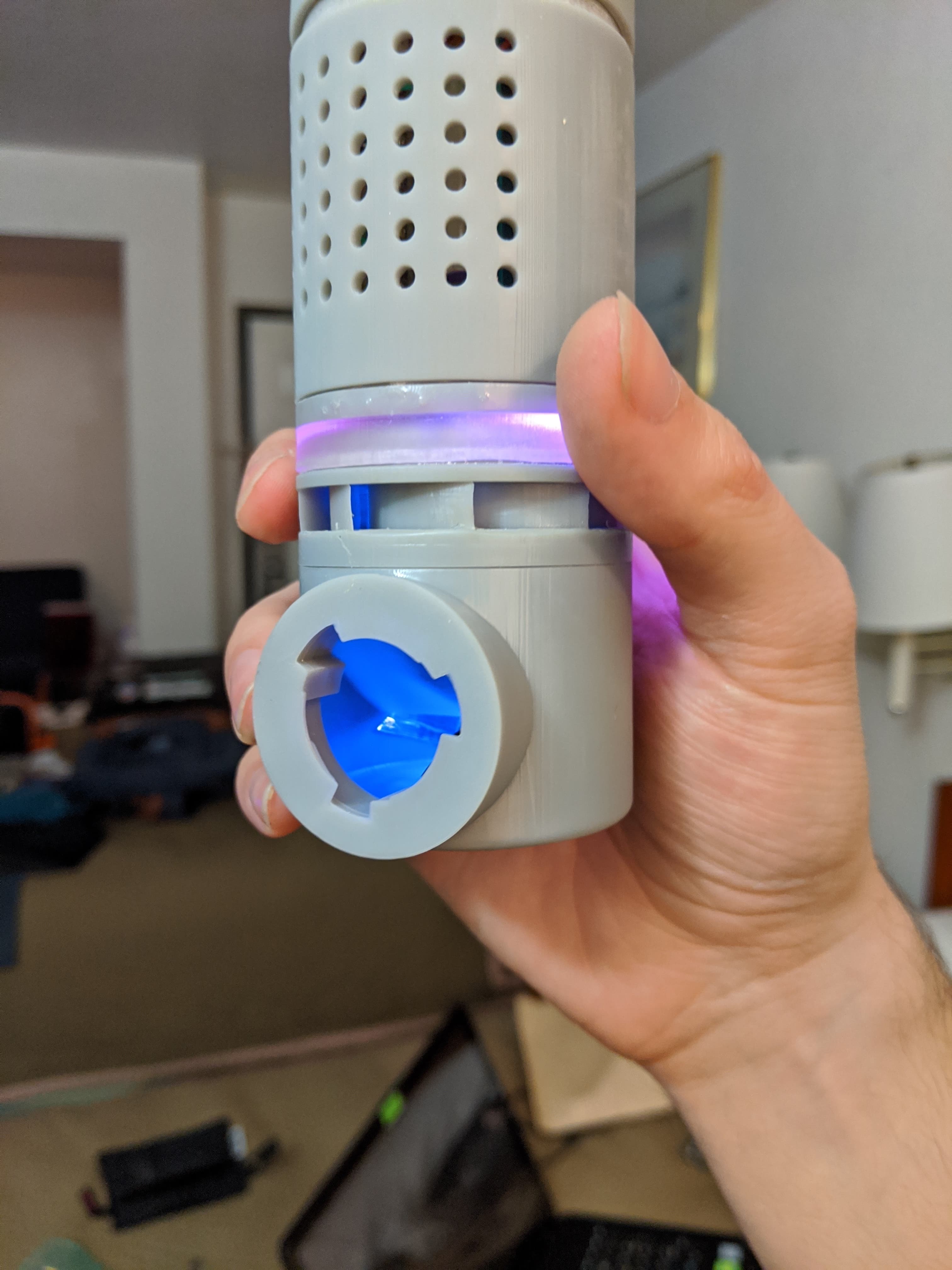
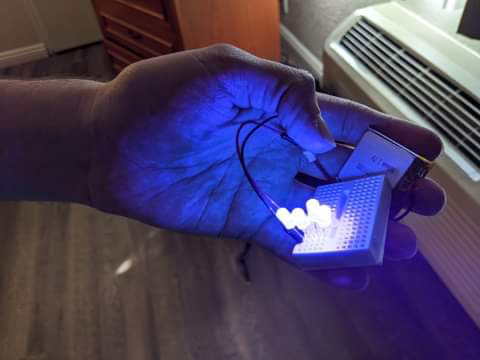
Lower half of device showing UV LEDs
-
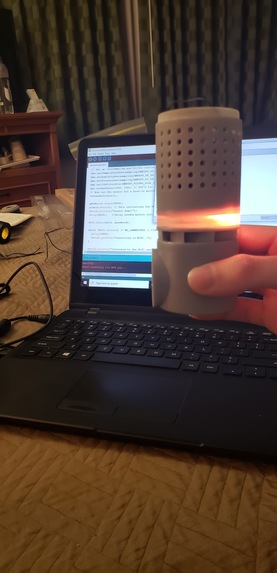
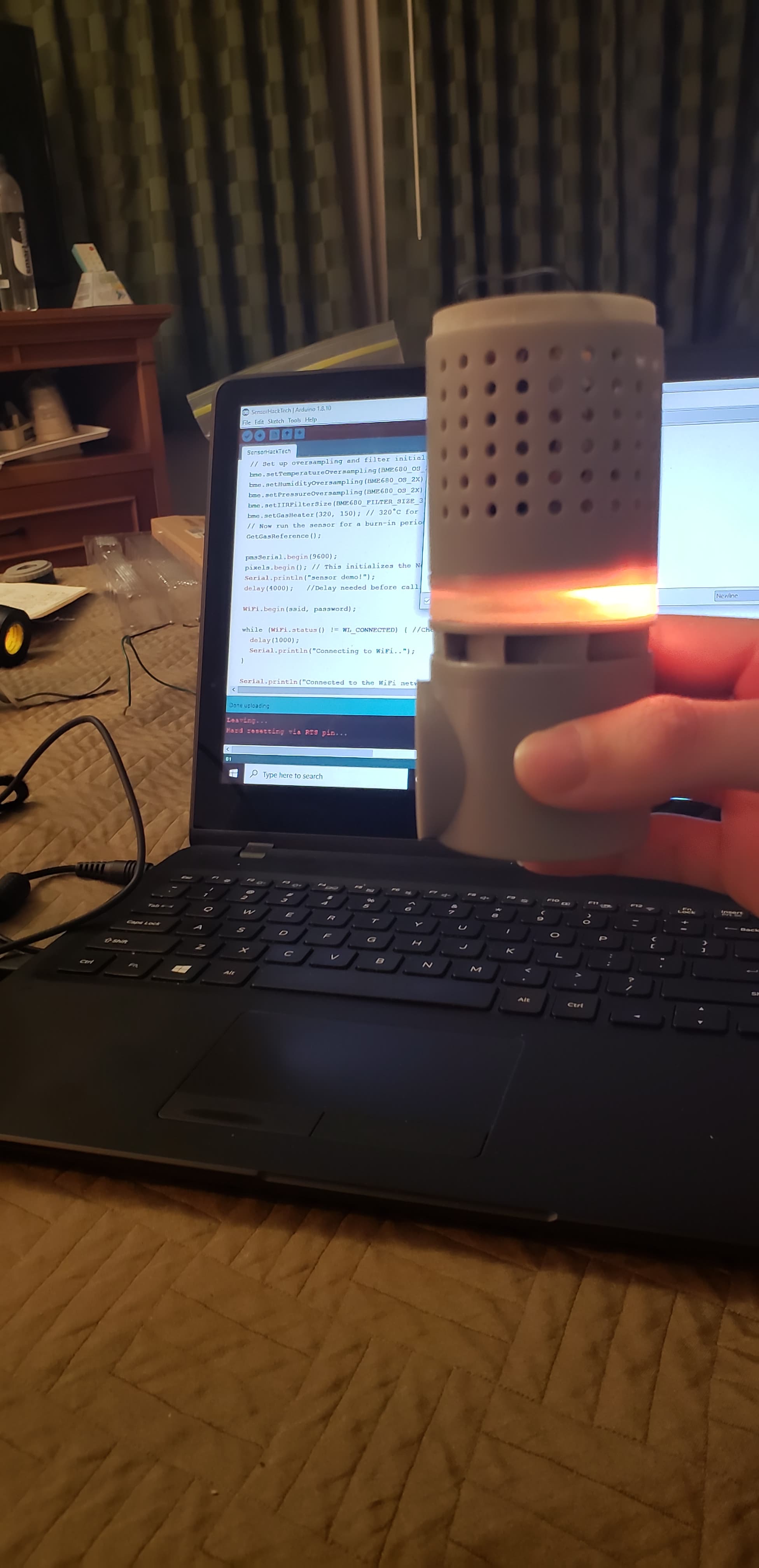
Demo of the device working assembled
-
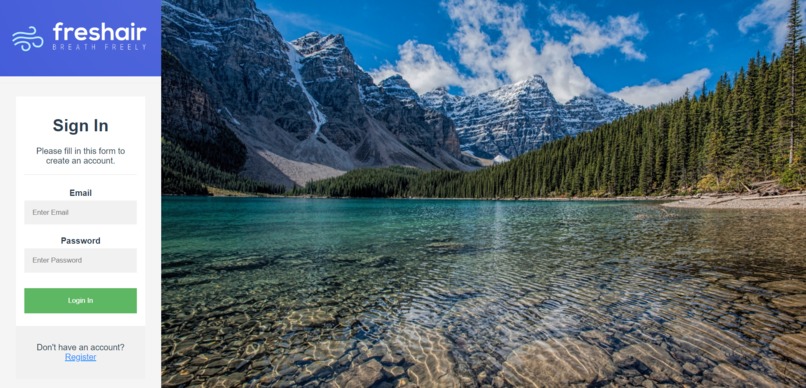
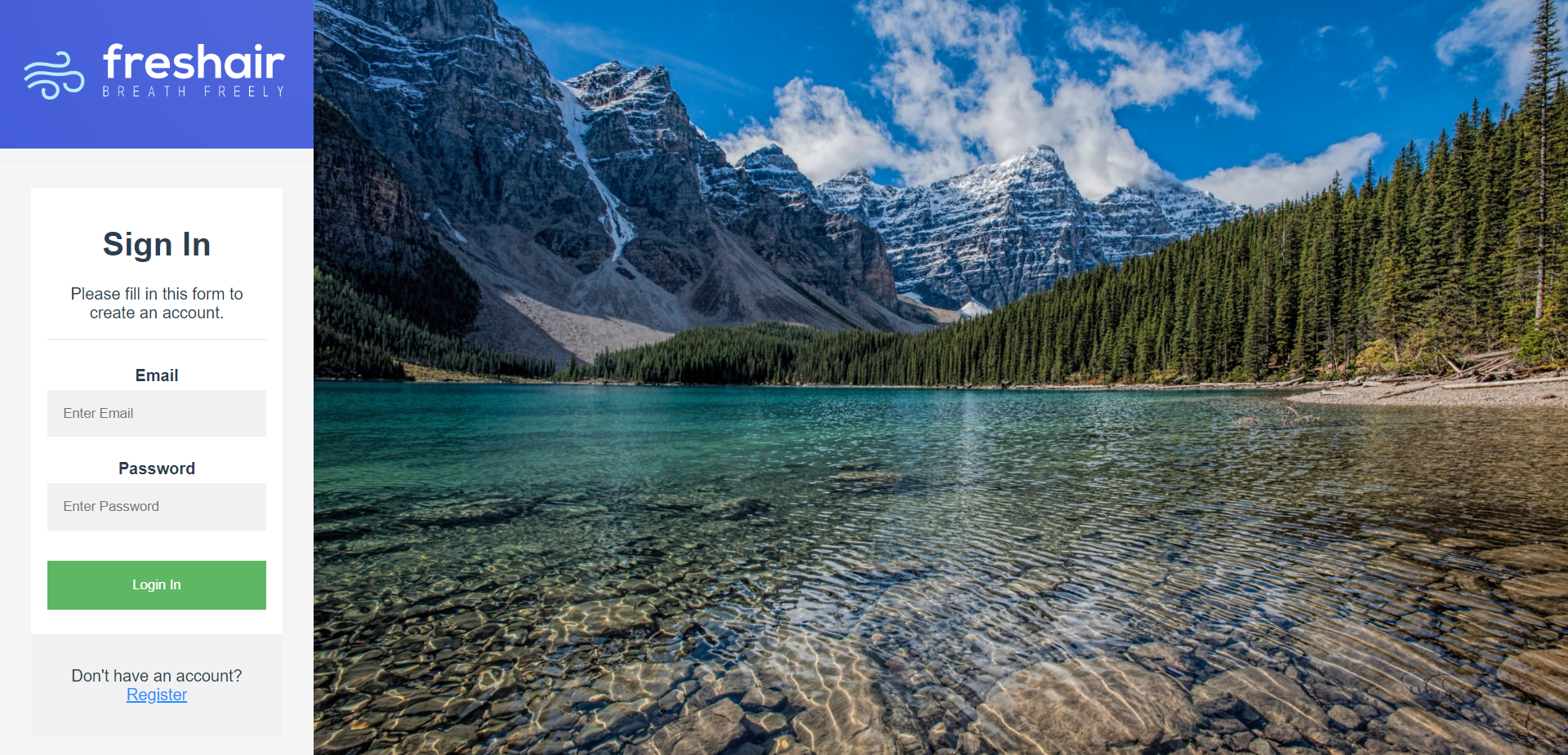
Web Portal Homepage
-
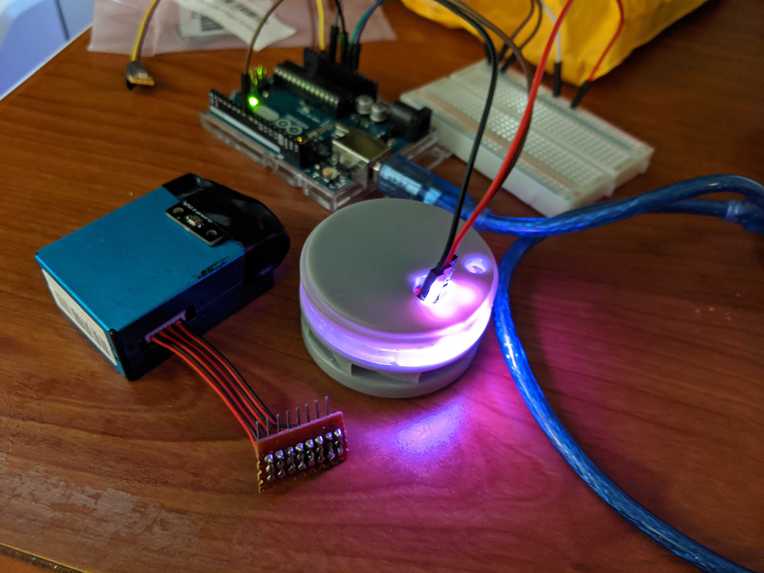
-
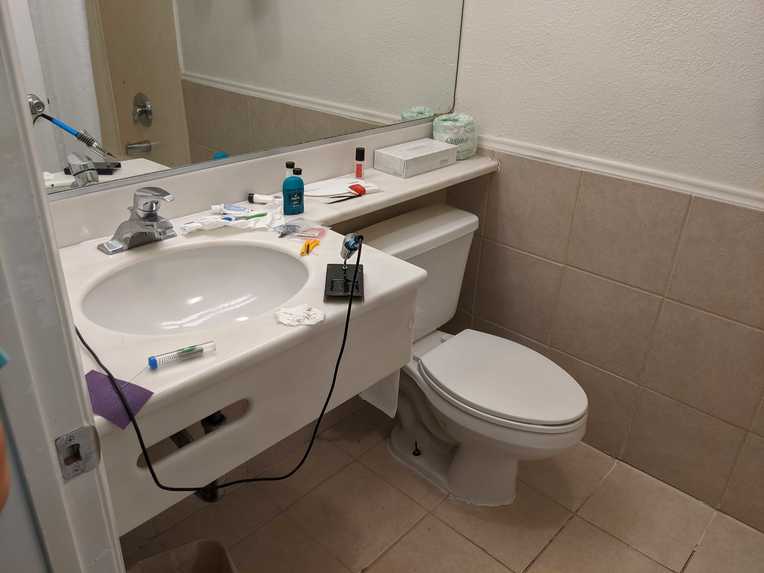
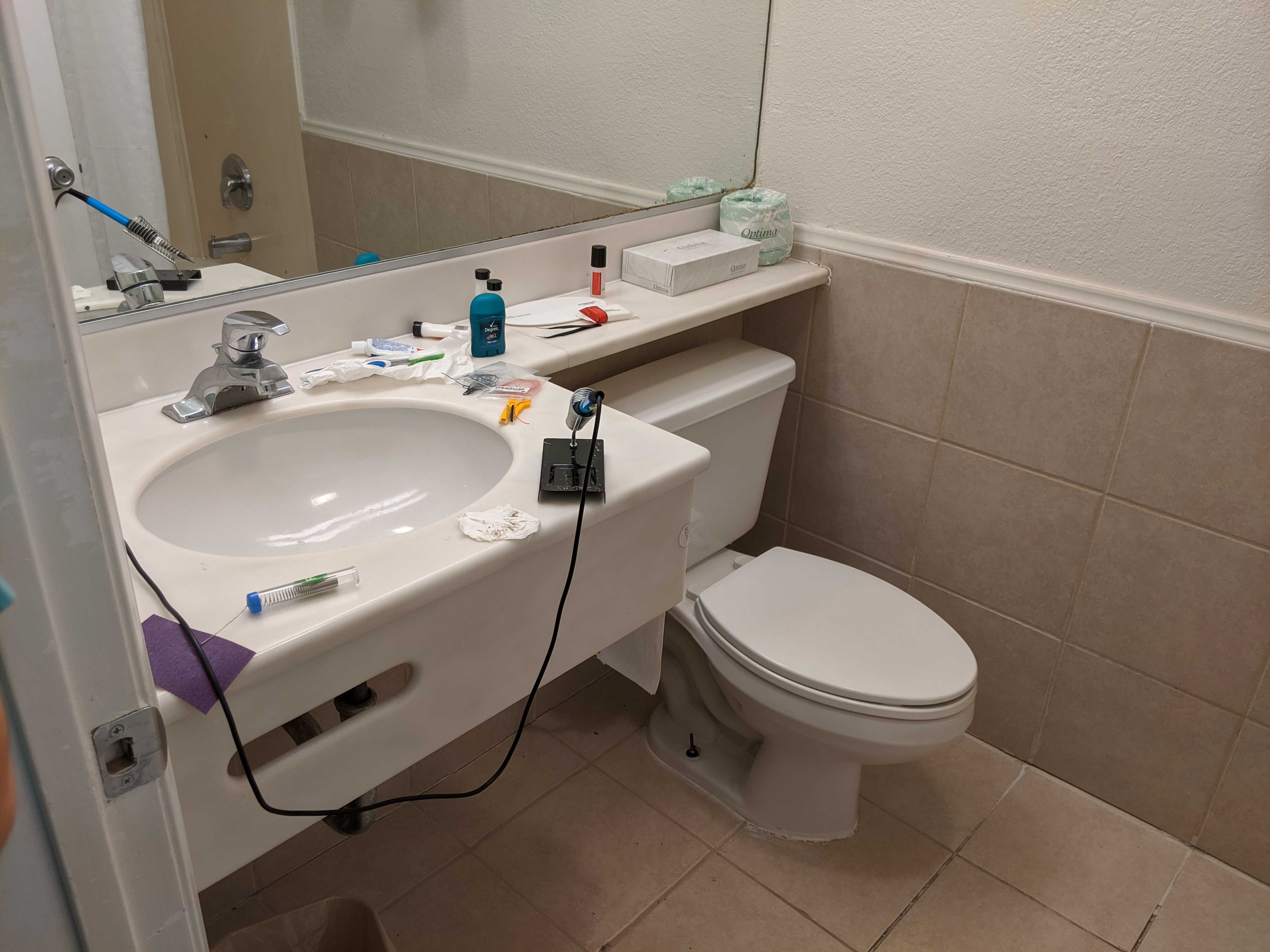
Our soldering station
-
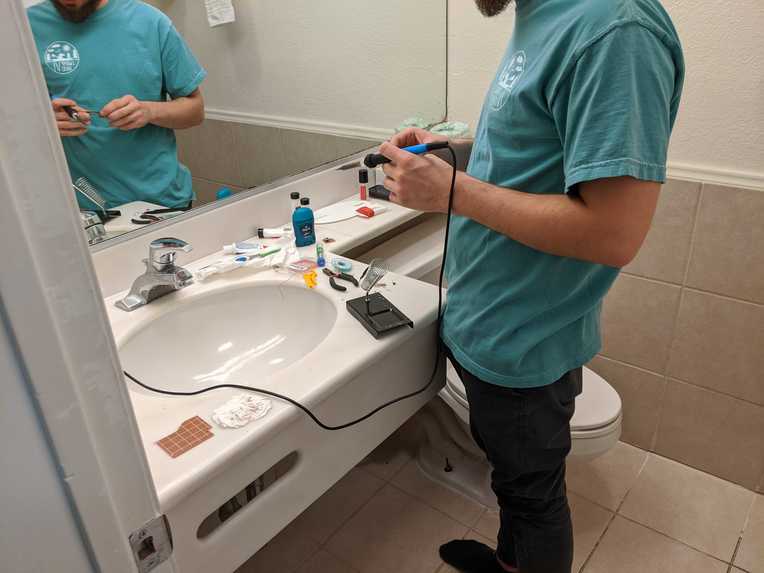
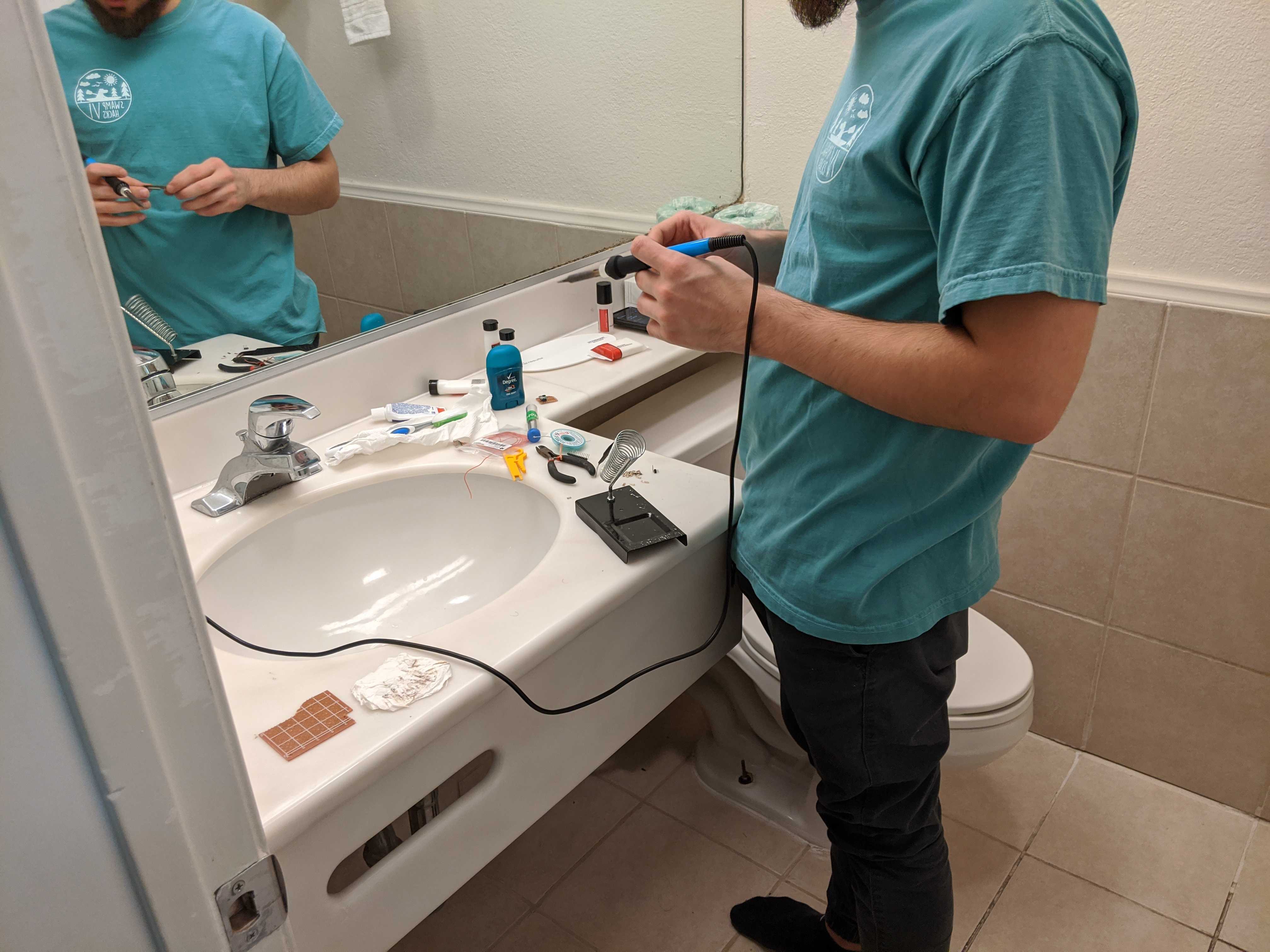
Brandon soldering in the solder station/Bathroom.
-
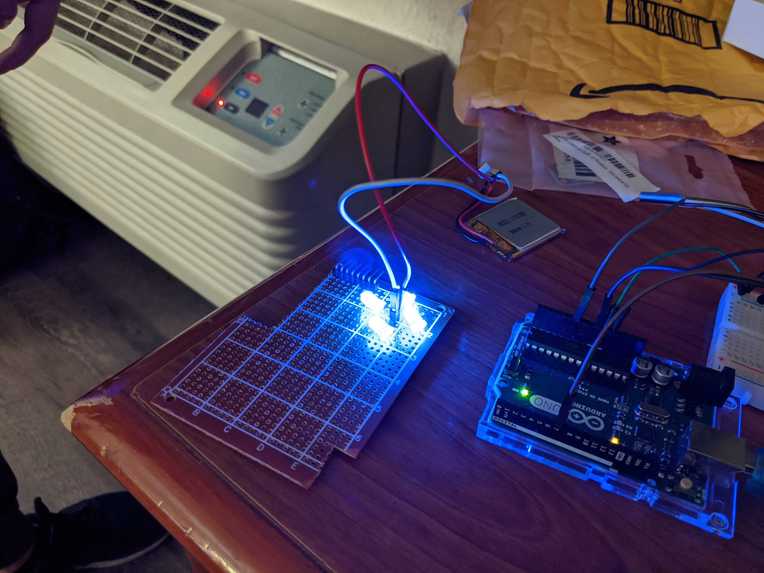
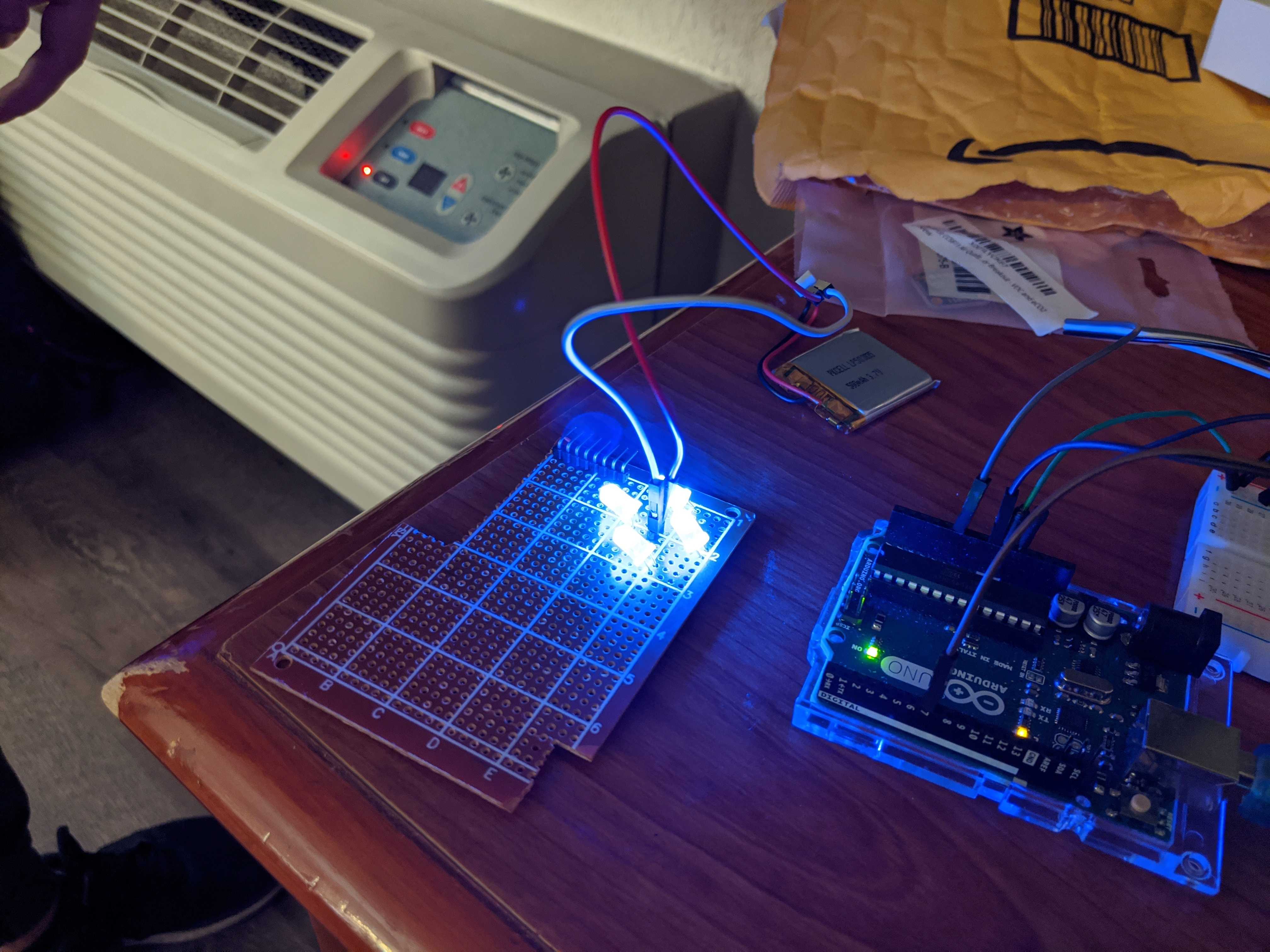
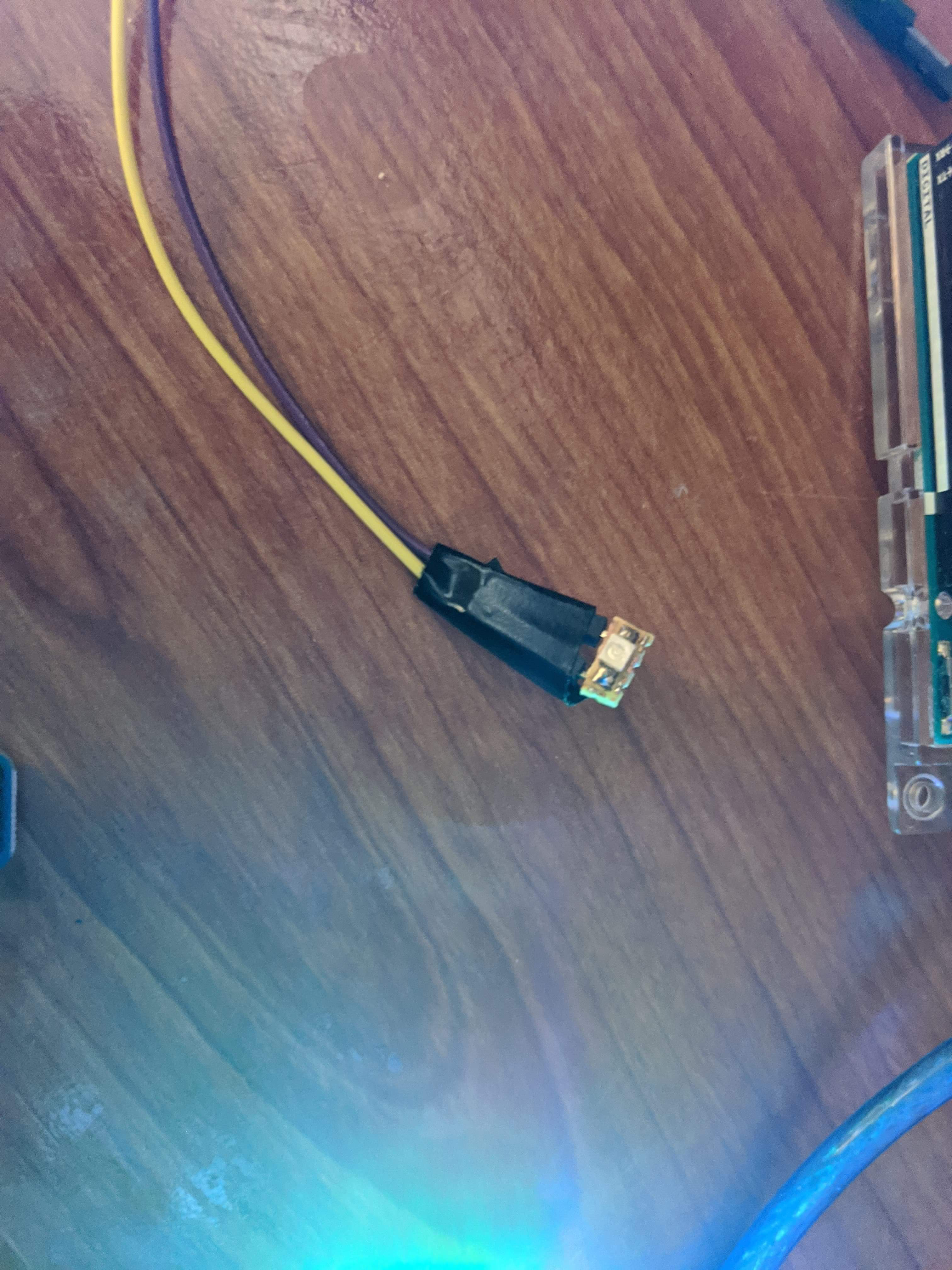
UV LEDs soldered to perfboard before installation in the device.
-
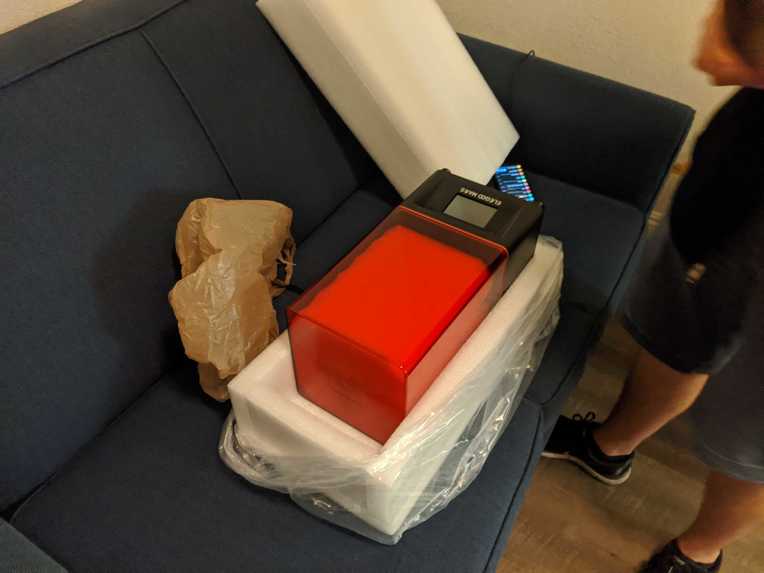
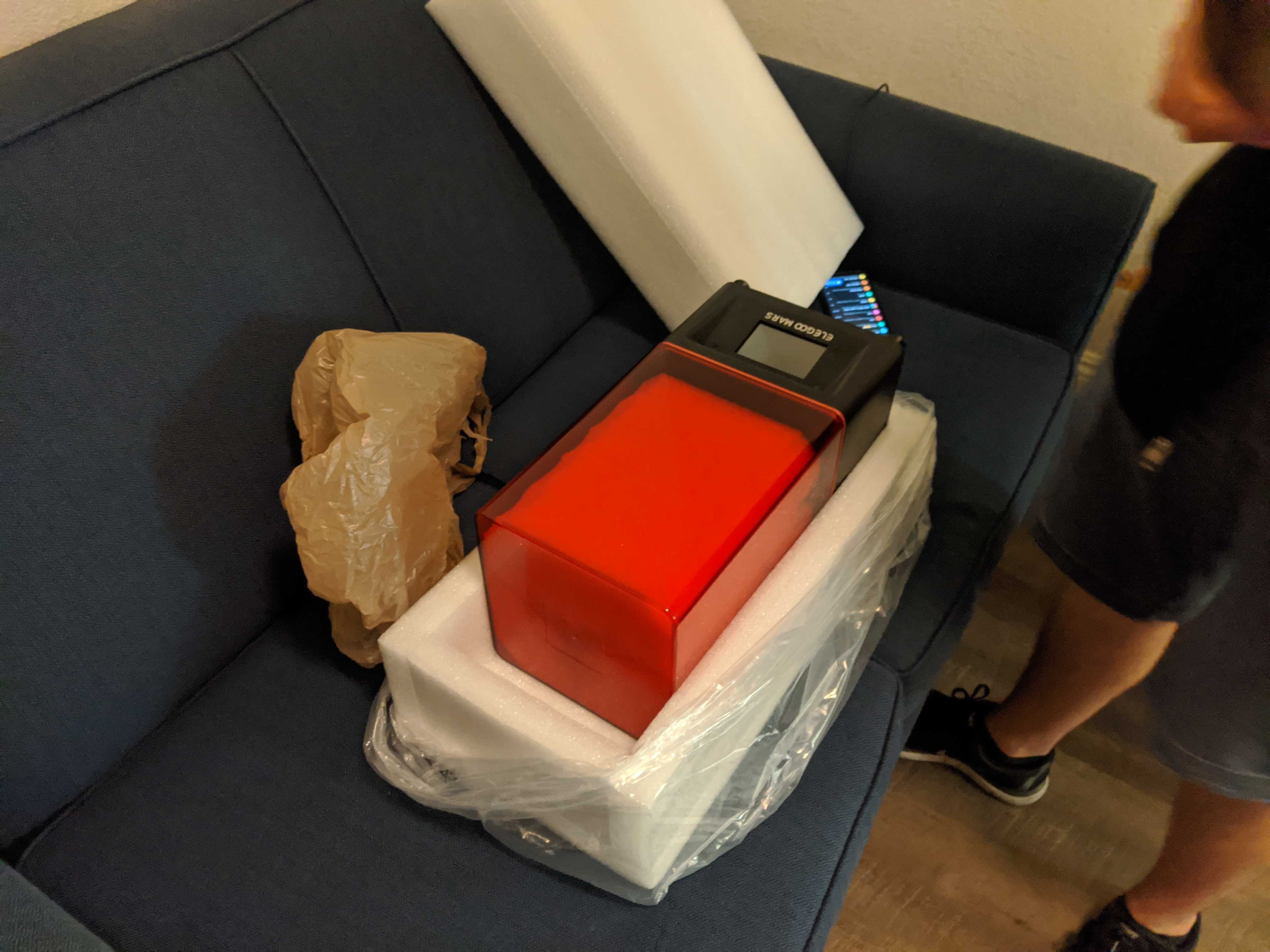
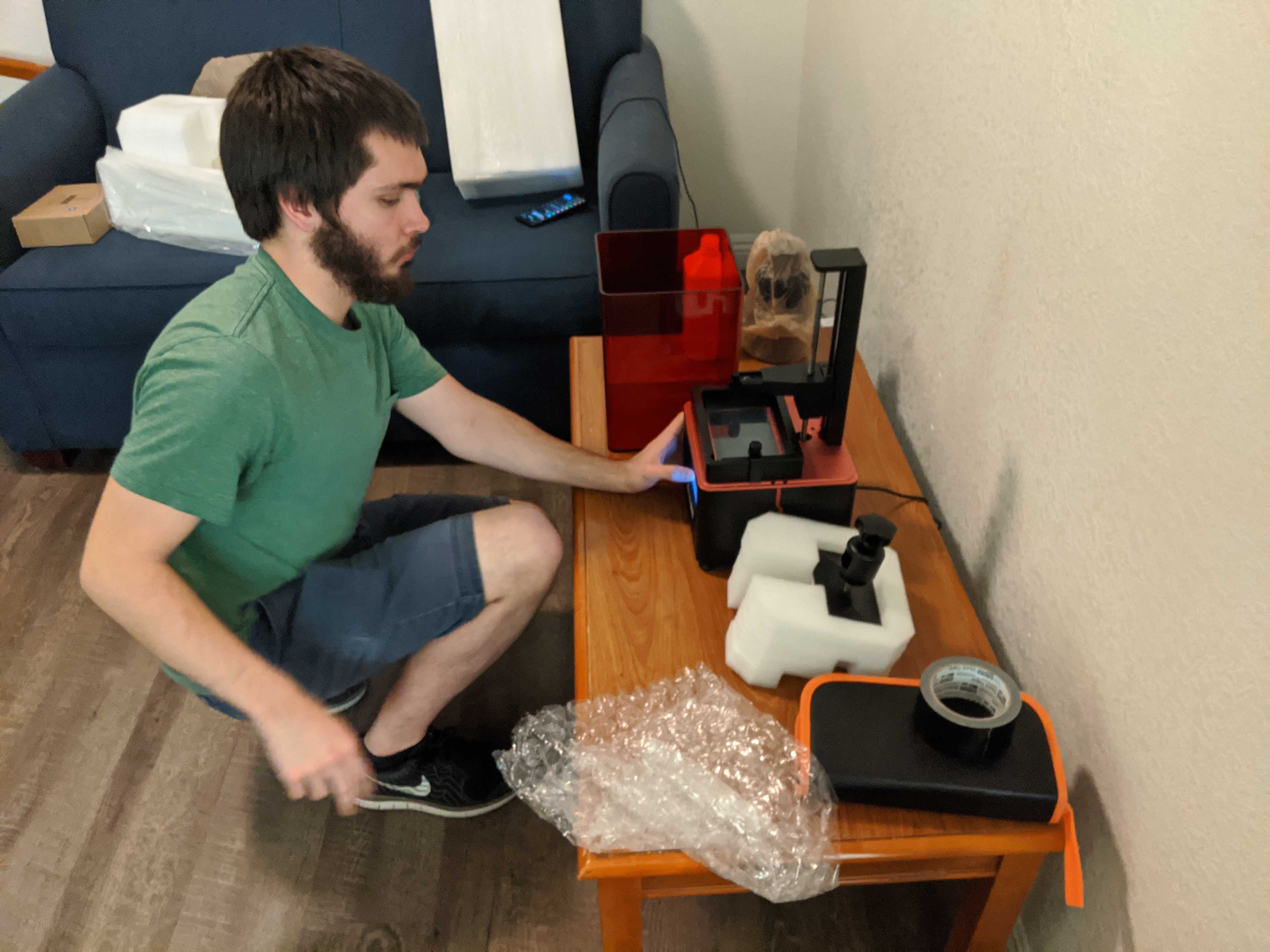
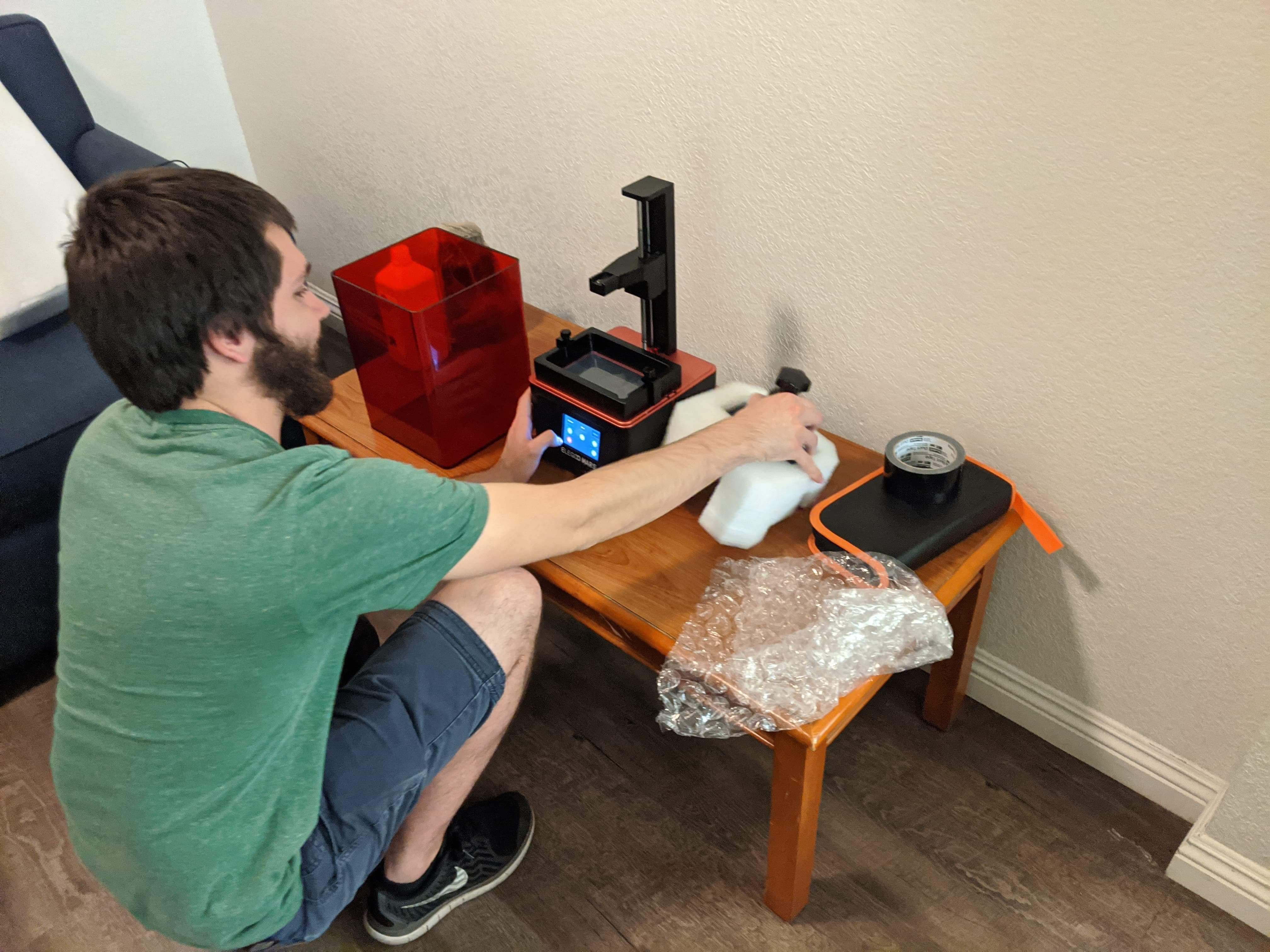
Taking the printer out of the foam packaging
-
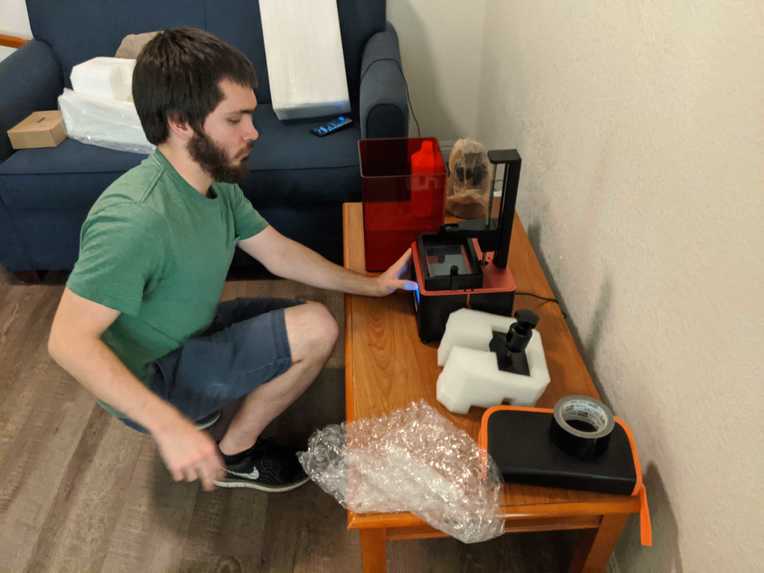
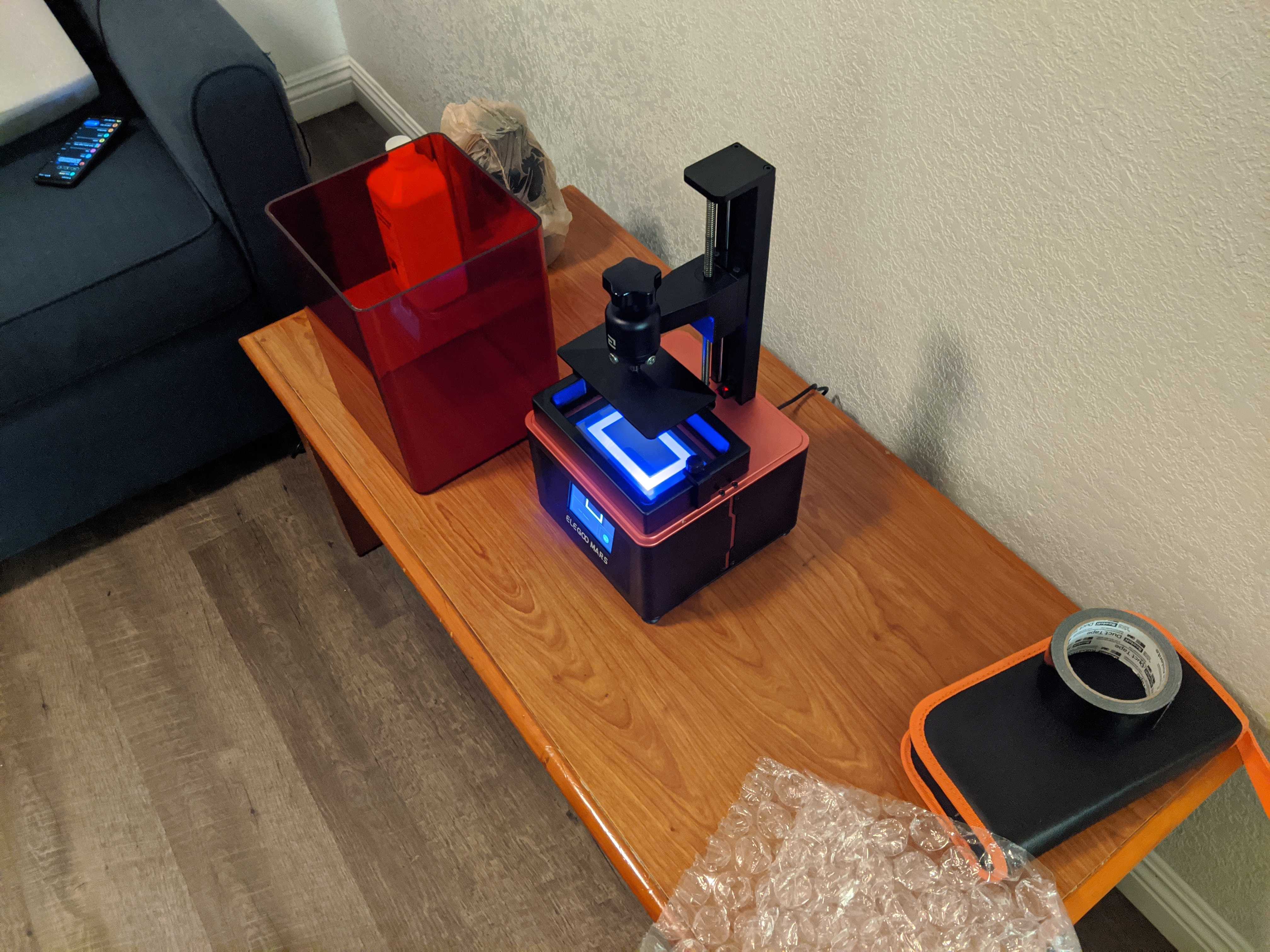
Brandon setting up the printer for the first time in the hotel room.
-
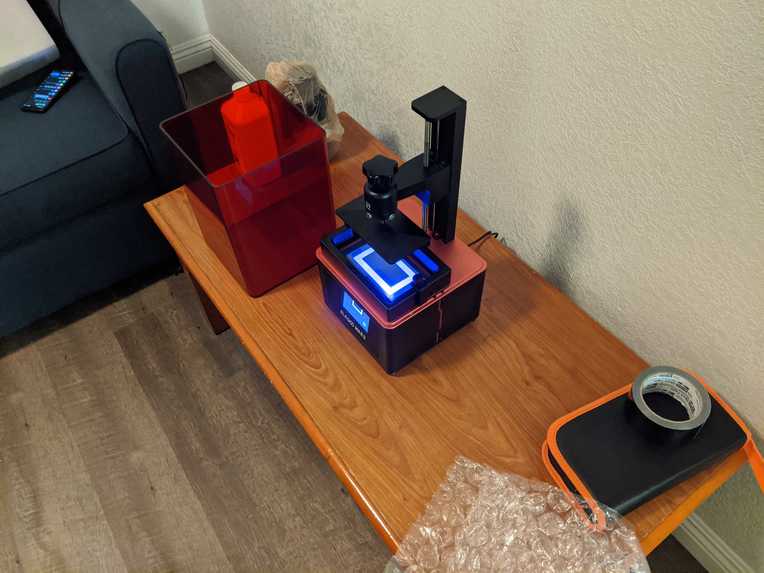
Calibration image on 3D printer
-
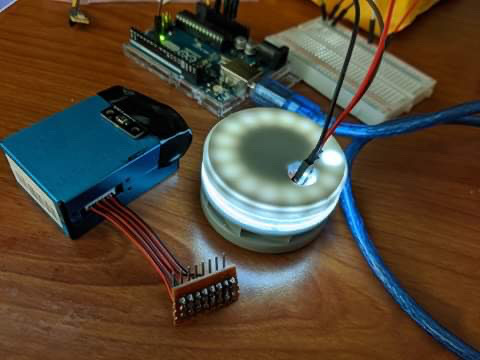
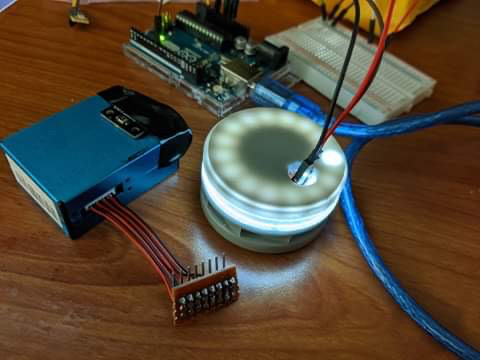
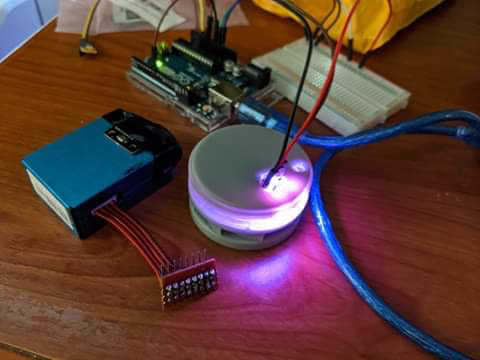
Neopixel in a part of the enclosure.
-
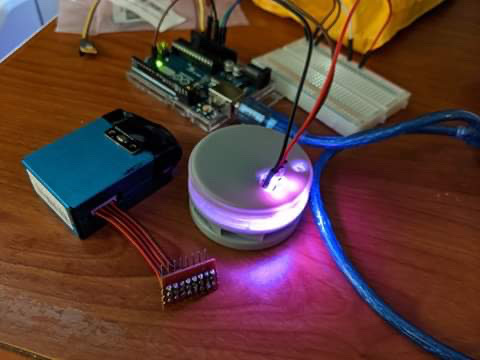
Neopixel in a part of the enclosure showing sensor values.
-
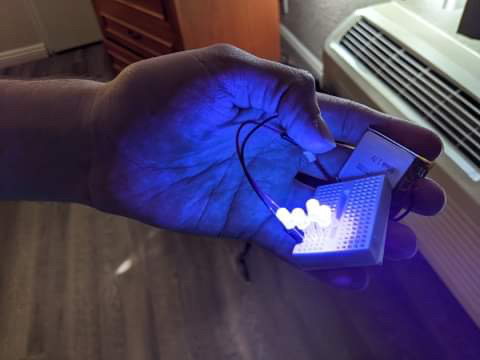
Example of the UV LEDs.
-
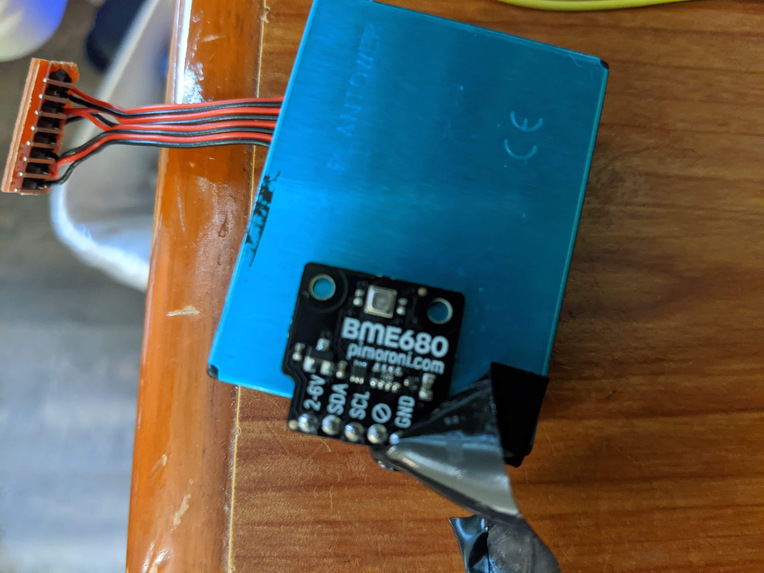
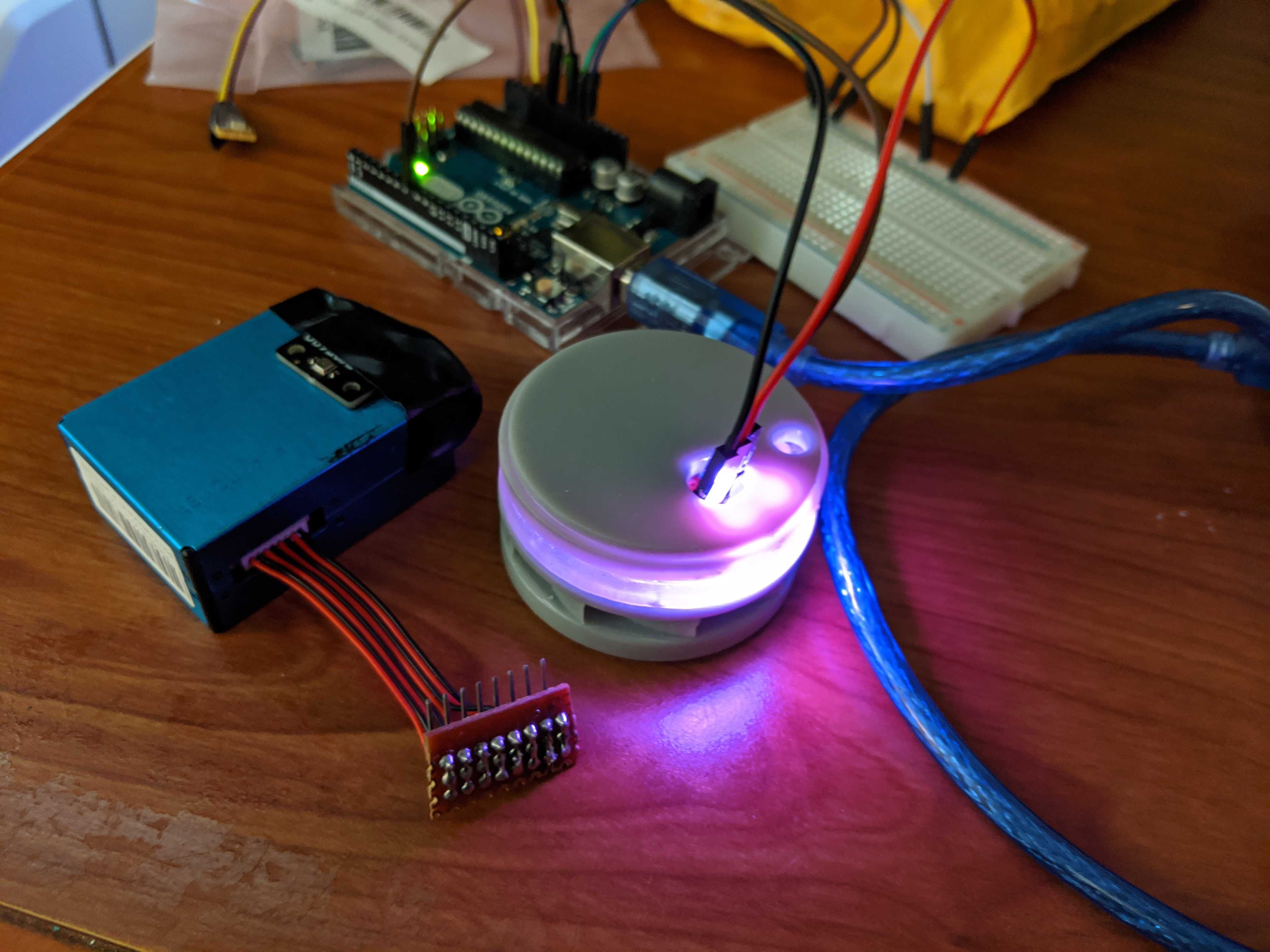
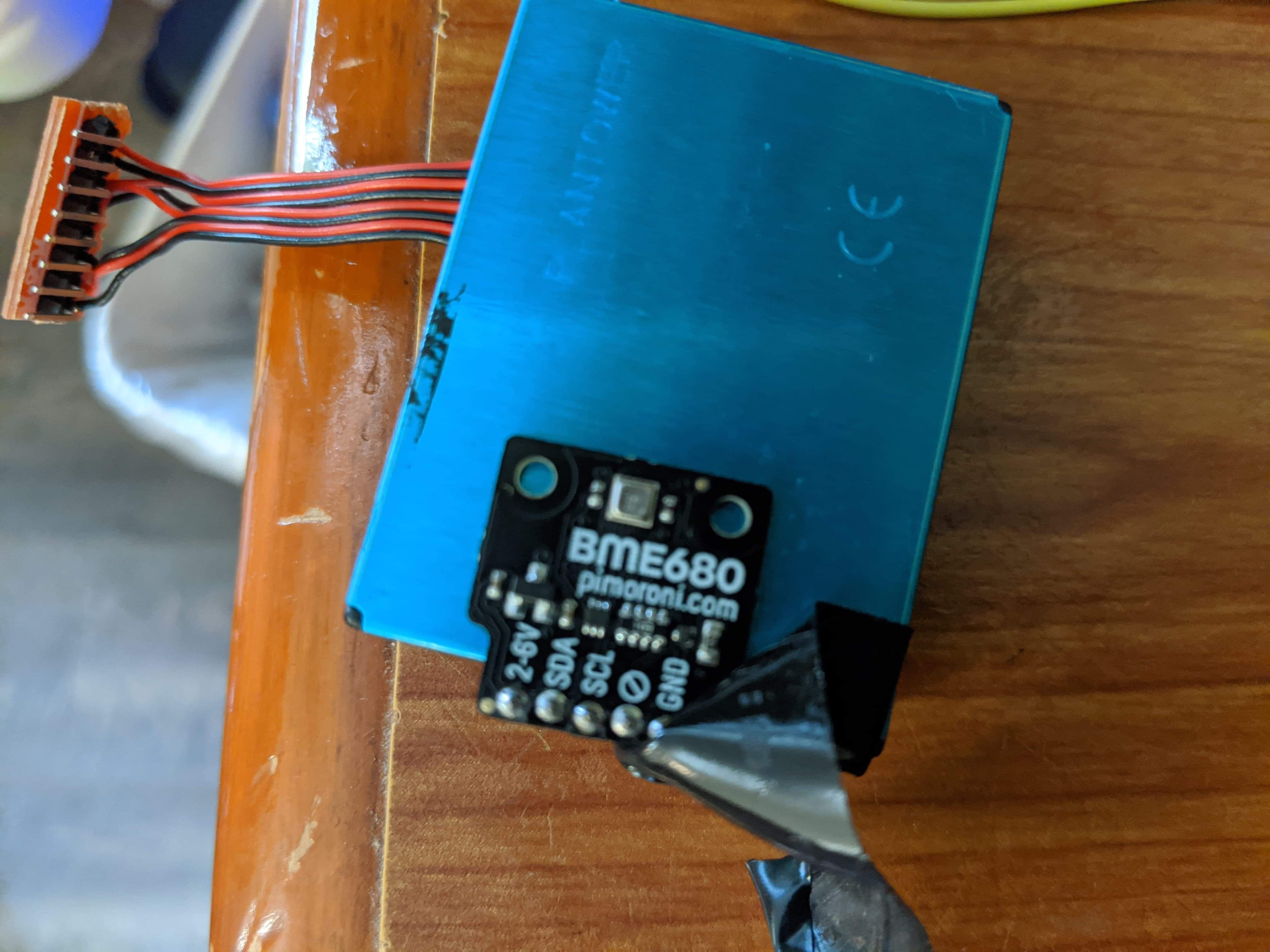
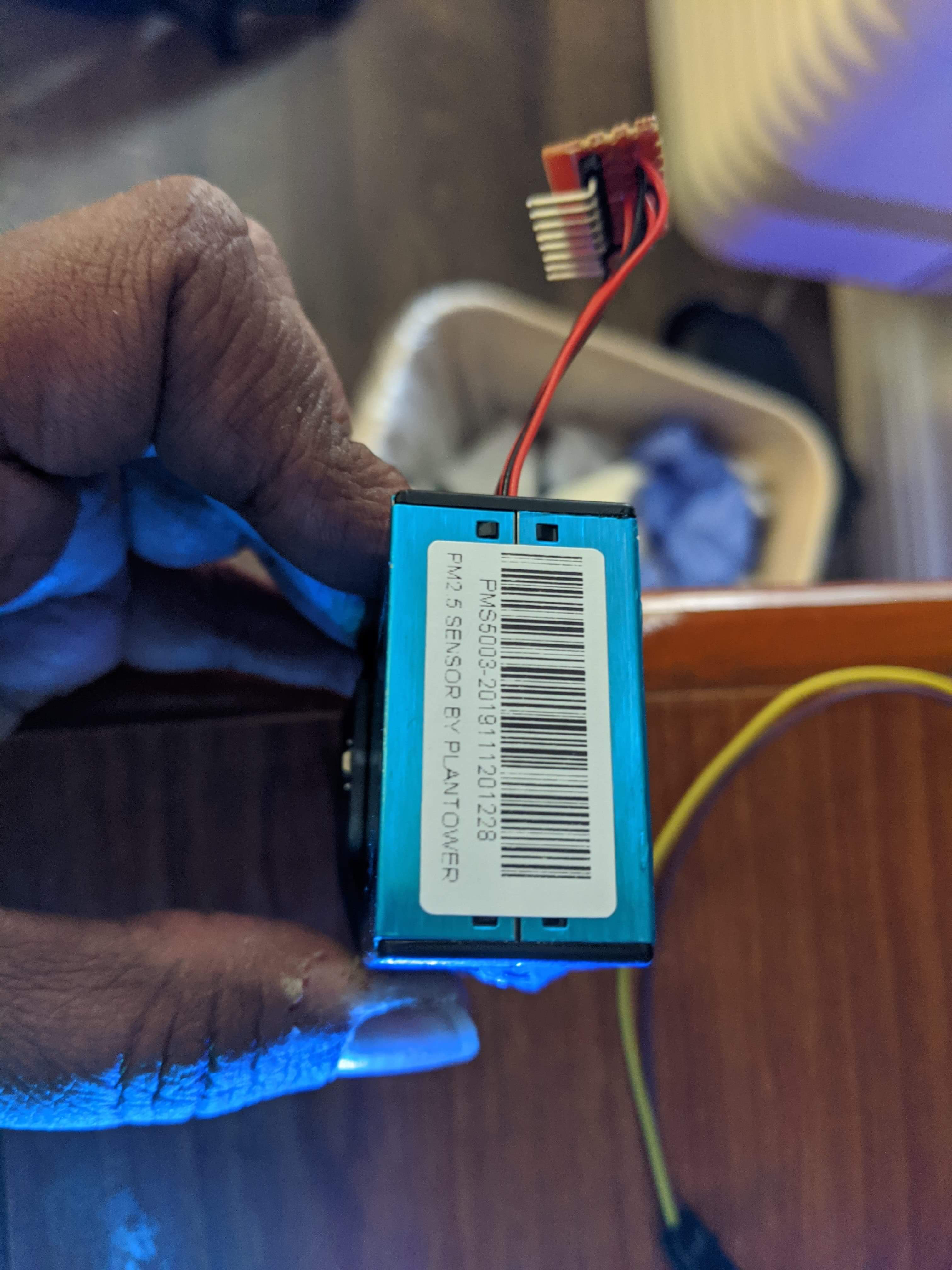
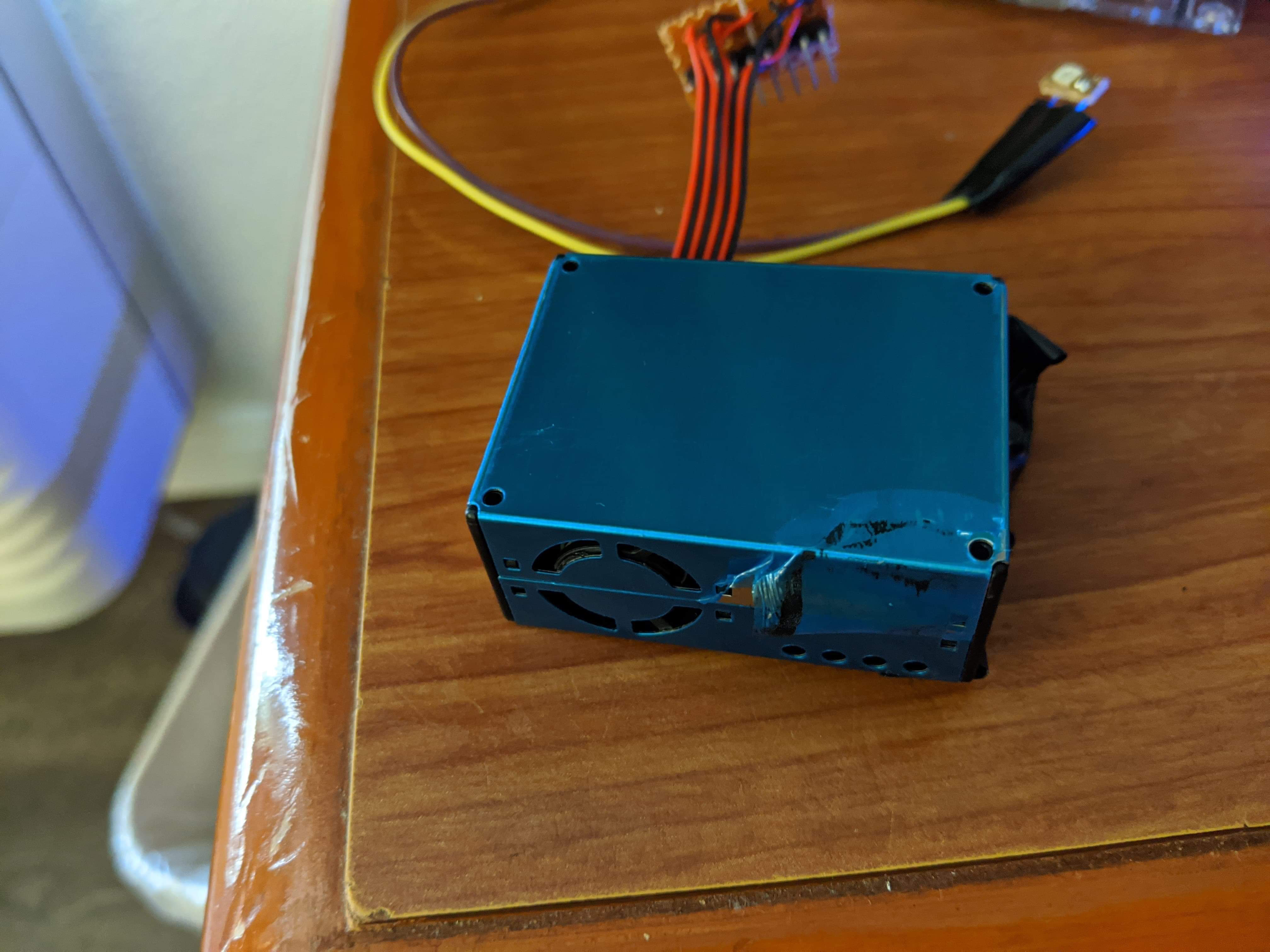
BME680 and PMS5003 with custom connector.
-
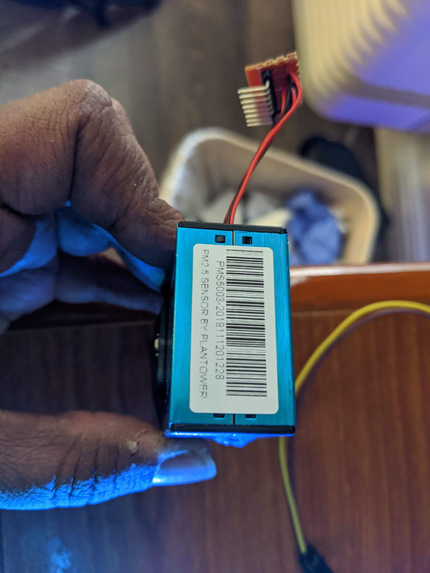
PMS5003 sensor for a different angle
-
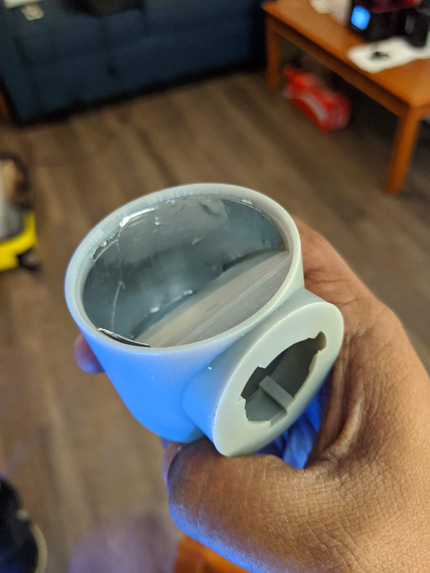
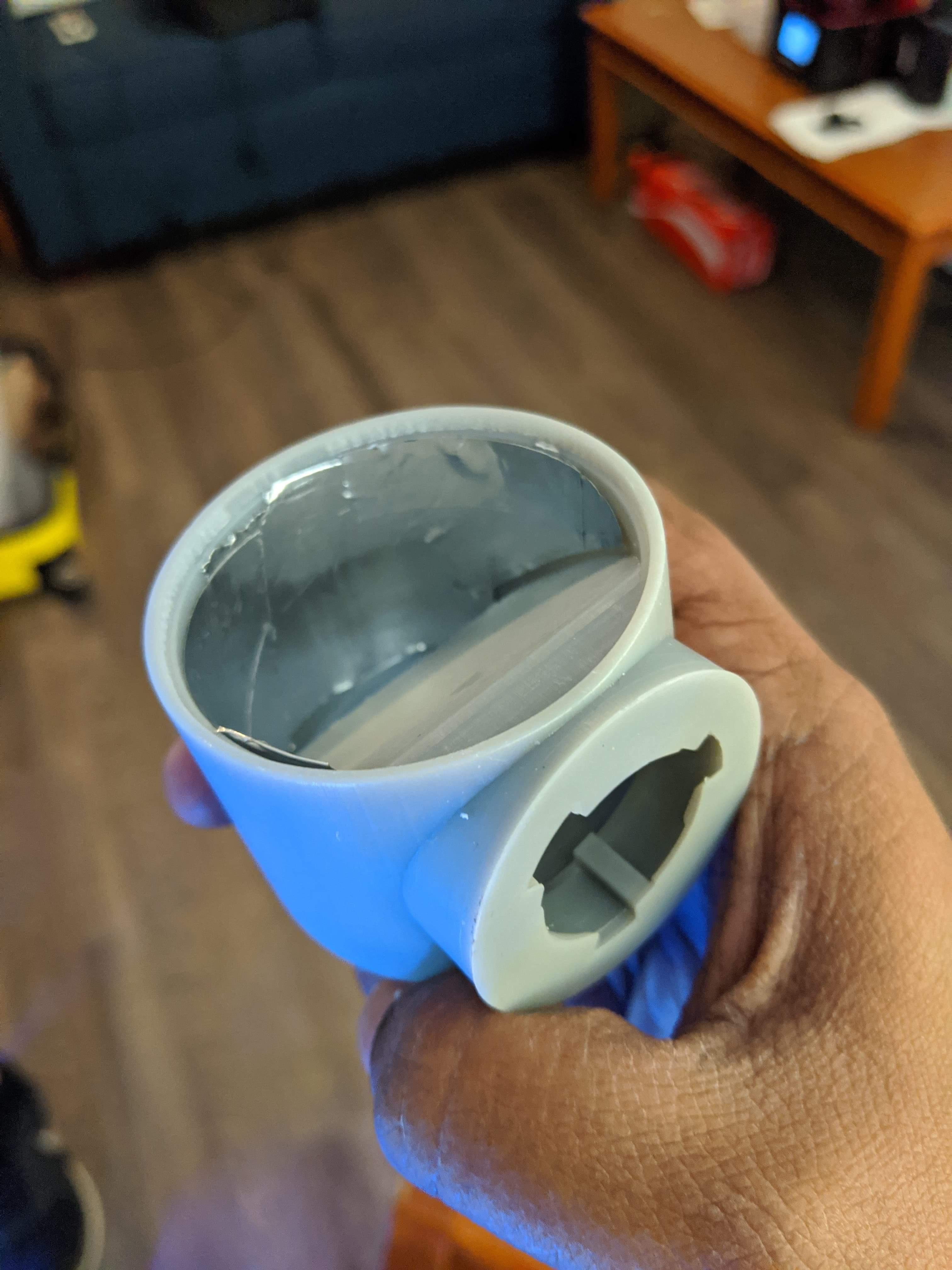
Internals of the ion trap enclosure
-
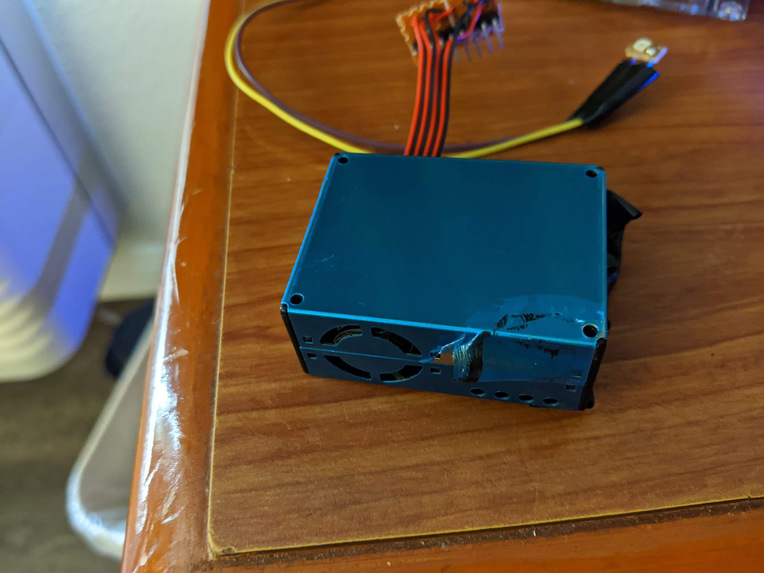
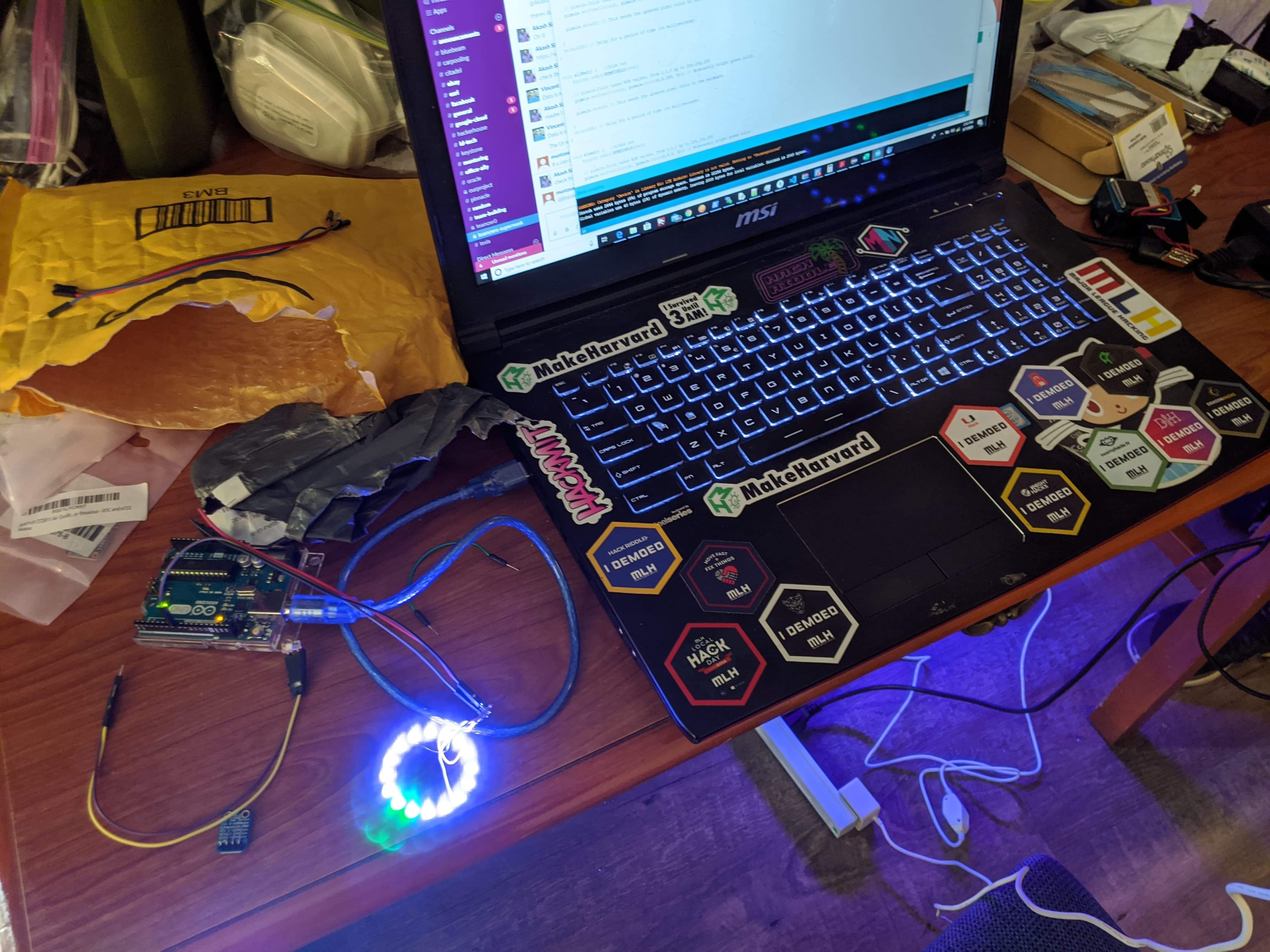
Particle sensor being programmed
-
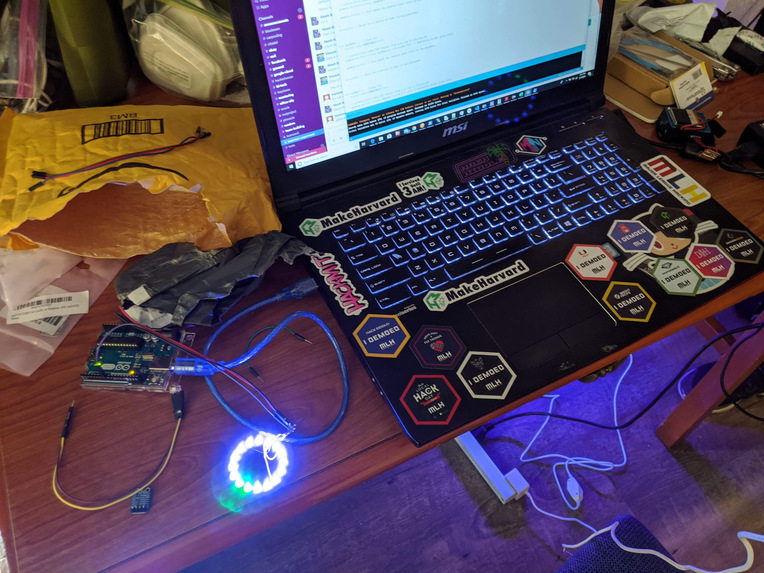
Neopixel ring being programmed
-
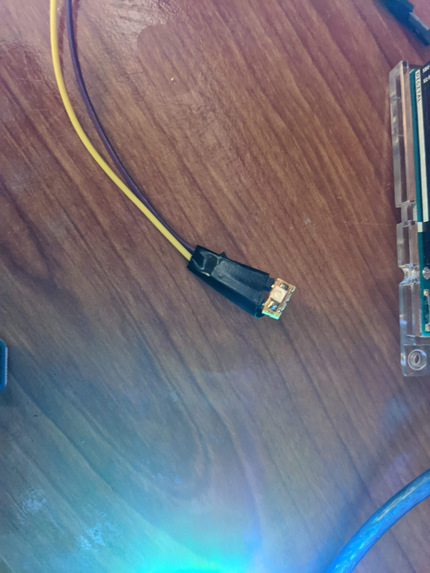
UV led example
-
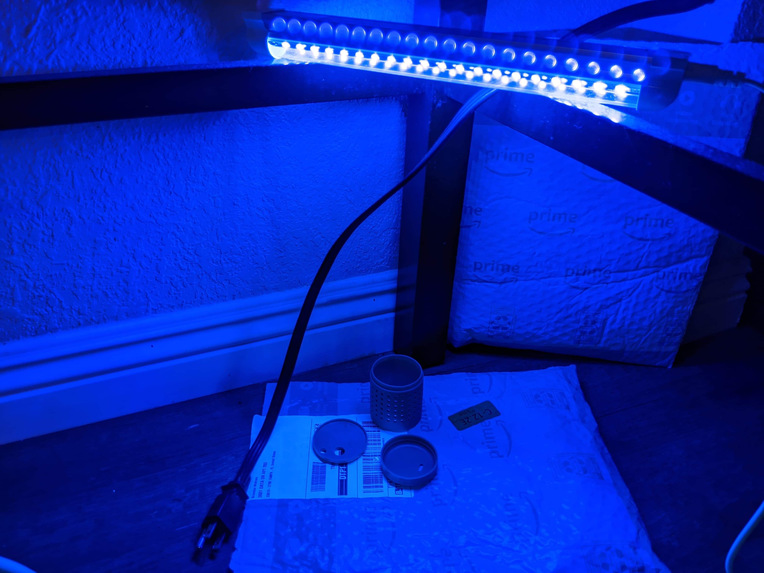
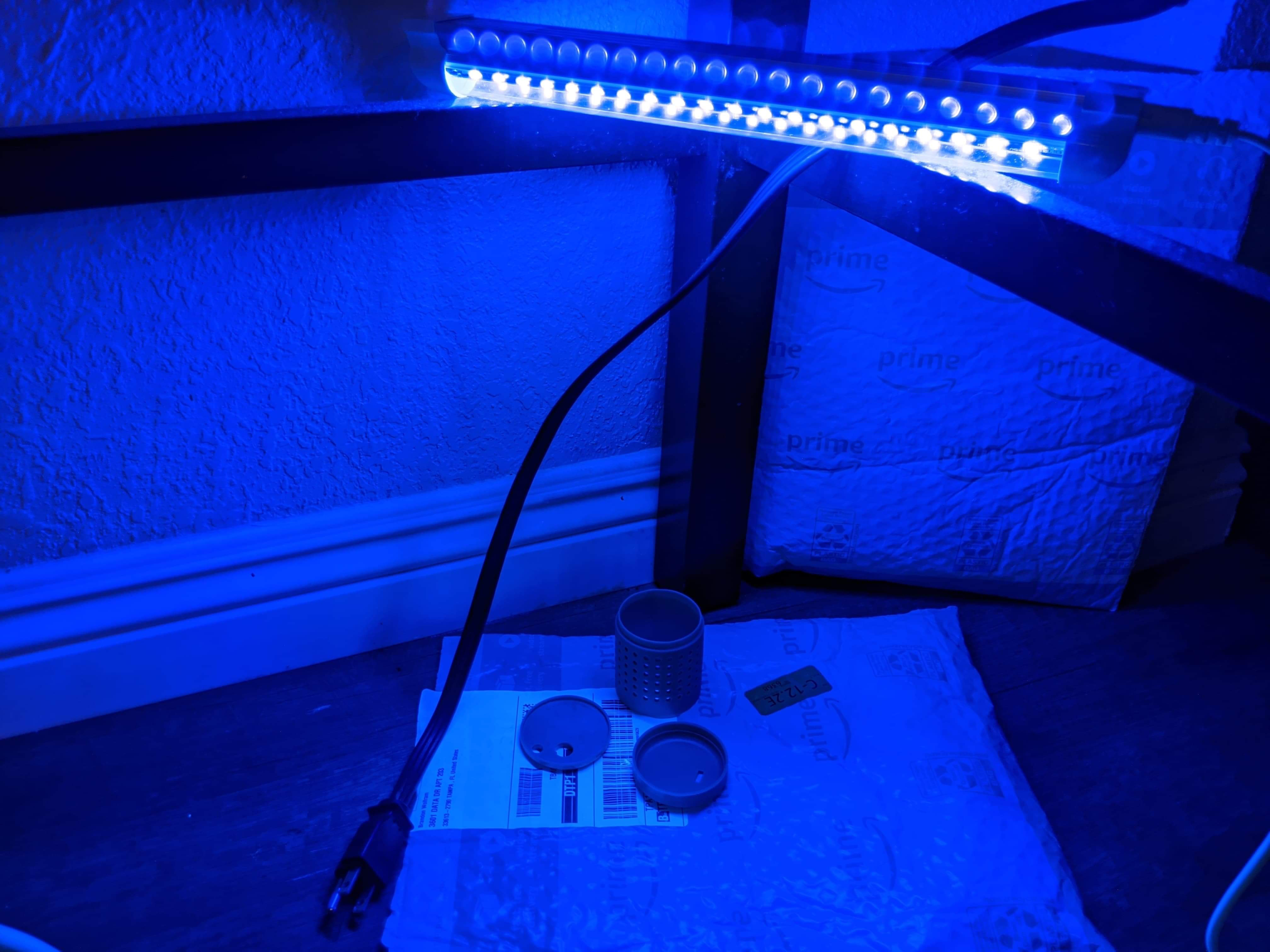
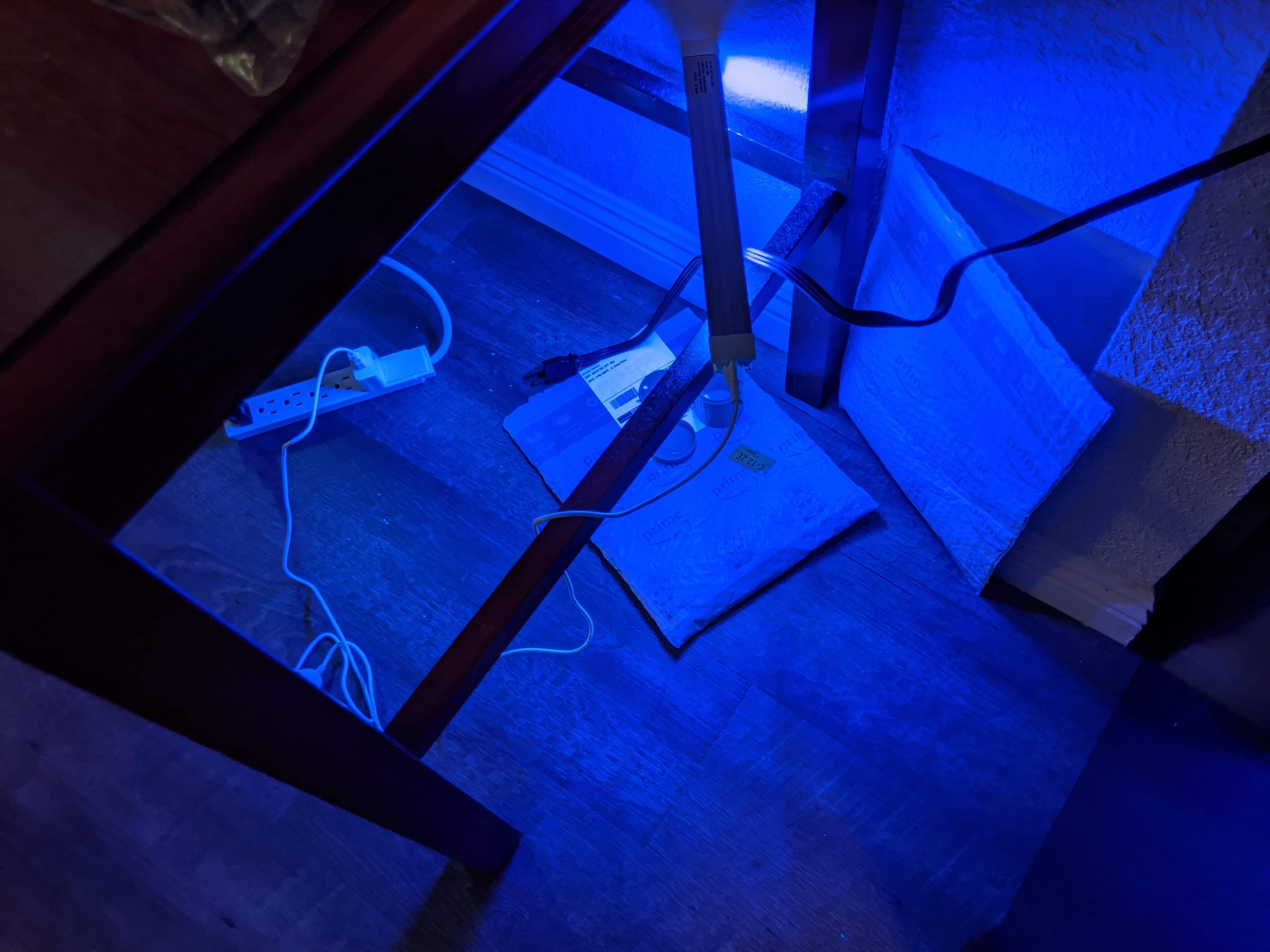
UV curing for the 3D prints under a table in the hotel room
-
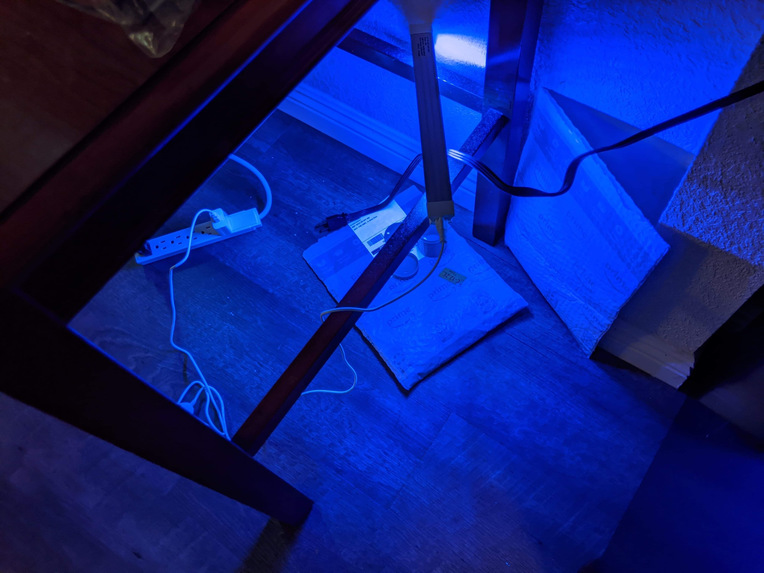
Different angle of the curing station.
-
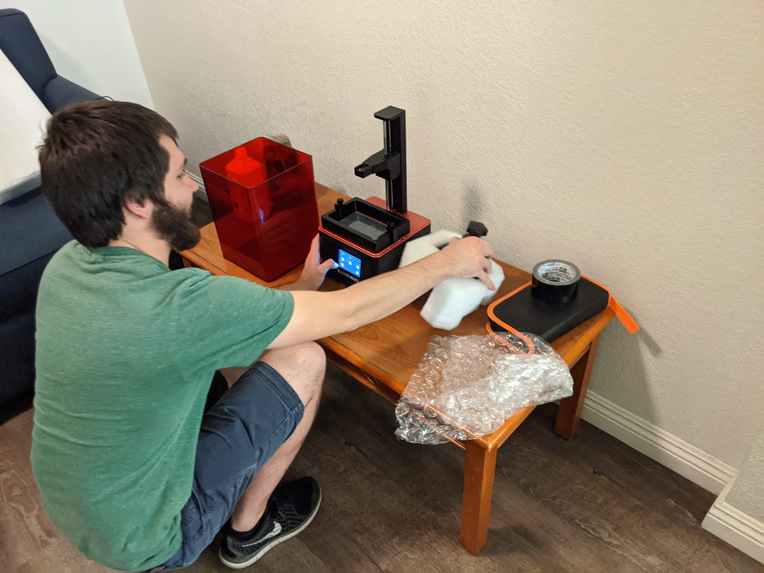
Brandon setting up the 3D printer in the hotel room.
Inspiration
Our original inspiration was to create a device that could help combat the spread of the SARS-CoV-2. We saw that many people were getting infected and dying do COVID19, a disease that SARS-CoV-2 causes. Additionally, We wanted to create a device that is similar in size to other respirator filters but included a variety of features to enable the user to have more knowledge of the air they are breathing. Los Angeles is sadly well known for its smog. We all know that breathing in smog on a daily basis is not good for you or those around you. We wanted to create a way to quantify the smog and other airborne compounds. Allowing the user to know when they are in a dangerous environment or even when they come out of that dangerous environment.
What it does
In short, we built a chemical and biological protection mask that combines a filter with UV LEDs, gas sensors, and a particle sensor to get a clear picture of the user's environment. We also created a smaller version of an ion trap to enable us to capture polarized airborne particulate. This happens after particle filter so the traps just captures the particulate that is small enough to go through the particle filters. In addition to the filter and trap, we have a sensor suite that enables us to sense the VOC concentration, carbon monoxide, humidity, temperature, pm1 concentration, and pm2.5 concentration. To get the air quality of LA, we drove around the city to gather the data points at various locations. We even gathered the geolocation of the measurements via a smartphone that was giving the device it's connectivity.
We also built a dashboard
How I built it
Challenges I ran into
Accomplishments that I'm proud of
What I learned
What's next for FreshAir
We hope to build.
Science
Viruses are charged UV kills viruses PM1 detect coronavirus Coronavirus in water droplets.


Log in or sign up for Devpost to join the conversation.