Inspiration
We were inspired by the tadpole trikes design and driven by the mobility challenges faced by stroke survivors, elderly riders, and individuals with limited muscle strength. Many adaptive tricycles exist, but they don’t always fully address comfort, safety, or independence. We wanted to build something that not only helps with movement but also enables daily activities like shopping or commuting, making it a true lifestyle solution.
What it does
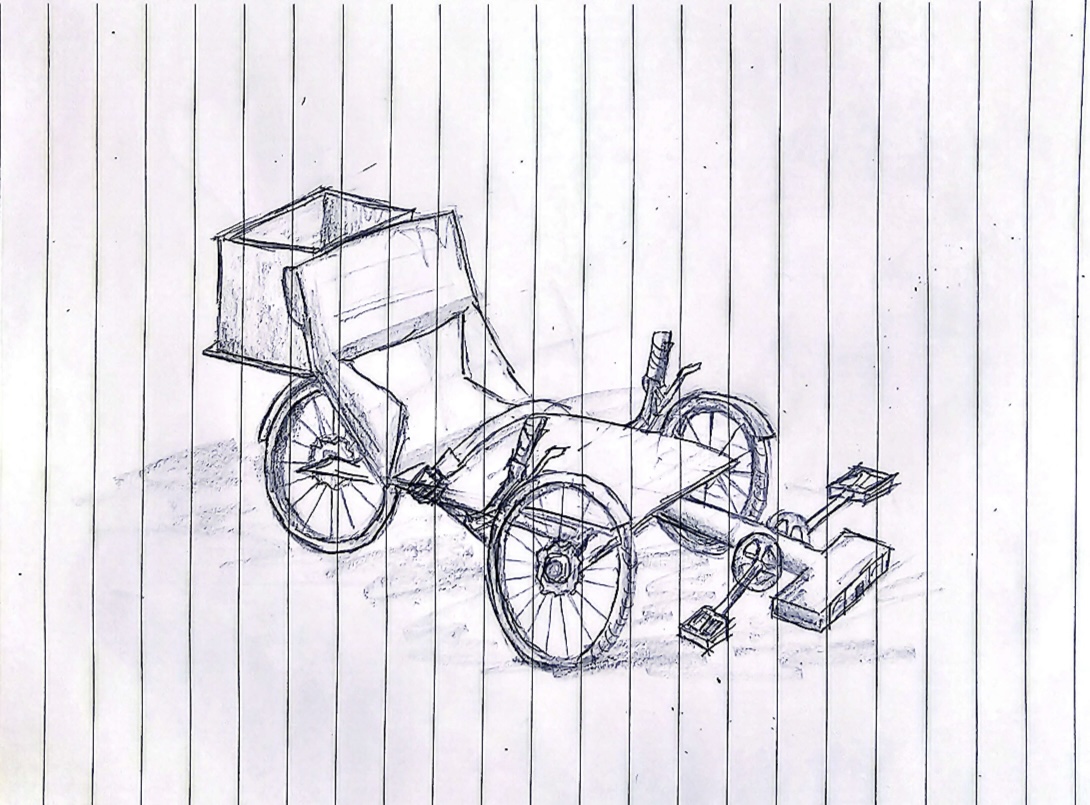
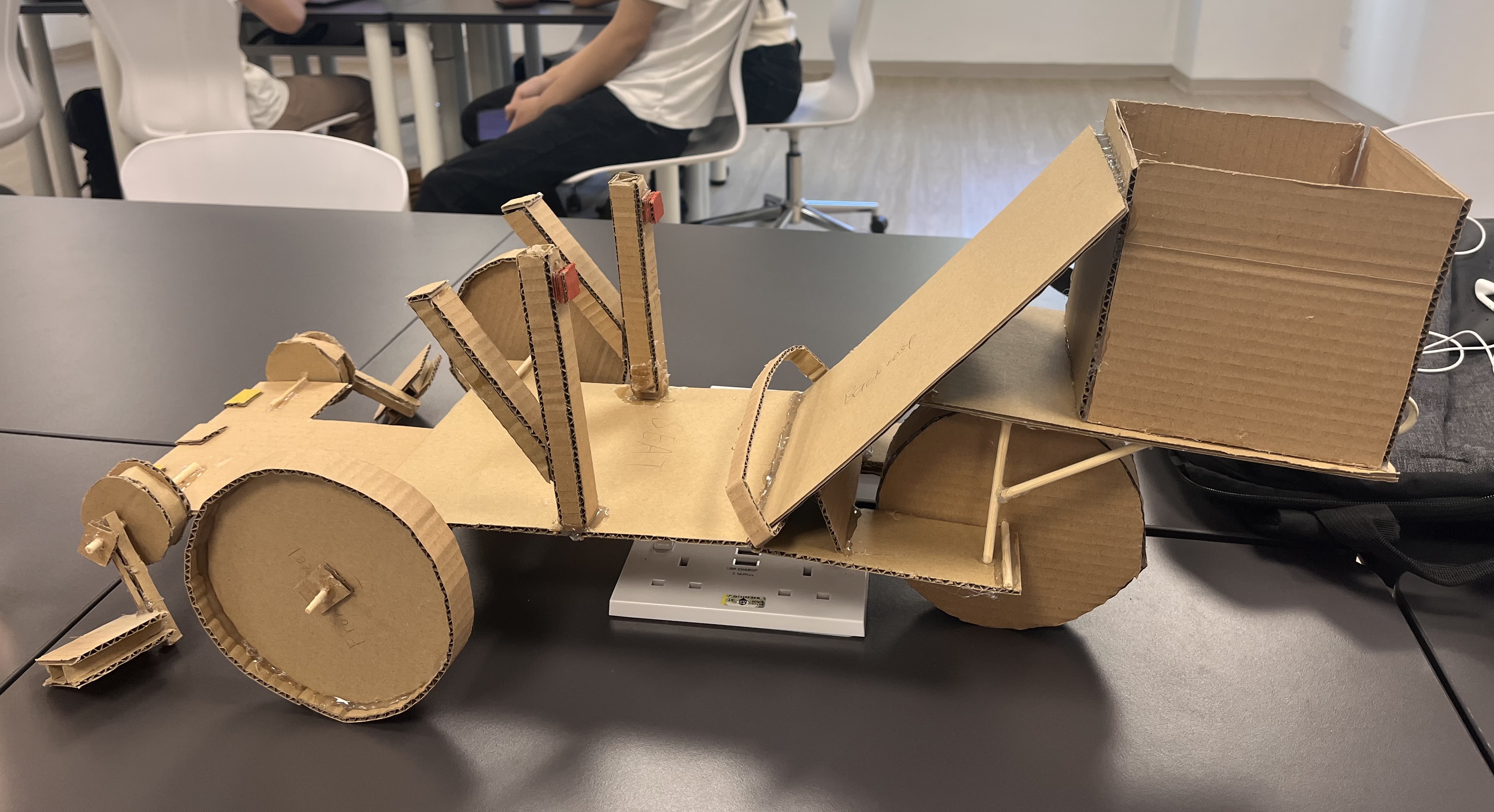
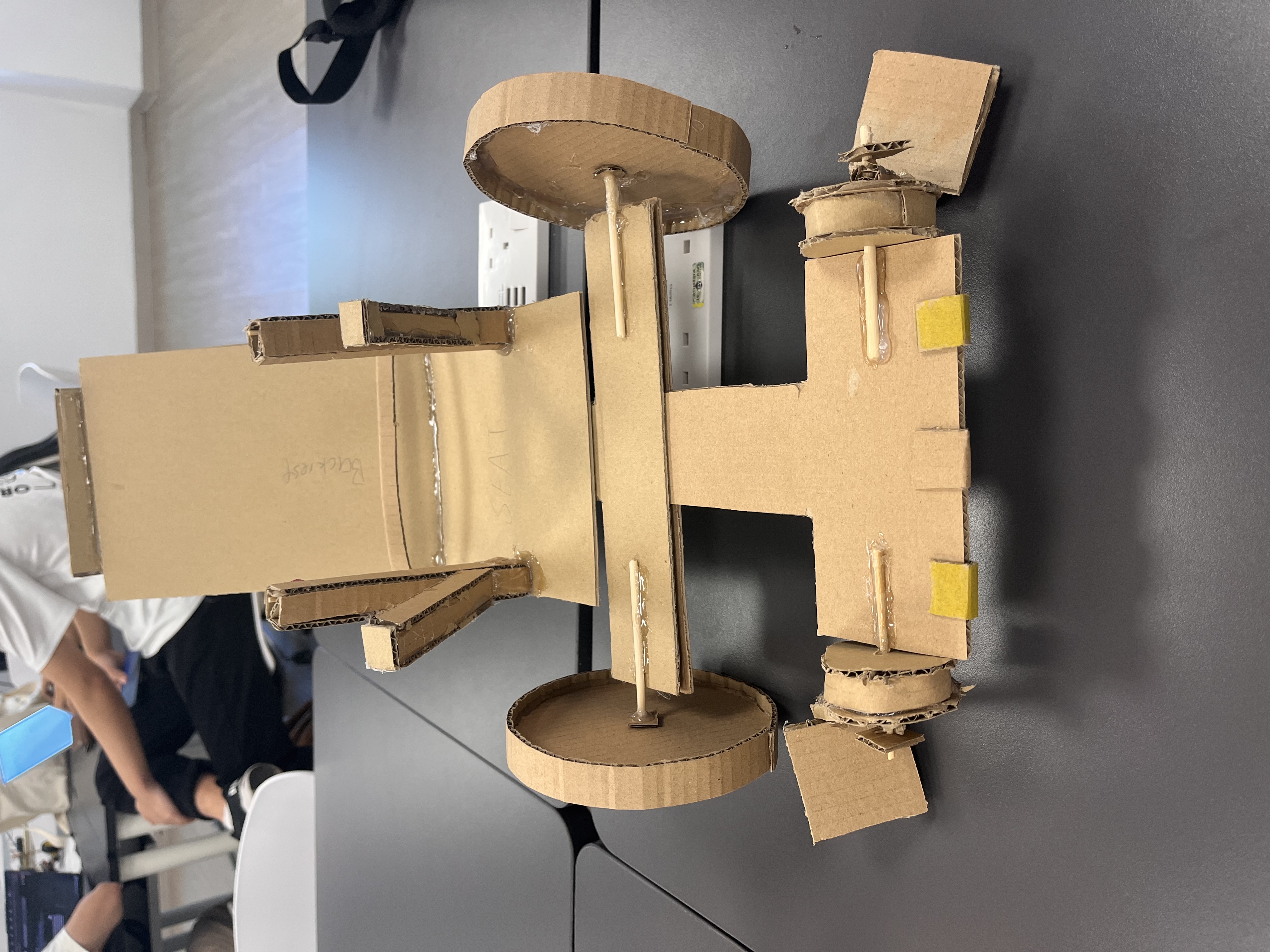
Our adaptive tricycle, FreeWheel, is designed to improve comfort, safety, and cargo capacity for persons with disabilities: • Two front wheels, one rear for a low centre of gravity and increased stability. • Angled, padded backrest and seatbelt for comfort and support. • Emergency stop buttons on both handlebars for easy access, even with one-arm mobility. • Electric hub motor installed in the chainwheel to provide pedal assistance. • Headlights for night use. • Obstacle sensor that detects hazards 1–2 meters away and alerts riders with handlebar vibration or customisable audio (around 1000 Hz, mindful of sensory sensitivities). • Rear cargo basket for carrying groceries or personal items.
How we built it
We have only been prototyping using cardboard
Challenges we ran into
Designing with considerations
Accomplishments that we're proud of
Adding features like the emergency stop button and customisable obstacle alerts that make the ride safer and more inclusive.
What we learned
That inclusive design means thinking beyond just mobility—it also means considering daily tasks, sensory needs, and user confidence. • How important it is to listen to the real challenges of users, like grip strength, balance, and fatigue, to guide design decisions.
Built With
- cardboard


Log in or sign up for Devpost to join the conversation.