
Inspiration
Early-stage founders in India and around the world still run vendors, purchase orders, inventory, customer projects, and proposals in messy spreadsheets and WhatsApp chats. This slows them down, creates mistakes, and makes “real ERP” feel too complex and too expensive. I wanted to build something that feels as simple as chatting with a friend, but actually behaves like a smart ERP system for startups – and keep it free forever for them.
What it does
FreeERP is a Gemini‑powered operations copilot for startups.
Founders can type what they want in plain language – for example, “Create a PO for 20 monitors from Vendor A for the Acme project, deliver next Friday, and remind me 2 days before.” FreeERP understands this, converts it into structured data (vendor, items, quantities, dates, reminders), and stores it in a simple backend.
The app lets users:
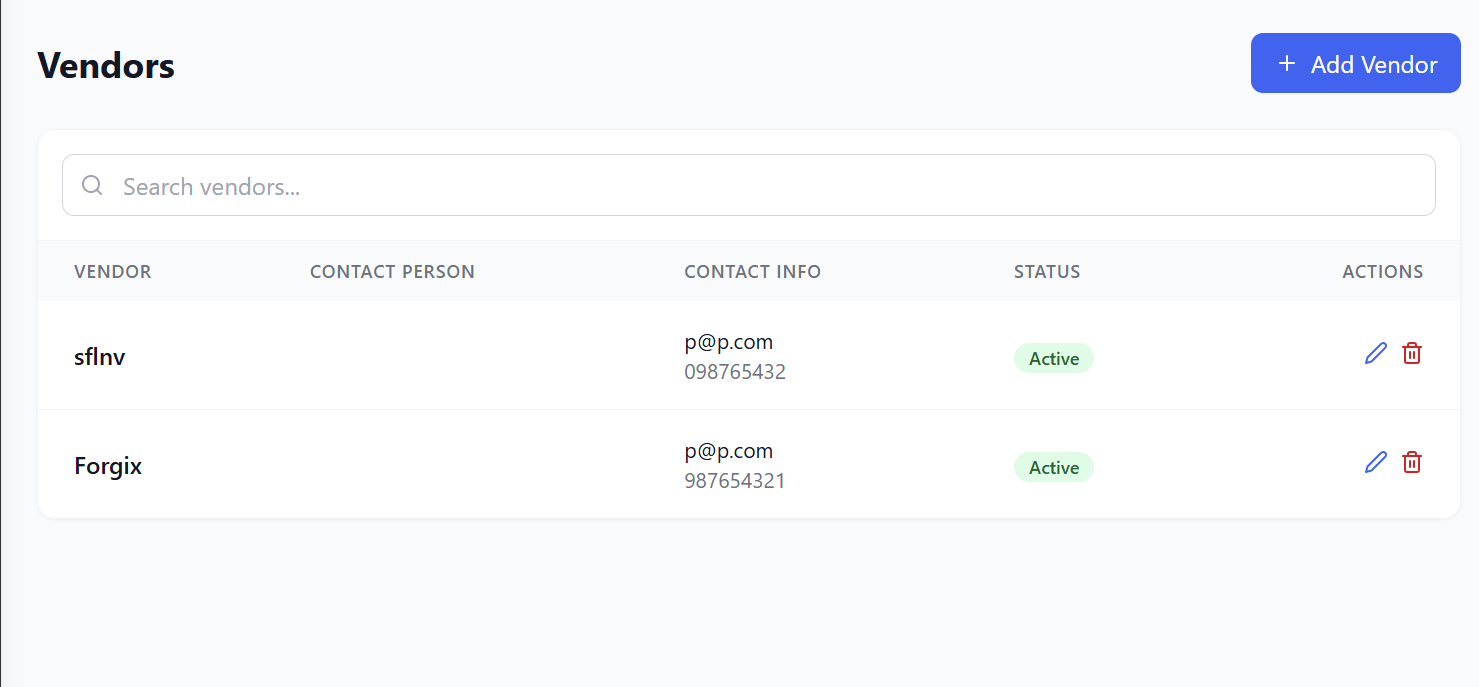
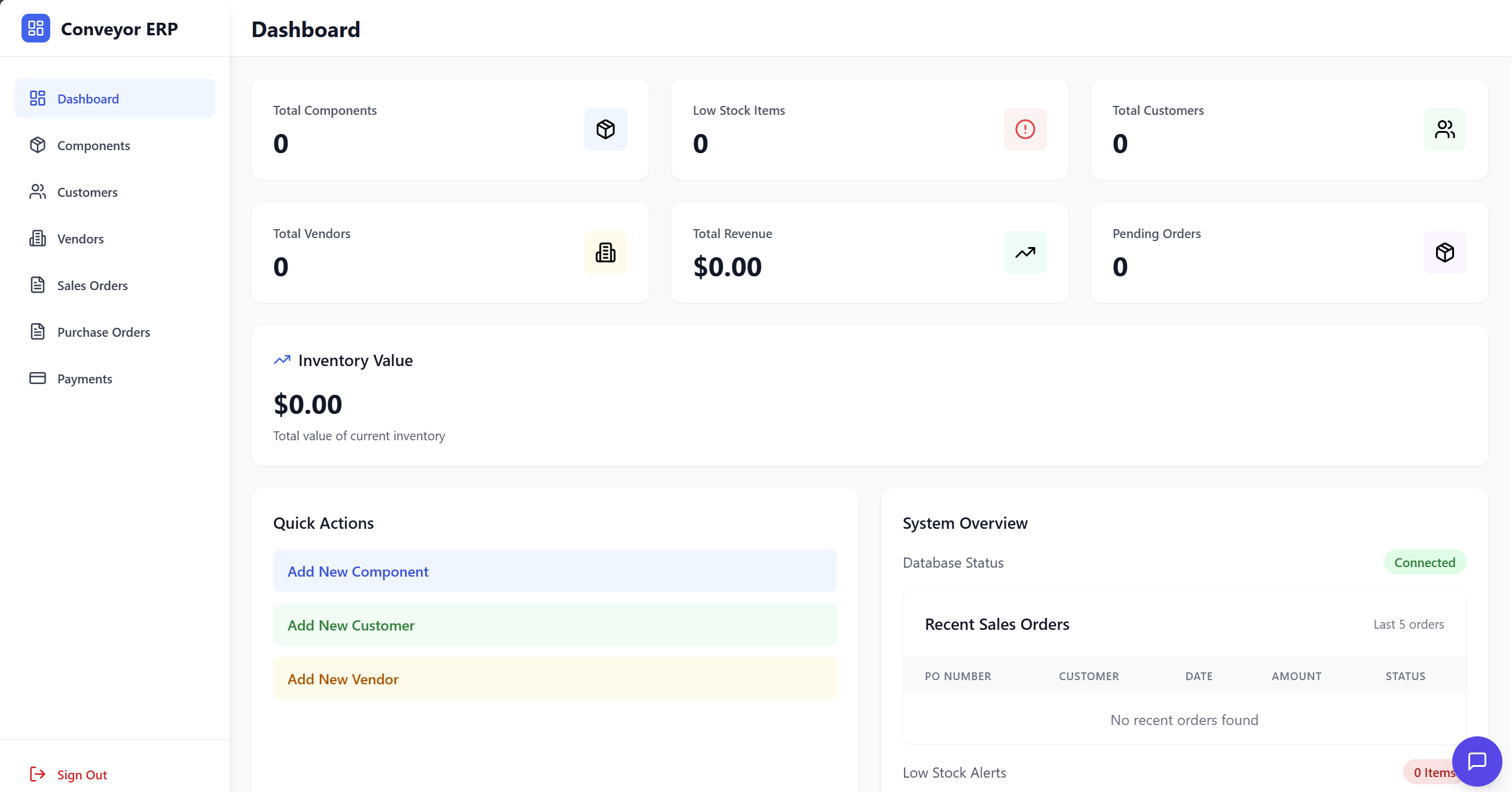
- Manage vendors, POs, inventory, customer projects, and proposals in one place.
- Ask natural questions like “What POs are delayed?” or “Which vendor gave the best prices for laptops last quarter?”
- Get AI‑generated proposals, follow‑up emails, and daily summaries of key reminders and risks.
How we built it
FreeERP is built around the Gemini 3 API as the core intelligence layer. The frontend is a simple web app where the main interaction is a chat-like interface plus a few clean tables for POs, inventory, and projects.
When the user sends a message, the backend calls Gemini with a structured prompt asking it to:
- Classify the intent (e.g., create_po, update_inventory, create_proposal, ask_summary).
- Extract key fields into JSON (vendor, item, quantity, price, dates, project, etc.).
- Optionally generate natural language content (proposal drafts, emails, summaries).
This JSON is then written into a free database (e.g., Supabase / Firebase / PostgreSQL). Additional Gemini calls are used for analytics-style questions and for generating human-readable daily summaries of what the founder should pay attention to.
Challenges we ran into
Designing a prompt and JSON schema that works across very different user requests was a big challenge. Users mix English, shorthand, and business terms, so Gemini needs to be robust to messy input.
Another difficulty was deciding how much logic to keep in the backend versus inside the Gemini prompt. Too much logic in prompts made responses harder to control, while too little made the app feel less “smart.” Balancing reliability, cost, and speed on the free tier was also important for hackathon constraints.
Accomplishments that we're proud of
- Turning a complex ERP-style workflow into a single conversational interface that a non-technical founder can start using in minutes.
- Building a working flow where Gemini not only understands commands but also produces real business artifacts: POs, proposals, emails, and summaries.
- Keeping the architecture simple and low-cost so that this can realistically stay free for small startups.
What we learned
This project showed how much value comes from combining structured data models (tables for vendors, POs, inven
Built With
- gemini-3-api
- google-ai-studio
- html/css
- javascript/typescript
- node.js/express
- react
- rest
- supabase-(postgres)-/-firebase

Log in or sign up for Devpost to join the conversation.