-
-
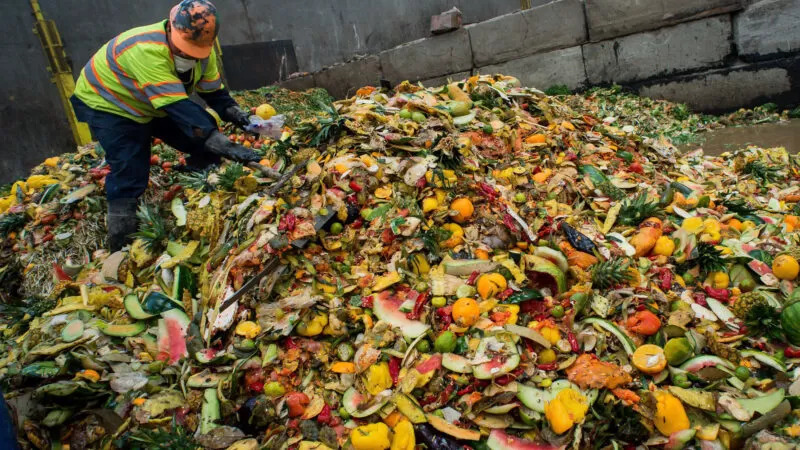
Food waste
-
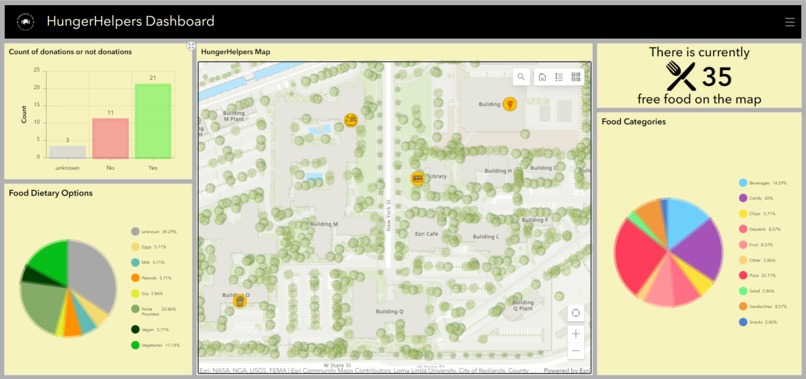
HungerHelpers Dashboard
-
Start Page and Logo
-
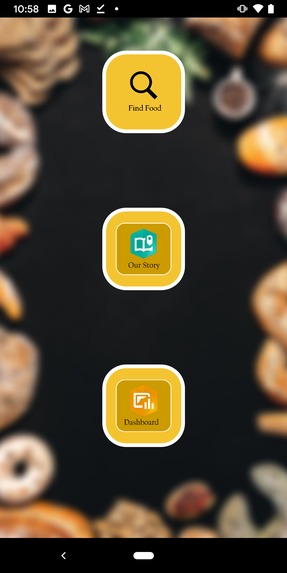
Main Page
-
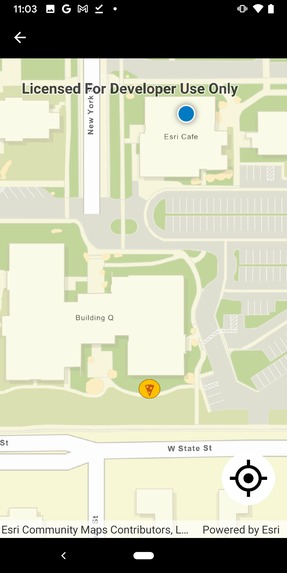
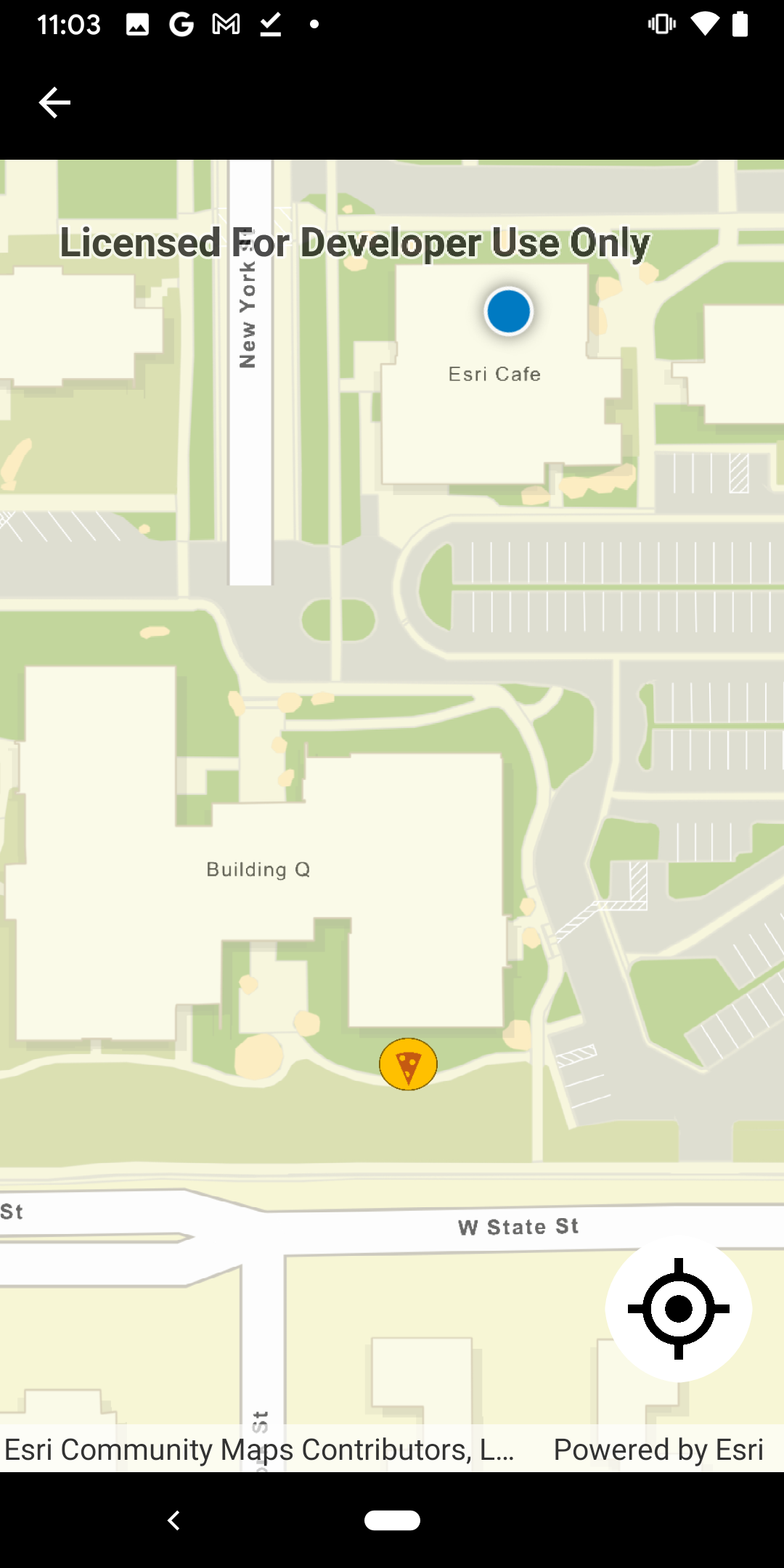
Map Page
-
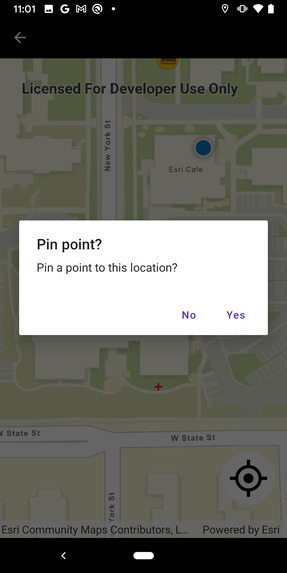
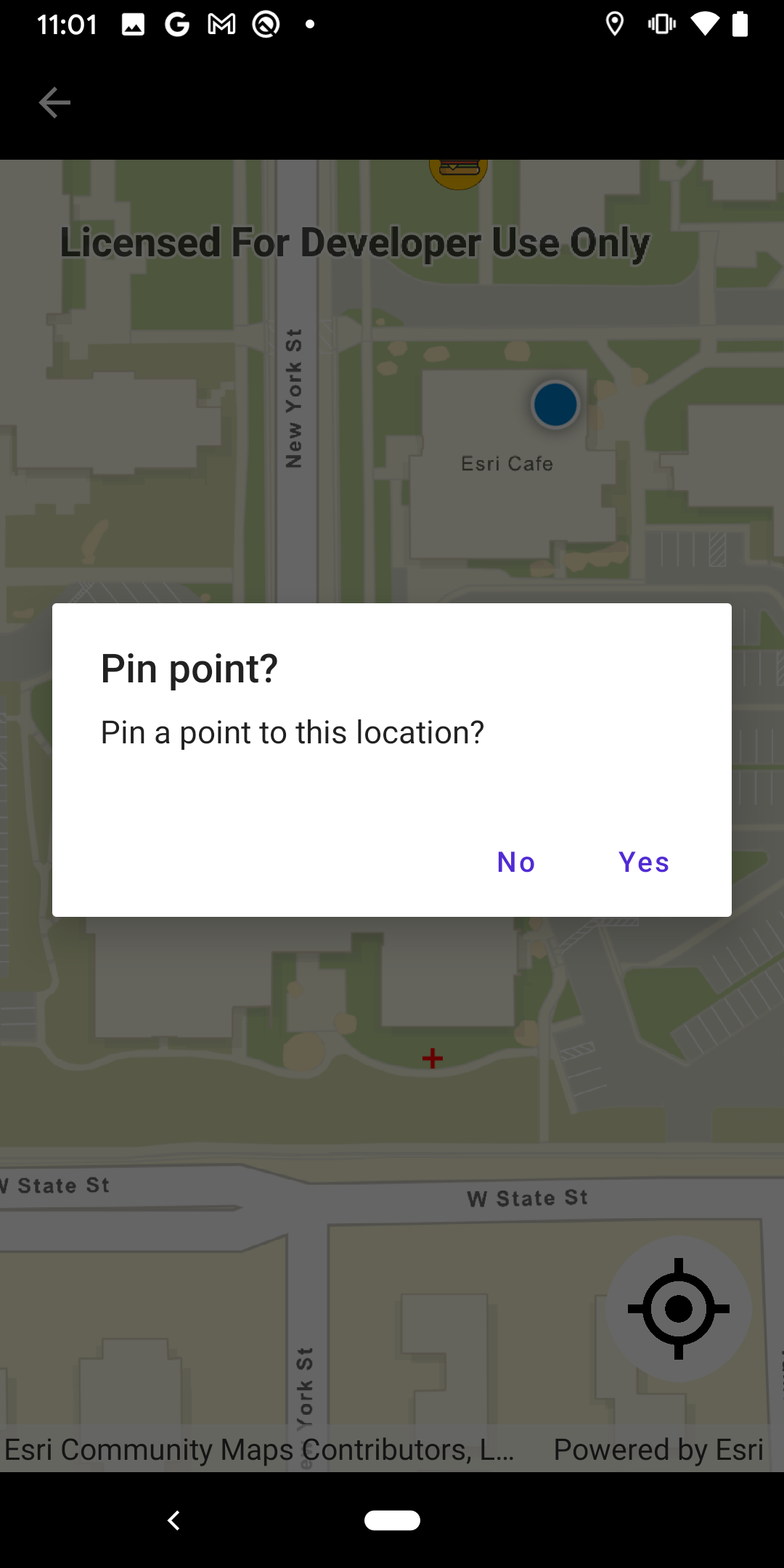
Pin a Point? when click the map
-
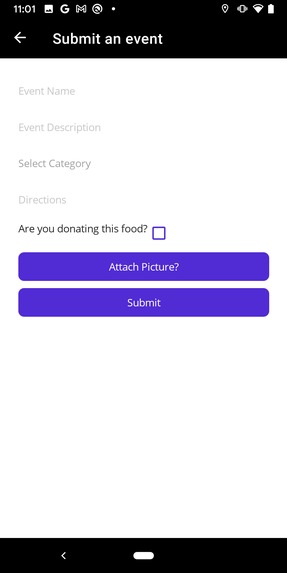
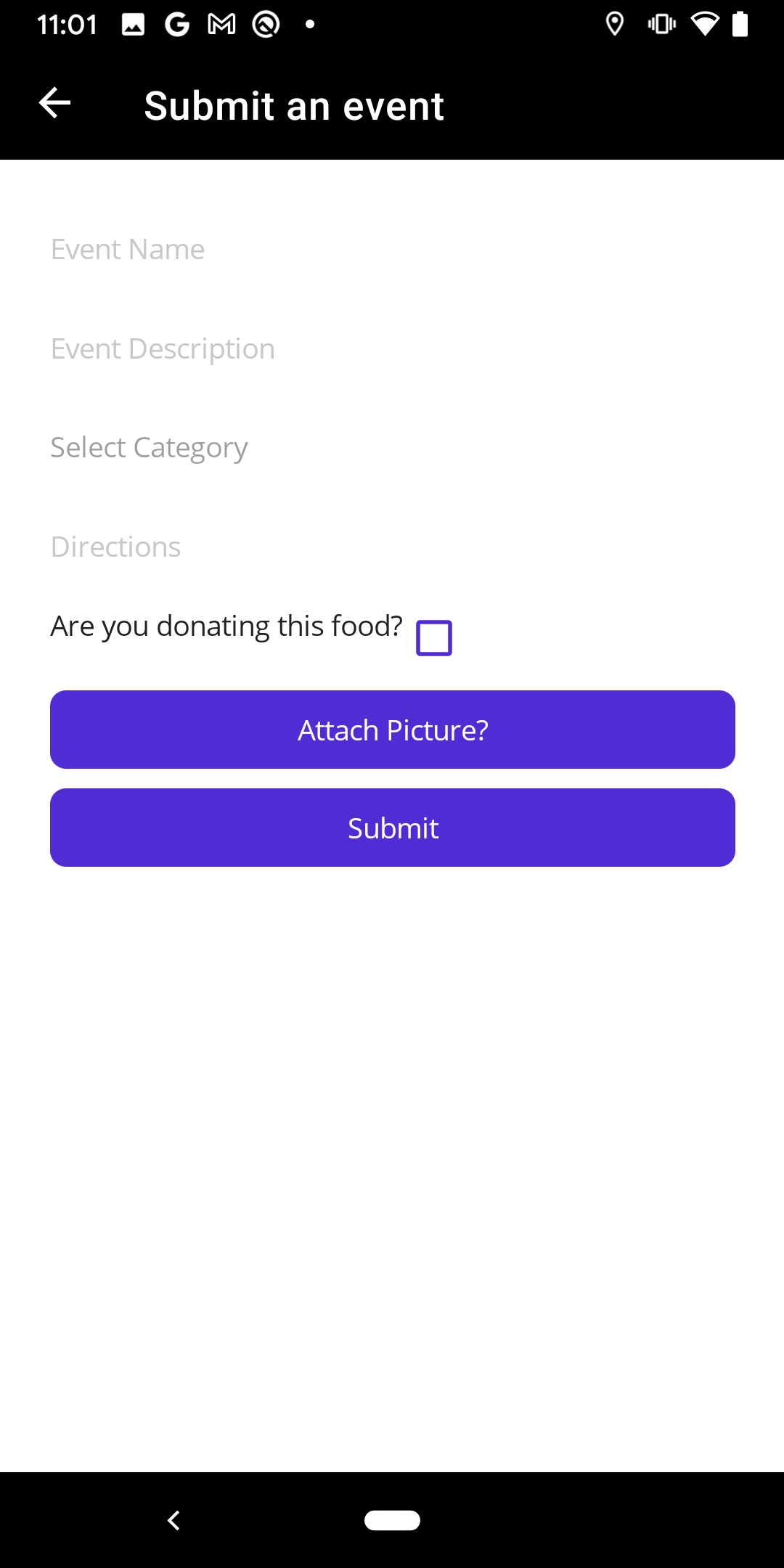
Submit Event Page
-
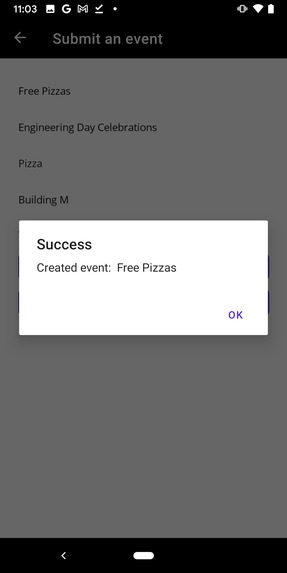
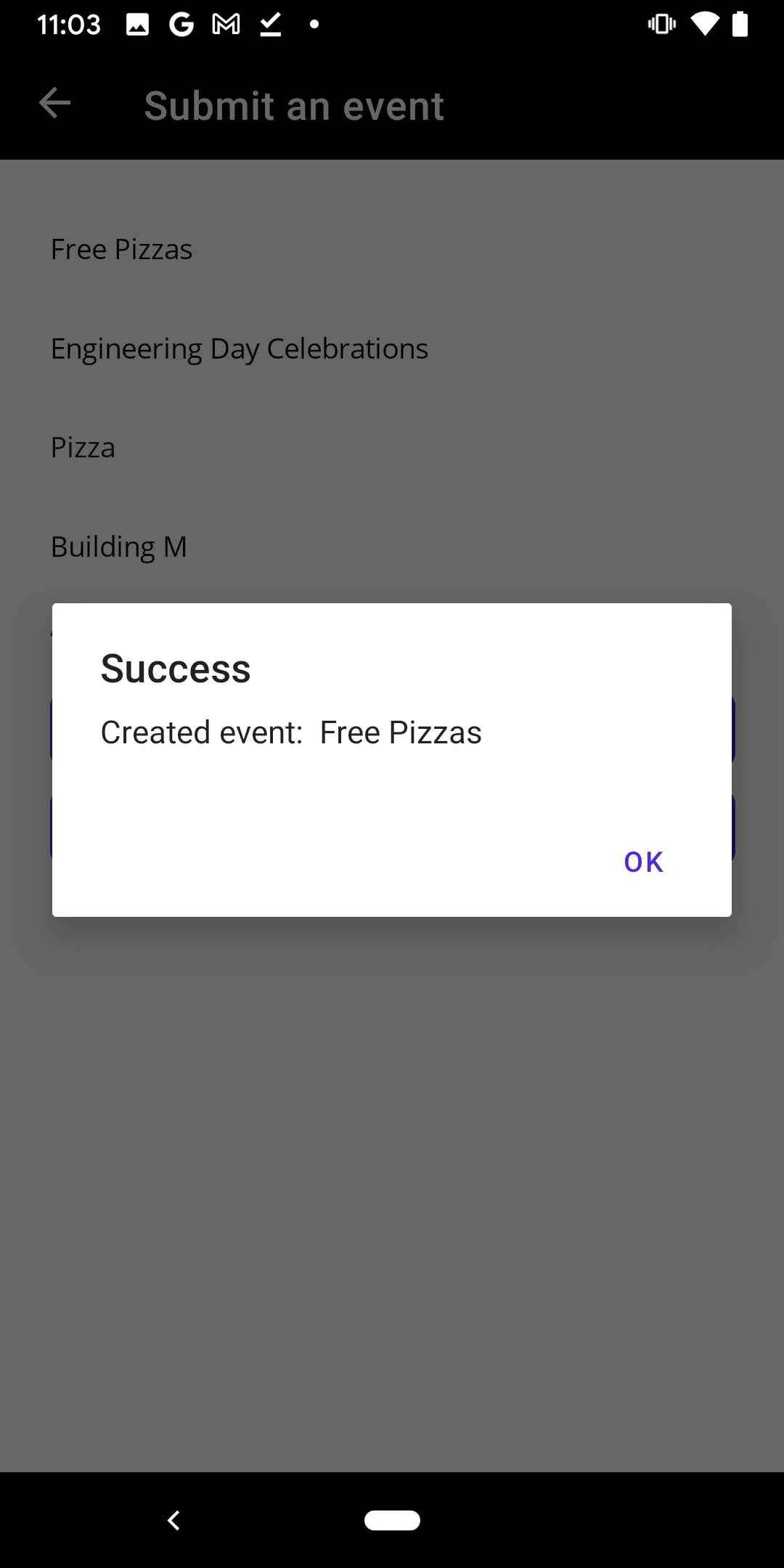
Successfully submitted the event
-
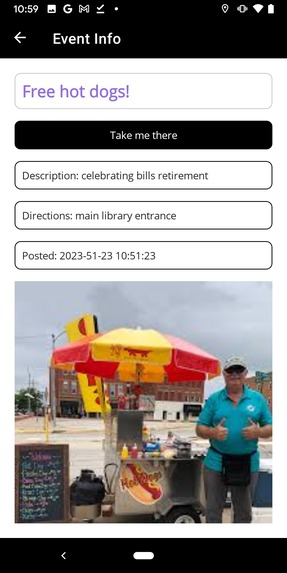
Info Page
-
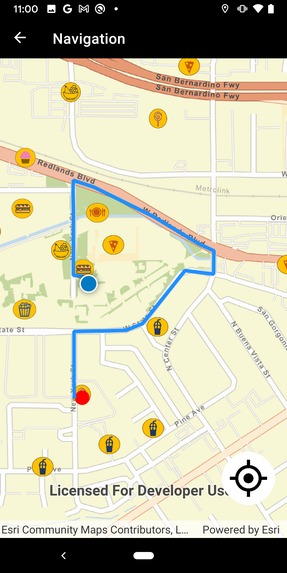
Routing
-
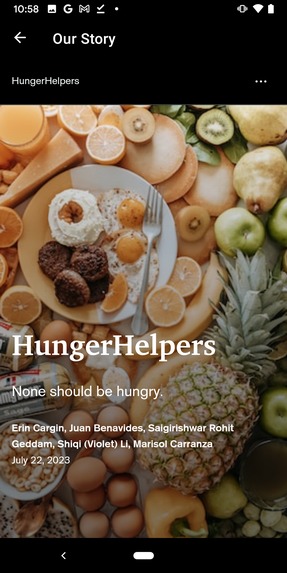
Our Story
-
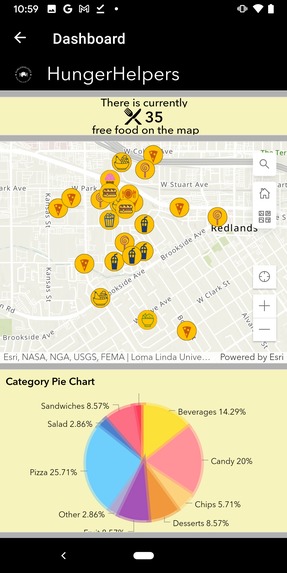
our Dashboard
Inspiration
Often, students on large college campuses do not have good knowledge of all the resources that are available to them. It would be a popular and powerful app among students that locate events and resources on campus. But a simple app that only contains the official information released by the college is not so different from just the event calendar. Making use of Volunteered Geographic Information (VGI) can largely contribute to expanding the information users can reach.
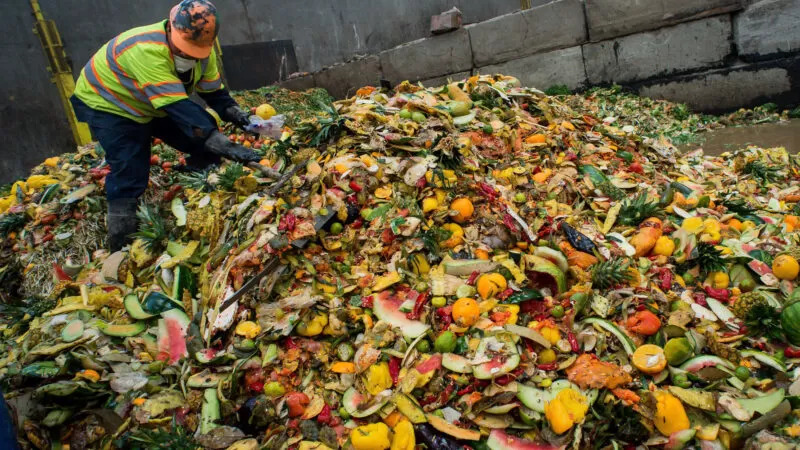
To implement an example of our idea, we specified the main character of the app as free food. Food waste is a global crisis that cannot be overlooked. Every year, millions of tons of food are discarded, contributing to environmental degradation and exacerbating food insecurity. Get down to our own experiences, everyone in our team had both experiences: having leftovers but don't know how to do with them, and noticing leftovers somewhere on campus when we don't need them.
What it does
Our app is a powerful solution to combat food waste and food inequity. It is a user-friendly mobile app designed to empower individuals and communities to make a difference. It has two primary features:
Pinning Free Food: Users can easily pin and share surplus food they find or donate, such as leftovers, groceries, or excess garden produce. By clicking on the map, a pop-up will appear and ensure the users' activity to add food. Once the user confirmed, the app will jump to a form page to let users input the details and add an attachment (an image of the food).
Finding Free Food Nearby:
- Users can discover nearby free food that others have shared on this app, ensuring that no edible items go to waste.
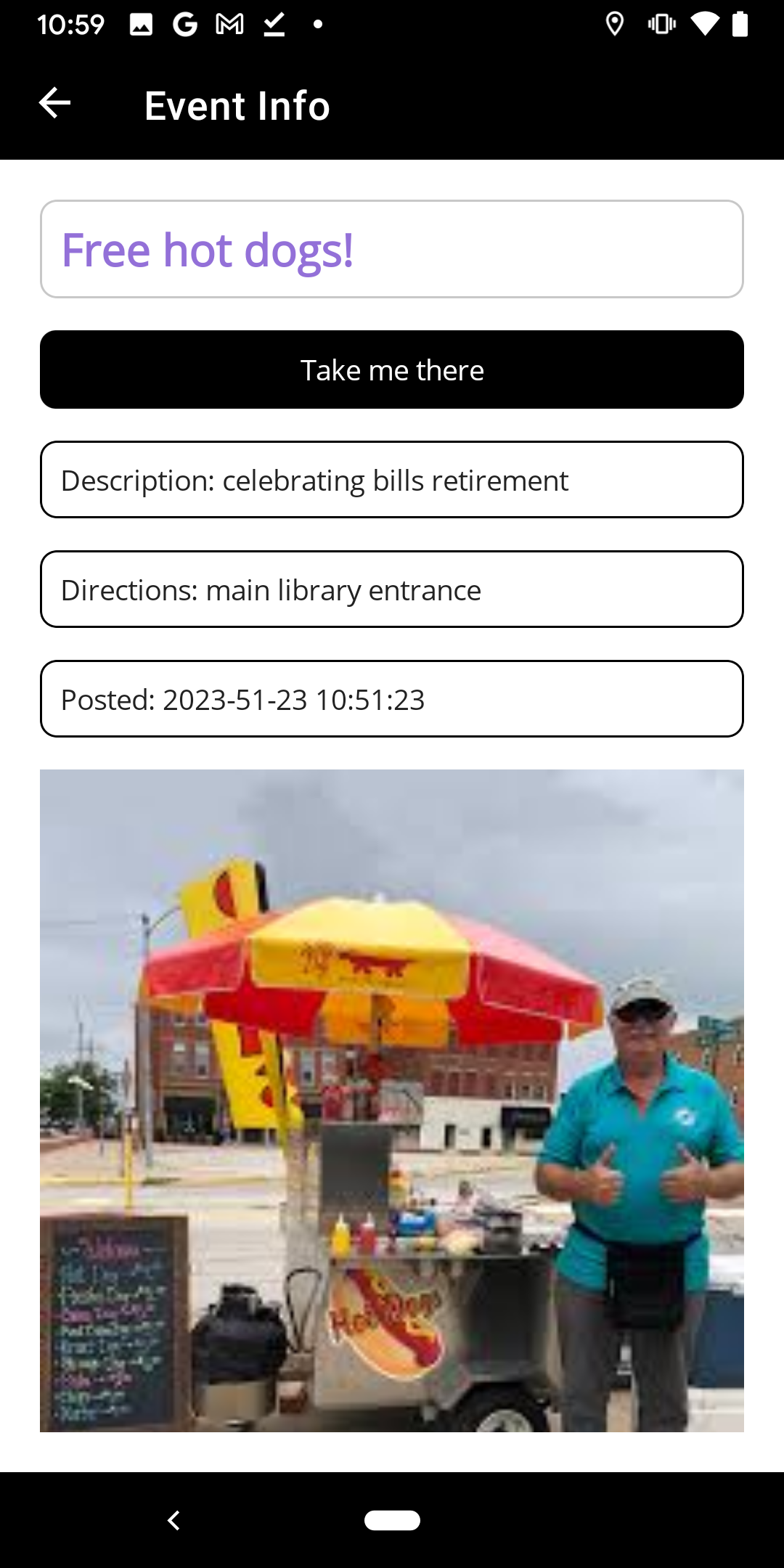
- When users click on a selected free food, an information page will show to present all the details and attachments about that food.
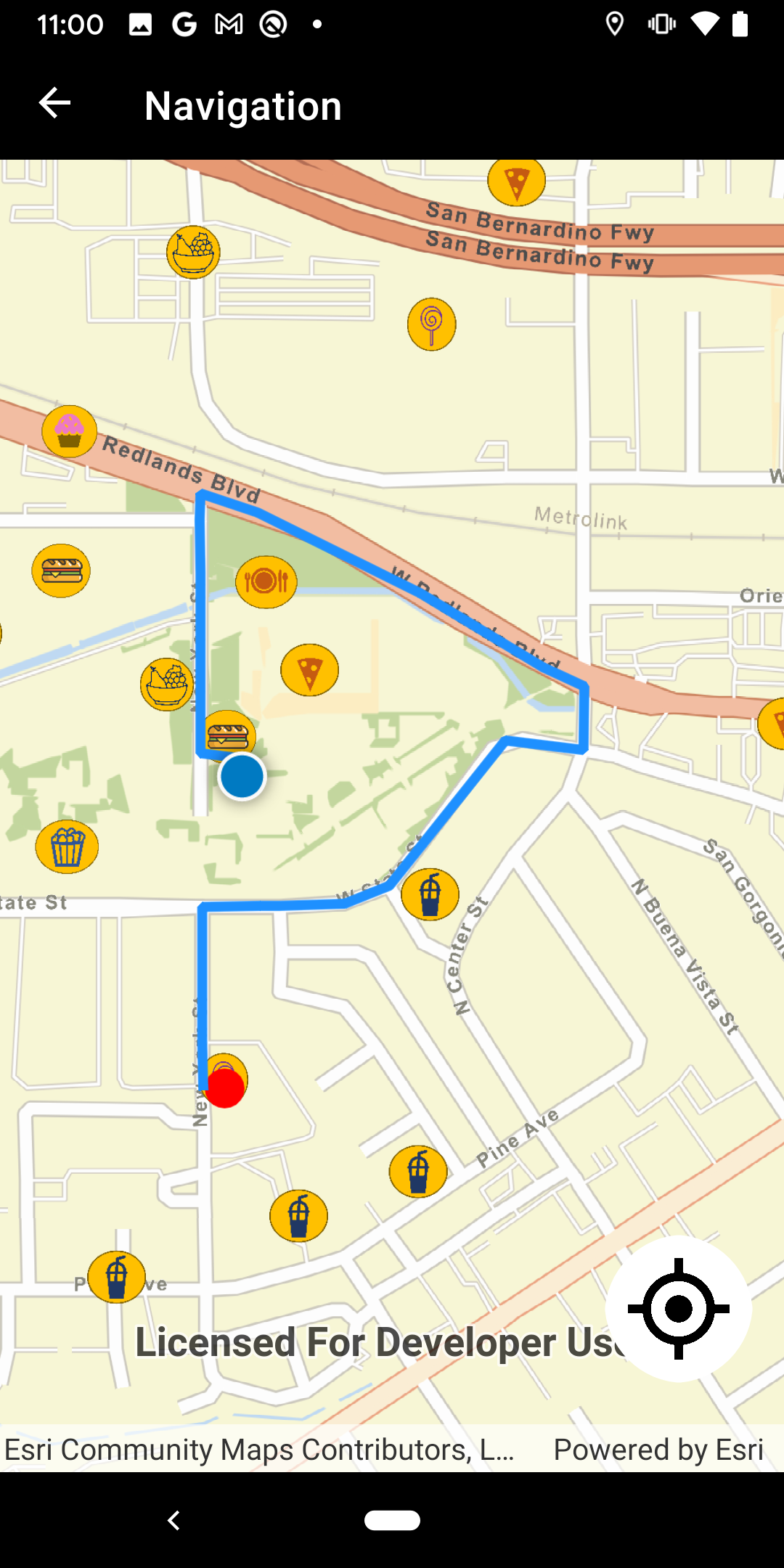
- On the information page, there's also a "take me there" button to show the routing from the user's location to that food's location.
- Users will get notified when a new free food appeared within a reachable distance near them.
- When users pass by a pinned free food and identify if it is still there, users can input existing status on the app about the food to help others who are interested in this food.
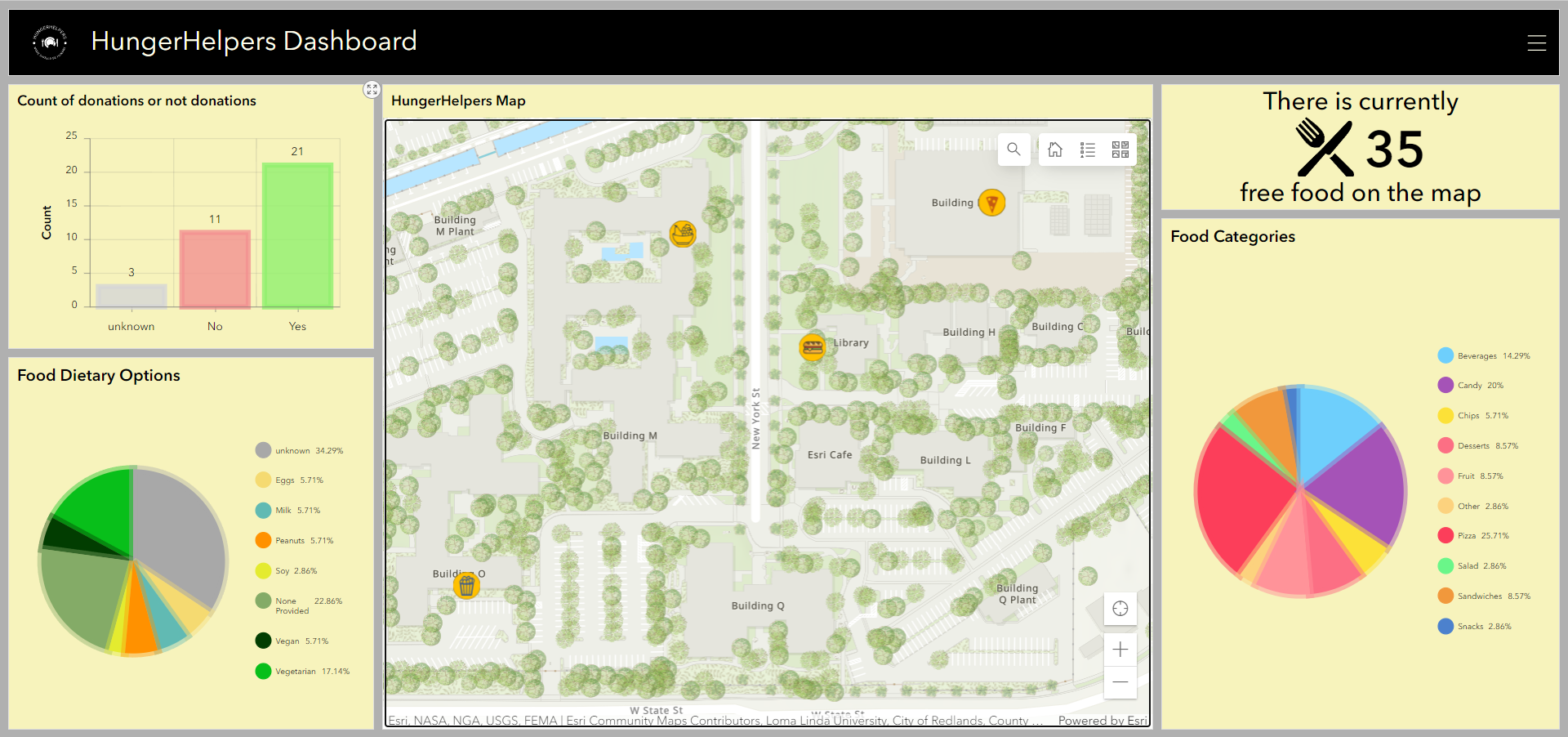
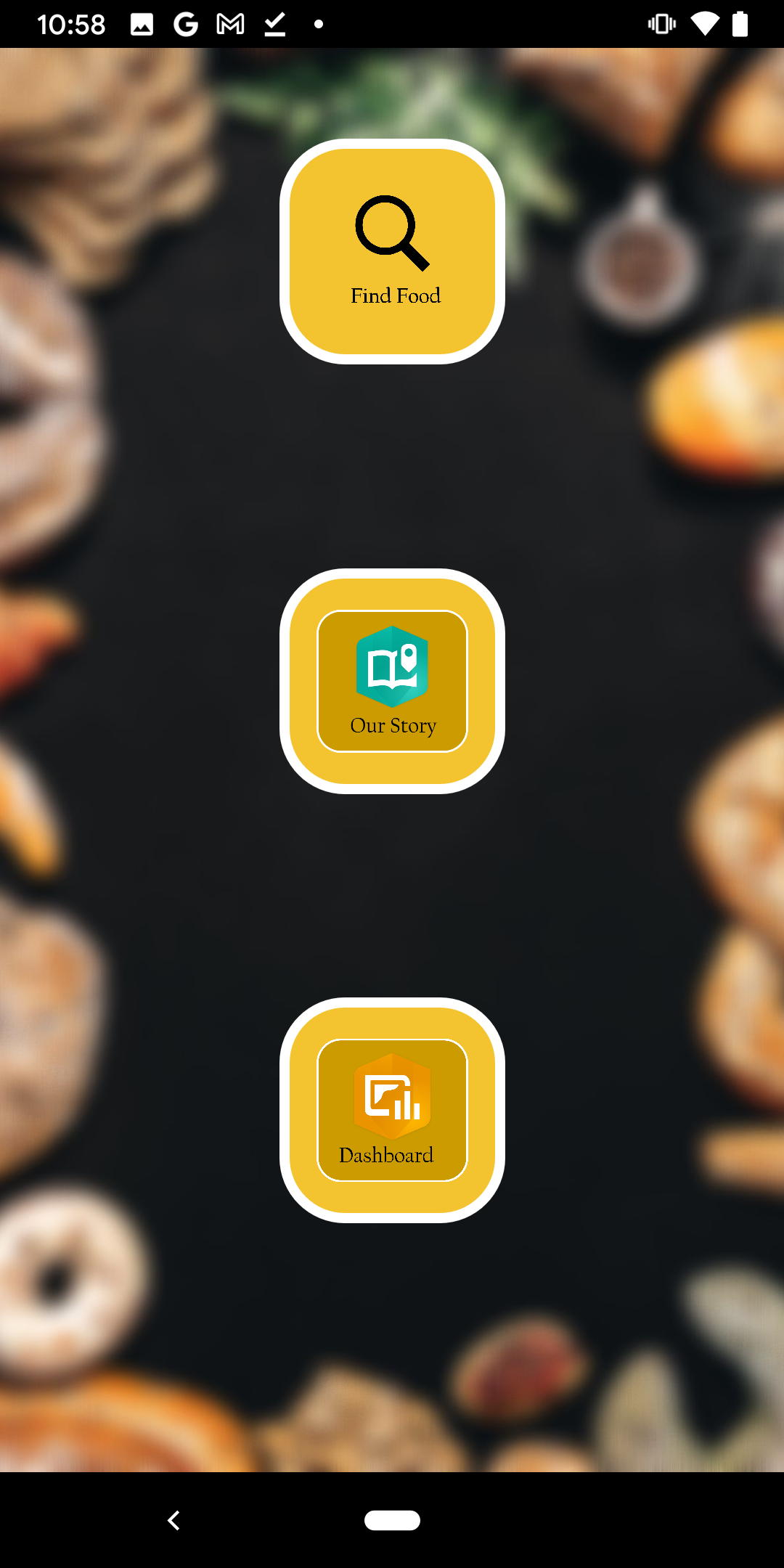
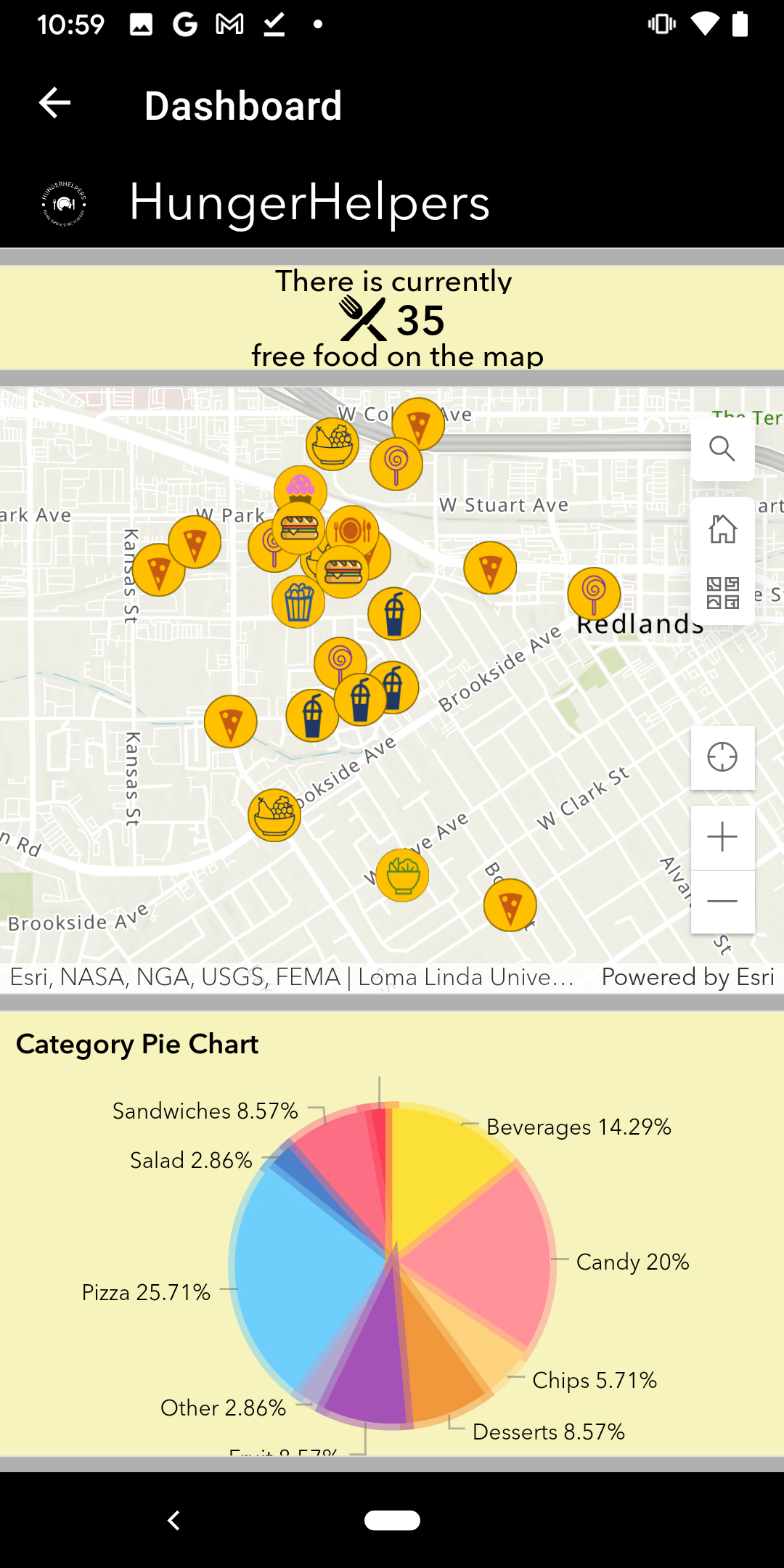
Besides that, we have a HungerHelpers Dashboard to show some statistics results of the current food and enable users to get an overview of the free food on our map. A StoryMap is also created to tell our story of building this app.
How we built it
The big idea for this app is to allow users to easily find free food nearby, so we decided on building a mobile app. The powerful ArcGIS Maps SDK for .NET (MAUI) enables us to build apps that can run both on desktop devices and mobile devices. Referencing the samples provided by the ArcGIS SDK for .NET, we have the ability to build our only mobile app with map services.
- Data and feature editing to enable pinning food points on a map.
- Routing in Network Services to enable routing to a specific food location.
- GeoTrigger to enable notification when users enter a specific buffer of food.
Challenges we ran into
Lack of experience in UI design. UI design is crucial for creating a user-friendly and visually appealing app but none of our team members have done UI designing jobs before, to address this, our team took a proactive approach to learn and discuss UI design best practices. Finally, the logo and interface we created represent the app's mission and make it easily recognizable to users.
First-time mobile development. As beginners in mobile development, we faced a significant learning curve. The ArcGIS Development document page and our mentor resources became our primary source of guidance, offering samples and tutorials specific to our development needs, and allowing us to build a functional mobile app successfully.
Coding Challenges. While building the app, we encountered complex challenges especially related to routing and geo-trigger functionalities. To address this, we leveraged the power of collaboration within our team. Instead of getting stuck on the problem, we decided to be transparent and communicative by pushing the unsolved issues to our team's GitHub repository. This approach ensured that anyone in the team could access and contribute to resolving the problem.
Accomplishments that we're proud of
Meaningful Social Impact. Our mobile app addresses critical issues of food waste and food inequity. We are confident that our app can feed the needs of people and make a commendable social impact.
Learning and Adaptation. Being our team's first-time mobile development experience, we embraced the challenge with determination and a growth mindset.
Collaborative Problem-Solving. When faced with coding challenges related to routing and geo-trigger functionalities, our team demonstrated exceptional collaboration.
What we learned
Working as a team. We are a team with a hybrid background varying from GIS to Software development. Listening to the experts' opinions can save time and keep the team always in the right direction.
Resource Utilization. Our team learned the importance of continuous learning and seeking guidance to overcome technical obstacles.
Technical Skills. As a first-time mobile development project, our team has acquired essential technical skills related to app development, UI design, and integration of geolocation features.
What's next for HungerHelpers
As we previously thought, the HungerHelpers can be expanded to fit any events that take place on a campus, or furthermore, in the community. By replacing food with other events and adding related features, we hope our app to be used in broader use cases.


Log in or sign up for Devpost to join the conversation.