FraudShield AI – A GenAI Copilot to Help People Say “Nope!” to Scams
Inspiration
Online scams and social engineering attacks are increasingly common in everyday digital life — especially for students and first-time internet users. People often fall for scams because the messaging is fast, urgent, and designed to create confusion. They rarely get a moment to pause, think, and verify whether something is legitimate or dangerous.
This inspired us to build FraudShield AI — an AI assistant that helps users identify suspicious content, understand common scam patterns, and decide safer next steps before it’s too late.
What it does
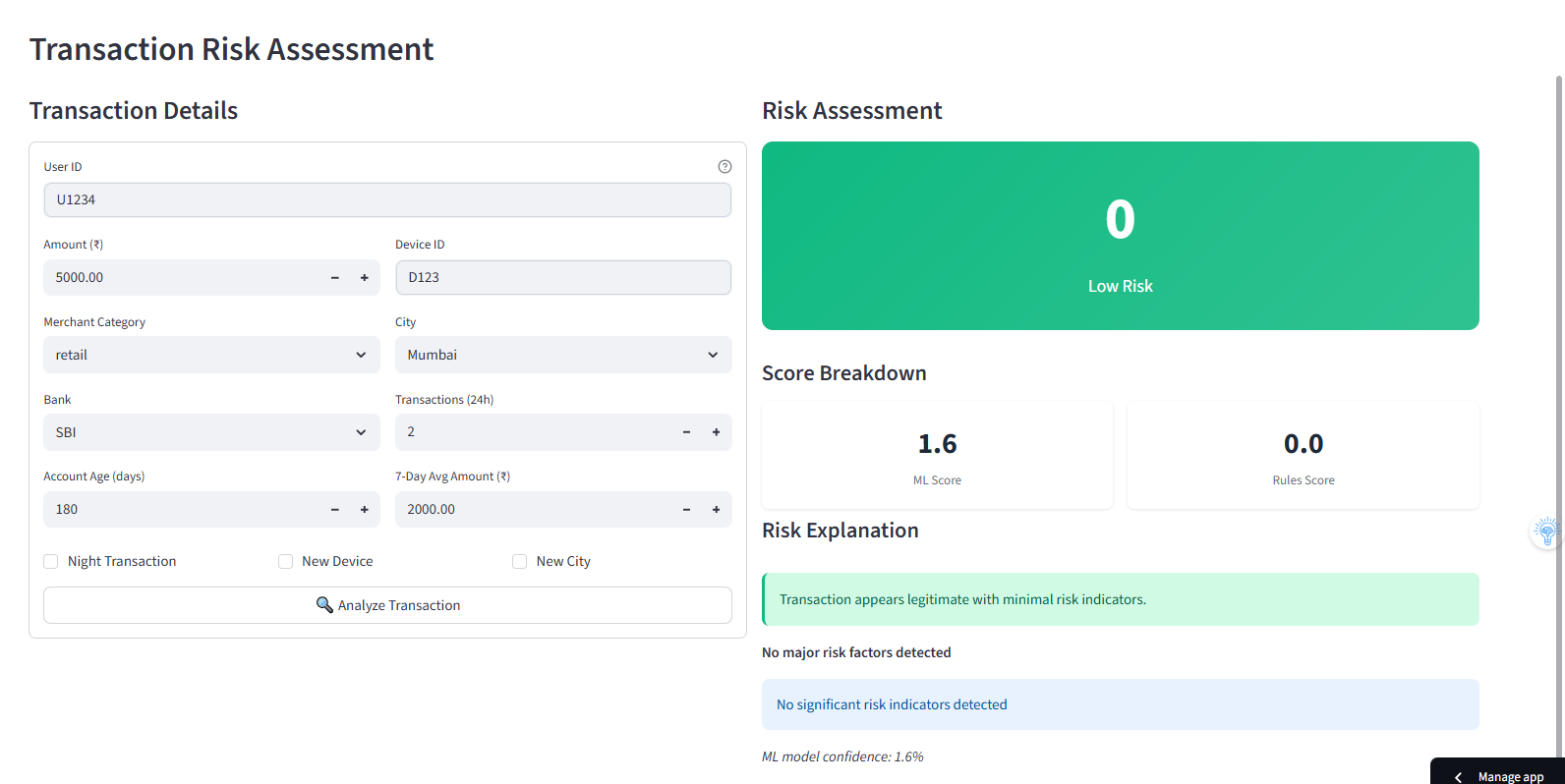
FraudShield AI helps users:
- Analyze suspicious messages (text, offer details, URLs)
- Detect typical scam behavior and red flags
- Explain why something might be a scam in simple language
- Provide safer alternatives and next steps
The goal is to prevent harm by turning confusion into clarity.
How we built it
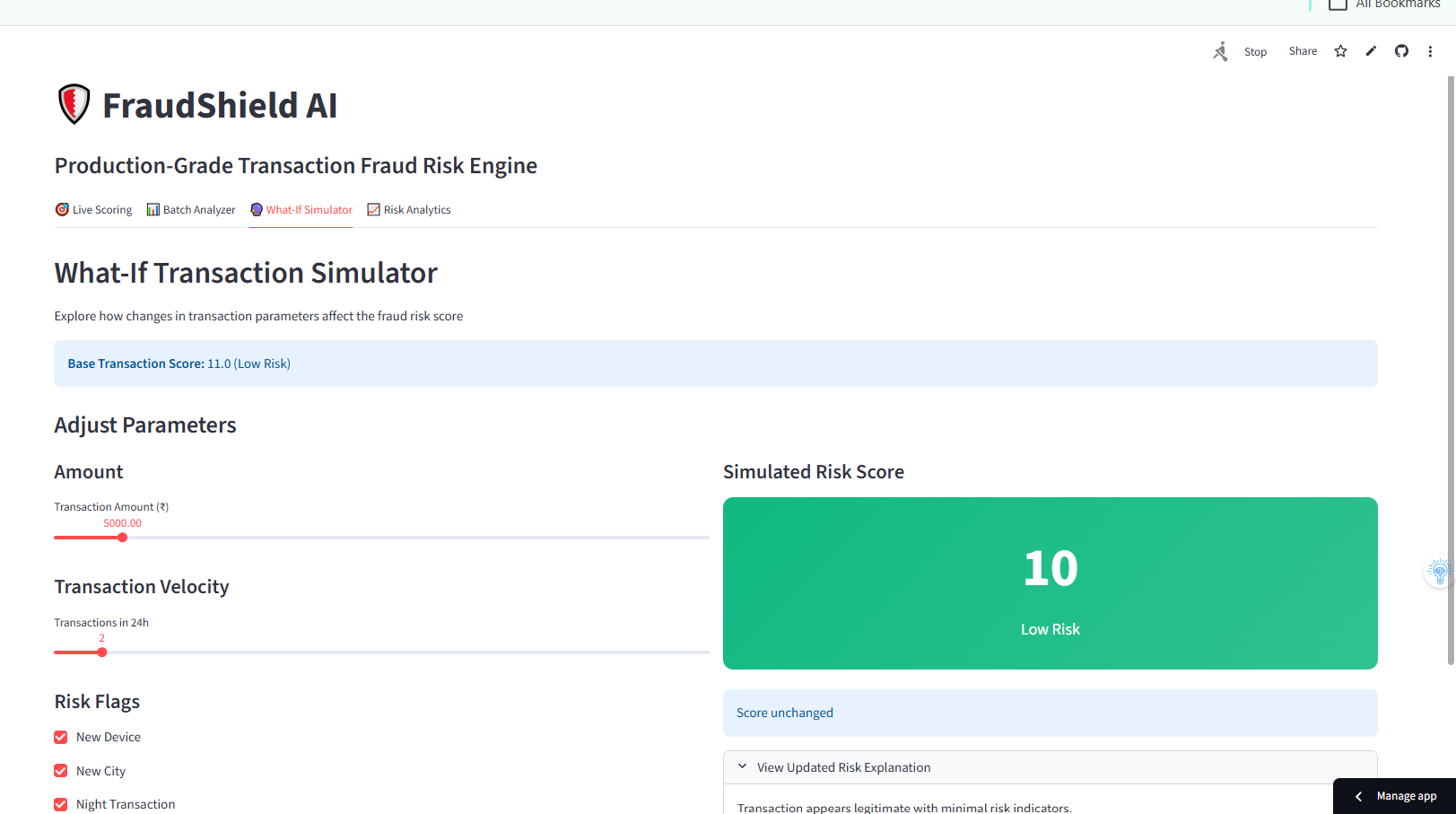
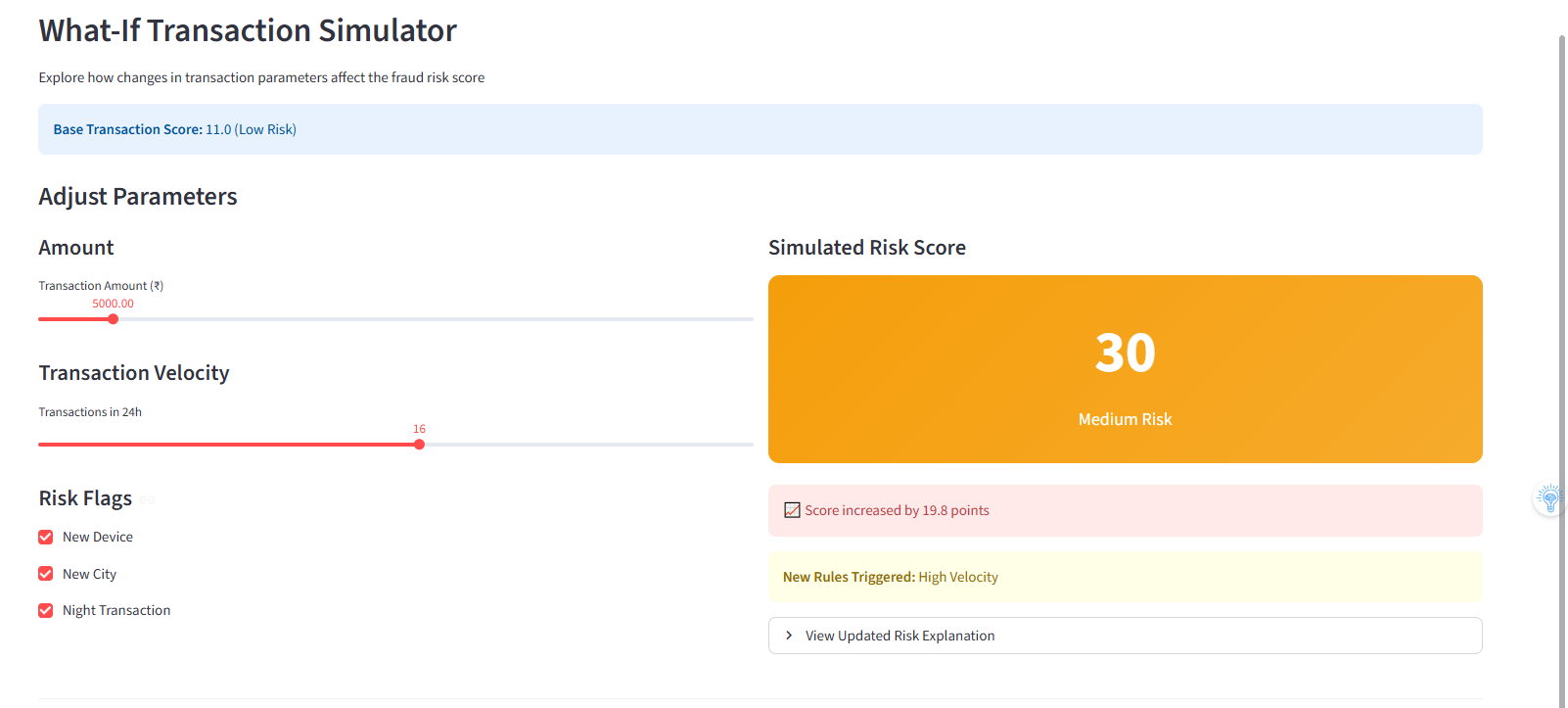
The prototype was built with the following workflow:
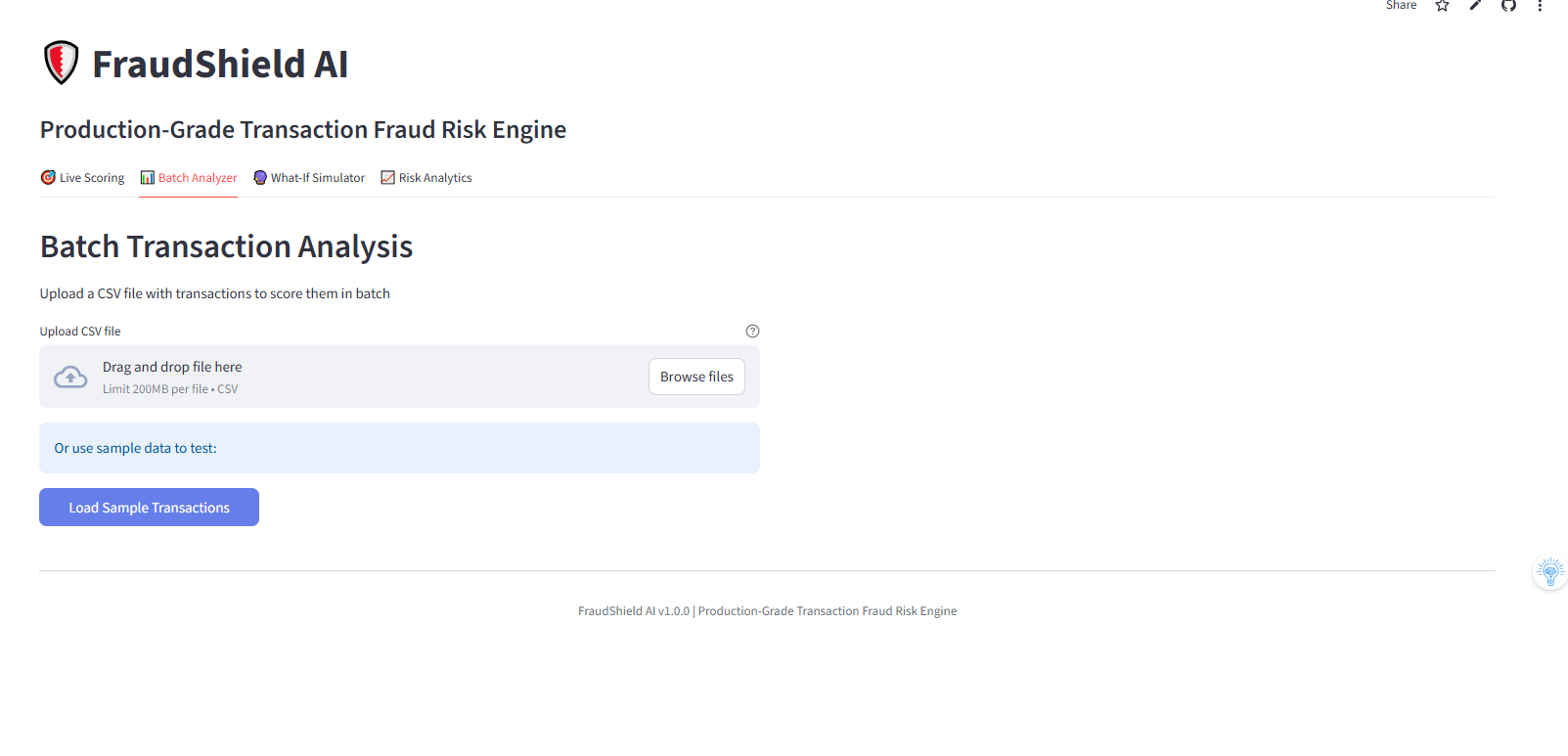
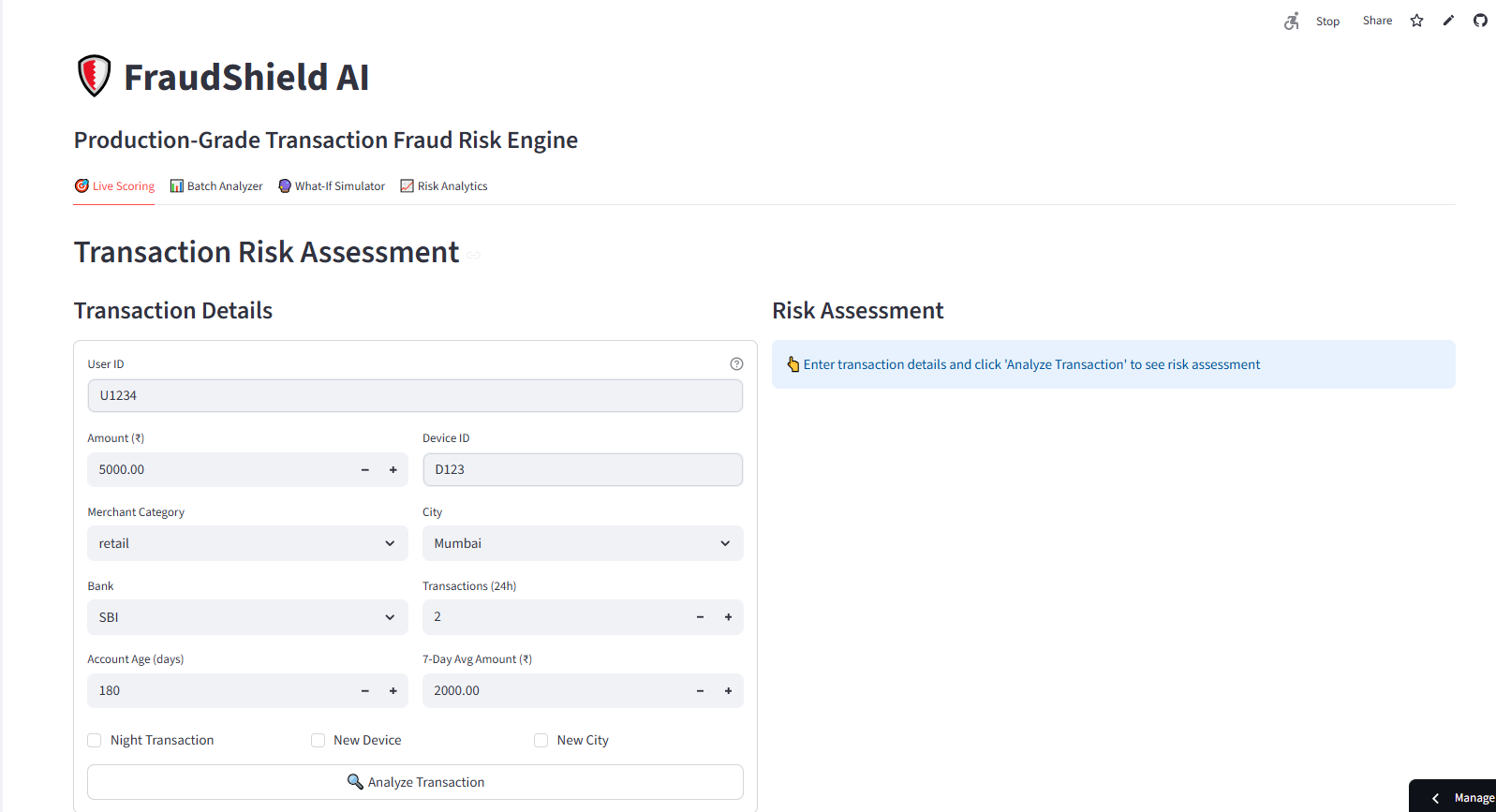
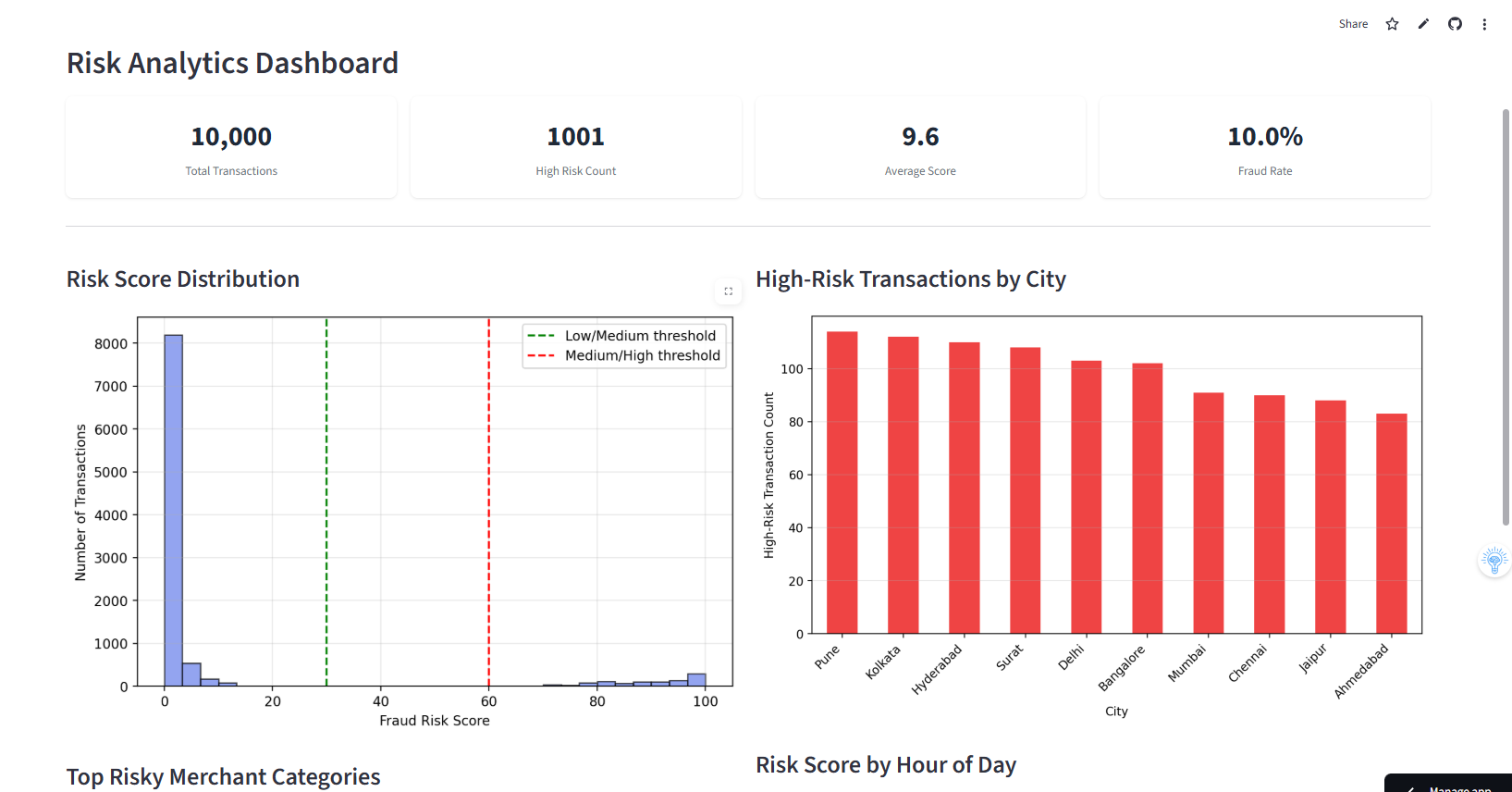
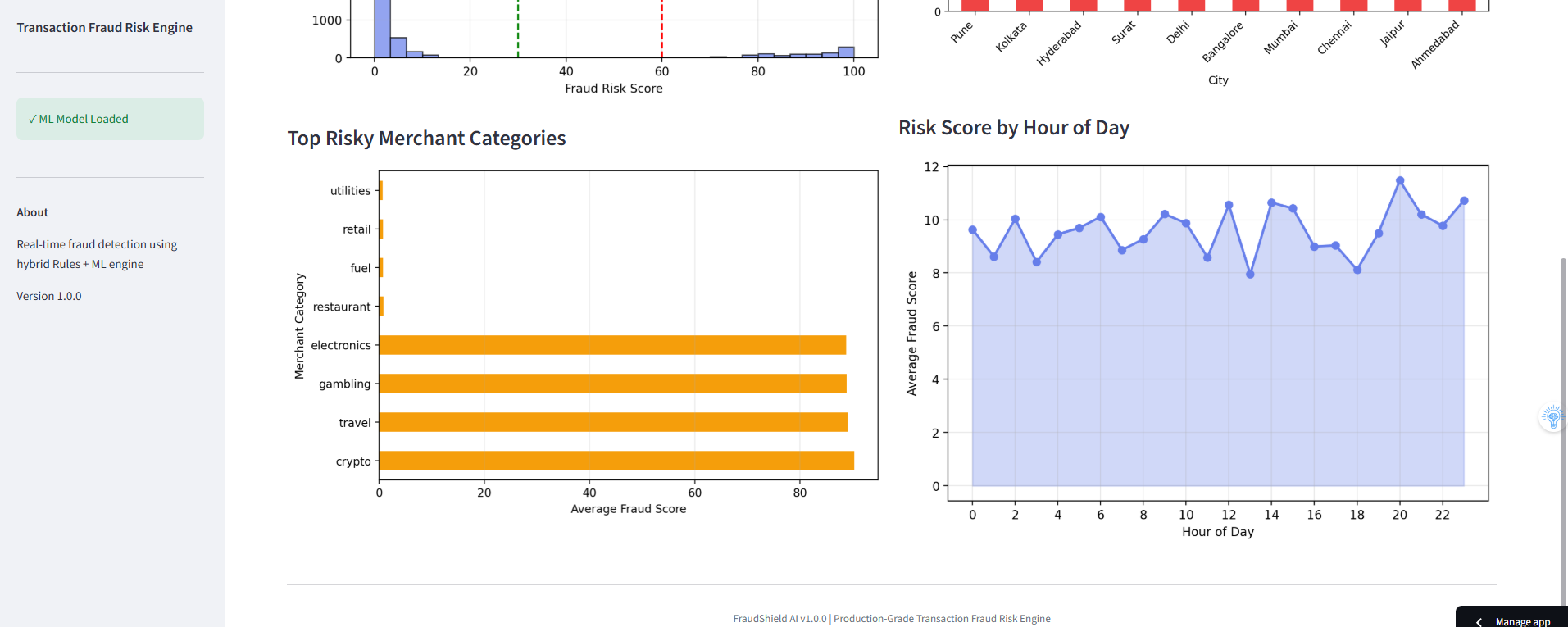
- Python + Streamlit: For the interactive web application
- AI reasoning logic: To interpret suspicious text and provide human-readable explanations
- GitHub Copilot: Assisted in suggesting functions and UI components
- Simple, clear UX: Designed for everyday users, not just technical people
Instead of black-box predictions, FraudShield explains what to look for and why.
Challenges we faced
- Providing clear, non-alarmist explanations
- Avoiding overconfidence in AI judgment
- Making the interface intuitive for non-technical users
What we learned
- Awareness and explanation are often more valuable than automated decisions
- Simple AI logic + clear text feedback helps users think critically
- Ethical AI design requires clear limitations and disclaimers
What’s next
- Add real scam datasets for benchmarking
- Expand to image/attachment analysis
- Multilingual support for Indian languages
- Add SMS / email auto-parsing demo
Why this matters
FraudShield AI focuses on impact and clarity over complexity. It helps everyday people — students, freelancers, digital users — gain awareness and avoid digital scams.


Log in or sign up for Devpost to join the conversation.