-
-

-
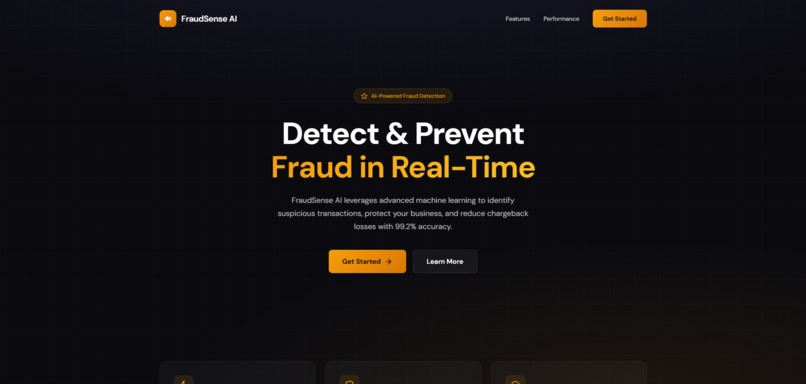
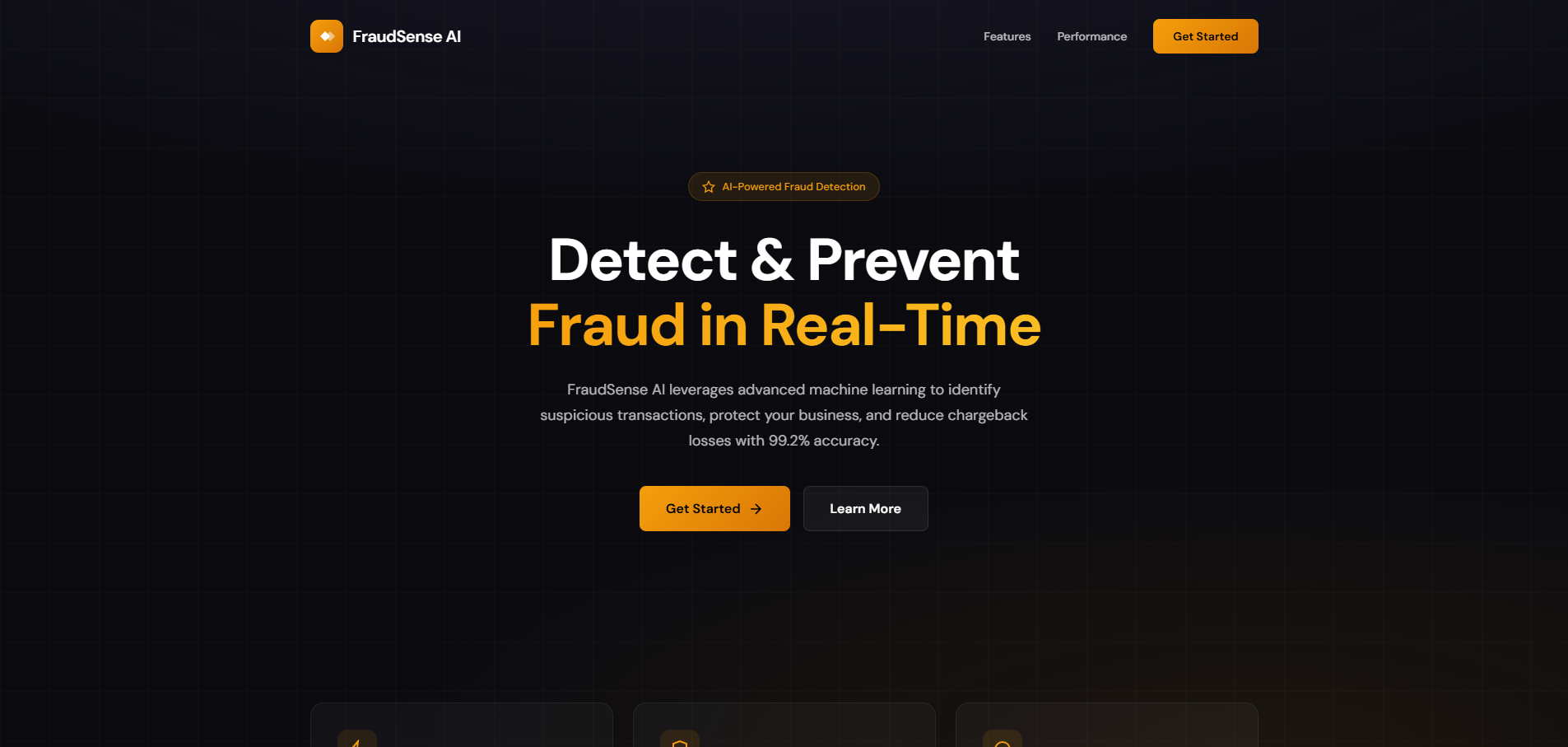
Landing page
-
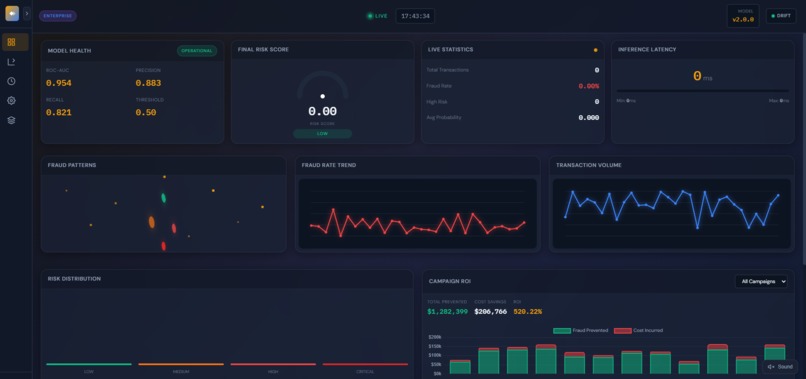
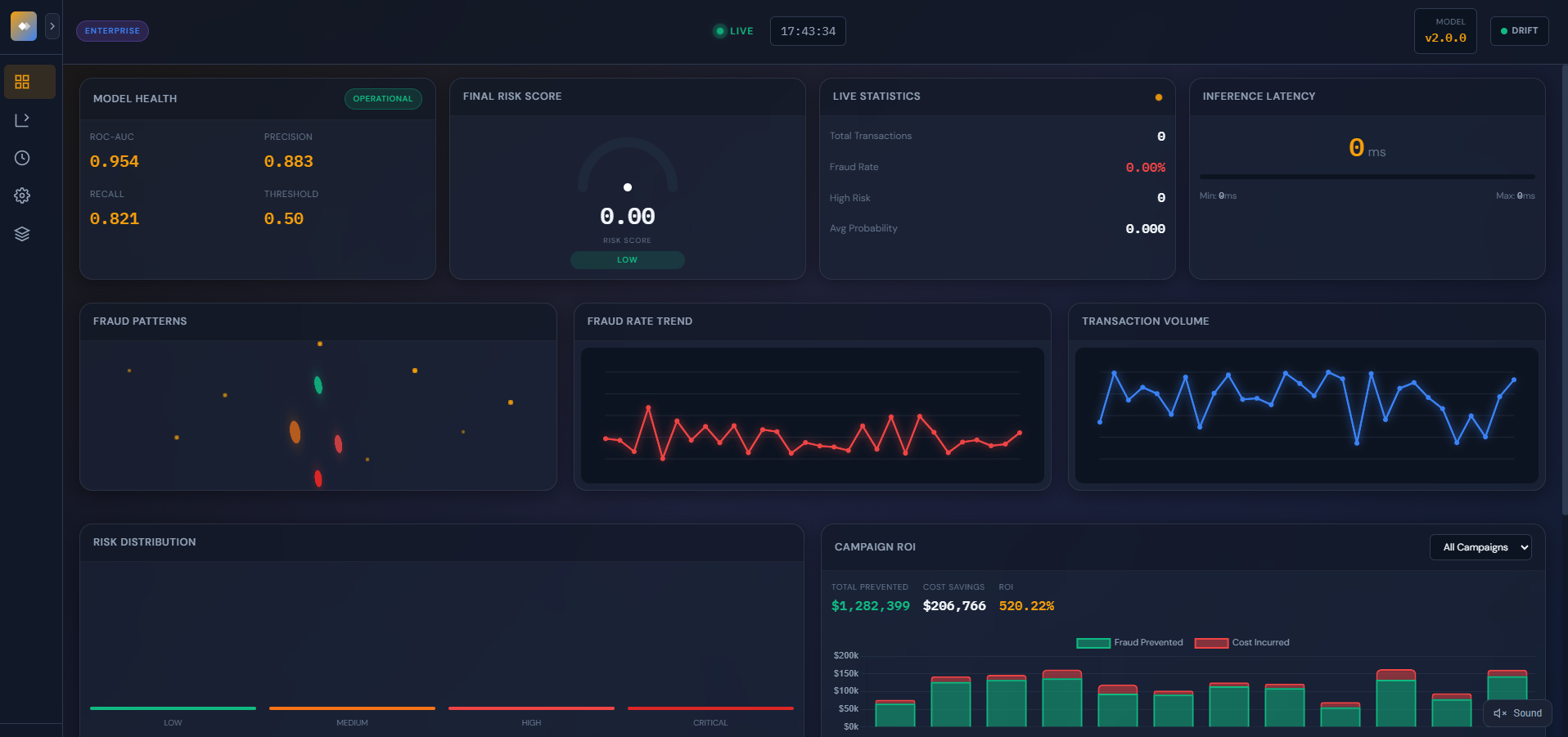
Dashboard (1)
-
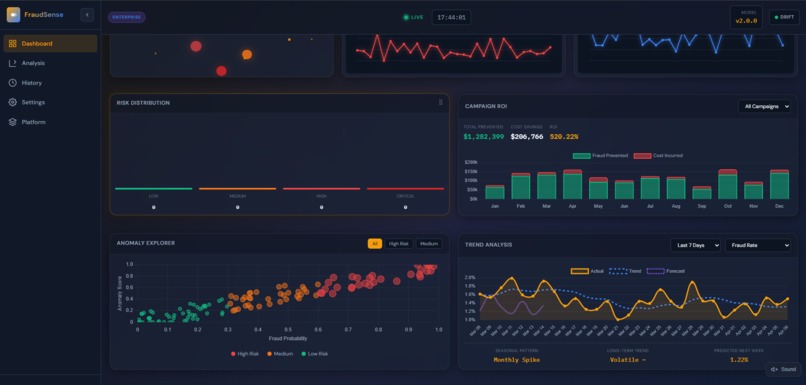
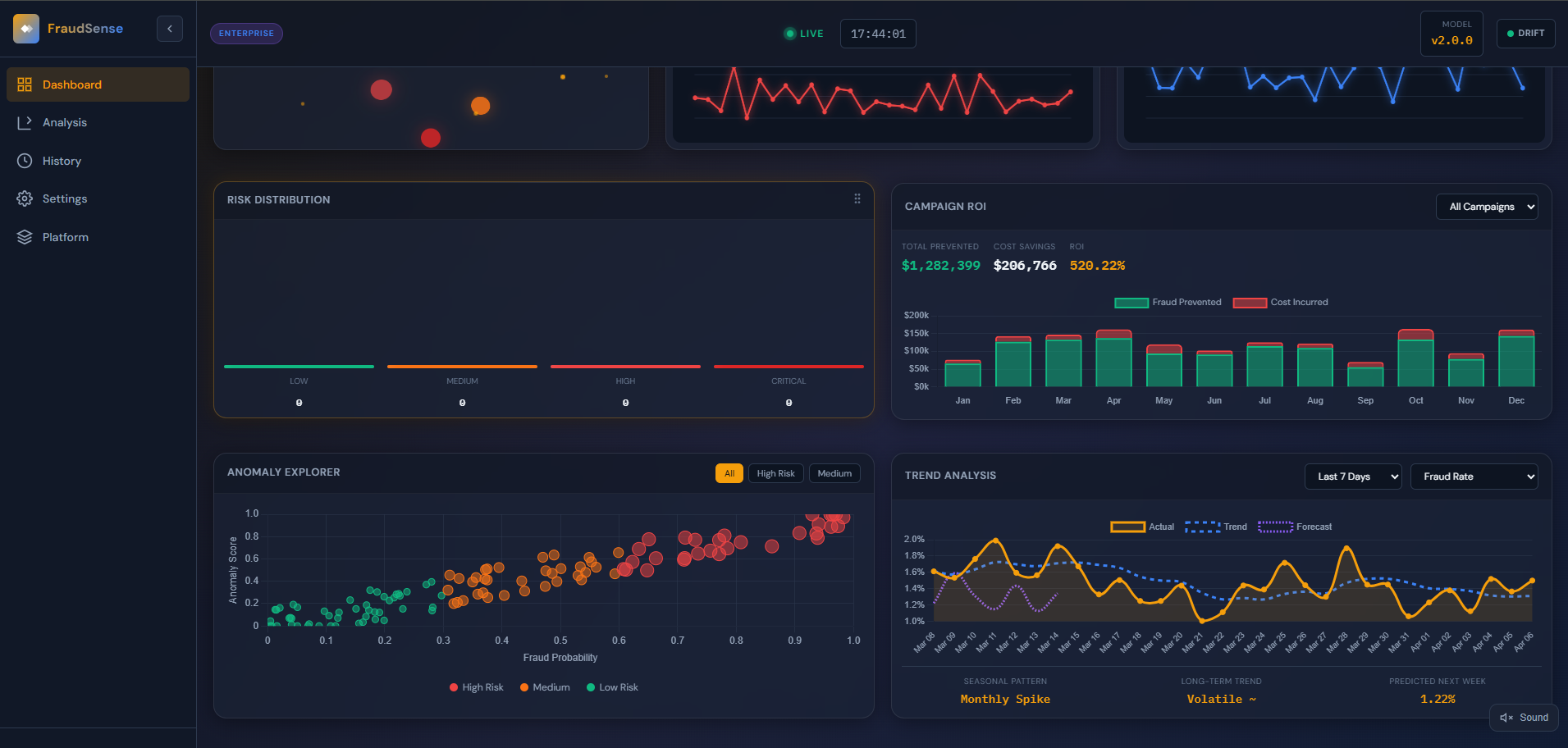
Dashboard (2)
-
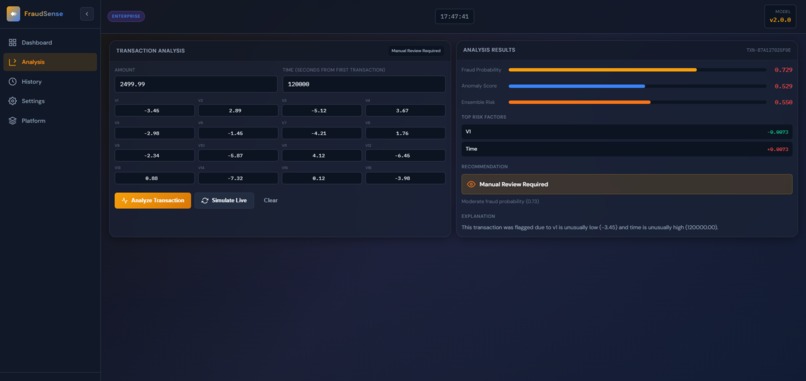
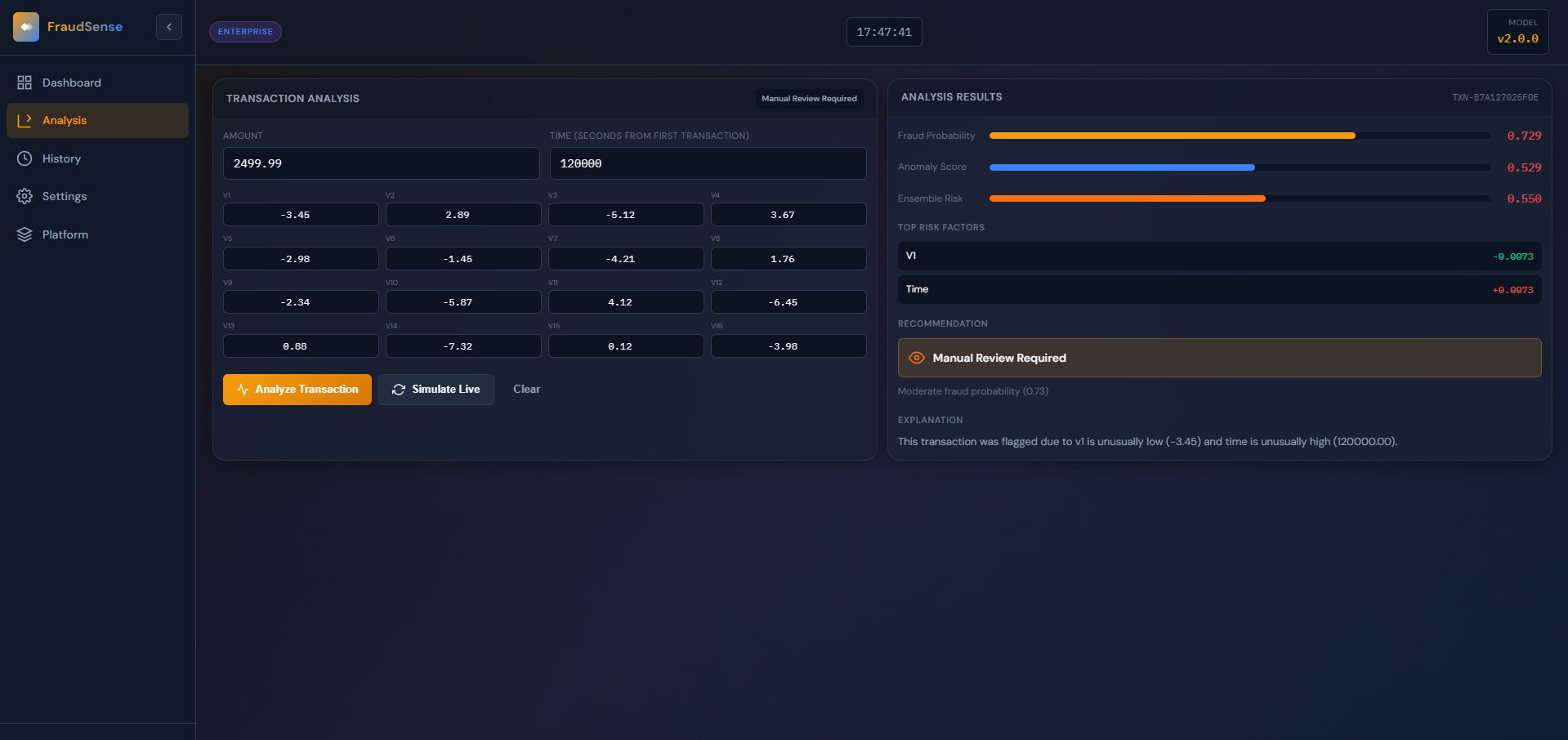
Analysis
-
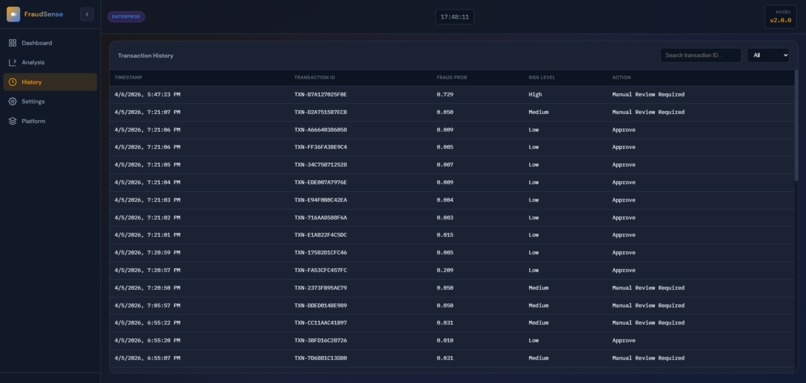
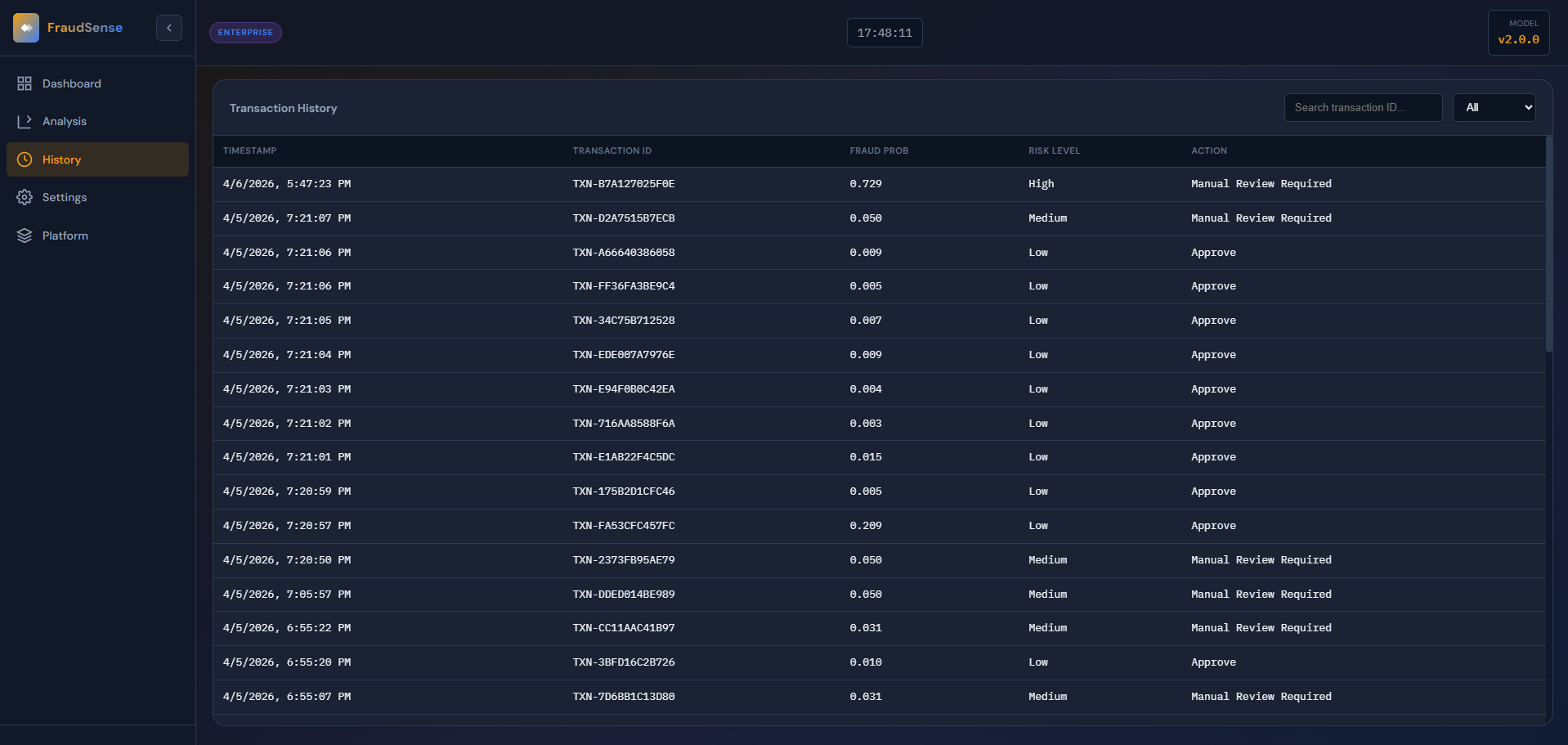
History

Inspiration
Credit card fraud continues to cost billions globally, and most existing systems rely on static rules that quickly become outdated. I wanted to build something smarter: an AI system that doesn’t just detect fraud, but learns, adapts, and explains its decisions in real time. My goal was to bridge the gap between high-performance machine learning and real-world fintech requirements like explainability, compliance, and reliability.
What it does
FraudSense AI is a real-time fraud detection and risk intelligence platform that analyzes transactions and predicts fraud within milliseconds. It goes beyond basic detection by: Using multi-model AI (Random Forest, XGBoost, LSTM, Autoencoders, Stacking Ensembles), Providing SHAP-based explanations for every decision, Assigning risk scores and automated decisions, Monitoring model health, drift, and fairness in production, and Continuously improving through online learning and transfer learning The result is a system that is not only accurate, but also transparent, adaptive, and enterprise-ready.
How I built it
I designed FraudSense AI as a full-stack ML platform: Backend: Built with FastAPI for high-performance APIs and sub-10ms inference ML Pipeline: Baseline models (Logistic Regression, Random Forest, XGBoost), Advanced models (LSTM, Autoencoder, Neural Networks), and Stacking ensemble for optimal performance Optimization: Bayesian optimization for hyperparameter tuning Explainability: SHAP for feature-level insights and counterfactual explanations Risk Platform Modules: Decision engine, Risk scoring system, and Fairness and adversarial robustness checks Frontend: Interactive dashboard for analytics, transaction monitoring, and insights I also structured the system with modular MLOps principles, making it scalable and production-ready.
Challenges I ran into
Extreme class imbalance (~0.17% fraud rate) made accurate detection difficult, Balancing precision vs recall without increasing false positives, Integrating multiple models into a single ensemble pipeline, Ensuring real-time performance while running complex models, Implementing explainability (SHAP) without slowing down inference, and Designing a system that is both technically advanced and easy to interpret
Accomplishments that I am proud of
Achieved ~0.95+ ROC-AUC with strong precision and recall, Built a stacking ensemble model outperforming individual models, Delivered real-time fraud detection (<10ms latency), Implemented end-to-end explainability with SHAP and counterfactuals, and Created a production-style architecture, not just a prototype
What I learned
Models and Algorithms that help in fraud detection, Real-world ML is not just about accuracy: it’s about trust, monitoring, and adaptability, Explainability is essential in high-stakes systems like finance, Ensemble and deep learning models can significantly improve performance when combined properly, Handling imbalanced datasets requires careful design and evaluation, and Building ML systems at scale requires thinking in terms of MLOps, not just models
What's next for FraudSense AI
I plan to evolve FraudSense AI into a next-generation fraud intelligence platform: Graph Neural Networks to detect fraud rings and coordinated attacks, Real-time streaming (Kafka) for high-throughput transaction processing, Federated learning for privacy-preserving collaboration across institutions, Multi-channel fraud detection (crypto, mobile payments, wire transfers), LLM integration for automated fraud investigation and reporting, Kubernetes deployment for scalable, cloud-native infrastructure, and Advanced analytics dashboards with predictive fraud trend insights
Built With
- css3
- dl
- fastapi
- html5
- javascript
- ml
- python

Log in or sign up for Devpost to join the conversation.