Inspiration:
Attendance management has barely evolved in decades. We watched offices struggle with lost swipe cards, schools chase paper registers, and HR teams waste hours reconciling payroll errors caused by buddy punching and manual data entry mistakes. Fingerprint scanners helped, but they introduced hygiene concerns — especially post-pandemic — and were still easy to manipulate. We asked ourselves: what if attendance just happened automatically, the moment someone walked in? That question became FRANS.
What It Does:
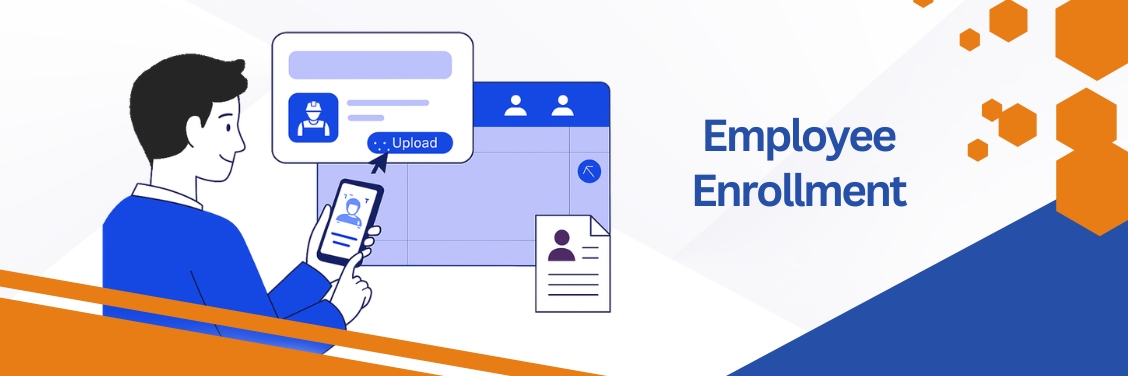
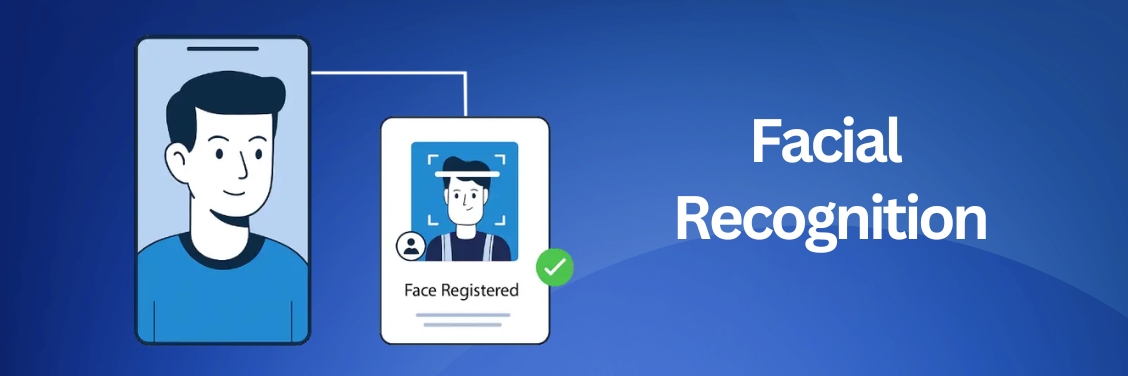
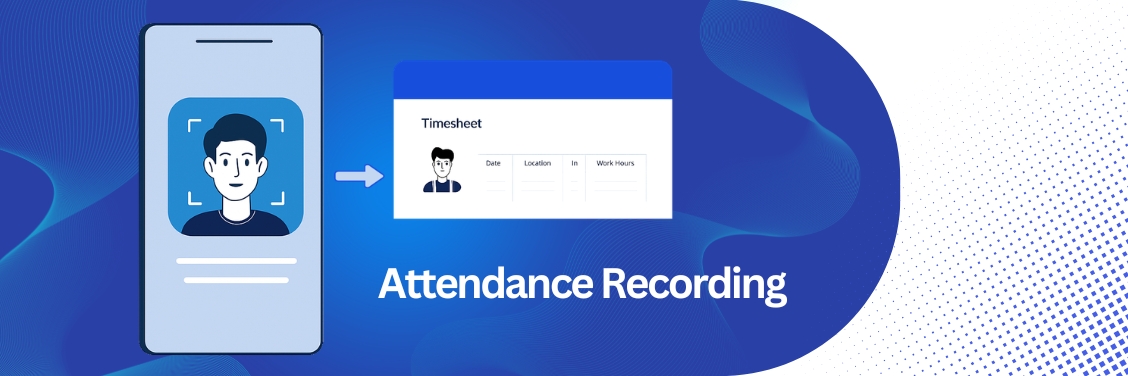
FRANS (Face Recognition Attendance System) is an AI-powered, touchless attendance solution that identifies employees, students, or staff by their face and logs attendance automatically in real time. After a one-time facial enrollment, the system recognizes each person in seconds — even with glasses, facial hair, or shifting lighting — and timestamps their check-in instantly. Optional geofencing restricts valid attendance to approved locations, while live dashboards, exportable reports, and direct HR/payroll integration give organizations clean, automated, audit-ready attendance data without any manual effort.
How I Built It:
Frans was built on a combination of deep learning-based facial recognition models trained to handle real-world variables like poor lighting, occlusions, and diverse facial features. The core recognition engine uses AI-driven face embedding and matching to compare live captures against encrypted stored templates — never raw images. The platform was developed in two deployment modes: a Camera-based version for fixed installations and a Mobile app for field teams. The backend handles real-time matching, geofence validation, timestamped logging, and API integrations with common HR and payroll systems, while the frontend dashboard was designed for minimal training and fast adoption by non-technical admins.
Challenges I Ran Into:
Accuracy in uncontrolled environments — Getting consistent recognition across varying lighting, angles, and partial obstructions took significant model tuning and real-world testing. Anti-spoofing — Building reliable liveness detection to block photo, video, and mask-based fraud without slowing down legitimate check-ins was a delicate balance. Privacy and compliance by design — Ensuring biometric data was handled responsibly from the ground up — encrypted storage, GDPR alignment, no raw image retention — required careful architecture decisions early in development. Scalability — Making the matching engine fast and accurate whether the database has 50 or 50,000 enrolled faces required optimization work that wasn't trivial. Geofencing reliability — GPS accuracy on mobile devices varies, so building a geofencing layer that was firm enough to prevent abuse but forgiving enough not to falsely reject legitimate check-ins needed careful calibration.
Accomplishments That I'm Proud Of:
Achieving high recognition accuracy in real-world, uncontrolled conditions — not just in a lab setting. Building a working anti-spoofing layer that catches photo and mask attempts without adding friction to genuine users. Delivering two deployment modes — Mobile and Camera-based — from a single unified platform and backend. Making the enrollment process so fast and simple that it takes seconds per person and requires zero technical knowledge from the user. Designing for GDPR compliance and encrypted biometric storage from day one, not as a retrofit. Watching organizations report measurable reductions in payroll disputes and admin hours within weeks of deployment.
What I Learned:
Facial recognition in production is far more demanding than in controlled demos — real-world lighting, angles, and user behavior constantly challenge even solid models. Privacy can't be an afterthought in biometric products — users and organizations need to trust the system before they'll adopt it, and that trust is built through transparent, responsible data handling. The biggest barrier to adoption isn't the technology — it's change management. People are used to swiping a card, and onboarding needs to make the transition feel effortless, not disruptive. Integration matters as much as the core product. An attendance system that doesn't talk to payroll or HR tools creates more work, not less.
What's Next for Frans:
Offline mode — Fully reliable recognition and logging without an internet connection, syncing when connectivity returns — critical for job sites and remote locations. Expanded HR/payroll integrations — Broader out-of-the-box compatibility with leading platforms to reduce setup time for new customers. Emotion and fatigue detection — Optional workplace wellness layer to flag signs of stress or fatigue in safety-critical environments. Multi-factor attendance — Combining face recognition with geofencing and device verification for maximum security in high-sensitivity deployments. Analytics and insights dashboard — Moving beyond raw attendance logs to surface patterns, absenteeism trends, and workforce planning insights. Broader regional compliance support — Extending beyond GDPR to cover biometric data regulations in additional markets as we scale globally.
Built With
- ai
- software
