-
Welcome page graphic
-
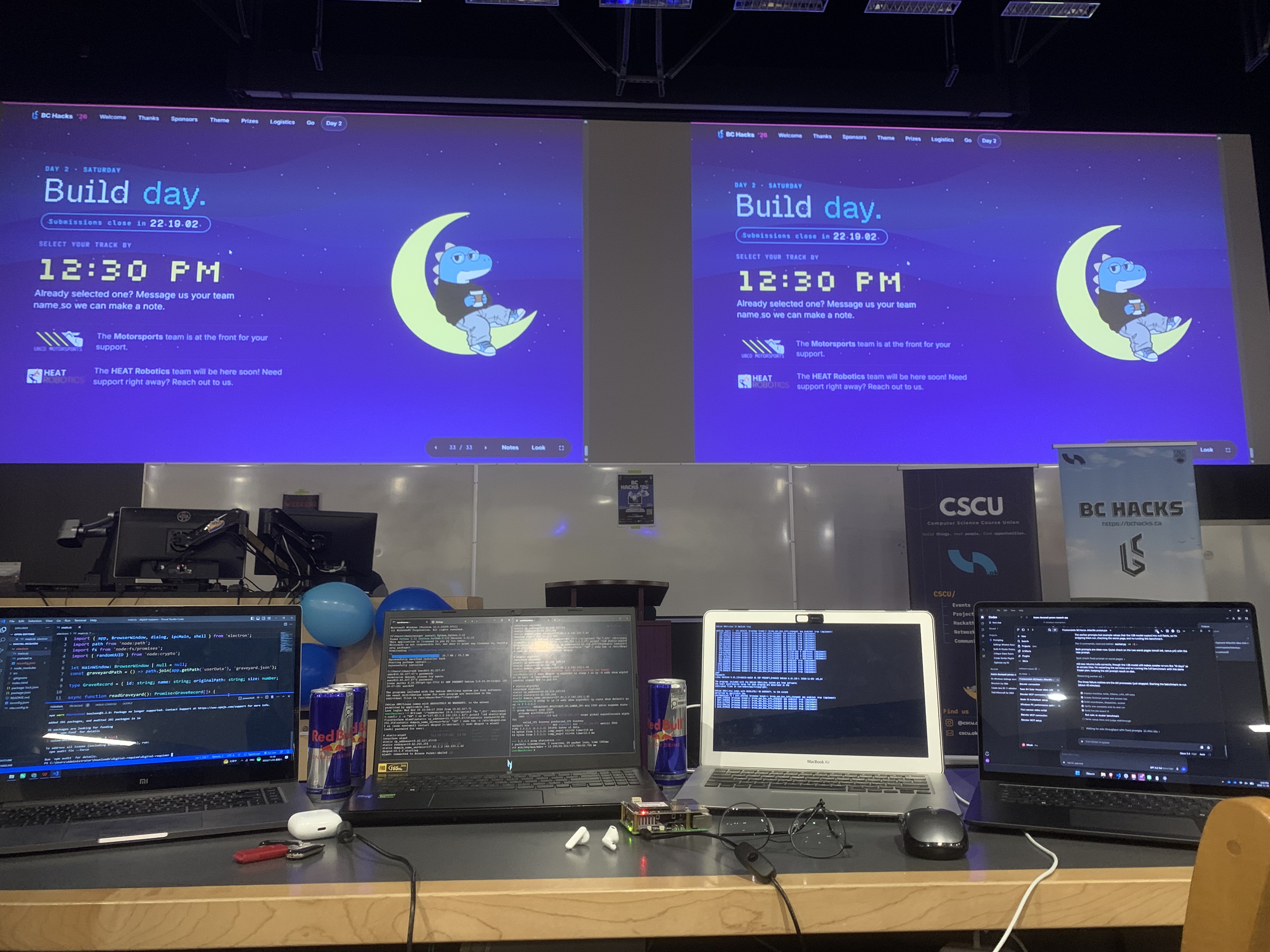
Some of our devices
-
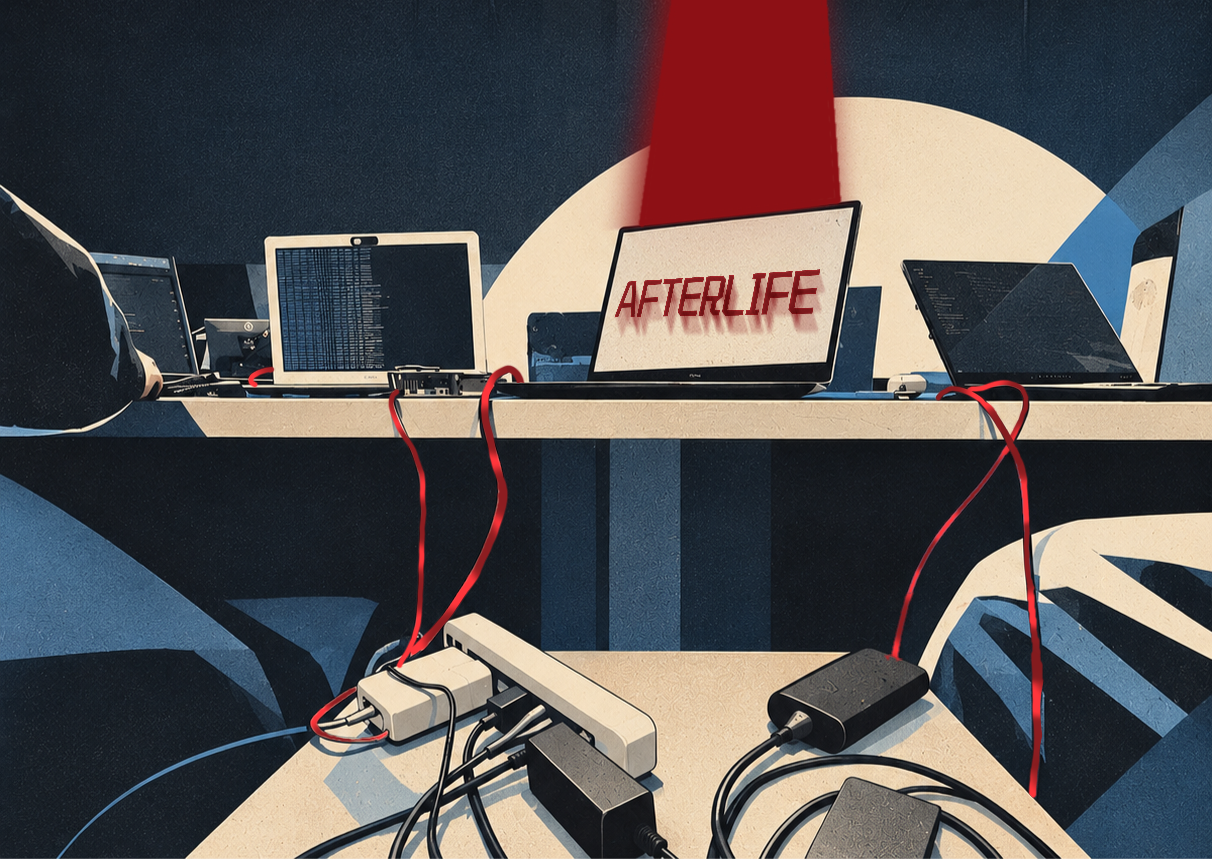
really cool image that u might want to check.png
Inspiration
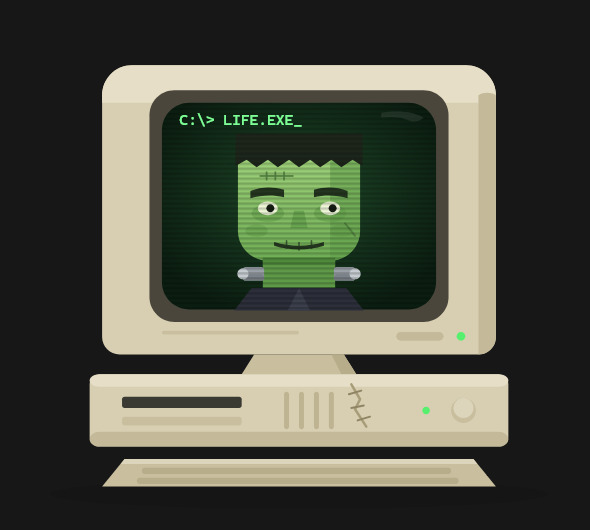
Laptops get retired while they still work. They're too slow to run a good AI model alone, so they end up in drawers or e-waste. We wondered what would happen if each old machine ran one small model it can handle, and they worked together like a team. Stitching dead parts into something alive felt like Frankenstein, so that became the name.
What it does
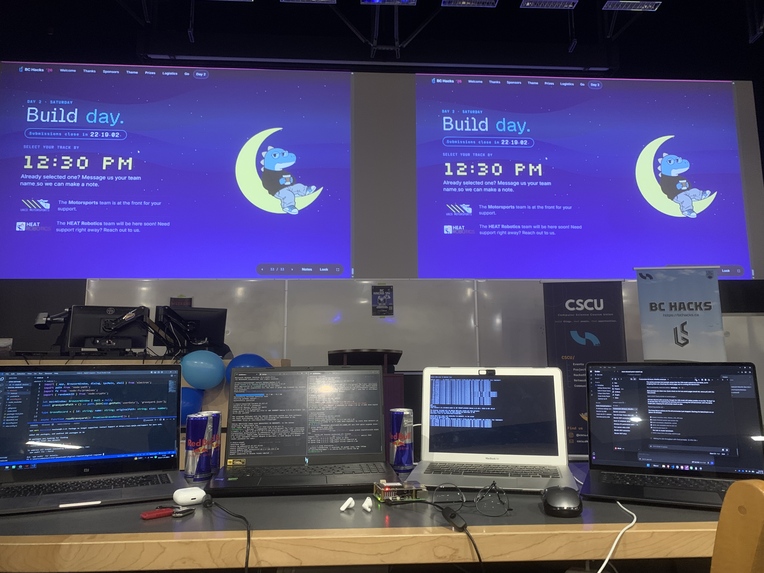
Frankenstein turns a pile of old laptops and PCs on a local network into one AI assistant you chat with in the browser.
Plan: a main laptop runs Gemma 4 E2B as the coordinator. It reads your message and splits it into tasks. Work: each task goes to the machine whose model fits it. A Raspberry Pi handles information, a 4 GB Debian laptop writes, a Windows box codes, another reasons, one does OCR, and one makes images. Independent tasks run in parallel. Combine: Gemma merges the results into one answer. Under each answer, you can see which machine did what and how long it took.
It also does web search, keeps multi-turn chats, reads scanned documents, and has an event-brief mode. That mode pulls cited facts out of a messy document packet and checks dates, totals and quotes in code.
How we built it
Dispatcher: pure Python standard library, so the old machines need no installs. It handles the job queue, dependencies, leases, deadlines, retries and one job at a time per machine. Models: small models on llama.cpp. Qwen2.5 1.5B, LFM2.5 1.2B, Qwen2.5-Coder, PP-OCRv6 tiny on ONNX Runtime, MiniLM and SD-Turbo. n8n: routes every model call and holds every device's key, so the dispatcher never sees them. Web UI: a chat page in the llama.cpp style, with a Frankenstein theme, a password login and a machine-details board. Setup: a guide that sets up any machine (Windows, macOS, Linux, Pi) in one command.
Challenges we ran into
4 GB machines can't run two models at once, so we limited every machine to one active job and added deadlines and retries for slow or dying devices. Small models make mistakes. Gemma's plans are checked twice, in n8n and in the dispatcher, and repaired automatically. We also had to let Gemma answer simple messages like "Hi" by itself instead of rejecting a plan with no tasks. OCR on Windows ARM64: PaddlePaddle has no install package there, so we ran PP-OCRv6 through ONNX Runtime instead. Its libraries also failed to load from long Windows paths. Networking: campus Wi-Fi blocks devices from talking to each other, and Windows blocked our PowerShell scripts. Security: a web search that a page could turn against our own network (SSRF), DNS rebinding, CSRF, and exposing a demo safely through ngrok.
Accomplishments that we're proud of
Six old machines answer real questions together, in parallel, with Gemma coordinating. Every answer shows its work: which device, which model, how long. It holds up: saves can't be corrupted by a crash, services restart by themselves, a health check-up tool covers every part, and six test suites cover it. Real security: login, CSP, CSRF and SSRF guards, a separate key for every hop, and a public demo URL that exposes only the web UI. One setup guide gets a new machine running.
What we learned
Many small models with clear jobs can beat one model that's too big for the hardware. Coordination is the hard part: plans, dependencies, timeouts and retries matter more than raw model speed. Small models need guardrails. Code checks catch what the models miss. Old hardware brings its own problems: RAM limits, missing install packages, path-length bugs and locked-down networks.
What's next for Frankenstein
Benchmarks: publish measured results for two laptops against one on the same document batch. Accounts: separate accounts so each person sees only their own chats. Bigger coordinator: Gemma 4 E4B, if the main laptop can spare the RAM. Automatic discovery: new machines join the cluster just by running the setup guide on the network. Schools and nonprofits: package it so they can turn donated laptops into a private, offline AI assistant.
