-
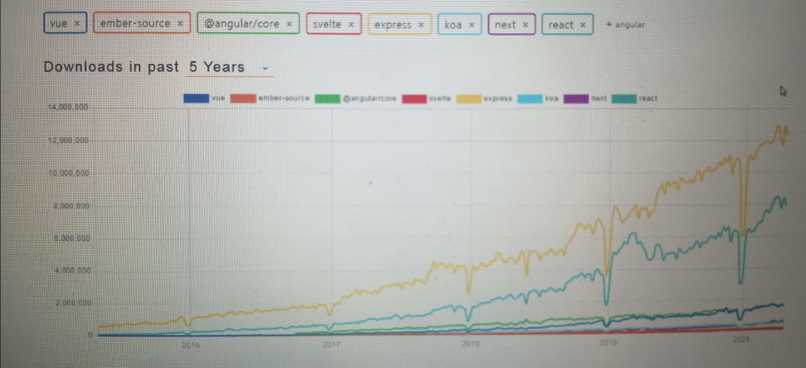
Different frameworks
-
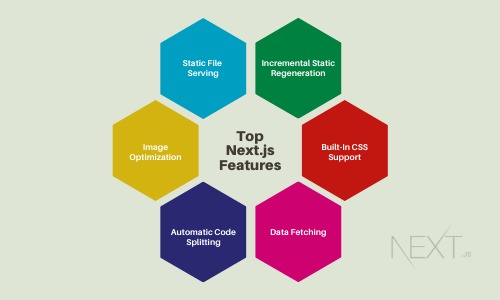
Benefits of Next.js
-
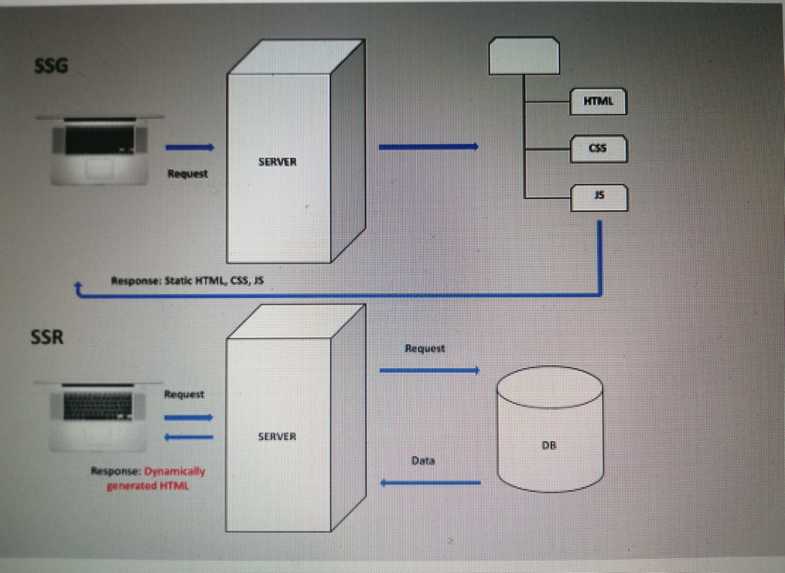
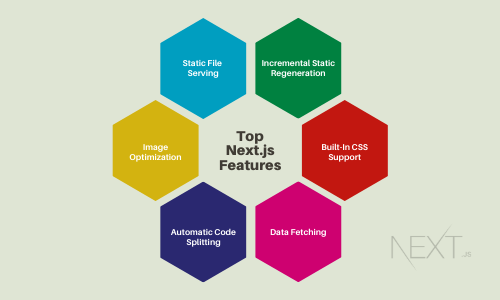
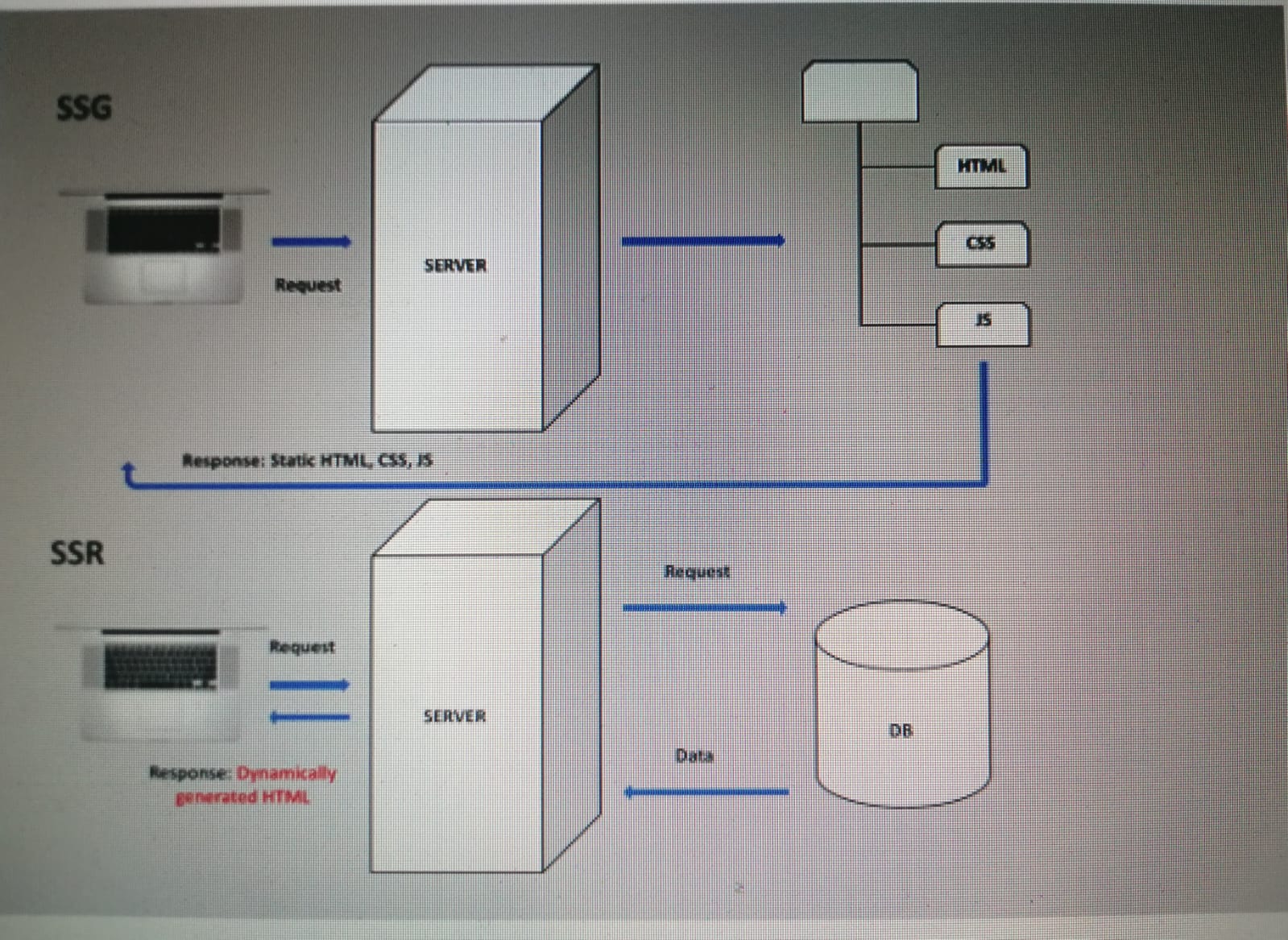
Next.js also helps in SSR and ISR
-
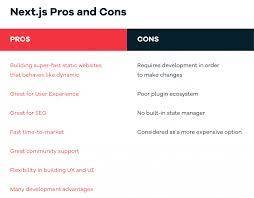
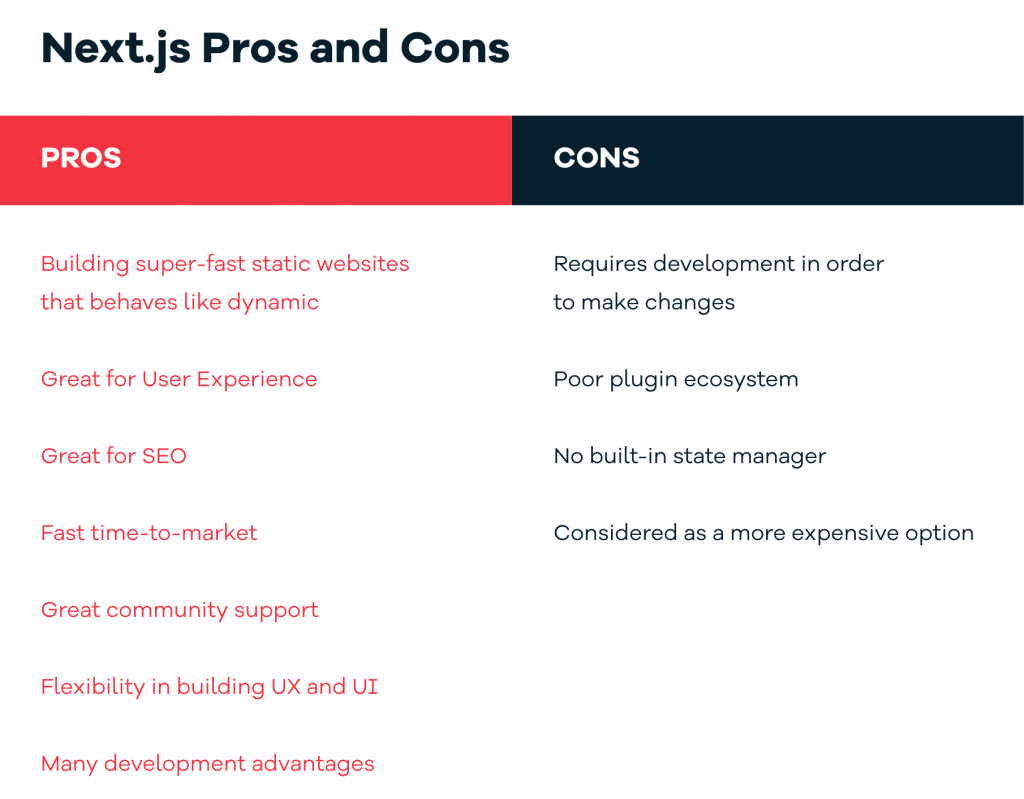
pros and cons of Next.js
-
Sapper framework of Svelte
-
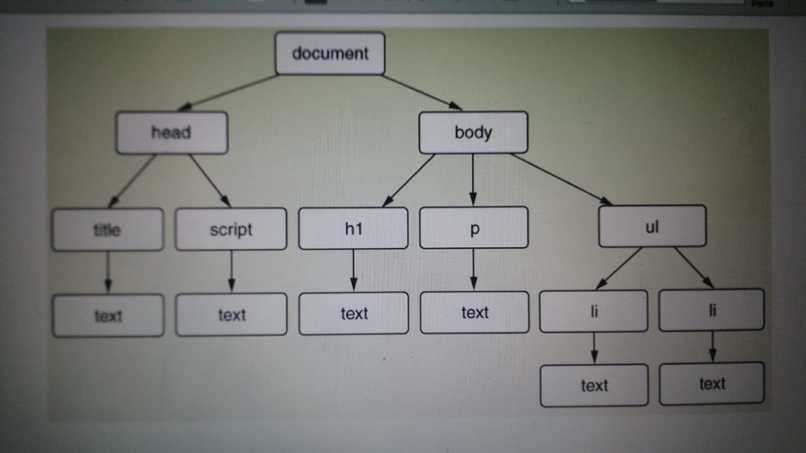
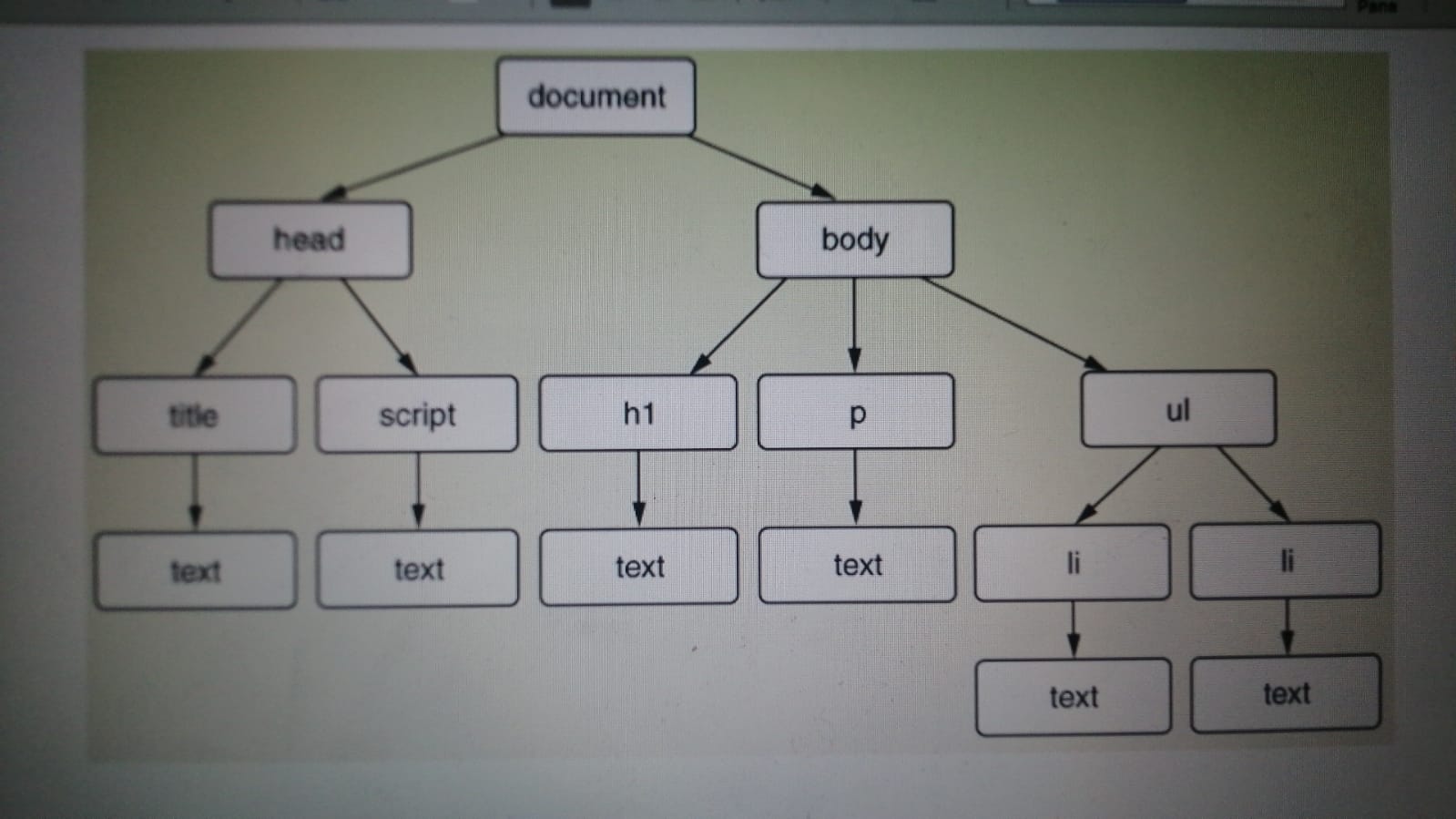
DOM nodes
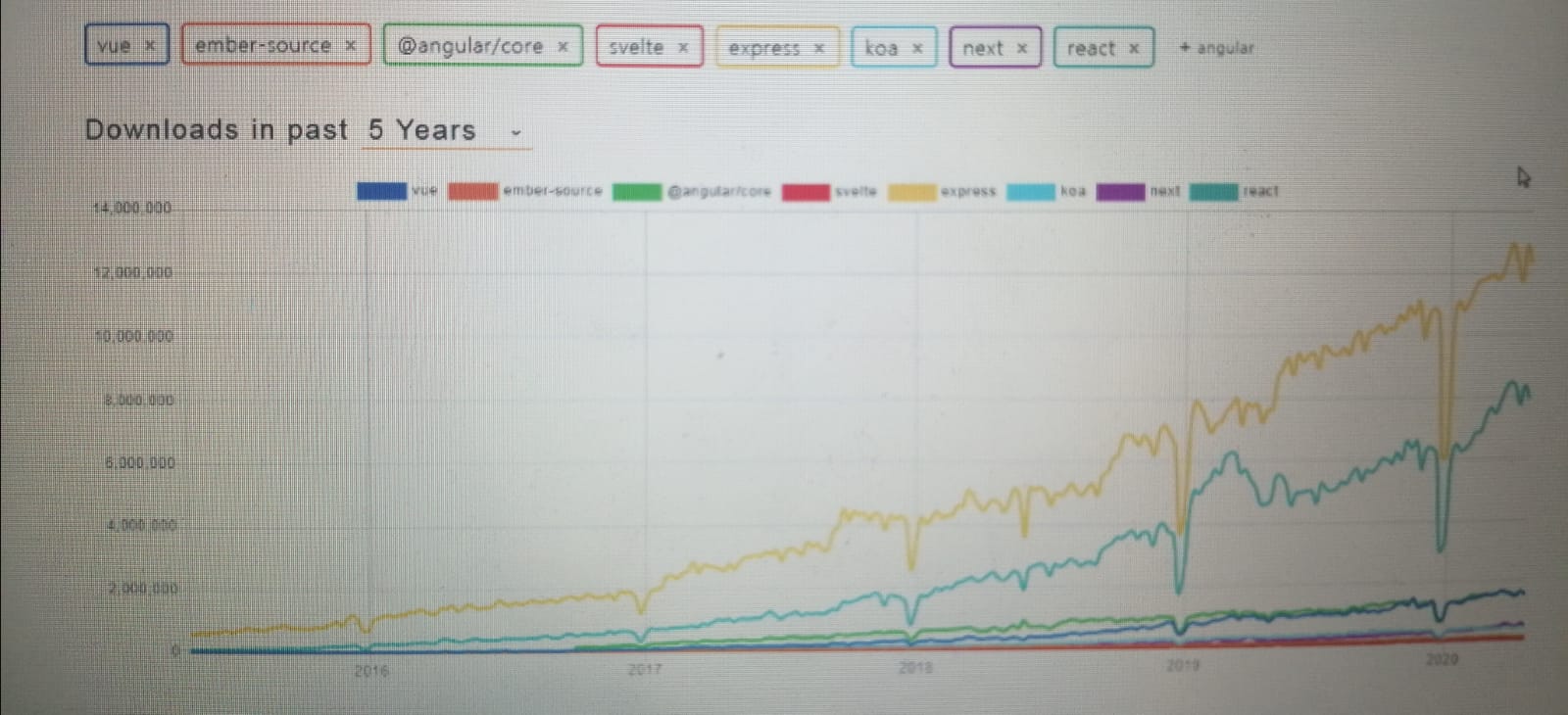
Web frameworks in Today's Time
If you are a professional web developer, then there are certain themes with which you should make yourself familiar. There are ones that are considered the best to use within the industry because of their various indispensable features. If you’re not a developer, you might be uncertain as to why web frameworks and technologies are needed at all. The usual purpose of a web development framework is to manage your code’s complexity. The framework uses techniques like virtual DOM diffing to get rid of all the little imperfections that can slow down the development process. Frameworks reduce the complexity of that process and make it much easier for you to write comprehensive code. Frameworks like React are so successful because they break down your coding into manageable segments. There’s more to them than that, though. The best frameworks are those that can structure your thoughts as well as your code. One such frameworks are Next.js and Sapper.
Next.js
The Next.js frontend framework has been around for only a couple years, but it is already one of the most popular tools in the React ecosystem. As big React users ourselves, we also love this React framework and use it a lot in our everyday work. In this article, we’re going to show you why and how Next.js can improve the performance, UX and SEO of your app, many Next.js examples, how it is contributing to the React ecosystem, the background of its development, what companies use it and more.
We love Next.js
A big reason for that is the fact that Next.js is built on top of React – a frontend development library for building user interfaces, which is our first choice when it comes to web applications. Next.js provides an out-of-the-box solution for server side rendering (SSR) of React components. With Next.js, developers can render the JavaScript code on the server and send simple indexable HTML to the user.Next.js can also help you with incremental static regeneration (ISR) and static site generation (SSG) – another SEO friendly way of building websites and applications. In this case, rather than during runtime, your HTML is generated during build time. When the user requests a page, a pre-made static HTML page is sent to them.
Benefits that Next.js provides to developers
• Improved Search Engine Optimization This one we pretty much covered already, but it’s important to keep in mind that introducing SSR can really go a long way to improve your visibility in the search engine as opposed to using client-rendered JavaScript. With that, you can create a web application that has all the functionalities and interactivity you require and still enjoy all the SEO benefits of a static text-based website.
• Customized Open Graph SPAs in particular made it difficult to properly display metadata for each individual URL of your web application. Next.js allows you to programmatically customize your Open Graph meta titles for each page, which is also relevant to SEO and makes your URLs look much better in social media to boot!
• Enhanced performance Since Next.js frees the browser from having to download and execute a whole lot of JavaScript code at once, it has the potential to greatly improve metrics such as time to first draw (TTFD).
• Part of the React ecosystem Next.js, being basically an umbrella term for a couple tools that you can use to start a React app with, is an integral part of the React ecosystem. It was developed specifically to address the SSR challenge for React applications.
• Out-of-the-box support
Through webpack, Next provides developers with out-of-the-box support for asset compilation, hot reloading and code splitting, which can further speed up development.
Install
It's easy to install
npm install --save next react react-dom
Build
Add a build script
{
  "scripts": {
    "dev": "next",
    "build": "next build",
    "start": "next start"
  }
}
Run
After that, the file-system is the main API. Every .js file becomes a route that gets automatically processed and rendered.
Introducing Sapper
The name comes from the term for combat engineers, and is also short for Svelte app maker. Sapper is a Next.js-style framework that aims to meet learning the entire framework in under an hour should be easy, and not just for experienced developers while dramatically reducing the amount of code that gets sent to the browser. It's implemented as Express-compatible middleware, meaning it's easy to understand and customise.
Sapper is a framework for building extremely high-performance web apps. There are two basic concepts:
• Each page of your app is a Svelte component
• You create pages by adding files to the src/routes directory of your project. These will be server-rendered so that a user's first visit to your app is as fast as possible, then a client-side app takes over
Why should you consider Sapper?
As is with everything there are quite a few reasons to use Sapper, we'll list out a few of them below. -->Page Routing Navigation from one page to another is possible when "URLs" linked-to "pages" are described clearly in the mark-up. Sapper offers the benefit of this to be done by the directory and file naming protocol. That offers an easier approach to understand than those requiring you to call the library function to configure page routing.
-->Page Layout Page layouts eliminate the need to replicate certain columns that are common throughout the app. This ends up saving time in replicating certain parts of the code.
-->Server-Side Rendering (SSR) SSR provides an exceptional user experience by loading the HTML for pages on the server rather than the browser. This user experience provided as a result of the page getting rendered before the JavaScript being downloaded.
-->Code Splitting Code splitting offers the benefit of the JavaScript linked to a page, only to be download when visited. This is a favourable solution rather than downloading the entire application code when visiting the first page.
-->Pre-Fetching By predicting the next page, a user will visit, pre-fetching offers faster page download. This is based on the mouse movements and hover, and can be configured on every page. When a user hovers over a certain page link, Sapper automatically starts to download the required JavaScript.
-->Offline Usability Similar to React, Sapper uses a Service Worker to provide offline usability of web applications, of course in a limited sense. This is achieved by retrieving the cached versions of certain files when connectivity is lost.
-->No virtual DOM: As we touched on, Svelte doesn’t require the virtual DOM needed by Angular, React and Vue to perform the DOM diffing necessary for updating the state of the user interface. Real DOM operations were very performant expensive, so virtual DOMS had to be created as a point of reference to both search for changes, and then apply them. Svelte implements an algorithm that creates low level JavaScript functions that are all the information it needs to update the UI, as these functions contain all the logic – meaning substantially less re-renders of the UI.
HTML DOM The HTML DOM provides an in-memory representation of a web page. It is composed of a tree of JavaScript objects that represent nodes. There is a JavaScript object that represents the entire Document, and it has references to other DOM objects that represent elements on the page. DOM objects have methods that can be called to get information about a node, add child nodes, register event listeners, and more. Modifying the DOM changes what the browser displays. Here is a sample HTML document:
1.       <!DOCTYPE html>
2.      <html>
3.       <head>
4.        <title>My Page</title>
5.      </head>
6.      <script>
7          // For exploring the DOM from the DevTools console ...
8.        window.onload = () => console.dir(document);
9.      </script>
10.    <body>
11.        <h1>My Page</h1>
12.       <p>I like these colors:</p>
13.        <ul>
14.         <li>yellow</li>
15.         <li>orange</li>
16.       </ul>
17.     </body>
18.    </html>
copy

Comparison with Next.js
Next.js is a React framework from Vercel (formerly ZEIT), and is the inspiration for Sapper. There are a few notable differences, however:
• Sapper is powered by Svelte instead of React, so it's faster and your apps are smaller
• As well as pages, you can create server routes in your src/routesdirectory. This makes it very easy to, for example, add a JSON API such as the one powering this very page (try visiting /docs.json)
• Links are just <a> elements, rather than framework-specific <Link>components. That means, for example, that this link right here, despite being inside a blob of markdown, works with the router as you'd expect
Next.js vs Sapper.js
Next.js and Sapper.js are both open source static site generators written in JavaScript, but that's where the similarities end. See the full comparison of Next.js and Sapper.js.
| Property | Next.js. | Sapper.js |
|---|---|---|
| language | JavaScript. | JavaScript |
| templates | React. | Svelte. |
| license. | MIT. | MIT. |
comparison
| Sapper | Next.js | |
|---|---|---|
| Projects. | ||
| 28. | Mentions. | 703. |
| 7,178. | Stars | 78,256 |
| 0.3%. | Growth. | 4.1%. |
| 6.7. | Activity | 10.0 |
| 3 months ago | Latest Commit. | 3 days ago. |
| TypeScript | Language | JavaScript. |
| MIT License | License | MIT License |
The number of mentions indicates the total number of mentions that we've tracked plus the number of user suggested alternatives. Stars - the number of stars that a project has on GitHub. Growth - month over month growth in stars. Activity is a relative number indicating how actively a project is being developed. Recent commits have higher weight than older ones. For example, an activity of 9.0 indicates that a project is amongst the top 10% of the most actively developed projects that we are tracking.
Next. js offers many features found in other common frameworks plus more. Next. js is a React framework that simplifies the application development process.React.js enhances the performance as it allows buildind with reusable components.Thus,with reduced code clutter it is easier to gain consistency in the app development cycle. React is an ultra-fast application and it boosts the loading speed.As the web pages load fast,it increases the user experience.
Sapper is powered by Svelte instead of React, so it's faster and your apps are smaller. As well as pages, you can create server routes in your src/routes directory.Svelte on the other hand minimizes the runtime overload which leads to faster interface navigation. Svelte supports component-based UI design and thus is exceptional in building lightweight apps.The page speed also increases as Svelte removes the middle-stage loading of virtual DOM.With enhanced user experience,the platform also increases the response time.
So it depends on the requirements of developer whether he or she wants to work with Next.js or Sapper.

Log in or sign up for Devpost to join the conversation.