-
-
-
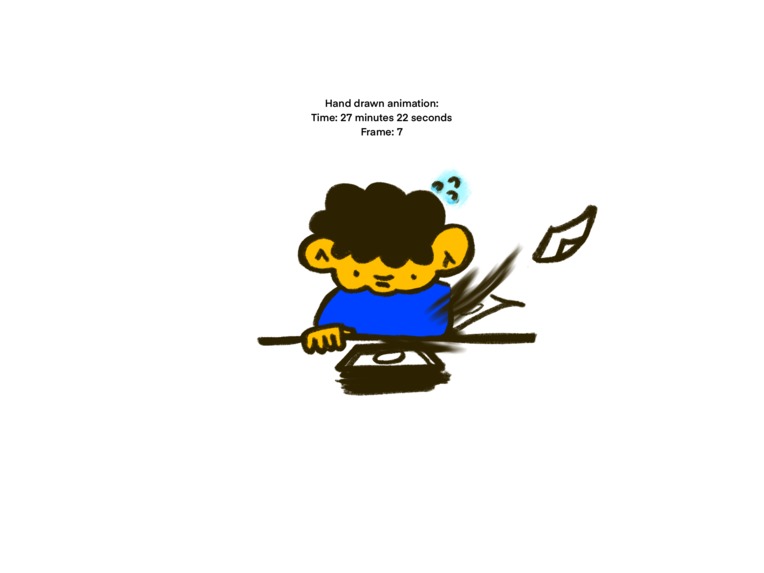
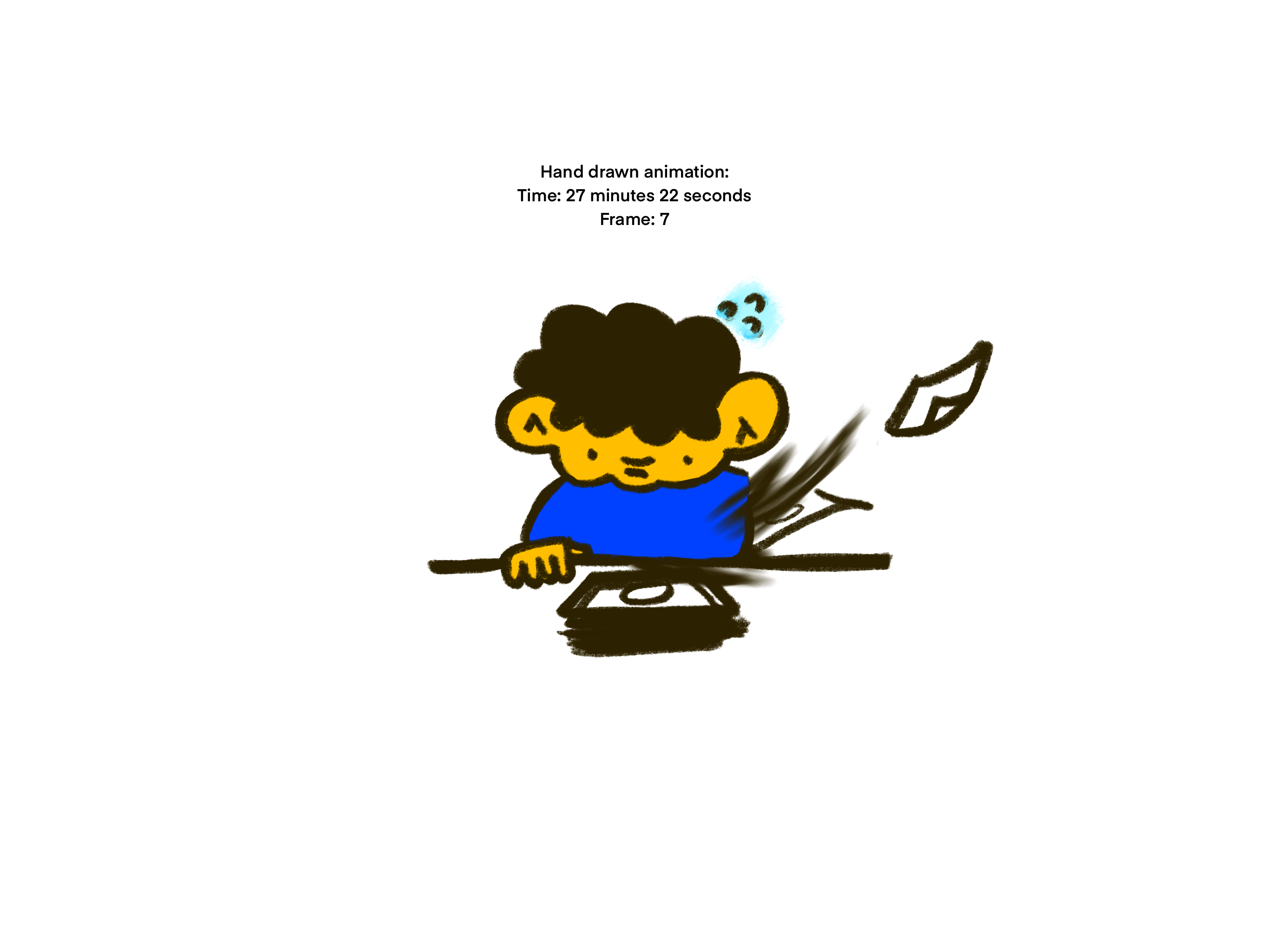
HandDrawnAnimation_info
-
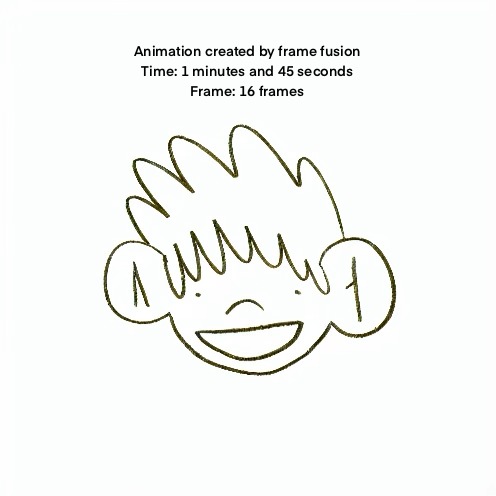
AnimationCreatedByFrameFushion_info
-
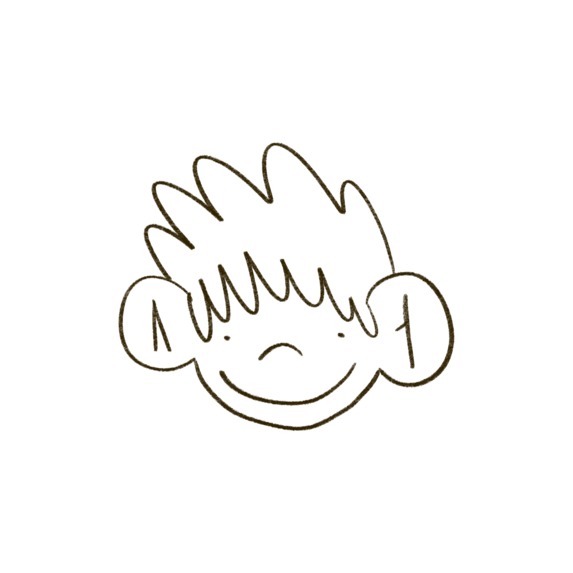
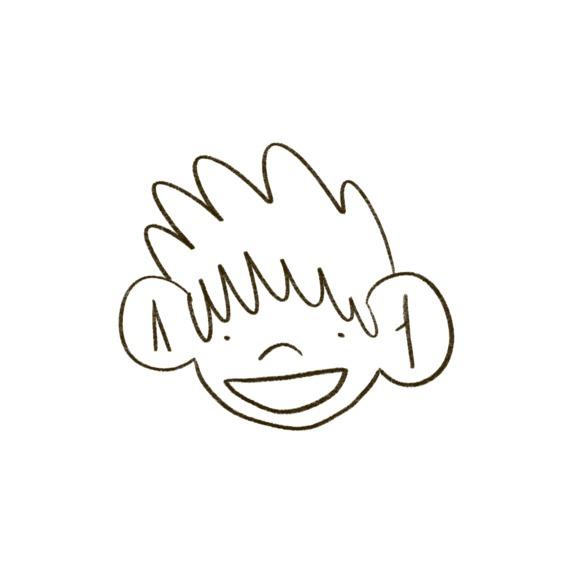
demo image_1
-
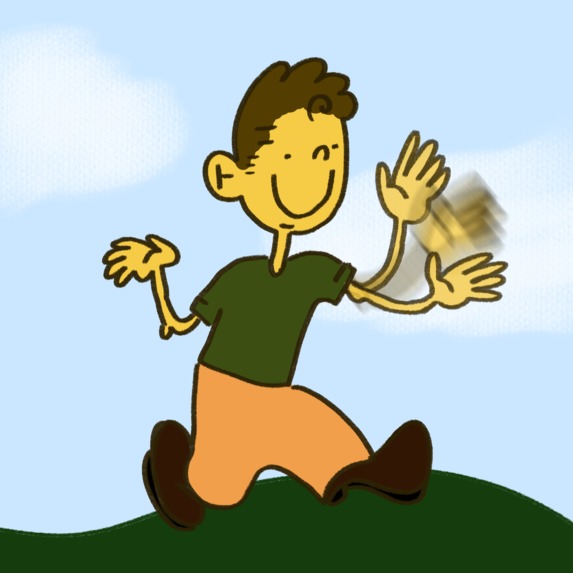
demo image_2
-
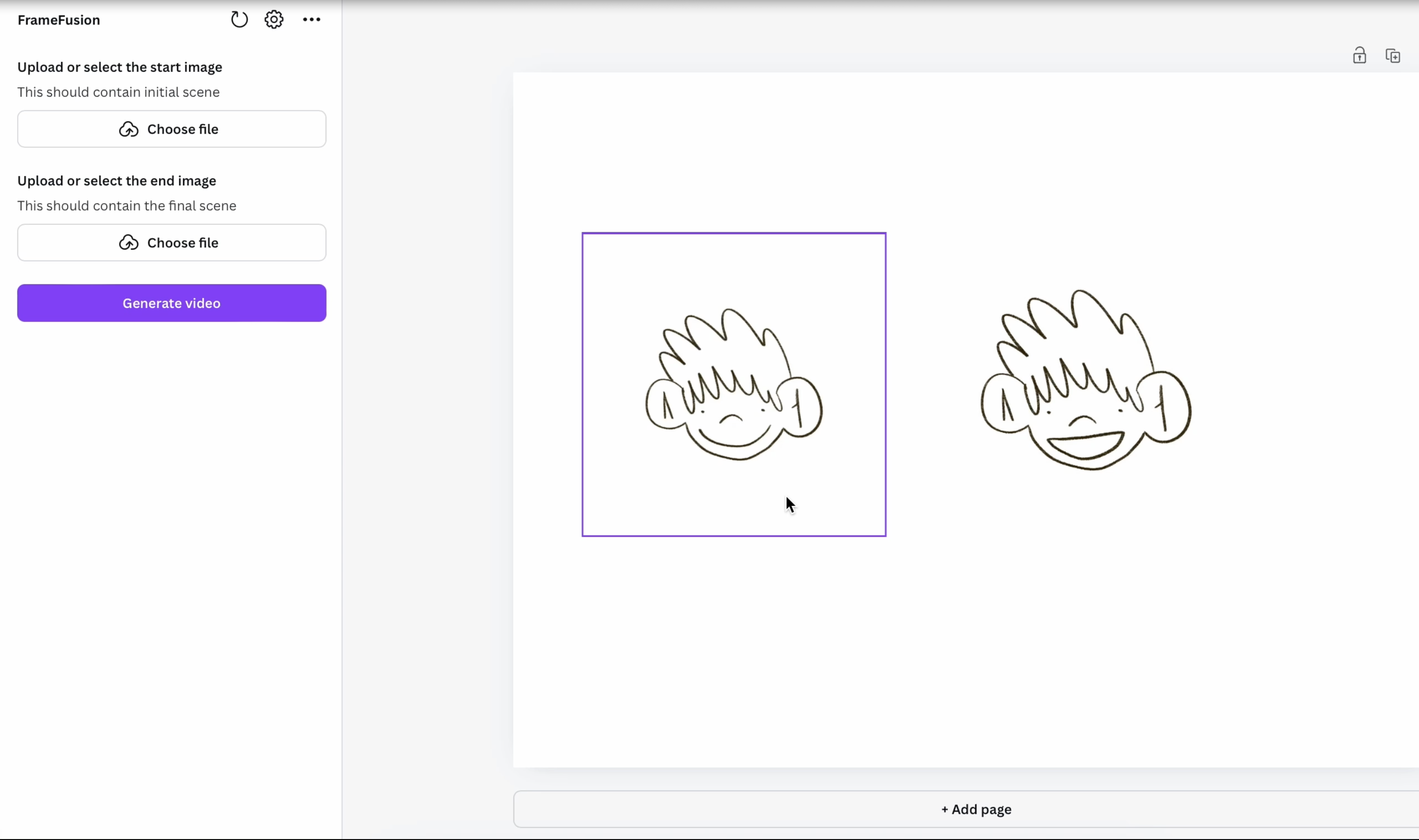
example_1
Inspiration
- The potential of AI technology to transform how we interact with animation creation, making it easier and more accessible for everyone. As someone who has always been intrigued by the intersection of art and technology, I wanted to create a tool that allows users to easily generate seamless transitions between images, drawings, or frames.
- Driven by my desire to create a tool that makes animation creation easier and more accessible. I wanted to provide a platform for artists to save time while getting better results. Everyone has the potential to be an animator, and I wanted to create a tool that would make it easy for anyone to tap into their creativity.
- To explore the possibilities of AI-powered animation tools, I drew inspiration from various sources, including the works of famous animators, designers, and writers. I also consulted with experts in AI technology and computer vision to ensure that my app was innovative and effective.
What it does
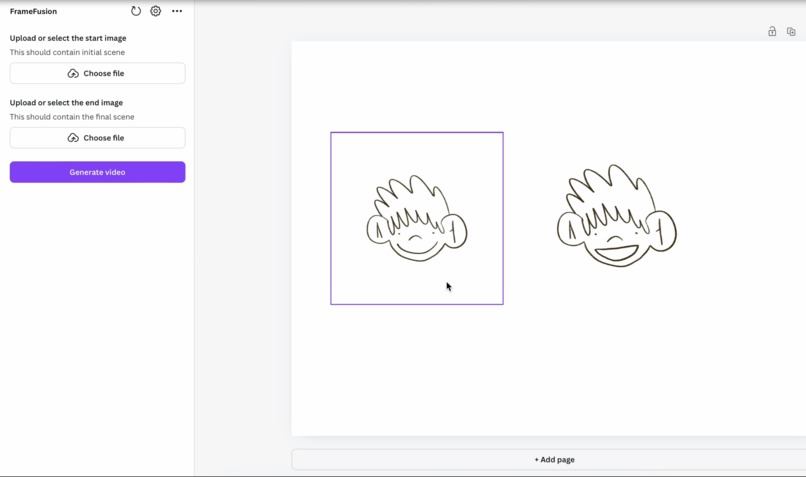
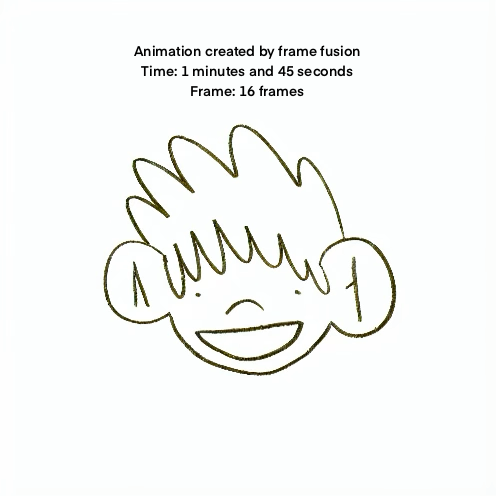
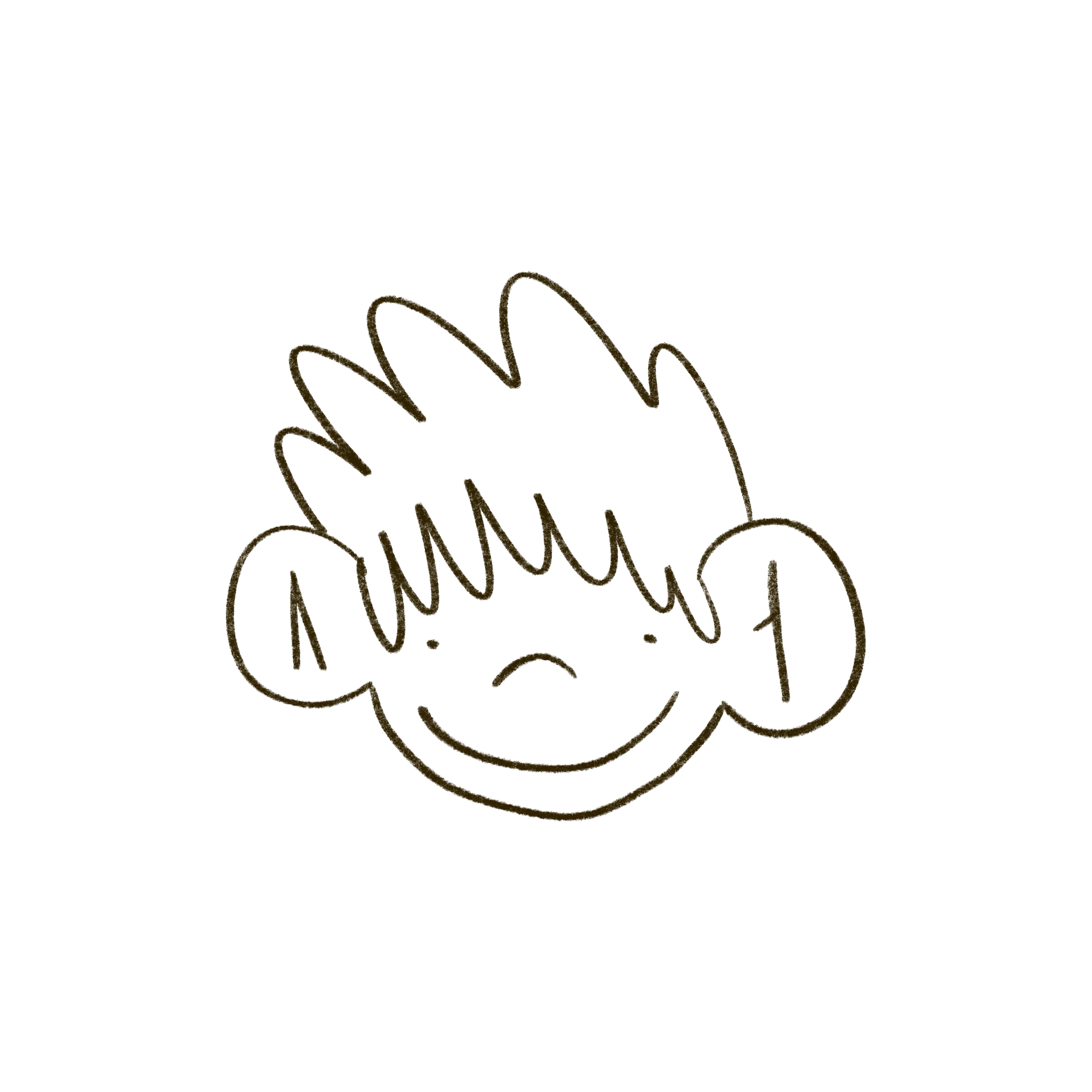
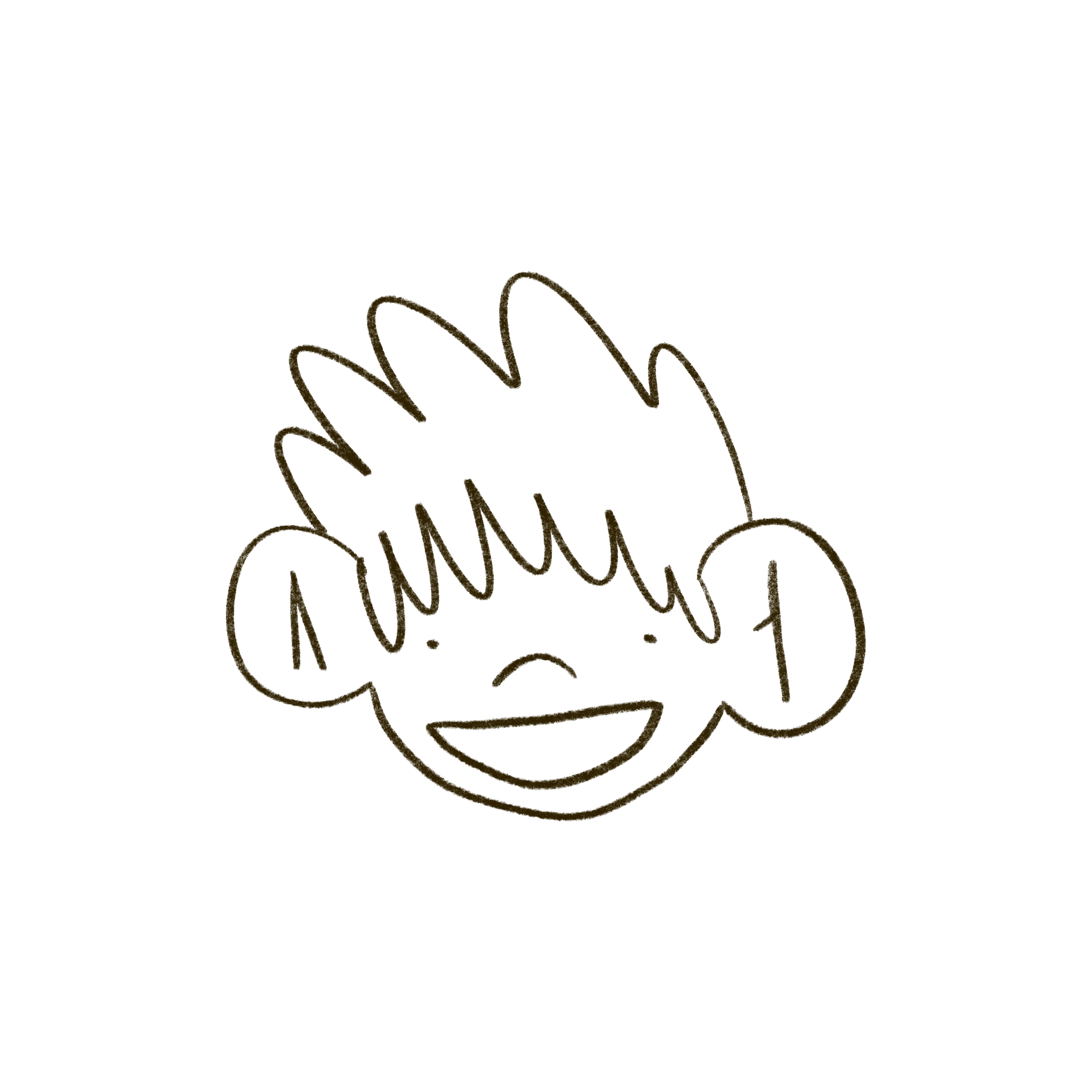
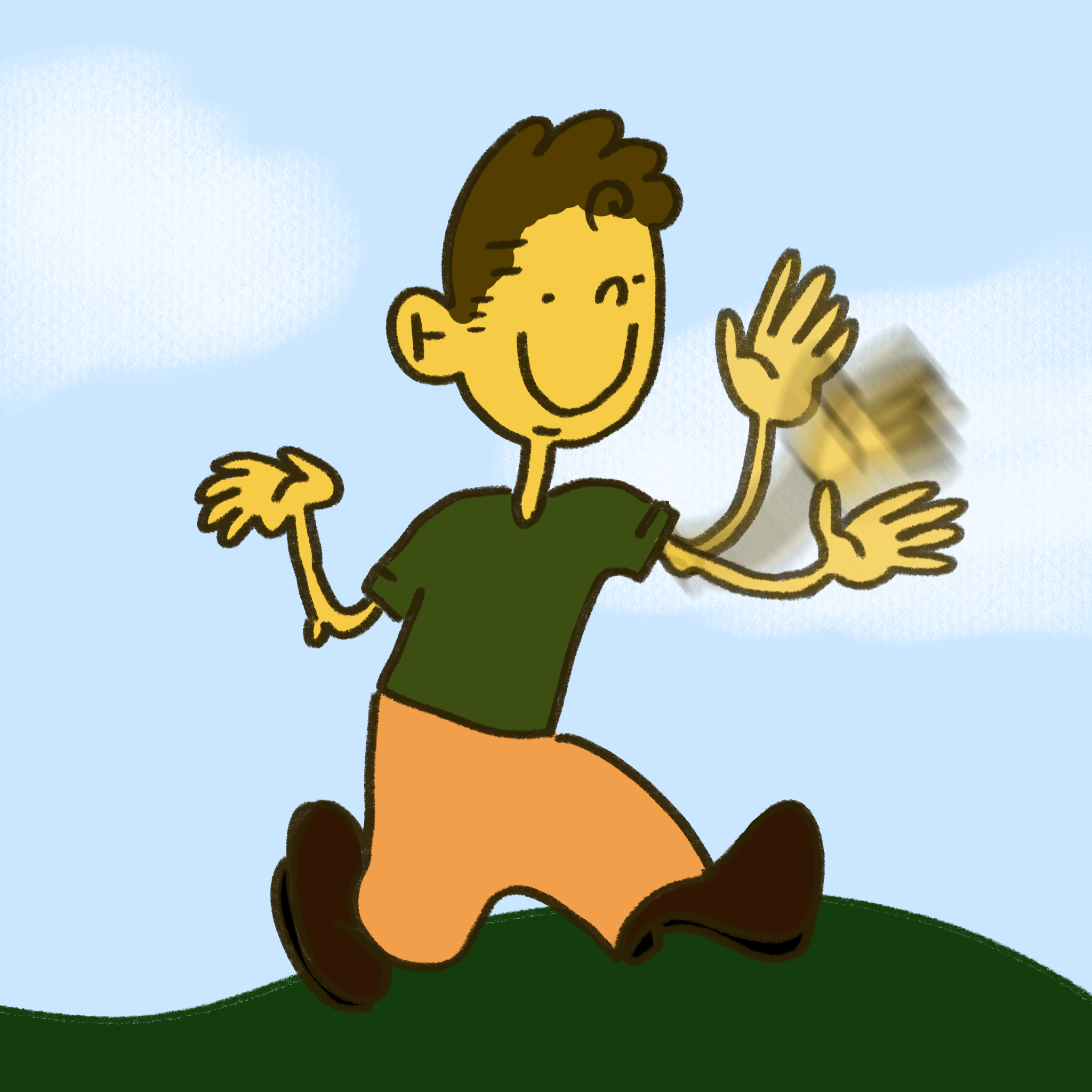
- A generative animation tool that creates smooth animations by filling in between images, drawings, or frames. The app allows users to upload their pictures and generate seamless transitions, making it easy for anyone to create animations without requiring prior experience or expertise.
- Ability to provide an easy-to-use interface for creating animations. Users can upload their images, select a transition style, and let the app do the rest. The app's AI engine analyzes the input images and generates a smooth animation that accurately reflects the meaning and tone of the image.
- By providing users with a tool to create seamless transitions between images, drawings, or frames, Frame Fusion has made it easy for anyone to tap into their creativity and express themselves through animation.
How I built it
- The app's AI engine is based on a deep learning model trained on a large dataset of images and animations. This allows the app to recognize and understand the nuances of animation transitions, generating smooth and accurate animations.
- A combination of machine learning algorithms and computer vision techniques. I used Python and the OpenCV library, which provided me with the necessary tools to process and analyze images.
- The user-friendly interface was integrated using HTML, CSS, and JavaScript. This made it easy for users to navigate the app and create animations without requiring prior experience or expertise.
- Imagineers AI developer orchestrated the various frameworks, including Canva Apps SDK, the backend FastAPI server, the web application, the diffusion model, and more.
Challenges I ran into
- Training the AI model to recognize and understand nuances of animation transitions. This required a significant amount of data and computational resources, but it was ultimately worth it.
- Image processing and optimization issues. The app had to process and optimize images quickly and efficiently, which required some creative problem-solving.
- Improving app stability. The app had to handle various inputs and scenarios without crashing or freezing.
- Shortening the generating time while still trying to get the best result. This required some optimization techniques and tweaks to the AI model.
Accomplishments that I'm proud of
- Successfully developing an AI-powered animation tool. It's a testament to the power of machine learning and computer vision, and it has the potential to revolutionize how we interact with animation creation.
- Creating a user-friendly interface for creating animations. This made it easy for anyone to tap into their creativity and express themselves through animation.
- Demonstrating the potential of Frame Fusion to make animation creation easier and more accessible. It has the potential to democratize animation creation and make it possible for anyone to create high-quality animations.
What I learned
- The importance of machine learning algorithms in image processing and computer vision. These technologies can transform how we interact with images and animations.
- Developing a user-friendly interface using HTML, CSS, and JavaScript. This made it easy for users to navigate the app and create animations without requiring prior experience or expertise.
- The value of persistence and iteration in resolving technical challenges. It's essential to be willing to try new things and iterate on your ideas until you get the desired result.
What's next for Frame Fusion
- Refining the AI model to improve animation quality and accuracy. This will involve collecting more data, tweaking the AI model, and optimizing the app for better performance.
- Expanding the app's features to include more advanced animation tools and effects. This could include adding new transition styles, animations, and special effects to make the app even more powerful.
- Having multiple frames as an outcome instead of a video to give users more options to select from. This will allow users to choose between different animation styles and formats.
- Exploring partnerships with animation studios and educational institutions to promote Frame Fusion. This could involve collaborating with these organizations to develop new content, provide training and support, and promote the app to a broader audience.
- Having the option of filling in the background of the animation, even just with the simple images. This will allow users to create more complex animations and add depth to their creations.
Built With
- canva-apps-sdk
- diffusers
- diffusion
- fastapi
- gpu-cloud
- jwt-auth
- model
- overlays-api
- postgresql
- python
- pytorch
- react-typescript
- selection-api
- torch


Log in or sign up for Devpost to join the conversation.