-
-
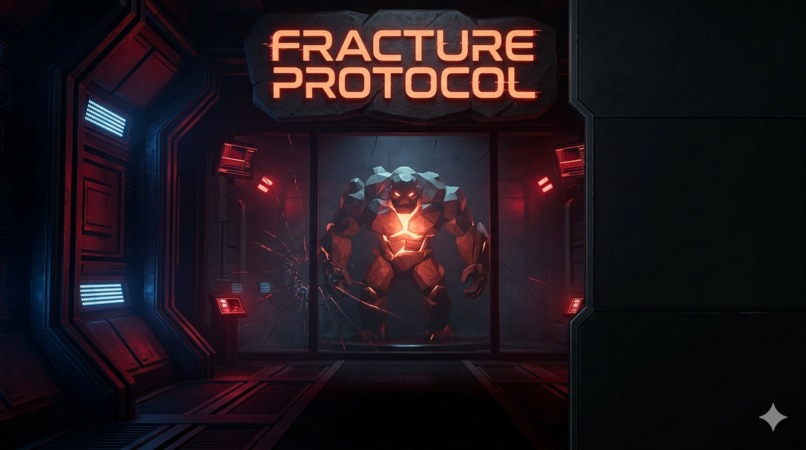
Main Screen
-
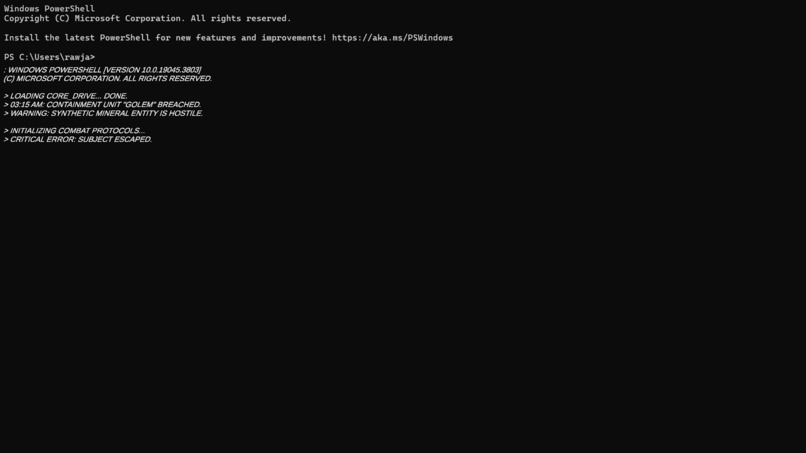
Uh OH
-
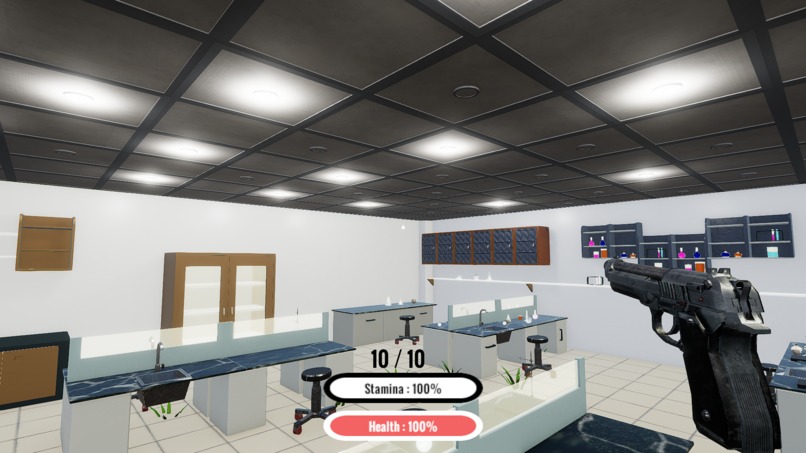
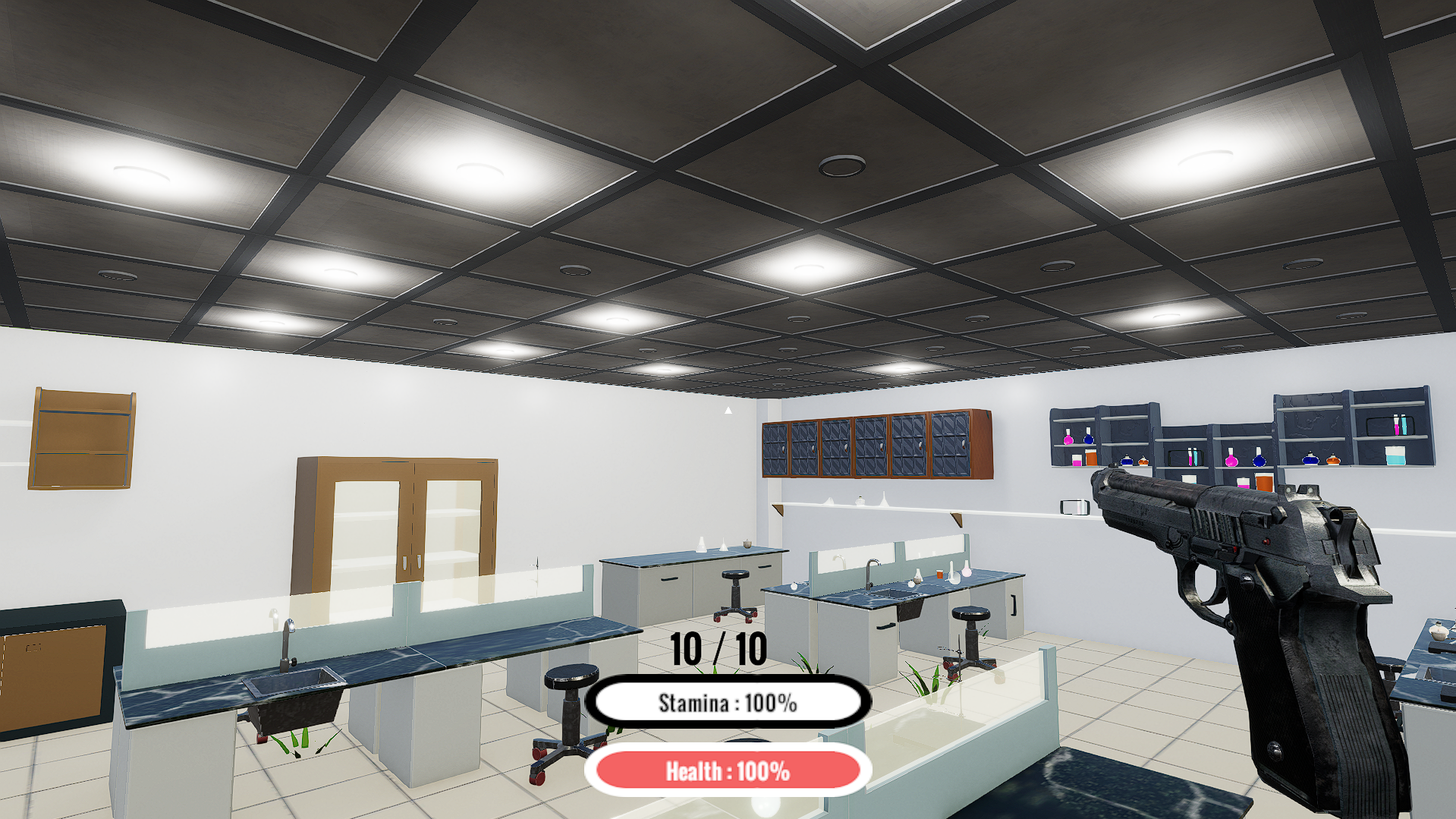
Labratory
-
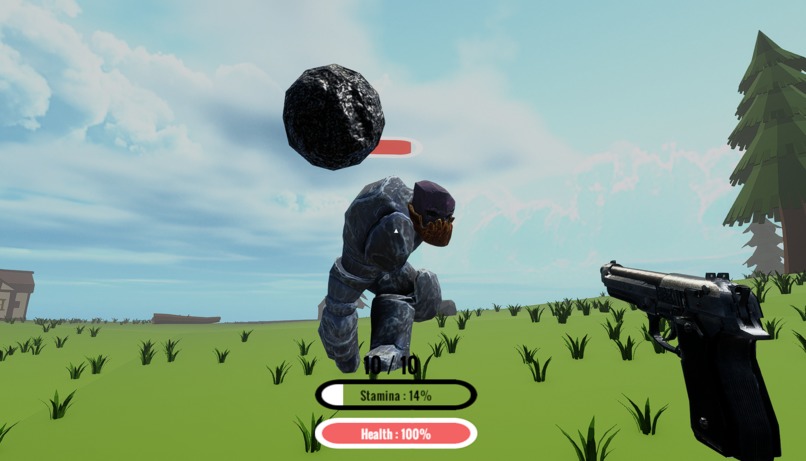
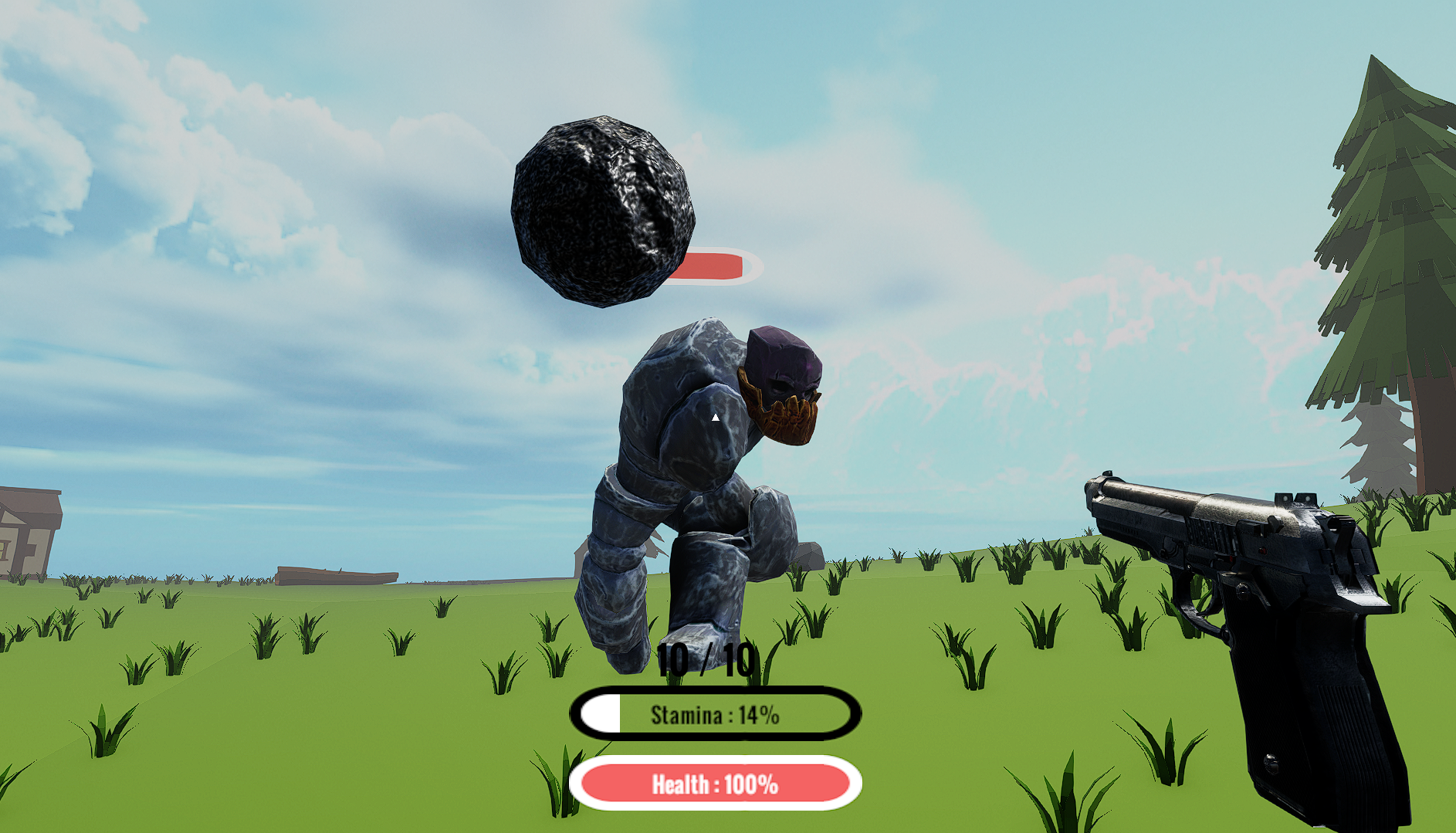
Rock
-
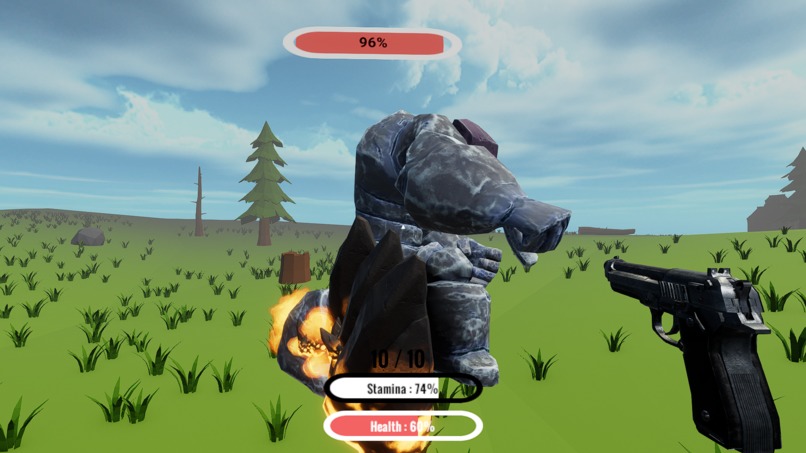
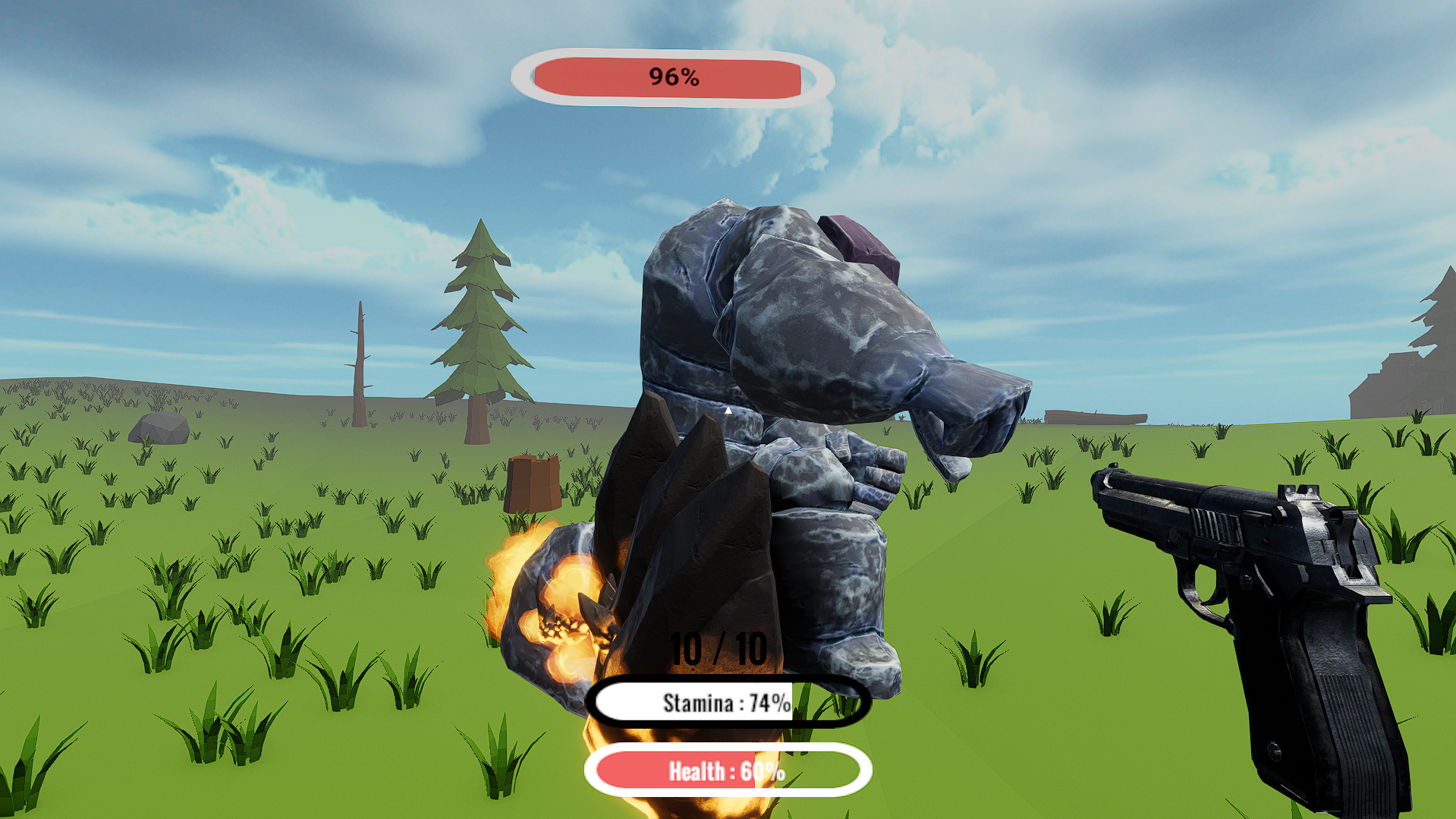
Melee
-
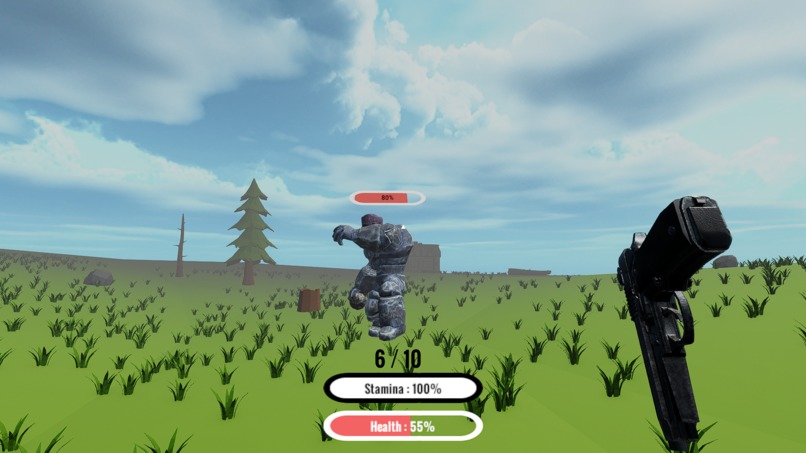
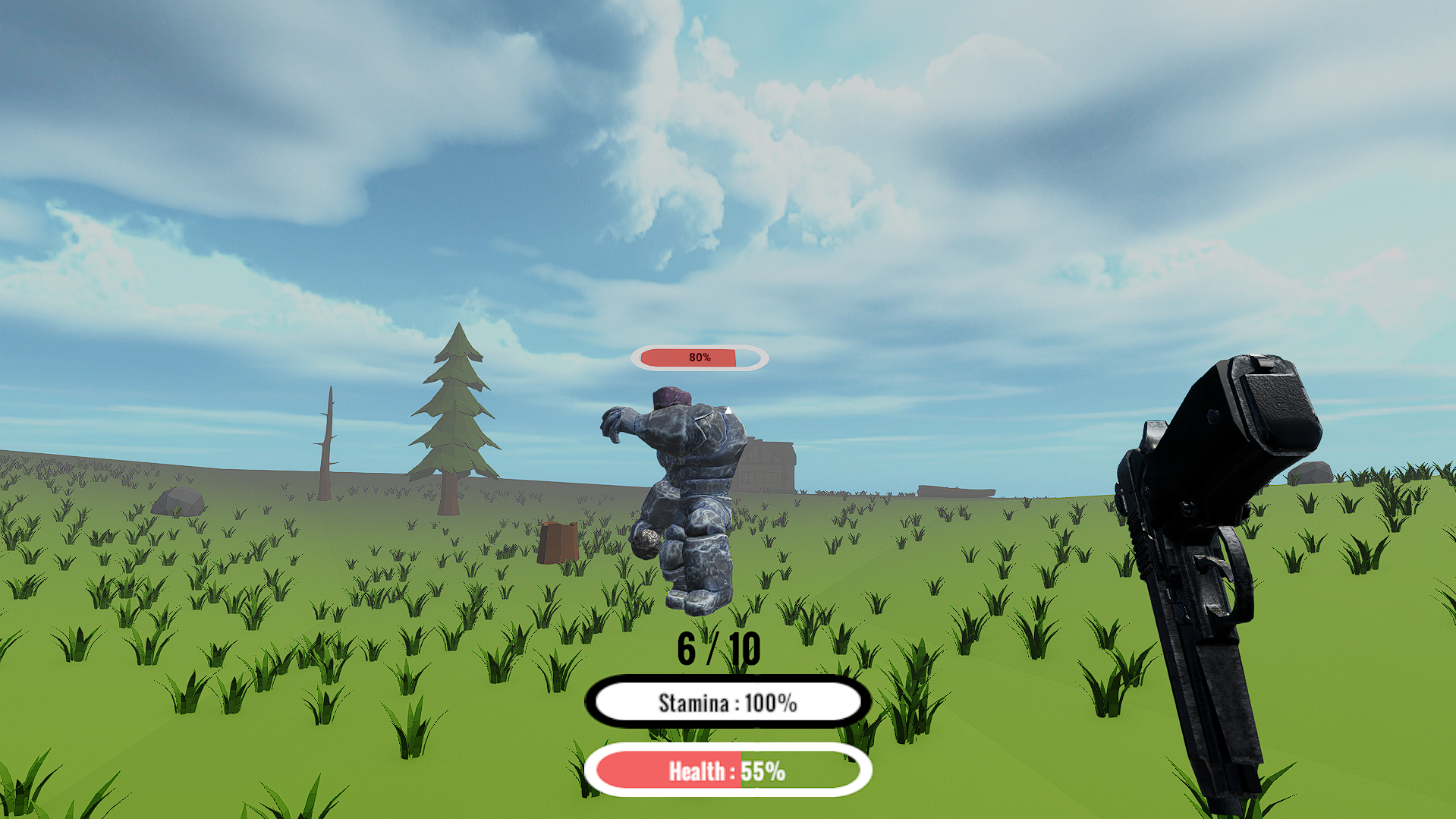
Reload_Animation
Inspiration
We got inspired by the Clash Royale Win condition called the Elixir Golem. We were playing Clash last night before the hackathon, and when we arrived at AOL the next day, we were talking about our wins and losses when the theme of cloning was announced. The first thing that came into our minds was the Elixir Golem and how he can clone himself when he dies.
What it does
Our Project is a game meant to be entertaining. It's a full - on 3d war between you and the golem that can clone itself apart and has a rigorous AI system that will make sure you are dead no matter what.
How we built it
We decided to build it in Unity after taking into consideration other game engines such as Unreal Engine 6 and Godot. We did this because we have more experience with Unity, and we like its ease and simplicity.
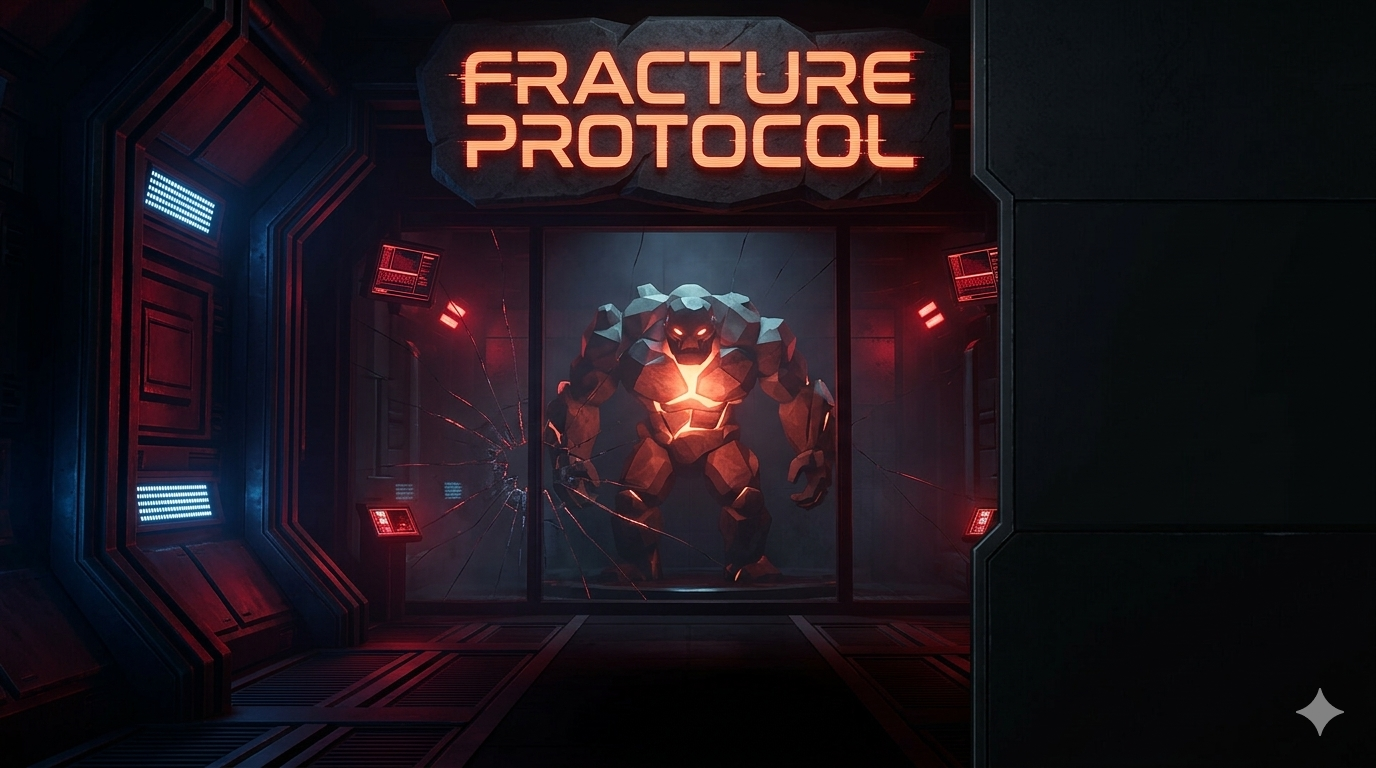
Our Development Strategy: Concept and Narrative: We started by designing the "Fracture" or cloning mechanic so that a single boss becomes multiple. We also mapped out the story of a security AI dealing with a containment breach in a lab and decided what the player will be playing as and why he will try to kill the monster.
Logic and AI: We spent the most time trying to bake AI navigation paths (NavMesh) so the golem could walk by himself while being aware of his surroundings.
Level Design and Atmosphere: While the AI was being coded, we built the laboratory environment. We focused on heavy lighting and post-processing to give it a dark, "emergency" feel.
FPS Controller and Gunplay: We made a smooth movement system so the player could realistically fight the Golems. We spent a lot of time balancing the player's health against the Golem's damage to make the fight challenging but fair.
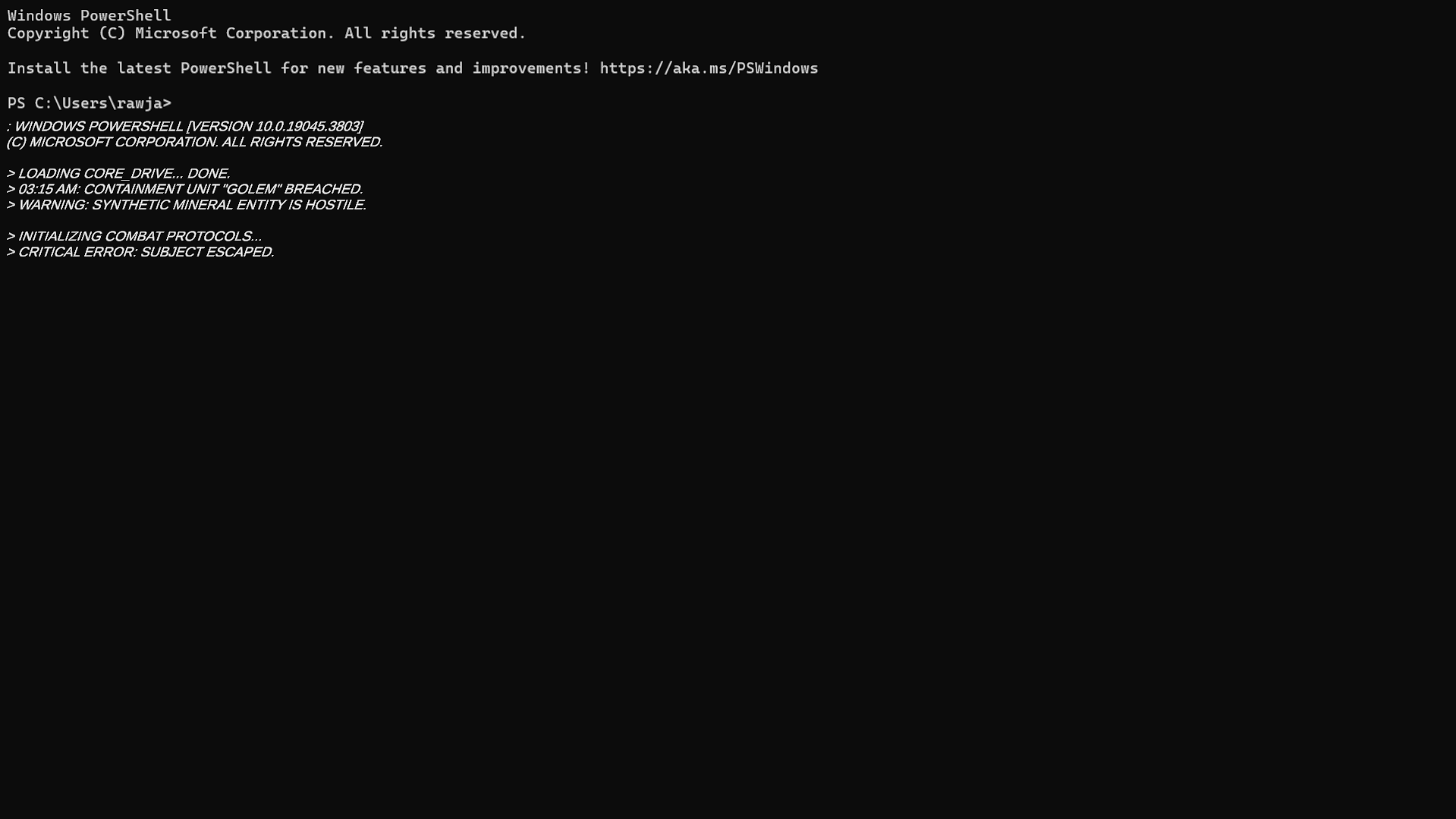
Cinematics and UI: We built the terminal intro to link the gap between the menu and the gameplay. This added a layer of polish, making the transition into the boss fight scene feel realistic.
Testing and Bug Fixing: We spent the final hours of the hackathon playtesting and fixing minor bugs.
Challenges we ran into
The one main challenge that we ran into was the Enemy AI Navmesh's / the AI's tracking system. When we were initially selecting background scenes that looked good and making background assets, we didn't consider this, and because of that, we had to delete everything and make our terrain flatter. The problem was that when we baked our AI NavMesh, it would never cover the entire terrain, making the golem glitch in some spots, which we didn't want. We wasted 5 hours because of this.
Accomplishments that we're proud of
It's our first hackathon where we have stayed up all 28+ hours working on a project, and I also think it is our best one yet. We coded and made everything ourselves, except the UI background images (we ran out of time), where we used generative AI to create them. I'm proud of our time management skills and how we took hold of a project with a big scope, narrowed it down, and actually made it in time.
What we learned
We learned not to wait till the last 2 hours to work on UI, otherwise things don't look that good! We also learned important time management skills that will help us win this competition next year and will help us in real life.
What's next for Fracture Protocol
We feel like Fracture Protocol can become a big game because of its story and how we coded the game. We made sure that every part of the game was modular, and we could easily add more bosses and levels in under ~10 hrs. My partner and I will put in our full effort to make sure that we make this game a good one.

Log in or sign up for Devpost to join the conversation.