
Inspiration
Studying fractal generation, I felt that they had artistic and social value. I wanted to integrate them with social media platforms through AR Filters.
What it does
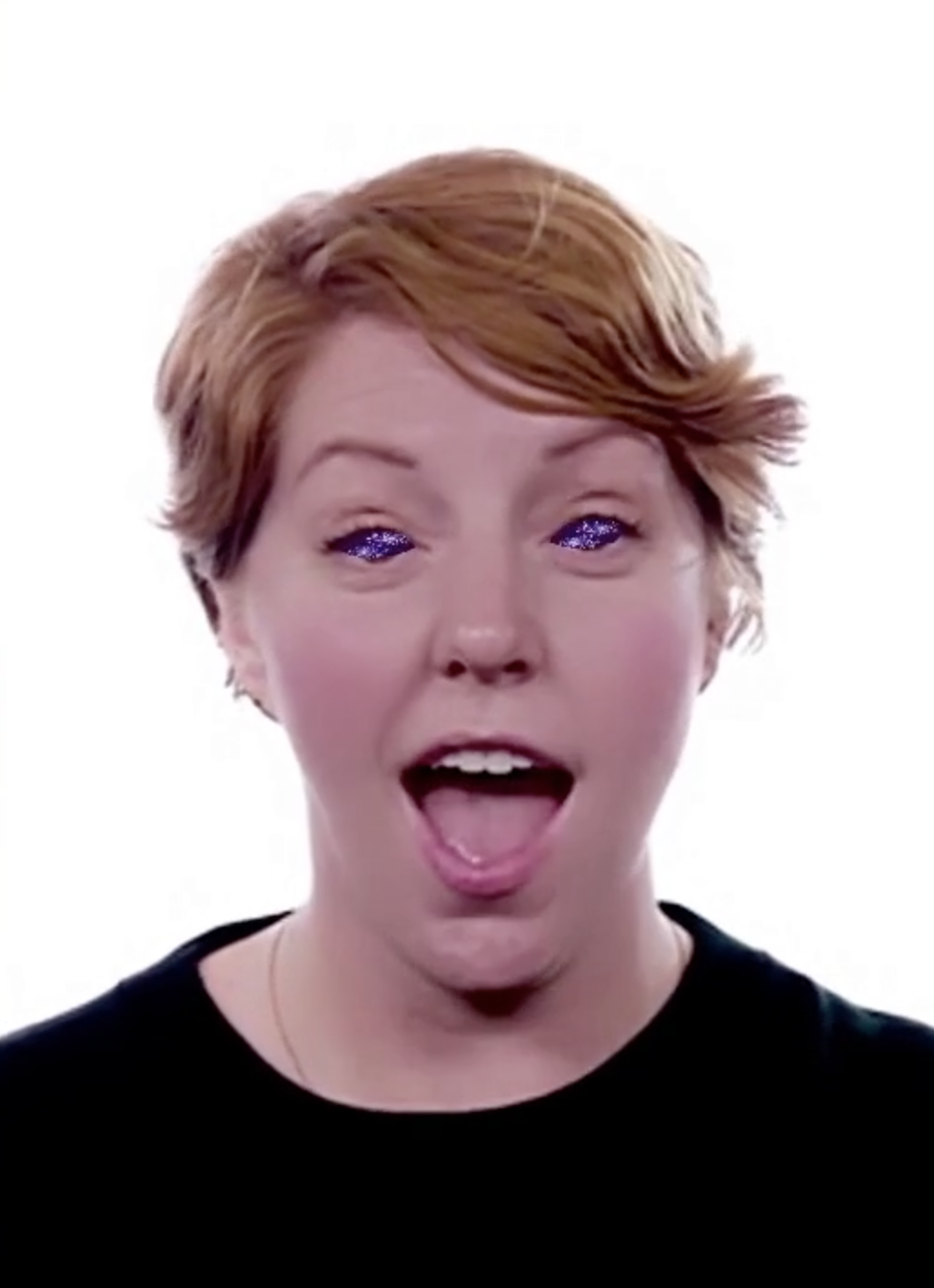
The AR Filter detects and applies a material onto the eyes. A shader is attached to the material, which produces the animated fractal pattern.
How I built it
I used SparkAR Studio for designing the filter, and SparkSL for writing the fractal generator.
Challenges I ran into
- This was my first time using the Studio, so I had to learn the basics of creating AR filters before starting my work.
- The eyes are too small to view the detail in the fractal animation. I would've preferred to place the fractal in the mouth, but I wasn't able to position the material.
Accomplishments that I'm proud of
Implementing the fractal generator required a deep understanding of the mathematical concepts behind Julia sets and complex numbers.
What I learned
I learned a lot about writing shaders to generate special visual effects and creating AR-based applications.
What's next for Fractals in AR
In the future, I plan on adding variance to the generated patterns through user interaction, allowing users to create their own animated fractals.
Built With
- glsl
- spark-ar
- spark-sl

Log in or sign up for Devpost to join the conversation.