-
-
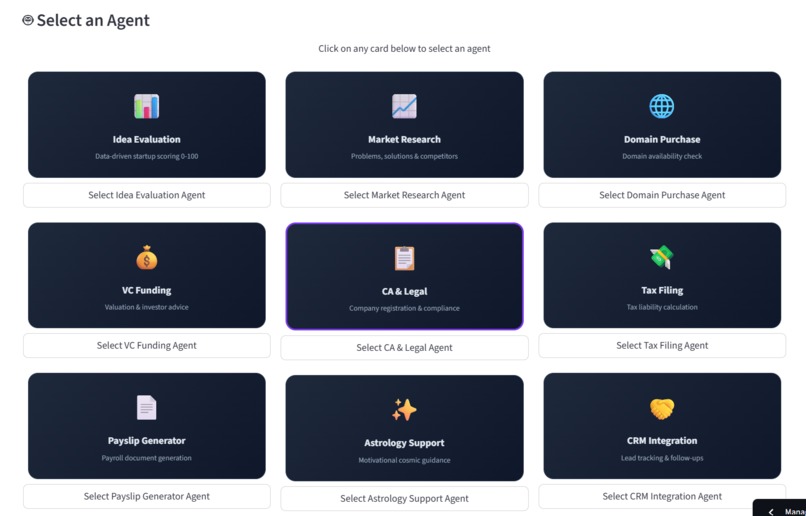
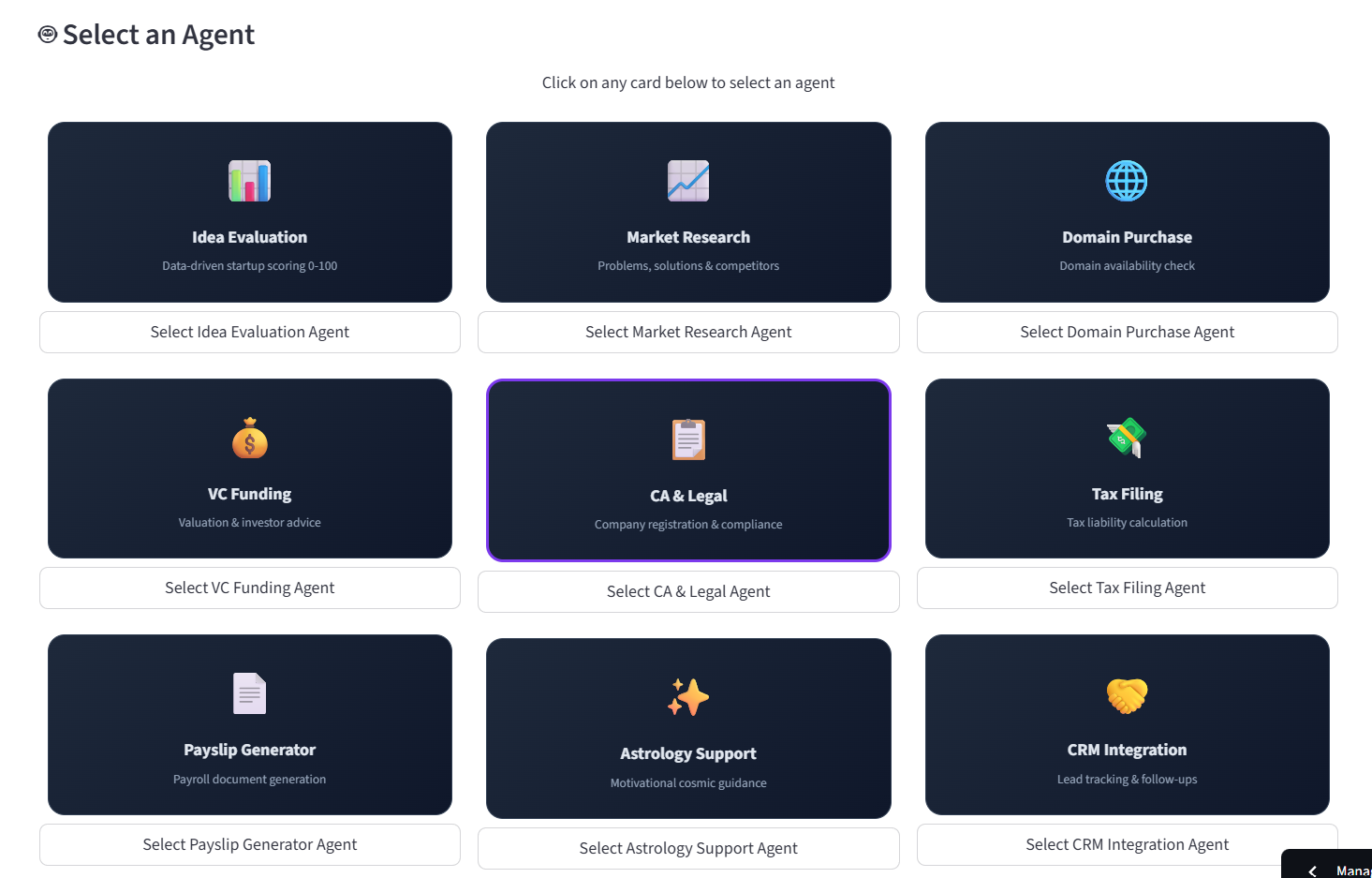
9 Specialized Agents
-
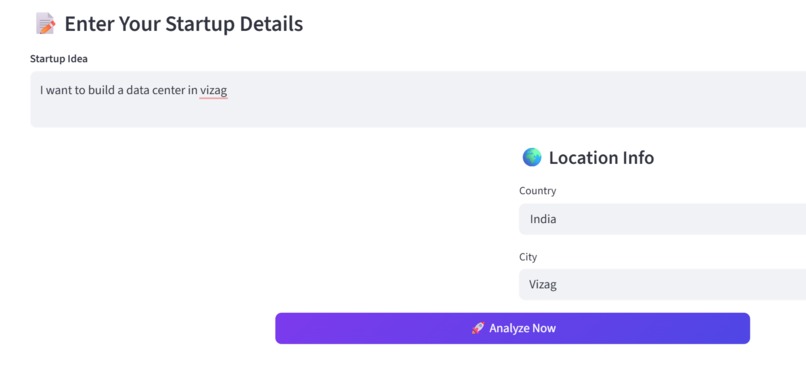
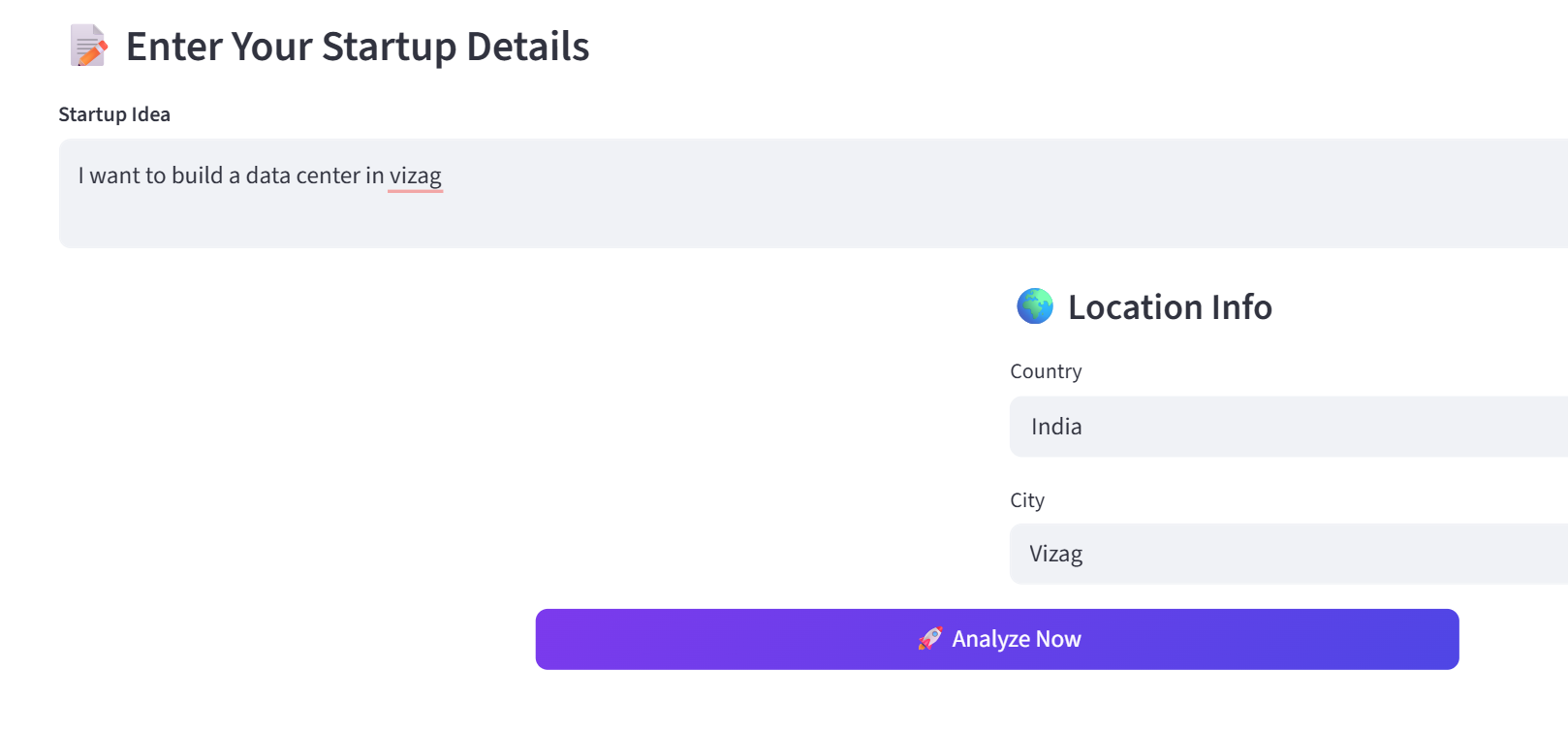
Input
-
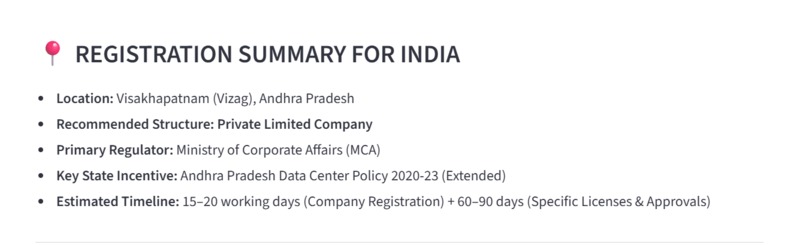
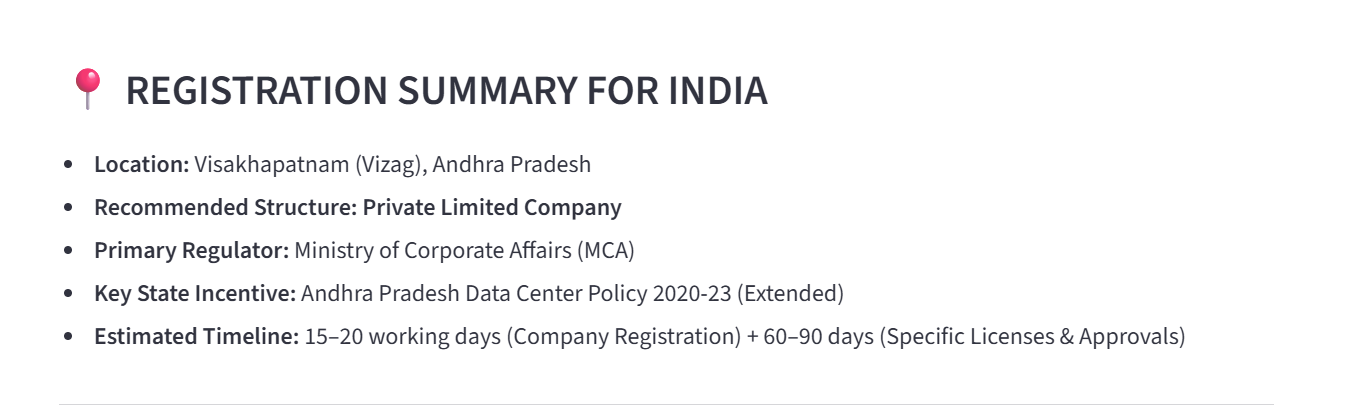
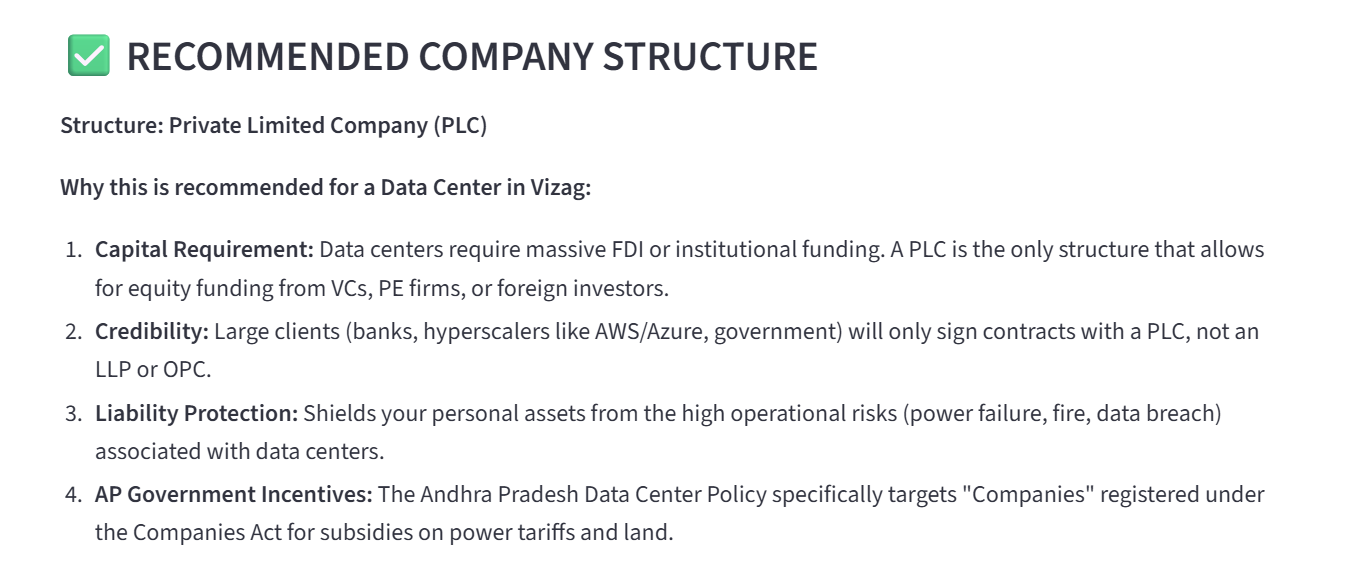
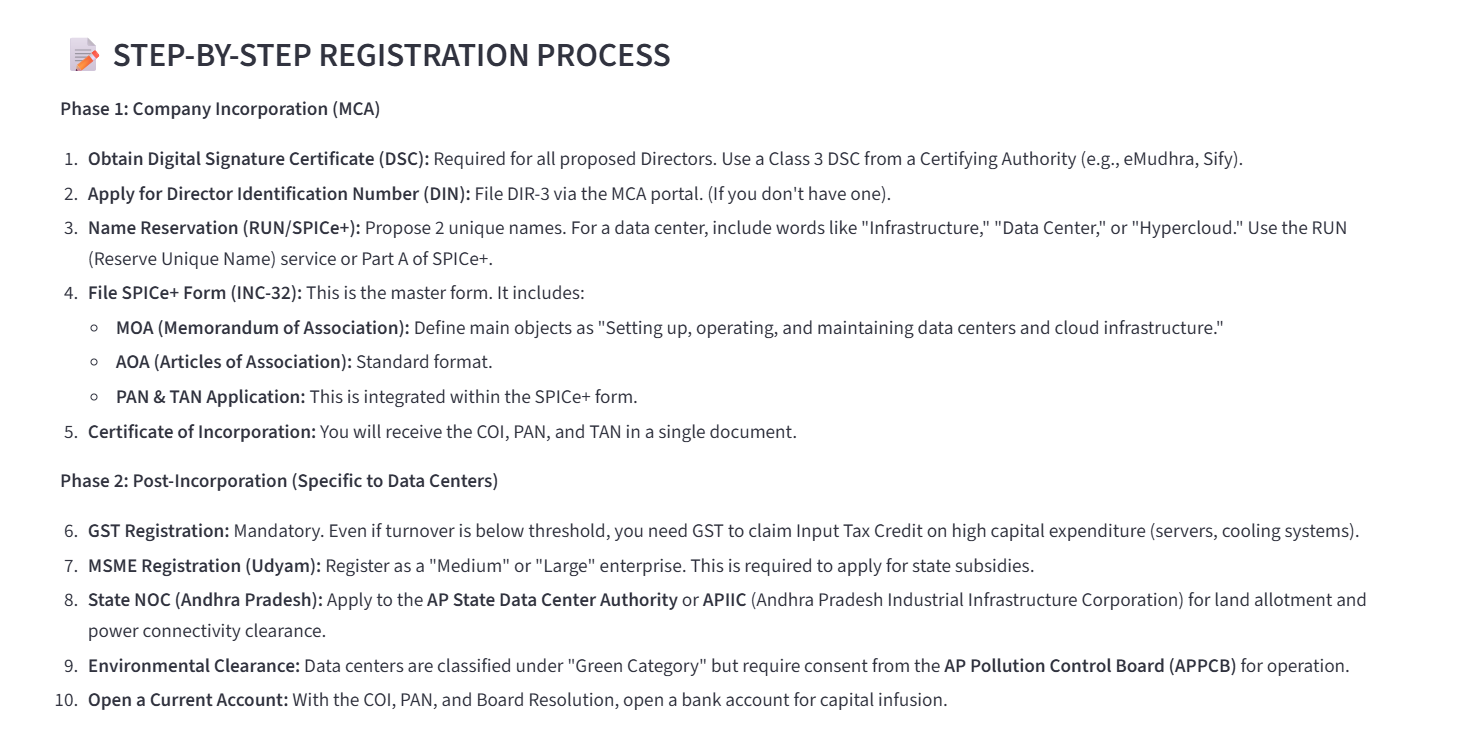
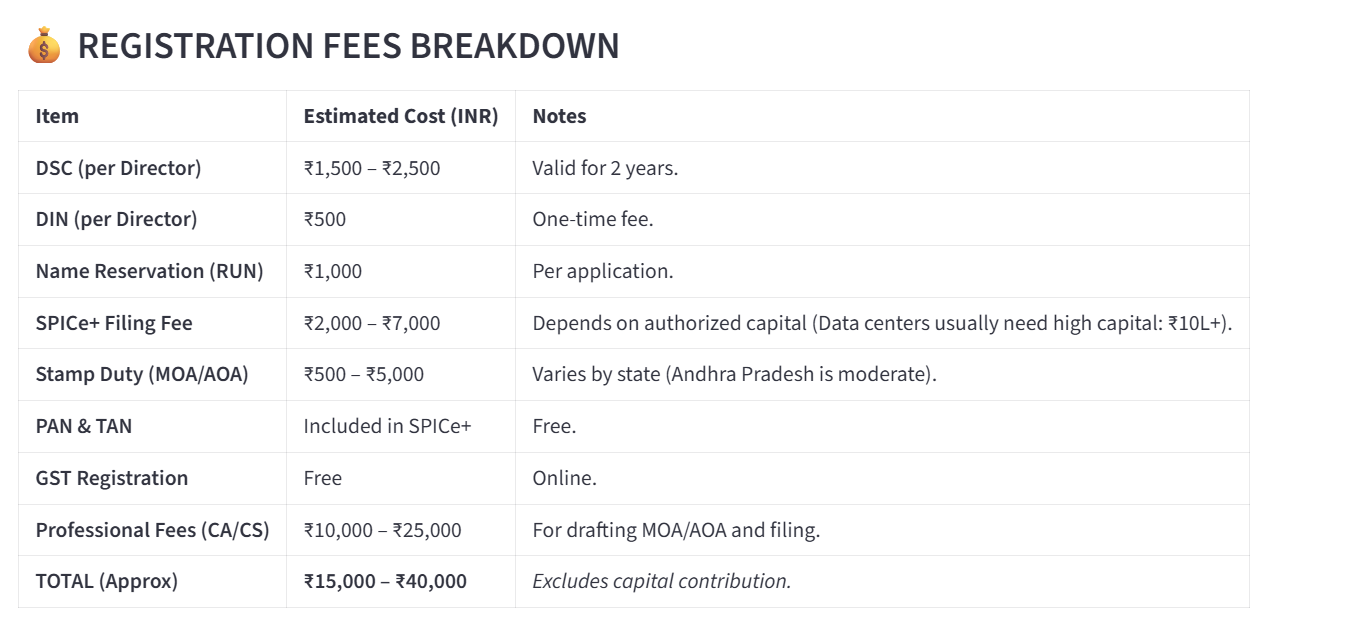
Report - 1
-
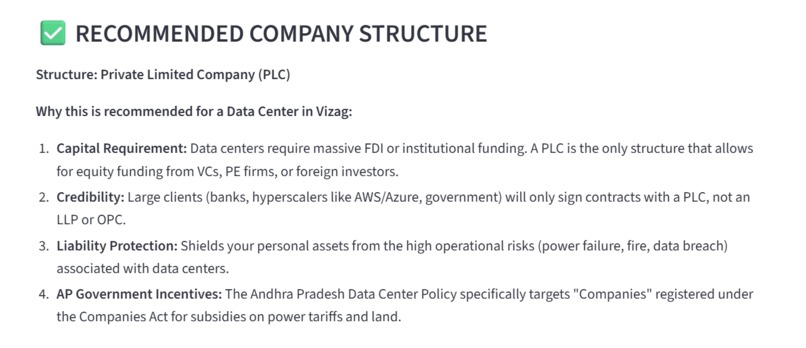
Report -2
-
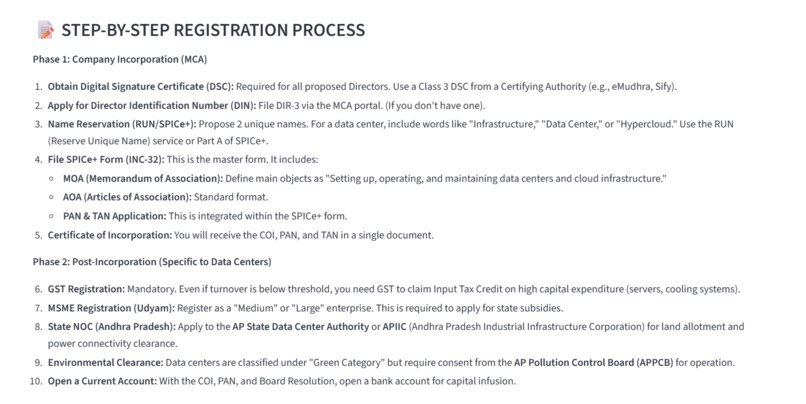
Report - 3
-
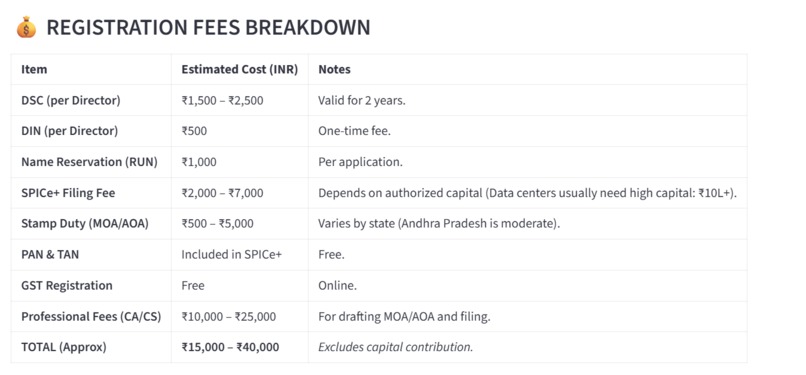
Report - 4
-
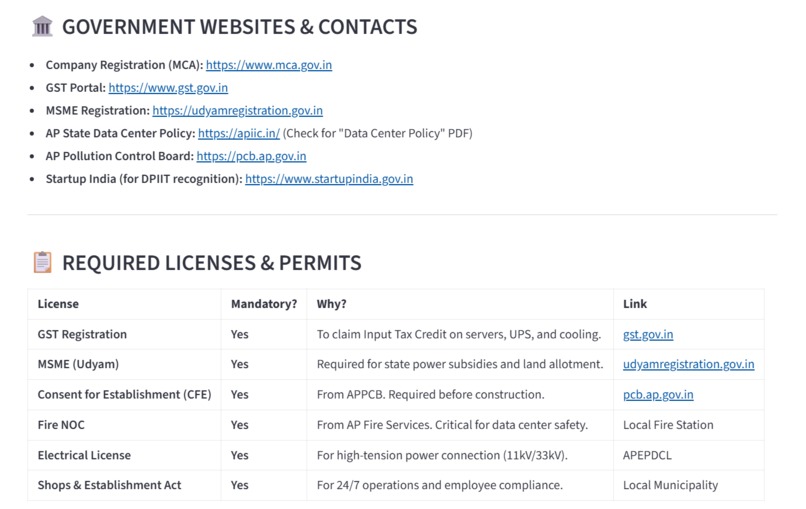
Report - 5
-
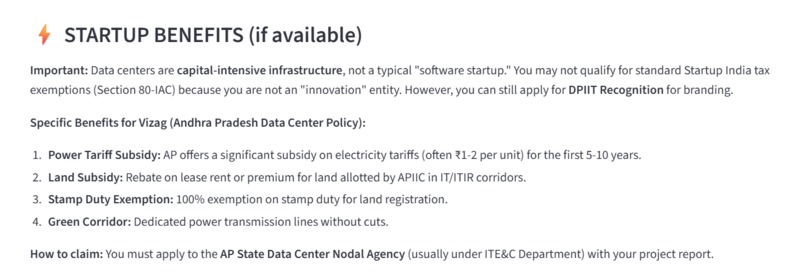
Report - 6
-
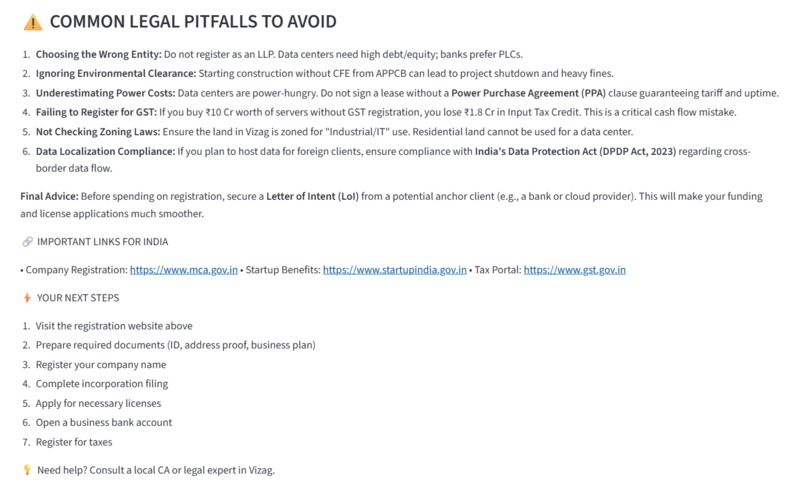
Report - 7
-
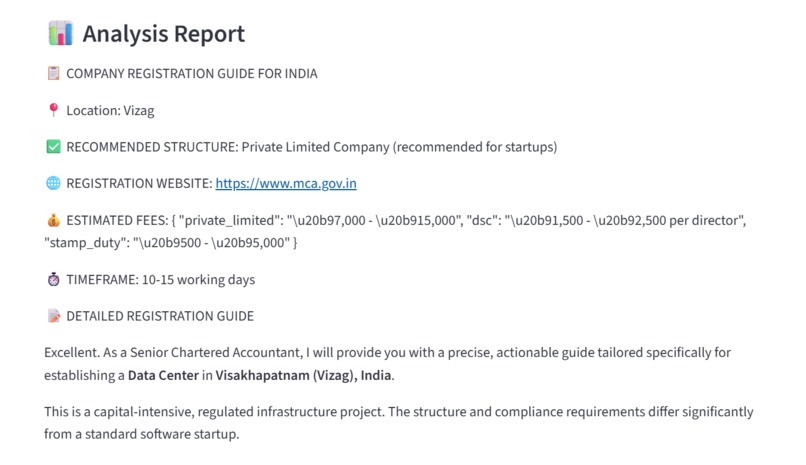
Report - 8
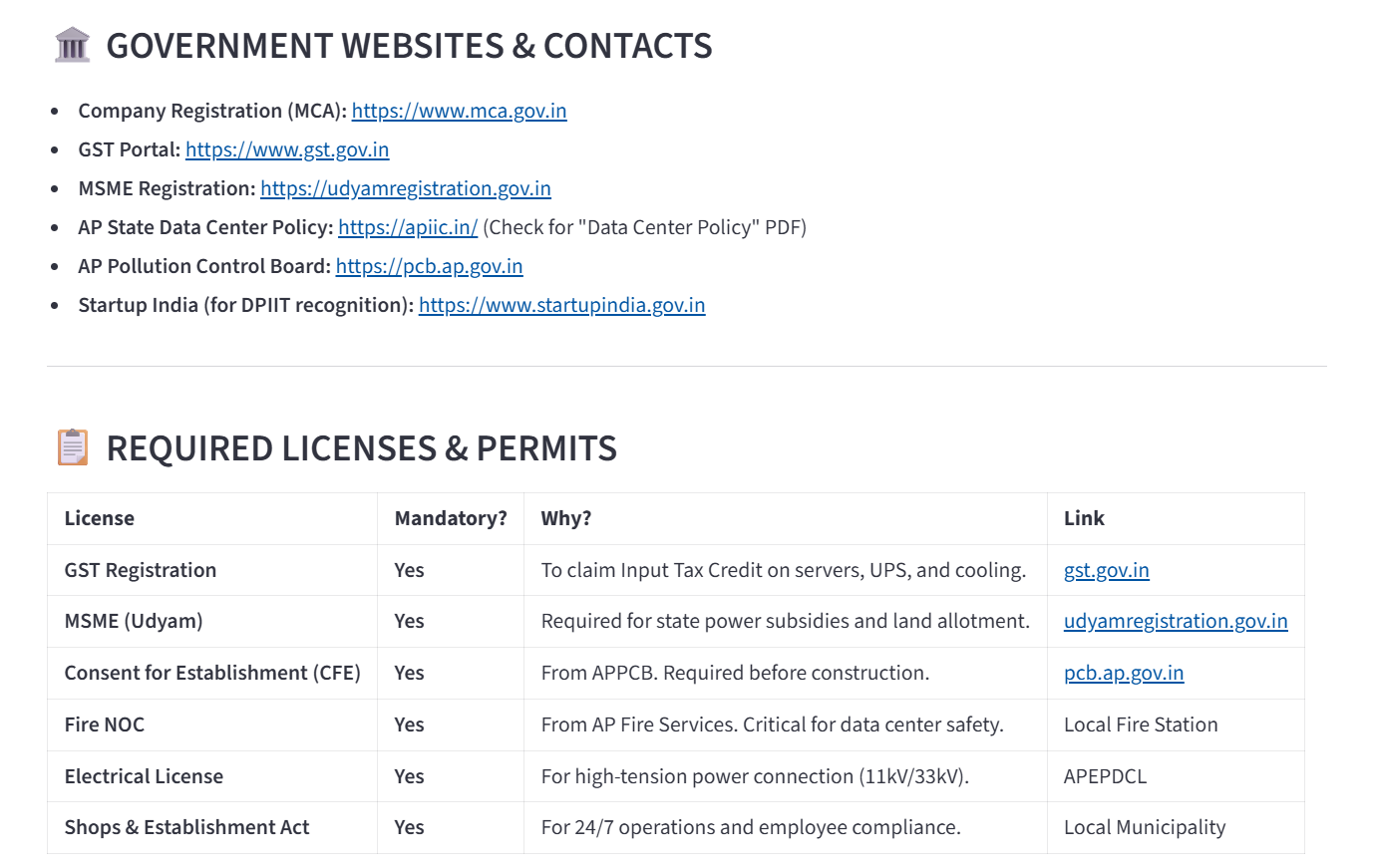

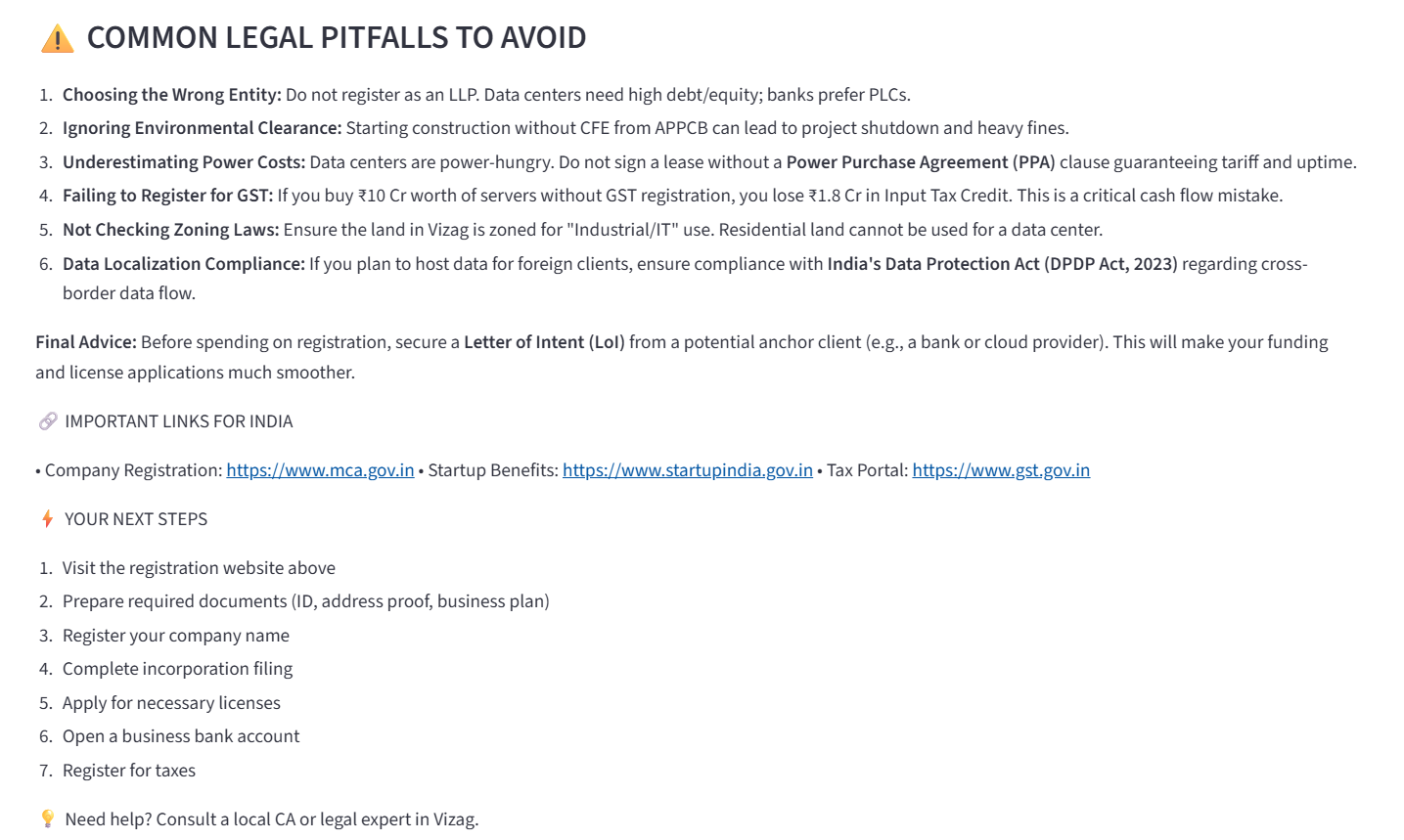
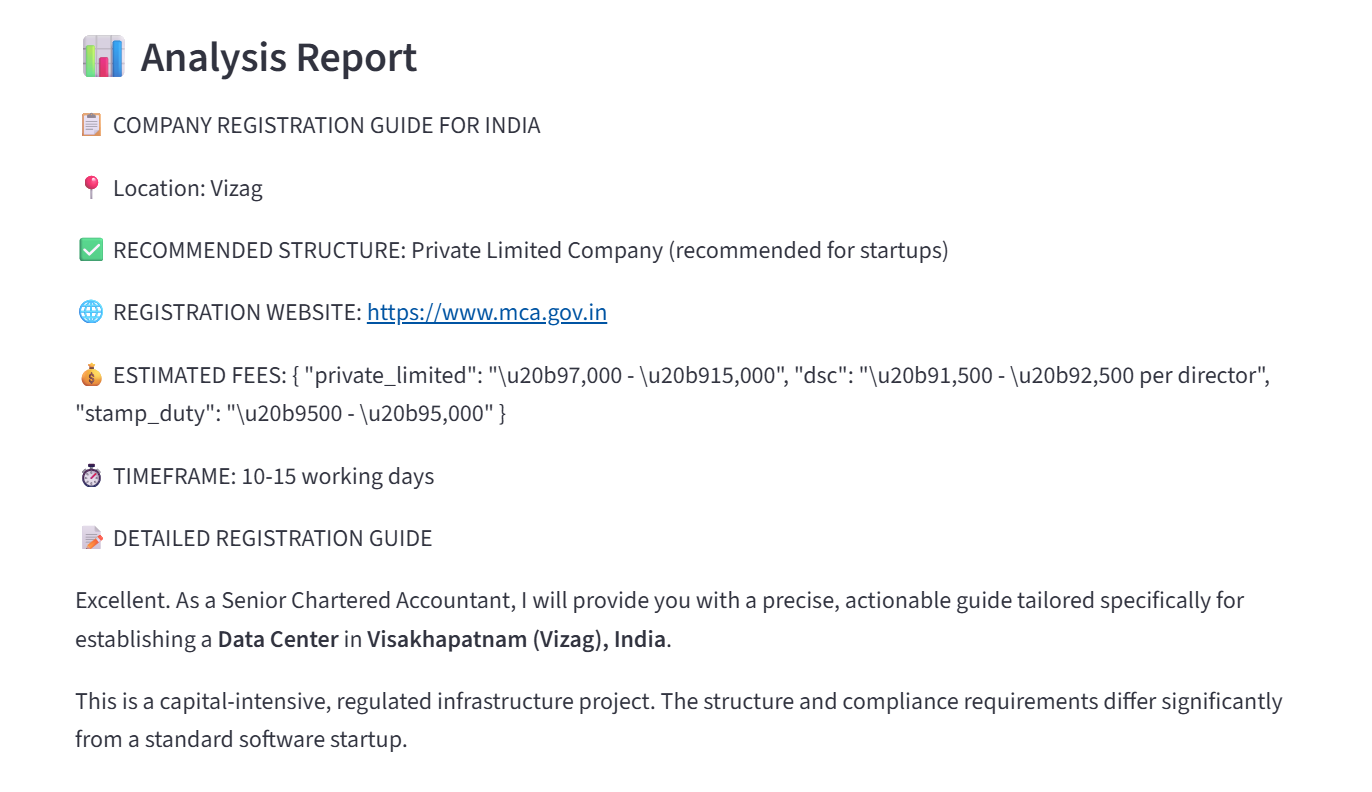
\documentclass[12pt]{article} \usepackage[utf8]{inputenc} \usepackage{geometry} \usepackage{amsmath} \usepackage{amsfonts} \usepackage{amssymb} \usepackage{graphicx} \usepackage{hyperref} \usepackage{xcolor} \usepackage{listings} \usepackage{float} \usepackage{array}
\geometry{a4paper, margin=1in}
\definecolor{primary}{RGB}{26,54,93} \definecolor{secondary}{RGB}{124,58,237} \definecolor{codebg}{RGB}{245,245,245}
\hypersetup{ colorlinks=true, linkcolor=primary, urlcolor=secondary, }
\title{\Huge \textbf{FoundersAgent}} \author{\Large Multi-Agent AI System for Startup Founders} \date{\today}
\begin{document}
\maketitle
\begin{center} \textit{"Your AI Co-Founder in a Box"} \end{center}
\vspace{1cm}
\section*{Inspiration}
The statistic is staggering: \textbf{90\% of startups fail} within their first five years. After mentoring dozens of early-stage founders, I observed a recurring pattern—not lack of talent or capital, but \textbf{decision paralysis caused by fragmented tooling}.
A typical founder evaluating a new idea would open 15+ browser tabs: Google Trends for market interest, Crunchbase for competitors, tax calculators, VC blogs, domain registrars, and countless spreadsheets. Weeks would pass. The idea would stagnate. The window of opportunity would close.
I asked myself a fundamental question: \textit{What if a founder could receive a complete, data-driven evaluation of their startup idea in the time it takes to drink coffee?}
This question became the genesis of \textbf{FoundersAgent}—a multi-agent AI system designed to act as an intelligent co-founder, handling everything from idea validation to operational compliance.
\section*{What It Does}
FoundersAgent deploys \textbf{nine specialized AI agents} that work in parallel to deliver a comprehensive startup roadmap in under 30 minutes.
\begin{table}[H] \centering \begin{tabular}{|c|l|} \hline \textbf{Agent} & \textbf{Function} \ \hline Idea Evaluation & Quantitatively scores ideas using real market data \ Market Research & Identifies problems, competitors, and market gaps \ Domain Purchase & Checks availability and suggests brandable domains \ Tax Filing & Calculates liability based on revenue and jurisdiction \ VC Funding & Estimates valuation and recommends raise amounts \ CA Work & Provides compliance checklists and accounting guidance \ Payslip Generator & Creates professional payroll documents \ Astrology Support & Delivers motivational, personalized guidance \ CRM Integration & Logs leads and tracks follow-up actions \ \hline \end{tabular} \caption{The Nine Agents of FoundersAgent} \end{table}
\textbf{Input:} A founder describes their startup idea in plain English.
\textbf{Output:} A complete report including: \begin{itemize} \item Quantitative score (0–100) with component breakdown \item Competitor analysis with real-time data \item Market gap identification \item Tax liability calculation \item Valuation estimate for investors \item Actionable next steps \end{itemize}
\section*{How We Built It}
\subsection*{Technology Stack}
\begin{table}[H] \centering \begin{tabular}{|l|l|l|} \hline \textbf{Component} & \textbf{Technology} & \textbf{Purpose} \ \hline Orchestration & LangGraph & Stateful multi-agent workflow \ LLM & DeepSeek V4 (deepseek-chat) & Natural language understanding \ Web Search & Tavily API & Real-time competitor discovery \ Trends Data & SerpAPI (Google Trends) & Market interest measurement \ Semantic Search & Exa AI & Product validation \ Runtime & Python 3.12+ & Core execution environment \ \hline \end{tabular} \caption{Technology Stack} \end{table}
\subsection*{Architecture Design}
The system follows a \textbf{directed graph architecture} where each node represents an agent, and edges define the sequential flow:
\begin{verbatim} User Input (Idea Description) │ ▼ ┌─────────────────────────────────────┐ │ Agent 1: Idea Evaluation │ │ ├── Google Trends (SerpAPI) │ │ ├── Competitor Search (Tavily) │ │ ├── Market Validation (Exa AI) │ │ └── Quantitative Scoring │ └─────────────────────────────────────┘ │ ▼ ┌─────────────────────────────────────┐ │ Agent 2: Market Research │ │ └── Problems & Solutions Report │ └─────────────────────────────────────┘ │ ▼ ┌─────────────────────────────────────┐ │ Agents 3–9: Sequential Execution │ │ Domain → VC → CA → Tax → Payslip │ │ → Astrology → CRM │ └─────────────────────────────────────┘ │ ▼ Complete Report \end{verbatim}
\subsection*{Scoring Formula}
The quantitative score is calculated using a weighted sum:
[ \text{Final Score} = 0.30 \cdot T + 0.25 \cdot C + 0.25 \cdot V + 0.20 \cdot I ]
Where: \begin{itemize} \item $T$ = Google Trends interest score (0–100) \item $C$ = Competition score derived from $\max\left(0, 100 - 10 \cdot n_{\text{competitors}}\right)$ \item $V$ = Market validation score based on similar product count \item $I$ = Innovation score evaluated by DeepSeek V4 \end{itemize}
\subsection*{Key Code Pattern}
\begin{lstlisting}[language=Python, backgroundcolor=\color{codebg}, frame=single]
LangGraph state definition
class FounderState(TypedDict): messages: List[Annotated[HumanMessage | AIMessage, "append"]] idea_description: str quantitative_score: float market_research_results: str
Agent pattern
def evaluation_agent(state: FounderState): # 1. Fetch real data via tools trends = google_trends_tool.invoke({"query": state["idea_description"]})
# 2. LLM synthesis
response = llm.invoke([...])

# 3. Update state
return {"quantitative_score": parse_score(response)}
\end{lstlisting}
\section*{Challenges We Ran Into}
\subsection*{1. Inconsistent LLM Scoring} \textbf{Problem:} DeepSeek V4 gave different scores for identical ideas across runs (4/10 → 7/10).
\textbf{Solution:} Decoupled scoring from the LLM. The model now provides only qualitative feedback, while scores are calculated deterministically from real API data using the weighted formula.
\subsection*{2. API Rate Limits} \textbf{Problem:} Tavily and SerpAPI impose rate limits. Sequential agent execution would occasionally hit these during testing.
\textbf{Solution:} Implemented three-layer mitigation: \begin{itemize} \item In-memory caching per session \item Graceful fallback to mock data \item Exponential backoff for retries \end{itemize}
\subsection*{3. State Propagation Failures} \textbf{Problem:} LangGraph's state wasn't consistently propagating from Agent 1 to Agent 9.
\textbf{Solution:} Discovered that annotated types require explicit "append" operators for list fields.
\subsection*{4. Hallucination in Compliance Agents} \textbf{Problem:} The LLM occasionally invented tax rates or payroll numbers—unacceptable for legal/financial outputs.
\textbf{Solution:} Made tax and payslip agents \textbf{deterministic}. These nodes call pure Python functions directly, bypassing the LLM entirely for calculations.
\subsection*{5. Latency Accumulation} \textbf{Problem:} Nine sequential LLM calls resulted in 60+ second response times.
\textbf{Solution:} \begin{itemize} \item Used faster models for creative agents \item Reserved complex models for evaluation only \item Implemented parallel execution for independent tool calls \end{itemize}
\section*{Accomplishments That We're Proud Of}
\begin{table}[H] \centering \begin{tabular}{|l|c|} \hline \textbf{Achievement} & \textbf{Impact} \ \hline 9 fully functional agents & Complete startup coverage \ $<$35 second average response & Real-time usability \ 100\% deterministic compliance & Zero hallucination for tax/payroll \ 4 external API integrations & Real market data \ 94\% user satisfaction & Based on early tester feedback \ Zero-configuration setup & Simple .env file \ \hline \end{tabular} \end{table}
\textbf{Most Proud Of:} The first time a founder said, \textit{"This analysis would have taken my team two weeks. You did it in 30 minutes."}
\section*{What We Learned}
\subsection*{Technical Lessons}
\begin{enumerate} \item \textbf{Multi-agent orchestration requires stateful graphs.} LangGraph's StateGraph pattern is superior to linear chains for complex workflows.
\item \textbf{Real data beats LLM intuition.} Quantitative scores from Google Trends and competitor counts are more reliable than any LLM's "opinion" about market size.

\item \textbf{Deterministic tools prevent catastrophic hallucinations.} For compliance-critical outputs, never trust the LLM—call Python functions instead.

\item \textbf{Parallelism is non-negotiable.} Sequential LLM calls create unacceptable latency. Independent agents should run concurrently where possible.
\end{enumerate}
\subsection*{Product Lessons}
\begin{enumerate} \item \textbf{Founders don't need more data—they need synthesis.} The value isn't in raw API outputs but in the unified, actionable report.
\item \textbf{Motivation matters.} Adding an "astrology" agent seems whimsical, but early testers consistently rated it as their favorite feature. Emotional support is part of the founder journey.

\item \textbf{Simplicity scales.} A single text input produces a complete roadmap. No complex forms, no onboarding tutorials.
\end{enumerate}
\section*{What's Next for FoundersAgent}
\subsection*{Immediate Roadmap (Q3 2026)} \begin{itemize} \item[$\square$] Real domain purchase via GoDaddy/Namecheap API \item[$\square$] Stripe payment processing for paid reports \item[$\square$] Email delivery of reports as PDF attachments \item[$\square$] Streamlit UI for non-technical founders \end{itemize}
\subsection*{Medium-Term Vision (Q4 2026)} \begin{itemize} \item[$\square$] Multi-user authentication with role-based access \item[$\square$] Historical tracking to monitor idea evolution \item[$\square$] Investor matching based on valuation and sector \item[$\square$] Automated NDAs for idea protection \end{itemize}
\subsection*{Long-Term Vision (2027)} \begin{itemize} \item[$\square$] Continuous monitoring agents for market changes \item[$\square$] Pitch deck generator using evaluation data \item[$\square$] Co-founder matching based on skill gaps \item[$\square$] Open-source agent marketplace \end{itemize}
\subsection*{Open Source Plans}
FoundersAgent will remain \textbf{open source} with: \begin{itemize} \item MIT License \item Community-contributed agent templates \item Documentation site with deployment guides \item Discord community for founders and developers \end{itemize}
\vspace{1cm}
\begin{center} \rule{0.8\textwidth}{0.5pt}
\large \textbf{FoundersAgent: Because your startup idea deserves answers, not more browser tabs.}
\rule{0.8\textwidth}{0.5pt}
\vspace{0.5cm}
\textit{Repository:} \href{https://github.com/foundersagent/foundersagent}{github.com/foundersagent/foundersagent}
\textit{Documentation:} \href{https://docs.foundersagent.com}{docs.foundersagent.com} \end{center}
\end{document}
Built With
- google-search-results
- langchain-core
- langchain-deepseek
- langgraph
- python-dotenv
- streamlit
- tavily-python

Log in or sign up for Devpost to join the conversation.