-
-
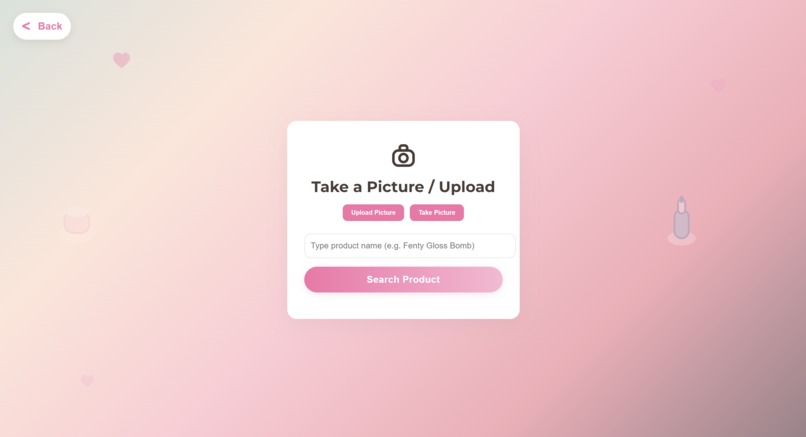
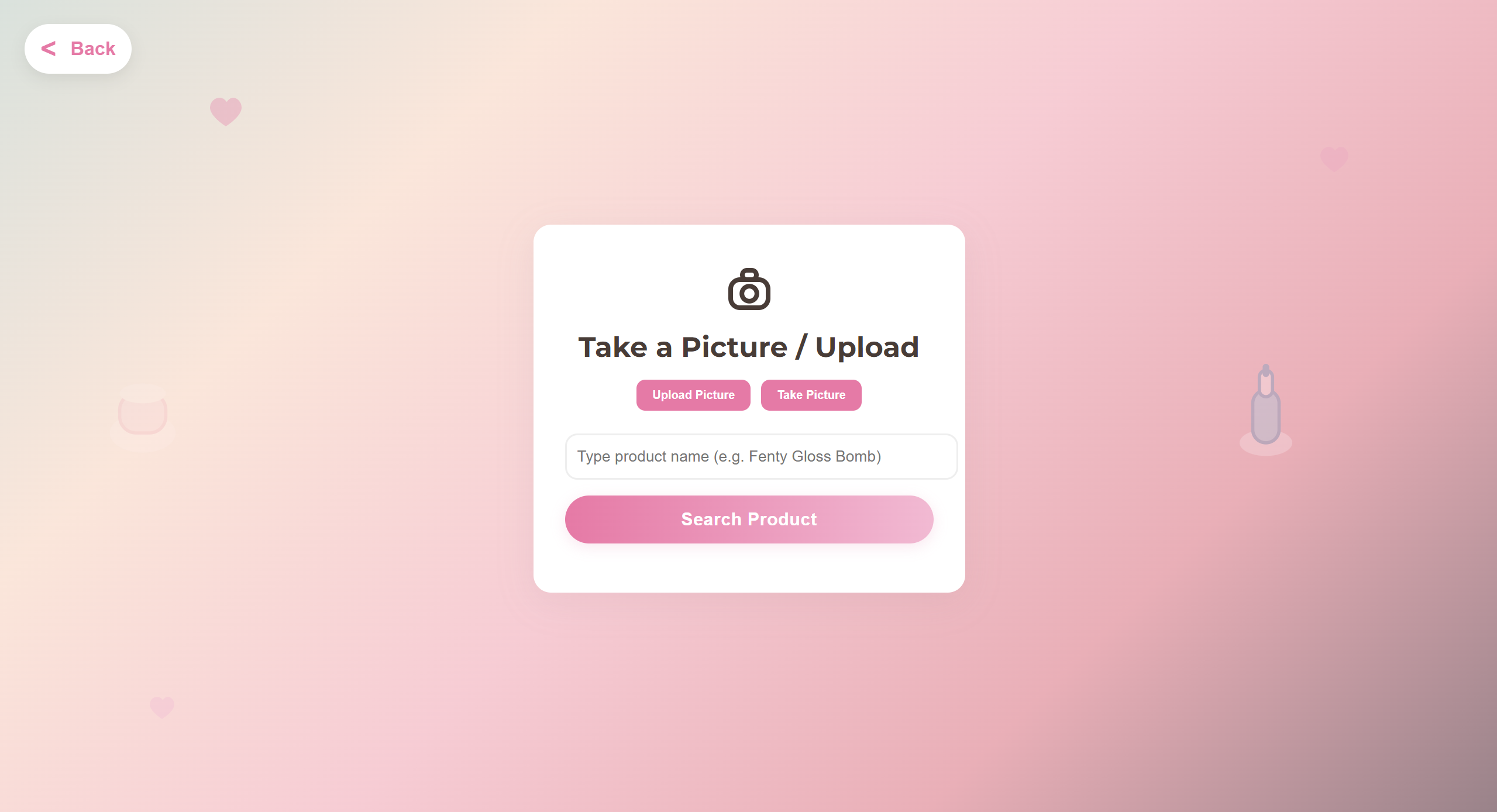
Scan Ingredients Page - Scan feature to take picture of ingredient list on the back of product OR type in beauty care brand manually
-
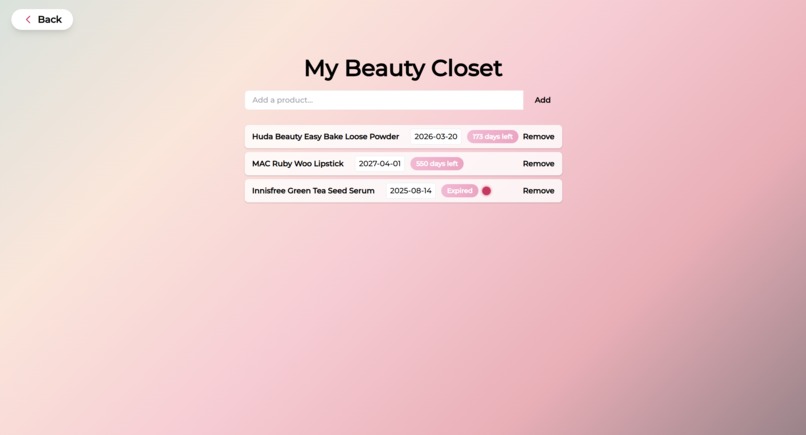
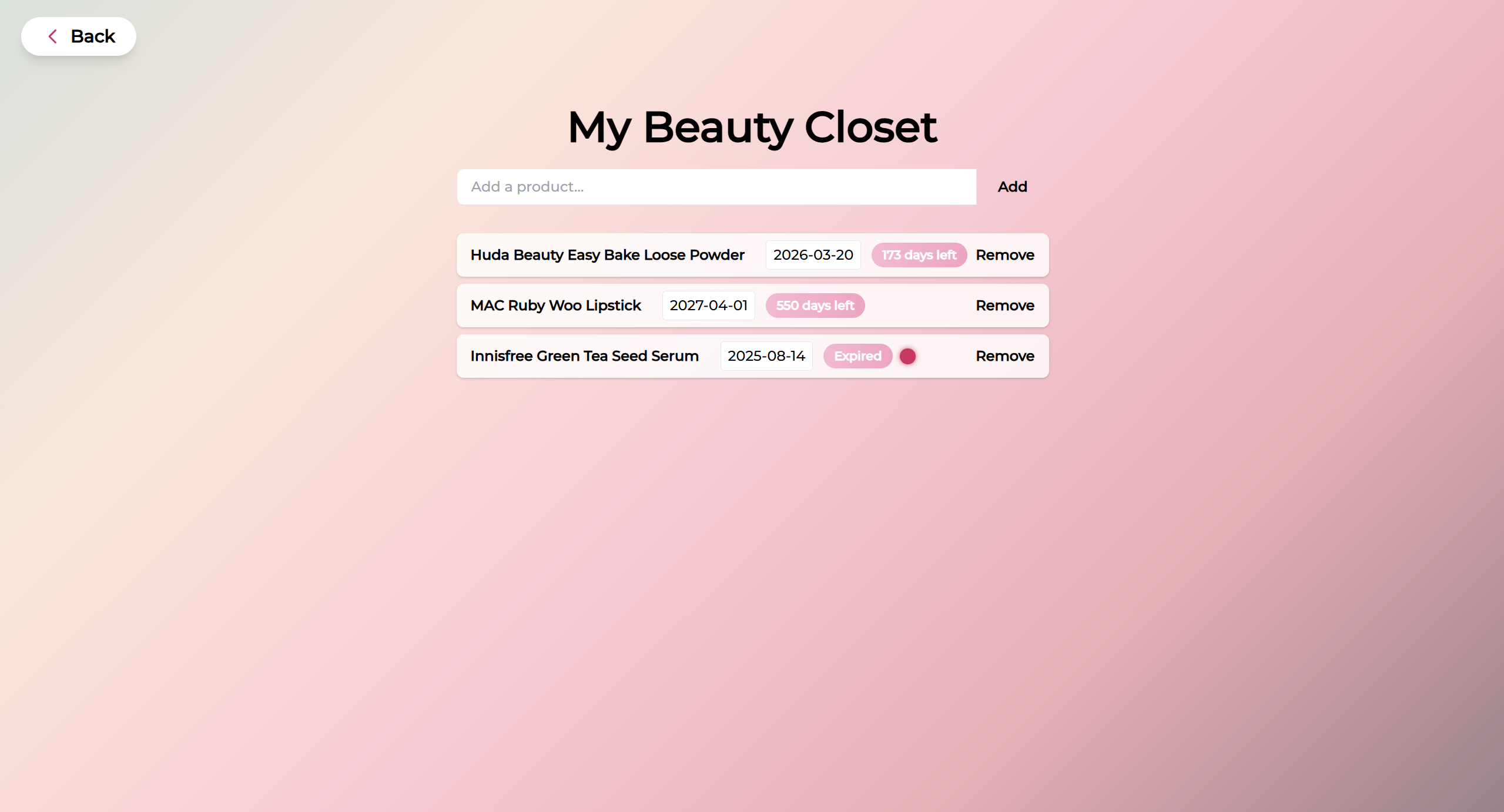
Personal Routine Page - Can add, delete, or arrange products in your “routine” based on its expiry
-
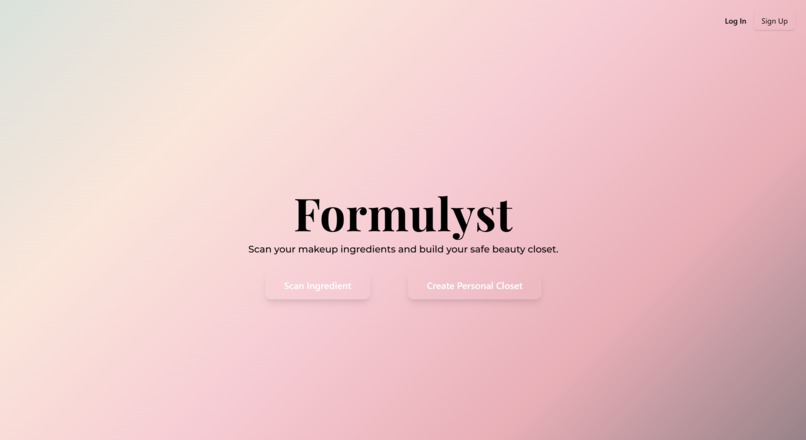
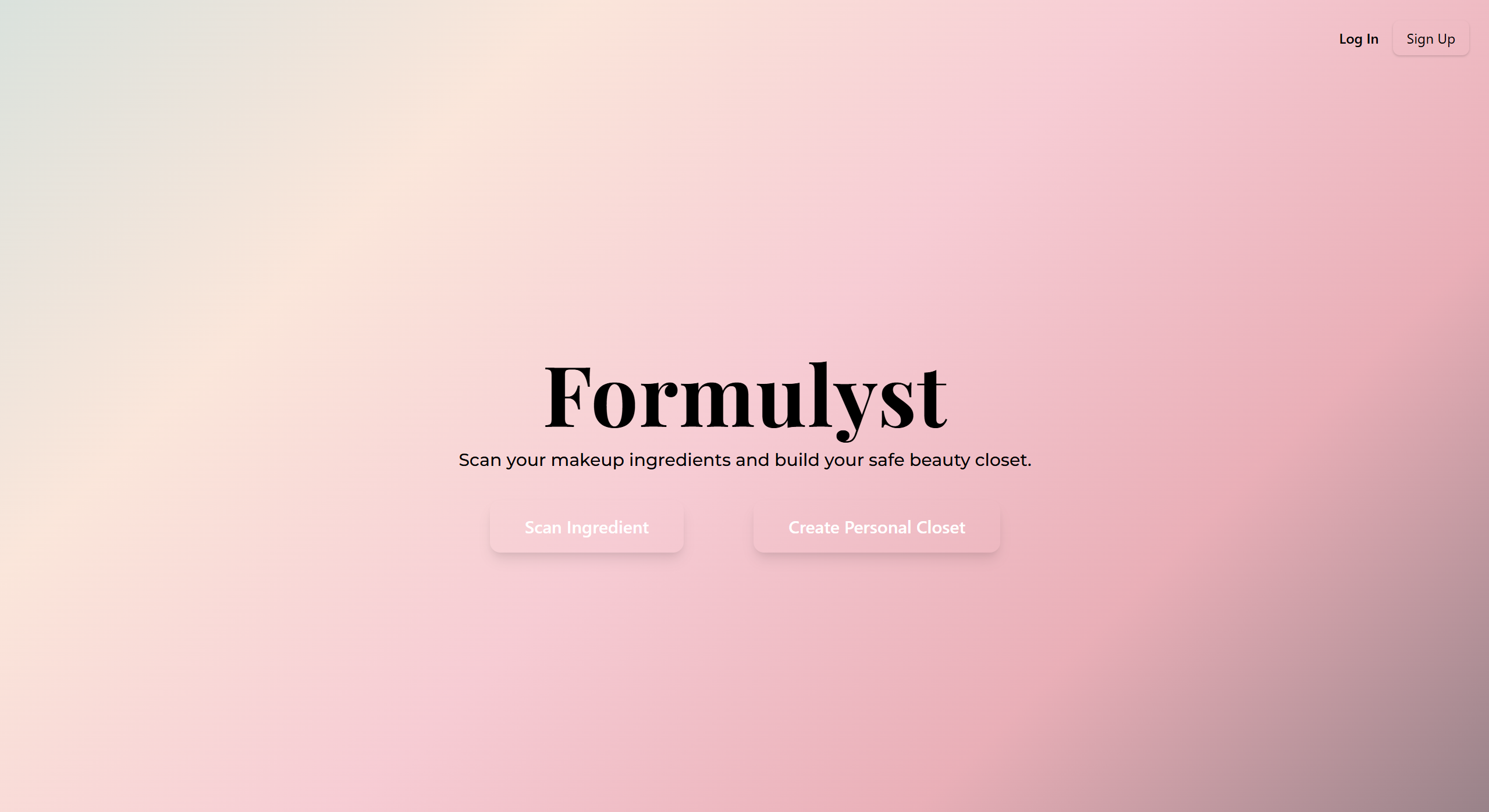
Home/Title Page - directs you to our 2 main functionalities
-

Formulyst Official Logo

Inspiration
Our inspiration came from the idea that many people unknowingly use expired or hazardous skincare products. These products can cause skin irritation, allergic reactions, or even long-term health hazards. At the same time, sustainability is becoming more important, and many products contribute to unnecessary waste. We wanted to create a solution that combines health protection with sustainability awareness, helping people make safer and smarter skincare choices.
What it does
Formulyst allows users to scan or input the ingredients of skincare and cosmetic products. The system then:
- Detects potential hazards (allergens, toxins, regulatory restrictions).
- Flags expired or unsafe products.
- Provide insights into the environmental impact of ingredients.
This, ultimately empowers consumers to make informed decisions about what they put on their skin while keeping sustainability in mind.
How we built it
We combined multiple technologies to build our prototype:
- Frontend: A responsive website using HTML, CSS, and Tailwind for UI.
- Backend: Flask to handle requests and APIs.
- AI Service: Python with OCR (pytesseract, PIL) to extract text from product labels, and rapidfuzz for fuzzy matching of ingredient names.
- Databases: JSON files storing ingredient aliases, hazards, and environmental impact data. Future expansion is planned with MongoDB for scalability.
- Collaboration: GitHub for version control and VS Code as our development environment.
Challenges we ran into
- OCR accuracy: Extracting clean text from product labels was harder than expected due to fonts, glare, and formatting.
- Ingredient matching: Many products use different names for the same chemical (e.g., “parfum” vs. “fragrance”), so we had to build an alias-matching system.
- Time constraints: Building a full AI pipeline, backend, and frontend in a short timeframe required careful coordination.
- Debugging environment issues: Dependency installation, VS Code setup, and Flask routing created roadblocks we had to solve quickly.
Accomplishments that we're proud of
- Creating a strong team environment with great communication and collaboration.
- Building a website that addresses two critical issues: health hazards and sustainability.
- Successfully integrating OCR + AI classification into a functional demo.
- Learning new tools (Flask, GitHub, MongoDB basics) in a limited timeframe.
What we learned
We learned a lot throughout this project—both technically and as a team. On the technical side, we gained experience with Python libraries for OCR and natural language processing. In particular, we learned the difference between fuzzy word matching (finding close ingredient names like “parfum” vs. “fragrance”) and fuzzy classification (deciding the category of an ingredient, such as allergen or sustainable, even when the match is uncertain). On the teamwork side, we improved our communication skills, divided tasks effectively, and collaborated smoothly. We also became more comfortable with tools like GitHub and VS Code, which helped us work together and debug efficiently.
What's next for Formulyst
This is just the beginning—our current demo is a proof of concept, but Formulyst has huge potential.
- AI improvements: More advanced NLP and machine learning models for higher accuracy in ingredient classification.
- Bigger datasets: Moving from JSON to MongoDB with larger ingredient, hazard, and sustainability datasets.
- Adding images of products to make the closet more interactive.
- An AI assistant that helps users build personal routines while ensuring safety and sustainability.
- Integration with e-commerce websites to show prices, expenses, and routine-based product breakdowns (e.g., morning, night, makeup).
We believe Formulyst can become a tool that not only protects health but also promotes mindful consumption, targeting capitalism and over consumption.


Log in or sign up for Devpost to join the conversation.