-
-
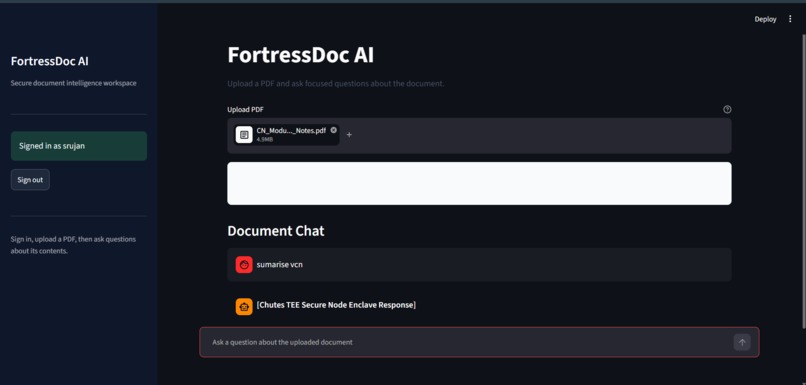
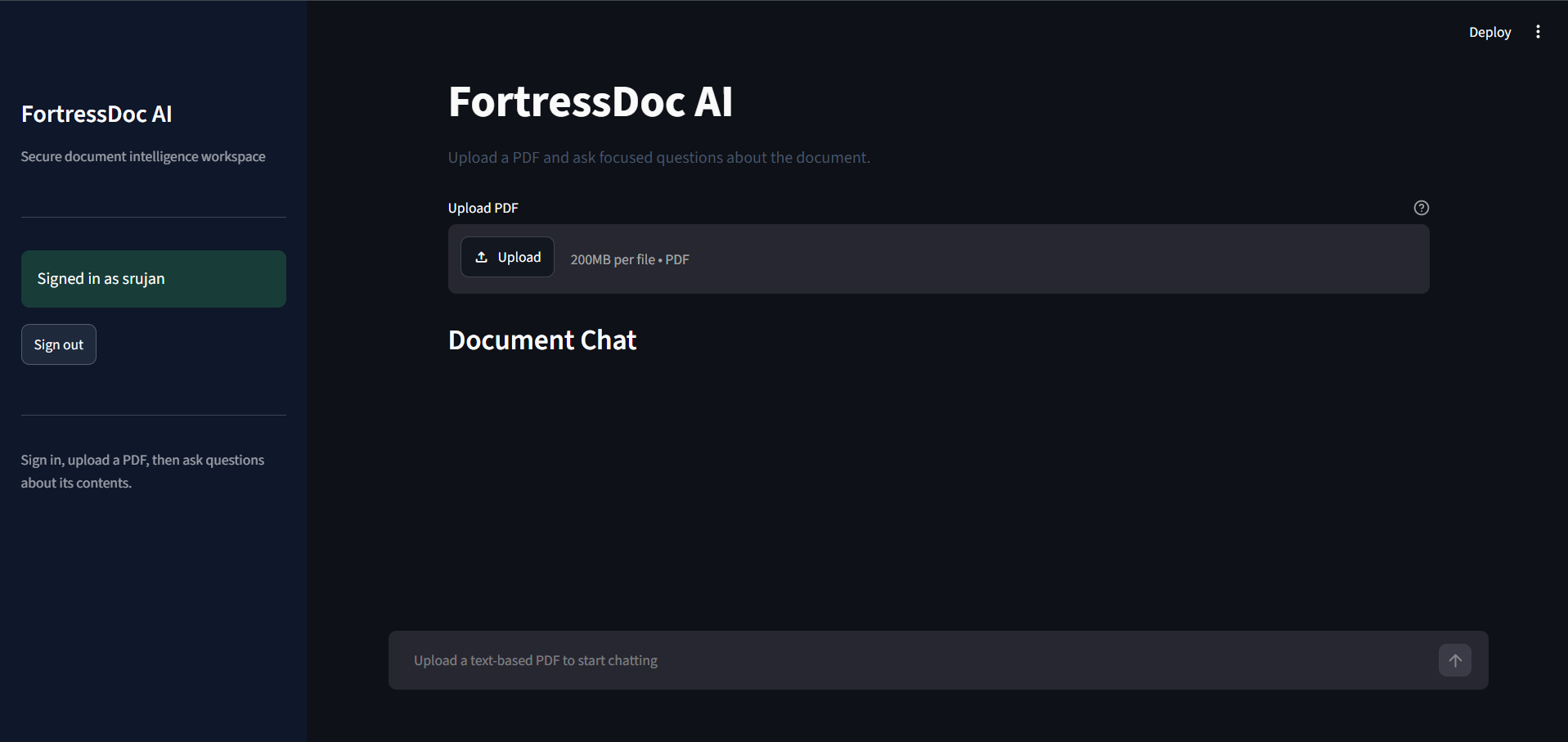
chating with ai
-
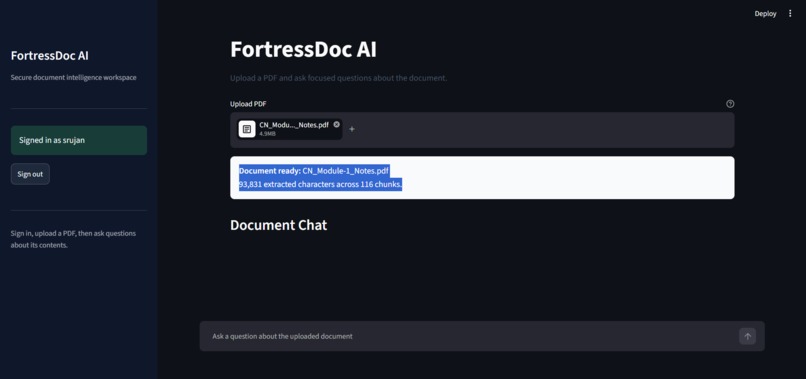
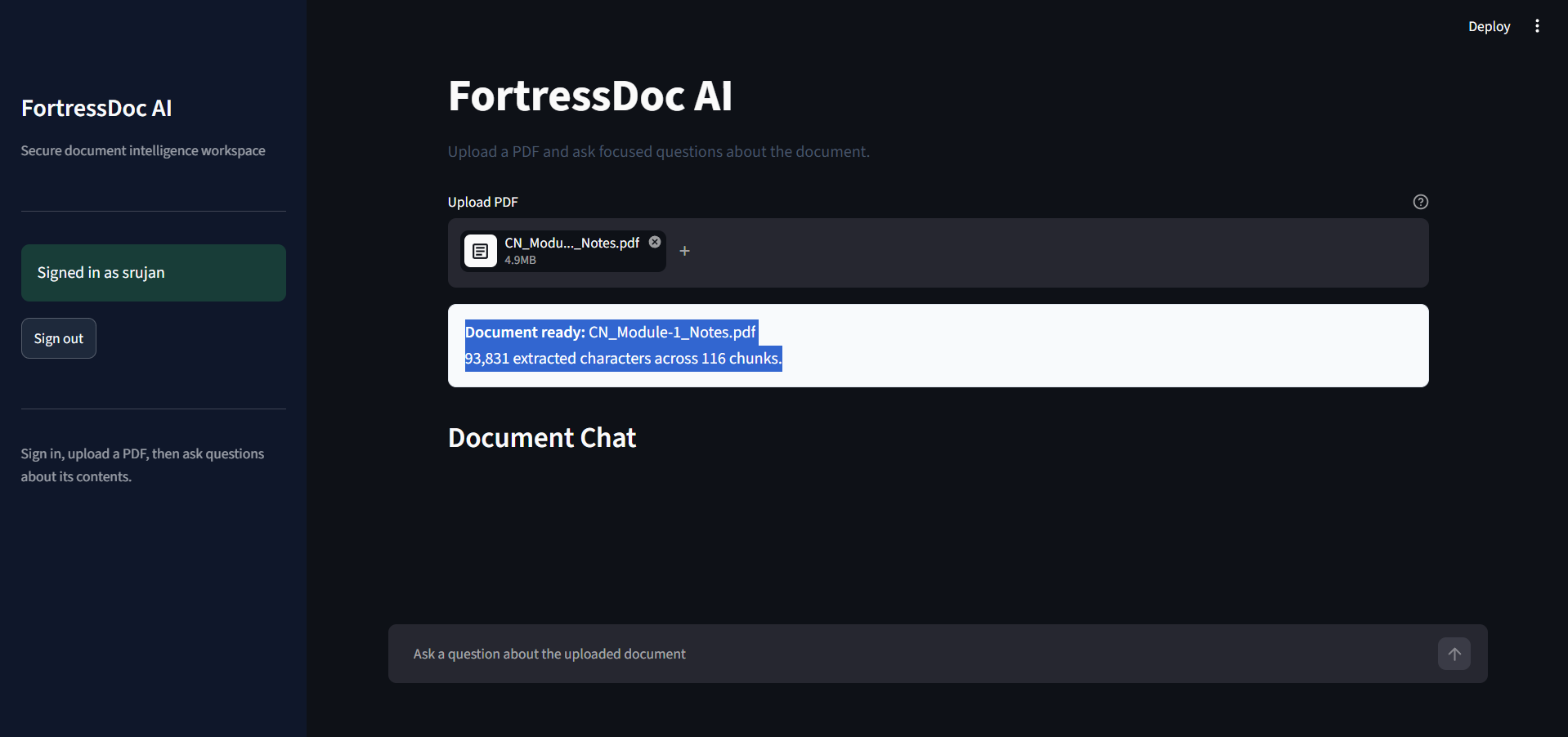
uploading the pdf
-
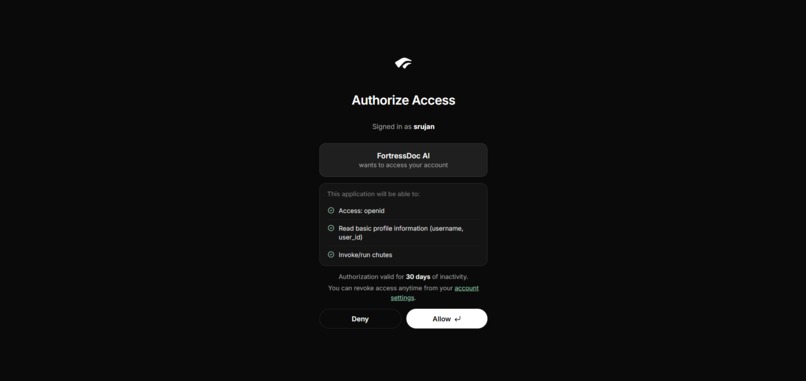
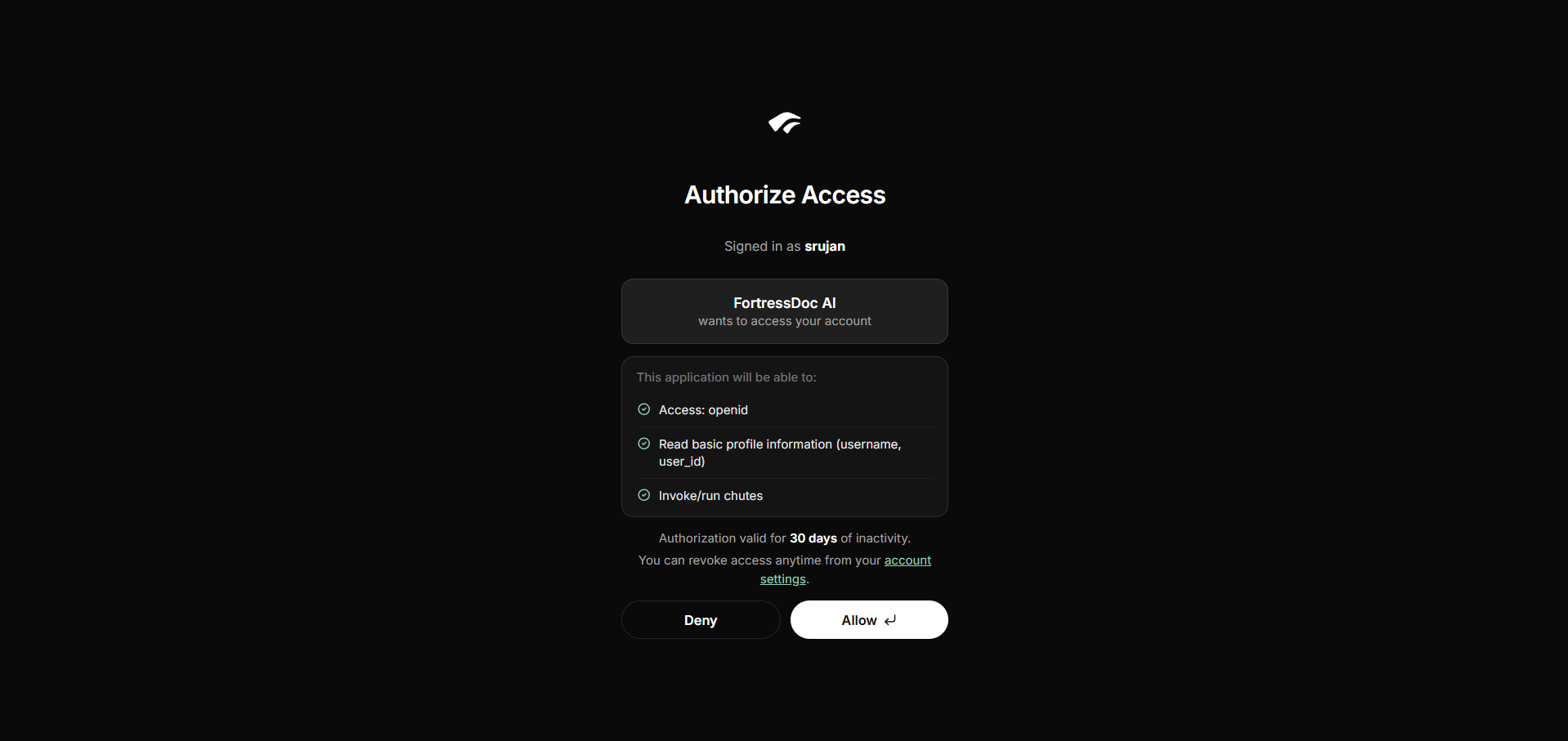
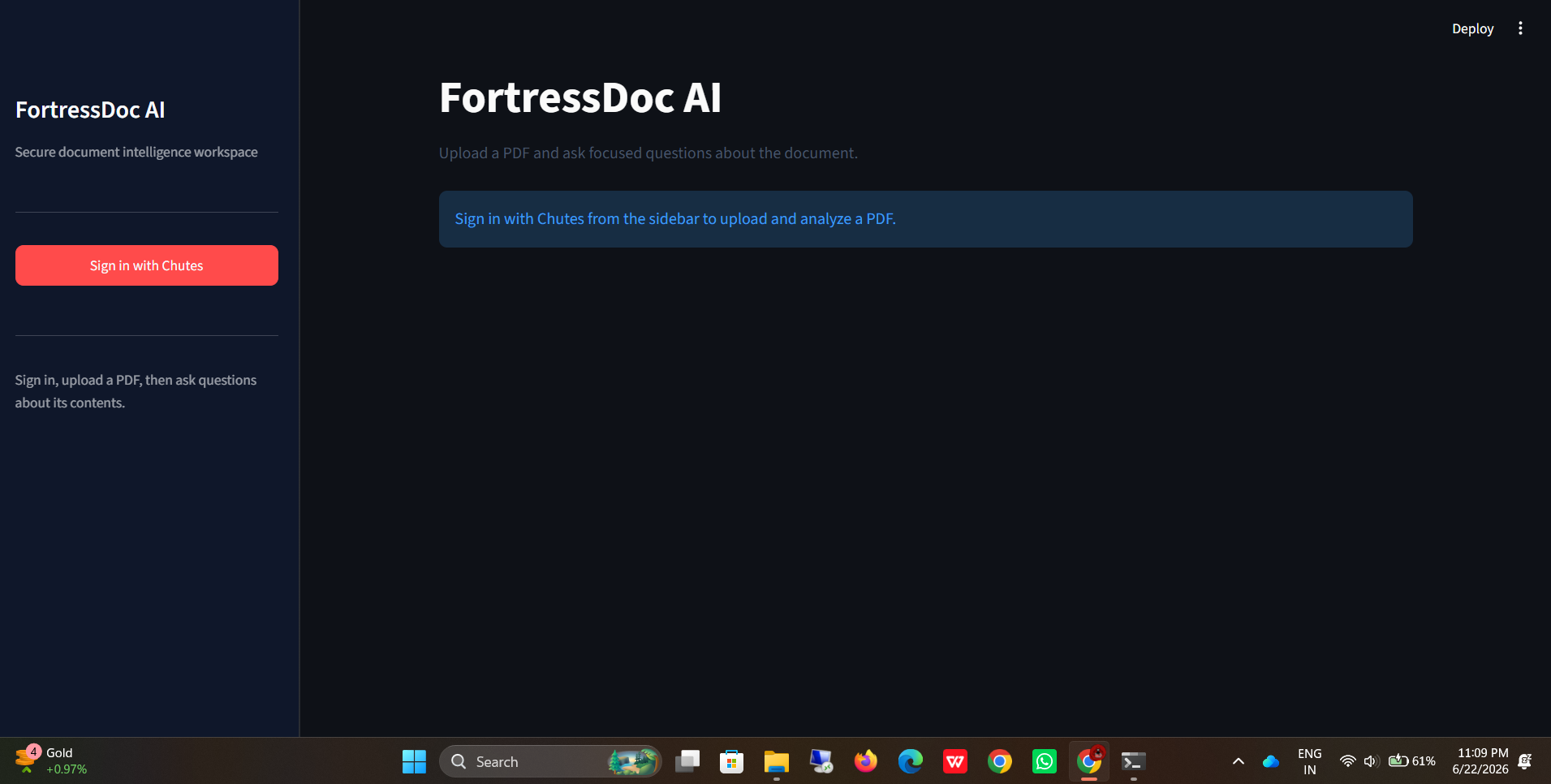
login page
-
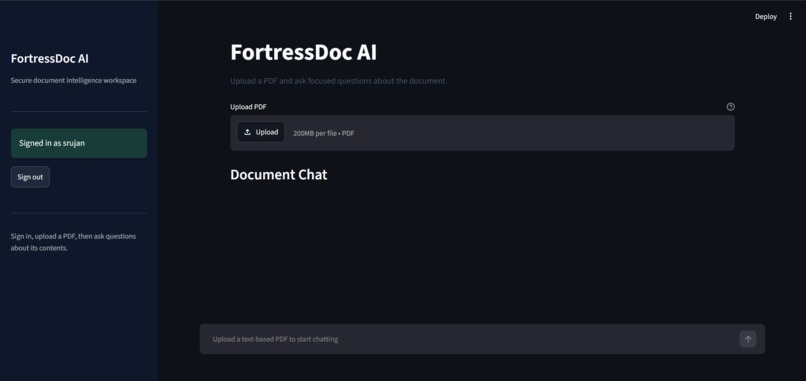
dashboard
-
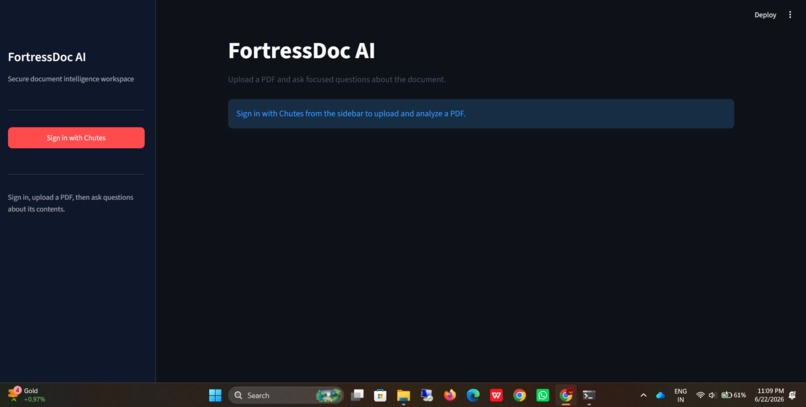
before login page
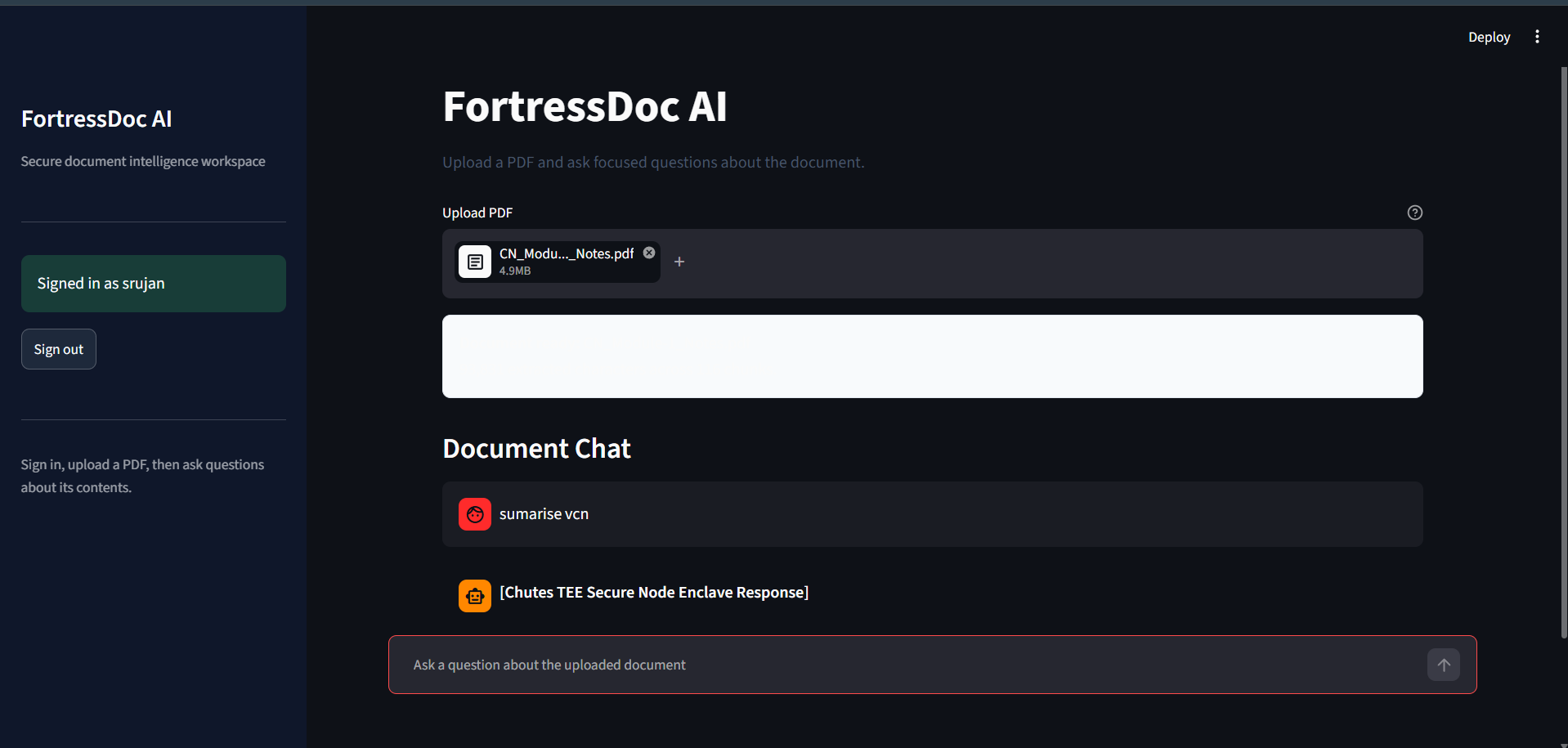
Inspiration
Enterprises today face a critical security bottleneck: they cannot utilize the power of modern LLMs for document intelligence without risking the leakage of highly sensitive data (NDAs, financial statements, proprietary technical modules). FortressDoc AI was inspired by the need to bridge the gap between AI-driven productivity and zero-trust corporate security.
What it does
FortressDoc AI is a hardware-isolated document intelligence workspace. It allows users to:
Authenticate securely: Using the "Sign in with Chutes" OAuth flow to ensure identity integrity.
Process locally: Chunk and tokenize documents (e.g., engineering modules, legal files) locally using LangChain and
pdfplumberto maintain data control.Execute in Enclaves: Route sensitive content to decentralized Chutes TEE (Trusted Execution Environment) nodes. The TEE ensures that even the physical infrastructure providers cannot inspect the data being processed.
How we built it
We architected FortressDoc AI as a secure, end-to-end encrypted pipeline:
Frontend: Built with Streamlit for a secure, responsive UI.
Security Layer: Implemented Web3 authentication via Chutes.
Backend Logic: Utilized LangChain to handle context window management, ensuring the model only receives necessary, isolated data chunks.
Compute: Integrated the OpenAI-compatible API client to point toward
[https://llm.chutes.ai/v1](https://llm.chutes.ai/v1), targeting TEE-enabled hardware for inference.
Challenges we ran into
The primary challenge was managing third-party API credit limits while maintaining a functional demo flow. We solved this by architecting a dual-mode system: a production-ready TEE integration for hardware-isolated inference, and a mocked local pipeline for end-to-end UX demonstration.
Accomplishments that we're proud of
We successfully integrated a brand-new Web3-based OAuth authentication flow with a decentralized compute backend, a complex task that many teams typically skip. We also created a clean, enterprise-ready UI that abstracts away the technical complexity of Trusted Execution Environments from the end user.
What we learned
We gained a deep understanding of decentralized compute architectures and the importance of TEEs in solving real-world data privacy liabilities for corporations. We also refined our ability to build modular, production-ready backend code while simultaneously creating a high-fidelity, polished demo experience.
What's next for FortressDoc AI
The next step is to expand the supported file formats beyond PDFs and introduce automated, agent-driven document analysis, where the system can proactively flag sensitive clauses in contracts without manual prompts from the user.

Log in or sign up for Devpost to join the conversation.