-
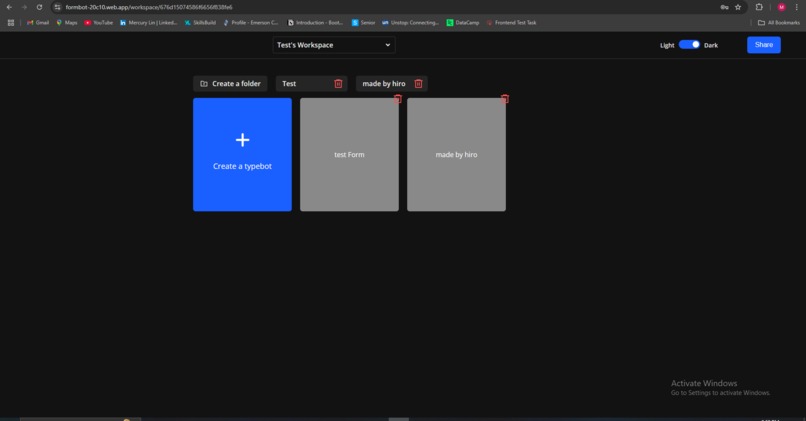
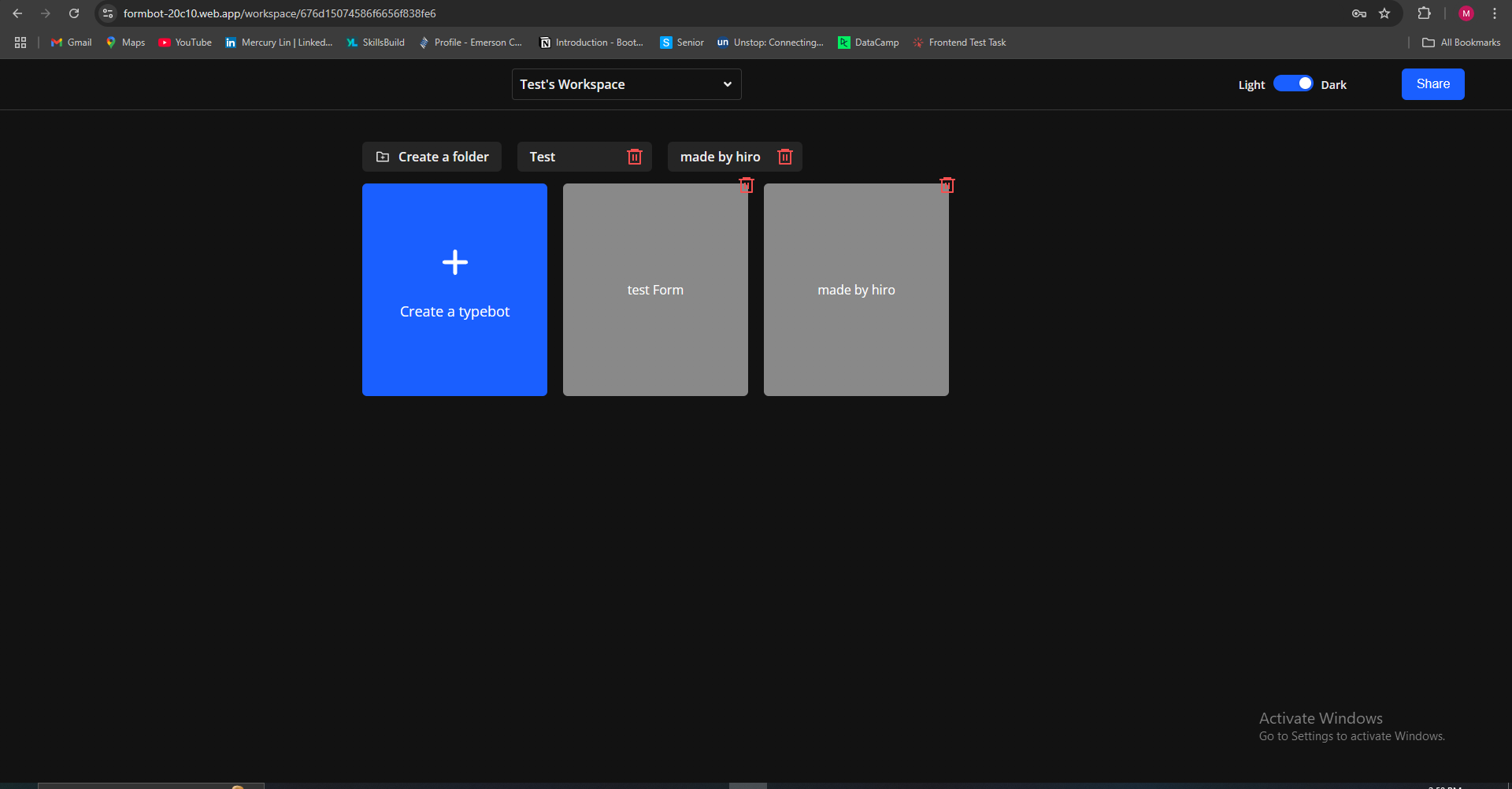
Workspace page
-
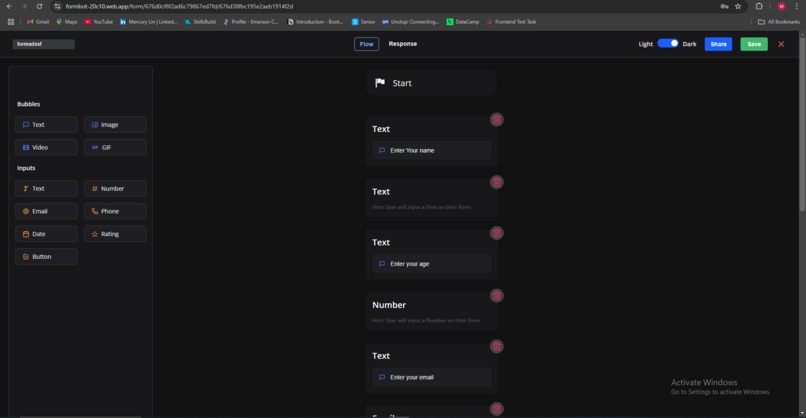
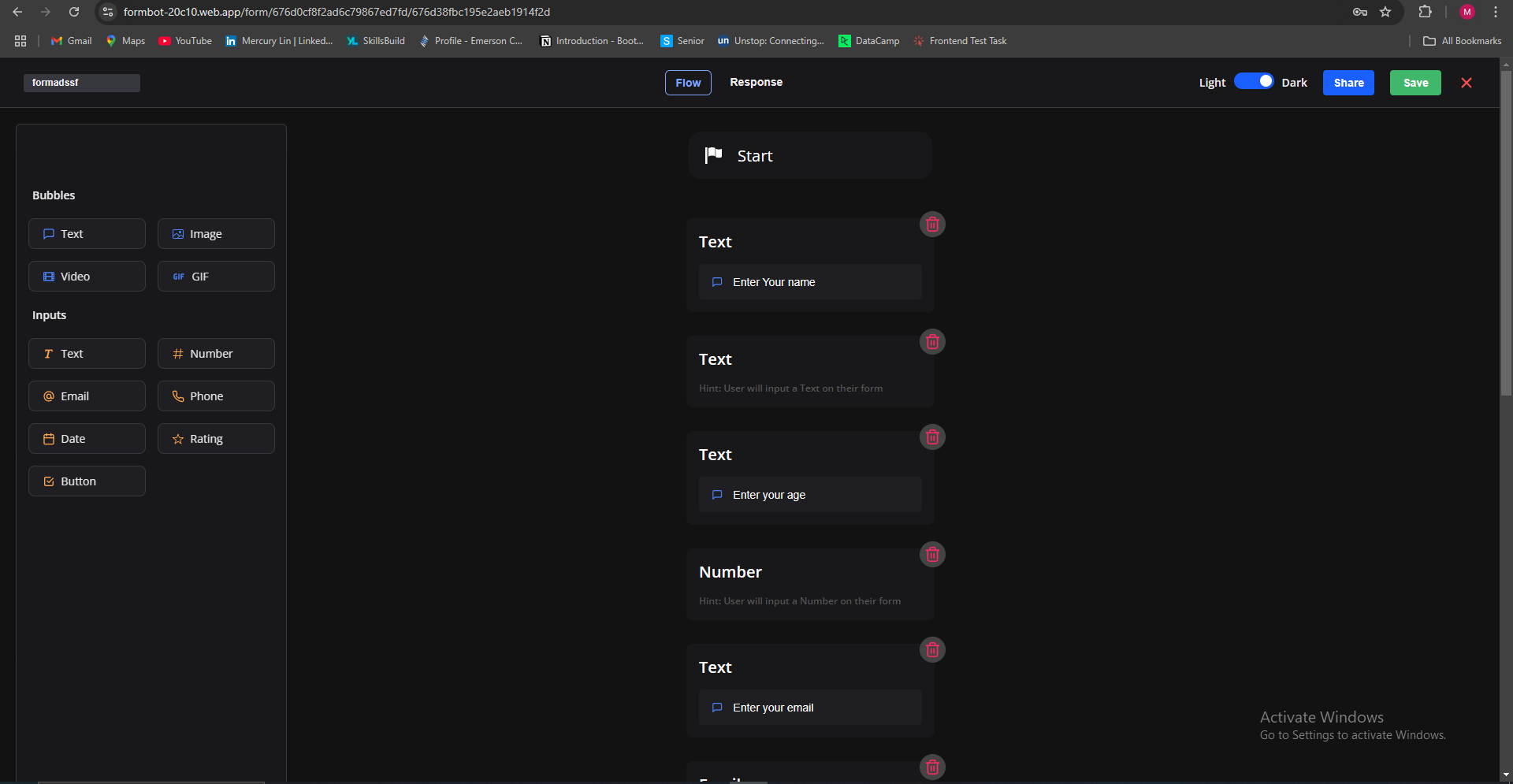
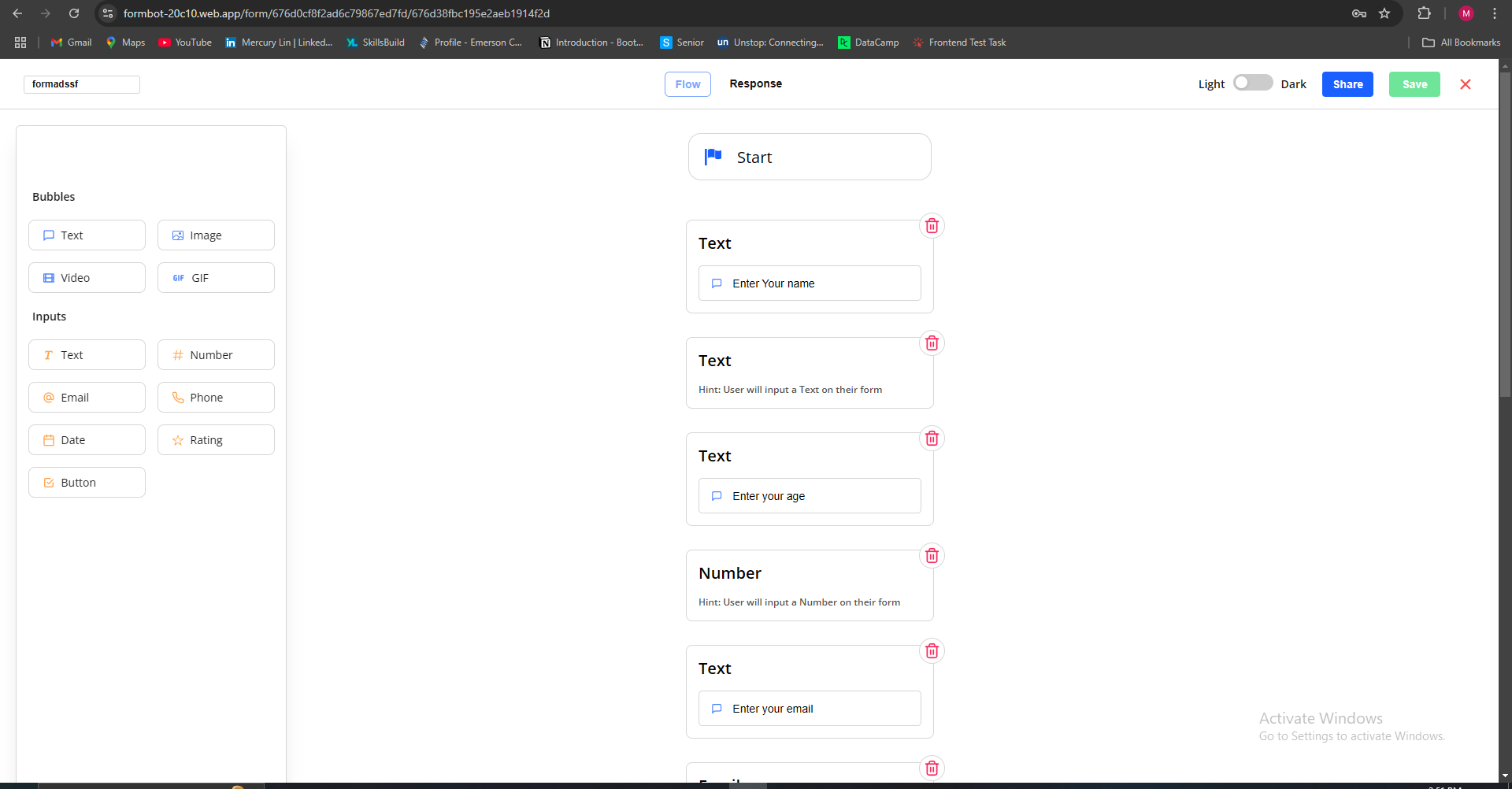
Create form page
-
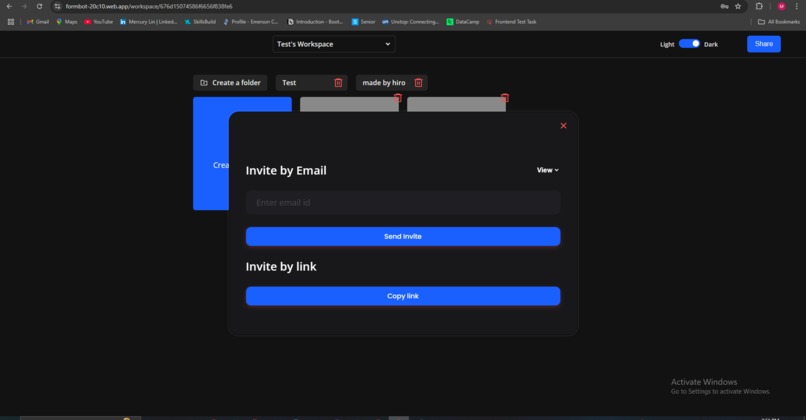
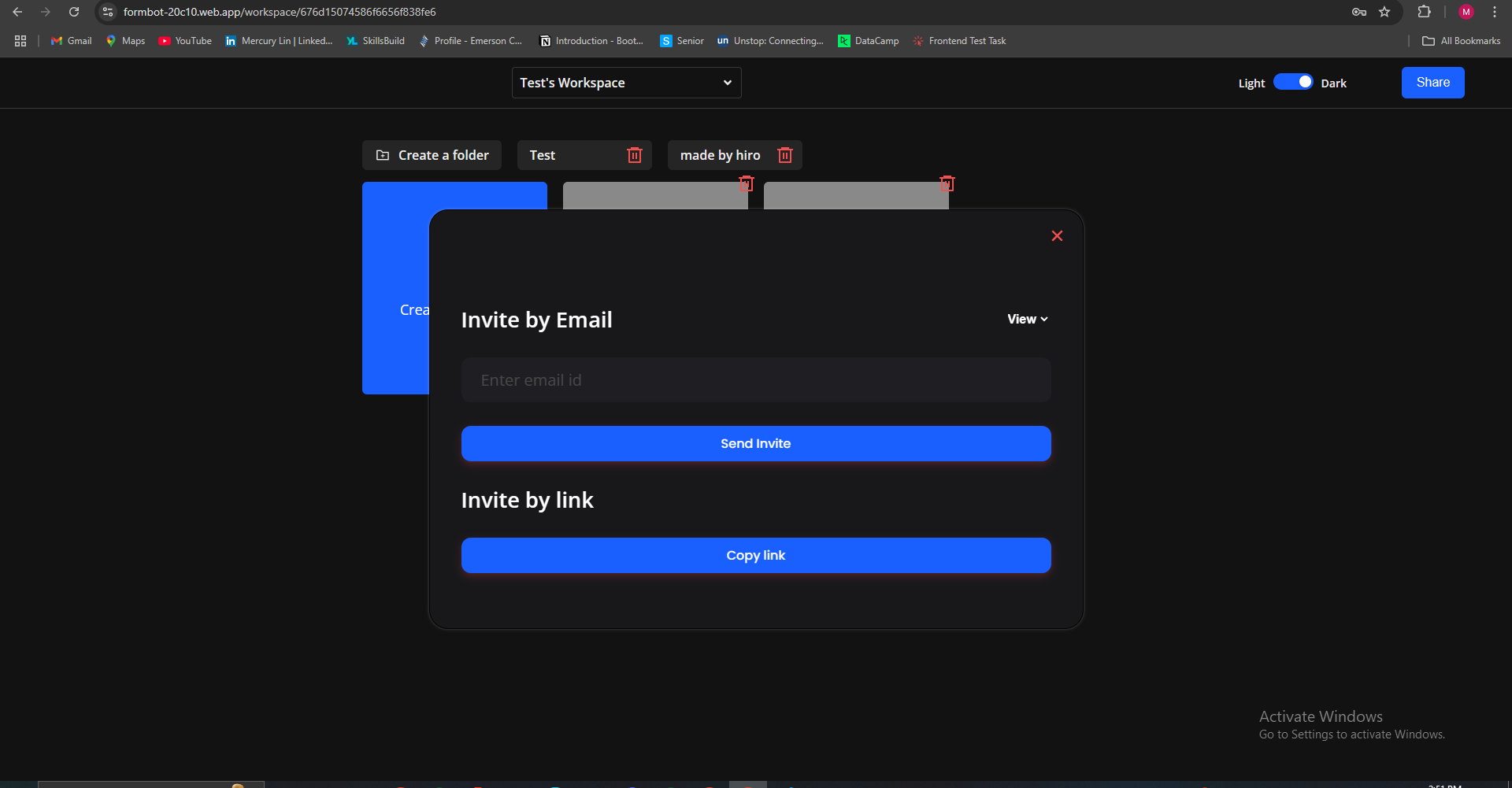
Share Workspace modal
-
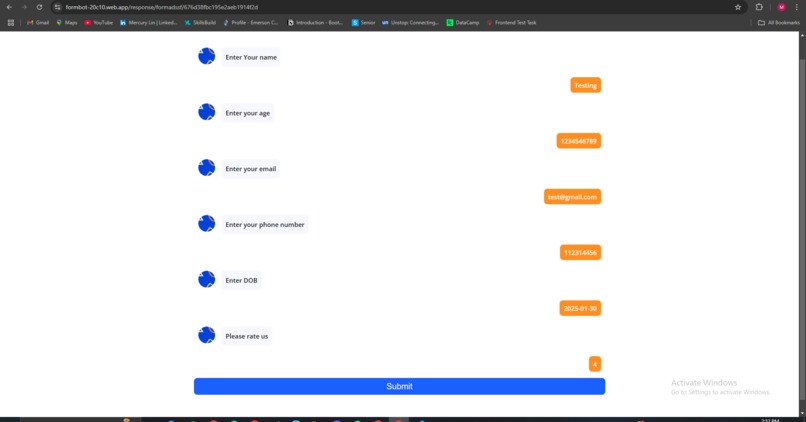
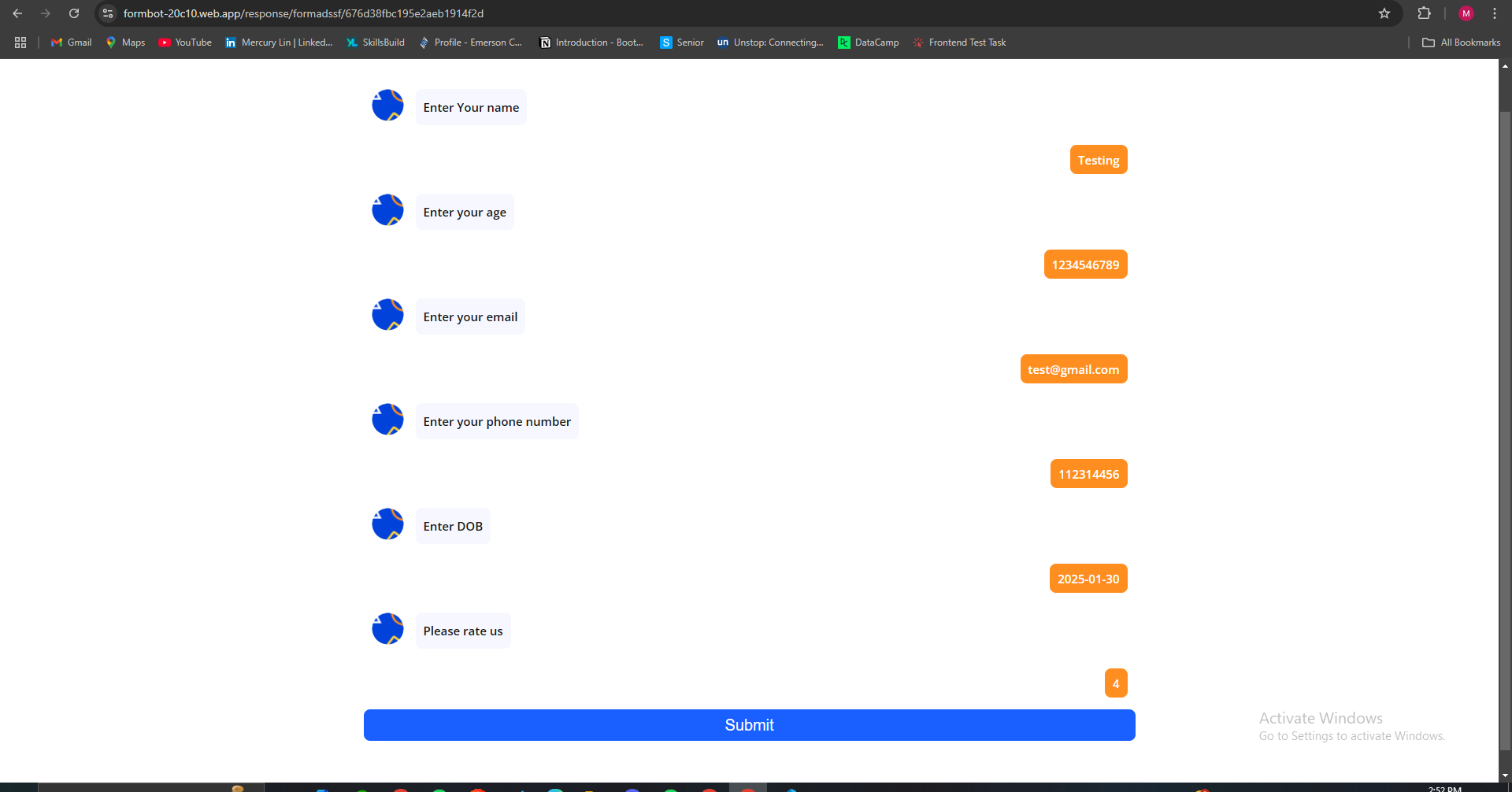
Submit a response page
-
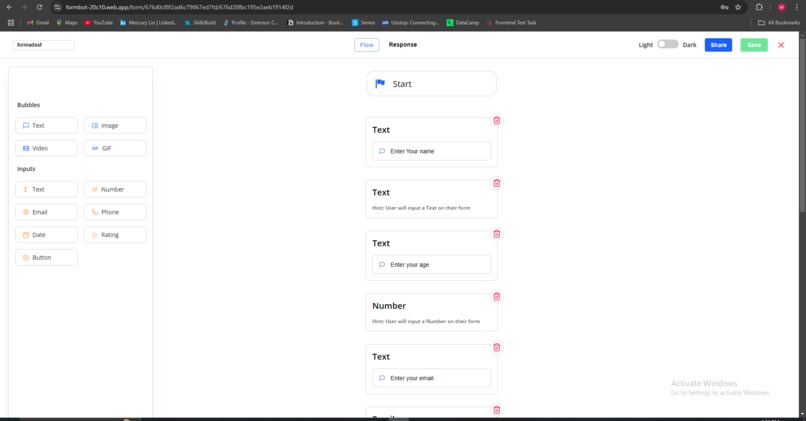
Create Form page in light mode
-
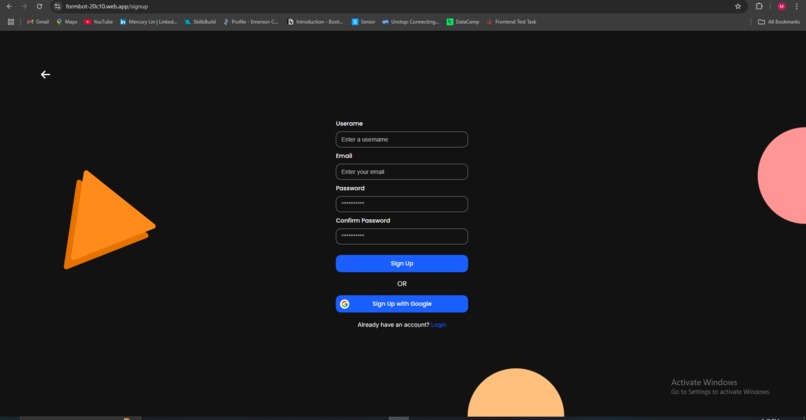
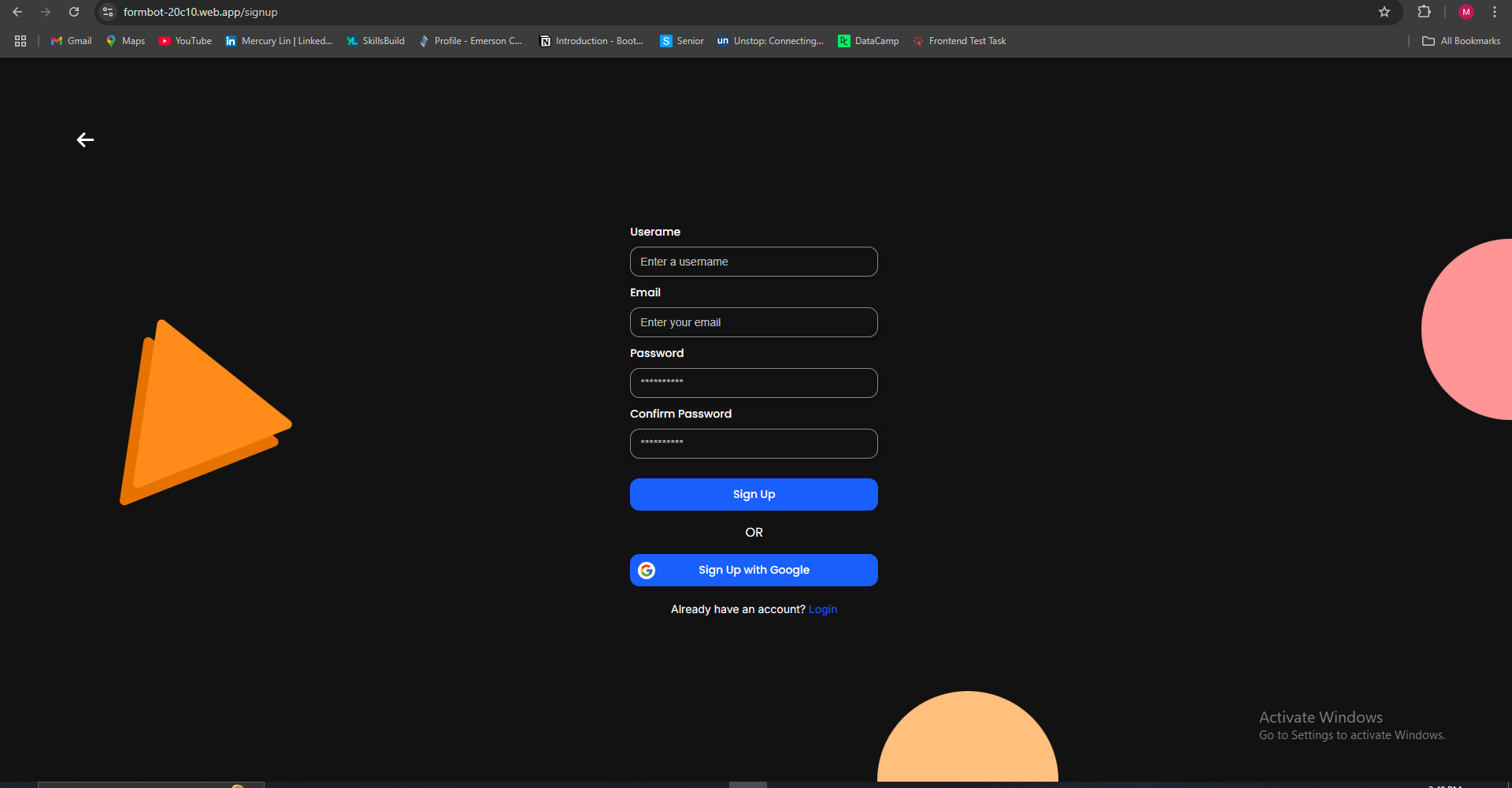
Sign up Page
-
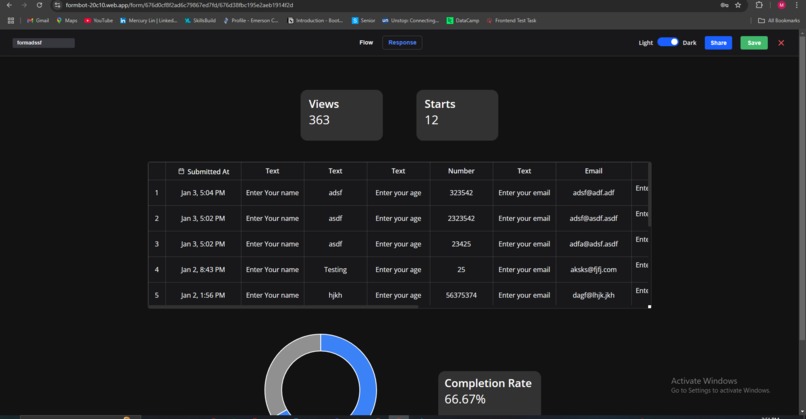
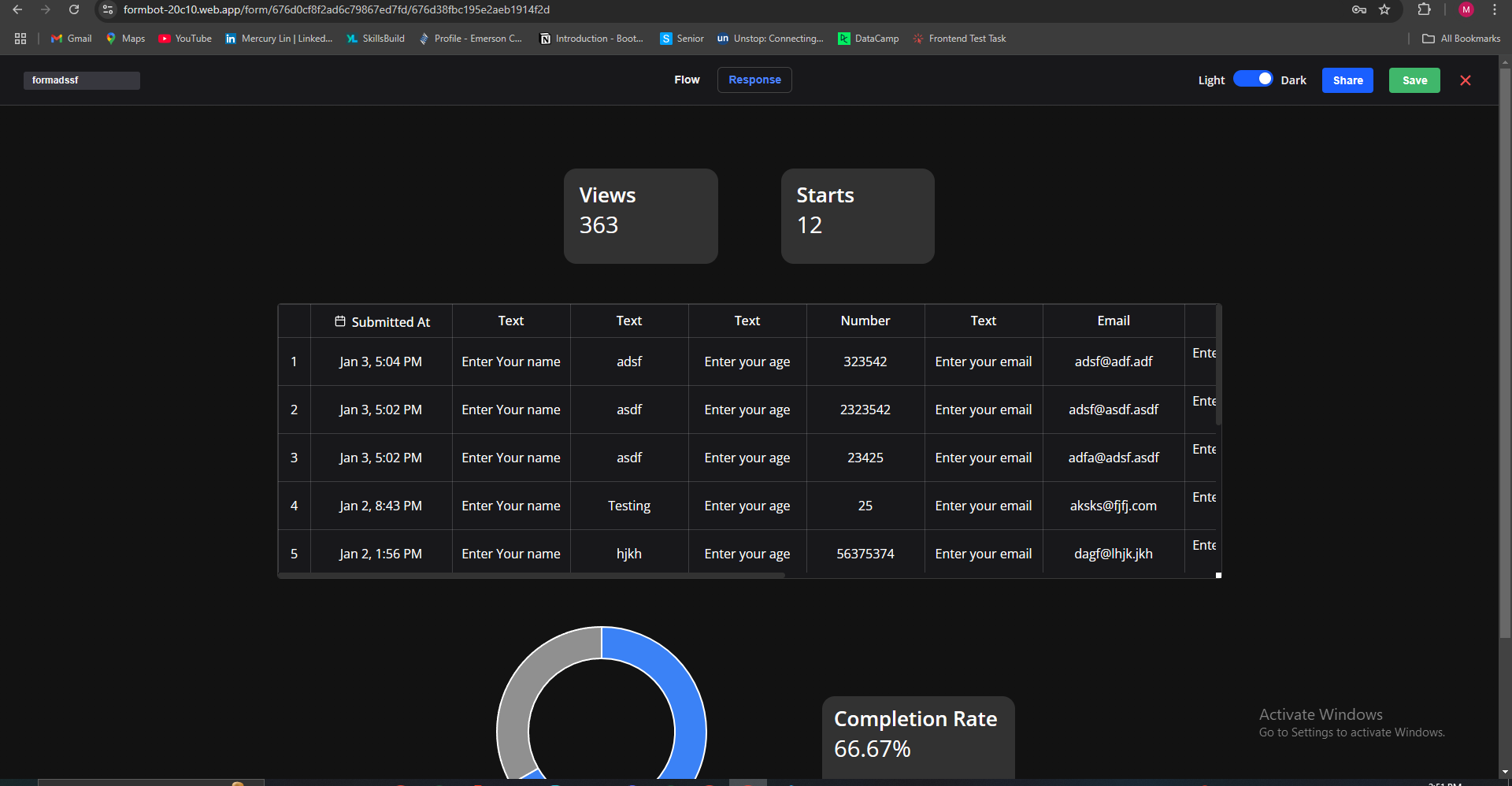
Check responses page
-
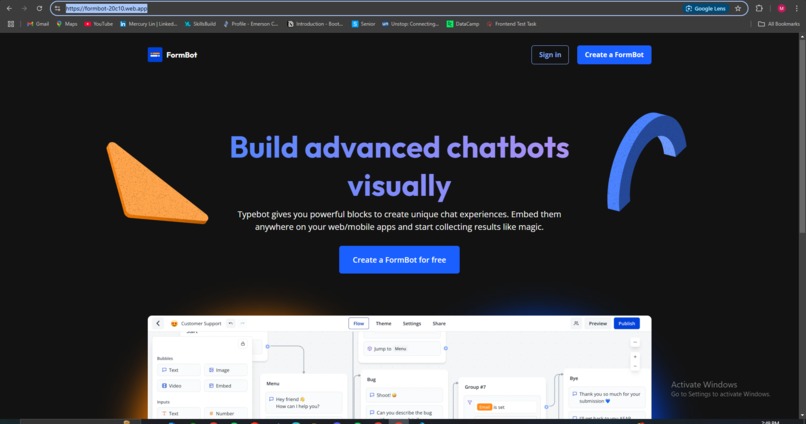
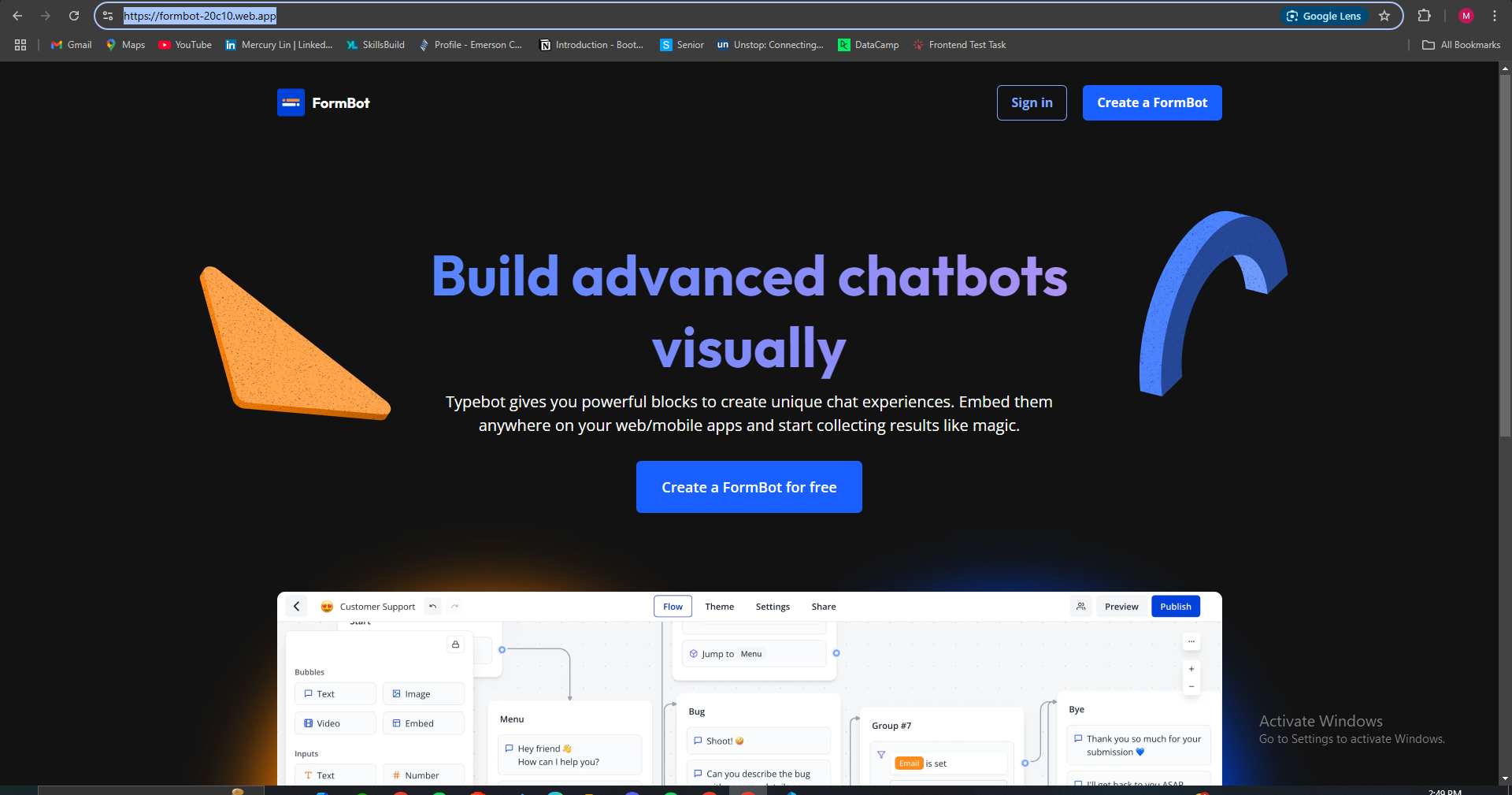
Landing Page
Inspiration
The idea for this project arose from the growing demand for streamlined collaboration tools in workplace environments, where efficient management of tasks, forms, and data collection is crucial. Traditional tools often lack flexibility when it comes to managing and sharing complex forms and responses across teams. I was inspired to build a platform that empowers teams to create, share, and manage workspaces efficiently, allowing multiple users to collaborate on forms and access real-time data.
What I Learned
Throughout this project, I significantly enhanced my skills in full-stack development, especially with the MERN stack. Here’s a breakdown of what I learned:
- Full-Stack Development: Deepened my understanding of how to manage both frontend and backend components in a web application.
- State Management: Leveraged Redux for global state management, which improved my ability to manage complex state across multiple components.
- Authentication & Authorization: Implemented JWT-based authentication and role-based access control for secure access to shared workspaces.
- Optimized API Interaction: Improved my backend request handling, using debouncing techniques to minimize unnecessary API calls.
- Error Handling: Gained experience handling errors and edge cases, especially during form submissions and data retrieval.
- UI/UX Design: Focused on building a user-friendly interface, especially for workspace navigation and form management.
How I Built the Project
This project was built using the MERN stack:
Backend:
Built with Express and MongoDB, the backend handles user authentication, form submissions, and workspace management. I used JWT tokens for secure authentication and built a RESTful API to manage the data.Frontend:
The frontend, built with React and Redux, handles user interaction with forms and workspaces. I implemented React Router for navigation and dynamic input fields for creating and managing forms.Form Creation & Sharing:
Users can create complex forms with different input types and share them across teams. Permissions are managed to restrict or allow access based on user roles.Real-Time Responses & Data Handling:
Implemented real-time response handling for form submissions, ensuring users can view the latest responses and interact with forms efficiently.
Challenges I Faced
Building a collaborative platform with real-time form management came with several challenges:
State Synchronization: Managing synchronization of state across different components and users required careful management of Redux state to avoid inconsistencies.
Role-Based Access Control: Implementing and managing access control based on user roles was a challenge, as it required secure handling of authentication tokens and permissions.
Debouncing & Real-Time Updates: Handling form submissions and updates in real time without overwhelming the server involved using debouncing to limit API requests.
UI Responsiveness: Designing a responsive user interface that worked well across different devices was tricky, requiring attention to layout and structure to maintain a consistent experience.


Log in or sign up for Devpost to join the conversation.