-
-
Forget Me Not - Project Thumbnail
-
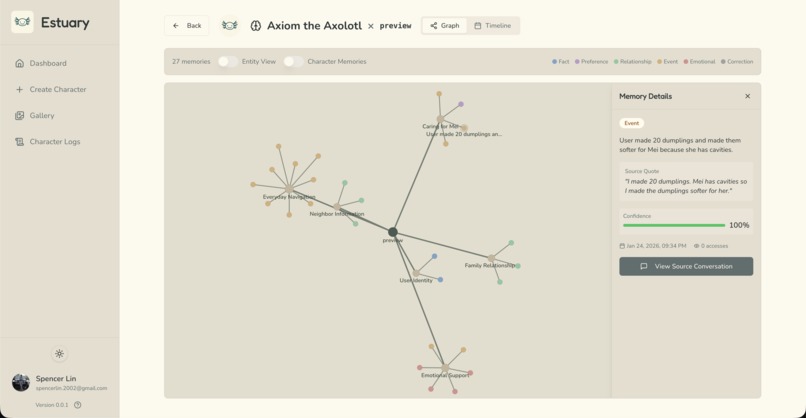
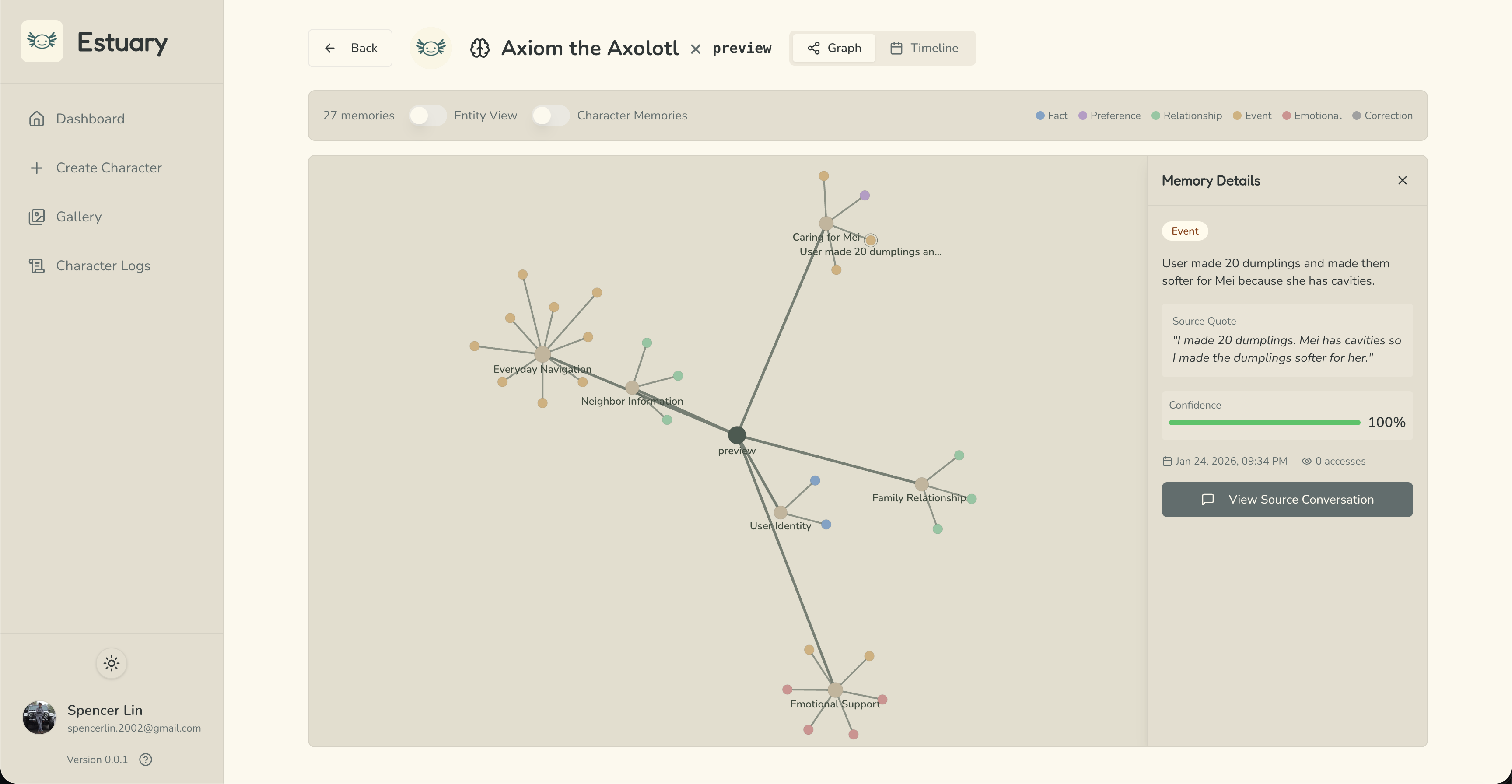
Estuary memory graph of the agent's interactions with its user
-
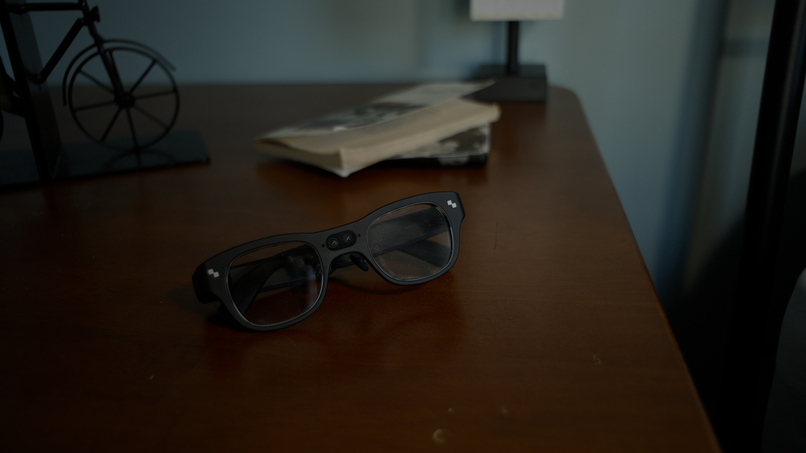
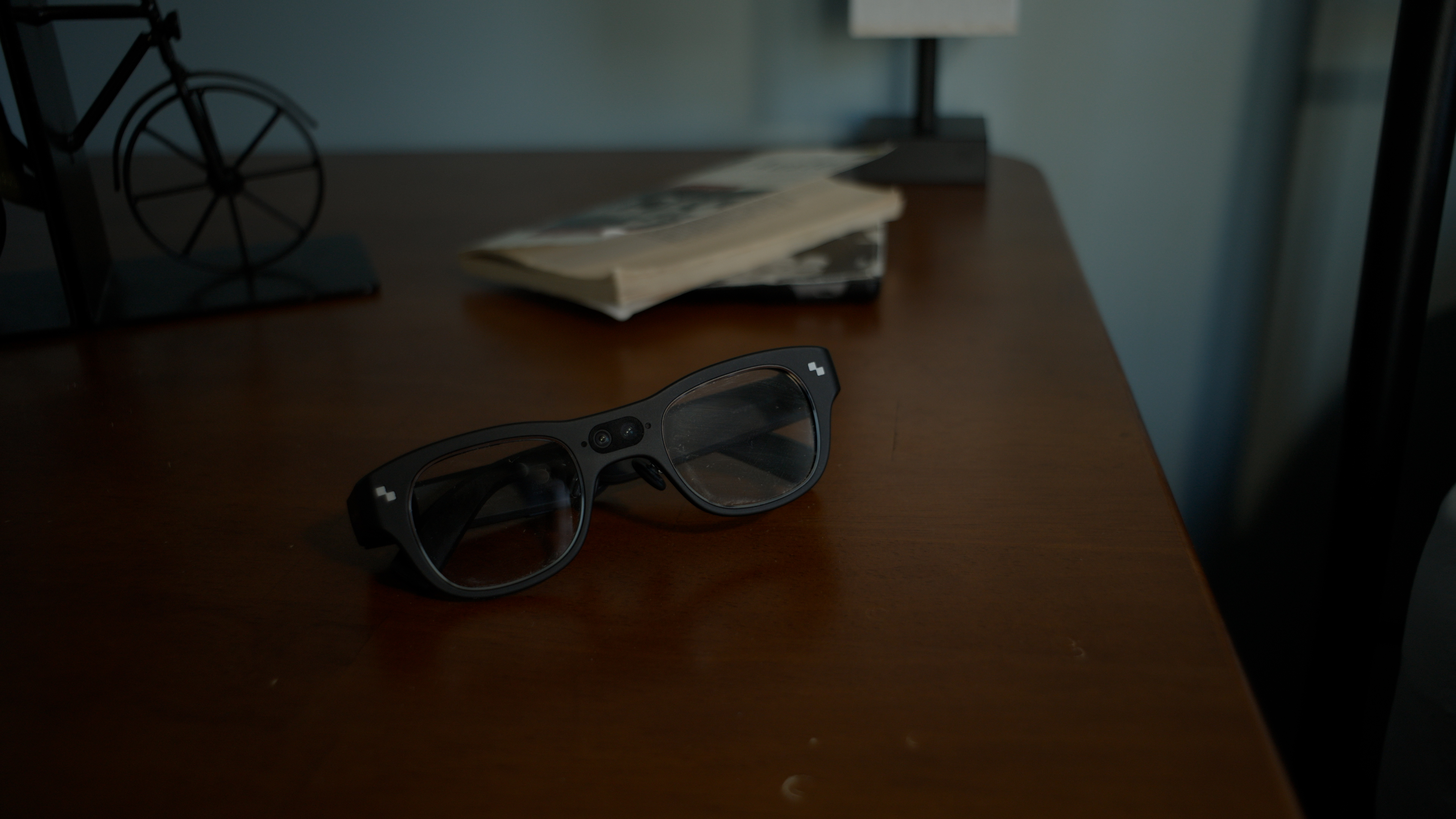
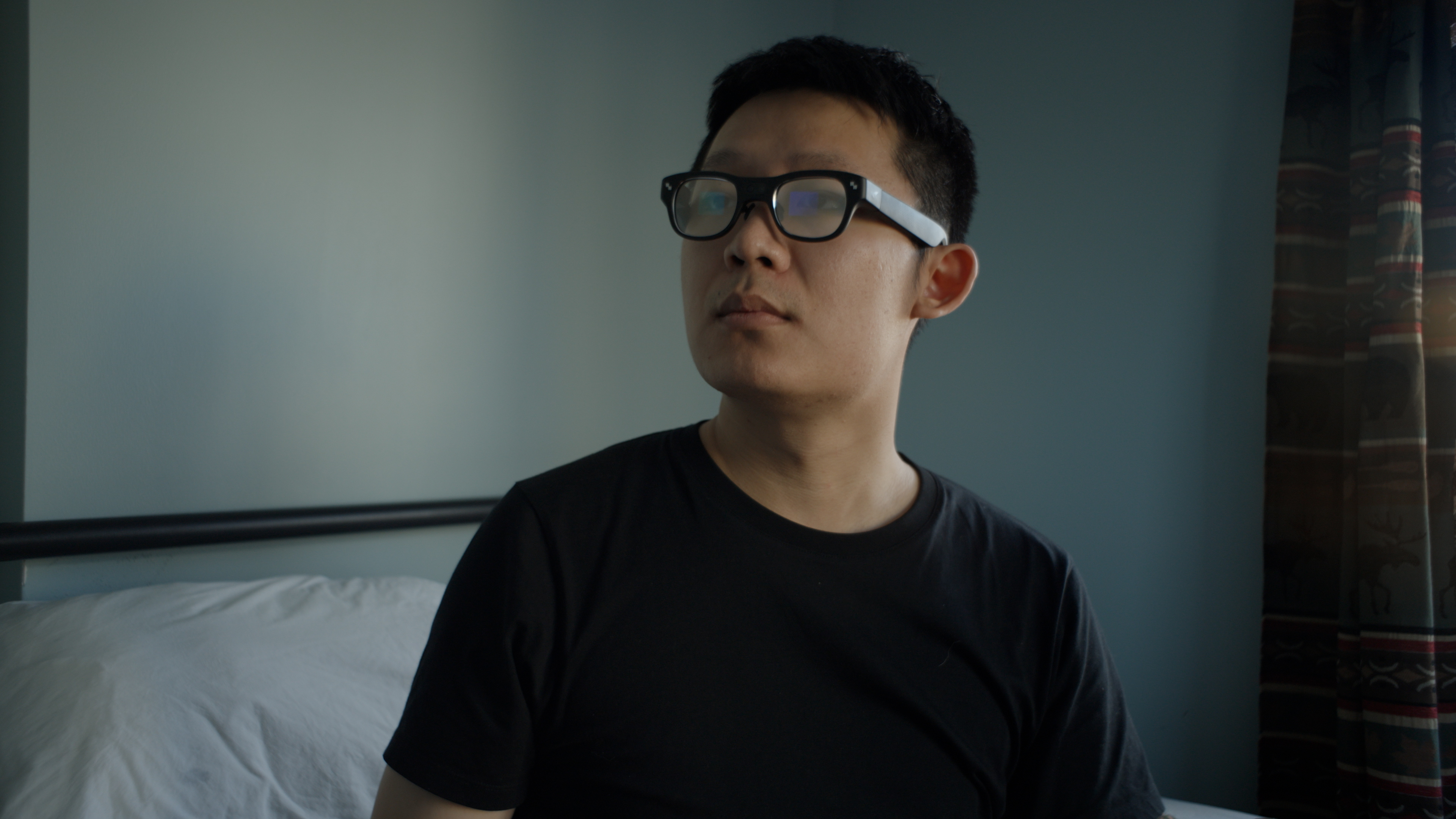
RayNeo X3 Pro Smart Glasses
-
-
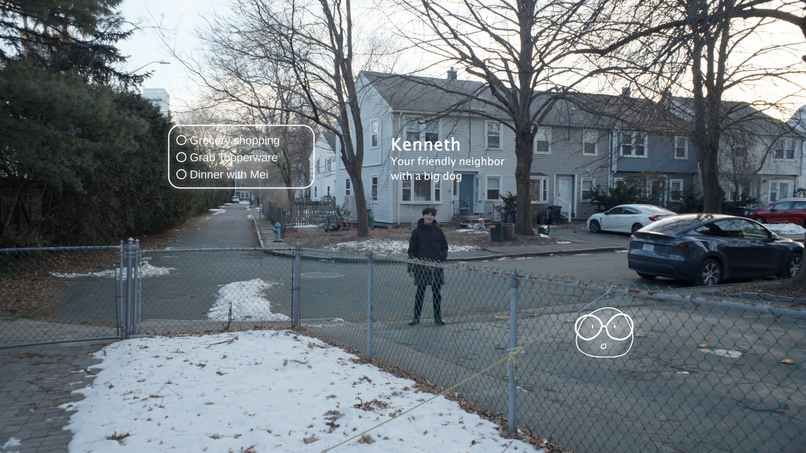
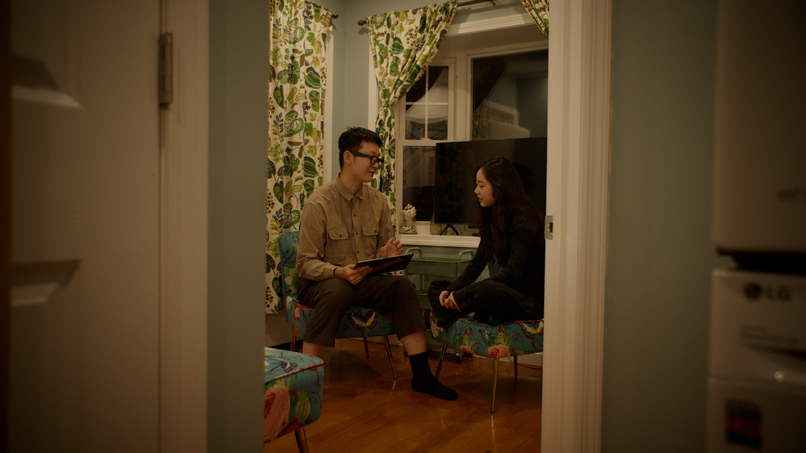
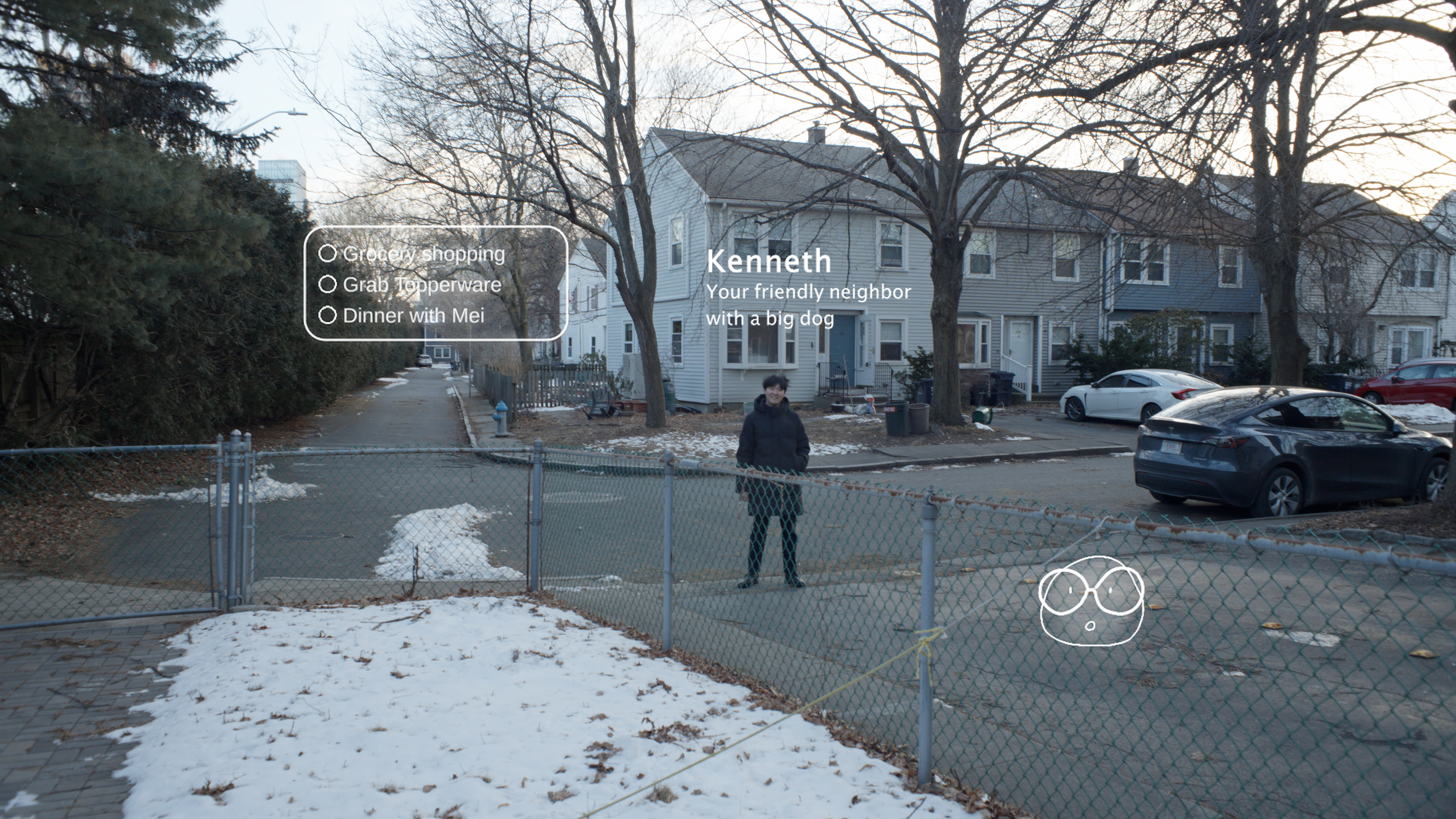
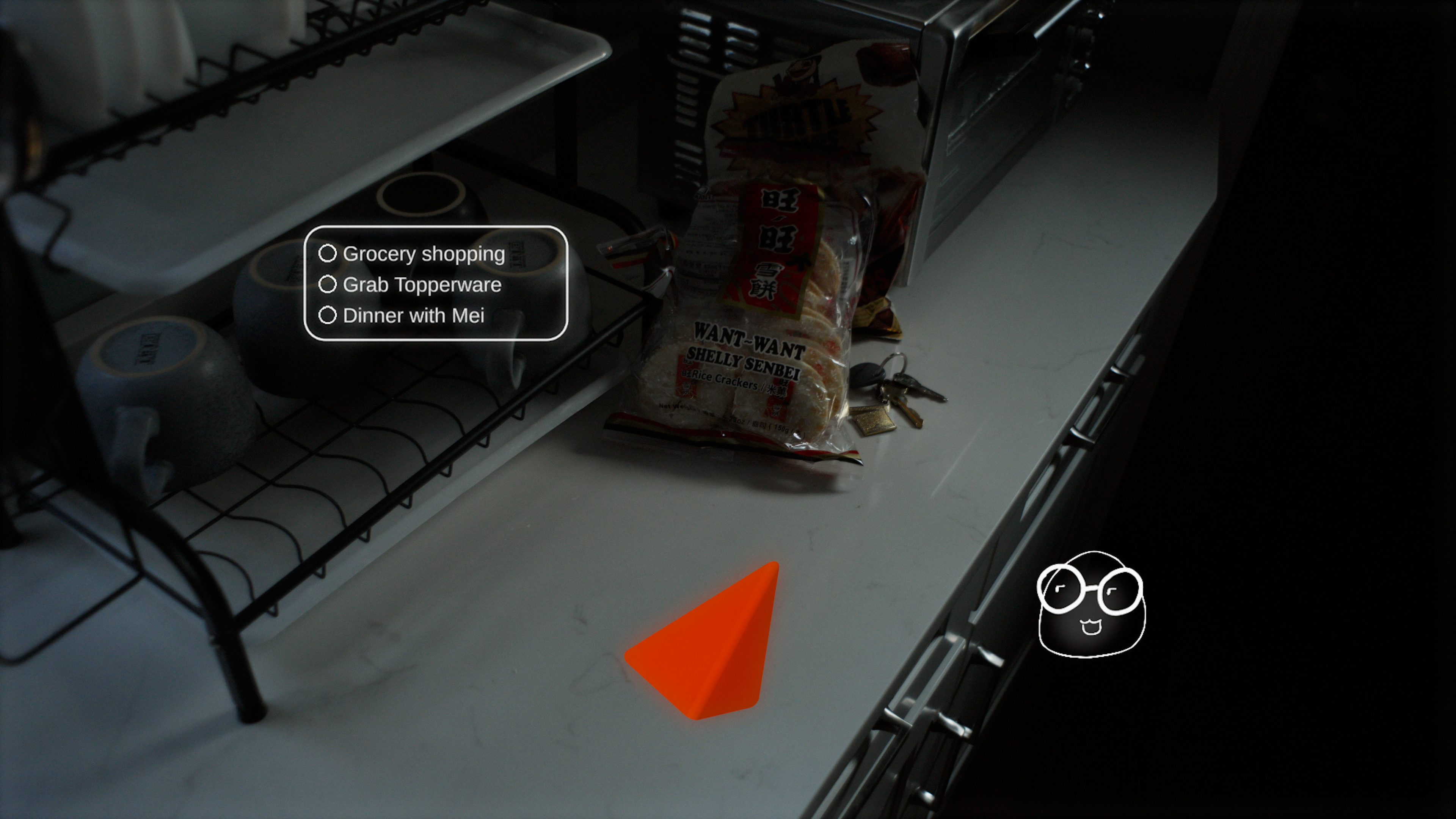
Face Detect and Context Aware AI To-Do List visual demonstration
-
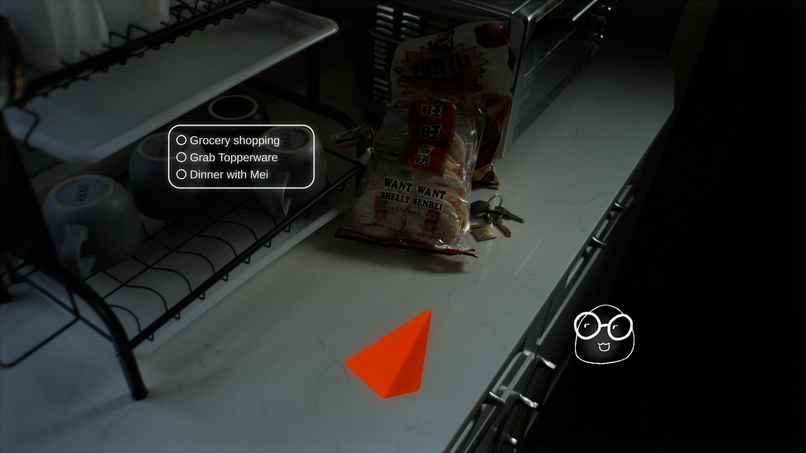
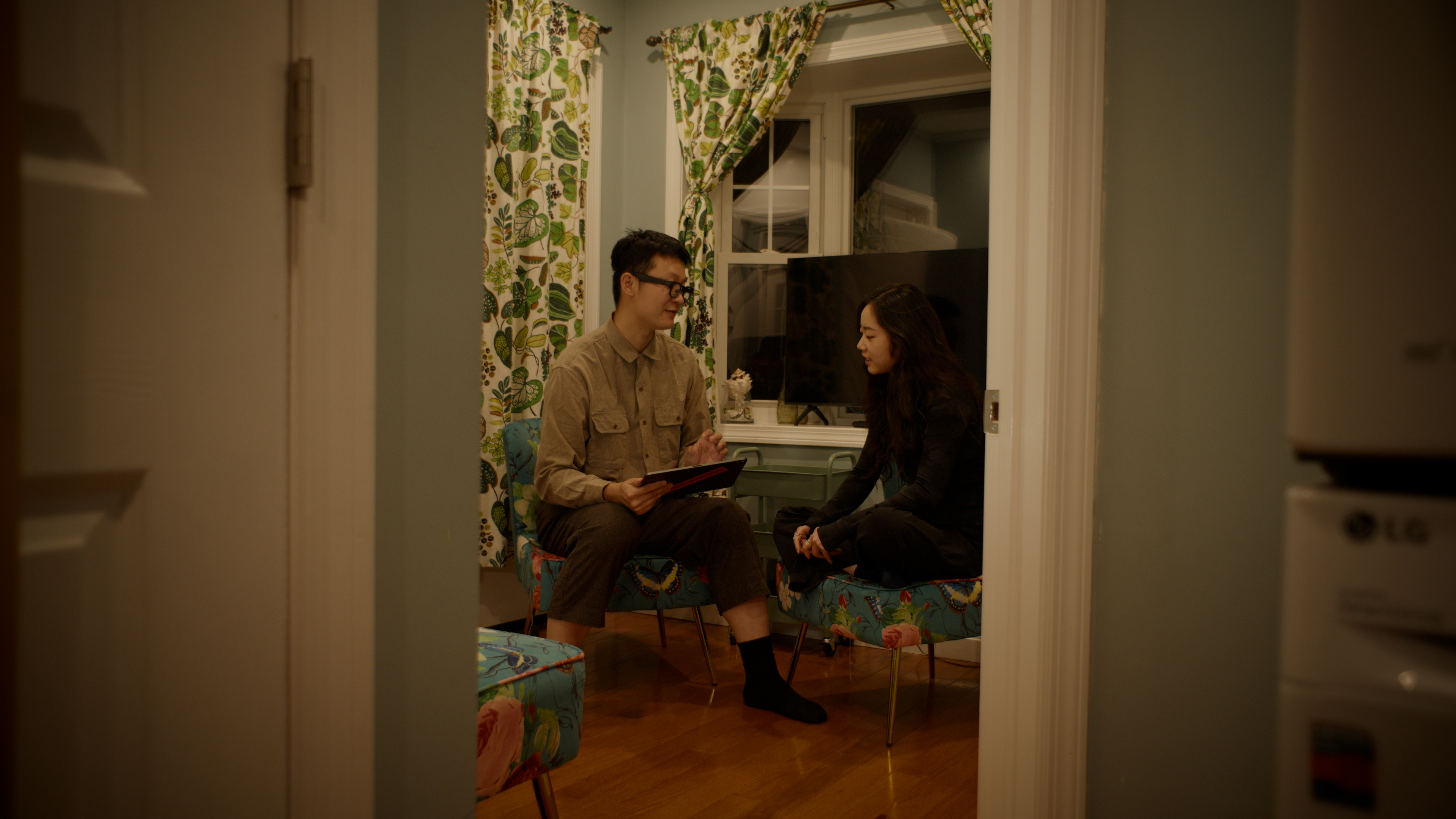
Lost and Found feature demonstration
-
Inspiration
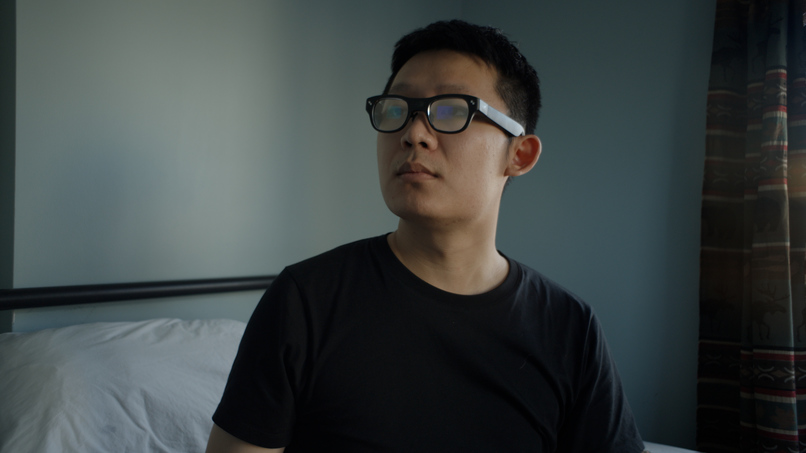
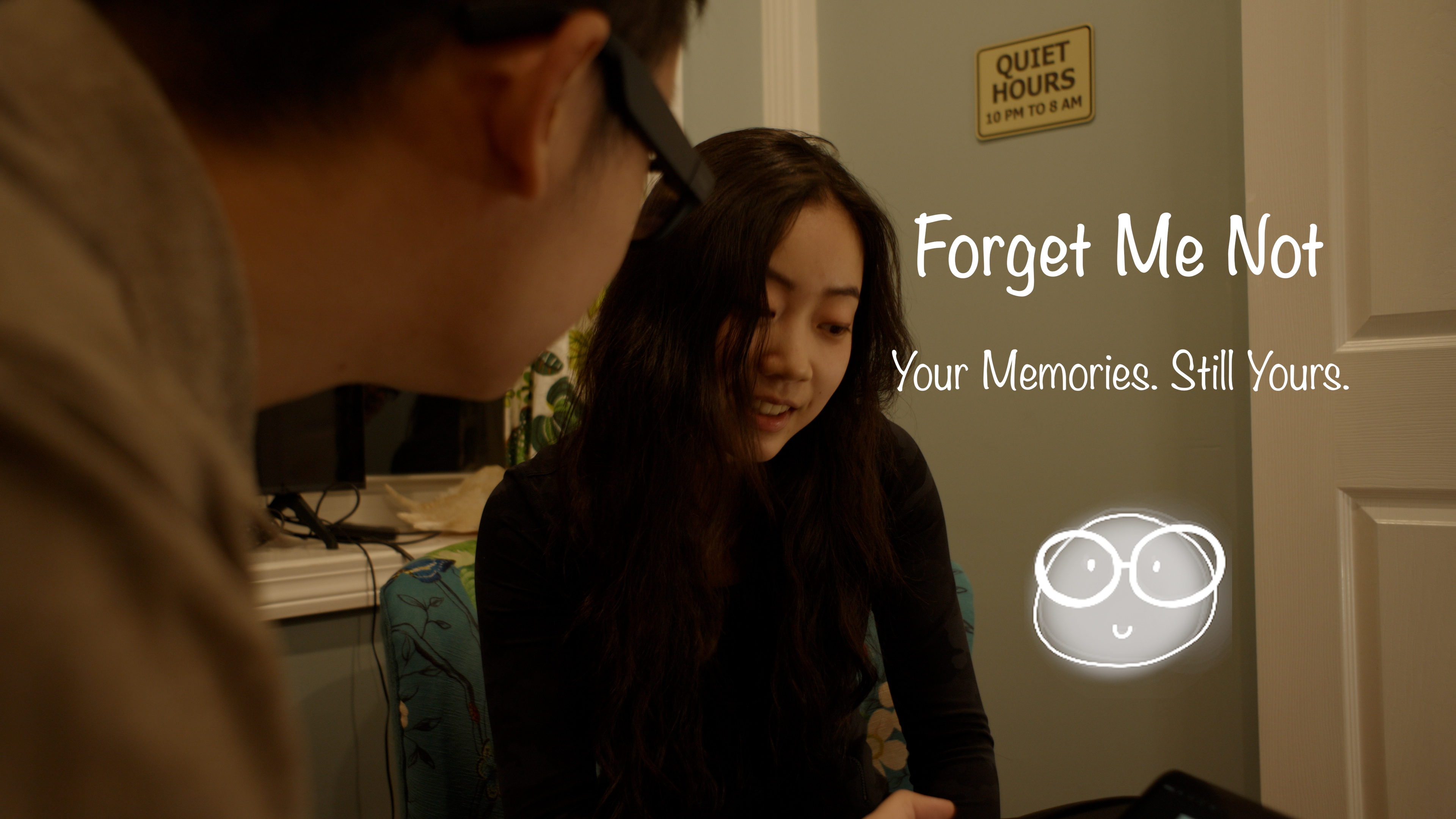
This project grew out of personal experiences caring for family members with memory loss. We witnessed firsthand how cognitive decline can affect independence, dignity, and family relationships.
By 2050, the number of people living with Alzheimer’s disease is projected to reach 150 million worldwide. Our design is informed by current research and behavioral understanding of neurodegenerative conditions.
While much of today’s AI focuses on improving productivity, we believe AI can also empower our grandparents and loved ones to live fuller, more independent lives.
What it does
Forget Me Not is a memory assistant app designed for lightweight XR glasses. It uses conversational AI to provide subtle, non-intrusive support with minimal user effort.
The system focuses on four everyday needs:
- Recognizing important people
- Remembering daily tasks and moments
- Finding misplaced items
- Guiding the user back home
Information appears only when it’s needed, keeping interactions calm and unobtrusive. By prioritizing agency and autonomy, Forget Me Not helps users navigate their day with greater confidence.
How we built it
We built Forget Me Not for the RayNeo X3 Pro smart glasses. Their stereo displays, 6DoF tracking, and lightweight design make them well suited for daily use.
We used Estuary to create our conversational AI agent. The platform provides an XR-first AI character system with a world model that maintains persistent awareness of the user and their surroundings.
For facial recognition, we deployed lightweight on-device computer vision models, enabling reliable performance while keeping user data private.
Challenges we ran into
Working with early-stage hardware meant dealing with limited onboard compute and tooling. Optimizing computer vision and AI systems to run smoothly on lightweight glasses required constant iteration and trade-offs.
Accomplishments that we're proud of
We’re proud that we were able to bring together computer vision, conversational AI, and wearable XR into a working prototype within a short hackathon timeframe — all while navigating a snowstorm.
What we learned
Through this project we gained a deeper understanding of:
- Deploying computer vision models such as face detection on constrained devices
- Building world-aware AI systems
- Designing interactions specifically for smart glasses, which differ significantly from traditional XR headsets
What's next for Forget Me Not
Next, we plan to move beyond a prototype and begin testing with clinicians, caregivers, and people living with memory impairments. Our focus will be improving robustness, personalization, and on-device performance while maintaining a privacy-first approach.
We also want to explore deployment across different hardware configurations — monocular and binocular displays, monochrome and color systems, and devices with or without cameras — to improve accessibility and scalability.
Long term, this platform could extend beyond Alzheimer’s care into broader cognitive support, accessibility, and aging-in-place applications. Our goal is to evolve this hackathon project into a practical companion people can rely on every day.
We’re excited to collaborate with eyewear companies and partners to help build technology that truly cares.
Built With
- c#
- deepgram
- elevenlabs
- estuary
- livekit
- openai
- python
- socket.io
- typescript
- unity


Log in or sign up for Devpost to join the conversation.