-
-

icon
-
icon 1024px x 1024px uncropped
-
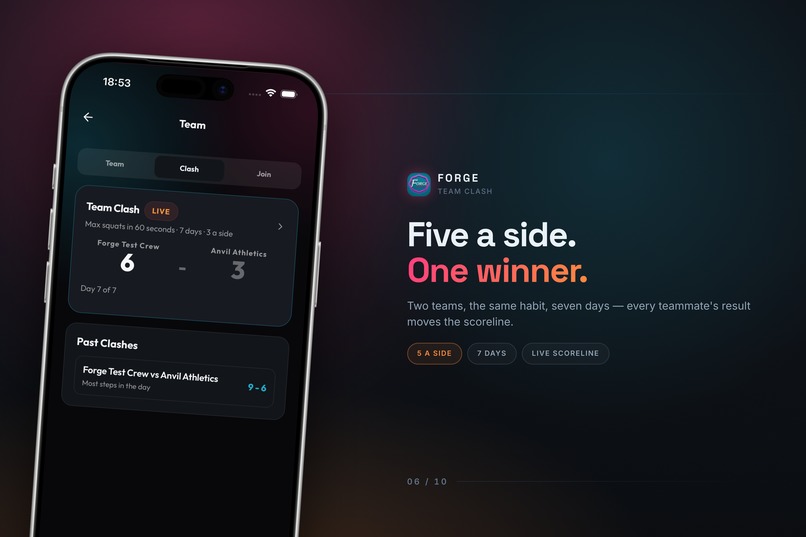
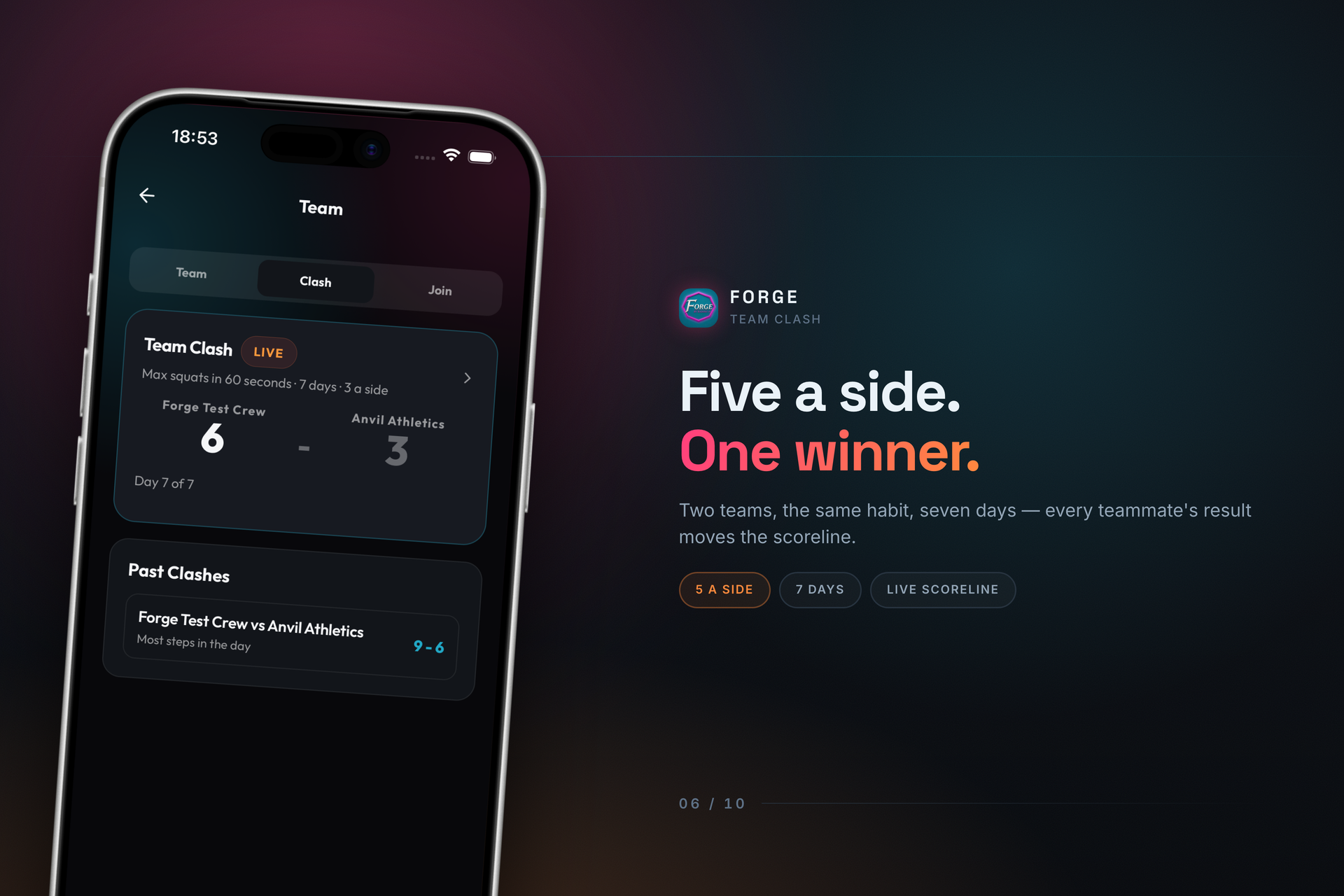
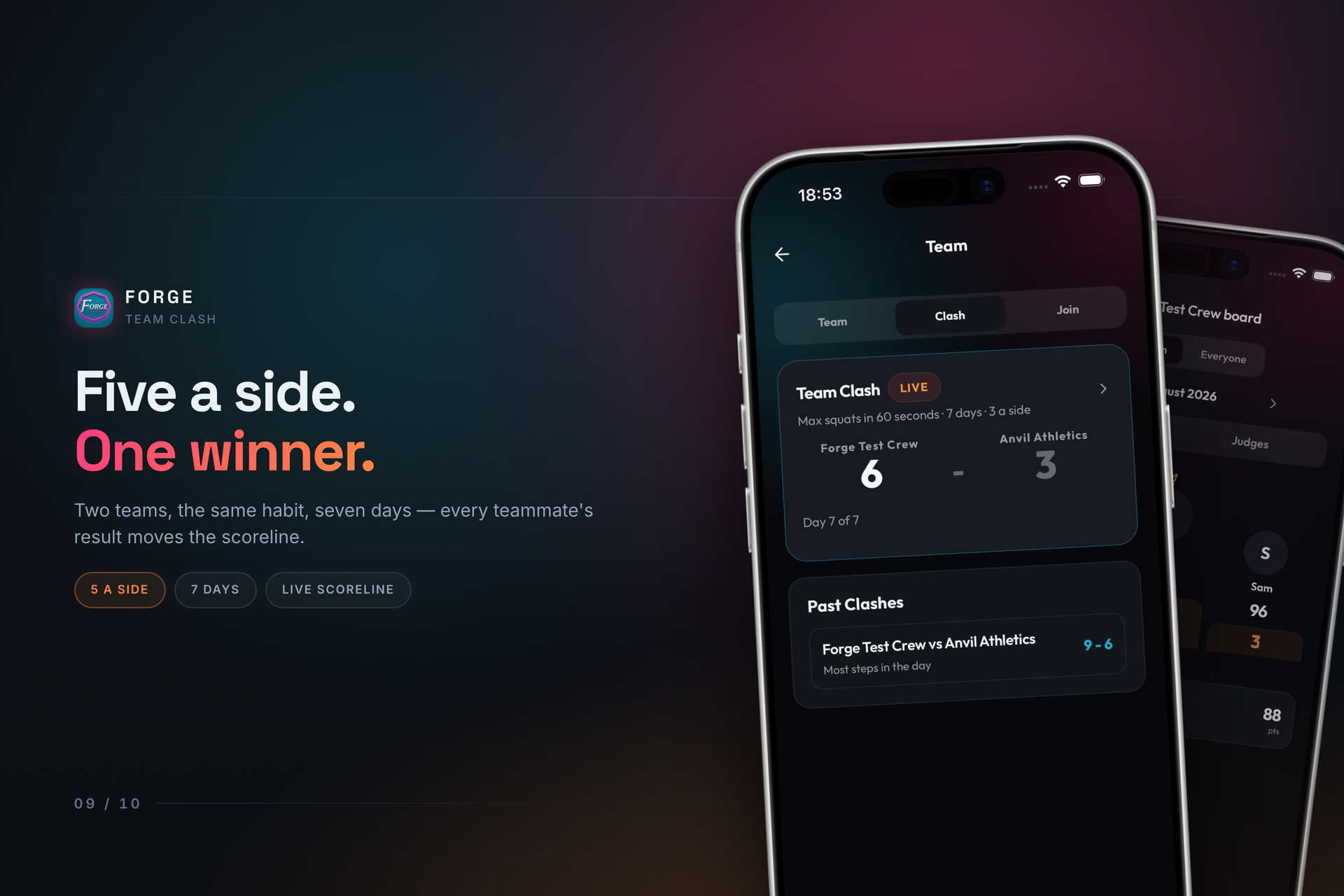
Two teams, one habit, seven days — every teammate moves the scoreline.
-
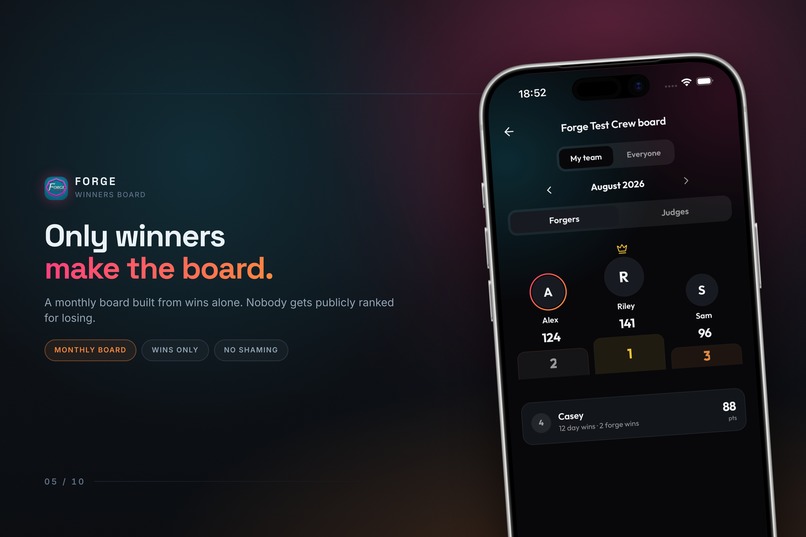
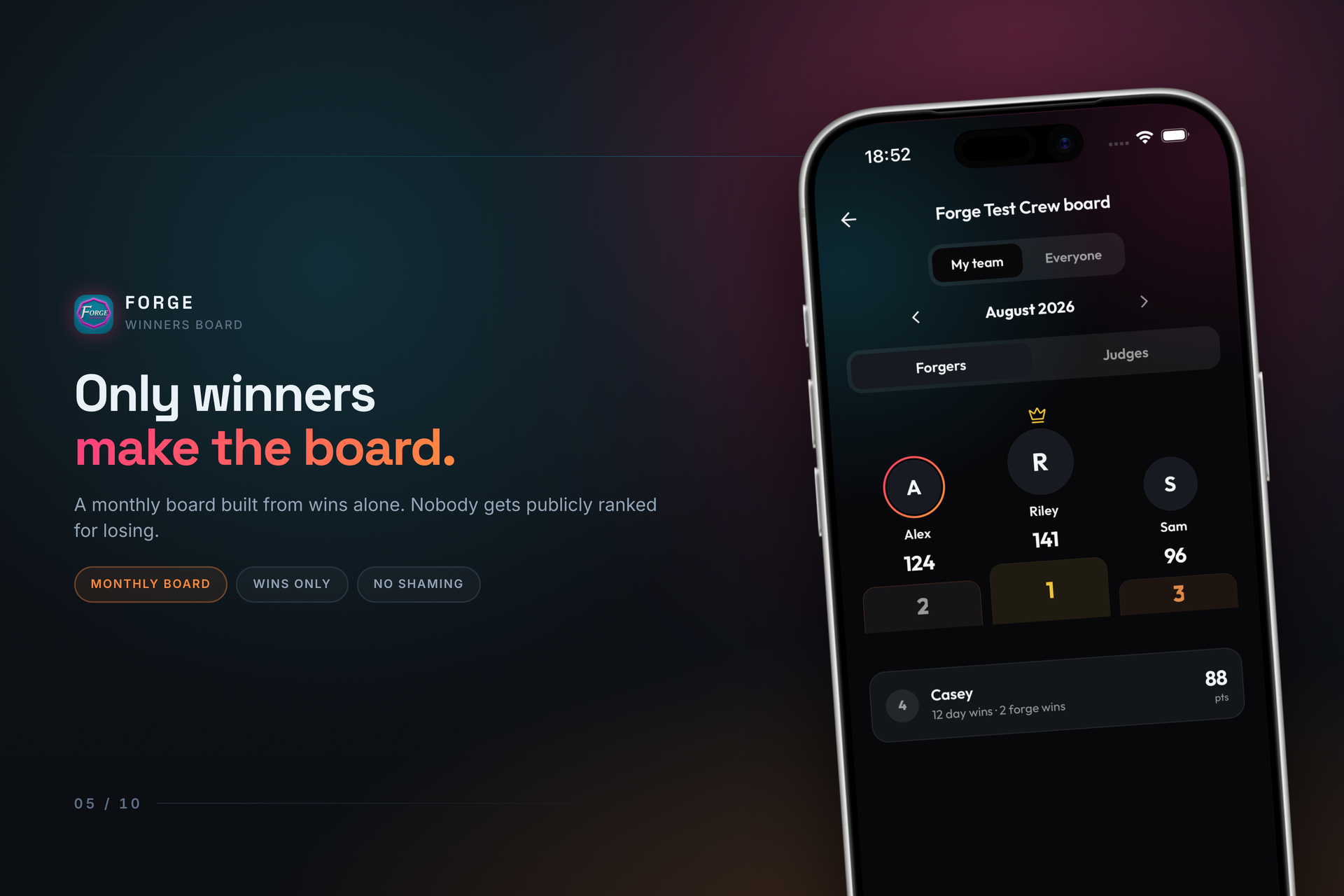
A monthly board built from wins alone. Nobody is ranked for losing.
-
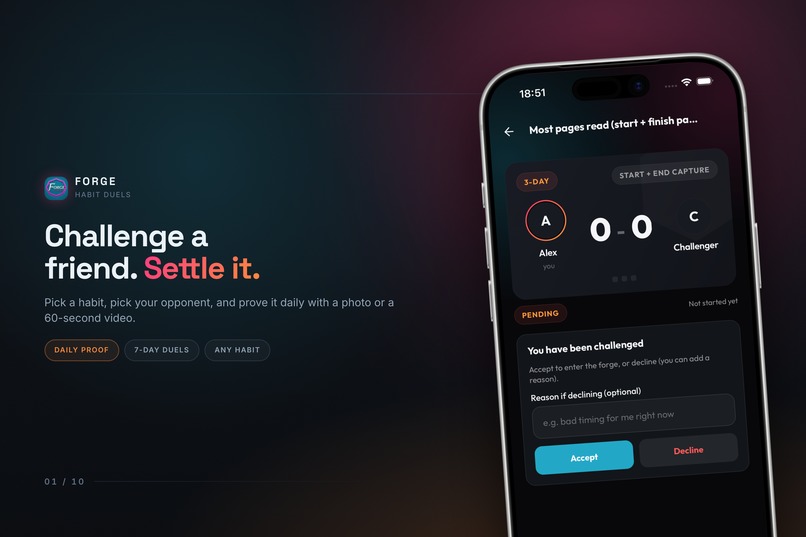
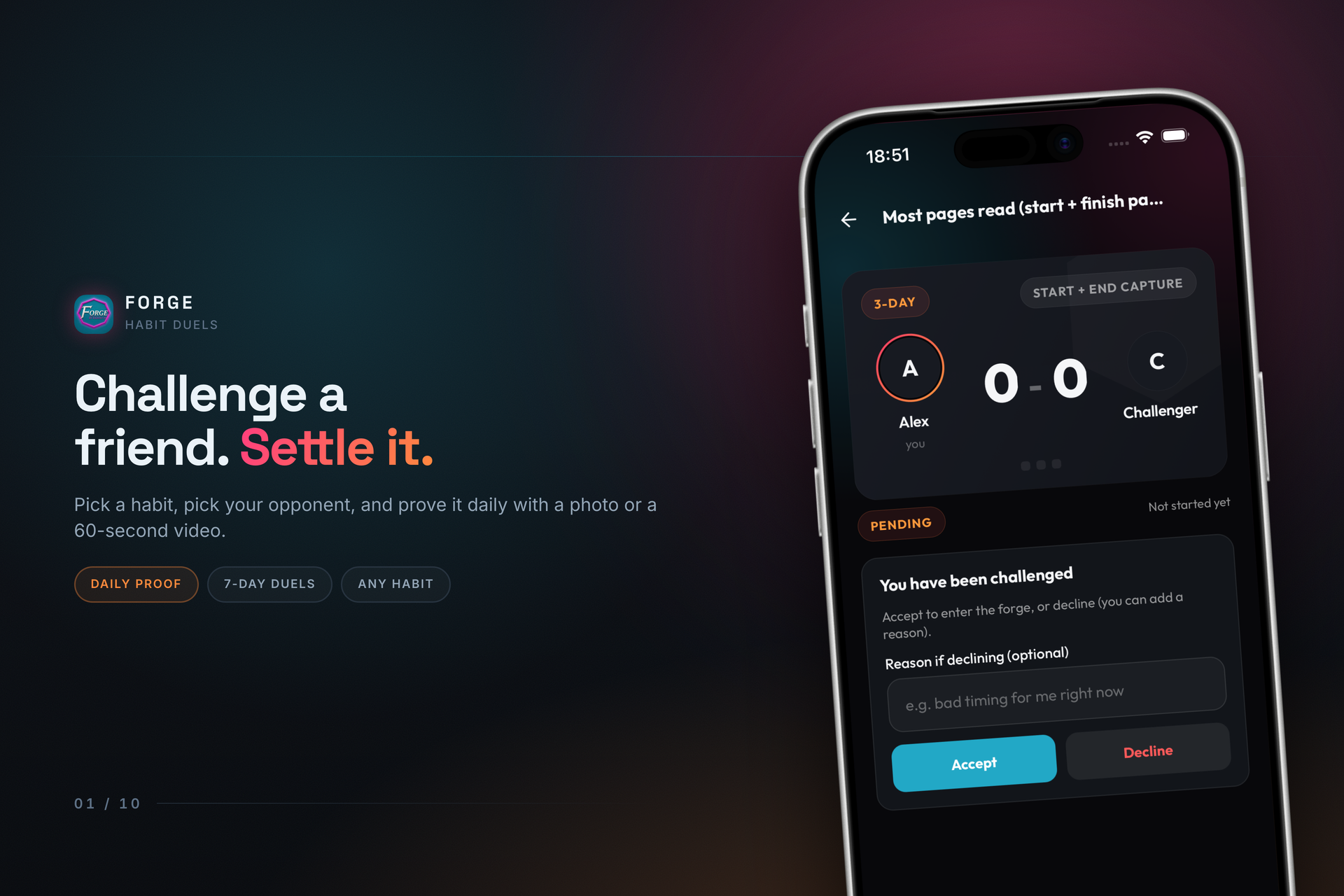
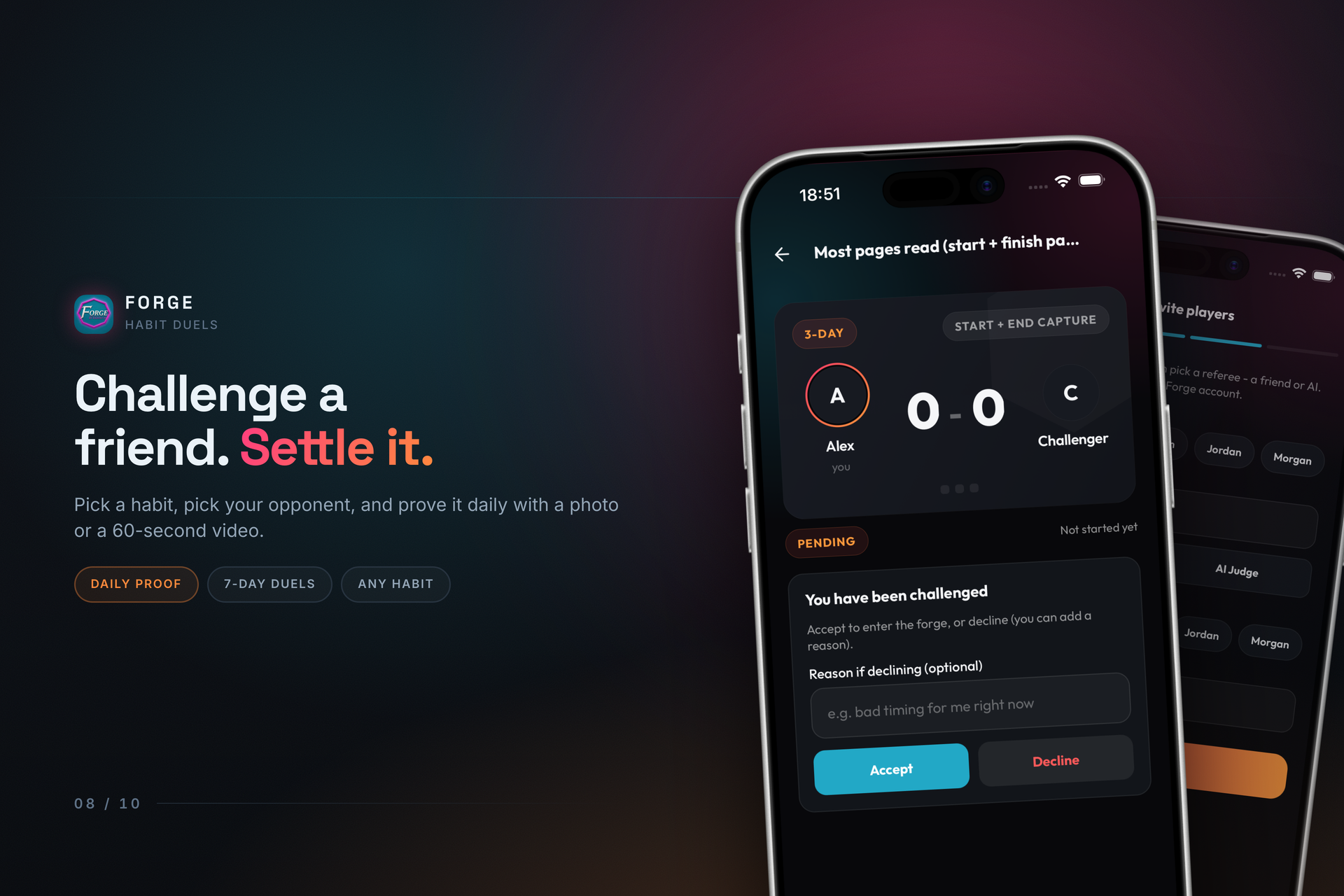
Pick the habit. Pick the opponent. Accept, and the duel is live.
-
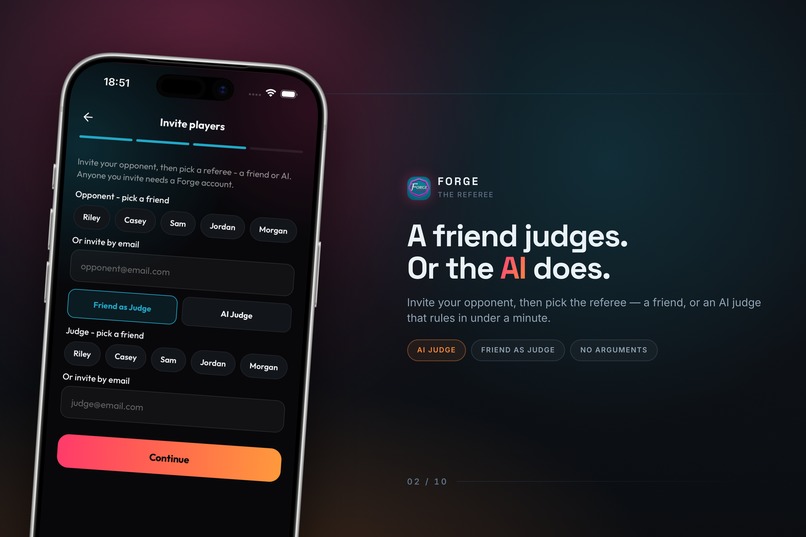
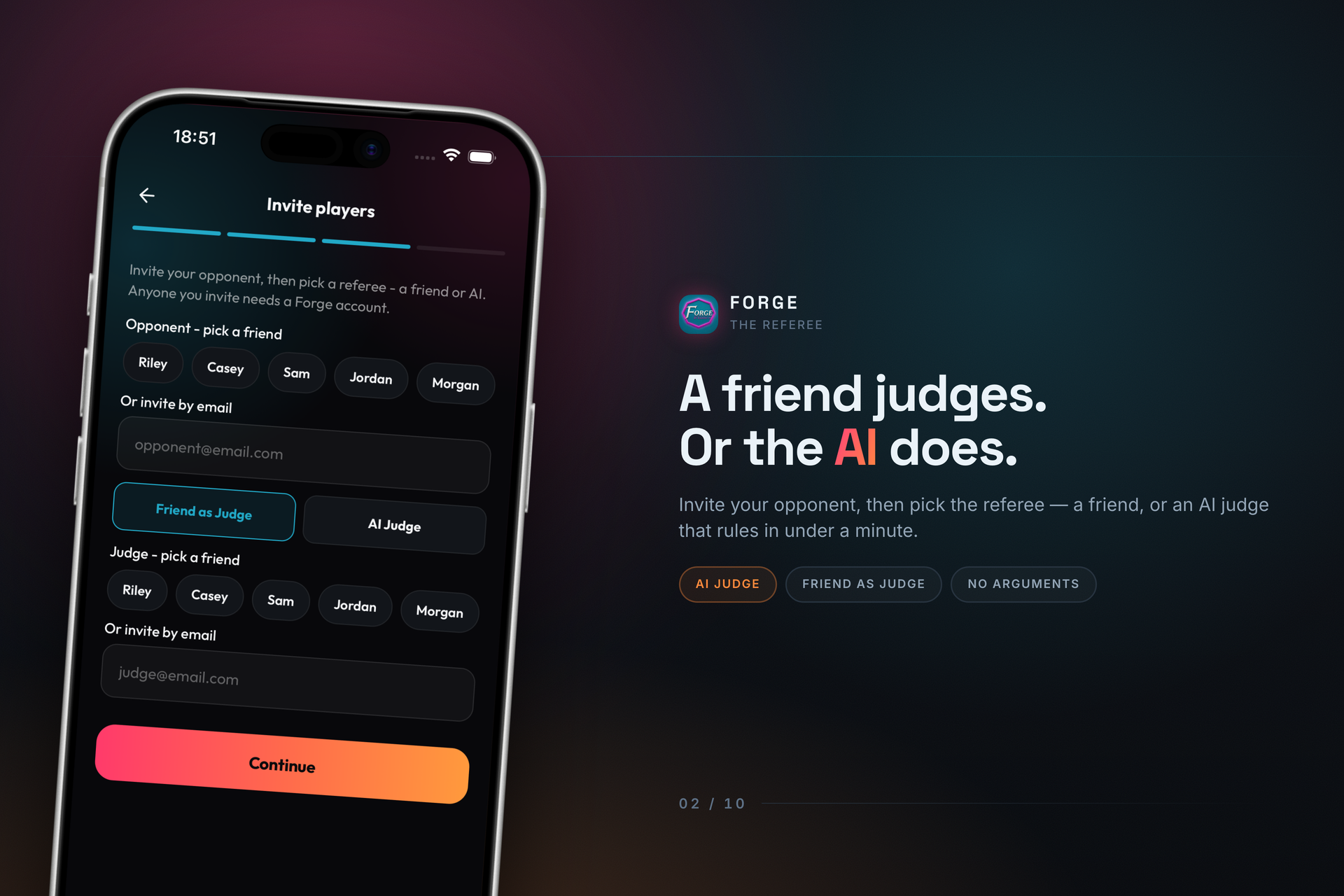
Every duel gets a referee — a friend, or an AI that rules in under a minute.
-
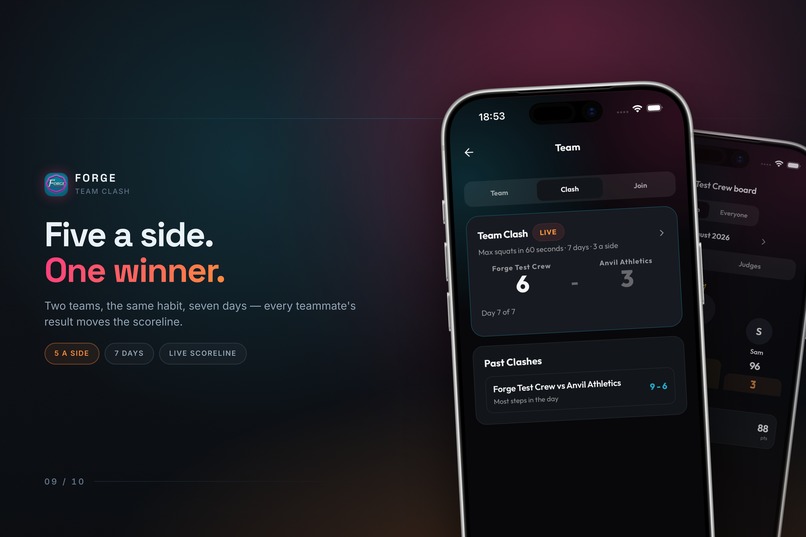
Team Clash on the left of the week, the winners board at the end of it.
-
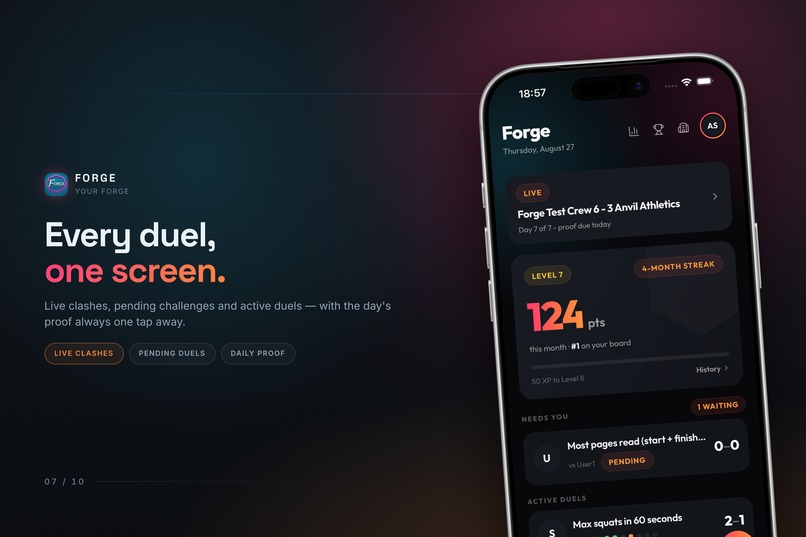
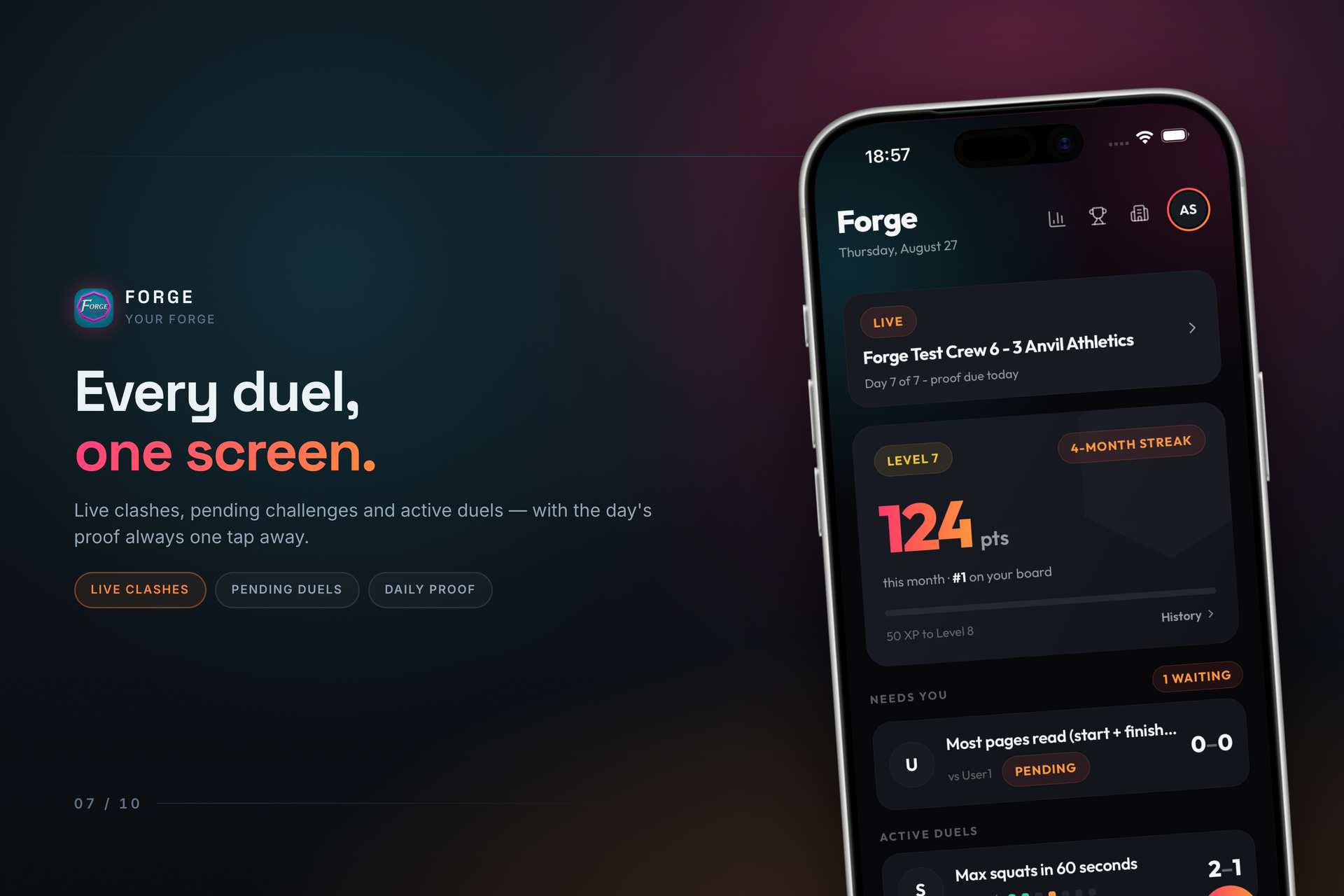
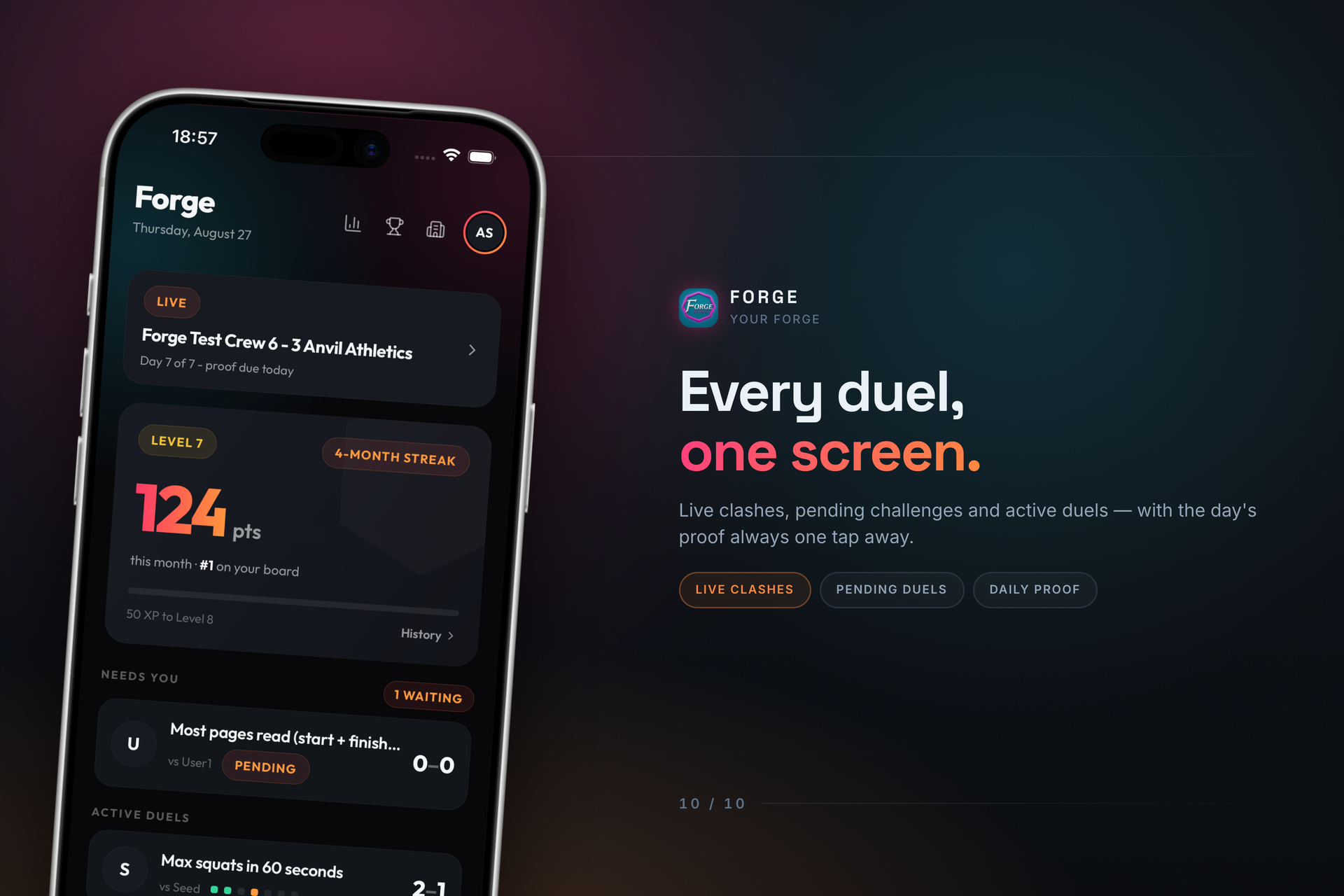
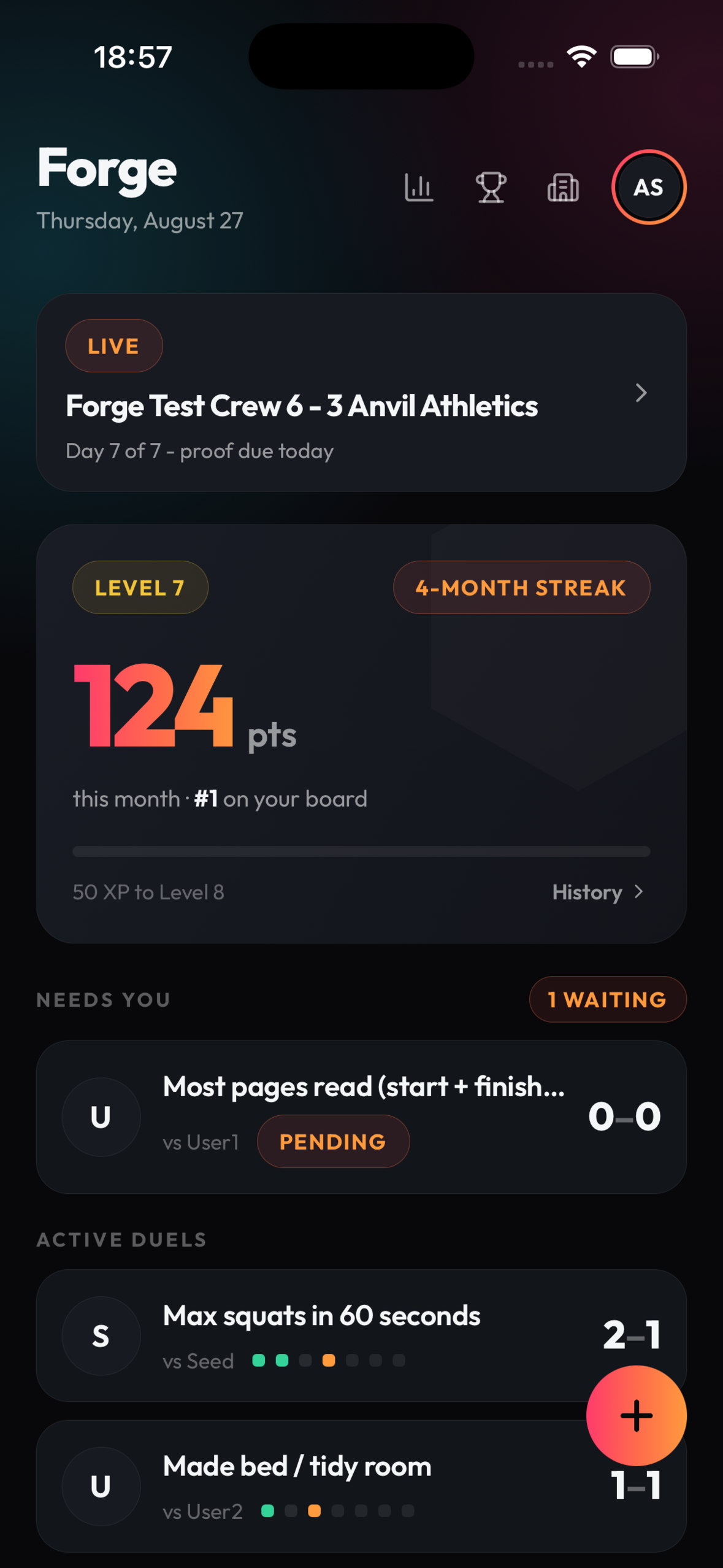
Live clashes, pending challenges and active duels in one feed.
-
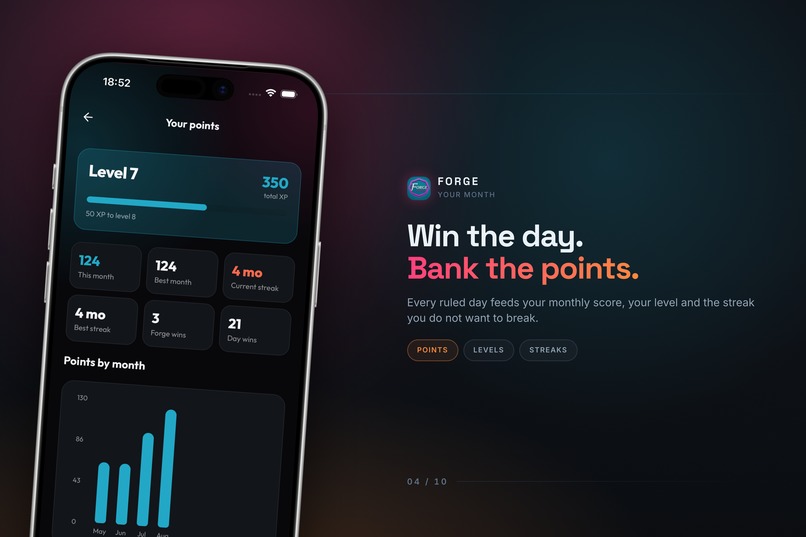
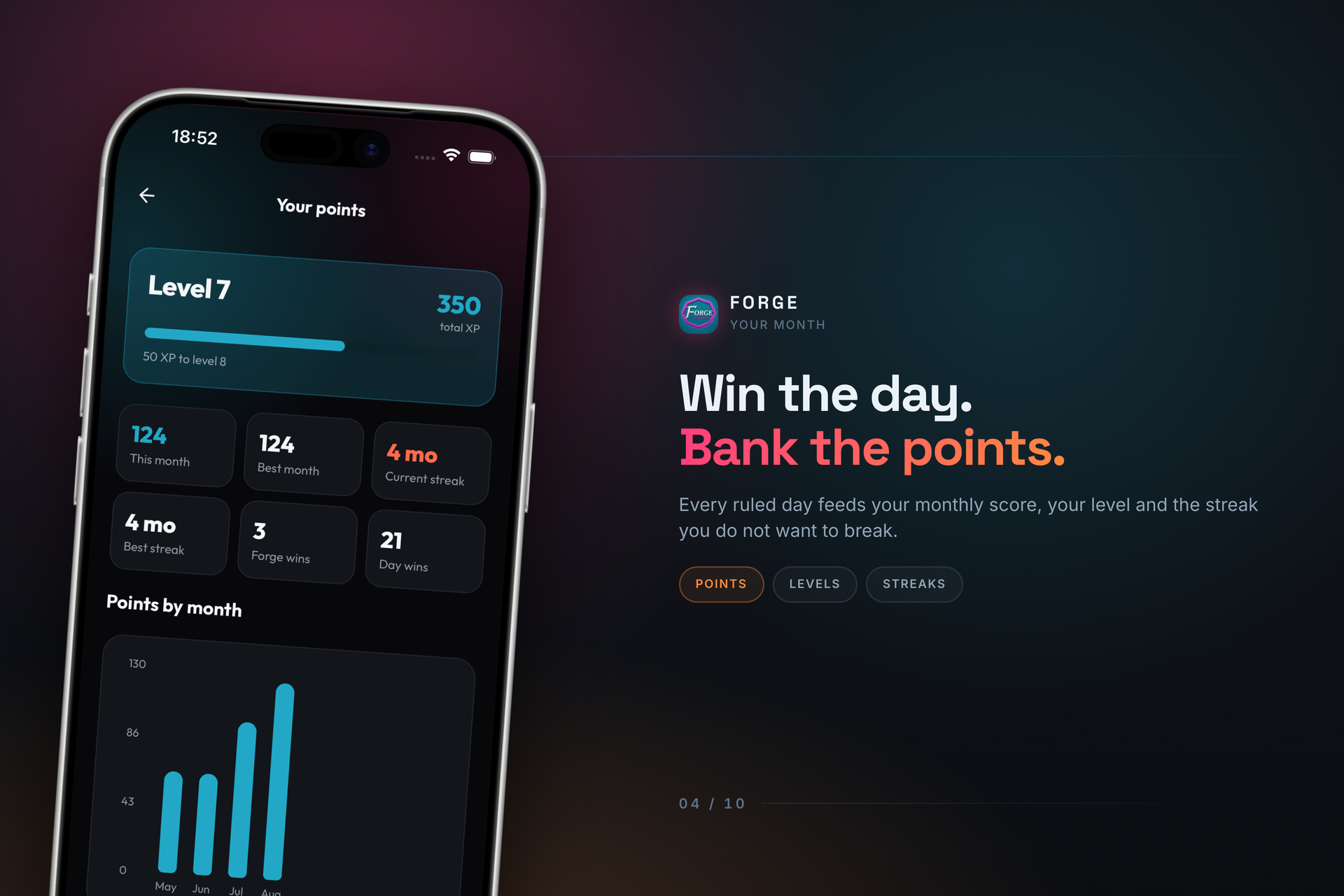
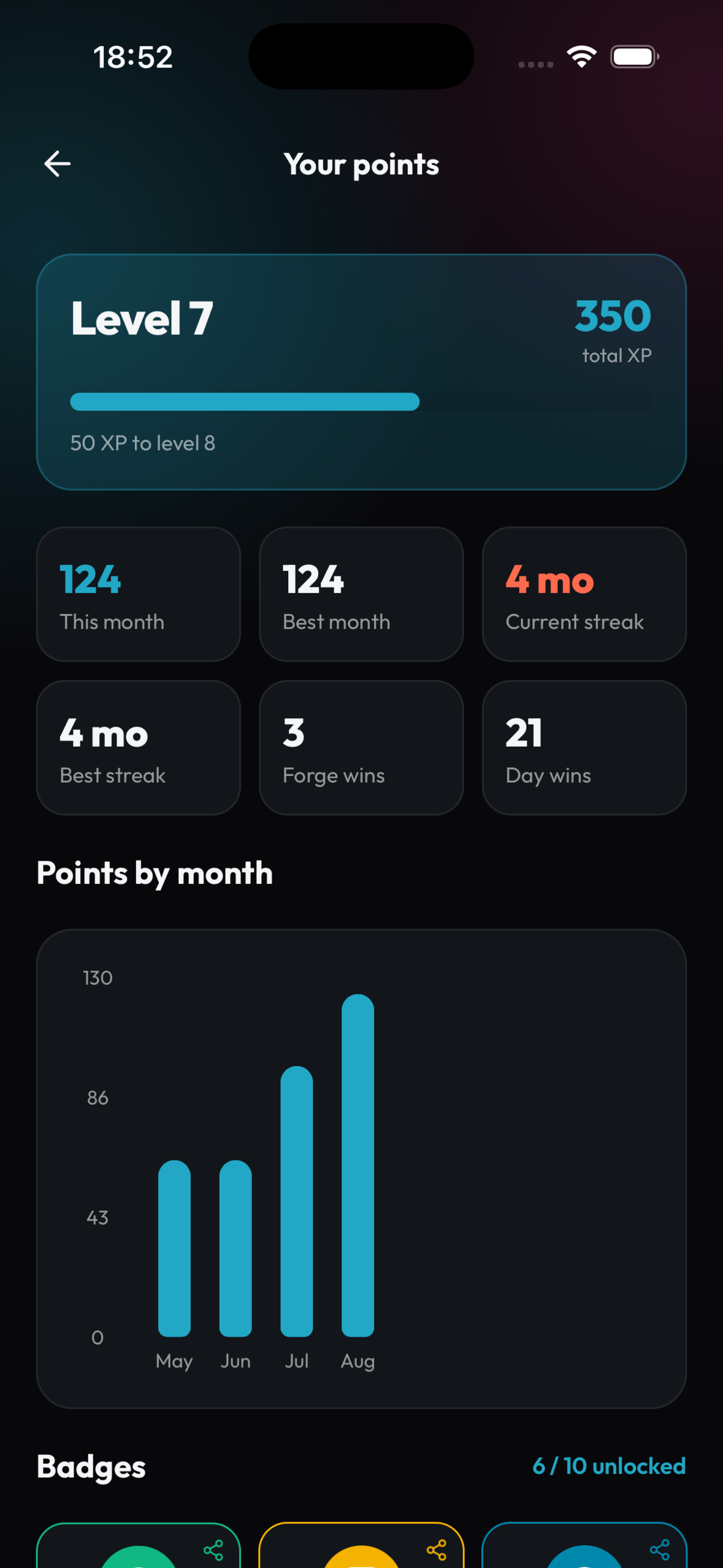
Every ruled day feeds your score, your level and the streak you won't break.
-
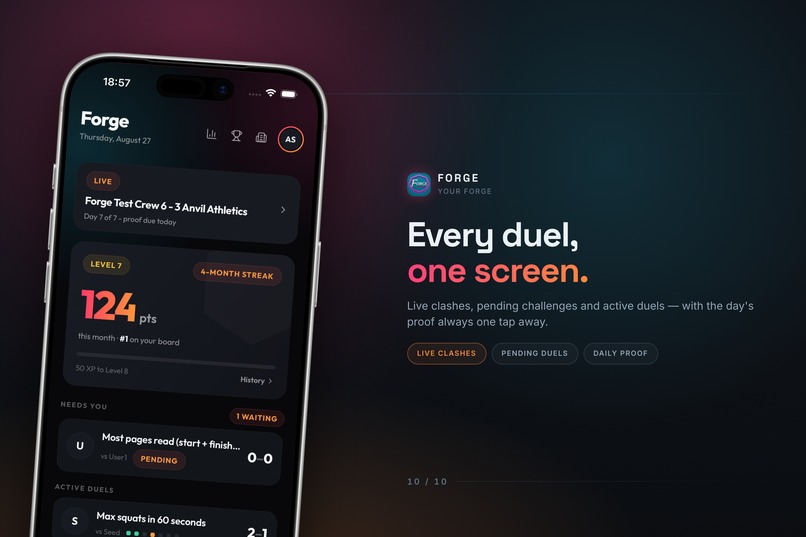
Your whole forge — live, pending and active — with the day's proof one tap away.
-
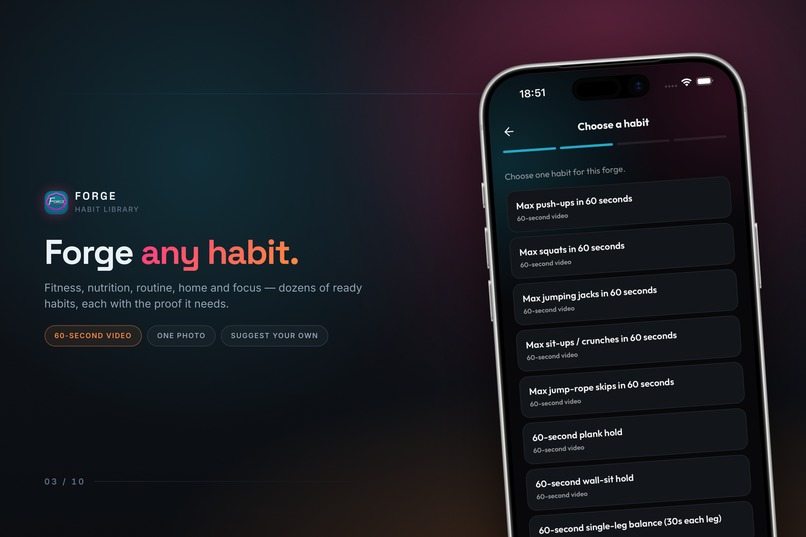
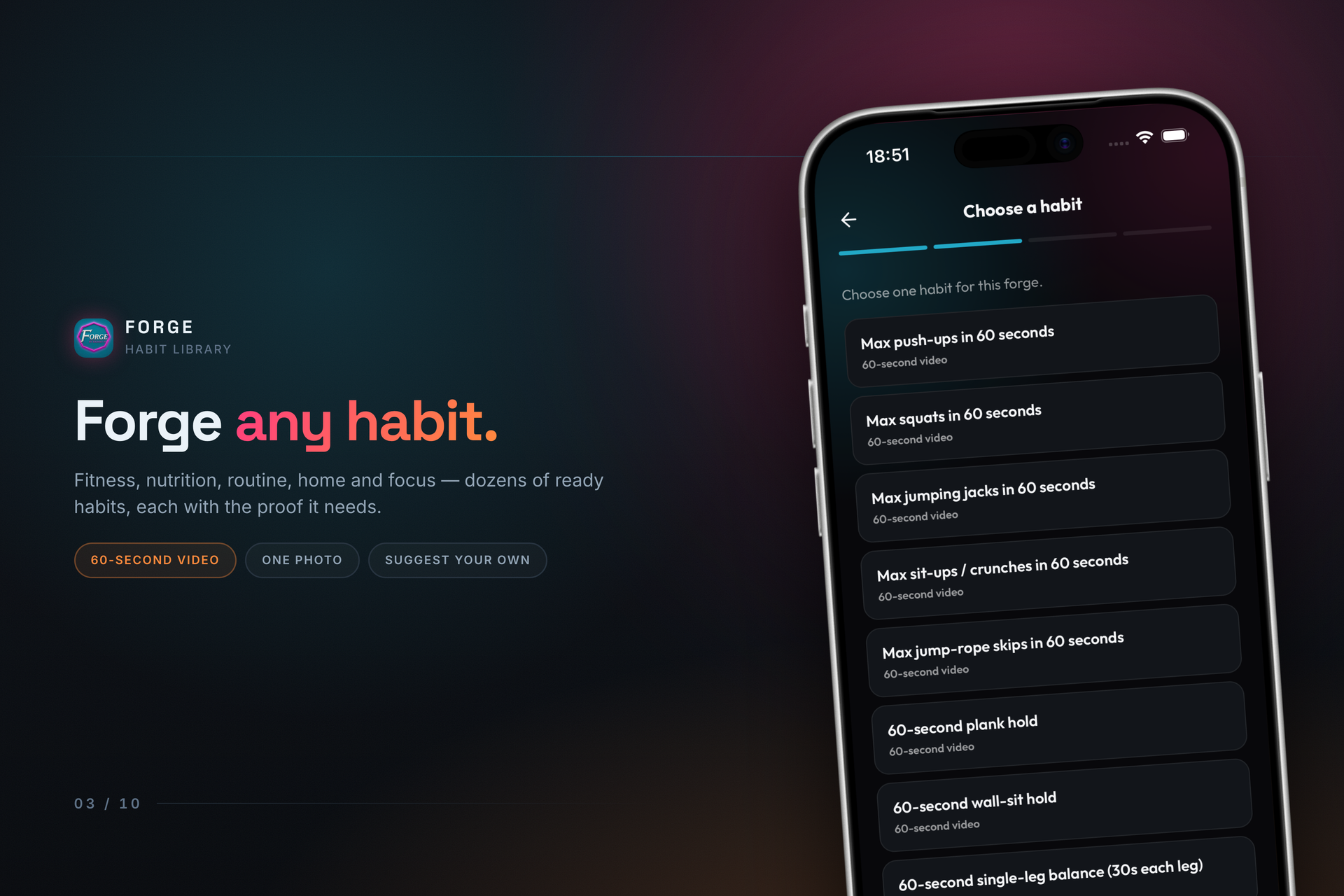
Dozens of ready habits, each with the proof it takes to win the day.
-
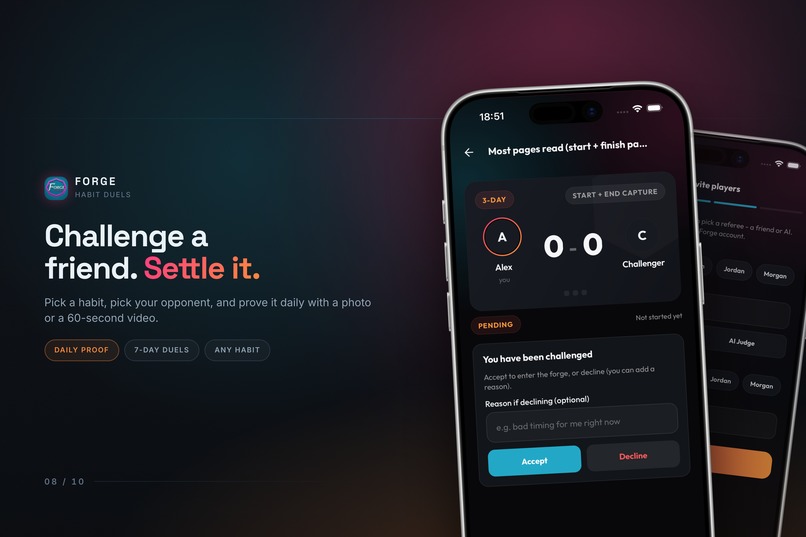
Pick the habit. Pick the opponent. Accept, and the duel is live.
-
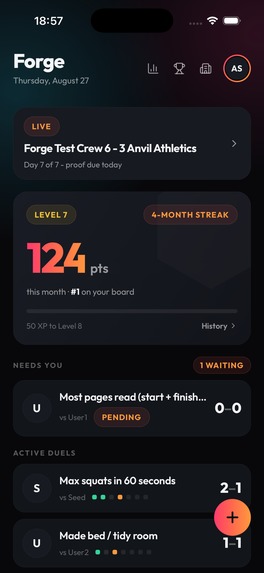
Home screenshot
-
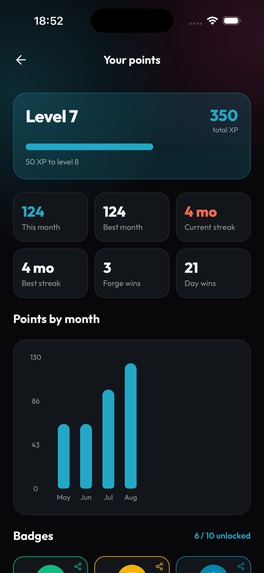
Personal points screenshot
Inspiration
Among the main reasons why people leave habits apps, lack of social support is one of the most underrated ones.
Radost IT wants to build an app where two friends, with a third friend or AI judge, compete and motivate each other; where starting something hard actually costs a little (so you commit), but where winning gives you nothing cashable - just score and satisfaction. Accountability that pulls more people into your goal instead of leaving you alone with a checkbox. That's Forge.
What it does
Forge turns self-improvement into a small, refereed contest between friends. Every forge has three roles:
- Challenger - starts the forge, picks a positive habit and a duration.
- Opponent - the friend you compete against.
- Judge - a third friend (or an optional AI Judge) who rules each day so nobody grades themselves.
Each day both competitors submit private proof (photo/video), the Judge rules it, and points are awarded. Media stays private to the three participants. Habits are a curated, strictly-positive library (fitness reps, healthier meals, sleep/wake routine, reading, practice) - no weight/calorie targets, no self-harm vectors, by construction.
Losing stays between the three of you and is phrased gently. The global leaderboard ranks winners only - no "biggest losers" board - plus a Hall of Fame and a separate Top Judges board so refereeing gets recognized too. Push nudges ("your opponent submitted - you're up", evening "finish your day" reminder) close loops that two other humans are waiting on.
Monetization sits behind one strict wall: money buys entry/access; winning gives non-cash score only - the two never touch. Per-forge entry fee (duration-tiered consumable IAP) and Premium subscriptions that waives entry and raises the concurrent-forge cap.
How we built it
- One app, everywhere. Forge runs on iPhone, Android, the web and desktop, all built from a single shared design so the experience feels identical no matter where a friend opens their invite.
- Built to stay cheap and fast. The whole service runs on pay-as-you-go cloud infrastructure that scales with real usage, so a forge started at 6am costs the same to run as one started at peak hour.
- Payments through RevenueCat. RevenueCat handles every purchase on mobile - the one-off entry fee for a forge and the Premium subscription - across both app stores. Crucially, whether someone's Premium waives their entry fee is decided by our server, never by the phone, so the perk can't be faked.
- Nudges that actually land. Push notifications fire on the moments that matter ("your opponent submitted - you're up", an evening "finish your day" reminder), with email as a backup. The evening reminder runs on a schedule and is built so nobody ever gets nudged twice for the same day.
- A little AI where it helps. An optional AI Judge can rule on daily proofs when a third friend isn't available - and when it isn't confident, it calls a tie and flags the day for a human instead of guessing. The same AI screens profile pictures for anything inappropriate. We cap how much AI each forge can use per month so costs stay predictable.
- Safety by default. Adults only (18+), proof photos and videos visible to just the three participants, and report / block / mute built in from day one.
Challenges we ran into
- Making sure this is a game, not gambling. The entire economy had to be designed so paying gets you a service - a refereed challenge - and winning gets you only a score you can never cash out. No pot, no payout, no exceptions. Every single feature got measured against that line.
- Charging at the right moment. Asking the challenger to pay up front meant people paid for forges their friends never joined. We moved the payment prompt to after both the opponent and the judge accept - the moment everyone's committed - which removed dead charges entirely.
- Proving you did it, without spying on you. We didn't want step counters or location tracking. Answering "did they really do it?" with a friend (plus an AI backup) meant building a private media vault where proof is only ever viewable by the three people in the forge, and links expire.
Accomplishments that we're proud of
- A monetization model that's genuinely non-exploitative - paid, refereed, and clearly not gambling - instead of another put-money-in-a-pot app.
- Human verification at near-zero cost. A friend judging you makes cheating socially awkward in a way no algorithm can, and "be my judge" is a much easier ask than "compete with me" - so it pulls in people who'd never join a challenge.
- Every forge brings one or two more people in. Growth is built into the shape of the product, not bolted on.
- An AI Judge that removes the "I don't have a third friend" blocker - and doesn't charge you for it.
- Shipped on both iOS and Android.
What we learned
- Paywalls that block core participation kill the thing that makes the product spread. Charge for starting and for power features - never for joining.
- Charge at peak intent, not first touch. Where we put the payment prompt moved conversion more than the price ever did.
- Social accountability beats surveillance. One friend saying "yep, you did it" solves verification more cheaply and more humanely than any tracker.
- Deciding the money-never-touches-score rule up front made dozens of later decisions obvious. It's the spine everything hangs off.
- Tight constraints early on forced better design choices than we'd have made with a blank cheque.
What's next for Forge by Radost IT
- Finish the per-forge entry-fee offerings in RevenueCat - the pricing tiers by duration are the last piece to switch on.
- More ways to spend that don't touch score: cosmetics and gifting a friend's entry.
- Team seats for companies: employer-funded wellness challenges between colleagues.
- Deeper AI: an AI Coach, richer personal stats, and a sharper AI Judge.
- Launch: publish to both app stores inside the Aug 1 - Sep 30 2026 window, then tune the daily reminder loop against real engagement data.
Built With
- amazon-web-services
- lambda
- nextjs
- onesignal
- react
- react-native
- revenuecat
- serverless
- stripe


Log in or sign up for Devpost to join the conversation.