-
-

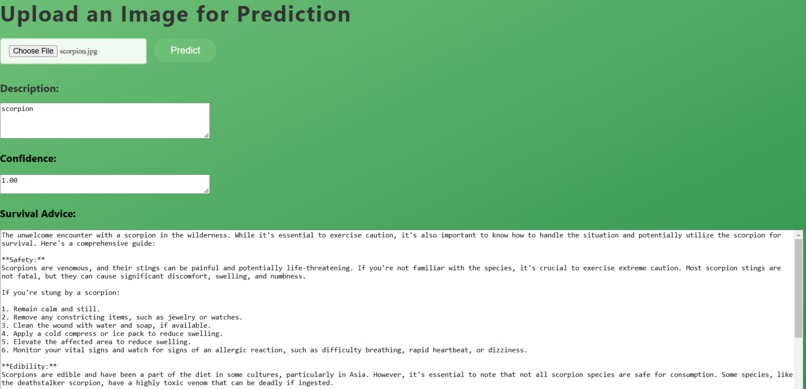
Image upload page
-
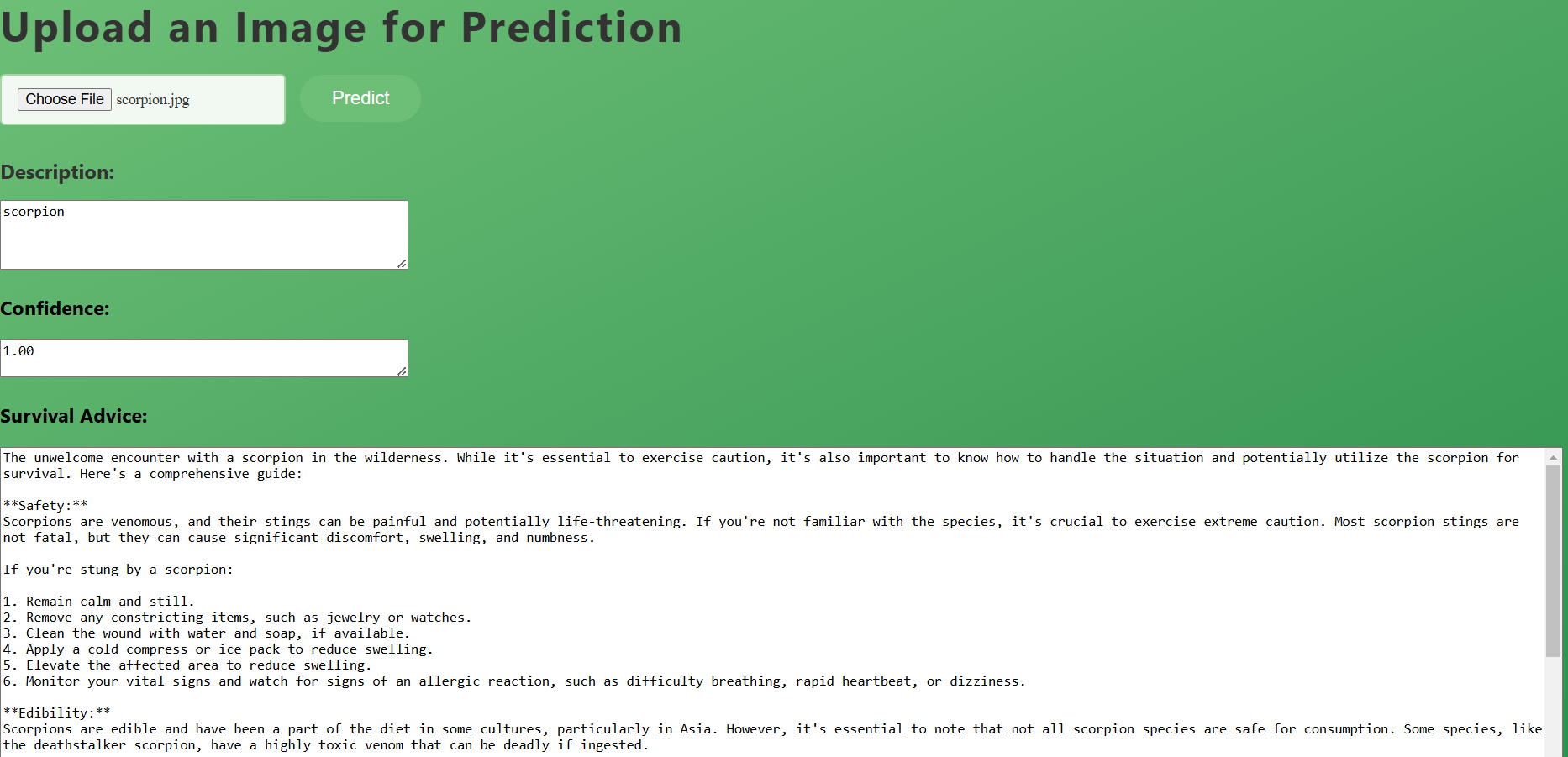
Result page
-
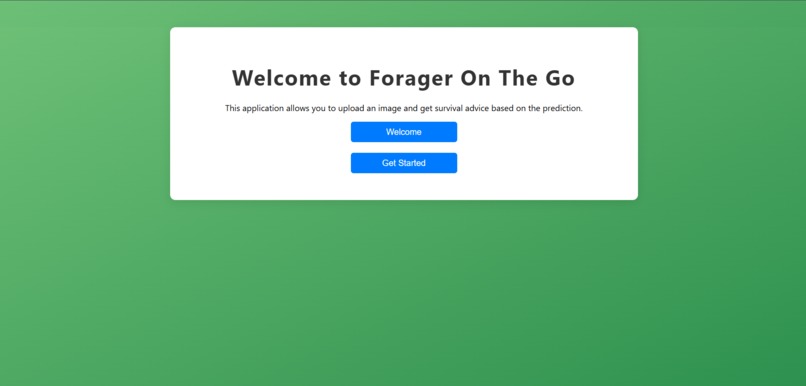
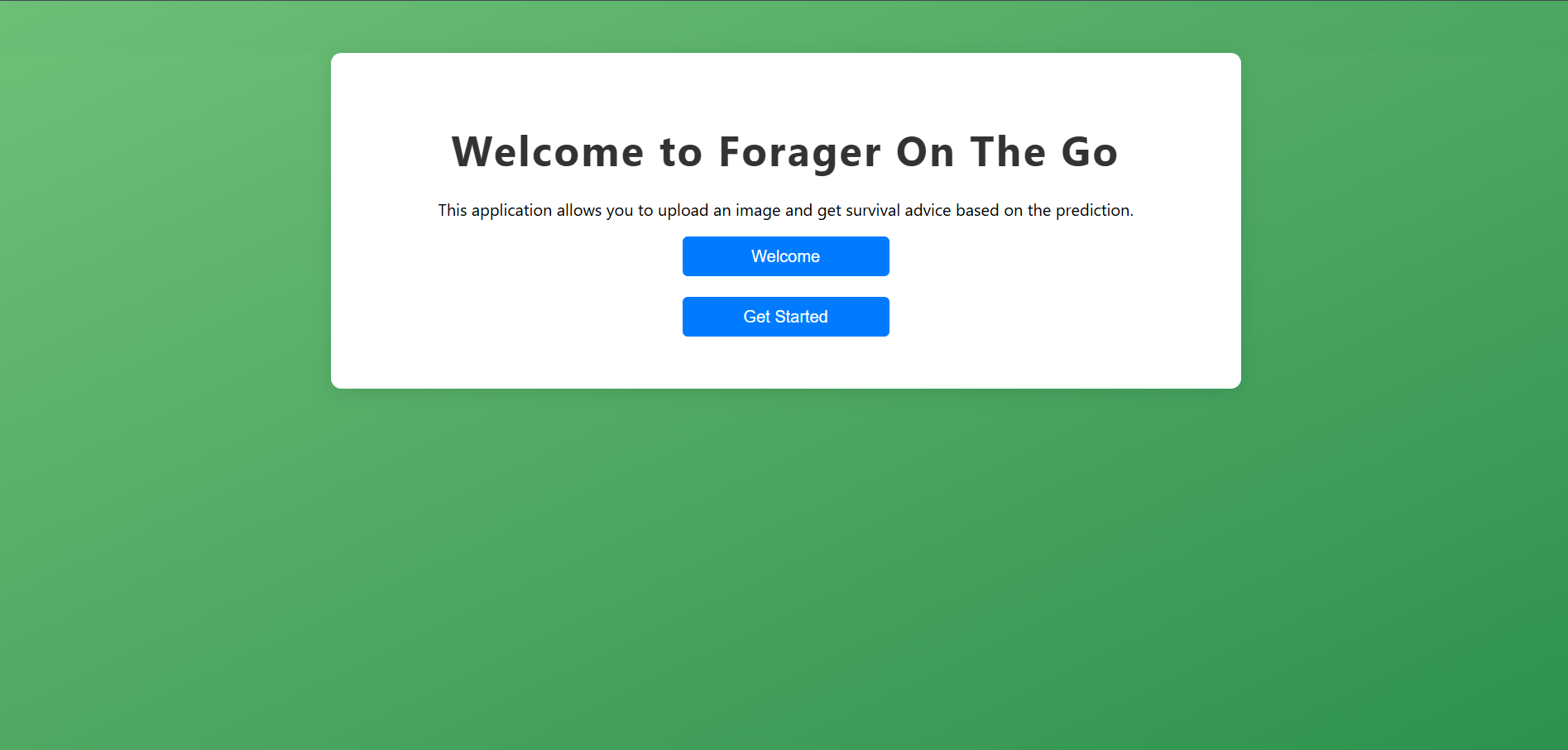
Homapage

Inspiration The idea of combining technology with survival skills inspired Image Detection and AI Suggestion Tool. As an avid outdoors enthusiast, I realized the potential of a tool that could provide real-time survival advice based on images taken in the wilderness. I wanted to create a tool to assist adventurers, hikers, and nature lovers by giving them practical advice based on what they might encounter in the wild.
What it does Image Detection and AI Suggestion Tool is a web application that allows users to upload images of their surroundings or found items while they’re exploring the outdoors. Based on the image, the app provides survival advice, helping users identify potential resources, dangers, and actions they can take in various survival situations.
How we built it The project was built using a combination of frontend and backend technologies:
Frontend: HTML for the structure, CSS for styling, and JavaScript for adding interactive elements. For the backend, we used frameworks like Flask, which enabled the server to process image uploads and provide responses based on machine learning models. Machine Learning: The app utilizes pre-trained machine learning models to analyze uploaded images and provide advice, ensuring the recommendations are as accurate as possible. Deployment: We deployed the app using GitHub Pages for static content and Heroku for the backend, ensuring the platform was accessible worldwide. The domain was configured via CNAME for seamless access. Challenges we ran into Image Processing and Uploads: Handling image uploads was a bit tricky. One of the first hurdles was ensuring the images were processed correctly by the backend and used effectively by the machine learning models. Integrating Machine Learning Models: Incorporating the models for providing accurate survival advice based on images took time and involved several iterations to fine-tune. Deployment: Setting up the project for deployment on platforms like GitHub Pages and Heroku proved challenging, particularly around routing and ensuring the backend was fully functional after deployment. Accomplishments that we're proud of Successfully integrating machine learning models that can predict survival advice based on uploaded images. The app’s smooth user experience, from easy image uploads to quick responses from the backend. Successfully deploying the project and setting up a custom domain via CNAME, making it accessible to anyone. Learning how to seamlessly integrate frontend and backend technologies, and deploying the app on different platforms. What we learned Web Development: I gained more experience in web development, especially in creating responsive designs and interactive web elements. Machine Learning Integration: I learned how to work with machine learning models and integrate them into a web application to make real-time predictions. Deployment Challenges: I gained valuable experience deploying apps on platforms like Heroku and GitHub Pages, ensuring that both static and dynamic content were served correctly. What's Next for Forager On The Go Feature Expansion: Adding more machine learning models to offer a wider range of survival advice. Mobile Version: Optimizing the app for mobile use to make it even more accessible for adventurers on the go. Offline Capabilities: Introducing offline functionality, allowing users to access advice even without an internet connection. User Feedback Integration: Implementing a system for users to provide feedback, which will help improve the advice and recommendations offered by the app.


Log in or sign up for Devpost to join the conversation.